Drift fishing is one of the easiest ways to present bait naturally in moving water. Instead of forcing your lure into place, you let the current carry it through likely fish-holding lanes. With the right rod, line, weight, bait, and boat control, you can cover more water and reach fish that sit behind rocks, along seams, near drop-offs, and around structure.
Quick Answer
Drift fishing means casting bait or a lure upstream or up-current, then letting the water carry it naturally past fish. Beginners should use a medium-light to medium spinning rod, 6–12 lb line, enough weight to tick bottom without snagging, and bait that matches local forage.
Key Takeaways
- Drift fishing works best when your bait moves at the same pace as the current.
- Use just enough weight to keep the bait near the strike zone without dragging constantly.
- Look for seams, eddies, drop-offs, boulders, docks, reefs, and current breaks.
- Live bait, cut bait, jigs, crankbaits, and soft plastics can all work when matched to the species and water clarity.
- Safety matters. Wear a PFD, check weather, know local rules, and avoid unsafe current or boat conditions.
At a Glance
| Time Required | 30 minutes to learn the setup; a few trips to build confidence |
| Difficulty | Beginner-friendly, but current reading and line control take practice |
| Tools Needed | Spinning rod and reel, 6–12 lb line, hooks, swivels, sinkers, bait or lures, pliers, landing net, and PFD |
| Cost | Low to moderate if you already own basic fishing gear |
Understanding Drift Fishing
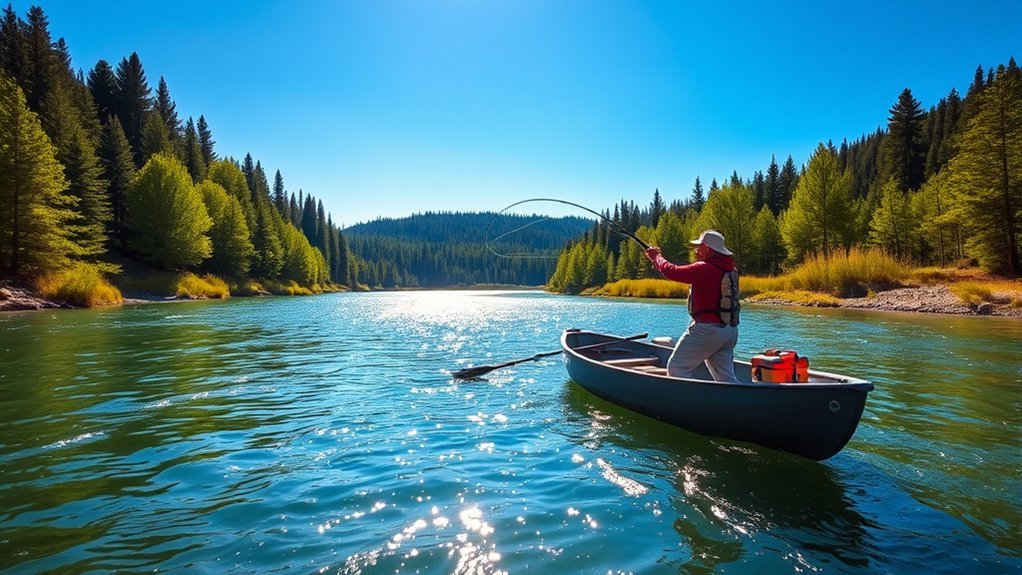
Drift fishing lets the current carry your bait or lure through natural feeding lanes. You cast upstream, up-current, or across the flow, then allow the bait to move downstream in a lifelike way. This natural movement can trigger fish that are waiting for food to pass by.
This method works in rivers, streams, tidal channels, bays, estuaries, and offshore areas with steady current. It is especially useful when fish spread out along current seams, drop-offs, rocks, wrecks, or weed edges.
Drift fishing is popular for steelhead, salmon, trout, bass, redfish, snook, tarpon, snapper, and grouper. It also suits beginners because you can cover water without making perfect long casts every time. Your main job is to control speed, depth, line tension, and bait presentation.
Note: A good drift does not mean letting the bait drag aimlessly. Your bait should move naturally while staying close enough to the strike zone for fish to notice it.
Essential Equipment for Drift Fishing
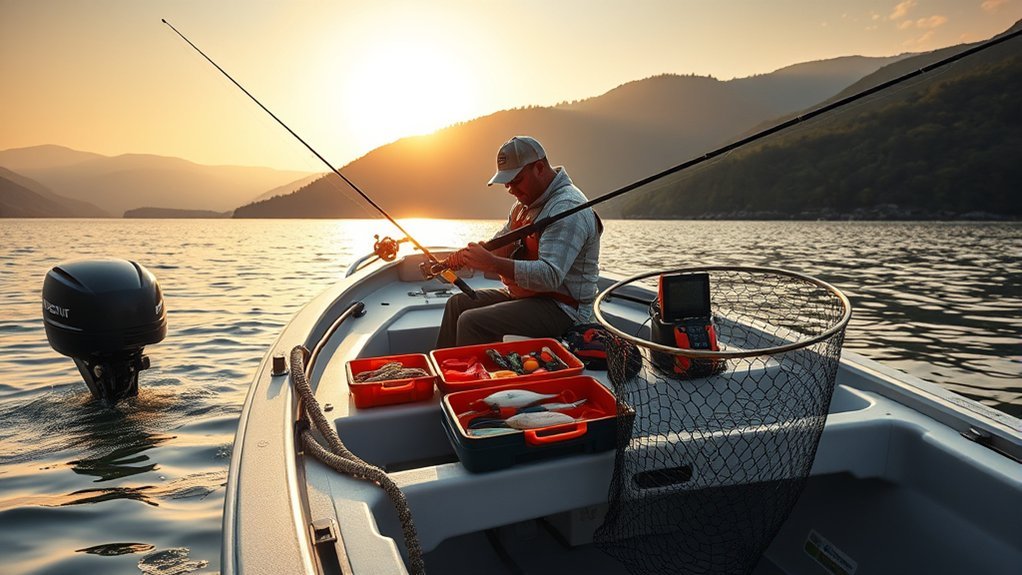
You do not need complicated gear to start drift fishing, but the right setup helps you feel bites and avoid constant snags. Choose equipment based on the water depth, current speed, target fish, and bait size.
- Fishing rod: Use a medium-light to medium spinning rod around 8–10 feet for many river setups. A longer rod helps with line control, mending, and detecting subtle bites.
- Reel: A smooth spinning reel in the 2500–4000 size range works for many freshwater and light inshore situations.
- Fishing line: Choose monofilament, braided, or fluorocarbon line in the 6–12 lb range for lighter fishing. Use heavier line for large salmon, tarpon, snapper, grouper, or heavy cover.
- Leader: Fluorocarbon leader can help in clear water, while stronger mono leader works well around rocks, docks, and rough structure.
- Terminal tackle: Carry hooks, sinkers, swivels, beads, floats, split shot, and sliding weights so you can adjust quickly.
- Live bait: Sand shrimp, minnows, shiners, shrimp, mullet, crabs, squid, worms, and crayfish can all work depending on the location.
- Artificial lures: Jigs, soft plastics, crankbaits, spinnerbaits, and spoons can drift naturally when matched to current and depth.
- Boat, kayak, or bank access: A drift boat, kayak, or safe bank position can all work. Stability and safe positioning matter more than the platform.
- Safety gear: Bring a PFD, whistle, pliers, first aid kit, flashlight, weather-ready clothing, and a way to contact help.
Best Rigs for Drift Fishing
The best drift fishing rig keeps your bait near fish without making it look stiff or unnatural. Start simple, then adjust your weight, leader length, and hook size until the bait drifts cleanly.
Basic Drift Rig
A basic drift rig uses a main line, swivel, leader, hook, and enough weight to reach the right depth. Place the weight above the swivel or use a sliding sinker system so the bait can move more naturally.
- Thread a sinker or add split shot to the main line.
- Tie on a swivel to reduce line twist.
- Add a leader, usually 18–36 inches long.
- Tie on a hook sized for your bait and target fish.
- Cast upstream or across the current and let the rig drift naturally.
Float Drift Rig
A float drift rig helps suspend bait above the bottom. This setup works well when fish hold at a set depth or when the bottom is too snaggy for a weight-dragging approach.
- Use a slip float or fixed float based on water depth.
- Add split shot below the float to balance the drift.
- Set the bait slightly above the depth where fish are holding.
- Watch the float for dips, pauses, or sideways movement.
Three-Way Drift Rig
A three-way rig works well in deeper water, stronger current, and boat drifts. It uses one line to the bait and one dropper line to the weight. If the weight snags, the lighter dropper can break without losing the entire rig.
Pro Tip: If your rig never touches bottom, add a little weight. If it drags, stalls, or snags every few feet, remove weight or shorten the drift.
Best Baits for Drift Fishing
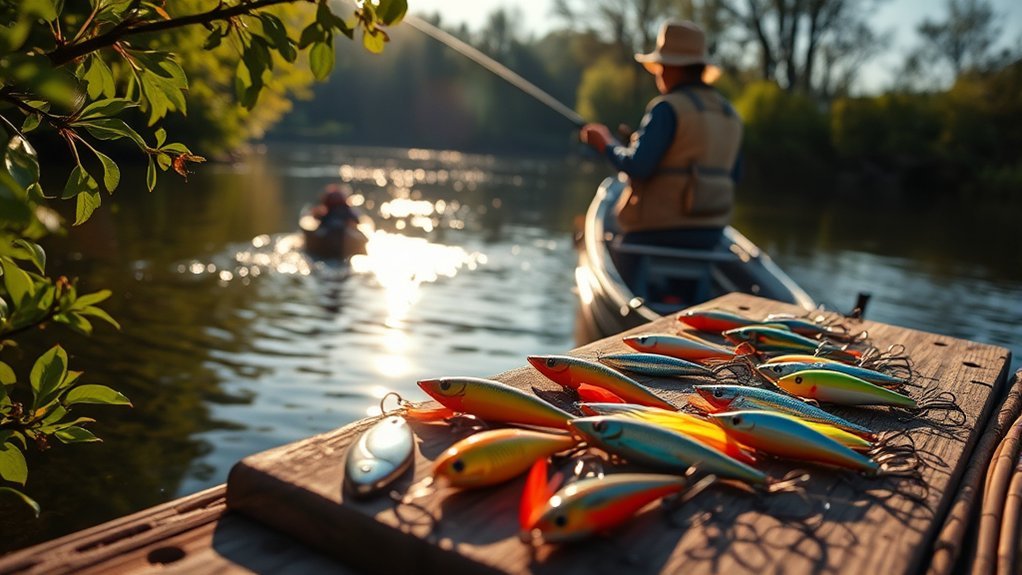
The best bait for drift fishing depends on your target species, season, local forage, water clarity, and current speed. Live bait often gives beginners the most natural action, while artificial lures let you cover water and adjust faster.
Live Bait Options
Live bait can make a major difference because it moves, smells, and looks natural in the current. Use bait that is common in the water you are fishing, and check local rules before collecting or using live bait.
- Saltwater: Shrimp, whitebait, mullet, crabs, squid, and small baitfish.
- Freshwater: Minnows, shiners, worms, crayfish, salmon eggs, sand shrimp, and cut bait.
- Brackish water: Shrimp, mud minnows, finger mullet, crabs, and small baitfish.
Keep live bait lively and avoid oversized hooks that restrict movement. A natural drift with healthy bait often beats a perfect rig with weak bait.
Cut Bait and Scented Bait
Cut bait works well for predatory fish because it releases scent into the current. Use fresh pieces that match the size of the fish you want to catch. In muddy water or heavy current, scent can help fish find your bait faster.
Effective Artificial Lures
Artificial lures offer control, durability, and speed. Crankbaits can imitate injured baitfish. Spinnerbaits create flash and vibration in stained water. Jigs reach deeper current seams and bottom-holding fish. Paddle tail soft plastics create a steady swimming action that works in rivers, bays, and tidal cuts.
Match lure color to water clarity. Natural colors often work best in clear water, while brighter colors and larger profiles can help fish locate your lure in stained or murky water.
Key Techniques for Successful Drift Fishing

Successful drift fishing comes down to presentation. Your bait should travel through the strike zone at a natural speed, close enough to fish without dragging or spinning.
Casting Techniques Explained
Start by casting upstream or slightly across the current. Let the bait sink, then follow the drift with your rod tip while keeping light tension on the line.
- Aim upstream at a slight angle so the bait drifts back naturally.
- Use short, controlled casts around 20 feet when learning.
- Adjust your weight based on current speed and depth.
- Keep slight tension so you can feel ticks, pauses, and strikes.
- Avoid pulling the bait faster than the current unless the lure is designed for that action.
- Practice in open water before fishing tight banks, trees, docks, or crowded runs.
Reading Water Conditions
Reading water helps you spend more time where fish are likely to feed. Look for places where fast current meets slow current, because drifting food often collects along these seams.
- Eddies: Fish rest in slower water and watch food move past.
- Boulders: Fish hold behind rocks to avoid heavy current.
- Drop-offs: Predators often sit along depth changes.
- Banks and undercuts: Trout, bass, and other fish use these edges for cover.
- Docks, mangroves, and pilings: Snook, redfish, and other species use these areas as ambush points.
- Reefs and wrecks: Snapper, grouper, and other saltwater fish gather around structure.
Water clarity also matters. In clear water, use smaller baits and natural colors. In stained water, use stronger scent, more vibration, and brighter profiles.
Effective Bait Presentation
Effective bait presentation is the key to attracting fish while drift fishing. Focus on depth, speed, and natural movement.
- Cast upstream and let the current carry your bait downstream.
- Use lighter weights in slow current and heavier weights in fast current.
- Place bait near the bottom for bottom-dwelling fish.
- Raise bait higher in the water column for suspended fish or surface feeders.
- Use lively live bait such as sand shrimp, minnows, shrimp, or shiners.
- Maintain enough line tension to detect subtle bites.
- Set the hook when the line stops, jumps, pulls sideways, or feels heavier than normal.
Popular Locations for Drift Fishing

The best drift fishing locations have moving water, food, and cover. Current concentrates bait, while structure gives fish a place to rest and ambush prey.
Popular saltwater areas include the Ten Thousand Islands and Florida Keys in Florida, where tides, channels, mangroves, grass flats, reefs, and wrecks create strong feeding zones. Coastal estuaries and bays also produce well because they mix fresh and saltwater and hold baitfish, shrimp, crabs, and other forage.
Freshwater rivers such as the Salmon River in New York and the Deschutes River in Oregon offer current, runs, riffles, pools, and habitat that can support salmon, steelhead, trout, and other fish. Smaller streams, tailwaters, and dam-controlled flows can also fish well when the current is safe and stable.
Seasonal patterns matter. Some locations become more productive during migrations, spawning runs, baitfish movements, or tide changes. Before you go, check local access rules, license requirements, size limits, and seasonal closures.
Target Species for Drift Fishing
Drift fishing works for many species because most game fish use current to feed. The key is matching your bait, rig, and depth to the fish’s location.
Selecting the right fishing spot helps you target the right species, whether you fish freshwater, saltwater, or brackish water.
- Saltwater species: Redfish, snook, tarpon, snapper, grouper, flounder, and sea trout.
- Freshwater targets: Trout, bass, steelhead, salmon, walleye, catfish, and panfish.
- Seasonal patterns: Tarpon often become more active in warm months, while salmon and steelhead follow seasonal runs.
- Habitat preferences: Snook like mangroves, bridges, docks, and current breaks. Trout often hold near seams, riffles, and pools.
- Local regulations: Always check size limits, bag limits, gear rules, and closed seasons before keeping fish.
Chumming Techniques for Enhanced Success
Chumming can improve drift fishing when it is legal and used responsibly. It works by releasing small amounts of scent or food into the water, which can pull fish toward your drift path.
Choose the right type of chum for your target species and location. Ground fish, cut bait, pellets, or commercial chum may work, but some waters restrict chumming or ban certain bait types. Always check local rules first.
A chum bag or mesh container can release bait slowly and evenly. Start chumming before you make your first drift so the scent has time to spread. Avoid overfeeding fish, because too much chum can make them less likely to take your bait.
| Type of Chum | Best For | Local Regulation Check |
|---|---|---|
| Ground Fish | Bottom Feeders | Yes |
| Cut Bait | Predatory Species | Yes |
| Commercial Chum | Various Species | Yes |
| Pellets | Freshwater Fish | Yes |
| Live Bait | Multiple Species | Yes |
Weather and Tidal Considerations
Chumming and bait choice help, but weather and water movement often decide how well your drift works. Wind, tide, current, water clarity, and barometric changes can all affect fish behavior.
Good drift fishing depends on control. If wind, waves, or current move your bait too fast, your presentation can look unnatural.
- Wind speed and direction: Strong wind can push your boat, bow your line, and ruin bait presentation.
- Tidal movement: Fish often feed more actively when tides move food through cuts, flats, channels, and estuaries.
- Barometric pressure: Falling pressure can increase feeding activity for some species, while high, stable pressure can make fish more cautious.
- Rain effects: Light rain can improve freshwater fishing by adding flow and oxygen, but heavy rain can muddy water and create unsafe current.
- Seasonal weather patterns: Temperature swings, cold fronts, warm fronts, and storm systems can change where fish hold.
Common Drift Fishing Mistakes
Most drift fishing problems come from poor depth control, too much slack, or using the wrong amount of weight. Fixing these issues can quickly improve your catch rate.
- Using too much weight: Heavy rigs drag, snag, and move unnaturally.
- Using too little weight: Light rigs may drift above the fish and miss the strike zone.
- Letting out too much slack: Slack line makes it harder to feel bites and set the hook.
- Dragging instead of drifting: A bait that scrapes constantly along bottom often looks unnatural and snags often.
- Ignoring current seams: Random casts waste time. Focus on lanes where food naturally travels.
- Fishing unsafe water: High, muddy, fast, or debris-filled water can be dangerous from a boat, kayak, or bank.
Safety Tips for Drift Fishing
Drift fishing can be exciting, but safety on the water should always come first. Moving water changes fast, especially near dams, tides, storms, strainers, rocks, and submerged objects.
Warning: Wear a personal flotation device when fishing from a boat or kayak, and avoid drifting through water you have not checked for hazards.
- Wear a properly fitted personal flotation device whenever you fish from a boat or kayak.
- Check weather, wind, tide, and river-flow conditions before leaving.
- Tell someone where you are fishing and when you expect to return.
- Carry a whistle, flashlight, first aid kit, dry clothing, and a charged phone or radio.
- Learn local boating rules, fishing rules, and access restrictions.
- Avoid anchoring in strong current unless you know how to do it safely.
- Watch for strainers, sweepers, submerged rocks, fast channels, and sudden depth changes.
- Keep hooks, knives, and pliers organized so they do not become hazards in rough water.
Frequently Asked Questions
How do you drift fish for beginners?
Start with a simple spinning rod, 6–12 lb line, a swivel, leader, hook, and enough weight to reach the strike zone. Cast upstream or across the current, let the bait drift naturally, and keep light tension so you can feel bites.
What is the 80/20 rule in fishing?
The 80/20 rule means most of your catches often come from a small share of your effort. In drift fishing, this means you should focus on the most productive seams, current breaks, depths, and structure instead of casting randomly.
What is the 90/10 rule in fishing?
The 90/10 rule suggests that most fish often hold in a small part of the available water. Look for structure, current seams, drop-offs, eddies, baitfish, and cover to narrow your search.
What is the best bait for drift fishing?
The best bait depends on your target species and location. Shrimp, minnows, shiners, worms, crabs, mullet, squid, cut bait, jigs, and soft plastics can all work when they match local forage and water conditions.
How much weight should you use for drift fishing?
Use the lightest weight that keeps your bait near the strike zone. Your rig should occasionally tick bottom in many river setups, but it should not drag, stall, or snag constantly.
Can you drift fish from shore?
Yes. Shore anglers can drift fish by casting upstream or across current from a safe bank position. Focus on seams, eddies, undercut banks, bridge areas, and current breaks within casting range.
Conclusion
Drift fishing gives you a simple, natural way to cover moving water and reach feeding fish. Start with a basic rig, use enough weight to control depth, and let the current carry your bait through likely holding areas. As you improve, pay close attention to seams, eddies, structure, weather, tides, and water clarity. Respect local regulations, keep safety first, and adjust your presentation until the drift looks natural. With practice, drift fishing can become one of your most reliable and enjoyable ways to catch fish.
Sources
- U.S. Coast Guard Boating Safety Division — supports wearing a life jacket while boating or fishing from a vessel.
- National Weather Service Safe Boating — supports checking weather, wind, and water conditions before boating.
- Florida Fish and Wildlife Conservation Commission Recreational Saltwater Fishing — supports checking local saltwater fishing rules, seasons, and limits.
- New York State Department of Environmental Conservation Fishing — supports checking freshwater rules and fishing access information.
- Oregon Department of Fish and Wildlife Fishing Resources — supports checking Oregon fishing regulations, seasons, and species information.