
Fishing is more than a quiet pastime. It is the practice of trying to catch fish from lakes, rivers, ponds, streams, oceans, or stocked waters, and people do it for food, relaxation, sport, tradition, and connection with nature. When you understand the basic definition, common methods, equipment, benefits, rules, and etiquette, you can approach fishing with more skill, confidence, and respect for the water.
Quick Answer
Fishing is the act of trying to catch fish or other aquatic animals using gear such as rods, reels, hooks, nets, traps, or lines. It can be recreational, commercial, or subsistence-based, and it often blends outdoor skill, patience, conservation, local rules, and respect for other anglers.
Key Takeaways
- Fishing means attempting to catch fish, whether for food, sport, income, or recreation.
- Common fishing styles include freshwater fishing, saltwater fishing, fly fishing, ice fishing, bank fishing, boat fishing, and commercial fishing.
- Beginners usually do best with a simple spinning rod and reel, monofilament line, hooks, bobbers, sinkers, and live bait or basic lures.
- Fishing rules matter because licenses, seasons, size limits, and bag limits help protect fish populations.
- Good etiquette includes giving other anglers space, keeping noise low, packing out trash, and handling fish carefully.
What Is Fishing Exactly? The Fishing Definition You Want to Know
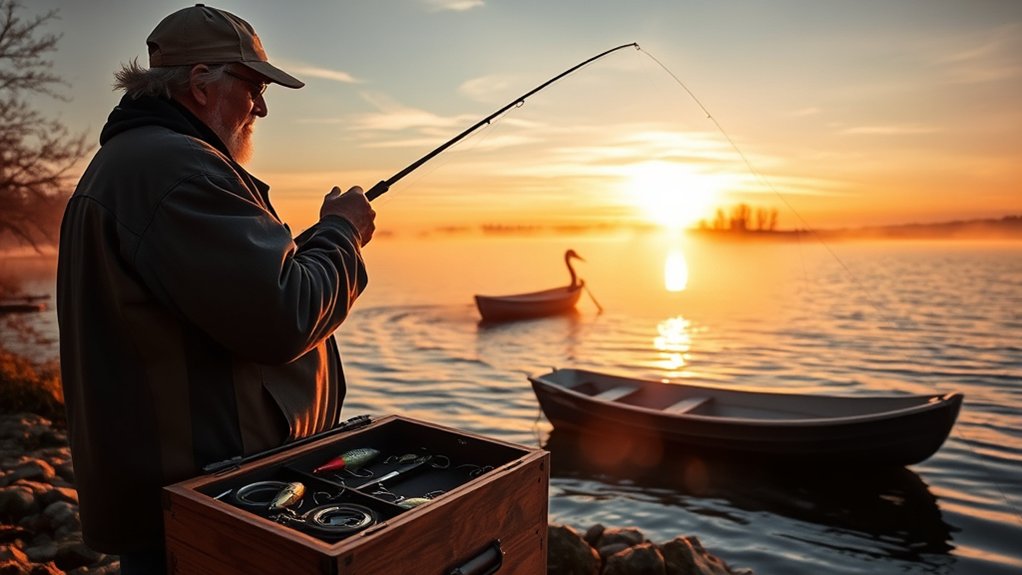
Fishing is an age-old practice that combines skill, patience, observation, and a deep connection to nature. At its core, fishing is the activity of attempting to catch fish from natural or stocked bodies of water. You might fish in a neighborhood pond, a mountain stream, a large reservoir, a coastal bay, or the open ocean.
You can use several fishing techniques, including angling with a rod, reel, line, hook, and bait. Other methods include netting, trapping, spearfishing, hand gathering, longlining, and trawling, depending on the setting and purpose. Recreational anglers usually use rods and reels, while commercial crews may use larger vessels, nets, and specialized gear.
There are many types of fishing to explore, including freshwater, saltwater, fly fishing, surf fishing, kayak fishing, offshore fishing, and ice fishing. Each one has its own gear, target species, safety concerns, and learning curve. As you gather your fishing equipment, such as rods, reels, lines, hooks, sinkers, bobbers, and tackle, you’ll see that fishing serves more than one purpose.
For many people, fishing provides recreational enjoyment. For others, it supports family meals, local jobs, cultural traditions, and community life. Whether you’re sharing stories with fellow anglers or enjoying the serenity of the water, fishing offers a fulfilling experience that people have valued for thousands of years. So, grab your gear and immerse yourself in this timeless pursuit.
What Is the Purpose of Fishing?
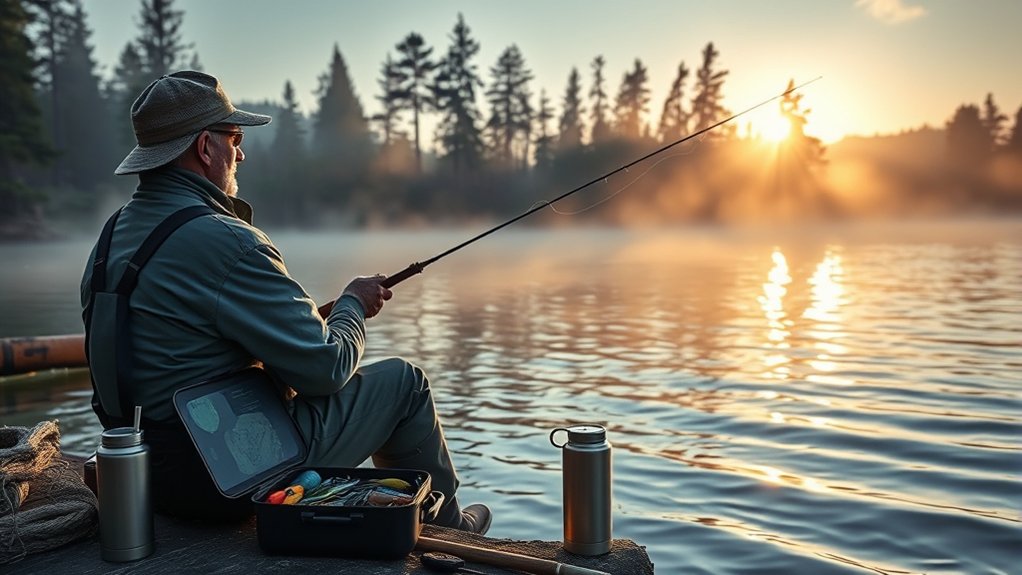
The purpose of fishing extends far beyond catching fish. It can include recreation, food, income, tradition, conservation awareness, outdoor learning, and a meaningful connection with nature. Whether you’re seeking an angling adventure to unwind or aiming to participate in fishing tournaments, this activity offers something for many different goals.
For many families and communities, fishing serves as an essential food source, providing nutritious meals that can support healthy diets. Fresh fish can supply lean protein and important nutrients, though you should always follow local fish-consumption advisories when fishing in waters that may contain pollutants.
Fishing also promotes mental well-being for many anglers. Time near water can help you slow down, focus on the moment, and step away from daily stress. The peacefulness of nature often helps you build a deeper appreciation for aquatic ecosystems, wildlife, and clean water.
| Purpose | Description |
|---|---|
| Recreation | A fun and engaging way to unwind outdoors. |
| Food Source | Provides essential nutrition for many people and communities. |
| Angling Adventure | Creates exciting experiences in lakes, rivers, streams, and coastal waters. |
| Fishing Tournaments | Competitive events that showcase angling skills, strategy, and fish handling. |
In essence, fishing is a multifaceted pursuit that can enrich your life in practical, social, emotional, and environmental ways.
What Should You Know About the Evolution of Fishing?
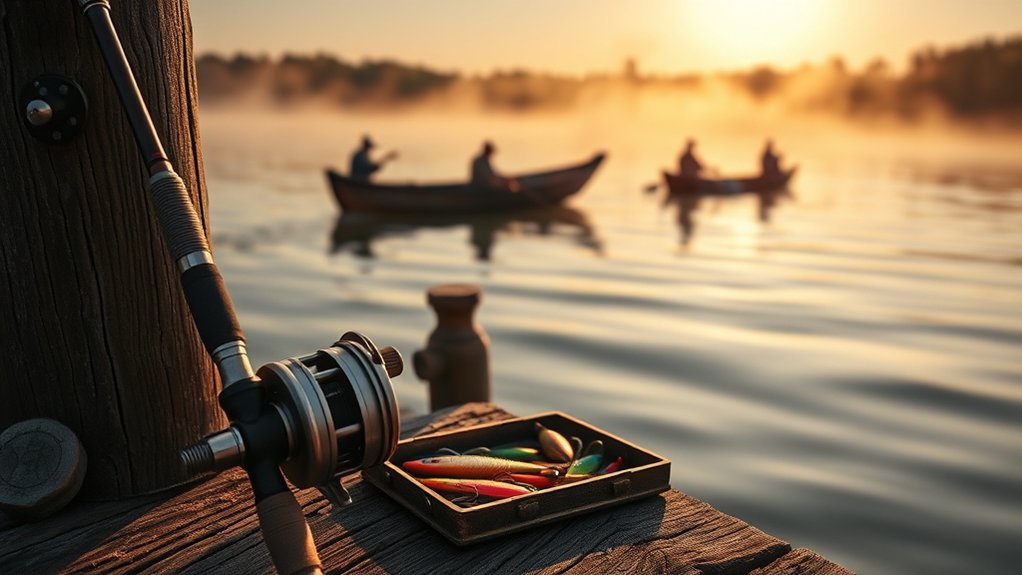
While you might think of fishing as a modern pastime, its roots stretch back thousands of years. Early people relied on fish for food and used simple tools, sharp points, woven traps, spears, hooks, and hand gathering to harvest aquatic life. These early fishing practices reflected basic survival needs, but they also showed human creativity and adaptation.
As societies evolved, so did the techniques and tactics used for catching fish. People developed better hooks, lines, nets, boats, traps, and storage methods. Fishing became part of trade, coastal settlement, culture, and food security. Angling later developed into a recreational activity, while larger-scale fishing helped support markets and growing cities.
The 19th century marked a technological leap, with steam-powered boats and improved trawlers changing commercial fishing. These innovations allowed vessels to travel farther, catch more fish, and supply expanding markets. Later, post-World War II advances such as sonar, fish finders, radar, refrigeration, radio communication, and satellite navigation transformed fishing again.
Today, sport fishing blends tradition with modern tools. You may still use simple bait and a hook from the shore, but you can also use braided line, digital maps, GPS, fish finders, specialized lures, and catch-and-release tools. Understanding this evolution helps you appreciate how fishing connects past and present while reminding you why sustainable practices matter.
What Are Different Types of Fishing and Fish?
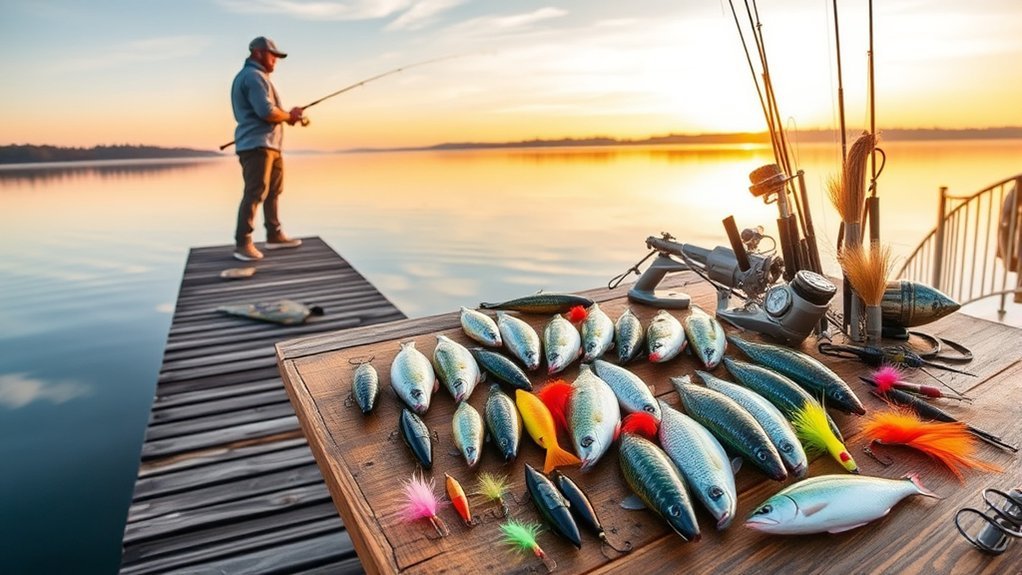
When you think about fishing, it’s helpful to recognize the various techniques that serve both recreational and commercial needs. Whether you’re casting from the shore or using sophisticated gear for deep-sea fishing, each method has a unique purpose, rhythm, and skill set. Exploring these different types of fishing not only improves your skills but also deepens your understanding of aquatic ecosystems and the fish you aim to catch.
Recreational Fishing Techniques
Recreational fishing offers a rewarding way to connect with nature and enjoy the outdoors. It includes a variety of techniques tailored to different environments, seasons, and fish species. You can try bank fishing from the shore, which works well for ponds, lakes, rivers, and canals. You can also fish from a boat, kayak, pier, bridge, beach, or dock.
Fly fishing uses lightweight rods, specialized line, and artificial flies that often imitate insects, baitfish, or other natural food. Casting is another popular method that lets you place bait or lures near likely fish-holding areas such as weed edges, docks, drop-offs, current seams, and submerged structure.
If you want a more vertical presentation, jigging with weighted lures or droplining straight down can work well for specific species and deeper water. Engaging in sport fishing often emphasizes catch and release, careful fish handling, and sustainable fishing. Each technique gives you a different way to read the water and respond to fish behavior.
Commercial Fishing Methods
Commercial fishing uses a variety of methods to capture fish and aquatic species for markets, restaurants, processors, and food supply chains. Each method is designed for a specific environment, target species, and scale of harvest. These methods require careful management because high harvest levels can affect fish populations, habitats, and marine ecosystems.
| Method | Description |
|---|---|
| Trawling | Dragging large nets through the water to catch fish. |
| Longlining | Using a main line with multiple baited hooks to catch species like tuna. |
| Aquaculture | Fish farming, providing a controlled source of fish and seafood. |
These methods target different species and environments, helping commercial fishing adapt to market needs. Trawling can cover wide areas, while longlining can target high-value species over long distances. Aquaculture continues to grow as demand for fish increases, but it still needs responsible management, clean water practices, and attention to feed, disease, habitat, and escape risks.
Common Fish Anglers Target
The fish you target depends on your location, water type, season, gear, and local regulations. Freshwater anglers often pursue bass, bluegill, crappie, catfish, trout, walleye, pike, perch, and carp. Saltwater anglers may target redfish, flounder, striped bass, snook, tarpon, tuna, mahi-mahi, snapper, grouper, mackerel, and halibut.
Each fish behaves differently. Some feed near the bottom, some chase bait near the surface, and others hold near structure or current. Learning a species’ preferred habitat, feeding time, seasonal movement, and legal limits helps you fish more effectively and responsibly.
Note: Fish names, size limits, seasons, and possession rules vary by location. Always check your local fish and wildlife agency before you keep a fish.
The Fishing Equipment You Need
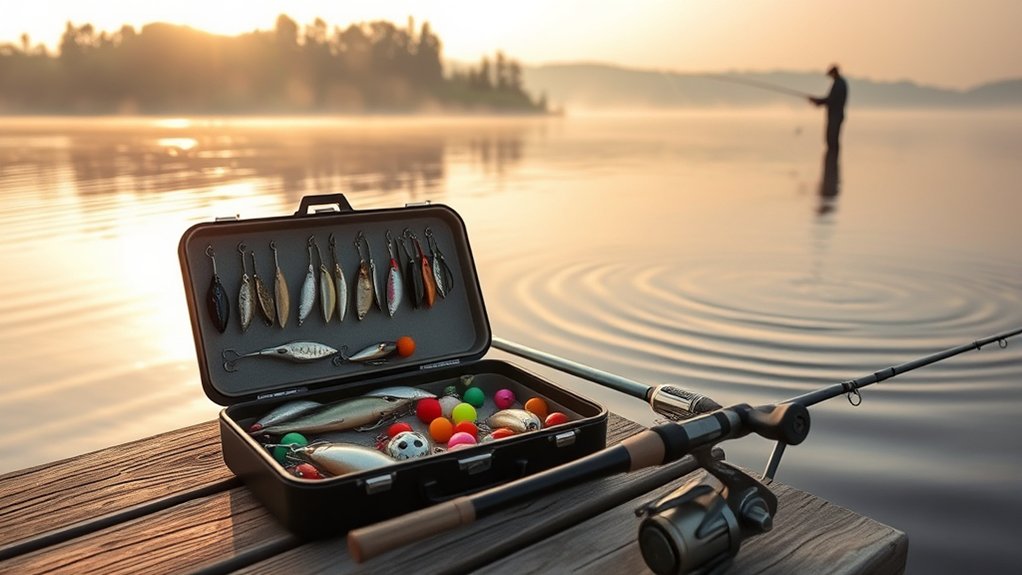
When you’re gearing up for a fishing trip, choosing the right rod and reel is vital to your success. Select a spinning rod for its versatility if you are new to fishing, and pair it with a reliable reel that matches your skill level and target fish. Don’t forget the essential tackle components, as they help you stay ready for changing water, weather, and fish behavior.
At a Glance
| Time Required | 30 minutes to learn the basics; several trips to build confidence. |
| Difficulty | Beginner-friendly with simple gear and an accessible fishing spot. |
| Tools Needed | Rod, reel, line, hooks, bait or lures, sinkers, bobbers, pliers, tackle box, license, and a measuring tool. |
| Cost | Low to moderate for starter gear, plus any required license or permit fees. |
Essential Fishing Rods
Selecting the right fishing rod is essential for a successful angling experience because it affects casting distance, hook-setting power, lure control, and your ability to land fish. Understanding the different types of rods can help you make an informed choice.
| Rod Type | Ideal Use | Rod Strength |
|---|---|---|
| Spinning Rods | Beginner-friendly, versatile | Ultralight to Medium |
| Baitcasting Rods | Precision for experienced anglers | Medium to Heavy |
| Length | Short for accuracy, long for distance | Varies by type |
| Material | Fiberglass, graphite, composite | Affects sensitivity |
| Guides | Smooth line passage | Crucial for performance |
Choosing the right fishing rod helps you handle different conditions more effectively. A short rod may help with accuracy around docks or brush, while a longer rod can improve casting distance from the bank. A softer rod can protect light line, while a stronger rod helps with bigger fish, heavy cover, or larger lures.
Choosing the Right Reel
While the right fishing rod sets the stage for your angling adventure, choosing the right reel is equally important for a successful catch. When selecting a reel, think about the type of fishing you’ll be doing, the size of fish you expect, and the line you plan to use.
Spinning reels are great for beginners because they are versatile and easy to cast. Baitcasting reels offer precision and control for more experienced anglers, especially when using heavier lures or fishing around cover. Spincast reels can also work for young anglers or anyone who wants a very simple push-button setup.
Pay attention to the gear ratio. A higher ratio, like 7:1, brings in line faster, which can help with some lure techniques. A lower ratio can provide more power for larger lures or heavier resistance. Make sure the reel size complements your rod and line strength. Medium reels often pair well with 6- to 12-pound test line for many freshwater situations.
Look for a smooth drag system to control line release under tension. A good drag helps protect your line when a fish makes a strong run. Lightweight, durable materials such as aluminum, graphite, or composite materials can improve comfort and longevity.
Necessary Tackle Components
Understanding the necessary tackle components is essential for a successful fishing trip because each piece plays a role in your setup. Your rod and reel are important for casting and retrieving fish effectively. Pair them with the right fishing line, typically monofilament for beginners, which connects the rod to your baited hook or lure.
Choose hooks that match your target species and bait size, as hooks come in many shapes and sizes. Small panfish need smaller hooks, while catfish, bass, pike, and saltwater fish may require larger or stronger hooks. Sinkers help your bait reach the right depth, while bobbers help suspend bait and show when a fish bites.
A well-organized tackle box is significant for storing hooks, lures, sinkers, swivels, bobbers, spare line, pliers, clippers, and other tools. Keeping your tackle organized saves time and reduces frustration on the water. Additionally, tools like pliers, bobbers, swivels, and dehookers can enhance your experience by improving bait presentation and helping you land and release fish safely.
Basic Fishing Safety Gear
Fishing safety gear matters, especially when you fish near deep water, moving current, cold water, sharp hooks, or slippery banks. Bring a properly fitted life jacket when fishing from a boat, kayak, canoe, dock, or steep bank. Wear shoes with good traction, carry sunscreen, drink water, and watch the weather.
Pack a small first-aid kit for cuts, hook pricks, sunburn, or scrapes. Polarized sunglasses can protect your eyes from hooks and glare while helping you see into the water. If you fish at dawn, dusk, or night, bring a headlamp or flashlight. If you fish from a boat, follow all boating safety rules and keep required safety equipment on board.
Warning: Never fish during lightning, unsafe ice conditions, flood-stage current, or severe weather. No fish is worth risking your safety.
Leveling Up Your Fishing Game With Additional Equipment
Upgrading your fishing gear can make a real difference in your success on the water once you understand the basics. For instance, switching to a baitcasting reel can improve your accuracy and control, helping you target specific species more effectively, especially in freshwater situations with heavier lures.
Incorporating a landing net increases your chances of bringing in larger fish without losing them at the bank or boat. A rubber-coated net can also reduce damage to a fish’s slime coat when you plan to release it. Needle-nose pliers, line cutters, fish grips, and dehooking tools make handling easier and safer.
Additionally, using a leader line can help prevent abrasion from sharp teeth, rocks, shells, dock posts, or underwater structures. This extra section of line can improve durability when targeting species like pike, walleye, snook, redfish, or toothy saltwater fish. A well-organized tackle box also matters because it allows for efficient storage and quick access to lures, hooks, sinkers, swivels, and terminal tackle.
Lastly, investing in a high-quality fishing rod tailored to your target species can improve casting distance and sensitivity, leading to better bite detection and stronger hooksets. With these upgrades, you’ll elevate your fishing game considerably while making each trip smoother and more enjoyable.
Pro Tip: Upgrade one item at a time. Learn what problem you are solving before buying more gear, whether that problem is casting distance, line breakage, poor hooksets, or lost fish near shore.
What Are the Benefits of Fishing?
Fishing offers a myriad of benefits that extend far beyond the thrill of reeling in a catch. A fishing trip can provide a recreational escape, a quiet moment outdoors, and a practical way to learn patience, focus, and problem solving. By engaging with the environment, you cultivate a deeper appreciation for aquatic ecosystems and wildlife.
Freshly caught fish can provide food rich in lean protein and essential nutrients, contributing to a healthier diet and improved overall health. That said, you should clean, store, and cook fish safely. You should also follow local fish-consumption advisories, especially for children, pregnant people, and anyone who eats locally caught fish often.
Fishing can also foster social bonds, often involving family and friends sharing the experience. These trips can create lasting memories, traditions, and stories. You can also explore common techniques that turn fishing into a sport, adding excitement and challenge to your outings.
On a larger scale, the fishing industry supports local economies, jobs, tourism, tackle shops, guides, marinas, charter boats, seafood businesses, and coastal communities. Embracing fishing means embracing a multifaceted world of benefits that can enrich your life in many ways.
Fishing rewards preparation as much as patience. The more you learn about water, weather, fish behavior, and local rules, the more enjoyable each trip becomes.
Are There Fishing Etiquette and Regulations You Should Be Aware Of?
How can you guarantee a successful and enjoyable fishing experience while being a responsible angler? Start by obtaining the necessary permits and licenses required in your area. License rules vary by location, age, residency, water type, and species, so check your local fish and wildlife agency before your trip.
Familiarize yourself with size and bag limits for the species you’re targeting. These rules help protect fish populations, support spawning fish, and maintain ecological balance. Some waters also have slot limits, seasonal closures, bait restrictions, gear restrictions, and catch-and-release-only rules.
Respect wildlife and avoid disturbing natural habitats. Stay out of posted areas, protect shoreline vegetation, and do not leave fishing line, hooks, bait containers, or trash behind. Discarded line can harm birds, turtles, fish, and other wildlife.
Practice catch-and-release methods whenever appropriate. Wet your hands before touching fish, keep fish in the water when possible, use barbless hooks if allowed, remove hooks quickly, and avoid placing fish on hot, dry surfaces. If a fish is deeply hooked or bleeding heavily, follow local rules and make the most ethical choice available.
Fishing etiquette is essential. Be considerate of others by keeping noise levels down and maintaining a respectful distance from fellow anglers. Do not cast across another person’s line, crowd a productive spot, block boat ramps, or leave lights shining into someone else’s fishing area at night. By following these guidelines, you enhance your own fishing adventure and contribute to the well-being of the environment and the fishing community.
What Are Some Fishing Tips That Can Help Beginners?
When you’re just starting out in the world of fishing, having the right gear and simple techniques can make all the difference. Begin with basic gear like a spinning rod and reel, monofilament line, and a tackle box stocked with hooks, lures, sinkers, and bobbers. This setup will prepare you for many beginner-friendly fishing adventures.
Practice your casting technique in an open area before your first serious trip. This reduces tangled lines and helps you place bait more accurately. Start with short casts and focus on smooth motion rather than power. Learning to tie essential knots, like the improved clinch knot or Palomar knot, is vital for securing hooks and lures.
Choose accessible fishing spots, such as local ponds, fishing piers, stocked lakes, calm rivers, or public parks where fish are often easier to reach. Using live bait can also increase your chances to catch a fish because many species naturally respond to worms, minnows, crickets, shrimp, or cut bait, depending on the water and target species.
Pay attention to timing. Early morning and evening often produce good fishing because fish may feed more actively in lower light. Cloud cover, moving water, wind direction, water temperature, and seasonal patterns can also affect fish behavior. Finally, familiarize yourself with local regulations to guarantee you’re fishing legally and responsibly. With these tips, you’ll be well on your way to enjoying successful fishing trips.
Beginner Mistakes to Avoid
Many new anglers struggle because they use gear that is too heavy, hooks that are too large, or lures that do not match the fish they are targeting. Start simple. A light or medium spinning setup, small hooks, basic sinkers, bobbers, and natural bait can teach you more than a box full of complicated lures.
Avoid making too much noise near shallow water, casting shadows over fish, or standing too close to the bank before you make your first cast. Fish often hold near edges, shade, weeds, rocks, current breaks, and docks. Approach slowly and cast before you walk right up to the water.
Do not ignore your line. If it is frayed, curled, or damaged, cut back and retie. Many lost fish happen because of weak knots or worn line. Also, do not leave hooks loose in bags or pockets. Keep sharp tackle stored safely, especially around children and pets.
Frequently Asked Questions
What Is the Definition of Fishing?
Fishing is the act of trying to catch fish or other aquatic animals from freshwater or saltwater. It may involve angling, netting, trapping, spearfishing, or other methods, depending on the purpose, location, and local regulations.
What Is the Definition of a Fishing Guide?
A fishing guide is an experienced local angler who helps clients find fish, choose gear, use the right techniques, follow local rules, and stay safer on the water. Guides may operate from boats, shorelines, rivers, lakes, or coastal areas.
What Is the 80/20 Rule in Fishing?
The 80/20 rule in fishing means a small share of your choices often produces most of your results. For example, the right location, timing, bait, depth, or presentation may matter more than constantly changing gear.
What Are the 4 Types of Fishing?
Four common types of recreational fishing are bank fishing, fly fishing, casting, and droplining. You can also group fishing more broadly into freshwater fishing, saltwater fishing, commercial fishing, and subsistence fishing.
Do You Need a License to Fish?
In many places, you need a fishing license if you are above a certain age. Rules vary by state, province, country, water type, species, and residency status, so always check your local fish and wildlife agency before fishing.
What Is the Best Fishing Setup for Beginners?
A simple spinning rod and reel with monofilament line, small hooks, bobbers, split-shot sinkers, and live bait is one of the easiest beginner setups. It works well for many common freshwater fish, including bluegill, crappie, trout, and small bass.
Conclusion
Fishing weaves together joy, patience, skill, food, tradition, and respect for nature. Whether you’re casting your line at dawn like a seasoned angler or just dipping your toes into this timeless activity, remember that the experience matters as much as the catch. The more you understand your gear, target fish, local rules, and surroundings, the more rewarding each trip becomes.
Embrace the camaraderie, the skills you’ll hone, and the stories you’ll share. Keep safety and conservation in mind, give other anglers space, and leave the water cleaner than you found it. So grab your gear, head to the water, and let the adventure begin. Who knows what treasures lie beneath the surface?

