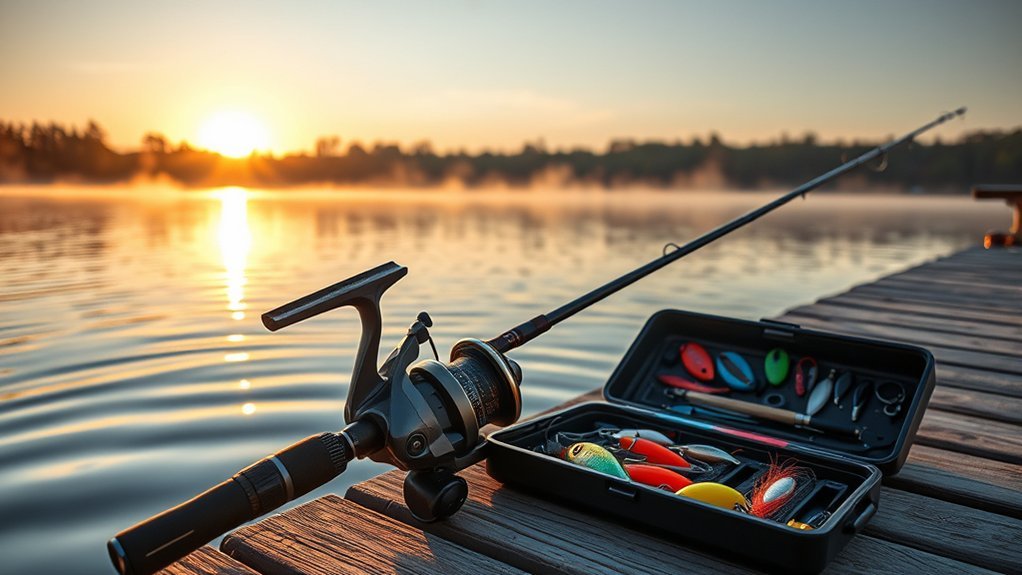
Heavy tackle fishing puts you against some of the strongest fish in saltwater and freshwater, so your setup needs more than raw power. You need a rod, reel, line, leader, hooks, bait, drag setting, and fighting plan that work together. When you match your gear to the species, water depth, structure, and conditions, you gain control without over-stressing the fish or your equipment.
Quick Answer
Heavy tackle fishing uses strong rods, conventional or heavy spinning reels, high-test line, reinforced leaders, and large hooks or lures to target powerful fish such as marlin, tuna, swordfish, sharks, grouper, and trophy freshwater predators. Use it when fish size, current, depth, structure, or trolling pressure can overpower standard tackle.
Key Takeaways
- Heavy tackle works best when you target large, fast, or structure-loving fish that can break lighter lines.
- Your rod, reel, line, leader, hooks, drag, and knots must match the species and fishing method.
- Heavy gear can shorten fight times, which helps improve fish survival during careful catch-and-release.
- Safety matters because big fish, sharp hooks, rough seas, and heavy drag pressure can injure anglers quickly.
At a Glance
| Best For | Marlin, tuna, swordfish, sharks, grouper, amberjack, large catfish, muskie, pike, and trophy bass |
| Difficulty | Moderate to advanced, though beginners can succeed with guidance |
| Core Gear | Heavy rod, strong reel, braided or monofilament line, leader, reinforced hooks, gimbal belt, gloves, pliers, and safety equipment |
| Main Risk | Excess drag, poor knots, weak leaders, rough weather, and unsafe fish handling |
Understanding Heavy Tackle

Heavy tackle fishing is an adrenaline-fueled style of fishing where strength meets strategy. Anglers use it for powerful species such as marlin, tuna, swordfish, sharks, grouper, amberjack, large catfish, muskie, northern pike, and trophy bass.
Understanding heavy tackle starts with knowing that each part of your setup has a job. The rod absorbs shock and helps lift the fish. The reel controls line pressure. The line gives you pulling strength. The leader protects against abrasion, sharp teeth, and rough structure. The hook or lure must hold under heavy pressure without bending or pulling free.
Heavy tackle does not always mean using the heaviest gear available. It means choosing tackle strong enough for the fish, method, and conditions. A setup for trolling offshore for tuna will differ from a setup for dropping bait to grouper near a wreck or casting large swimbaits for trophy freshwater fish.
In deep water, strong current, heavy cover, reefs, wrecks, and offshore trolling spreads, heavy tackle gives you more control. It lowers the risk of line breaks and can reduce long fight times when used correctly. That matters for anglers who plan to release fish, because faster, controlled fights can reduce stress on the fish.
Note: Heavy tackle should match the fish and conditions. Gear that is too light can prolong the fight, while gear that is too heavy can reduce sport, sensitivity, and bait action.
Why and When to Use Heavy Tackle
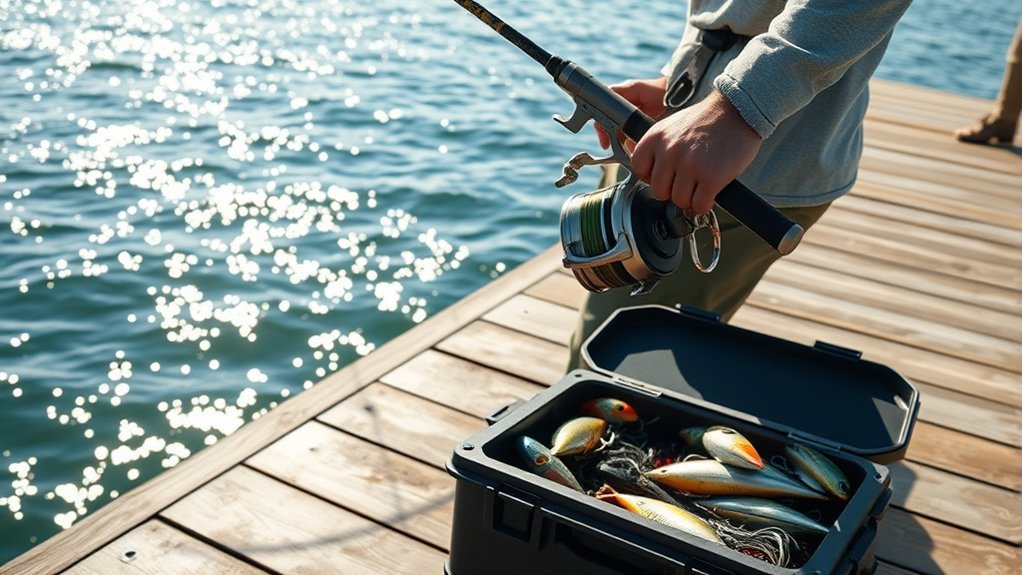
When you target powerful species such as marlin, tuna, swordfish, sharks, grouper, and large amberjack, the choice of tackle can make or break your fishing experience. Heavy tackle helps manage the size, speed, pressure, and endurance of these fish.
Use heavy tackle when standard tackle may fail under heavy drag pressure, long runs, rough bottom, sharp teeth, or strong current. This becomes especially important around reefs, wrecks, bridge pilings, offshore ledges, kelp beds, and other structure where fish can cut the line quickly.
Deep-sea fishing often involves larger fish and more line in the water. More line creates more stretch, drag, and pressure. In choppy seas or strong current, heavy tackle provides stability and control, helping you keep bait or lures in the strike zone.
Heavy tackle also suits high-action methods such as trolling large plugs, pulling skirted lures, deep dropping, kite fishing, chunking, live-baiting, and vertical jigging. These methods can create constant pressure on the line, reel, rod guides, hooks, and knots.
You should also use heavy tackle when landing the fish quickly matters. Around heavy cover, a strong setup helps turn a fish before it reaches rocks, wreckage, timber, or pilings. Offshore, it can help keep the fish near the boat and reduce the chance of sharks taking a tired catch.
Fish Species Commonly Caught by Heavy Tackle

In saltwater fishing, many formidable species require an understanding of heavy tackle conditions. These fish fight hard, make long runs, dive deep, or use structure to escape.
Prominent among these are marlin, including blue, black, and striped marlin. They are known for size, speed, jumps, and long battles. Tuna species, including yellowfin, bluefin, and bigeye, also demand strong tackle because they fight with deep, sustained power.
Swordfish are deep-water predators that often require heavy gear, especially during offshore daytime deep-drop trips. Sharks such as mako, hammerhead, blacktip, bull, tiger, and thresher species also require strong tackle, careful handling, and a clear release plan.
When you fish around reefs and wrecks, grouper species such as gag, black, Warsaw, and Goliath grouper may require heavy tackle because they can dive into structure immediately after the strike. Always check local regulations before targeting or handling protected species, including Goliath grouper in areas where harvest rules are restricted.
Heavy tackle also has a place in freshwater. Anglers use it for large catfish in rivers, muskie and northern pike near weeds, trophy striped bass, big lake trout, and largemouth bass in thick vegetation or heavy timber.
Understanding these species helps you prepare for safe, controlled, and exciting battles on the water.
Essential Gear for Heavy Tackle

To succeed with heavy tackle fishing, you need gear designed for strength, durability, and smooth pressure. The setup should protect your line, control the fish, and help you fight without exhausting yourself.
This gear not only improves your fishing experience but also helps you stay prepared when a large fish strikes.
Include these core items in your setup:
- Robust rods: Choose trolling rods around 6 to 7 feet for pulling lures and baits, stand-up rods for offshore battles, and jigging rods around 5 to 6 feet for vertical techniques.
- Strong reels: Conventional reels work well for trolling, chunking, deep dropping, and live-baiting. Heavy spinning reels can work for casting poppers, jigs, and big plugs.
- Smooth drag system: Lever drag reels give precise control during intense fights. Star drag and heavy spinning reels can also work when properly matched to the line and target species.
- High-strength fishing line: Braided line offers sensitivity and smaller diameter. Monofilament provides stretch and shock absorption. Line strength may range from 30 pounds to well over 100 pounds, depending on the target.
- Heavy leaders: Use fluorocarbon, monofilament, cable, or wire leaders based on water clarity, abrasion risk, and whether the fish has sharp teeth.
- Reinforced hooks: Big-game J-hooks, inline circle hooks, and heavy treble hooks must match the bait, lure, and fish. Circle hooks are often a smart choice for bait fishing and release-focused trips.
- Fighting support: A gimbal belt, harness, gloves, long-nose pliers, dehooker, line cutters, and fish grips can make heavy tackle safer and more controlled.
With the right gear, you’ll be better equipped to handle massive catches without relying on guesswork.
Warning: Heavy drag can injure your hands, wrists, back, or shoulders. Never wrap line around your hand, and never grab the leader when a fish can still surge.
How to Match Rod, Reel, Line, and Leader
A balanced heavy tackle setup starts with the fish you plan to catch. You should match your rod rating, reel size, line strength, leader material, and hook size before you leave the dock.
For trolling tuna or marlin, many anglers use strong conventional reels with heavy mono or braid backing, plus a wind-on leader. For grouper near wrecks, braided line with a tough monofilament or fluorocarbon leader helps you feel bites and pull fish away from structure. For sharks, wire or cable leaders may be necessary because teeth can cut through standard leader material.
Your line should not be stronger than the rest of the setup can handle. A reel with weak drag, a rod with poor guides, or a poorly tied knot can fail even if the line rating looks impressive. Check the rod’s line rating, lure rating, and drag recommendations before fishing.
Leader length also matters. Short leaders can improve casting and lure action. Longer leaders can help when fish roll, dive, or rub against rough skin, rocks, or wreckage. If you fish under formal tournament rules, check the current leader and line-class rules before rigging.
Pro Tip: Test your knots and drag before the first bait goes out. A knot that slips under hand pressure will not survive a hard strike from a large fish.
Essential Baits and Lures for Heavy Tackle
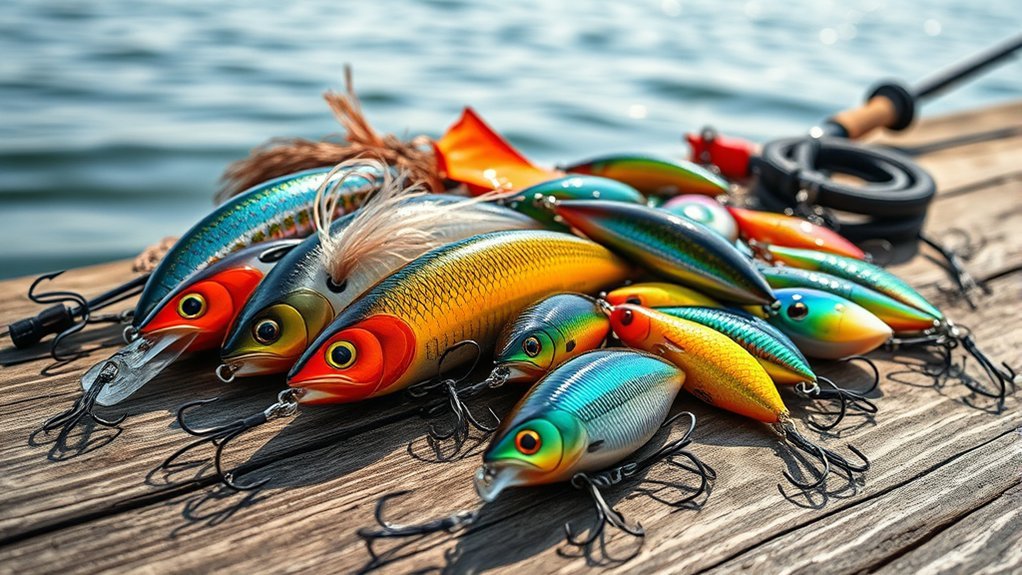
A diverse selection of baits and lures can greatly improve your success in heavy tackle fishing. The best choice depends on the species, depth, water clarity, season, and how the fish are feeding.
Live baits such as mackerel, bonito, sardines, menhaden, mullet, blue runners, and skipjack can attract large saltwater predators, including tuna, marlin, kingfish, amberjack, and sharks. Keep live bait lively by matching hook placement to your fishing method.
When targeting deep-dwelling species, diving plugs can mimic a fleeing baitfish and trigger reaction strikes. Heavy jigs are another powerful option because their erratic falls and sharp lifts can look like injured prey.
For yellowfin tuna, skipjack tuna, sardines, flying fish, squid, and small baitfish patterns can work well. For bottom species, cut bait, squid, crab, live pinfish, and large dead baits can draw strikes from grouper, snapper, cobia, and sharks.
If you’re fishing freshwater, large shiners, live bluegill where legal, big swimbaits, oversized spinnerbaits, cut bait, and heavy jigs can lure trophy bass, northern pike, muskie, catfish, and striped bass.
Choose hooks and leaders based on the bait. A large live bait needs enough hook gap for a clean hookup. A toothy predator may require wire. A line-shy tuna in clear water may require fluorocarbon and a more natural presentation.
Heavy Tackle Techniques That Work
Heavy tackle fishing rewards patience, preparation, and controlled pressure. You do not need to overpower the fish every second. You need to keep steady pressure while protecting the line and guiding the fish away from danger.
- Trolling: Pull large plugs, skirted lures, ballyhoo, or bait behind the boat at a speed that matches the lure action and target species.
- Live-baiting: Use strong hooks and leaders to present natural bait around reefs, wrecks, weed lines, ledges, or current breaks.
- Chunking: Drift chunks of bait to bring tuna, sharks, and other predators into the spread.
- Deep dropping: Use heavy weights, electric or manual reels where legal, and strong line to reach deep-water species.
- Vertical jigging: Drop heavy jigs and work them through the water column with controlled lifts and falls.
- Casting large lures: Use heavy spinning or casting gear for poppers, stickbaits, swimbaits, and plugs near feeding fish or structure.
During the fight, keep the rod loaded but avoid high-sticking. Pump the rod with your legs and body, then reel down smoothly. If the fish runs, let the drag work. If it turns toward structure, apply side pressure and change your rod angle.
Drag Settings, Knots, and Fish-Fighting Control
Drag setting is one of the most important parts of heavy tackle fishing. Too little drag lets fish reach structure or spool your reel. Too much drag breaks line, pulls hooks, or damages gear.
Many anglers start with a drag setting around one-quarter to one-third of the line’s breaking strength, then adjust based on the fight, rod angle, and conditions. Use a scale when possible instead of guessing by hand.
Strong knots matter as much as strong line. Common choices include the Palomar knot for many hooks and swivels, the improved clinch knot for lighter applications, the uni knot, the double uni, the FG knot for braid-to-leader connections, and crimped connections for heavy mono, fluorocarbon, cable, or wire.
Inspect every knot, crimp, swivel, split ring, and hook point before fishing. Salt, corrosion, and one rough fight can weaken terminal tackle. Replace anything that looks bent, cracked, rusty, frayed, or flattened.
The strongest line on the boat still depends on the weakest connection. In heavy tackle fishing, knots, crimps, swivels, hooks, and drag settings deserve as much attention as the rod and reel.
Heavy Tackle Safety and Fish Handling
Heavy tackle fishing can create serious risks because the gear holds high pressure. Large hooks, swinging lures, tight lines, gaffs, leaders, and moving fish can injure anglers quickly.
Wear a properly fitted life jacket when conditions call for it, especially offshore, at night, in cold water, or when fishing from a small boat. Bring a first aid kit, whistle, flashlight, communication device, flares or emergency signals where required, sun protection, gloves, pliers, cutters, and a sharp knife.
Keep the deck clear before a fight starts. Loose rods, tackle boxes, lines, and buckets can cause falls when a fish runs. Communicate clearly with the captain and crew, especially when backing down, turning the boat, clearing lines, or landing the fish.
If you plan to release a fish, keep it in the water when possible, use circle hooks for bait when appropriate, reduce fight time, avoid touching the gills, and revive the fish before letting it go. For sharks and other large fish, plan the release before the fish reaches the boat.
Common Heavy Tackle Mistakes to Avoid
Many heavy tackle problems happen before the first bite. A rushed setup, old line, weak knots, and poor drag settings can cost you a fish quickly.
- Using mismatched gear: A strong line cannot save a reel with weak drag or a rod that cannot handle the pressure.
- Skipping leader checks: Rough leader material can fail after rubbing against teeth, skin, rocks, coral, wreckage, or the boat.
- Setting drag by guesswork: Hand-pulling line often leads to drag that is too tight or too loose.
- High-sticking the rod: Lifting the rod too high can break the blank under heavy load.
- Using dull hooks: Large fish have tough mouths, so sharp hooks improve penetration and holding power.
- Ignoring weather: Wind, waves, lightning, tide, and current can turn a good fishing plan into an unsafe trip.
- Fighting too long: Long fights can exhaust fish and anglers. Use steady pressure and efficient technique.
Heavy Tackle Maintenance After Each Trip
Saltwater, sand, scales, bait, and pressure can wear out heavy tackle fast. A simple maintenance routine protects your investment and keeps your gear ready.
Rinse rods, reels, guides, pliers, gaffs, belts, and lures with fresh water after each trip. Use gentle water pressure instead of blasting water into reel seals. Wipe everything dry, loosen the drag, and store reels in a cool, dry place.
Check rod guides with a cotton swab. If cotton catches on a guide, the insert may be cracked and could damage your line. Inspect line for frays, flat spots, and discoloration. Cut away damaged sections or replace the spool when needed.
Lubricate moving parts according to the reel maker’s instructions. Replace rusty hooks, weak split rings, and worn leaders. Heavy tackle works under extreme load, so small damage can become a big failure during the next fight.
Related Guides
Frequently Asked Questions
How do I properly maintain my heavy tackle gear?
Rinse your gear with fresh water, dry it fully, loosen the reel drag, inspect line and leaders, check rod guides, sharpen or replace hooks, and lubricate reel parts as recommended by the manufacturer. Store everything in a cool, dry place away from direct sun and salt spray.
What safety equipment should I bring while heavy tackle fishing?
Bring a properly fitted life jacket, first aid kit, whistle, flashlight or headlamp, communication device, emergency signals required for your waters, gloves, pliers, line cutters, sun protection, water, and non-slip footwear. Offshore trips may require additional safety gear depending on boat size and location.
Can beginners fish with heavy tackle successfully?
Yes, beginners can use heavy tackle successfully with guidance. Start with a balanced setup, learn safe drag settings, practice knots, keep your stance stable, and fish with an experienced angler or captain when targeting large offshore species.
How do weather conditions affect heavy tackle fishing?
Weather affects safety, bait presentation, fish location, and boat control. Wind can build rough seas, current can change lure depth, temperature shifts can move bait, and storms can create dangerous lightning and visibility issues. Always check the marine forecast before leaving.
What are the best techniques for casting heavy tackle?
Use a smooth, controlled motion instead of a sudden snap. Keep a firm grip, load the rod gradually, use your body and core, release at the right angle, and follow through toward the target. Practice with lighter lures first if the setup feels difficult.
What line strength should I use for heavy tackle fishing?
Line strength depends on the species, structure, and method. Many heavy tackle setups use 30- to 80-pound line for smaller offshore and inshore targets, while big-game trolling, shark fishing, deep dropping, or heavy structure fishing may require 100-pound line or stronger.
Are circle hooks better for heavy tackle fishing?
Circle hooks are often a strong choice when fishing natural bait because they tend to catch in the corner of the mouth. That can make release easier and reduce deep hooking. Match the hook size and strength to your bait and target species.
Conclusion
Heavy tackle fishing is about balance, not just brute force. You need enough strength to control powerful fish, enough sensitivity to detect bites, and enough skill to fight the fish safely. The right rod, reel, line, leader, hook, bait, drag setting, and technique all work together.
Before your next trip, match your setup to the target species, inspect every connection, check the weather, and prepare your safety gear. Every cast, troll, drop, or drift gives you a chance to connect with a powerful fish, and solid preparation helps you make the most of that moment.
Sources
- International Game Fish Association Angling Rules — line classes, leader rules, and fair angling standards
- NOAA Fisheries Catch-and-Release Best Practices — safer fish handling and release guidance
- U.S. Coast Guard Boating Safety: Life Jackets — life jacket safety guidance for recreational boaters
- National Weather Service Marine Forecasts — marine weather checks before offshore fishing trips
- Florida Fish and Wildlife Conservation Commission: Goliath Grouper — example of species-specific rules anglers should check before targeting protected fish