Grouper fishing can be a rewarding adventure for beginners because it blends structure fishing, strong tackle, live bait, and careful timing. You’ll catch more fish when you understand which grouper species live in your area, where they hold, how tides move bait, and which regulations apply before you leave the dock. This guide walks you through the basics so you can plan a safer, smarter, and more productive grouper fishing trip.
Quick Answer
To catch grouper, fish near reefs, wrecks, ledges, rock piles, and other bottom structure with strong tackle, fresh bait, and current movement. Live pinfish, squid, crabs, shrimp, mullet, and cut bait all work well. Check local seasons, size limits, bag limits, and protected-species rules before every trip.
Key Takeaways
- Most grouper hold close to structure, including reefs, wrecks, ledges, bridge rubble, rock piles, and hard bottom.
- Fresh live bait often gives beginners the best chance, but jigs, soft plastics, and cut bait can also produce fish.
- Use strong line, a heavy leader, circle hooks, and enough weight to keep bait near the bottom.
- Morning tides, moving water, and stable weather usually give you better odds than slack water or rough conditions.
- Grouper rules change by species, state, federal waters, and season, so confirm current regulations before you fish.
At a Glance
| Time Required | Half-day to full-day trip, depending on travel distance, depth, weather, and charter schedule. |
| Difficulty | Beginner to moderate. Finding structure and keeping fish out of cover are the hardest parts. |
| Tools Needed | Heavy rod, reel, braided line, fluorocarbon leader, circle hooks, sinkers, bait, dehooker, measuring device, venting or descending tool where required, and safety gear. |
| Cost | Varies by gear, bait, fuel, license, location, and whether you fish from your own boat or book a charter. |
Understanding Common Grouper Species
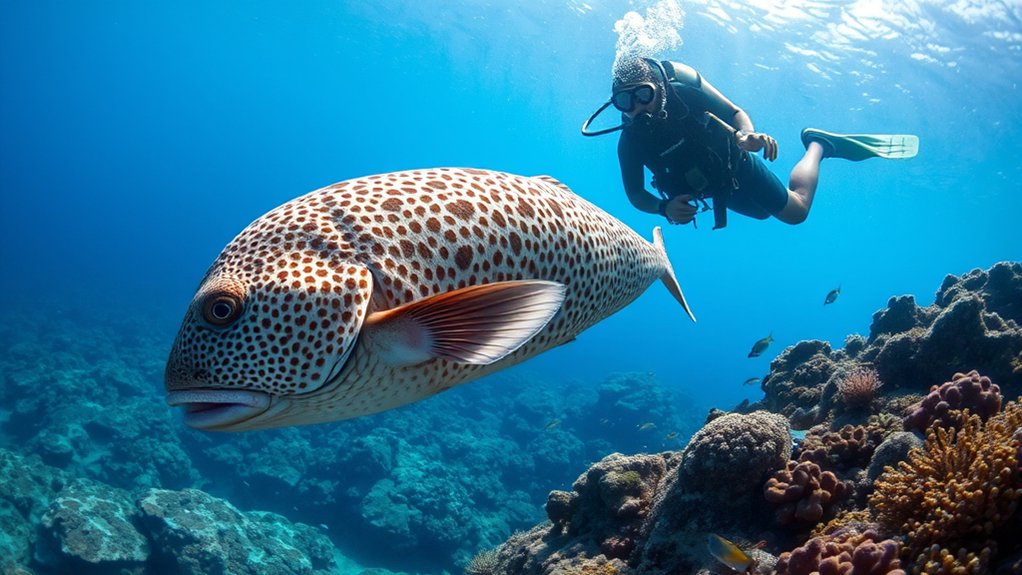
When you’re out on the water, knowing the common grouper species can greatly improve your fishing experience. Different species prefer different depths, habitats, baits, and seasons, so identification matters before and after the catch.
There are many grouper species worldwide, but beginners in warm coastal waters usually hear about a few main targets. Red Grouper often relate to offshore hard bottom, reefs, ledges, and scattered structure. They are popular because they are common in many areas and respond well to bottom-fishing tactics.
Black Grouper often prefer reef edges, wrecks, rocky structure, and deeper water. They can grow larger than many red grouper and pull hard once hooked, so strong tackle matters.
If you’re lucky, you might hook a Goliath Grouper, one of the largest grouper species. These fish can reach massive sizes and feed aggressively around bridges, wrecks, reefs, docks, and other structure. They are also highly regulated, so you must know the rules before targeting, handling, or attempting to keep one.
Gag Grouper often use inshore areas such as seagrass beds, rock piles, and mangrove edges when young. As they mature, they move toward deeper reefs, ledges, and offshore structure. This life-cycle shift helps explain why both inshore and offshore anglers may encounter them.
You may also hear about scamp grouper, snowy grouper, yellowedge grouper, and other deep-water species. These usually require more specialized tackle, deeper drops, and stricter attention to species-specific regulations.
Understanding these species’ habitats and behaviors is essential for targeting them effectively, so make sure to keep this in mind during your fishing trips. With this knowledge, you’ll enhance both your strategy and success on the water.
Note: Learn basic grouper identification before your trip. Size limits, seasons, and bag limits often change by species, and misidentifying a grouper can lead to illegal harvest.
Ideal Locations for Grouper Fishing
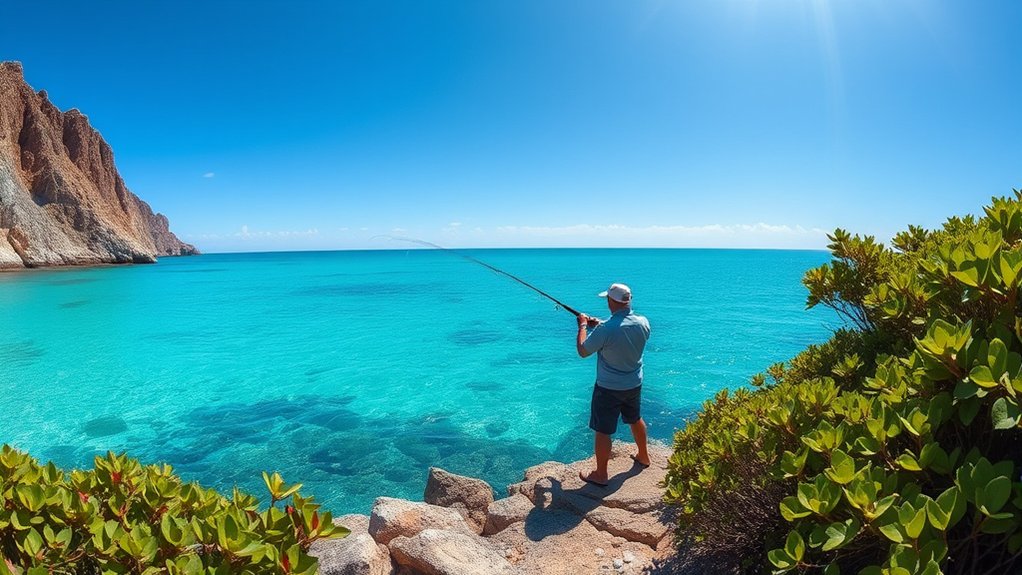
Whether you’re an experienced angler or a beginner, knowing the ideal locations for grouper fishing can greatly enhance your chances of landing a big catch. Grouper are structure-oriented fish, so the best places usually combine cover, current, bait, and depth changes.
The Florida Keys stand out as a premier destination, offering both inshore and offshore grouper opportunities. Reefs, patch reefs, ledges, wrecks, and channels give anglers many ways to target different species.
If you’re looking for a bustling fishing hub, Madeira Beach, FL, is known by many anglers for productive grouper trips, local tournaments, and access to rich Gulf fishing grounds. Nearby reefs, wrecks, and offshore structure make it a strong choice for beginners booking charters.
The Florida Keys and Madeira Beach, FL, offer prime grouper fishing opportunities for both seasoned anglers and newcomers because they provide structure, bait movement, and experienced charter options.
In Venice, LA, you’ll discover deep wrecks, oil-field structure, reefs, and offshore bottom features that attract large grouper. This area can be better suited for anglers who want serious offshore action with experienced captains.
For a tropical experience, Nassau in The Bahamas provides access to reefs, drop-offs, and warm waters with several grouper species. Recreational anglers should still review Bahamian fishing rules before keeping fish.
Abreojos, Mexico, is known among traveling anglers for impressive grouper catches and rugged coastal scenery. Local knowledge matters here, so consider hiring a reputable guide if you are new to the area.
Beyond famous destinations, you can find grouper near artificial reefs, natural reefs, wrecks, rock piles, ledges, bridge rubble, channel edges, and hard-bottom areas. These locations promise memorable fishing experiences, so grab your gear and get ready to cast your line!
Best Times to Fish for Grouper
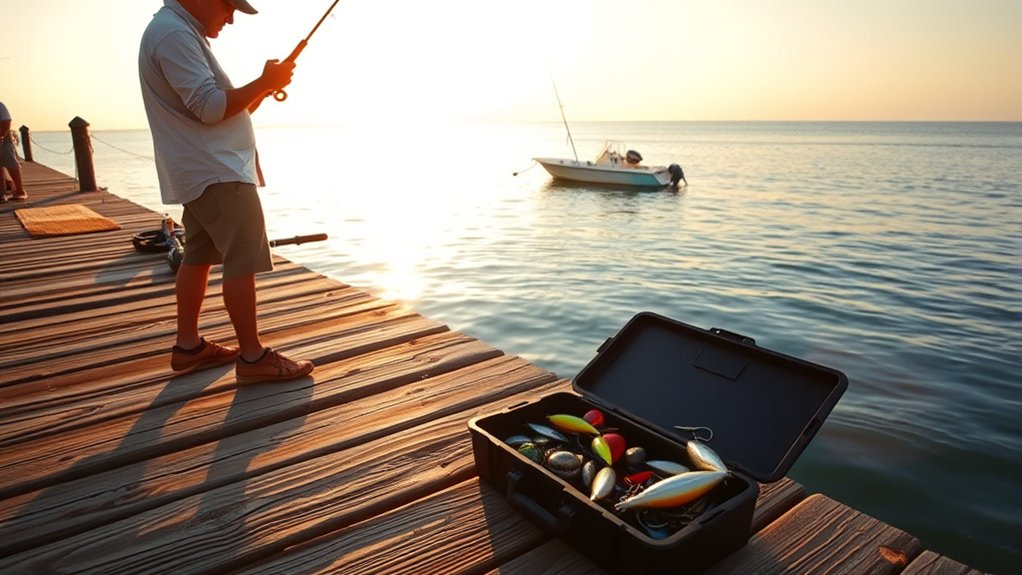
When you’re planning your grouper fishing trips, timing can make all the difference. Grouper often feed best when water movement pushes bait across structure, so tides, current, season, and daylight all matter.
Spring can be prime time in many areas as fish become more active after winter patterns and begin feeding harder. Early mornings are often productive because baitfish move and predators feed before boat traffic and bright sun increase.
Keep an eye on tidal movements and moon phases, as these can greatly boost your chances of landing a big catch. Strong moving water can fire up grouper, while slack water may slow the bite.
Seasonal Fishing Patterns
Understanding seasonal fishing patterns is essential for maximizing your chances of landing grouper. The prime time to fish for grouper depends on your region, species, water temperature, and open seasons.
In many warm-water areas, spring and fall can be productive because bait movement increases and weather windows may improve. After cooler months or spawning periods, some grouper feed aggressively as they rebuild energy.
Focus your efforts during the morning hours, as grouper are often more engaged then. Strong tides, both incoming and outgoing, can also boost your success, as they draw in baitfish that grouper love to target.
Moon phase can also matter. Around full and new moons, stronger tidal flow may move more bait across reefs, wrecks, and ledges. Some spawning behavior may also increase around moon periods, but exact timing varies by species and location.
Remember, nutrient-rich currents attract larger baitfish, making timing and conditions vital for a productive fishing trip. Plan accordingly to optimize your grouper fishing experience!
Optimal Time of Day
To maximize your chances of catching grouper, aim to fish during the early morning hours. This time is prime for both grouper and bait fish, as they’re often active and feeding near structure.
Late afternoon can also work well, especially when the tide lines up with low light. Evening fishing can be successful, but be prepared for longer return trips and changing visibility after sunset.
Additionally, targeting strong tides, whether incoming or outgoing, can greatly boost your success. Nutrient-rich currents attract larger bait, drawing in those sought-after grouper.
Make sure to consult tide charts, marine forecasts, and local fishing reports to plan your outings around peak activity times for the best results. Happy fishing!
Pro Tip: For beginners, book your first trip around a manageable weather window and a moving tide. Calm seas help you hold bottom, feel bites, and fight fish safely.
Essential Fishing Techniques for Grouper
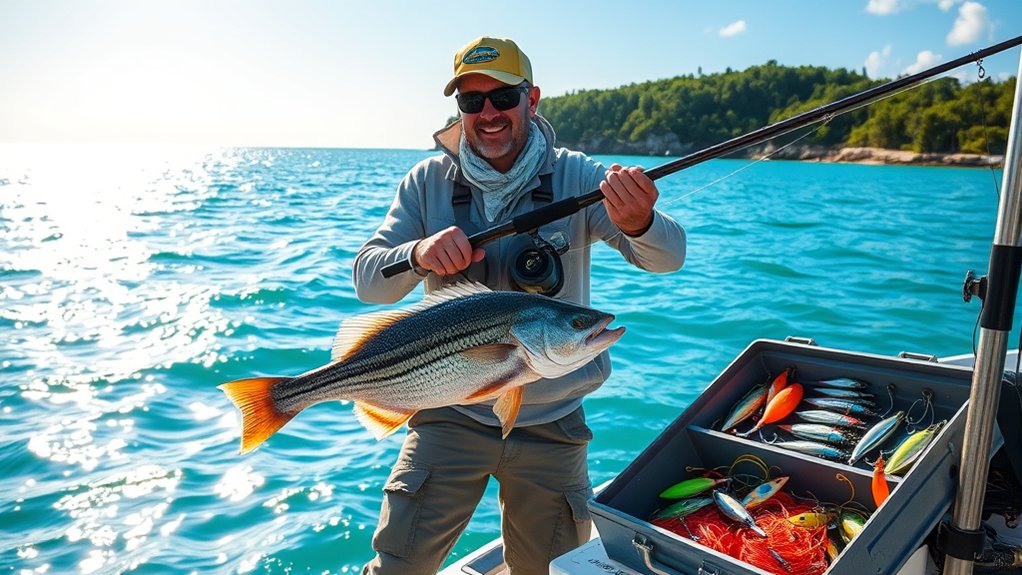
Grouper fishing can be an exhilarating experience, especially when you master the essential techniques that consistently yield results. The goal is simple: put bait close to structure, stay in contact with the bottom, and pull the fish away before it rocks you up.
By employing the right methods, you’ll increase your chances of landing that prized catch. Here are four effective techniques to evaluate:
- Freelining: Use live or dead bait without a weight, letting it drift naturally near structures where Grouper hide. This works best when current is light enough to control the bait.
- Chumming: Disperse chum balls or small bait pieces in the water to attract Grouper with scent, drawing them closer to your fishing spot. Use chum responsibly and follow local rules.
- Jigging: Bounce flashy jigs along the bottom to mimic prey movement, triggering aggressive strikes from Grouper. Heavy vertical jigs work well in deeper water when current allows.
- Using live bait: Opt for fresh offerings like pinfish, squid, or crabs, as Grouper prefer lively options that resemble their natural diet.
Bottom fishing is the most beginner-friendly approach. Drop your rig straight down, keep your weight near the bottom, and stay ready. When a grouper bites, reel fast and apply steady pressure immediately. Giving the fish too much time lets it run back into rocks, coral, wreckage, or ledges.
Drift fishing can help you cover more bottom when the current and wind line up. Anchoring can work better when you find a small wreck, ledge, or reef patch and want to keep bait in one exact zone.
Choosing the Right Bait for Grouper
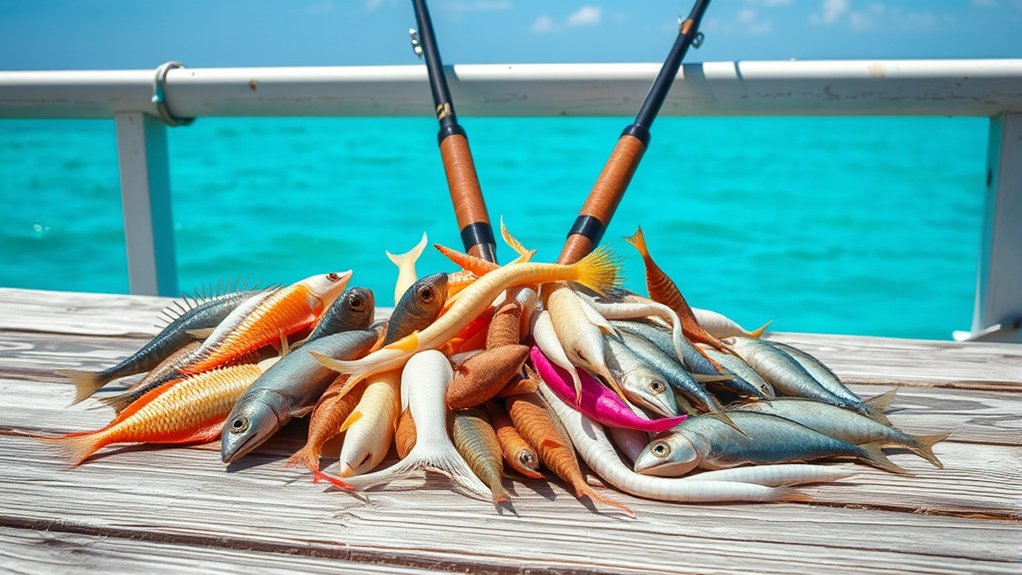
What bait should you choose to effectively target Grouper? For the best results, consider using live bait like shrimp, crabs, ladyfish, mullet, squid, or pinfish. These options are highly effective in attracting Grouper because they match common prey around reefs and structure.
For targeting Grouper, live bait such as shrimp, crabs, pinfish, squid, and mullet often proves highly effective when presented close to bottom structure.
If you prefer dead or cut bait, the same selections can work well, especially when dropped near structures where Grouper often hide. Fresh cut bait can create a strong scent trail, which helps fish locate your hook in deeper or dirtier water.
Artificial lures, such as jigs, soft plastics, and jerk baits, can also mimic the movement of natural prey, offering versatility on different fishing days. Heavy bucktail jigs, metal jigs, large swimbaits, and deep-diving plugs can all catch grouper when worked close to structure.
Since Grouper are keen feeders, using fresh bait and maintaining proper presentation is essential. To increase your catch rates, try clipping the fins of live bait when legal and appropriate; this makes them easier targets and enhances your chances of success.
Choose wisely and prepare to reel in some impressive Grouper!
Recommended Gear and Tackle for Beginners
When you’re starting out in grouper fishing, having the right gear can make all the difference in your success. Grouper hit hard, fight hard, and often dive straight into structure, so light tackle can cost you fish.
Here’s a list of essentials you’ll need to get you started:
- Rod: Choose a stout rod with fast action to offer leverage when reeling in from deep waters, typically between 20 to 300 feet.
- Reel: Use a strong conventional or spinning reel with a smooth drag, solid line capacity, and enough cranking power to move fish away from bottom structure.
- Line: Use 30-60 lb braided line for its sensitivity and strength, paired with a 60-80 lb fluorocarbon leader to minimize visibility and handle abrasion.
- Hooks: Employ a 6/0–9/0 circle hook for rigging live baits like pinfish or squid, which are highly effective for attracting grouper.
- Rig Setup: Opt for a knocker rig or fishfinder rig for bottom fishing; this allows your bait to move naturally along the seabed near structures where grouper hide.
- Weights: Carry sinkers from 4-8 oz for moderate depths, plus heavier options if current or deeper water makes it hard to hold bottom.
- Tools: Bring pliers, a dehooker, a measuring device, a knife, gloves, and a landing net or gaff where legal and appropriate.
With the right gear, you’ll be well on your way to a successful grouper fishing experience!
Important Grouper Fishing Regulations
Before you head out with your new gear, it’s important to familiarize yourself with the regulations governing grouper fishing. These rules vary by species, state waters, federal waters, country, and region, so you’ll want to pay close attention to local guidelines.
In Florida and many other popular grouper areas, rules may include minimum size limits, slot limits, closed seasons, depth restrictions, bag limits, gear rules, and species-specific protections. A legal fish in one zone may be illegal in another, especially when you cross from state waters into federal waters.
Some grouper, including Goliath Grouper in many situations, are highly restricted and not part of normal recreational grouper harvest. In certain places, harvest may be closed entirely or allowed only under special permits, tags, seasons, or strict size rules.
Don’t forget that you’ll usually need a valid saltwater fishing license unless you’re covered by a licensed charter or another legal exemption. Regulations can change seasonally or by fishing zone, making it crucial to check for updates before your trip.
Warning: Never rely on old forum posts, outdated articles, or dock talk for grouper rules. Confirm current seasons, size limits, bag limits, and protected-species rules with the official agency for the exact waters you plan to fish.
Safe Handling, Release, and Barotrauma Basics
Grouper often come from deep water, so safe handling matters for both legal harvest and healthy release. Use wet hands or gloves, support the fish horizontally when possible, and avoid touching the gills or eyes.
If you plan to release a grouper, keep it out of the water for the shortest time possible. Have your camera, measuring device, and dehooker ready before the fish reaches the boat. Fast handling reduces stress and improves survival.
Fish pulled from deeper water may suffer from barotrauma, which happens when pressure changes cause internal gases to expand. Signs can include a swollen belly, bulging eyes, an extended stomach, or trouble swimming back down.
Use a descending device when required or when a fish cannot return to depth on its own. Venting tools may be legal or required in some areas, but they must be used correctly. A descending device is often safer for beginners because it sends the fish back down without puncturing it.
Tips for Successful Grouper Fishing Charters
When you’re planning your grouper fishing charter, picking the right one is vital for a successful trip. A good captain helps you learn local structure, seasonal patterns, safe handling, and current regulations.
Make certain you have an essential gear checklist to guarantee you’re prepared and equipped for the adventure. Even when a charter provides tackle, you still need personal items, clothing, food, drinks, and any required documents.
With the right charter and gear, you’ll set yourself up for an exciting day on the water.
Choosing the Right Charter
Finding the right charter for grouper fishing can make all the difference in your experience on the water. Here are some tips to help you choose wisely:
- Research local charters in popular spots like the Florida Keys or Nassau to find reputable guides with a strong track record.
- Ensure the charter provides necessary fishing licenses, equipment, and bait, plus knowledge of local regulations.
- Look for a variety of techniques offered, such as freelining, jigging, and chumming, to boost your chances of landing a grouper.
- Check customer reviews to assess the charter’s reputation and the captain’s experience with specific grouper species.
- Ask whether the trip targets inshore structure, nearshore reefs, offshore wrecks, or deep-water species so your expectations match the plan.
- Confirm cancellation policies, weather decisions, fish-cleaning options, and what you should bring before the day of the trip.
Essential Gear Checklist
Selecting the right charter sets the stage for a successful grouper fishing adventure, but having the proper gear in hand is just as important.
Start with a sturdy rod featuring fast action, paired with a 30-60 lb braided line and a 60-80 lb fluorocarbon leader. This setup will help you reel in grouper from depths of 20-300 feet.
Don’t forget a variety of 6/0-9/0 circle hooks, perfect for using live pinfish, squid, or crabs. Bring along sinkers weighing 4-8 oz to keep your bait in the strike zone, especially around reefs.
Finally, verify you have a valid saltwater fishing license when required, and pack essential safety gear like life jackets, sunscreen, polarized sunglasses, a hat, non-slip shoes, water, snacks, motion-sickness medicine if needed, and first aid supplies for a safe, enjoyable trip.
Common Beginner Mistakes to Avoid
Many new grouper anglers struggle because they fish too light, drift too far from structure, or wait too long after the bite. Grouper are powerful fish, and the first few seconds often decide whether you land the fish or lose it in the rocks.
- Using weak tackle: Light line and small hooks may work for smaller fish, but grouper can break you off quickly around reefs and wrecks.
- Fishing away from structure: Grouper rarely roam open sand for long. Keep your bait close to ledges, rocks, wrecks, reefs, and hard bottom.
- Ignoring current: If your bait never reaches bottom, add weight or reposition the boat.
- Setting circle hooks too hard: With circle hooks, reel down and apply steady pressure instead of jerking violently.
- Forgetting regulations: Measure fish carefully and identify the species before keeping anything.
- Poor bait care: Keep live bait healthy and cut bait fresh. Weak, stale, or mushy bait usually gets fewer bites.
Engaging With the Fishing Community
How can engaging with the fishing community elevate your grouper fishing experience? By connecting with fellow anglers, you can tap into a wealth of knowledge and camaraderie that enhances your skills and enjoyment.
Engaging with the fishing community enriches your grouper fishing journey through shared knowledge, safer habits, local updates, and connections with fellow anglers.
Here are some ways to get involved:
- Join local tournaments: Participate in events like those in Madeira Beach, FL, to learn from experienced fishermen and showcase your talents.
- Utilize online platforms: Use resources like FishingBooker to connect with licensed captains who can guide you to the best grouper spots.
- Become a member of clubs or forums: These communities share valuable information about regulations, seasonal patterns, and techniques that keep you informed.
- Share your experiences: Post your catch stories and insights to inspire others and foster a vibrant fishing culture.
- Visit local tackle shops: Ask about bait, recent catches, depth ranges, tide timing, and beginner-friendly areas.
Frequently Asked Questions
What are the best weather conditions for grouper fishing?
The best weather conditions for grouper fishing are stable conditions with manageable seas, safe wind, and moving water. Overcast days with mild winds can help fish stay active, but safety comes first. Avoid storms, lightning, extreme heat, and rough seas, especially if you are new to offshore fishing.
How do I properly handle and release a caught grouper?
To properly handle and release a caught grouper, gently support its body, avoid touching its gills, and use wet hands or gloves. Keep the fish in the water as much as possible. If it shows barotrauma or cannot swim down, use a legal descending device or approved release method for your area.
What should I do if I catch a protected species?
If you catch a protected species, release it as quickly and carefully as possible. Do not gaff it, keep it out of the water for photos, or attempt to harvest it. Follow local reporting rules if they apply, and contact the relevant fish and wildlife agency if you are unsure what happened.
Can I fish for grouper from shore or only by boat?
You can fish for some grouper from shore, bridges, jetties, docks, and piers where legal, but your chances are usually better from a boat. Boats let you reach reefs, wrecks, ledges, and deeper structure where many grouper feed. Always check local access and fishing regulations before casting.
How do I improve my casting technique for grouper fishing?
To improve your casting technique for grouper fishing, focus on a stable stance, smooth grip, and controlled follow-through. Practice with heavier lures or sinkers in safe open areas. For most boat-based grouper fishing, accurate drops and bottom contact matter more than long casts.
What is the easiest grouper fishing rig for beginners?
A fishfinder rig or knocker rig is usually easiest for beginners. Both help keep bait near the bottom while allowing a natural presentation. Use enough weight to hold bottom, a strong leader, and a circle hook sized for your bait and target species.
What depth should I fish for grouper?
Grouper depth depends on species, season, water temperature, and structure. Beginners may find fish around nearshore reefs, ledges, and wrecks, while larger fish often hold deeper. The key is not just depth, but fishing close to bottom structure with moving water and bait nearby.
Conclusion
Whether you’re casting your line in the Florida Keys or jigging off Madeira Beach, grouper fishing offers adventure and excitement. By understanding the species, mastering techniques, and choosing the right gear, you can enhance your experience and catch more fish.
Remember to respect regulations, prioritize safety, handle fish carefully, and connect with fellow anglers. Embrace the thrill of the catch, savor the joy of the journey, and immerse yourself in the vibrant fishing community. Your grouper fishing adventure awaits!
Sources
- Florida Fish and Wildlife Conservation Commission — Grouper regulations — supports regulation-checking guidance, species rules, and harvest cautions.
- NOAA Fisheries — Recreational fishing — supports safe, legal recreational fishing guidance and federal-water awareness.
- NOAA Fisheries — DESCEND Act — supports descending-device guidance for reef fish release in Gulf federal waters.
- Florida Fish and Wildlife Conservation Commission — Fish handling and release — supports handling, barotrauma, and release best practices.
- NOAA Fisheries — Atlantic goliath grouper — supports goliath grouper identification and conservation context.