Jigging fishing is a lure technique where you cast or drop a weighted lure, called a jig, then make it hop, flutter, fall, dart, or swim through the water. The goal is to imitate injured or vulnerable prey while keeping the lure in the depth and area where fish are feeding. Jigging works in fresh and salt water, but the right rod, line, jig weight, and retrieve depend on the target fish, current, depth, and type of presentation.
Quick Answer
Jigging means dropping or casting a weighted lure, letting it reach the strike zone, then moving it with lifts, drops, hops, pauses, or a steady retrieve. Beginners should use a rod and reel matched to the jig weight and target fish. Braided main line is common when sensitivity and depth control matter, while fluorocarbon or monofilament leaders can add abrasion resistance and lower visibility. Use the lightest jig that still lets you reach and control the target depth.
Key Takeaways
- Jigging works because the lure’s rise, fall, flutter, hop, or swimming action can imitate injured baitfish, shrimp, squid, crawfish, or other prey.
- Match jig weight to depth, current, wind, line angle, target species, and presentation so you can keep the lure in the strike zone.
- Many strikes happen while a jig falls, especially with fluttering and slow-pitch presentations, so watch for jumps, slack, sideways movement, or unusual weight in the line.
- Use lighter or slower presentations when fish are reluctant to chase, and faster retrieves when active predators are pursuing bait.
- Check current fishing regulations before every trip because seasons, size limits, bag limits, licenses, permits, and gear rules vary by location and species.
At a Glance
| Time Required | 10 to 20 minutes to learn the basic lift-and-fall motion; several trips to improve depth control and bite detection |
| Difficulty | Beginner-friendly at a basic level, but depth control, lure action, and bite detection take practice |
| Tools Needed | Rod and reel matched to the jig, suitable main line and leader, jigs, pliers, landing tool when needed, safety equipment, and a fishing license or permit where required |
| Cost | Low to moderate if you already own suitable tackle; specialized offshore and slow-pitch equipment can cost more |
What Is Jigging?
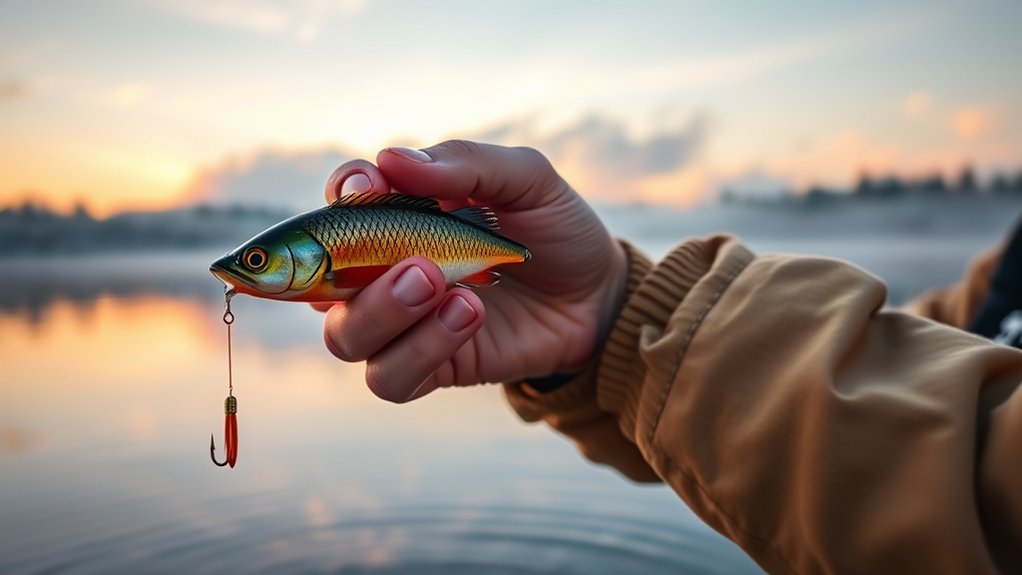
Jigging is a fishing technique that uses a weighted lure to attract fish. You drop or cast the jig to the target depth, then use the rod, reel, or both to make the lure jump, glide, shake, flutter, or swim.
The movement can imitate an injured baitfish, fleeing minnow, squid, shrimp, crawfish, or other prey. The falling phase is especially important with many jig styles because a fluttering or suddenly dropping lure can look like vulnerable prey.
You can jig vertically from a boat, kayak, bridge, pier, or through the ice. You can also cast a jig from shore, hop it across the bottom, swim it through vegetation, or work it beside docks and other structure.
There is no single “jigging rod” that fits every situation. A panfish jig weighing a fraction of an ounce, a bass jig cast around cover, and a heavy offshore metal jig place very different demands on a rod and reel. Match the tackle to the lure weight, presentation, depth, and fish rather than choosing equipment from one universal specification.
Braided line is popular for many jigging applications because its low stretch improves sensitivity and depth control. Fluorocarbon or monofilament leaders may be useful for abrasion resistance, lower visibility, shock absorption, or a specific presentation.
Note: “Jigging” can mean different things depending on where you fish. Offshore anglers may mean vertical metal jigging or slow-pitch jigging, while bass anglers may mean casting a skirted jig around grass, rocks, docks, or timber.
Target Species and Locations
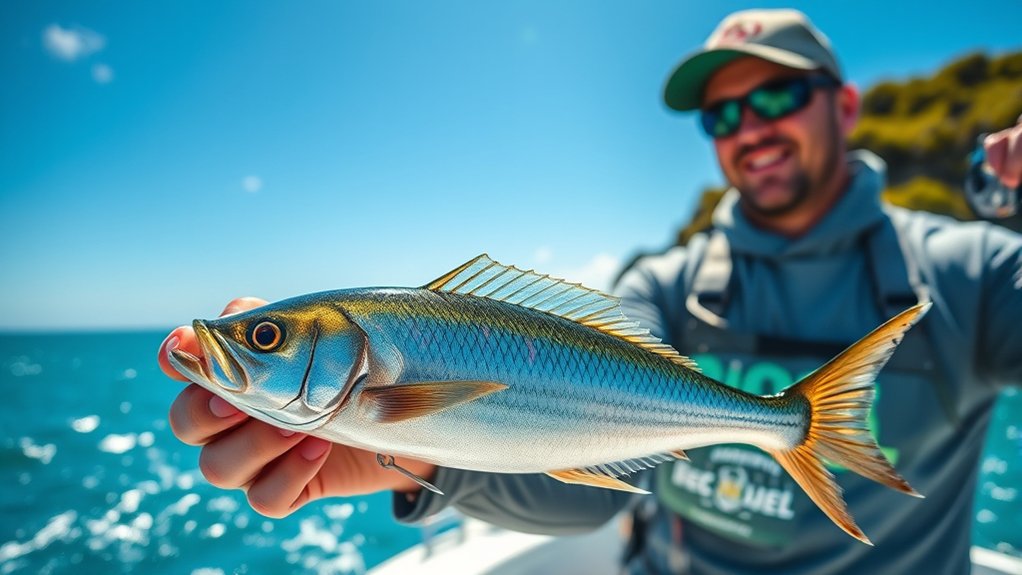
Jigging can target many species because jigs come in very different sizes, shapes, and actions. The useful question is not simply “What fish bite jigs?” but “Where is the fish holding, and what presentation will keep the jig near it?”
Common examples include:
- Saltwater species: Grouper, snapper, tuna, amberjack, mackerel, rockfish, redfish, and other predators may respond to jigs around reefs, wrecks, ledges, drop-offs, bait schools, flats, or current breaks.
- Freshwater species: Bass, crappie, trout, walleye, perch, and other species can be targeted in lakes and rivers with jigs suited to their depth, forage, and cover.
- Bottom structure: Rocks, ledges, brush, wrecks, reef edges, channel changes, and drop-offs can concentrate fish, making controlled jig presentations useful.
- Shore and man-made structure: Piers, docks, bridges, points, weed edges, and accessible shoreline structure can provide beginner-friendly places to cast or vertically work a jig where legal and safe.
Local tackle shops, fishing clubs, charter captains, and state or regional fishery agencies can help with current seasons, legal access, depth patterns, bait movement, and species-specific rules.
How Jigging Works
Most jigging presentations combine three actions: sink, move, and fall or pause. The jig’s weight takes it toward the target depth. The rod or reel gives the lure action. The fall, pause, or retrieve then determines how long it stays where fish can see or feel it.
Beginners often concentrate on the upward rod movement, but the next phase matters just as much. With many fluttering, vertical, and slow-pitch jigs, fish may strike as the lure drops or changes direction.
Watch the line as well as the rod tip. A line that jumps, goes slack earlier than expected, moves sideways, or suddenly feels heavier can indicate a fish has taken the jig. It can also mean the lure touched bottom or structure, so experience helps you tell the difference.
The simplest way to learn jigging is to stay aware of the lure. Know when it touches bottom, when it is falling, and when something changes unexpectedly.
Essential Jigging Gear
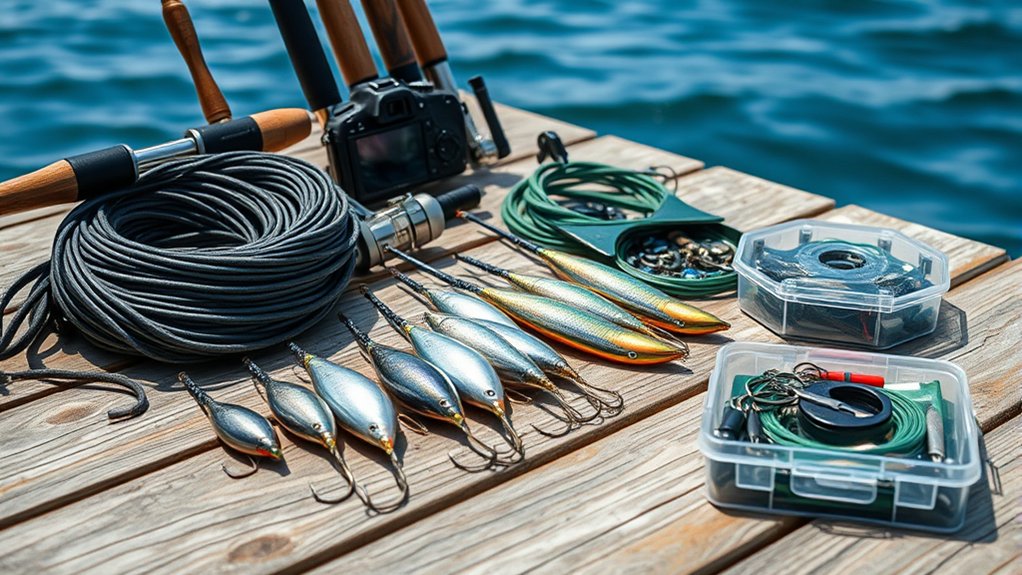
Choose jigging gear by matching the complete system: jig weight, rod rating, reel capacity, line strength, leader, target fish, and fishing location. One setup cannot cover every style of jigging well.
Shorter technique-specific rods are common for many vertical and offshore jigging methods because the angler is working a lure below the boat. Casting and shore-based applications can require longer rods for casting distance and line control. Slow-pitch rods also use specialized actions designed to load and unload in a way that gives the jig its intended movement.
Spinning reels are familiar and easy to manage for many beginners. Conventional or baitcasting-style reels are also common in vertical and offshore jigging because they can provide useful line capacity, control, and retrieve characteristics. Match the reel to the rod and expected fish rather than choosing only by reel type.
Braided line is widely used when sensitivity, thin diameter, and low stretch are useful. Fluorocarbon is commonly used as leader material because of its abrasion resistance and lower underwater visibility. Monofilament can also be useful when additional stretch or a different presentation is desirable.
Leader strength varies widely. Light freshwater jigging may use light line, while saltwater fishing around rocks, wrecks, teeth, or abrasive structure may require much heavier leader. Choose leader strength for the fish and environment rather than treating 30, 50, or 80 pounds as a universal rule.
How Do You Choose the Right Jig?
Use these four questions before choosing a jig:
- What presentation are you using? A crappie jig, bass football jig, inshore jighead, speed jig, and slow-pitch jig are designed for different movements.
- Can you reach and control the target depth? Increase weight when current, wind, depth, or line angle keeps the lure away from the strike zone.
- What cover or abrasion is present? Rocks, shell, vegetation, timber, wrecks, and toothy fish can change the jig design, hook, line, and leader you need.
- How are the fish behaving? Use slower falls, pauses, or smaller profiles when fish are reluctant to chase. Faster or more aggressive presentations can work when predators are actively pursuing bait.
What Jig Weight Should You Use?
Use the lightest jig that still reaches the strike zone and gives you enough control to understand what the lure is doing. Increase weight when depth, current, wind, or line angle makes it difficult to reach bottom or maintain useful contact.
The ranges below are starting points for specific situations, not universal rules:
- Crappie and light panfish jigging: Small jigs around 1/64 to 1/8 ounce are commonly used, with the exact choice depending on depth, wind, current, and presentation.
- Bass jigs: Many finesse, casting, flipping, and structure jigs fall roughly between 3/16 and 3/4 ounce, while specialized heavy-cover jigs can be heavier.
- Inshore saltwater jigheads: Around 1/8 to 1/4 ounce is common in some shallow inshore situations, but deeper water or stronger current may require substantially more weight.
- Offshore metal and slow-pitch jigs: Jig weights can range from well under 200 grams to 400 grams or more. The correct weight must remain within the rod’s rating and suit the water depth, current, line angle, and jig design.
Pro Tip: If you cannot tell when the jig reaches the target depth or the line keeps sweeping far away from you, the problem may be insufficient weight, excessive line drag, strong current, or poor positioning. Correct the control problem instead of simply working the rod harder.
Common Types of Jigs
Not every jig is designed for the same job. Choosing the right style helps the lure move correctly and stay in the useful part of the water column.
- Round jig heads: Simple and versatile for soft plastics, minnows, grubs, and small swimbaits.
- Football jigs: Designed to crawl or drag across hard bottom and rocky structure.
- Swim jigs: Used with a steady retrieve around vegetation, shallow cover, and baitfish.
- Vertical metal jigs: Designed for dropping through deeper water and working with lifts, sweeps, reel turns, or faster mechanical motions.
- Slow-pitch jigs: Often center-weighted or shaped to kick, slide, wobble, or flutter during the fall.
- Bucktail jigs: Hair or synthetic fibers move with small rod and water movements and can be used in both saltwater and freshwater.
- Ice jigs: Compact lures designed for vertical presentations through the ice or directly beneath the angler.
Basic Jigging Techniques
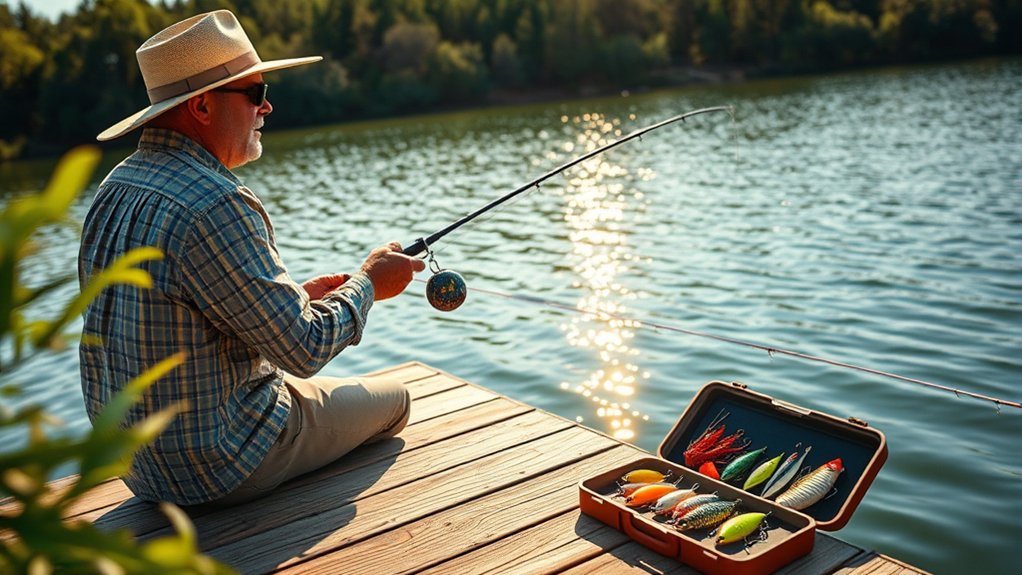
A beginner does not need an elaborate motion. Start by learning how the lure feels when it sinks, contacts bottom, lifts, and falls.
Good jigging is less about making the biggest rod movement and more about controlling where the lure is and how it moves.
- Cast or Drop: Send the jig toward the target and let it sink to the intended depth. When bottom contact matters, watch for the line to stop or go slack.
- Lift: Raise the rod or use the reel to move the jig. The exact motion may be a small hop, smooth sweep, sharp snap, or reel turn depending on the jig style.
- Let It Fall: Lower the rod while maintaining enough awareness of the line to detect an unusual twitch, jump, sideways movement, or early slack.
- Vary the Rhythm: Try shorter lifts, longer pauses, slower falls, faster retrieves, or a different depth if fish do not respond.
- Stay in the Strike Zone: Bottom-oriented fish may call for repeated contact near the bottom, while suspended or chasing fish may respond better as the jig moves through the water column.
The goal is controlled contact, not constant tight-line pressure. Too much tension can restrict the natural fall of some jigs, while excessive slack can make bites difficult to detect.
When Should You Use Vertical Jigging?
Vertical jigging works when fish are below you and you can keep the lure reasonably close to vertical. It is common from boats, kayaks, piers, bridges, and through the ice where legal and safe.
Drop the jig to the target depth, engage the reel, and use short lifts, longer sweeps, reel turns, or another motion suited to the lure. After each movement, allow the jig to fall while watching the line.
If current or drift causes the line to angle far away, the lure becomes harder to control. You may need a heavier jig, thinner line where appropriate, a different drift, or a new position.
When Should You Cast and Hop a Jig?
Casting and hopping works well when fish are holding along shoreline cover, points, rocks, weed edges, docks, drop-offs, or other targets away from your position.
Cast beyond or beside the target, let the jig reach the desired depth, then use short rod lifts to hop it back. Pause between hops. Fish may strike during the hop, the fall, or while the lure is sitting still.
When Should You Swim a Jig?
Swim a jig when fish are feeding above the bottom or chasing bait. Retrieve steadily so the lure moves horizontally through the water, then change speed, depth, or add small twitches if fish follow without striking.
This technique is useful around grass, flats, shoreline cover, bait schools, and other situations where a moving prey imitation makes more sense than repeatedly contacting bottom.
What Is Slow-Pitch Jigging?
Slow-pitch jigging is a specialized vertical technique that uses a rod and jig designed to create controlled kicks, slides, wobbles, and fluttering falls. Rather than repeatedly ripping the lure upward, the angler uses measured rod loading, reel turns, pauses, and controlled falls to let the jig create much of its own action.
The fall is a major part of the presentation. Slow-pitch jigs are often shaped or weighted so they move sideways or flutter instead of simply dropping straight down.
Do not assume that “slow” means using any rod with slow hand movements. A dedicated slow-pitch rod is designed to load and recover in a way that helps impart the intended jig action.
What Is High-Speed Jigging?
High-speed or mechanical-style jigging uses faster reel turns and rod movements to make a metal jig behave more like fleeing prey. It is commonly associated with active pelagic predators and other fish willing to chase.
This approach is physically demanding and requires tackle matched to the jig and target fish. Efficient, compact movements are usually better than exaggerated rod pumps. If fish follow without striking, change speed, depth, or rhythm rather than repeating the same retrieve indefinitely.
Warning: Offshore jigging can involve deep water, strong current, sharp hooks, heavy fish, and sudden weather changes. Wear an appropriate life jacket, carry required safety equipment, monitor conditions, and never fish beyond the limits of your boat, kayak, tackle, or experience.
How to Rig a Jig
Rigging depends on the jig style and line system, but the goal is the same: a secure connection that allows the lure to move correctly.
- Choose the jig style: Match the lure to the depth, cover, species, and type of retrieve you plan to use.
- Check the hook: Make sure the hook is sharp, undamaged, and appropriate for the jig and target fish.
- Choose the connection: A Palomar knot is a common strong option for many hooks and lures, particularly with braid. A non-slip loop knot may be useful when a lure needs additional freedom of movement. Other knots can be appropriate depending on line material, diameter, and lure hardware.
- Add a leader when useful: Fluorocarbon or monofilament can provide abrasion resistance, lower visibility, or additional stretch between braided main line and the lure.
- Attach a trailer when the jig is designed for one: Soft plastics, skirts, bait, or other legal trailers can change profile, action, buoyancy, and scent.
- Check the presentation: Watch how the lure hangs, falls, and moves before sending it into deeper water.
If a trailer makes the jig roll, twist, or hang crooked, reposition or replace it. Also inspect the knot and leader regularly after contact with rocks, shells, teeth, docks, wrecks, or other abrasive structure.
Tips for Beginners
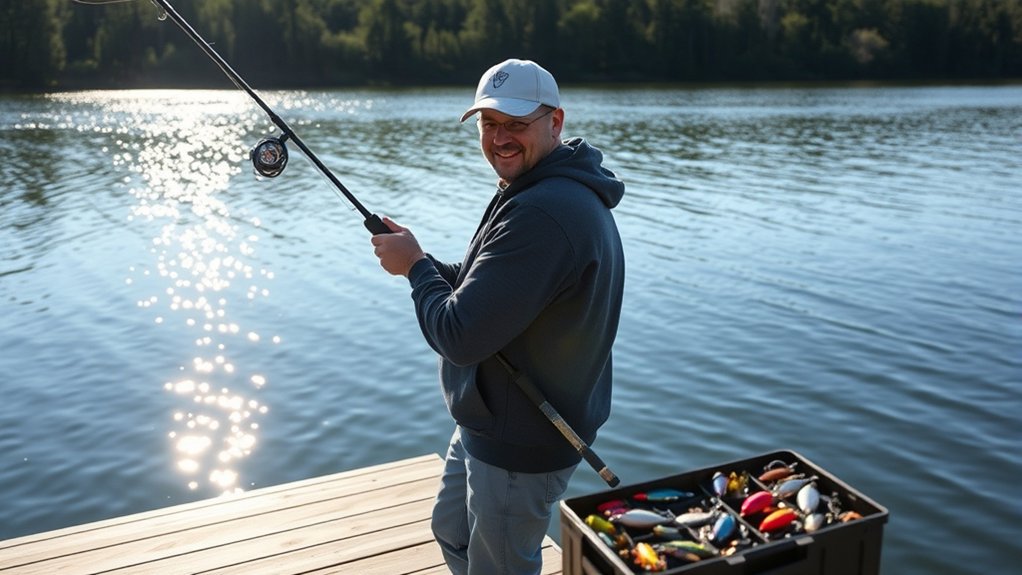
Start with one simple presentation instead of trying to master every form of jigging at once. A cast-and-hop retrieve from shore or basic vertical lift-and-fall presentation is easier to learn because you can concentrate on depth control and bite detection.
Do not choose jig weight from a single offshore rule. Use the lightest jig that reliably reaches the target depth and lets you understand what the lure is doing. Increase weight when current, wind, depth, or line angle prevents control, while staying within the rod’s lure rating.
Match the rod and reel to the jig rather than relying on a universal 5-to-7-foot recommendation. Specialized vertical and slow-pitch rods are often relatively short, while casting and shore applications may require more length.
Once you can recognize bottom contact and the lure’s fall, experiment with pauses, short hops, long sweeps, swimming retrieves, slow-pitch movements, or faster jigging where appropriate.
Check local regulations immediately before fishing. Seasons, closures, bag limits, protected species rules, permits, and legal gear can change by jurisdiction and fishery.
Beginner Mistakes to Avoid
- Using more weight than necessary: Extra weight may improve bottom contact, but it can also change lure action and make light bites harder to interpret. Use enough weight for control.
- Ignoring the fall: Many jig styles are designed to attract fish as they drop. Watch the line instead of waiting only for a hard pull.
- Using the same speed all day: Change pauses, lift height, retrieve speed, and depth when the fish are not responding.
- Using dull or damaged hooks: Jigs frequently contact rocks, shell, fish mouths, and structure. Inspect the point regularly.
- Fishing the wrong depth: Bottom contact, visible bait, electronics where available, local information, and repeated bites can help identify the productive depth.
- Letting line angle get out of control: Excessive drift or current can move the jig away from the area you think you are fishing.
- Skipping regulation checks: Seasons, bag limits, size limits, closures, permits, and protected-species rules vary by location.
Seasonal Jigging Strategy
Season can influence fish location and activity, but there is no universal seasonal jigging pattern for every species or region. Water temperature, forage, spawning behavior, weather, current, oxygen, and local habitat can all change where fish hold.
- Spring: Some species move toward shallower feeding or spawning areas as conditions warm. Where that applies, smaller jigs, slower hops, and presentations near warming banks, flats, or structure may be useful.
- Summer: Fish may use different depths during low-light and midday periods. Deeper ledges, reefs, channels, shaded cover, or other temperature and forage-related zones can become important for some species.
- Fall: Moving bait schools can create opportunities for swimming or faster jig presentations when predators are actively feeding.
- Winter: In colder environments, slower presentations and longer pauses can be effective for species whose activity decreases with water temperature. Other fisheries remain active, so adjust to local species rather than relying on the calendar alone.
Safety and Fish Care
Jigging can involve sharp hooks, heavy lures, deep water, current, slippery surfaces, and hard-fighting fish. Keep pliers, line cutters, and appropriate landing equipment accessible. When fishing from a boat or kayak, use an appropriate life jacket and carry the safety equipment required for your vessel and location.
If you plan to release a fish, minimize handling and air exposure. NOAA Fisheries recommends handling fish as little as possible, using wet hands, supporting a fish’s body rather than suspending it by the mouth, and keeping air exposure under 60 seconds when removal from the water is necessary.
Fish brought rapidly from deep water can suffer barotrauma. Signs can include bulging eyes, bloating, an everted stomach, or difficulty returning below the surface. Where applicable, learn how to use a descending device or other legal release-at-depth method before targeting deep-water species.
Release practices and equipment requirements can vary by fishery, so follow the current rules and guidance for the water you are fishing.
Frequently Asked Questions
How do you properly jig fish?
Cast or drop the jig to the target depth, move it with a lift, hop, sweep, or reel turn, then let it fall or pause. Keep enough awareness of the line to detect a jump, early slack, sideways movement, or unusual weight. Change the rhythm and depth when fish do not respond.
How do you fish a jig for beginners?
Start with a simple cast-and-hop or vertical lift-and-fall retrieve. Let the jig reach the intended depth, move it a short distance, then let it fall again. Learn how bottom contact and a normal fall feel before adding faster or more complicated movements.
How do you start jigging?
Choose a rod and reel rated for the jig you plan to use, then match the line and leader to the fish and structure. Practice sinking, lifting, falling, pausing, and maintaining depth control before trying specialized techniques such as slow-pitch or high-speed jigging.
How do you rig a jig for beginners?
Use a jig suited to the target fish and depth, inspect the hook, and attach it with a knot appropriate for your line and lure hardware. Add a leader or trailer when the presentation calls for one, then check that the lure hangs and moves correctly before fishing deeper water.
What jig weight should I use?
Use the lightest jig that reaches the strike zone and still gives you useful control. Increase weight when depth, current, wind, or line angle prevents you from reaching bottom or feeling the lure. Always stay within the rod’s lure-weight rating.
What color jig should I use?
Start with natural baitfish or forage colors when visibility is good. Brighter, glow, high-contrast, or darker patterns may be worth testing in stained water, low light, or deep water. Color preference can change by location and day, so change color after you have also checked depth and presentation.
Do fish bite jigs on the fall?
Yes. Many fish strike a jig while it is falling, particularly when the lure is designed to flutter, glide, wobble, or imitate injured prey. Watch for a twitch, jump, sideways movement, unexpected slack, or sudden extra weight in the line.
Can you jig from shore?
Yes. You can cast and hop, drag, or swim jigs from shore, beaches, banks, piers, and other legal access points. Shore jigging tackle depends on casting distance, water depth, current, lure weight, target fish, and surrounding structure.
Sources
- NOAA Fisheries — Recreational Fishing — current U.S. recreational fishing management, state-license, federal-rule, and regulation guidance.
- NOAA Fisheries — Catch and Release Fishing Best Practices — fish handling, air exposure, barotrauma, and release-at-depth guidance.
- U.S. Coast Guard Boating Safety Division — recreational boating and life-jacket safety guidance.
- Take Me Fishing — How to Jig — general jigging technique and guidance on matching jig weight to depth and current.
- Take Me Fishing — Types of Fishing Line — braid and fluorocarbon characteristics and leader use.
- Take Me Fishing — Palomar Knot — knot guidance for attaching line to hooks, swivels, and lures.
- Shimano — Jig Selection Tips — jig shape, weight, color, slow-pitch design, and fall-action guidance.
- Shimano — Game Type Slow J — current slow-pitch rod actions, powers, line ratings, and jig-weight ratings.
- U.S. Fish & Wildlife Service — Fishing — fishing access, conservation, and responsible-angling context.
Conclusion
Jigging fishing becomes much easier once you focus on four things: where the fish are, whether the jig can reach that depth, what the lure is doing during the fall, and how the fish respond. You do not need the heaviest jig or the most aggressive rod movement. You need enough control to keep the lure in the strike zone and recognize when something changes.
Start with one simple lift-and-fall or cast-and-hop presentation. Once you can identify bottom contact and feel the jig clearly, adjust weight, depth, pauses, retrieve speed, and jig style one variable at a time. That approach teaches you more than repeatedly changing tackle without knowing why a fish did—or did not—bite.