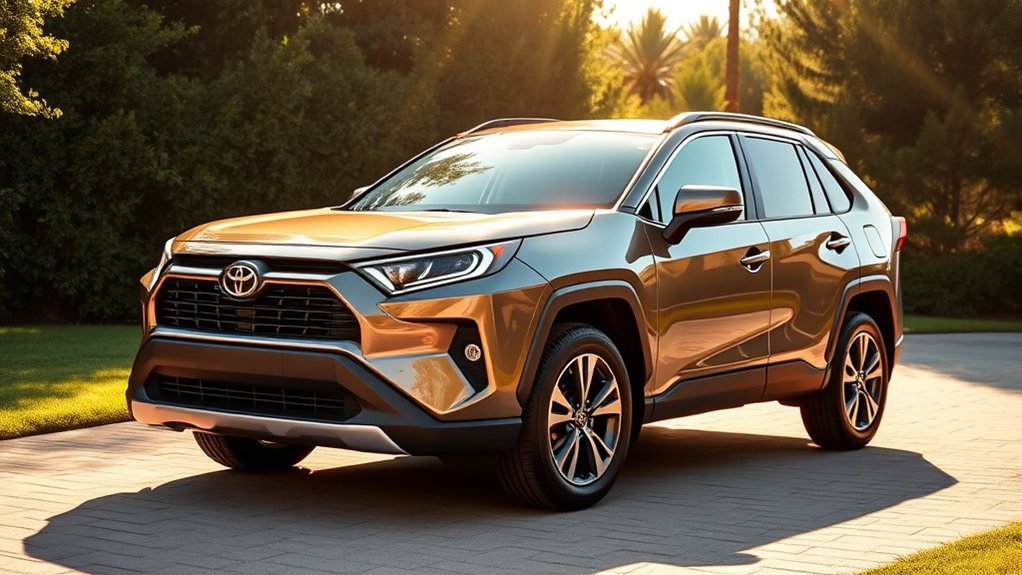
The Toyota RAV4 Hybrid earns strong ratings for fuel economy, practical cargo space, everyday performance, and available all-wheel drive. This review focuses on the redesigned 2026 RAV4 Hybrid because its power, trims, technology, towing limits, and efficiency differ substantially from the outgoing 2025 model. Your final rating should also account for the exact trim, local price, insurance quote, and driving conditions.
Quick Answer
The 2026 Toyota RAV4 Hybrid is a strong compact SUV for fuel economy, usable cargo room, warranty coverage, and everyday power. Toyota lists up to 47 mpg city, 40 mpg highway, and 43 mpg combined. Output ranges from 226 horsepower with front-wheel drive to 236 horsepower with all-wheel drive.
Key Takeaways
- The redesigned 2026 RAV4 uses hybrid power across the lineup, with a separate plug-in-hybrid version also available.
- Toyota rates the regular hybrid at 226 horsepower with front-wheel drive and 236 horsepower with all-wheel drive.
- Fuel economy reaches an estimated 47 mpg city, 40 mpg highway, and 43 mpg combined on qualifying configurations.
- Cargo capacity reaches up to 37.8 cubic feet behind the rear seats, while towing ranges by trim and configuration.
- The 2026 model is a first-year redesign, so previous-generation reliability is encouraging context rather than a guarantee.
Last updated: July 13, 2026
Note: Specifications in older RAV4 Hybrid reviews often refer to the 2025 model, which produced 219 horsepower and carried different fuel-economy ratings. The 2026 RAV4 begins a new generation, so confirm the model year before comparing listings.
What Makes the 2026 Toyota RAV4 Hybrid a Strong Performer?
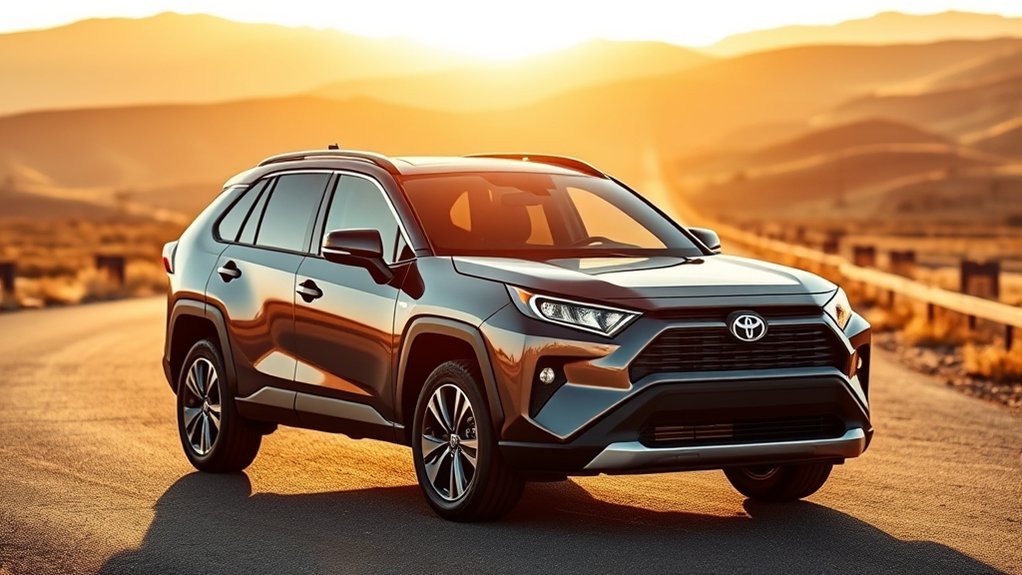
The 2026 RAV4 Hybrid combines a 2.5-liter four-cylinder engine with Toyota’s fifth-generation hybrid system. Toyota rates front-wheel-drive models at 226 horsepower and all-wheel-drive models at 236 horsepower. That gives you enough output for commuting, highway merging, and carrying passengers without making fuel consumption the only priority.
Front-wheel drive is available for drivers who want the highest potential efficiency. Electronic all-wheel drive adds traction support without using a conventional mechanical driveshaft to the rear axle. It can help when accelerating on wet, loose, or snow-covered surfaces, but it does not increase tire grip during braking.
The hybrid system automatically blends gasoline and electric power. You do not need to plug in the regular RAV4 Hybrid. Toyota also offers a RAV4 Plug-in Hybrid for buyers who can charge regularly and want a longer electric-driving portion of their daily routine.
The 2026 RAV4 Hybrid produces 226 horsepower with front-wheel drive or 236 horsepower with all-wheel drive while returning up to an estimated 43 mpg combined.
The RAV4 Hybrid is tuned for predictable daily use rather than sports-car handling. During a test drive, pay attention to engine noise during hard acceleration, steering effort, brake-pedal feel, and ride comfort on the roads you use most often.
Fuel-Efficiency Ratings of the 2026 RAV4 Hybrid
Fuel economy remains one of the RAV4 Hybrid’s main advantages. Toyota lists estimates as high as 47 mpg city, 40 mpg highway, and 43 mpg combined for qualifying 2026 configurations. Exact figures vary with the trim, drivetrain, wheel and tire package, and equipment.
Official Fuel-Economy Estimates
You can review current specifications on the official Toyota RAV4 page. Before buying, compare the EPA information printed on the exact vehicle’s window sticker rather than assuming every RAV4 Hybrid receives the maximum rating.
| 2026 Rating | Maximum Toyota Estimate | Important Qualification |
|---|---|---|
| City fuel economy | Up to 47 mpg | Applies only to qualifying configurations |
| Highway fuel economy | Up to 40 mpg | Speed, weather, and trim affect results |
| Combined fuel economy | Up to 43 mpg | Check the vehicle-specific EPA label |
The federal FuelEconomy.gov database is another useful place to compare official ratings once the exact configuration is listed.
Real-World MPG Performance
Your real-world fuel economy can be higher or lower than the official estimate. Short winter trips may use more fuel because the engine and cabin need time to warm. Sustained high-speed driving can also reduce the hybrid system’s advantage because the gasoline engine does more of the work.
Other factors that can change your results include:
- Tire pressure, tread type, and wheel size
- Outside temperature and use of heating or air conditioning
- Frequent short journeys with a cold powertrain
- Heavy cargo, roof boxes, or trailer use
- Rapid acceleration and high cruising speeds
- Traffic patterns, road grade, and wind
Track several full tanks instead of relying on one dashboard reading. Divide the miles driven by the gallons added at the pump, then compare the result over similar routes and weather conditions.
How It Compares With a Gas-Only RAV4
Toyota no longer offers a gas-only RAV4 for the 2026 model year. The current lineup consists of regular hybrid and plug-in-hybrid powertrains, so a gas-versus-hybrid comparison now involves the outgoing 2025 RAV4 or competing compact SUVs.
If you are comparing a discounted 2025 gas RAV4 with a 2026 hybrid, consider more than the purchase price. Calculate expected fuel use, financing, insurance, depreciation, remaining inventory incentives, and how long you plan to keep the vehicle.
A lower fuel bill does not automatically recover every price difference. Your annual mileage, percentage of city driving, local gasoline price, and purchase terms determine the actual payback.
Is the 2026 Toyota RAV4 Hybrid Reliable?
Toyota hybrids have a long presence in the market, but the redesigned 2026 RAV4 does not yet have a multiyear reliability record. Its new generation, updated electronics, revised platform components, and fifth-generation hybrid system need time to accumulate owner data.
Previous RAV4 Hybrid results can help you understand the nameplate’s history, but they should not be treated as a guaranteed rating for a new generation. A responsible reliability assessment should include the exact model year, powertrain, production date, recall history, maintenance record, and length of ownership.
Toyota’s new-vehicle warranty provides an important baseline:
| Coverage | Term | What to Know |
|---|---|---|
| Basic new-vehicle warranty | 3 years or 36,000 miles | Applies to covered defects, subject to warranty terms |
| Powertrain warranty | 5 years or 60,000 miles | Covers designated powertrain components |
| Hybrid-related components | 8 years or 100,000 miles | Separate from hybrid-battery coverage |
| Hybrid battery | 10 years or 150,000 miles | Toyota states that coverage is transferable |
Review the current booklet through Toyota’s warranty and owner-manual portal. You should also enter the vehicle identification number in the NHTSA recall database before purchasing a used vehicle and periodically after buying a new one.
Ownership Costs of the RAV4 Hybrid
Toyota lists a starting MSRP of $31,900 for the 2026 RAV4 before destination, taxes, registration, accessories, and dealer charges. Higher trims can cost considerably more, so ownership calculations should begin with the actual out-the-door quote rather than the advertised base price.
| Cost Category | What Changes the Cost | Best Way to Estimate It |
|---|---|---|
| Purchase and financing | Trim, options, dealer charges, down payment, rate, and loan term | Compare written out-the-door quotes and total loan interest |
| Fuel | Annual mileage, actual MPG, fuel price, weather, and route | Annual miles ÷ expected MPG × local price per gallon |
| Insurance | Driver profile, ZIP code, coverage, deductible, trim, and insurer | Request quotes using the exact trim and vehicle identification number |
| Maintenance and repairs | Mileage, labor rates, tire size, service schedule, and warranty status | Price the scheduled services, tires, and likely wear items locally |
| Taxes and registration | State, county, vehicle value, and local hybrid fees | Use your state motor-vehicle agency’s calculator or fee schedule |
| Depreciation | Purchase price, mileage, condition, demand, and ownership period | Compare projected trade-in values using the same mileage assumptions |
Pro Tip: Get an insurance quote and a written out-the-door price before choosing a trim. A feature upgrade that looks modest in the MSRP can also change taxes, financing interest, tire-replacement costs, and insurance premiums.
For a fuel estimate, suppose you drive 12,000 miles annually and expect 40 mpg. You would use about 300 gallons per year. Multiply that figure by your local fuel price, then compare it with the same calculation for another vehicle using a realistic MPG estimate.
How Does the RAV4 Hybrid Compare With Competitors?
The RAV4 Hybrid competes with several compact hybrid SUVs, including the Honda CR-V Hybrid, Hyundai Tucson Hybrid, Kia Sportage Hybrid, and Subaru Forester Hybrid. The best choice depends on whether you prioritize maximum efficiency, seat comfort, interior design, standard equipment, all-wheel-drive behavior, towing, or dealer support.
| Model to Cross-Shop | Why It Belongs on the List | What to Compare in Person |
|---|---|---|
| Honda CR-V Hybrid | A direct mainstream rival with a roomy, family-focused layout | Seat comfort, ride quality, controls, cargo access, and pricing |
| Hyundai Tucson Hybrid | Often considered by buyers who prioritize cabin technology and features | Control layout, visibility, warranty terms, efficiency, and dealer quote |
| Kia Sportage Hybrid | Offers another feature-focused compact hybrid choice | Rear-seat space, cargo usability, infotainment, ride, and insurance |
| Subaru Forester Hybrid | Appeals to buyers who value visibility and an all-wheel-drive-oriented design | Road noise, acceleration, winter-tire fitment, cargo space, and MPG |
The RAV4 Hybrid’s strongest measurable advantages are its current maximum fuel-economy estimate, choice of front-wheel drive or all-wheel drive, useful cargo space, and broad six-trim range. However, a competitor may fit you better if its seats, control layout, ride, visibility, or local pricing feel more suitable.
You should also compare the regular RAV4 Hybrid with the RAV4 Plug-in Hybrid. The plug-in version makes the most sense when you can charge at home or work and regularly drive within its electric range. The regular hybrid is simpler for drivers who cannot charge consistently.
Standard Features and Trim Options
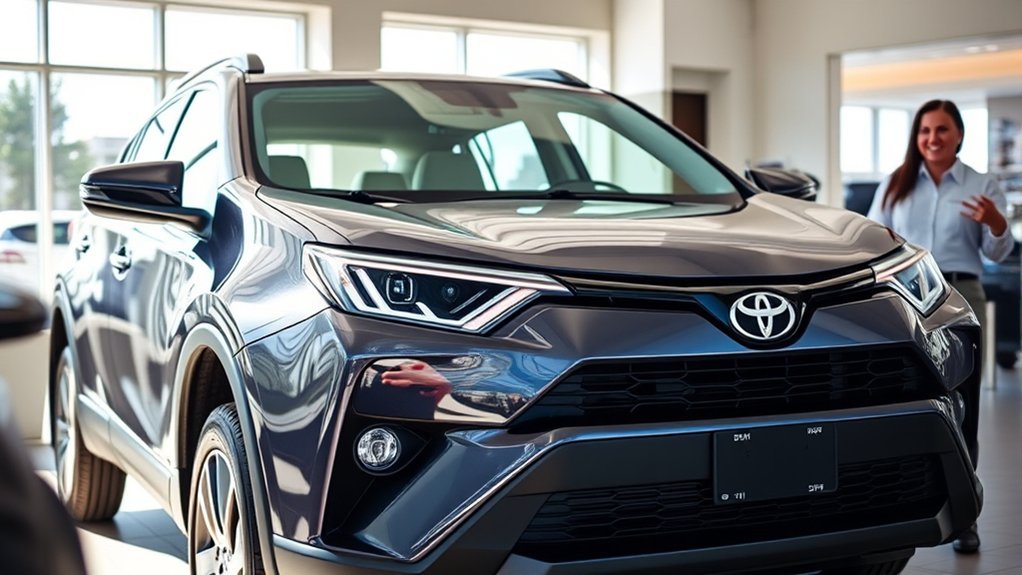
The 2026 RAV4 Hybrid is offered in six grades: LE, SE, XLE Premium, Woodland, XSE, and Limited. Standard and optional equipment changes by grade, so avoid treating features from a premium trim as standard on every model.
The LE is the entry point and uses fabric-trimmed seating with manual front-seat adjustments. Toyota lists a 12.3-inch digital gauge cluster, a 10.5-inch multimedia display, and Toyota Safety Sense 4.0 among the current model’s core technology. Higher trims add combinations of SofTex-trimmed seating, heated seats, larger displays, upgraded audio, convenience equipment, and additional driver-assistance functions.
| Trim | Best Starting Point For | Key Shopping Check |
|---|---|---|
| LE | Value and maximum potential efficiency | Confirm that the fabric seats and manual adjustments suit you |
| SE | Sportier appearance without moving to the highest grades | Compare tire cost, ride quality, and included equipment |
| XLE Premium | Comfort-focused daily use | Evaluate SofTex seating, heating, convenience features, and final price |
| Woodland | Outdoor-oriented styling and added utility | Check tire behavior, efficiency, towing configuration, and ride noise |
| XSE | Sporty design with more technology | Compare its equipment and ride with the Limited |
| Limited | The most premium regular-hybrid experience | Decide whether the added features justify the total ownership cost |
Option packages and availability can change during the model year. Use the vehicle’s window sticker to confirm every feature included in the quoted price.
Interior Space and Comfort
Toyota lists up to 37.8 cubic feet of cargo room behind the rear seats. The rear seatbacks fold to accommodate longer items, making the RAV4 useful for groceries, luggage, sports equipment, and routine household cargo.
Cargo volume alone does not show how well the space works for you. Check the lift-over height, wheel-well intrusion, hatch opening, rear-seat folding process, underfloor storage, and whether your stroller, mobility equipment, pet carrier, or work gear fits without forcing the hatch closed.
Seat comfort also varies by driver. Spend at least 20 minutes in your preferred trim and check thigh support, lumbar position, headroom, pedal alignment, and visibility. A power-adjustable seat on a higher trim may provide a better fit than the manual seat in the LE.
The cabin favors durable, functional materials rather than a luxury presentation. Inspect the dashboard, door panels, switchgear, and storage areas yourself if soft-touch materials matter to you. Also test the controls at night because button size, screen brightness, and menu design can affect daily usability.
What Should You Check During a Test Drive?
Customer opinions can be useful, but they often mix different model years, trims, climates, and expectations. A structured test drive gives you more relevant evidence for your own rating.
Fuel-Efficiency Display and Driving Route
Reset the trip computer before driving, then include city streets, a steady highway section, hills, and stop-and-go traffic when possible. A brief dealer loop cannot establish long-term MPG, but it can show how smoothly the vehicle switches between electric and gasoline power.
Check whether the energy-flow display helps or distracts you. You should be able to view essential information without spending too much time navigating menus while driving.
Comfort and Interior Quality
Drive over patched pavement, expansion joints, and rougher roads. Listen for tire noise, wind noise, cargo-area rattles, and harsh impacts. Sit in every seating row and verify that rear passengers have enough knee room, foot space, headroom, and access to charging ports.
Test the climate controls, infotainment menus, physical buttons, phone connection, camera views, and hatch. Bring frequently used items such as a child seat, large water bottle, or mobility aid when those details affect your purchase.
Performance and Handling
Test acceleration from a stop, merging at highway speed, low-speed parking, braking, and steering on a familiar route. The hybrid should deliver predictable power, but you may notice more engine sound during hard acceleration.
Pay particular attention to brake-pedal progression. Hybrid vehicles blend regenerative and friction braking, and drivers can differ in how natural that transition feels.
Who Should Buy the RAV4 Hybrid?
The regular RAV4 Hybrid deserves a place near the top of your list when you want a fuel-efficient compact SUV without needing to plug it in. It is especially suitable for mixed city and highway driving, family errands, commuting, and buyers who want a choice between front-wheel drive and all-wheel drive.
It may fit you well when you:
- Drive enough annual miles to benefit from strong fuel economy
- Want up to 37.8 cubic feet of cargo room behind the rear seats
- Prefer a conventional hybrid that requires no charging routine
- Need more everyday utility than a sedan provides
- Want several trims ranging from basic to premium
Compare alternatives carefully when you:
- Need to tow more than 3,500 pounds
- Want a luxury-grade cabin above all other factors
- Can charge daily and may benefit more from a plug-in hybrid or electric vehicle
- Prefer to avoid the first model year of a major redesign
- Need a third seating row
Warning: Do not assume every RAV4 Hybrid can tow 3,500 pounds. Capacity depends on the exact grade, drivetrain, equipment, trailer setup, cargo, and operating conditions. Verify the rating in the owner’s manual and on the vehicle before connecting a trailer.
Related Guides
Frequently Asked Questions
What are the warranty details for the Toyota RAV4 Hybrid?
Toyota provides a 3-year/36,000-mile basic warranty and a 5-year/60,000-mile powertrain warranty. Designated hybrid-related components receive 8-year/100,000-mile coverage, while the hybrid battery receives 10-year/150,000-mile coverage. Limits, exclusions, and maintenance requirements appear in the official warranty booklet.
How does the RAV4 Hybrid perform in different weather conditions?
Available all-wheel drive can help the vehicle accelerate on slippery surfaces, but it cannot replace suitable tires or increase braking grip. Cold temperatures can also reduce fuel economy. Use season-appropriate tires, reduce speed, increase following distance, and follow Toyota’s operating guidance.
What safety features are available in the RAV4 Hybrid?
The 2026 RAV4 includes Toyota Safety Sense 4.0, with collision-mitigation and driver-assistance technologies. Exact functions and optional systems can vary by trim. These features support an attentive driver and do not make the vehicle autonomous, so review the owner’s manual before use.
Can the RAV4 Hybrid tow a trailer?
Yes, but the limit varies. Toyota rates the 2026 LE AWD for up to 1,750 pounds, while several properly equipped AWD grades can tow up to 3,500 pounds. Account for passengers, cargo, hitch equipment, tongue weight, and the trailer’s loaded weight before towing.
What colors are available for the 2026 RAV4 Hybrid?
Toyota describes a 10-color exterior palette. Examples include Urban Rock, Meteor Shower, Everest, Storm Cloud, Ice Cap, Wind Chill Pearl, Midnight Black Metallic, Ruby Flare Pearl, and Blueprint. Availability, two-tone combinations, and extra-cost finishes depend on the trim and production schedule.
Is the 2026 RAV4 Hybrid different from the 2025 model?
Yes. The 2026 RAV4 starts a new generation with hybrid-only and plug-in-hybrid powertrains, revised styling, updated technology, Toyota Safety Sense 4.0, new horsepower ratings, different fuel-economy estimates, and a revised trim lineup. Specifications from a 2025 review should not be applied automatically to a 2026 vehicle.
Conclusion
The 2026 Toyota RAV4 Hybrid rates highly for fuel efficiency, practical cargo capacity, usable power, and its broad trim selection. Its maximum estimate of 43 mpg combined and choice of front-wheel drive or all-wheel drive make it suitable for many commuters and families.
Its limitations also deserve attention. The redesigned model does not yet have a long-term reliability record, premium features can raise the price quickly, and towing capacity varies substantially by grade. Cabin materials, seat comfort, road noise, and control design should be judged during a proper test drive.
Compare written out-the-door prices, insurance quotes, vehicle-specific EPA labels, warranty terms, and the equipment shown on each window sticker. That process will give you a more useful rating than relying on a single score or specifications from the outgoing model.
Sources
- Toyota RAV4 Official Model Page — current trims, starting MSRP, fuel-economy estimates, cargo capacity, towing, and technology
- Toyota 2026 RAV4 Press Information — redesign details, powertrain output, grades, fuel economy, colors, towing, and warranty coverage
- Toyota Warranty and Owner’s Manuals — official warranty booklets, operating instructions, maintenance information, and model-specific limits
- U.S. Department of Energy FuelEconomy.gov — official fuel-economy comparisons and fuel-cost tools
- NHTSA Recall Lookup — recall searches by vehicle identification number or vehicle details
