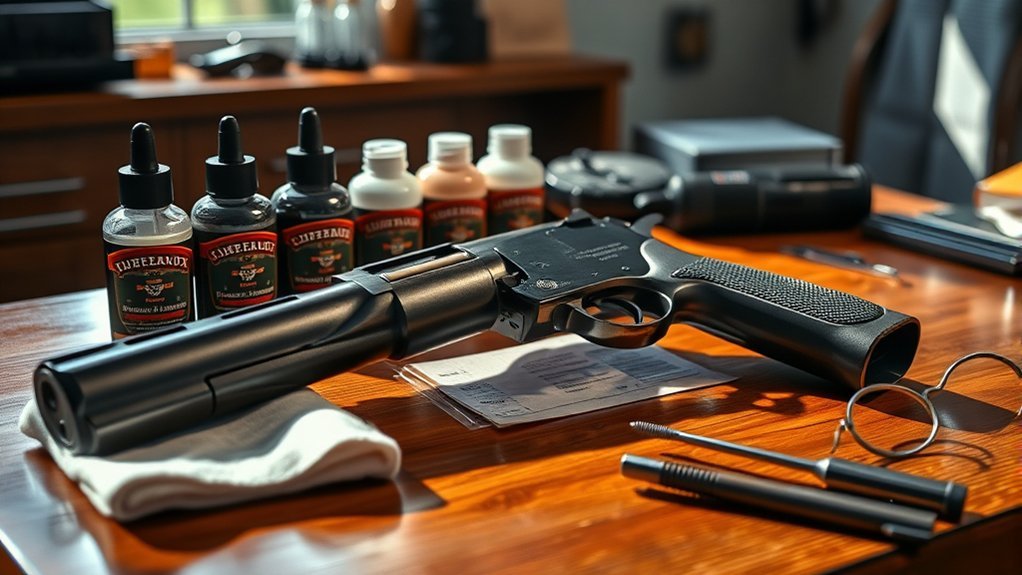
Safe firearm lubrication starts before you open a bottle of oil: unload the firearm, remove all ammunition from the workspace, and follow the owner’s manual for your specific model. The goal is simple. You want a light, controlled film of lubricant on the correct moving parts so the firearm stays protected from friction, fouling, and corrosion without attracting excess dirt or creating unsafe handling conditions.
Quick Answer
Use firearm-safe lubricant sparingly on the moving parts your manual identifies, such as slide rails, bolt contact points, hinges, or locking surfaces. Avoid soaking the firearm, keep lubricant away from ammunition, and always clean, inspect, and lubricate in a well-ventilated, ammunition-free workspace.
Key Takeaways
- Always unload the firearm, verify the chamber is clear, and remove ammunition before lubrication.
- Use lubricants made for firearms, not random household oils or heavy products that can gum up parts.
- Apply a thin film only where the owner’s manual recommends it. Too much lubricant can trap dirt and residue.
- Match the lubricant to the environment, especially cold, heat, humidity, dust, and long-term storage.
- Inspect the firearm after shooting, cleaning, moisture exposure, or storage so you can catch dryness, rust, or sluggish movement early.
At a Glance
| Time Required | 10–20 minutes for a basic clean-and-lubricate routine, depending on firearm type and fouling level. |
| Difficulty | Beginner to moderate. Field stripping should only follow the firearm’s owner’s manual. |
| Tools Needed | Owner’s manual, firearm-safe lubricant, cleaning patches, lint-free cloth, cotton swabs, nitrile gloves, eye protection, and a clean work mat. |
| Cost | Usually low if you already own basic cleaning supplies. Avoid using unverified substitutes just to save money. |
Understanding the Importance of Firearm Lubrication
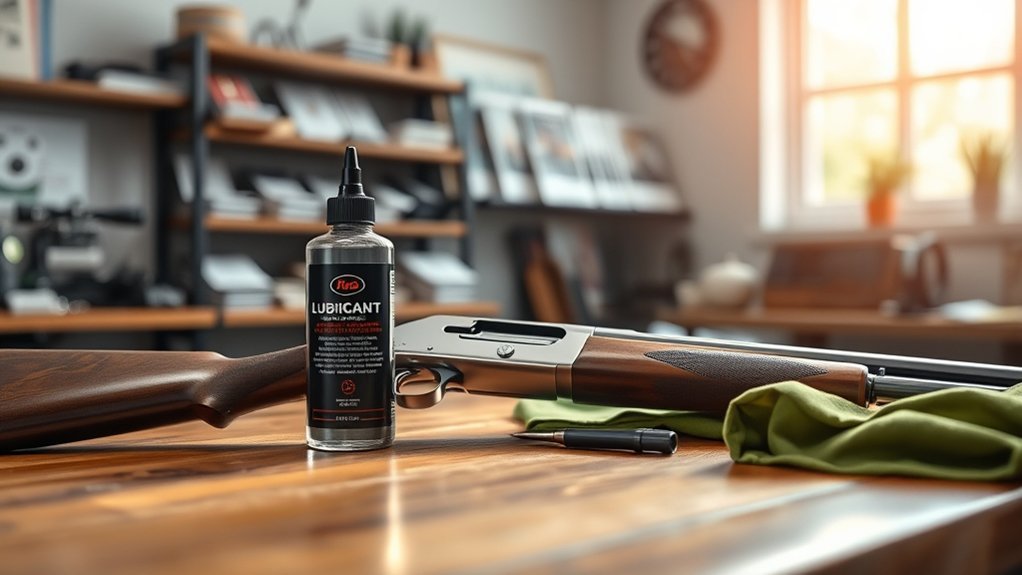
Firearm lubrication helps reduce friction between moving metal parts. That matters because repeated movement, heat, fouling, and moisture can increase wear over time. A controlled layer of lubricant also helps protect exposed metal surfaces from corrosion, especially after cleaning or storage.
Good lubrication is not about making a firearm “wet” with oil. It is about placing the right product in the right areas, then wiping away the excess. Most firearms need only a small amount on contact points such as slide rails, bolt lugs, hinge points, or other wear surfaces listed in the owner’s manual.
Regular lubrication also makes cleaning easier. Fouling and carbon are less likely to stick aggressively to properly protected surfaces. That said, every firearm design has different needs, so your manual should guide the exact points, products, and disassembly level.
Warning: Before cleaning or lubricating any firearm, point it in a safe direction, remove the magazine or ammunition source, open the action, and visually and physically confirm the chamber is empty. Keep all ammunition out of the workspace.
Common Misconceptions About Lubrication
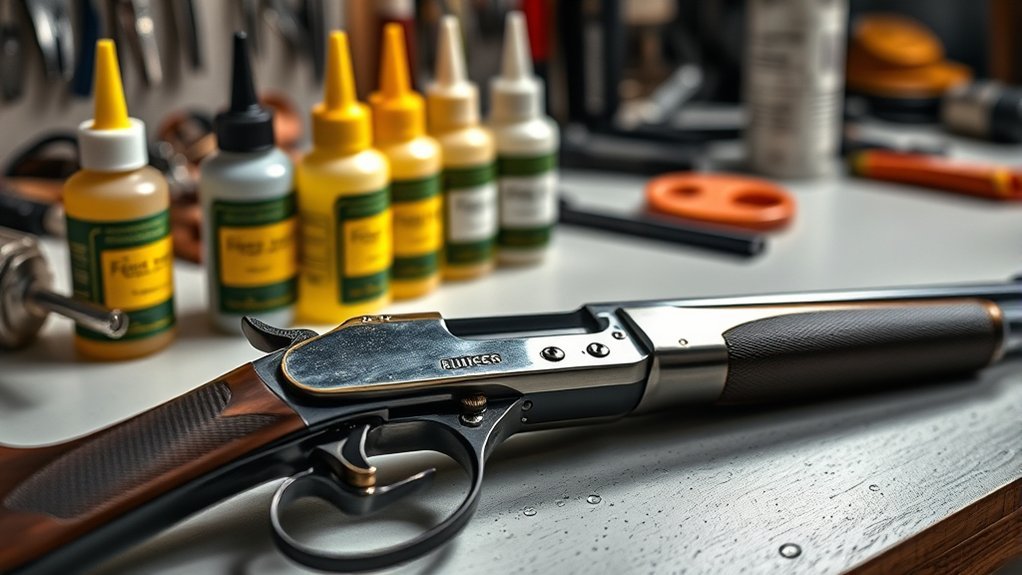
While many gun owners understand the need for lubrication, several misconceptions can lead to poor maintenance habits. Clearing up these myths helps you protect the firearm without creating new problems.
The safest lubrication routine is controlled, manual-specific, and light enough that excess oil does not collect dirt, fouling, or lint.
- More is better: Over-lubricating can attract dirt, powder residue, lint, and other debris that may interfere with smooth operation.
- Any oil will do: Not all oils are suitable for firearms. Some household products can evaporate, gum up, damage finishes, or provide poor corrosion protection.
- Lubrication is unnecessary for storage: Stored firearms still need protection from moisture, fingerprints, and corrosion.
- Cold weather does not matter: Some lubricants thicken in cold conditions, which can slow moving parts. Use a product suited to the temperature range you expect.
- One routine fits every firearm: A pistol, revolver, shotgun, bolt-action rifle, and semi-automatic rifle can have different lubrication points.
Types of Lubricants: Oils vs. Greases
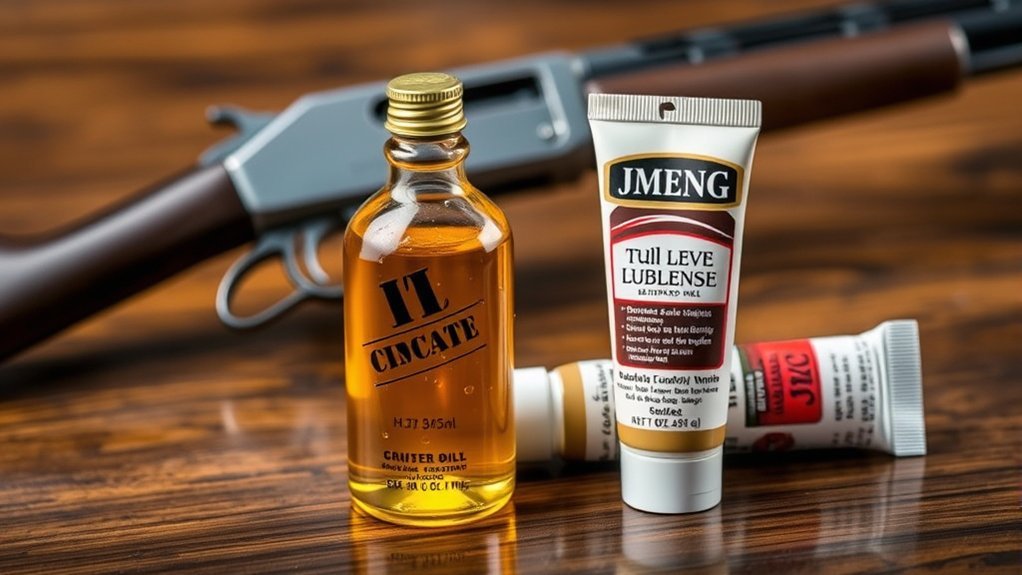
Understanding the types of lubricants helps you keep your firearm operating smoothly. Oils and greases serve different roles, and both can be useful when applied correctly.
Oils are usually lighter. They spread into tight areas and create a thin film that reduces friction. They work well on many moving parts, pivot points, springs, pins, and general wear surfaces. Because oils can migrate, you should apply them carefully and wipe away runoff.
Greases are thicker and stay in place longer. They can work well on high-pressure sliding surfaces, such as rails or locking contact areas, when the firearm manufacturer allows it. However, grease can collect dirt, sand, and residue if you use too much or use it in dusty conditions.
Dry lubricants may help in dusty or sandy environments because they leave less wet residue. They are not ideal for every firearm or every climate, so check compatibility before using them.
Choosing the Right Lubricant for Your Firearm
When choosing the right lubricant for your firearm, consider the firearm design, material compatibility, climate, storage conditions, and how often you shoot. The safest choice is usually a lubricant labeled for firearms and suitable for your firearm’s materials.
Avoid random substitutes unless the owner’s manual clearly allows them. Products not made for firearms may leave sticky residue, evaporate too quickly, damage finishes, or perform poorly in heat and cold. If you are unsure, follow the firearm manufacturer’s guidance or ask a qualified gunsmith.
Types of Lubricants
Selecting the right lubricant is essential for maintaining performance, corrosion resistance, and long-term condition. Common options include:
- Oil-based lubricants: Useful for general lubrication and light corrosion protection on many moving parts.
- Synthetic lubricants: Often designed to handle wider temperature ranges and reduce friction under repeated movement.
- Grease: Useful on certain high-wear or high-pressure contact surfaces when the manual recommends it.
- Dry lubricants: Helpful in some dusty environments because they leave less wet residue than oil or grease.
Application Techniques
Choosing the right application technique matters because improper lubrication can cause sluggish movement, residue buildup, or unnecessary mess. Start with a clean firearm and a clear work area. Use a lint-free cloth, patch, or cotton swab to remove visible debris before applying lubricant.
Apply lubricant sparingly. A small drop or thin smear is usually enough for most contact points. For precision areas, use a needle applicator or swab so you can target the surface without flooding nearby parts. After application, cycle the action only as allowed by the manual, then wipe away visible excess.
Do not put lubricant on ammunition, inside magazines where it can contaminate cartridges, or in areas the manual says to keep dry. Also avoid heavy lubricant inside firing pin channels unless your manufacturer specifically instructs otherwise.
Pro Tip: After lubricating, touch the surface with a clean patch. If the patch comes away soaked, you probably used too much. A light sheen is usually better than dripping oil.
Safety Considerations
While the right lubricant can support safe maintenance, using the wrong product or applying it carelessly can create problems. Consider these key safety factors:
- Compatibility: Make sure the lubricant is safe for your firearm’s metal, polymer, rubber, wood, and finish.
- Temperature resistance: Choose a lubricant that can handle your expected storage and use conditions.
- Flammability and fumes: Read the label, avoid open flames, and work in a well-ventilated area.
- Cleanliness: Select a product that does not attract excessive dirt, dust, or lint in your environment.
- Safe handling: Keep lubricant away from ammunition, primers, and areas where it could cause contamination.
Safe Application Techniques for Lubrication
When applying lubricant to your firearm, wear appropriate safety gear and work in a controlled environment. A clean, careful setup protects you from chemical exposure and helps prevent small parts, patches, or tools from getting lost.
Begin by reading the owner’s manual. Field strip only to the level recommended for routine cleaning. If the firearm needs deeper disassembly, consider getting help from a qualified gunsmith instead of forcing parts apart.
Proper Safety Gear
Proper safety gear is important whenever you handle cleaning solvents or lubricants. By equipping yourself correctly, you reduce exposure and maintain a safer workspace.
- Safety goggles: Protect your eyes from splashes, springs, debris, and cleaning residue.
- Nitrile gloves: Reduce skin contact with oils, solvents, and fouling.
- Dust mask or respirator: Use one when product labels recommend respiratory protection or ventilation is limited.
- Apron or work shirt: Keep your clothing protected from oil, residue, and stains.
Using the right gear also supports a more organized lubrication process. Check your tools and safety equipment before you start so you do not have to leave an unattended firearm or scattered parts on the bench.
Controlled Environment Practices
Creating a controlled environment for firearm lubrication is just as important as wearing the right safety gear. Work in a well-ventilated area so you do not inhale concentrated fumes from cleaning products or lubricants.
Keep your workspace clean and free from dust, loose ammunition, food, drinks, and clutter. Use a mat, tray, or drop cloth to catch excess lubricant and small parts. Good lighting helps you see contact points clearly and apply the correct amount.
Keep lubricants in their original containers with readable labels. Do not mix products unless the manufacturer says they are compatible. When you finish, close containers tightly and store them away from children, pets, heat, and open flames.
Frequency of Lubrication: How Often Should You Lubricate?
How often should you lubricate your firearm? The best schedule depends on the firearm, lubricant, storage conditions, and how much you shoot. Your owner’s manual should be the main guide, but these general situations often call for inspection and lubrication:
Lubrication should happen after inspection, not by habit alone. If parts are dry, dirty, rusty, or sluggish, clean and lubricate before storage or further use.
- After routine cleaning following a shooting session
- After exposure to rain, sweat, humidity, dust, sand, or extreme temperatures
- Before long-term storage, using a product suited for corrosion protection
- After long storage, before taking the firearm to the range
- Whenever the action feels dry, rough, sluggish, or unusually noisy
Round-count schedules such as “every 200–300 rounds” can be helpful for some firearms, but they are not universal. A cleaner range session in mild weather may need less attention than a short session in rain, grit, or heavy fouling.
Signs Your Firearm Needs Lubrication
Recognizing the signs that your firearm needs lubrication can help protect its condition and reduce unnecessary wear. If you notice sluggish action, rough cycling, or resistance when operating the firearm according to the manual, inspect it before further use.
Unusual grinding, squeaking, or scraping sounds can also signal dry contact points or debris. Visible rust, discoloration, or corrosion on metal surfaces needs immediate attention. Clean the area carefully, apply the correct protective product, and seek professional help if corrosion looks deep or widespread.
Accuracy changes can come from many causes, including ammunition, shooter technique, loose optics, fouling, or mechanical issues. Do not assume lubrication alone will solve accuracy problems. Inspect the firearm safely and get qualified service if something seems abnormal.
Environmental Considerations for Lubrication
Environmental conditions can affect how a lubricant performs. A product that works well in a clean indoor range may not be the best choice for cold weather, high humidity, dusty trails, or long-term storage.
Temperature, moisture, and dust can change how lubricant behaves, so match the product and amount to the conditions around the firearm.
- Temperature: Extreme heat or cold can change lubricant thickness, movement, and staying power.
- Humidity: High humidity can promote rust, so corrosion protection becomes more important.
- Dust and dirt: Dirty environments can turn excess wet lubricant into a gritty paste.
- Chemical exposure: Some cleaners, solvents, and lubricants may not work well together. Read labels before combining products.
- Sweat and fingerprints: Salt and moisture from handling can encourage corrosion on exposed metal surfaces.
Note: In dusty or sandy conditions, less wet lubricant may perform better than a heavy coating. Use the minimum amount recommended for your firearm and conditions.
Storing Your Firearm With Lubricants
When storing your firearm with lubricants, the goal is corrosion protection without pooling oil, contaminating ammunition, or creating residue that hardens over time. Store the firearm unloaded, secured, and in compliance with all applicable laws and safe-storage practices.
For long-term storage, choose a product designed to protect metal surfaces during storage. Then inspect the firearm periodically, especially if it is stored in a humid climate, vehicle, basement, garage, or other changing environment.
Proper Lubricant Selection
Choosing the right lubricant for storage is essential for protecting your firearm from corrosion and preserving proper function. Consider these factors:
- Viscosity: Choose a lubricant with the right thickness for your climate. Too thin may migrate or evaporate, while too thick may collect dust.
- Corrosion resistance: Use a product designed to protect metal surfaces during storage.
- Compatibility: Confirm the lubricant is safe for your firearm’s metal, polymer, rubber, wood, and finish.
- Application method: A needle bottle, patch, or cloth can help you apply a thin, even layer without soaking the firearm.
- Storage purpose: A firearm stored for months may need a different protective approach than one cleaned after a normal range trip.
Environmental Considerations
Selecting the right lubricant is not only about performance. It also involves understanding the environmental impact of the products you use and how you dispose of them. Some cleaning products and lubricants contain chemicals that should not be poured down drains, dumped outside, or left where they can leak.
When possible, choose lower-odor, biodegradable, or less toxic products that still meet the needs of your firearm and climate. Dispose of used patches, contaminated rags, and leftover product according to the label and local rules.
Also be mindful of your cleaning habits. Keep oil off floors and work surfaces, use a tray to catch drips, and store containers upright. Responsible handling protects your firearm, your workspace, and the environment.
Long-Term Storage Tips
To keep your firearm in good condition during long-term storage, apply lubricant carefully and control the storage environment. Too much oil can migrate into unwanted areas, while too little protection can leave metal vulnerable to corrosion.
- Use a high-quality, non-gumming lubricant or protectant specifically designed for firearms.
- Apply a thin, even layer to exposed metal surfaces, focusing on manual-approved contact and protection points.
- Store the firearm unloaded, secured, and separate from ammunition when appropriate for safe storage.
- Use a dry, stable, climate-controlled location when possible.
- Check periodically for moisture, rust, excess oil movement, or dried residue.
- Reapply lubricant only as needed after inspection, not automatically in heavy amounts.
Maintenance Tips for Optimal Firearm Performance
Regular maintenance helps preserve your firearm’s condition and supports safer, more consistent function. Start by cleaning the firearm after use according to the owner’s manual. Use a suitable bore cleaner, patches, brushes, and cloths for the firearm type.
Inspect moving parts for visible wear, fouling, burrs, cracks, broken springs, loose screws, or unusual residue. Apply lubricant only to the points your manual recommends. Pay attention to slide rails, bolt contact areas, hinge points, or other moving surfaces, depending on the firearm design.
Do not ignore parts that look damaged or behave differently than usual. If the trigger, safety, action, cylinder, bolt, slide, or magazine system feels abnormal, stop using the firearm and have it checked by a qualified gunsmith.
Store your firearm in a dry, secure location to reduce corrosion risk. Before the next range session, inspect it again, confirm it is safe to handle, and verify that no excess oil has migrated into places where it does not belong.
Conclusion
Keeping your firearm properly lubricated is about safe, careful maintenance. A few controlled drops in the right places can help reduce friction, protect against corrosion, and preserve the firearm’s condition. Too much lubricant, the wrong product, or a rushed process can create the opposite result.
Before every lubrication session, unload the firearm, remove ammunition from the area, and follow the owner’s manual. Choose a firearm-safe lubricant, apply it sparingly, wipe away excess, and inspect the firearm regularly. With a clean workspace and a steady routine, you can maintain your firearm responsibly and reduce preventable wear over time.
Sources
- NSSF Firearm Safety Resources — supports safe handling, unloading, and responsible storage principles.
- Project ChildSafe — supports secure firearm storage and keeping firearms inaccessible to unauthorized users.
- SAAMI Firearm Safety Information — supports general firearm safety and ammunition-handling guidance.
- OSHA Chemical Hazards and Toxic Substances — supports safe chemical handling, ventilation, and personal protective equipment awareness.