
Imagine a majestic eagle soaring through the sky, its keen eyesight scanning the ground below for food. Unfortunately, that scene can be harmed by the hidden dangers of lead ammunition. Lead fragments left in carcasses and gut piles can expose scavengers, birds, mammals, and even people who eat harvested game. As you consider your hunting choices, it helps to understand how non-lead bullets can support wildlife conservation, reduce toxic exposure, and still fit responsible hunting practices.
Quick Answer
Non-lead bullets help wildlife conservation by reducing lead fragments in carcasses, gut piles, soil, and food chains. This lowers the risk of lead poisoning for scavengers such as eagles, vultures, and other wildlife while helping hunters make cleaner, more responsible choices.
Key Takeaways
- Lead ammunition can leave small fragments behind, especially in carcasses and gut piles that scavenging wildlife may eat.
- Non-lead ammunition reduces toxic lead exposure for birds, mammals, and ecosystems.
- Hunters can support conservation by choosing legal, suitable non-lead options for their firearm, game species, and local rules.
- Switching to non-lead ammunition also helps reduce possible lead exposure in harvested meat.
The Dangers of Lead Ammunition
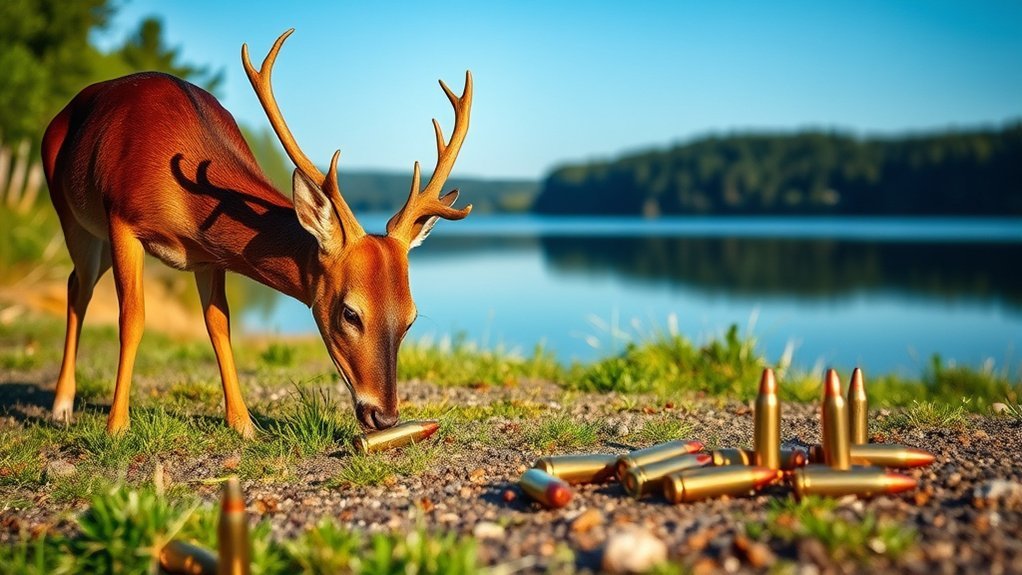
While you may not think about it during a hunt, using lead ammunition can create serious risks for wildlife and ecosystems. When a lead bullet strikes an animal, it can break into small fragments. Those fragments may remain in meat, carcasses, or gut piles. Wildlife that feeds on those remains can ingest the lead without any warning.
Birds and other scavengers face a high risk because they often feed on carcasses or remains left in the field. Eagles, vultures, ravens, coyotes, and other animals may consume lead fragments while feeding. Once lead enters the body, it can damage the nervous system, weaken movement, reduce feeding ability, and cause death in severe cases.
This contamination does not just harm one animal at a time. It can affect food chains and local ecosystems. If scavengers die or become sick, the natural cleanup process slows down. If breeding adults are affected, wildlife populations can also suffer over time. By reconsidering your ammunition choice, you can play an important role in protecting wildlife and preserving healthier ecosystems.
Warning: Do not assume that trimming around a wound channel removes every lead fragment from game meat. Lead particles can spread beyond the most visible damaged area.
Benefits of Non-Lead Alternatives
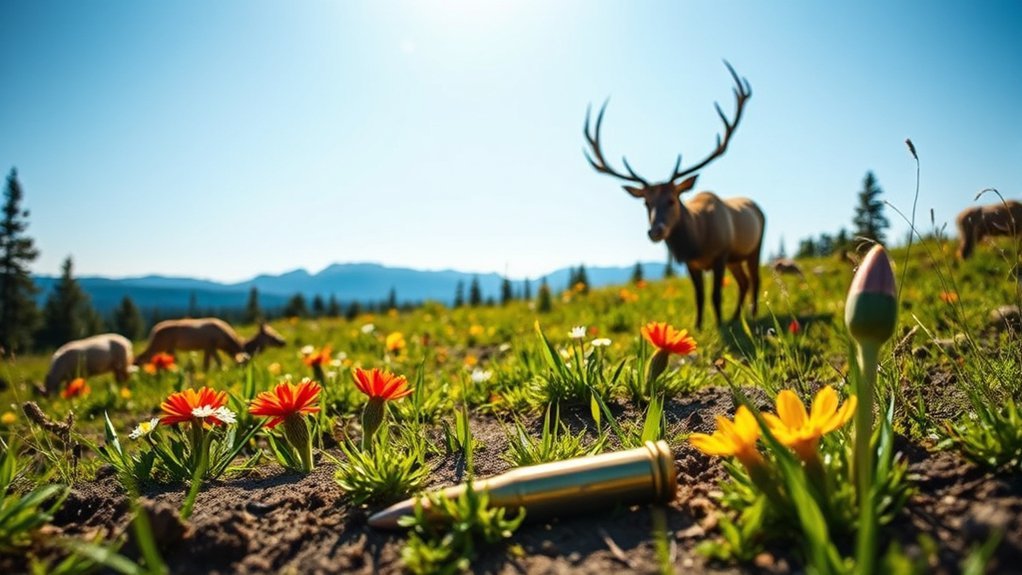
Choosing non-lead alternatives for ammunition can provide meaningful benefits for wildlife and ecosystems. By reducing lead exposure, you help protect species that may feed on remains after a hunt. This choice lowers the chance that scavengers will ingest toxic fragments from carcasses or gut piles.
Non-lead ammunition is commonly made from materials such as copper or copper alloys. These options are designed to avoid the toxic effects of lead while still supporting ethical hunting when matched correctly to your firearm and game. Many hunters choose non-lead bullets because they want reliable field performance without leaving poisonous fragments behind.
These alternatives also support a more sustainable hunting culture. When hunters choose ammunition that lowers harm to wildlife, they show that hunting and conservation can work together. This helps protect biodiversity, supports public trust, and encourages responsible practices among future hunters.
Pro Tip: Before switching ammunition, check that the non-lead option is legal in your area and appropriate for your firearm, barrel, choke, and intended game species.
Impact on Wildlife Populations
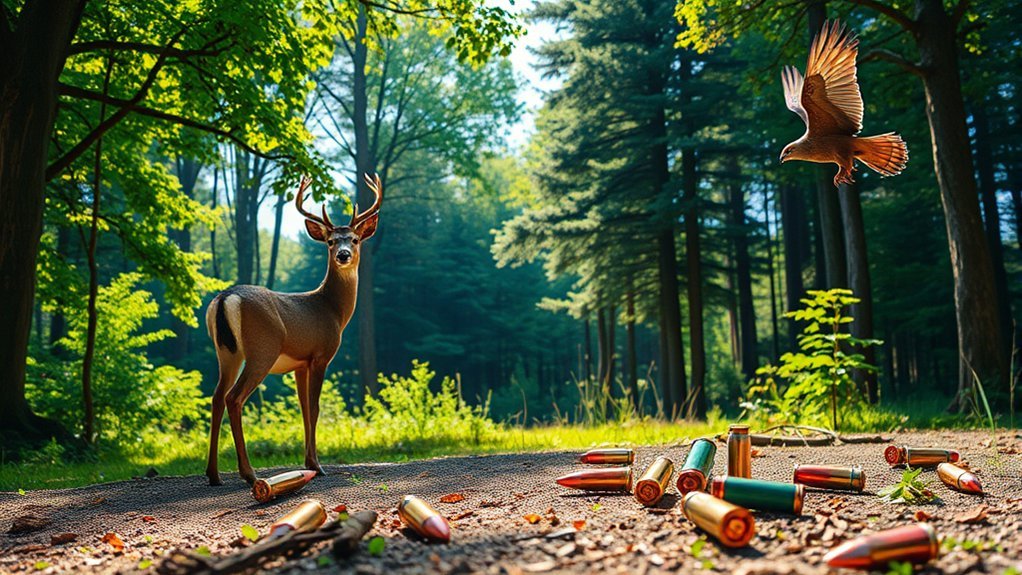
When hunters opt for non-lead ammunition, they reduce one preventable source of lead exposure for wildlife populations. Lead poisoning remains a serious concern for many species, especially scavenging birds and mammals that eat remains from harvested animals. Choosing non-lead options can support healthier ecosystems in several ways:
- Reduced Mortality Rates: Non-lead bullets help lower the number of animals exposed to lead poisoning through carcasses and gut piles.
- Improved Biodiversity: Healthier scavengers and predators support balanced ecosystems, which helps maintain natural species diversity.
- Sustainable Hunting Practices: By embracing non-lead ammunition, you set a responsible example for future hunters and outdoor communities.
The impact is especially important for long-lived birds of prey. Species such as eagles and condors can suffer severe effects from even small amounts of lead. When fewer carcasses contain lead fragments, these animals have a better chance of feeding safely and surviving through breeding seasons.
A single hunting choice can ripple through the food chain. Choosing non-lead ammunition helps keep toxic fragments out of the meals that scavengers depend on.
Health Risks to Humans
The choice of non-lead ammunition not only benefits wildlife but also reduces possible health risks to humans. Lead exposure can occur through harvested game when lead fragments remain in meat. These fragments may be too small to see, which makes careful processing important.
Lead exposure is especially concerning for children, pregnant people, and anyone who regularly eats wild game harvested with lead ammunition. Over time, lead can affect the nervous system, blood pressure, kidney function, and development. Because there is no nutritional benefit to lead exposure, reducing avoidable sources is a practical health step.
By choosing non-lead options, you are not just making a responsible choice for the environment. You are also helping protect your household and anyone who eats the meat you harvest. Non-lead ammunition, often made from copper or similar materials, removes the risk of lead fragments from the bullet itself. As a hunter or outdoor enthusiast, prioritizing health while supporting wildlife conservation is a strong reason to consider the switch.
Transitioning to Non-Lead Solutions
As you consider alternatives to traditional lead ammunition, it is important to understand the benefits and practical steps involved in shifting to non-lead solutions. Embracing these alternatives can support wildlife conservation, protect scavengers, and promote a healthier environment for everyone.
- Reduced Toxicity: Non-lead bullets minimize the risk of lead poisoning in wildlife and help preserve ecosystems.
- Responsible Performance: Many non-lead options are designed for dependable accuracy and ethical hunting when matched to the right firearm and game.
- Regulatory Compliance: As laws evolve, using non-lead ammunition can help you stay aligned with local hunting rules and avoid penalties.
Start by checking your state or regional hunting regulations. Some areas require non-lead ammunition for certain species, public lands, or hunting zones. Next, review the ammunition maker’s guidance for your firearm and intended use. After that, practice with the new load before hunting so you understand how it performs at realistic field distances.
Transitioning to non-lead solutions is not just a trend. It is a responsible choice that can greatly support wildlife conservation efforts. When you make the switch with care, you protect wildlife, support cleaner meat, and contribute to a more sustainable future.
Note: Non-lead ammunition may group differently than your usual load. Recheck accuracy, point of impact, and safe handling before you rely on it in the field.
Choosing Non-Lead Ammunition Responsibly
Non-lead ammunition works best when you treat the switch as a careful equipment choice, not a simple one-for-one swap. You should match the ammunition to your firearm, hunting method, local law, and target species. A responsible choice helps you protect wildlife while maintaining ethical hunting standards.
Before buying or using a new non-lead option, consider these points:
- Check local rules: Regulations can vary by state, land type, and species.
- Confirm firearm compatibility: Use ammunition that fits your firearm and follows the manufacturer’s guidance.
- Practice before the hunt: Test accuracy and point of impact at the distances you expect to use.
- Use ethical shot placement: Conservation-minded ammunition still requires responsible hunting skill.
- Handle harvested meat carefully: Field dress, process, and store game in a way that protects meat quality.
This practical approach helps you avoid surprises in the field. It also makes the conservation benefit stronger because you are combining safer materials with careful hunting practices.
Success Stories in Wildlife Conservation
You will find that innovative conservation strategies and strong community engagement have led to meaningful success stories in wildlife conservation. These approaches not only protect vulnerable species but also foster a sense of ownership among local hunters, landowners, and outdoor groups. By examining these successes, you can see the powerful impact of collaboration and practical change.
Innovative Conservation Strategies
While traditional conservation efforts have made significant strides, innovative strategies are now reshaping wildlife protection. These methods help researchers, hunters, and local communities reduce preventable risks while improving long-term outcomes for wildlife. Here are three standout examples:
- Technology Integration: Drones, GPS tracking, and camera traps can help monitor wildlife movement and identify high-risk areas.
- Community-Led Initiatives: Empowering local communities fosters stewardship and encourages residents to protect natural resources.
- Adaptive Management: Flexible conservation plans allow faster responses to environmental change, disease, habitat loss, and poisoning risks.
These strategies boost conservation outcomes and engage more stakeholders. They also show that wildlife protection works best when science, local knowledge, and responsible outdoor traditions support each other.
Community Engagement Success
Innovative conservation strategies have illuminated the path toward effective community engagement in wildlife protection. You have likely seen how local initiatives empower communities to take ownership of their natural resources. Programs that promote non-lead bullets can reduce wildlife poisoning while also building cooperation between hunters and conservationists.
Involving local stakeholders in decision-making is essential. When people feel invested, they are more likely to protect their environment. Educational workshops, range demonstrations, hunter outreach, and hands-on activities can create a sense of stewardship. By embracing these strategies, you can inspire your community to participate in wildlife conservation efforts, support healthier ecosystems, and encourage sustainable practices for future generations.
Future of Hunting and Environmental Stewardship
As hunters increasingly embrace non-lead ammunition, the future of hunting becomes more closely tied to environmental stewardship. This shift protects wildlife and strengthens the hunting community’s role in conservation. By adopting non-lead options, you actively participate in a sustainable future and help build a more positive relationship with nature.
Consider these benefits:
- Wildlife Health: Reducing lead exposure safeguards birds and other wildlife, which helps promote biodiversity.
- Public Perception: Demonstrating commitment to eco-friendly practices can improve hunting’s public image and attract new supporters.
- Regulatory Support: Engaging in sustainable practices can lead to stronger cooperation between hunters, agencies, and conservation groups.
Your choices today can shape a more responsible hunting culture. When hunters reduce toxic exposure, respect wildlife, and follow the law, they help ensure that hunting remains connected to conservation for generations to come.
Sources
- U.S. Fish & Wildlife Service — wildlife conservation context and lead exposure concerns for birds and scavengers.
- CDC Lead Prevention — general health risks of lead exposure.
- National Park Service Lead Information — lead ammunition concerns and wildlife exposure.
- U.S. Geological Survey — scientific research context for wildlife, contaminants, and ecosystem health.
Conclusion
By choosing non-lead bullets, you are not just thinking about accuracy. You are also helping safeguard wildlife, support healthier ecosystems, and protect the future of responsible hunting. Each shot fired with non-lead ammunition helps reduce the chance that scavengers will ingest toxic fragments from carcasses or gut piles.
This change can protect birds of prey, support biodiversity, reduce possible lead exposure in harvested meat, and strengthen environmental stewardship. Together, hunters, conservationists, and outdoor communities can make a real difference. Embrace non-lead solutions where they fit your needs and local rules, advocate for practical education, and help build a healthier planet for all living beings.
