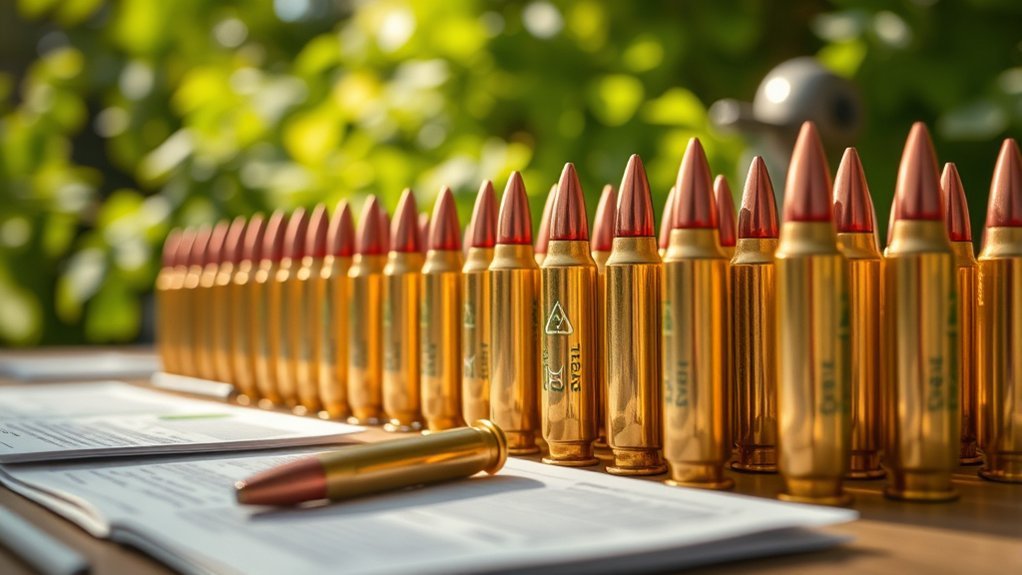
Lead-free ammunition matters because it can reduce lead exposure for shooters, wildlife, and the places where people hunt or practice. You need to understand what counts as lead-free, which materials are common, how performance can change, and where rules may require non-lead options. The right choice helps you protect your firearm, stay compliant, and make a cleaner choice for the field or range.
Quick Answer
Lead-free ammunition uses projectiles made without lead, often from copper, steel, bismuth, tungsten, zinc, tin, or compressed metal powders. It can reduce lead fragments, dust, and wildlife exposure. Always match it to your firearm, shooting purpose, local laws, and range rules before switching.
Key Takeaways
- Lead-free ammunition can reduce lead contamination from spent bullets, fragments, and indoor-range dust.
- Common options include copper bullets, steel shot, bismuth shot, tungsten-based shot, frangible rounds, and polymer-tipped lead-free bullets.
- Performance can be excellent, but point of impact, recoil feel, expansion, and cleaning needs may change.
- Lead-free rules vary by state, game species, public land, and range, so check current regulations before hunting or shooting.
- Use only ammunition that matches your firearm’s caliber, chambering, choke, barrel condition, and manufacturer guidance.
What Is Lead-Free Ammunition?
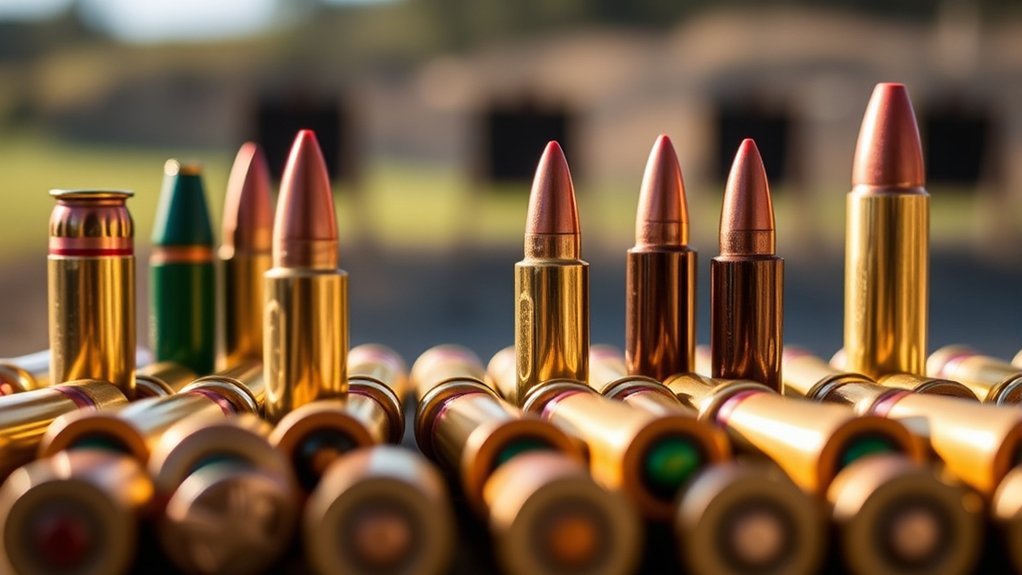
Lead-free ammunition refers to cartridges, bullets, shot, or projectiles designed without lead in the part that leaves the firearm. These products are made to reduce the environmental and health risks linked to lead fragments, lead dust, and spent ammunition left in soil, water, or game remains.
You’ll find lead-free options made from copper, steel, bismuth, tungsten-based blends, zinc, tin, or compressed metal powders. Some designs use a solid copper bullet. Others use frangible materials that break apart on hard targets to reduce ricochet risk. Shotgun loads may use steel, bismuth, or tungsten-based shot instead of traditional lead shot.
The shift toward lead-free ammunition comes from several concerns. Lead can persist in soil, enter food chains, expose wildlife through bullet fragments or spent shot, and create airborne dust at shooting ranges. For hunters, lead fragments in harvested game can also be a concern during field dressing, processing, and cooking.
Note: “Lead-free” should describe the projectile, not just the cartridge packaging. Always read the ammunition label and confirm the bullet or shot material before buying.
Types of Lead-Free Ammunition
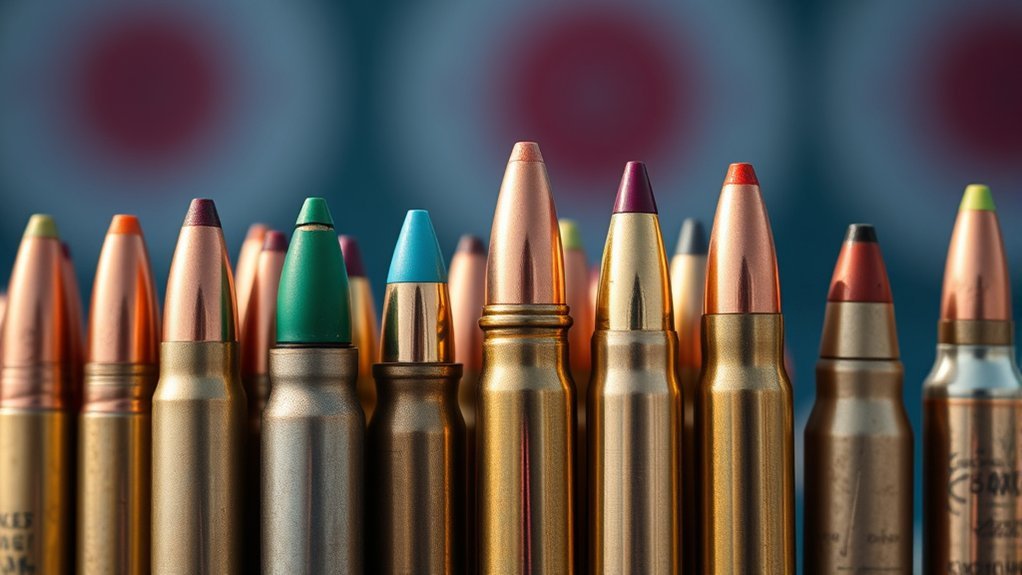
While many shooters are familiar with traditional ammunition, a wide range of lead-free options now covers hunting, target practice, indoor range use, and specialty applications. Each type has a different purpose, so you should match the material and design to your firearm and shooting activity.
Lead-free ammunition is not one single product type. It includes solid copper hunting bullets, steel or bismuth shotshells, tungsten-based loads, frangible training rounds, and specialty defensive or target loads.
- Copper Bullets: Solid copper or copper-alloy bullets are common for hunting. They often retain weight well and can expand reliably when used within their intended velocity range.
- Steel Shot: Steel is widely used in shotshells, especially for waterfowl hunting. Because steel is harder and lighter than lead, you must use the correct choke and load for your shotgun.
- Bismuth Shot: Bismuth is softer than steel and often works well in older shotguns when the ammunition maker lists it as compatible. It is usually more expensive than steel.
- Tungsten-Based Shot: Tungsten blends can be dense and effective, especially for waterfowl and turkey hunting. These loads often cost more but can deliver strong downrange energy.
- Frangible Ammunition: Frangible rounds are often made from compressed metal powders. They are designed to break apart on hard surfaces, which can help reduce ricochet risk in certain training settings.
- Lead-Free Plated or Jacketed Designs: Some bullets use non-lead cores with a jacket or plating. Read labels carefully because standard plated bullets may still contain a lead core.
- Polymer-Tipped Lead-Free Bullets: These bullets combine a polymer tip with a lead-free core. The tip can improve aerodynamics and help initiate expansion on impact.
Each type has unique characteristics. Copper bullets may need a different zero than your old hunting load. Steel shot may pattern differently than lead. Frangible ammunition may be ideal for training, but not for every hunting or defensive use. The best option depends on your firearm, target, distance, legal requirements, and budget.
Benefits of Using Lead-Free Ammunition
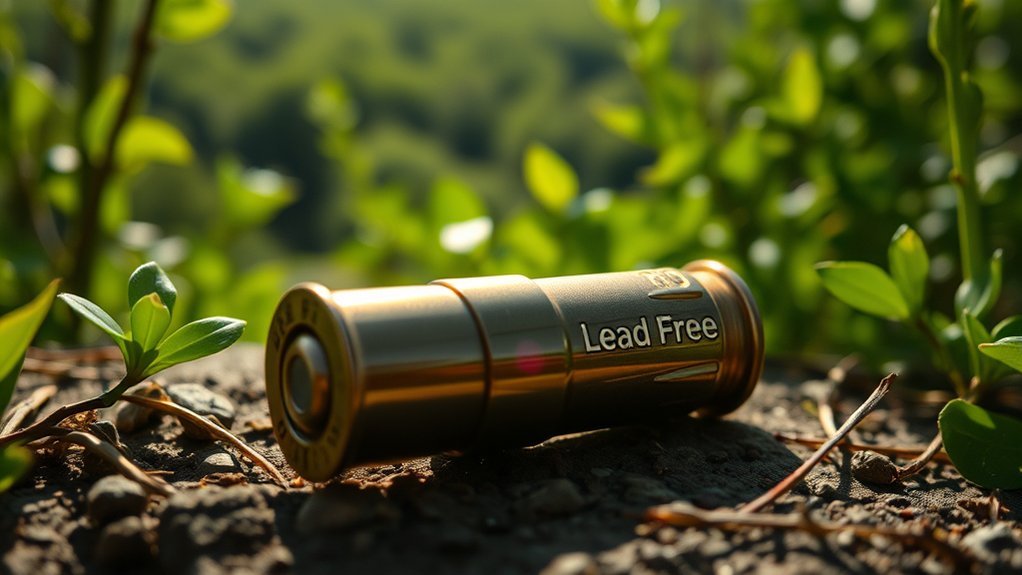
Using lead-free ammunition can offer environmental, health, and practical benefits. It can reduce lead left behind in hunting areas, help protect scavenging wildlife, and lower the amount of lead dust created during shooting. Some modern lead-free loads also deliver excellent accuracy and terminal performance when matched correctly to the firearm.
Environmental Safety Advantages
Lead does not break down like organic material. When spent bullets, shot, or fragments remain in the environment, they can stay in soil or sediment for long periods. By choosing lead-free alternatives, you can help reduce heavy-metal contamination in the places where you hunt or shoot.
- Reduced Soil Pollution: Lead particles from spent ammunition can build up in soil, especially around heavily used shooting areas.
- Wildlife Protection: Birds and scavengers may ingest lead shot, bullet fragments, or contaminated remains. Lead-free ammunition lowers that risk.
- Cleaner Water Sources: Reducing lead in wetland and riparian areas helps protect aquatic systems and the wildlife that depends on them.
- Sustainable Practices: Using lead-free ammunition supports cleaner hunting and shooting habits, especially on public land and sensitive habitats.
Making this shift does not solve every environmental issue linked to shooting sports, but it is a practical step that many hunters and range users can take.
Health Benefits for Users
Choosing lead-free ammunition can reduce some exposure pathways for shooters, instructors, range workers, hunters, and families who eat harvested game. Lead exposure can happen through airborne particles, contaminated hands, bullet fragments in meat, or residue from cleaning and reloading areas.
| Health Benefit | Why It Matters |
|---|---|
| Reduced Toxicity | Lower chance of lead exposure from bullets, fragments, dust, or residue. |
| Improved Respiratory Safety | Some lead-free loads can help reduce lead-containing airborne particles at ranges. |
| Enhanced Neurological Safety | Lower lead exposure matters because lead can affect the nervous system. |
| Safer Handling | Less lead residue can reduce contamination during loading, shooting, and cleaning. |
| Better Food Safety | Lead-free hunting bullets can reduce lead fragments in harvested meat. |
Lead-free ammunition is not a replacement for basic hygiene. Wash your hands after shooting, keep ammunition away from children, avoid eating at the firing line, and clean firearms in a well-ventilated area.
Performance and Accuracy Improvements
Some shooters assume traditional lead ammunition always performs better. That is not always true. Many lead-free bullets and shotshells are engineered for reliable accuracy, expansion, and penetration. Still, performance depends on the specific load, firearm, barrel, choke, distance, and target.
- Improved Ballistic Design: Many lead-free hunting bullets use streamlined shapes and polymer tips to support stable flight.
- Consistent Expansion: Quality copper and copper-alloy bullets can expand reliably when impact velocity falls within the maker’s recommended range.
- Reduced Lead Fouling: Lead-free bullets can reduce lead deposits in the bore, though copper fouling may still require proper cleaning.
- Better Range Compatibility: Some indoor ranges prefer frangible or non-lead ammunition to reduce airborne lead and ricochet concerns.
Before relying on a lead-free load for hunting or defense, test it at realistic distances. Confirm feeding, accuracy, point of impact, recoil feel, and terminal performance expectations.
Pro Tip: Re-zero your firearm after switching ammunition. Lead-free bullets often have different weight, length, velocity, and barrel harmonics than your previous load.
Environmental Impact of Lead-Free Options
When you choose lead-free ammunition, you can reduce lead left behind in soil, wetlands, carcasses, and shooting areas. This choice supports healthier ecosystems, especially in places where scavengers, raptors, waterfowl, and other wildlife may encounter spent ammunition or gut piles.
Reduced Soil Contamination
Lead-free ammunition can reduce soil contamination compared with traditional lead-based options. This matters most in areas with repeated shooting activity, such as outdoor ranges, training areas, and popular hunting zones.
- Lower Heavy-Metal Burden: Lead-free options avoid adding lead from the projectile into the soil.
- Healthier Soil Conditions: Reducing lead buildup can support cleaner soil over time.
- Safer Recreational Areas: Less lead residue can lower exposure concerns for people and animals using the same land.
- Long-Term Benefits: Cleaner shooting habits support better land stewardship for future users.
Lead-free ammunition does not remove existing contamination. Heavily used ranges may still need formal lead management, soil controls, or professional cleanup practices.
Wildlife Health Benefits
The shift to lead-free ammunition can benefit wildlife health by reducing lead exposure. Birds, scavengers, and predators may ingest spent lead shot, bullet fragments, or contaminated tissue from unrecovered animals or gut piles.
Raptors such as eagles, vultures, hawks, and owls are especially vulnerable when they feed on carcasses or remains that contain lead fragments. Waterfowl can also ingest spent shot while feeding in wetlands. Lead-free ammunition helps reduce these exposure risks and supports healthier wildlife populations.
For hunters, this benefit is one of the strongest reasons to switch. A cleanly placed lead-free hunting bullet can provide effective field performance while leaving fewer toxic fragments in remains that scavengers may eat.
Water Quality Preservation
Using lead-free ammunition can also help preserve water quality. Wetlands, marshes, shorelines, and other water-connected habitats are sensitive because spent shot or fragments can settle into sediment and remain available to wildlife.
- Reduced Toxin Levels: Lead-free ammunition helps limit new lead deposits in water-connected areas.
- Safer Wildlife: It reduces exposure risks for aquatic life, waterfowl, and animals that feed near water.
- Improved Drinking Water Protection: Less lead in the environment supports cleaner watersheds.
- Sustainable Practices: Non-lead options support responsible hunting and shooting near sensitive habitats.
Health Risks Associated With Lead Exposure
While many shooters focus on accuracy and cost, lead exposure deserves serious attention. Lead can affect the nervous system, blood, kidneys, heart, and reproductive health. Children and pregnant people are especially vulnerable, but adults can also face health problems from repeated exposure.
For shooters, exposure can come from primer residue, bullet friction, airborne particles, contaminated hands, dirty range surfaces, and cleaning activities. Indoor ranges without strong ventilation can increase exposure risk. Hunters may also face exposure if lead fragments remain in harvested meat.
Symptoms may not appear right away, so prevention matters. Use good ventilation, wash your hands after shooting, change clothes after heavy range sessions, avoid dry sweeping range dust, and keep ammunition away from food-prep areas.
Warning: Never assume a range is lead-safe because it looks clean. Lead dust can be invisible. Follow range rules, use ventilation, and avoid eating, drinking, or smoking while shooting.
Current Regulations and Legal Requirements
Rules for lead-free ammunition vary by country, state, public land area, game species, and shooting facility. Before hunting or shooting, check the current rules from the wildlife agency, land manager, and range where you plan to go.
In the United States, non-toxic shot has long been required for waterfowl hunting. Some states and public lands also require non-lead ammunition for certain big-game, small-game, upland, or pest-control activities. California, for example, has broad non-lead hunting ammunition requirements. Other states may apply narrower rules based on species, location, or season.
You should also understand that federal environmental rules do not create one simple nationwide ban on all lead ammunition. Instead, rules can come from wildlife agencies, state law, refuge rules, public-land policies, local ordinances, and individual shooting-range policies.
- Federal and Public-Land Rules: Some federal lands, wildlife refuges, or hunting programs may require non-toxic or non-lead ammunition for specific uses.
- State Hunting Laws: Many states have their own ammunition rules. These can change by species, zone, season, and firearm type.
- Range Policies: Indoor and outdoor ranges may restrict ammunition types for safety, ventilation, fire risk, steel-target protection, or cleanup reasons.
- Labeling and Certification: Some hunting rules require ammunition approved as non-toxic or non-lead. Check official lists when a regulation requires approved ammunition.
Understanding these rules helps you avoid fines, protect access to hunting areas, and choose ammunition that fits both your firearm and the law.
Transitioning to Lead-Free Ammunition: Tips for Shooters
As you consider making the switch to lead-free ammunition, it’s essential to understand both the benefits and the adjustments required in your shooting routine. Start by identifying your main use: hunting, target practice, indoor training, shotgun sports, or defensive carry. Then choose a lead-free load designed for that purpose.
For rifles and handguns, confirm the exact caliber, bullet weight, velocity, and intended use. Copper bullets are often longer than lead-core bullets of the same weight, which can affect seating depth, twist-rate preference, and pressure in handloads. For factory ammunition, use only reputable loads that match your firearm’s chambering.
For shotguns, pay close attention to choke compatibility. Steel shot is harder than lead and may not be safe for every older barrel or tight choke. Bismuth or certain tungsten-based loads may be better choices for some older shotguns, but you still need to follow the ammunition maker’s and firearm maker’s guidance.
- Check Your Firearm Manual: Confirm caliber, chamber length, pressure limits, and choke restrictions.
- Start With Factory Loads: Use reputable factory ammunition before experimenting with handloads.
- Pattern or Zero Again: Shotguns need pattern testing, and rifles need a fresh zero.
- Test Reliability: Run enough rounds to confirm feeding, extraction, accuracy, and recoil feel.
- Adjust Cleaning Habits: Lead-free bullets may reduce lead fouling but can still leave copper or other residue.
- Check Local Rules: Confirm regulations before every hunt, especially when traveling across state lines.
- Store Separately: Label and separate lead-free loads from traditional loads so you do not mix them in the field.
Be prepared for slight variations in performance, including changes in recoil, trajectory, point of impact, and terminal behavior. Practice regularly with your new ammunition to build familiarity and confidence. A smooth transition comes from testing, documentation, and careful matching, not guesswork.
Choosing the Right Lead-Free Ammunition
The best lead-free ammunition is the one that fits your firearm, your target, and your legal requirements. A copper hunting load may be excellent for deer but unnecessary for short-range paper practice. A frangible round may work well for close-range steel training, but it may be the wrong choice for hunting.
| Use Case | Good Lead-Free Options | What to Check |
|---|---|---|
| Big-game hunting | Copper or copper-alloy expanding bullets | Legal approval, accuracy, expansion range, bullet weight |
| Waterfowl hunting | Steel, bismuth, or tungsten-based shot | Gauge, shell length, choke safety, shot size rules |
| Indoor range practice | Frangible or non-lead training ammunition | Range approval, backstop type, reliability |
| Older shotguns | Bismuth or approved soft non-toxic loads | Barrel condition, choke, manufacturer guidance |
| General target shooting | Lead-free FMJ-style or frangible loads | Cost, accuracy, range policy, point of impact |
Keep notes when you test ammunition. Record group size, distance, weather, point of impact, reliability, cleaning results, and any regulation details. These notes help you avoid buying the wrong load twice.
Common Mistakes to Avoid
Switching to lead-free ammunition is simple when you plan ahead, but mistakes can create poor accuracy, unsafe use, or legal problems. Avoid these common errors before you head to the range or field.
- Assuming All Non-Lead Loads Perform the Same: Copper, steel, bismuth, tungsten, and frangible loads behave differently.
- Skipping the Zero Check: A new bullet can shift point of impact several inches, especially at longer distances.
- Ignoring Choke Restrictions: Steel shot can damage some older barrels or tight chokes.
- Buying Before Checking Regulations: Some laws require specific approved ammunition, not just any product labeled lead-free.
- Using the Wrong Load for the Target: Frangible ammunition, hunting bullets, and defensive rounds are designed for different jobs.
- Forgetting Cleaning Changes: Lead-free bullets may still leave copper fouling or other residue that affects accuracy.
A careful setup prevents most problems. Read the box, check your manual, test before relying on the load, and confirm rules from official sources.
Conclusion
As you consider your ammunition choices, compare the familiarity of traditional lead options with the cleaner benefits of lead-free alternatives. Lead-free ammunition can reduce environmental contamination, protect wildlife, lower some exposure risks, and help you meet rules in places that require non-lead loads.
The best approach is practical, not trendy. Choose ammunition that matches your firearm, test it before relying on it, follow range and hunting regulations, and keep good shooting hygiene. By switching carefully, you can improve your shooting routine while making a safer choice for the land, wildlife, and people around you.