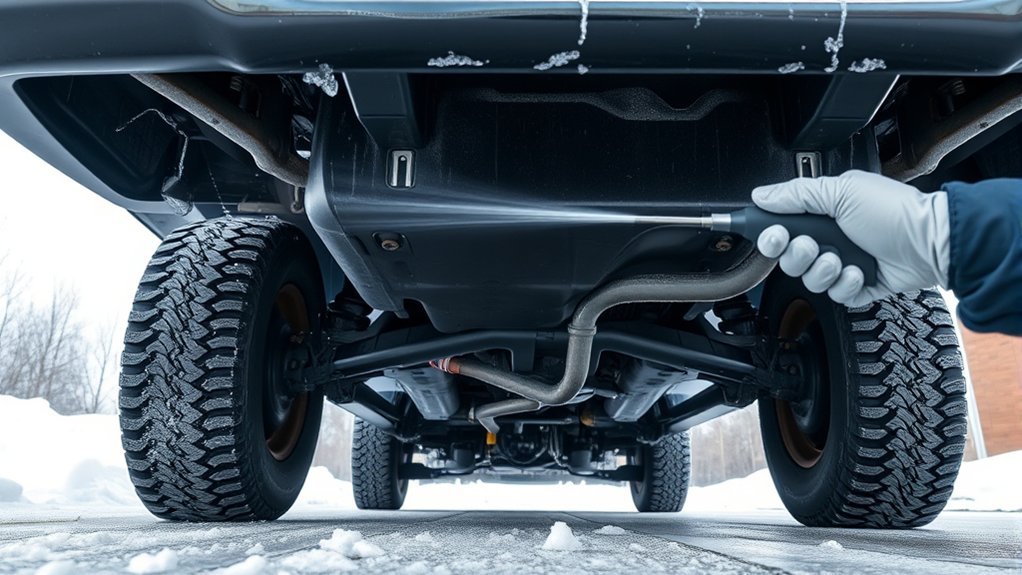
Road salt, trapped moisture, chipped coatings, and packed debris can speed up corrosion on a Toyota Tundra frame. The most effective plan combines regular underbody cleaning, close inspection, prompt treatment of early surface rust, and a corrosion inhibitor chosen for your truck’s condition. Severe scaling, holes, or weakened mounting points need professional inspection rather than a cosmetic coating.
Quick Answer
To prevent Toyota Tundra frame rust, rinse away road salt, inspect the rails and crossmembers at least seasonally, repair damaged coating, and apply a compatible soft-film or wax corrosion inhibitor. Recheck treated areas every year and follow the product’s own renewal schedule. Have deep scaling, cracks, or perforation inspected professionally.
Key Takeaways
- Salt removal matters as much as undercoating, especially after heavy exposure and at the end of winter.
- Light surface rust, heavy scale, and structural perforation require different responses.
- Krown specifies annual treatment, while other products use different inspection and renewal schedules.
- Never spray corrosion products onto brake friction surfaces, tires, hot exhaust parts, or moving components.
- Older Tundras may have model-year-specific frame campaigns, so check the VIN before paying for major work.
At a Glance
| Time Required | 30–60 minutes for inspection; about 2–4 hours for washing, preparation, masking, and application, plus drying or curing time |
| Difficulty | Beginner for washing and inspection; intermediate for rust preparation and spray application |
| Tools Needed | Bright light, inspection mirror or camera, hose or underbody washer, nylon or wire brush, scraper, masking materials, PPE, and the applicator specified by the product maker |
| Cost | Varies by frame condition, product quantity, applicator equipment, and local professional labor |
Why Rust Prevention Matters for Your Tundra
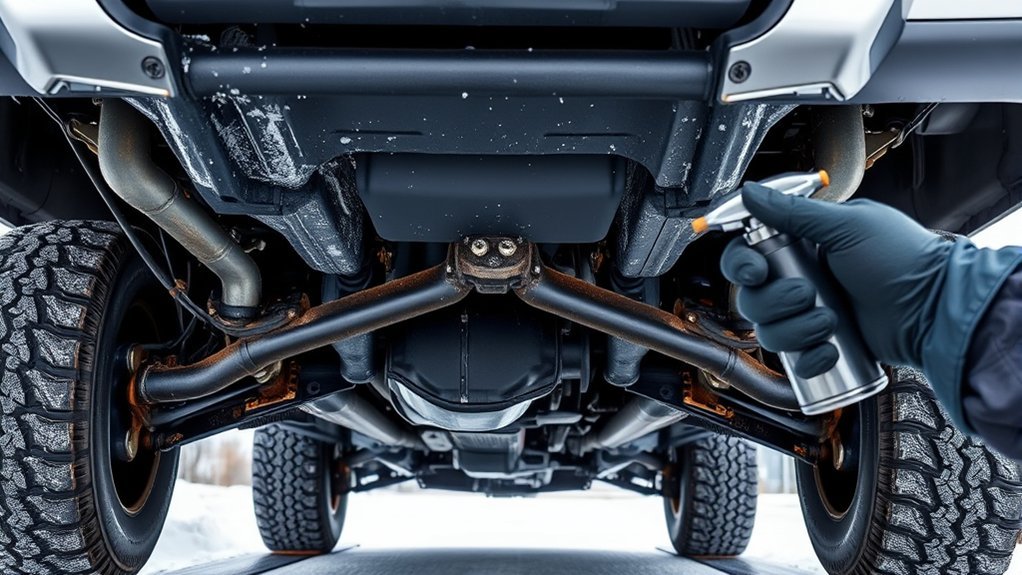
Toyota owner guidance identifies accumulated road salt, dirt, moisture, and damaged paint or undercoating as common corrosion causes. Salt acts as an electrolyte, allowing corrosion to progress faster when moisture remains on steel. Washing the underside and wheel wells helps remove the contamination that keeps this process active.
Frame corrosion deserves more attention than light cosmetic rust on a removable bracket. The frame carries suspension, body, drivetrain, and towing loads. Corrosion around crossmembers, suspension mounts, body mounts, steering components, or hitch attachment points can become a safety concern.
Some older Tundras were covered by model-year-specific frame corrosion actions. For example, federal records document a campaign involving certain 2000–2003 Tundras, and later documents addressed certain 2007–2008 trucks. Those historical programs do not mean every Tundra has open coverage today. Check your VIN through Toyota’s recall and campaign lookup and NHTSA’s recall lookup.
Note: Toyota’s general rust-through warranty information refers to corrosion perforation of body sheet metal. Frame campaigns and warranty enhancements are separate and VIN-specific, so confirm eligibility before assuming frame repair is covered.
Identify the Rust Level Before You Apply a Product
A coating cannot restore metal that has already lost structural thickness. Classify what you see before choosing a treatment.
- Clean or lightly stained metal: The factory coating is mostly intact, with no loose scale. Clean, dry, and protect it.
- Light surface rust: Orange or brown discoloration is present, but the metal remains solid. Remove loose material, prepare the surface, and use a compatible treatment.
- Heavy scaling or flaking: Layers lift from the steel, seams swell, or the surface sheds chunks. Arrange a professional inspection before coating because scale can hide deeper section loss.
- Perforation or deformation: Holes, cracks, soft areas, distorted mounts, or missing metal require repair evaluation. Do not rely on rust converter, filler, or undercoating as a structural repair.
Warning: Stop driving and seek qualified inspection if corrosion affects a suspension mount, steering mount, brake-line support, body mount, crossmember, tow-hitch attachment, or another load-bearing point. A coating can hide damage without restoring strength.
Best Times for Rust Prevention Inhibitors
Fall is a convenient time to prepare for road-salt season, but it is not the only effective time. The better rule is to treat a frame when it is accessible, properly cleaned, dry enough for the selected product, and free of unresolved structural damage.
[Amazon Products Picked for You]

Coats metal parts to lubricate and protect against rust and corrosion by blocking out air and moisture. Protects for up to 2 years when used indoors and for up to 1 year when used outdoors

Easy to use spray seals and protects metal surfaces from corrosion and moisture

The information below is per-pack only
Before Winter
Inspect the frame before the first sustained salt use. Repair chipped factory coating, clear packed mud from ledges and drain openings, and apply the chosen product under the temperature and drying conditions listed on its label. A soft-film product may tolerate minor residual surface oxidation, while a hard coating normally needs much stricter cleaning and preparation.
During Road-Salt Season
Rinse the underbody after heavy salt exposure or whenever visible buildup develops. Focus on wheel wells, frame ledges, crossmembers, skid-plate edges, hitch areas, and places where slush becomes trapped. Use a commercial wash that captures wastewater when possible, and avoid directing concentrated pressure into damaged seals, electrical connectors, or vented components.
After Winter and Through Summer
Give the underside a thorough wash after winter, then inspect once the truck is dry. Spring and summer are useful for finding coating loss, touching up exposed steel, and completing repairs in warmer conditions. Do not assume one application protects every product for two or three years. Krown calls for annual application, while WoolWax states a longer product interval and Salt Shift lists protection of up to 12 months. Exposure, abrasion, washing, and application quality can shorten any interval.
| Season | Main Tasks |
|---|---|
| Early fall | Inspect, clean, repair damaged coating, and apply protection before regular salt exposure. |
| Winter | Remove visible salt and slush buildup, especially after storms and long highway trips. |
| Spring | Perform a thorough wash, inspect for winter damage, and photograph any changes. |
| Summer | Complete repairs, clear drain paths, and touch up worn protection while conditions are favorable. |
Choose the Right Rust Treatment for Your Tundra
No single undercoating is automatically best for every frame. Choose by frame condition, climate, application access, willingness to inspect, and the product maker’s instructions.
[Amazon Products Picked for You]
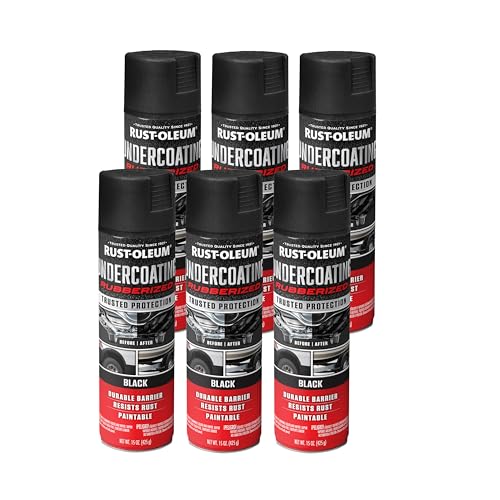
Perfect for use on bare or primed metal underbodies of cars, trucks, trailers, RVs and more

High-Performance Rust Protection: Meuvcol Professional Rust Converter is the gold standard in high-performance coatings. Rust inhibitor is a single-component, ready-to-use rust encapsulator paint providing exceptional sealing properties to protect a variety of surfaces from water, chemicals, salt, corrosive contaminants and everyday wear and tear.
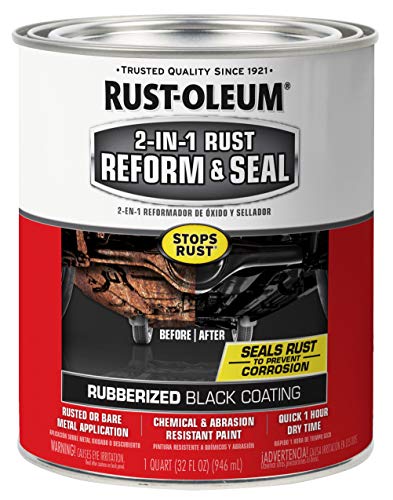
Easy to use spray seals and protects metal surfaces from corrosion and moisture
Soft-Film and Lanolin-Based Products
Products such as Fluid Film remain soft and are designed to creep into seams and resist salt exposure. Their main advantage is inspectability: you can usually see and touch up worn areas instead of sealing them beneath a rigid shell. Fluid Film also warns that it may swell rubber that is not oil-resistant, so check compatibility and avoid indiscriminate spraying.
Krown is a professionally applied penetrating treatment with an annual application schedule. It can suit owners who want broad cavity coverage without buying spray equipment. Its warranty has specific eligibility and annual-treatment terms, so read those terms rather than assuming all corrosion is covered.
Wax and Thicker Lanolin Coatings
WoolWax is a thicker lanolin-based undercoating intended for automotive underbodies. Its manufacturer describes protection lasting two to three years, but annual inspection is still sensible in severe salt conditions or on high-abrasion areas. No official Toyota source reviewed for this update identifies WoolWax as a Toyota-approved undercoating, so treat it as an independent aftermarket product.
Hard Coatings and Rust-Preventive Paints
Hard coatings can work on correctly prepared steel, but they are less forgiving of moisture, grease, loose scale, or active corrosion trapped underneath. POR-15’s published process calls for cleaning and degreasing, metal preparation, two thin coating layers, and a suitable topcoat where required. POR-15 is a rust-preventive coating system, not a substitute for repairing weakened frame steel.
| Treatment Type | Best Fit | Main Limitation | Maintenance Approach |
|---|---|---|---|
| Penetrating soft film | Seams, cavities, lightly oxidized surfaces, and trucks needing easy touch-up | Can wash or wear from exposed areas and may affect incompatible rubber | Inspect yearly and renew according to the maker’s schedule and observed wear |
| Thick wax or lanolin coating | High-exposure underbody surfaces where a heavier film is preferred | Can collect grime and may need specialized spray equipment | Inspect annually; touch up impact and wash zones |
| Hard rust-preventive coating | Restoration work on properly prepared, accessible steel | Poor preparation can allow hidden corrosion or adhesion failure | Inspect for chips, cracks, lifting edges, and trapped moisture |
DIY Toyota Tundra Frame Rust Prevention: Step by Step
A careful DIY process can protect a clean frame or slow light surface corrosion. The goal is complete preparation and controlled coverage, not simply spraying over every visible component.
Effective DIY Techniques
Use a repeatable workflow: document the starting condition, remove contamination, classify the rust, prepare only sound metal, mask sensitive parts, apply the chosen system, and schedule the next inspection. This approach makes future changes easier to detect.
1. Check Campaigns and Warranty Information
Record the VIN, model year, mileage, and current frame condition. Check Toyota and NHTSA databases before paying for major corrosion work. Photograph the frame before cleaning, especially if you see perforation, heavy scaling, or damage around mounts.
2. Wash and Dry the Undercarriage
Rinse loose mud and salt from the frame, crossmembers, wheel wells, skid plates, hitch, and suspension brackets. Remove packed debris from ledges and drain paths without forcing tools into wiring or brake lines. Let the frame dry as required by the product instructions. Hard coatings generally demand a cleaner and drier surface than soft-film products.
3. Inspect and Prepare Rusted Areas
Use a bright light, mirror, and inspection camera to examine both visible surfaces and accessible frame cavities. Remove loose rust with a hand scraper, wire brush, or suitable abrasive tool. Do not grind aggressively near brake lines, fuel lines, wiring, seals, or thin metal. If scale is thick enough to hide the steel, arrange professional evaluation.
4. Repair the Surface Correctly
For light surface corrosion, follow the complete preparation system specified by the coating maker. Do not mix a rust converter, primer, paint, and topcoat unless their manufacturers confirm compatibility. For intact factory coating with small chips, clean the damaged area and use a compatible automotive coating before adding a removable corrosion inhibitor.
5. Mask No-Spray Areas
Cover brake rotors, drums, pads, tire tread, exhaust components, oxygen sensors, catalytic converters, belts, pulleys, and any area prohibited by the product label. Keep drain holes open. Protect the driveway and use eye protection, gloves, suitable clothing, and ventilation required by the safety data sheet.
Warning: Never spray oil, wax, paint, or rust inhibitor onto brake friction surfaces. Do not apply flammable or non-heat-rated material to a hot exhaust system. Let the truck cool fully and follow the product’s safety data sheet.
6. Apply the Corrosion Inhibitor
Work in controlled passes and use extension wands only where the product permits cavity application. Cover seams, welds, crossmembers, body mounts, hitch attachment areas, and exposed frame surfaces without blocking drains. Avoid flooding electrical connectors or rubber parts unless the product maker confirms compatibility.
7. Cure, Clean, and Document
Allow the product to set or cure for the stated time before driving in rain, dust, or salt. Remove masking carefully, confirm that brakes and tires are clean, and wipe overspray from prohibited areas using the maker’s recommended method. Photograph the finished frame and note the product, application date, and planned inspection date.
Pro Tip: Use the same photo angles at every inspection. Side-by-side images make it easier to spot spreading scale, lifting coating, new orange staining, or wet areas that stay dirty after washing.
DIY vs. Professional Rust Prevention
DIY treatment can work well when the frame has light or no corrosion, you can raise and support the truck safely, and you have enough access to clean and mask the underside. Professional service is the better choice when corrosion is advanced, cavity access is difficult, application equipment is expensive, or you want documented inspection and warranty terms.
| Option | Advantages | Limitations |
|---|---|---|
| DIY soft-film application | Lower labor cost, direct visibility of the frame, and easy touch-up | Messy work, incomplete cavity coverage, overspray risk, and need for safe lifting access |
| Professional rustproofing | Specialized wands, lifts, faster coverage, and service records | Higher cost, variable workmanship, and warranty exclusions that require review |
| Body or frame repair shop | Best for scaling, perforation, damaged mounts, and structural assessment | Repair may be extensive, and coating alone may not be appropriate |
Before selecting a shop, ask what product it uses, whether it drills access holes, how it protects brakes and exhaust parts, how it handles existing rust, what areas are included, and what annual inspections or reapplications the warranty requires. Avoid relying on a brand name or a single quoted price as proof of quality.
[Amazon Products Picked for You]

Pneumatic Application Gun: Durable air application undercoat spray gun excellent for applying automotive rust-proofing, rubberized undercoating, chip guard, truck bed liner, and other general-purpose coatings.

Enhanced Protection – Achieve superior rustproofing with the undercoating gun; designed to create a durable barrier against moisture and corrosion for long-lasting vehicle protection
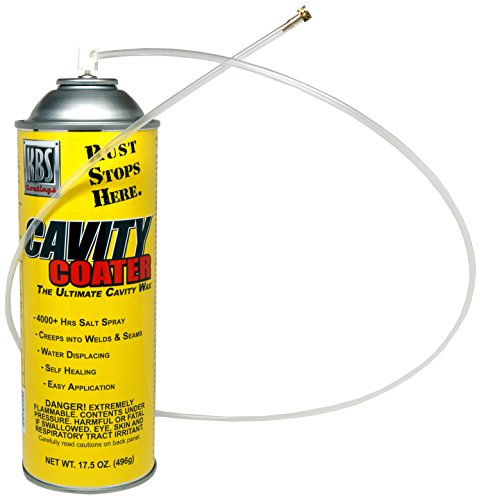
KBS Cavity Coater is the Perfect Solution for hard to reach areas that are prone to rusting
How to Inspect Your Tundra’s Frame for Rust
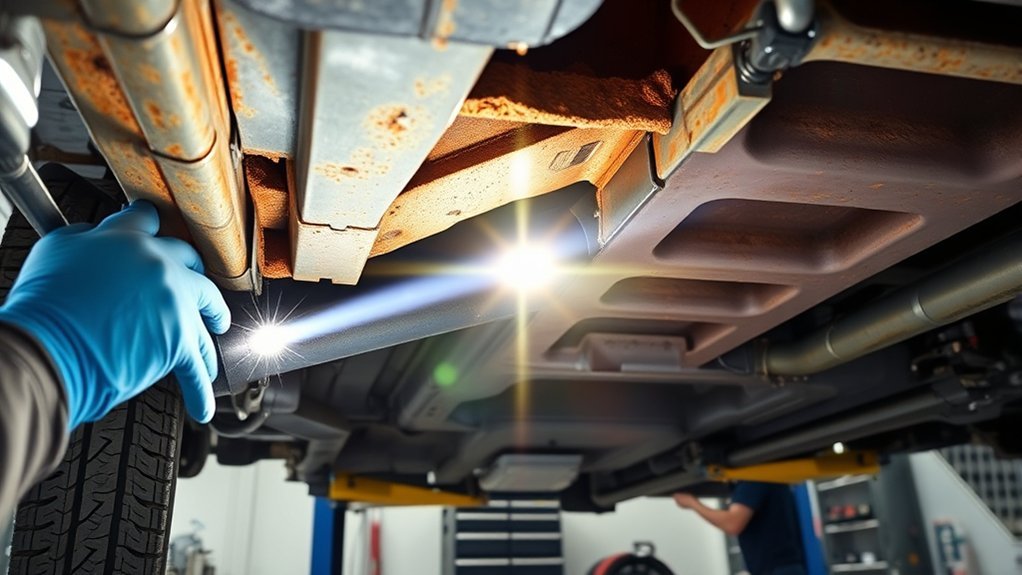
Park on a level surface, let the exhaust cool, set the parking brake, and use safe lifting equipment if additional clearance is necessary. Never rely on a jack alone. Start at one corner and follow the frame systematically so you do not skip hidden sections.
Frame Inspection Checklist
- Outside and lower edges of both frame rails
- Inside accessible frame sections viewed with a mirror or inspection camera
- Front, center, and rear crossmembers
- Welds, seams, drain openings, and boxed areas that collect debris
- Suspension, shock, steering, and body mounting points
- Brake-line and fuel-line brackets attached to the frame
- Rear hitch, spare-tire support area, and bumper attachment points
- Areas with chipped coating, reddish runoff, swelling seams, or persistent dampness
Warning Signs That Need Professional Inspection
Seek a qualified frame or collision-repair assessment when a screwdriver can lift thick layers, metal flakes off in sheets, seams have expanded, holes are visible, mounts appear distorted, or the truck develops unexplained alignment changes, clunks, or body movement. Do not strike or probe aggressively near fuel, brake, electrical, or high-voltage components.
Long-Term Strategies for Rust Prevention
Rust prevention works best as a documented maintenance cycle rather than a one-time coating. Keep the frame clean enough to inspect, use a treatment suited to the current surface, and renew protection when wear appears or the manufacturer’s interval arrives.
| Strategy | What to Do |
|---|---|
| Regular cleaning | Remove salt, mud, and trapped debris after heavy exposure and after winter. |
| Seasonal inspection | Check frame rails, crossmembers, mounts, seams, and coating damage in fall and spring. |
| Prompt surface repair | Prepare and coat small exposed areas before scale develops. |
| Product-specific renewal | Follow the selected product’s schedule instead of applying a universal two-to-three-year rule. |
| Records and photographs | Save dates, receipts, product names, warranty terms, and repeatable inspection photos. |
| Professional escalation | Refer scaling, perforation, damaged mounts, or questionable frame strength to a qualified shop. |
Frequently Asked Questions
How do you prevent Toyota Tundra frame rust?
Remove road salt and mud, inspect the frame seasonally, repair chipped coating, treat light surface rust correctly, and apply a compatible corrosion inhibitor. Recheck the frame every year and follow the product maker’s renewal instructions.
How often should you wash a Tundra undercarriage in winter?
Wash after heavy salt exposure, after long trips on treated roads, and whenever buildup is visible. Give the underside a thorough wash after winter. Weather, road treatment, storage conditions, and coating type affect the practical frequency.
Can you apply undercoating over existing rust?
It depends on the product and rust severity. Some soft films are designed to penetrate light surface rust, while hard coatings require removal of loose material and detailed preparation. Never coat over structural perforation or heavy scale without professional assessment.
How long does Salt Shift Rust Shield last?
The manufacturer states that Salt Shift 4×4 Rust Shield can last up to 12 months. Actual durability depends on preparation, application, abrasion, washing, and exposure, so inspect the coating and reapply when performance declines.
What is the best undercoating for a truck frame?
A removable soft-film or wax treatment often suits an in-service truck because it reaches seams and remains inspectable. A hard coating can suit restoration work on properly prepared steel. The best choice depends on rust level, climate, access, maintenance plans, and product compatibility.
Should an older Tundra owner check for a frame campaign?
Yes. Toyota and NHTSA records include historical frame-corrosion actions for certain older Tundra model years. Coverage and completion status are VIN-specific, so use the official recall lookup and ask a Toyota dealer to confirm the vehicle’s campaign history.
Does Toyota’s rust-through warranty automatically cover the frame?
No blanket frame coverage should be assumed. Toyota’s general rust-through wording addresses perforation of body sheet metal, while frame recalls or warranty enhancements are separate programs. Check the warranty guide for your model year and verify the VIN with Toyota.
Conclusion
Protecting a Toyota Tundra frame from rust requires more than spraying a product once and forgetting it. Remove salt, inspect the frame in a consistent pattern, match the treatment to the metal’s condition, and renew protection based on real wear and manufacturer guidance. Early surface corrosion is manageable, but heavy scale, perforation, or damaged mounting points call for professional assessment.
Sources
- Toyota Owner’s Manual: Corrosion Prevention and Appearance Care: explains how road salt, dirt, moisture, and coating damage contribute to corrosion.
- U.S. Environmental Protection Agency: Road Salt and Corrosion: supports the corrosive effect of road salt on vehicles and infrastructure.
- NHTSA: Certain 2000–2003 Toyota Tundra Frame Corrosion Campaign: documents a historical frame-corrosion action for specific vehicles.
- Fluid Film Automotive Applications: describes soft-film underbody corrosion protection and salt resistance.
- Krown Rust Protection FAQ: states that Krown treatment is applied annually and can be performed at any time of year.
- POR-15 Application Instructions: provides the manufacturer’s cleaning, preparation, coating, and topcoat process.