Many anglers don’t realize that most snapper bites come from structure-holding fish within a few feet of the bottom, not from midwater schools. You’ll learn how to pick the right rod, choose hooks and leaders, rig a flasher or bottom setup, and present live or cut bait so wary snapper commit. Start with the basics on gear and bait, then focus on subtle hook-setting, safe handling, and fish-handling techniques that protect your catch and your chances on the next drop.
Quick Answer
To catch snapper, fish near reefs, wrecks, ledges, and other structure with a medium-heavy rod, smooth-drag reel, strong main line, fluorocarbon leader, and circle hooks. Use live bait or fresh cut bait, keep it near the bottom, match sinker weight to current, and check local seasons and bag limits before every trip.
Key Takeaways
- Snapper usually hold close to reefs, wrecks, ledges, rocks, and other bottom structure where bait gathers.
- A medium-heavy rod, smooth reel drag, braided or monofilament main line, and fluorocarbon leader give you control near structure.
- Circle hooks, natural bait movement, and steady pressure help you hook snapper cleanly without hard hooksets.
- Live pinfish, shrimp, squid, sardines, and fresh cut bait work best when you present them at the right depth.
- Red snapper seasons, size limits, bag limits, and gear rules change by area, so verify current rules before fishing.
At a Glance
| Best Structure | Reefs, wrecks, ledges, rock piles, bridge pilings, and drop-offs |
| Difficulty | Beginner to intermediate, depending on depth, current, and local conditions |
| Core Gear | Medium-heavy rod, quality reel, braid or mono main line, fluorocarbon leader, circle hooks, swivels, and sinkers |
| Best Bait | Live pinfish, shrimp, squid, sardines, cut mullet, or other fresh local bait |
Understanding Snapper Species and Where They Live
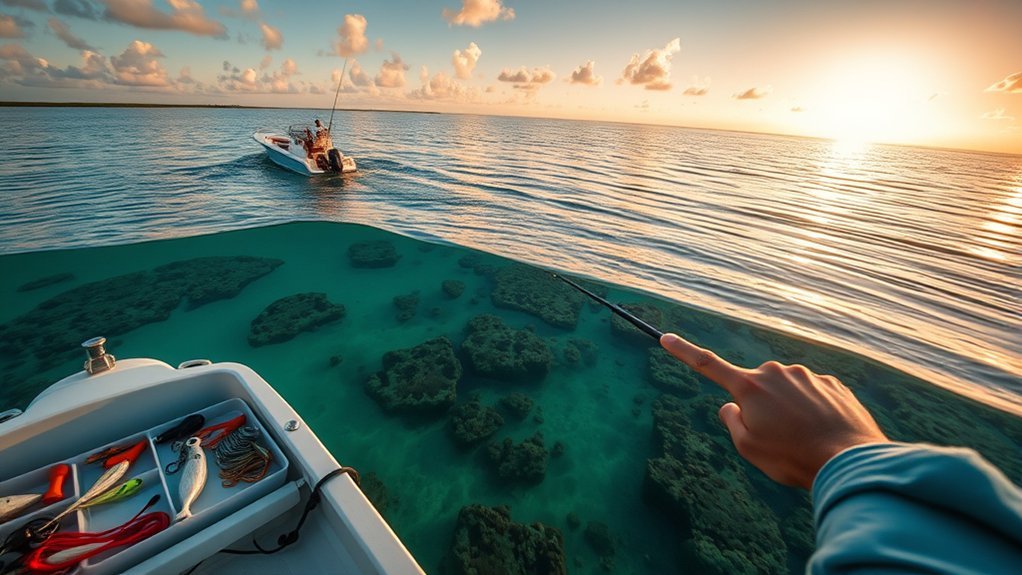
Although snapper species vary in color, size, and preferred depth, they share one major habit: they favor warm coastal waters and stay close to reefs, wrecks, ledges, mangroves, bridge pilings, and other structure where they can hunt and hide.
Snapper fishing gets easier when you stop searching open water and start reading structure, current, bait movement, and bottom changes.
You’ll find multiple snapper species, including red snapper, yellowtail snapper, mangrove snapper, lane snapper, and vermilion snapper, around different types of habitat. Some species stay around shallow reefs and mangroves, while others hold over deeper natural bottom, artificial reefs, oil platforms, and wrecks.
For bucket-list red snapper trips and deeper offshore adventures, knowing habitat beats gimmicks. These fish patrol structure to ambush prey, then retreat quickly when they feel pressure.
When catching snapper, aim for spaces where current concentrates food. Baitfish, diving birds, surface slicks, tide lines, and marks on your sonar can all point you toward active fish.
Deep water tactics differ from shallow reef work, but the goal stays the same: present bait where snapper naturally feed. Keep your rig close to the bottom, but avoid dragging it so heavily that it snags or looks unnatural.
Use soft plastics, jigs, or natural baits when conditions fit. Pick circle hooks where required or recommended, and tie reliable knots such as a uni knot, improved clinch knot, or palomar knot based on your line type.
These tips for fishing help you fish smarter, test your limits, and spend more time working productive water instead of guessing.
Essential Gear: Rods, Reels and Lines for Snapper
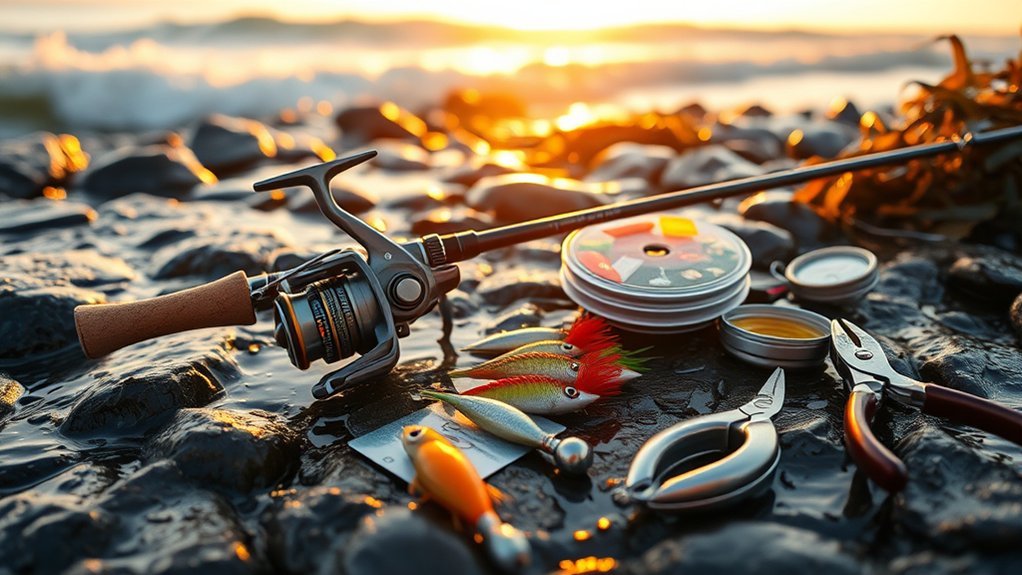
When you’re chasing snapper, your rod, reel, and line should be built to handle quick runs toward structure. A 7-foot or longer medium-to-heavy action rod gives you sensitivity for subtle bites and enough backbone to turn fish away from rocks, coral, pilings, or wreckage.
Choose a strong reel with smooth drag in a size that matches your fishing depth and target snapper. For light reef fishing, you may use lighter tackle. For deeper wrecks, heavy current, or large red snapper, use a reel with enough line capacity and drag control to apply steady pressure without locking down too hard.
Choose high-quality braid or monofilament for your main line. Braid gives near-zero stretch for fast bite detection and strong hooksets. Monofilament adds shock absorption when fish surge near the boat.
Match line strength to conditions. Use lighter line in clear water for wary mangrove or yellowtail snapper, and heavier line near wrecks, reefs, and rock piles where break-offs happen fast.
Keep a spool of 20–30 lb fluorocarbon leader ready for general snapper work, and step up to heavier leader when fishing abrasive structure or bigger fish. Fluorocarbon helps reduce visibility and adds abrasion resistance around rock and reef.
Practice casting, dropping, and drag adjustments before the bite turns on. When you trust your gear, you can focus on feeling the bite, keeping steady pressure, and steering the fish away from cover.
Choosing Hooks, Leaders and Terminal Tackle
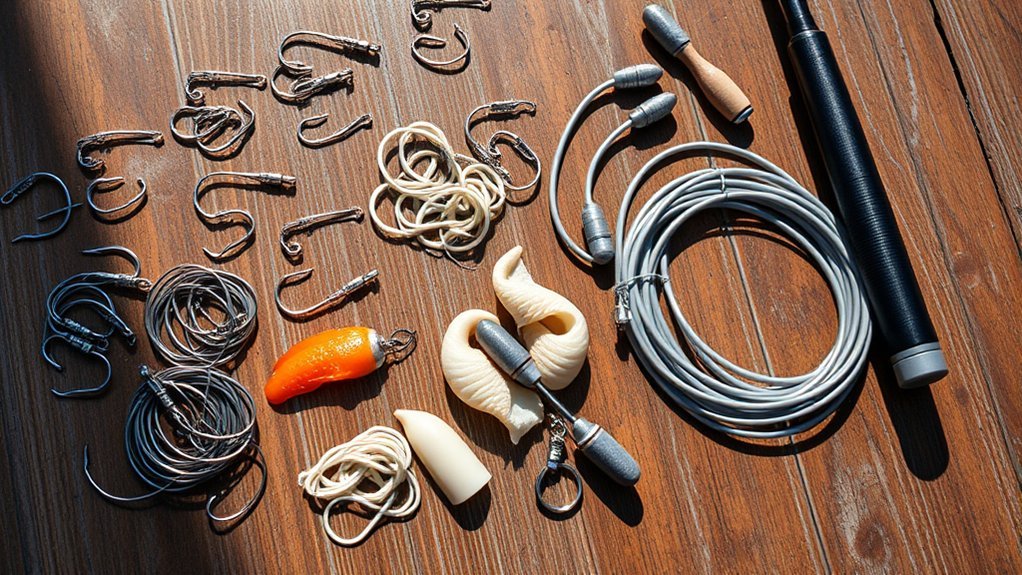
When choosing hooks, you’ll generally use circle hooks in the 2/0–5/0 range for many snapper setups. Circle hooks can improve corner-of-the-mouth hookups when you keep steady pressure and avoid a hard hookset.
Pick a 20–30 lb fluorocarbon leader for low visibility in clear water, but step up to heavier leaders and tackle in rocky areas to prevent break-offs. Around sharp reef, bridge pilings, or wrecks, abrasion resistance matters as much as stealth.
Use a simple barrel swivel and a 6–8 oz sinker when current or depth requires it. Go lighter when the water is calm and shallower, and go heavier when you need to keep bait near the bottom.
Hook Types and Sizes
If you want reliable hookups and easier catch-and-release, choose circle hooks in the 2/0–5/0 range and pair them with a fluorocarbon leader that fits the structure and water clarity. Some areas require non-stainless circle hooks when fishing natural bait for reef fish, so always check your local rules before rigging.
For terminal tackle, favor circle hooks first because they help protect fish and align with many regulations. You can use J-hooks only where local rules allow and where your fishing style calls for them, but they can increase the risk of deep hooking if you strike too early.
Match hook size to bait and fish size. Use smaller hooks, such as 2/0, for smaller snapper or small shrimp. Move toward 5/0 or larger hooks when using bigger live bait or targeting larger fish.
Keep leaders appropriate to bottom type. Shorter leaders help you control fish around rocks and wrecks. Longer leaders can help in clear water or over sand, where snapper have more time to inspect the bait.
Leader Material Choices
You’ve already picked the right hook size and rig style; now focus on leader material to maximize hookups and reduce cut-offs.
Choose leader materials that fit the water. Fluorocarbon leaders are low-visibility, which can increase strikes from wary snapper in clear water. Use 20–40 lb test for many snapper situations, then adjust up or down based on water clarity, fish size, and structure.
- Use fluorocarbon leaders for stealth and abrasion resistance.
- Select leader lengths based on bottom type: longer over sand or clear water, shorter near heavy structure to avoid snags.
- Add a simple barrel swivel to prevent twists and connect your leader to your main line cleanly.
Stick with circle hooks where required or practical. They support cleaner hookups and help you release undersized or unwanted fish more safely.
Terminal Tackle Setup
For a reliable terminal tackle setup, pick circle hooks in the 2/0–5/0 range, attach a fluorocarbon leader to a simple barrel swivel, and use strong knots, such as the uni knot or improved clinch knot, to tie your main line to the swivel.
Choose circle hooks because they catch cleanly when used correctly and often meet regional regulations. They’ll help you fish responsibly and confidently.
Tailor leader length to conditions. Use longer leaders in clear water, over sand, or when fish act leader-shy. Use shorter leaders around rocks, wrecks, or tight structure to reduce snags and improve control.
Keep the barrel swivel simple. It should prevent line twist without adding bulky hardware that can spook fish or collect weeds.
Tie carefully and test knots before casting or dropping. A quick pull test can reveal weak knots before a strong snapper does.
Your terminal tackle should be minimalist, strong, and adaptable, so you stay free from gear failures and focused on landing snapper.
Pro Tip: If snapper bite lightly but miss the hook, downsize the hook, trim the bait, or let the fish load the rod before reeling. With circle hooks, a slow lift and steady pressure usually beat a hard swing.
Bait Selection and Effective Presentation Techniques
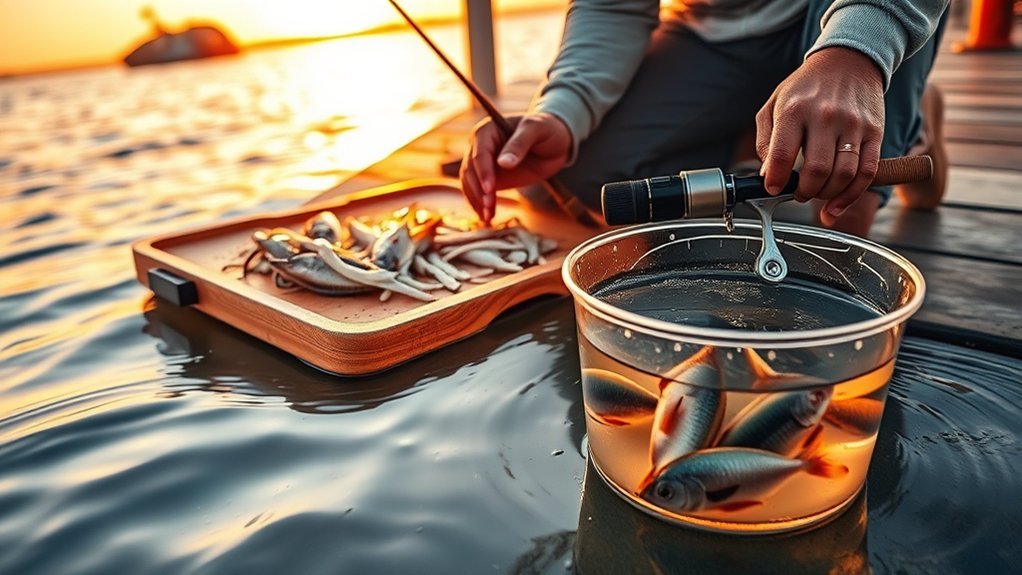
Pick bait that matches what snapper feed on locally. Live pinfish, shrimp, squid, pilchards, sardines, cigar minnows, and small baitfish can all work when they match the forage in your area.
Hook and present bait so it moves naturally. Rig the hook through a soft but secure spot to preserve motion, make smooth adjustments, and use luminous beads in low light or deep water only when they help visibility without making the rig look unnatural.
Watch the fish and adapt your bait type and presentation to their behavior. If fish follow but refuse, try smaller bait, lighter leader, less weight, or a slower presentation.
Choosing the Right Bait
Want to know what gets snapper to bite? Choose bait that frees you from guesswork: live bait like pinfish, squid, shrimp, pilchards, or small baitfish mimics natural prey and often produces confident strikes.
When live options aren’t available, bait alternatives like fresh cut mullet, sardines, bonito strips, or squid work well. Keep cut bait fresh and firm so it releases scent without falling apart too quickly.
- Use live bait for natural action and higher attraction when fish are actively feeding.
- Try fresh cut baits as practical bait alternatives when live bait is unavailable or when scent matters more than movement.
- Add luminous beads, small floats, or slow retrieval only when conditions call for extra visibility or lift.
Stick to circle hooks where they are required or useful, maintain steady tension, and fish with intent. Reliable technique turns scattered bites into steady results.
Hooking and Presenting Bait
When you hook your bait, aim for natural presentation. Thread shrimp through the tail, curve squid strips so they undulate, and place pinfish through the back behind the dorsal fin to keep them lively. This lets the bait behave like actual prey and draws wary snapper without raising suspicion.
Choose live options when you can, rig circle hooks for easier release, and place hooks so the bait still moves. Keep line tension steady, avoid sudden jigging, and lift gently when the rod loads.
In low light or deep water, add luminous beads for visibility. When the water is clear and fish are cautious, simplify the rig and let the bait look as natural as possible.
| Bait | Hook Placement |
|---|---|
| Shrimp | Tail-threaded or lightly pinned through the horn area, depending on size |
| Squid | Curved strip so it moves naturally in current |
| Pinfish | Behind dorsal fin or through the nose, based on current and presentation |
| Rigging | Luminous beads only when low light, depth, or stained water makes them useful |
Keeping Bait Natural Movement
Because snapper hunt by sight and scent, you’ll get the best results by choosing fresh, lively baits and presenting them with slow, steady motion that mimics natural prey. Live pinfish, shrimp, or squid offer authentic bait movement that can trigger strikes from cautious fish.
If you use cut bait like mullet or sardines, keep it fresh to preserve scent. Replace washed-out bait often, especially in strong current or warm water.
- Anchor bait in the strike zone and use subtle rod lifts to maintain natural bait movement without jerks.
- Match depth and pace to local conditions; snapper are cautious and react best to realistic motion.
- Try different bait types and small presentation tweaks until you stop guessing and start getting confident bites.
Rig Setups: Flasher Rigs, Two-Hooked Recurve and Bottom Rigs
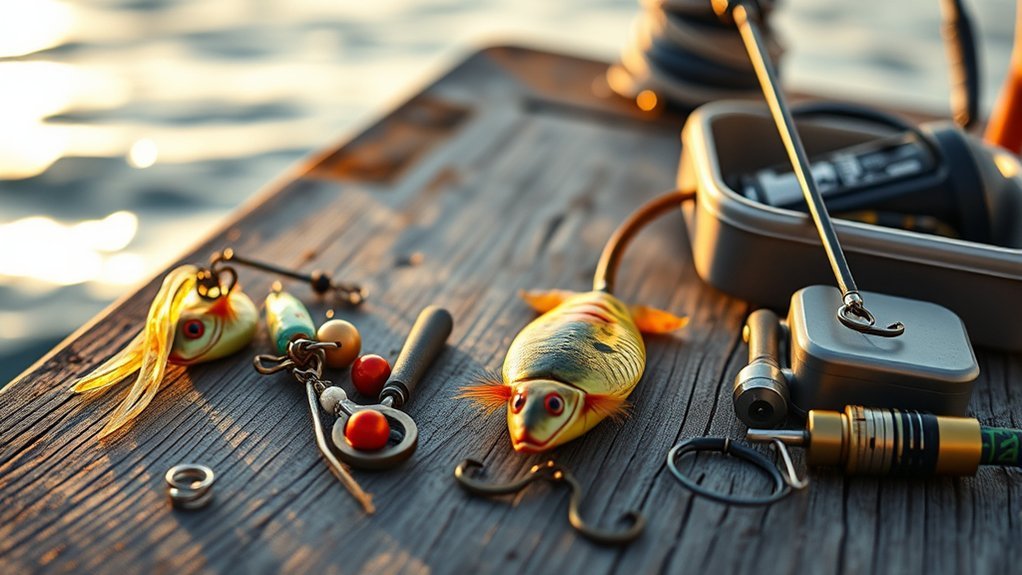
Although each situation calls for a different approach, three rig types dominate snapper fishing: flashers, two-hooked recurve rigs, and bottom rigs. You’ll use these rig variations to stop guessing and match your setup to depth, current, structure, and fish behavior.
Use short traces in heavier line when fishing near rough structure, and consider luminous beads for low light or deep water. Keep tension on circle hooks with recurve rigs to boost clean hookups. Adjust sinker weight on bottom rigs to hold bait in current without pinning it unnaturally to the seabed.
| Rig Type | Key Feature | When to Use |
|---|---|---|
| Flasher | Bright, suspended above bottom | In clear water, low light, or when fish need extra attraction |
| Recurve (two-hook) | Two baits, circle-style hooks, steady-pressure hookup | When targeting multiple fish or wary snapper |
| Bottom Rig | Sinker holds bait near the bottom | Strong current or tight-to-bottom feeding |
You’ll act confidently with these setups through simple choices, tested tactics, and the tools to improve your success on the water.
Reading Water, Structure and Finding Productive Spots

You’ll start finding the best snapper spots by reading how water moves around structure. Look for current seams where food concentrates and fish stack near the edge of reefs, wrecks, ledges, and hard-bottom areas.
Target reef edges and wrecks where snapper ambush prey. Use your fishfinder to pinpoint drop-offs, ledges, bait schools, and fish marks in deeper water.
Focus on these features and the nearby moderate currents to find productive bites more consistently.
Recognize Current Seams
When different water flows collide, they create current seams. These calm, churned, foamy, or discolored bands can concentrate bait and attract snapper, so learning to spot subtle changes in color, temperature, or surface texture will put you on fish faster.
You’ll use current identification to read seams, scan for color shifts, and note temperature breaks with simple tools. Watch bird activity and bait movement because they reveal where life concentrates.
Sonar and fish finders confirm seams and nearby structure without guesswork. Move deliberately, position your boat up-current when safe, and present baits where flows converge.
- Scan the surface for color, foam, ripple, or texture changes.
- Observe birds, bait activity, and surface feeding signs.
- Verify seams, bait, and nearby structure with sonar.
Target Reef Edges
Start by zeroing in on reef edges, the seams where flat bottom turns to structure. Snapper hunt and school along ledges, drop-offs, and wrecks where prey concentrates.
You’ll use reef exploration to read water and find productive spots. Scan with a fish finder for schools and bottom changes, watch current that moves bait, and check local reports to refine your search.
| Feature | What to Look For |
|---|---|
| Ledges | Sudden depth change with fish marks |
| Wrecks | Concentrated bait and cover |
| Bottom composition | Hard bottom, rubble, rock, coral, or reef edges |
| Current | Moderate flow that pushes bait across structure |
| Reports | Seasonal hotspots from local captains, marinas, or tackle shops |
Locate Drop-Offs and Ledges
Although it takes a sharp eye and the right tools, locating drop-offs and ledges is one of the most reliable ways to find snapper.
Focus on reading structure, current, and water color to pinpoint likely spots. Use depth mapping and sonar to reveal sudden depth changes, reefs, and wrecks where snapper shelter and feed.
Watch currents. Converging flows and eddies concentrate baitfish near edges. Note water color shifts because darker bands can signal deeper channels or structure.
Time your approach around dawn, dusk, and moving tides when local conditions make fish more likely to feed.
- Use a fish finder to map ledges and sharp depth contours.
- Observe currents and color for bait-holding zones.
- Fish edges during active tidal periods when safe conditions allow.
Techniques for Hooking and Playing Wary Snapper
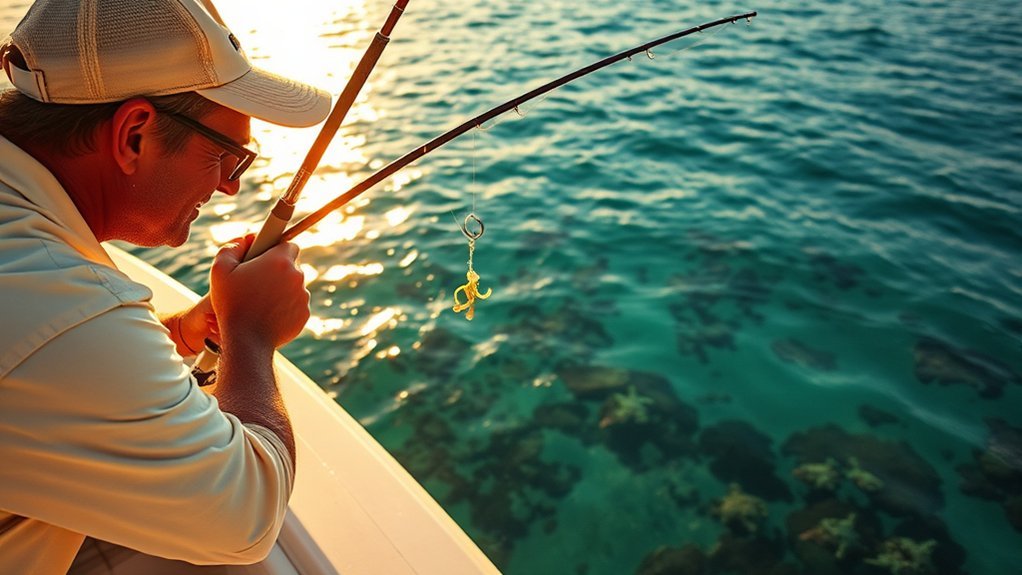
Because wary snapper spook easily, lift the rod gently and apply gradual hook-setting pressure instead of striking hard. Steady tension keeps circle hooks working and helps you avoid pulling the bait free.
Practice patient fishing etiquette. Give the fish time to mouth the bait fully before you react. Keep movements minimal on the boat and limit loud noises so the area stays calm.
Adjust sinker weight to match current strength so your presentation sits naturally near the bottom. Too light, and the bait drifts out of the strike zone. Too heavy, and the bait may look unnatural.
When you feel steady pressure, increase tension slowly and reel without jerking. Maintain a consistent, forgiving rod angle that lets the circle hook slide to the corner of the jaw.
Play the fish with controlled, rhythmic pressure. Let it run if it needs line, then bring it back under tension. Avoid locking the drag too tightly, especially near the boat.
That measured approach protects the hookset, reduces break-offs, and supports ethical catch-and-release for anglers who respect the sea.
Warning: Never assume snapper regulations are the same from one state, season, depth, or species to another. Check current rules before you keep fish, especially for red snapper, because seasons and limits can change.
Seasonal Timing, Depths and Local Regulations
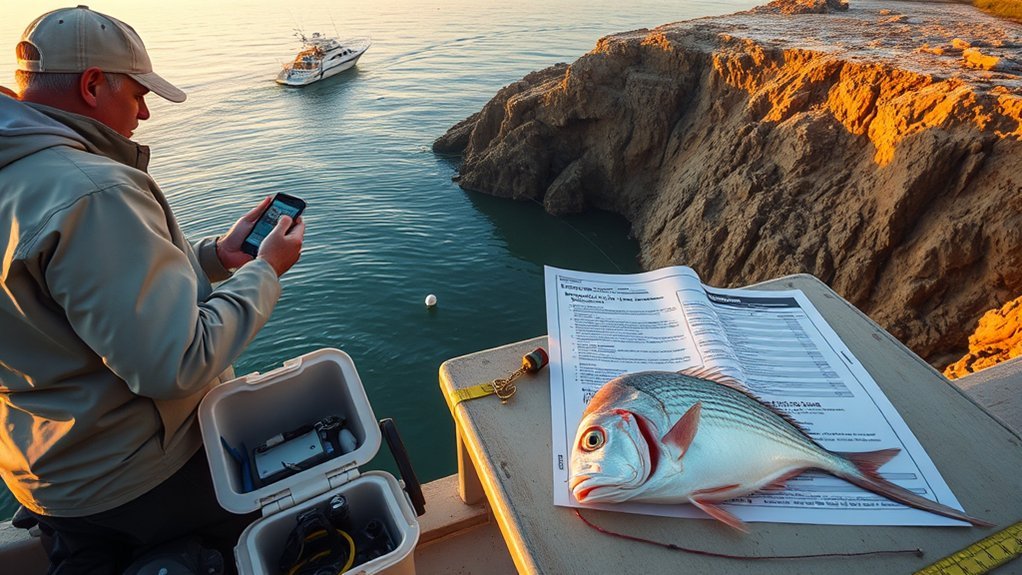
When you plan a red snapper trip, timing, depth, and regulations should drive your decisions. Seasons can be short, and they vary by state, region, sector, and quota status.
Red snapper and other snapper species can live across a wide depth range, from shallower reef zones to deeper offshore structure. Your exact fishing depth depends on species, water temperature, season, pressure, and local habitat.
Strict quotas, bag limits, size limits, gear rules, and occasional special openings mean you must check current local rules before you go.
You’ll want a clear plan: pick dates inside the open season, confirm a charter or boat that can safely reach productive structure, and verify fishing regulations and quota status with local authorities.
Staying informed protects fish stocks and your freedom to fish on future trips.
Before booking, check federal and state fishery agency updates. Call your charter, marina, or local tackle shop to confirm depth, target species, allowable bag limits, and required gear.
Adopt a disciplined approach so you can fish responsibly and boldly.
- Choose season dates only after checking current regulations.
- Confirm boat, safety, and depth capability before the trip.
- Verify local fishing regulations, species identification, size limits, and bag limits before keeping fish.
Onboard Handling, Cleaning and Storing Your Catch
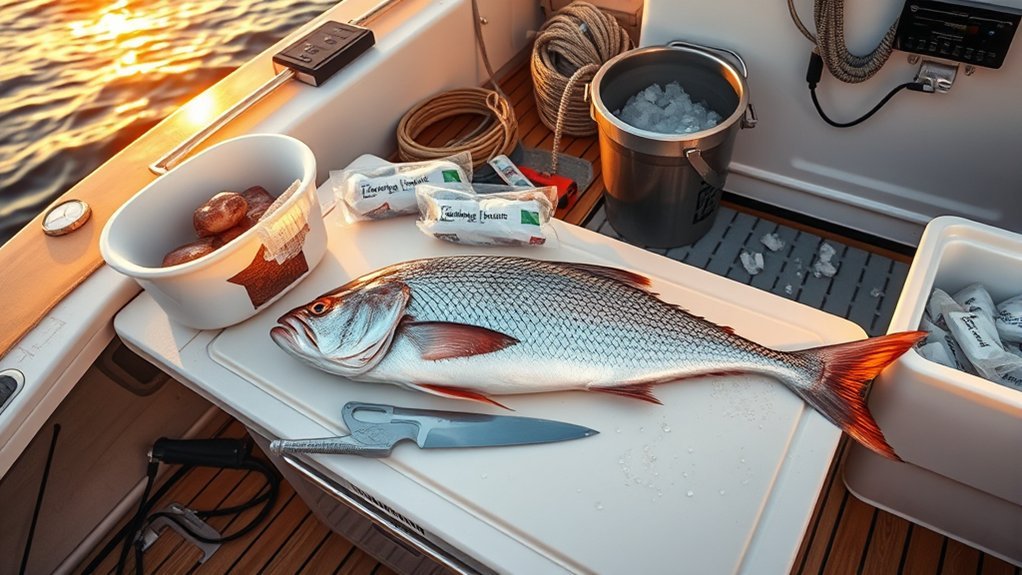
To protect your catch and the quality of the meat, handle each snapper with wet hands, a wet towel, or gloves. If you plan to keep the fish and local rules allow it, bleed it promptly by cutting the gills, then rinse with seawater before chilling.
You’ll keep yourself safer and the fish in better condition by working calmly. Avoid tossing fish onto hot decks, leaving them in the sun, or letting slime and blood build up in the cooler.
After rinsing, place the snapper on ice or in a cooler below 40°F (4°C). Cold storage slows bacterial growth and helps preserve texture and flavor during transport.
Clean the fish as soon as practical. Scale, gut, and fillet it with sharp tools on a clean surface. Remove organs, slime, and bloodline areas as needed to improve flavor and shelf life.
Work efficiently, use sharp tools, and keep surfaces sanitary to maintain catch care standards. Pack fillets separated by plastic bags, food-safe wrap, or butcher paper, then ice them again for longer trips.
Handling, cleaning, and storing are acts of responsibility. Doing them right means you control quality from hook to plate. Follow these steps and your catch will reward you with better taste and longer freshness.
Tips to Improve Success: Patience, Adjustment and Safety
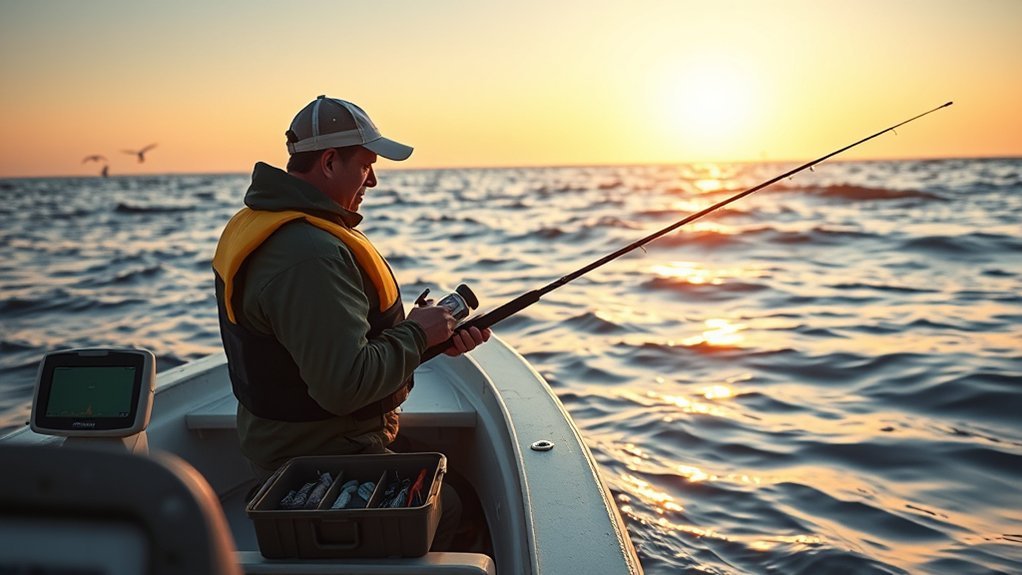
Although snapper fishing rewards patience, it also demands that you keep adjusting. Read the water, vary your bait presentation with slow, subtle movements, and match sinker weight to the current so your bait stays in the strike zone.
Snapper fishing rewards patience but demands constant adjustment—read the water, vary presentation, and match sinker weight to current.
You’ll learn to wait without wasting time. Watch for changes in current, structure, tide stage, bait movement, and fish behavior, then adapt.
Safety and respect are part of your craft. Check weather, wear life jackets offshore, carry required safety gear, keep a working radio or phone, and follow fishing etiquette to keep the spot and community sustainable.
- Vary presentation: use slow twitches and pauses; if fish ignore the bait, change cadence, profile, or bait size.
- Match weight to current: use heavier sinkers in strong flow and lighter sinkers in slack water to keep baits at target depth.
- Prioritize safety and learning: inspect gear, monitor conditions, and treat others’ space with courtesy to protect access for everyone.
Keep adjusting, stay patient, and fish responsibly to improve catch rates and preserve healthy snapper fishing.
Frequently Asked Questions
What is the best bait for snapper?
Live bait like pinfish, shrimp, squid, pilchards, and small baitfish is often best for snapper because it looks and moves like natural prey. Fresh cut mullet, sardines, bonito strips, and squid also work well when scent matters or live bait is unavailable.
How do you fish for snapper?
Fish for snapper by targeting reefs, wrecks, ledges, bridge pilings, rock piles, and other structure. Drop live or fresh bait near the bottom, use a fluorocarbon leader, match sinker weight to current, and apply steady pressure when the rod loads.
Why is it illegal to catch red snapper during closed seasons?
It is illegal to keep red snapper during closed seasons because fishery managers use seasons, quotas, size limits, and bag limits to protect the stock and control harvest. Rules vary by area, so check current federal and state regulations before fishing.
How deep should you fish for red snapper?
Red snapper can be found across a broad depth range, but many anglers target them around offshore reefs, wrecks, ledges, and artificial structure. Productive depth depends on your region, season, water temperature, fishing pressure, and available habitat.
What hook should you use for snapper?
Circle hooks in the 2/0–5/0 range work well for many snapper setups, but the right size depends on bait size, fish size, and local rules. Use smaller hooks for shrimp and small baits, and larger hooks for bigger live bait.
Conclusion
You’ve got the essentials to target snapper with confidence: the right gear, smart rigs, live bait, fresh cut bait, good boat sense, and careful fish handling. The biggest lesson is simple: fish structure, keep your bait natural, and adjust your rig to current, depth, and fish behavior.
Keep learning seasonal patterns, follow local rules, and handle fish respectfully. With patience, quick adjustments, and safety-first habits, you’ll improve every trip and help keep snapper fishing healthy for everyone.
Sources
- NOAA Fisheries: Northern Red Snapper — red snapper species information and management context
- NOAA Fisheries: Recreational Fishing — recreational fishing rules and responsible fishing guidance
- Florida Fish and Wildlife Conservation Commission: Saltwater Recreational Fishing — state-level saltwater fishing regulations
- Outdoor Alabama: Saltwater Recreational Size and Creel Limits — state saltwater size and bag limit reference
- U.S. Food and Drug Administration: Selecting and Serving Seafood Safely — seafood chilling and safe handling guidance