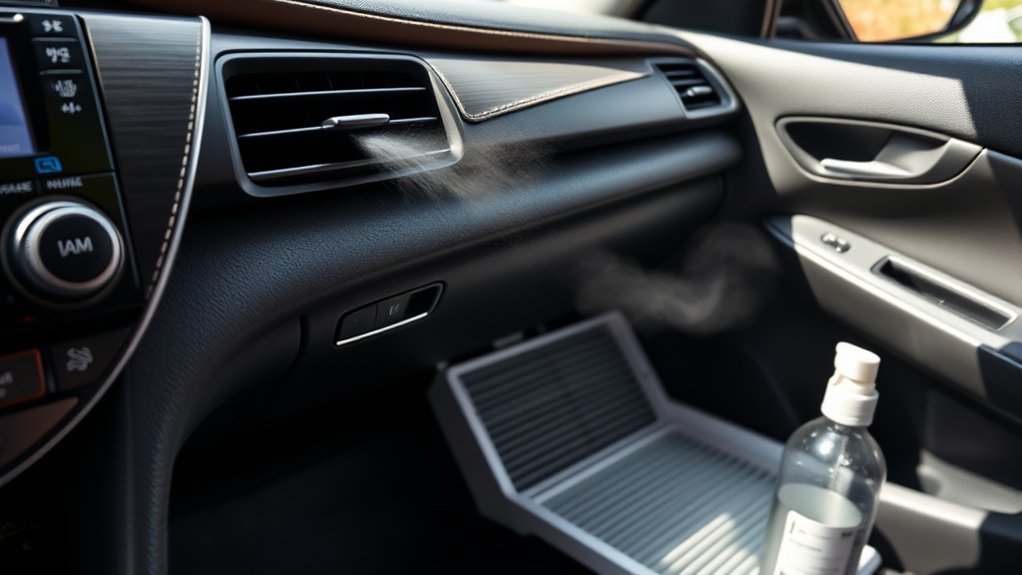
A musty smell from your Toyota Camry’s air conditioner usually points to moisture and odor residue around the evaporator, a dirty cabin air filter, debris near the fresh-air intake, or water entering the cabin. The smell alone does not prove that mold is growing. Start with safe, model-specific checks, then use professional evaporator cleaning or water-leak diagnosis if the odor returns.
Quick Answer
Replace a dirty cabin air filter with the correct model-specific part, check for wet carpet or blocked condensate drainage, and dry the evaporator by switching the A/C off while the blower runs for a few minutes before parking. Avoid household disinfectants. Persistent odors need an automotive HVAC inspection and approved evaporator-cleaning service.
Key Takeaways
- A musty odor is a clue, not proof, of mold; moisture, trapped debris, a saturated filter, or cabin water intrusion can smell similar.
- Use the cabin-filter interval and replacement procedure for your exact Camry year, market, and powertrain.
- Do not spray vinegar, bleach, household disinfectant, or fragrance into the HVAC intake or evaporator.
- Water dripping beneath the car after A/C use is usually normal; wet carpet inside the cabin is not.
- Seek professional help when the smell persists, airflow stays weak, the carpet is wet, or the odor is fuel-like, burning, sweet, or chemical rather than musty.
At a Glance
| Time Required | 15–30 minutes for filter and moisture checks; longer for professional diagnosis or evaporator cleaning |
| Difficulty | Easy for a cabin-filter inspection; moderate to advanced for drain, evaporator, or water-leak work |
| Tools Needed | Owner’s manual, flashlight, gloves, clean cloth, and the correct replacement cabin air filter if needed |
| Cost | Low for a filter replacement; variable for professional evaporator cleaning, drain repair, or water-leak remediation |
Warning: Stop treating the problem as a routine musty odor if you smell gasoline, burning plastic, exhaust, a strong chemical odor, or a sweet coolant-like smell. Ventilate the cabin, avoid unnecessary driving, and have the vehicle inspected. Never mix cleaning chemicals or spray household products into the HVAC system.
Identify the Odor Before Cleaning
Different smells point to different systems. A damp-basement or old-sock odor that is strongest for the first minute after startup commonly fits evaporator moisture or trapped organic residue. A dirty cabin filter can add a dusty or sour smell and may also reduce airflow.
Other odors need a different response:
| Odor | Possible Direction | What to Do |
|---|---|---|
| Musty, earthy, or old-sock | Evaporator moisture, dirty filter, organic debris, or wet interior material | Follow the checks in this guide |
| Fuel or exhaust | Fuel-system, exhaust, or outside-air intrusion concern | Turn the system off, ventilate, and arrange prompt diagnosis |
| Burning or electrical | Blower motor, wiring, resistor, or debris near a hot component | Stop using the HVAC system and have it inspected |
| Sweet | Possible coolant leak, including a heater-core concern | Check for window film, damp carpet, or coolant loss and seek service |
| Rotten egg or sulfur | Fuel, emissions, battery, or outside-source issue | Have the vehicle diagnosed rather than deodorized |
What Causes Musty Smells in Your Toyota Camry’s AC?
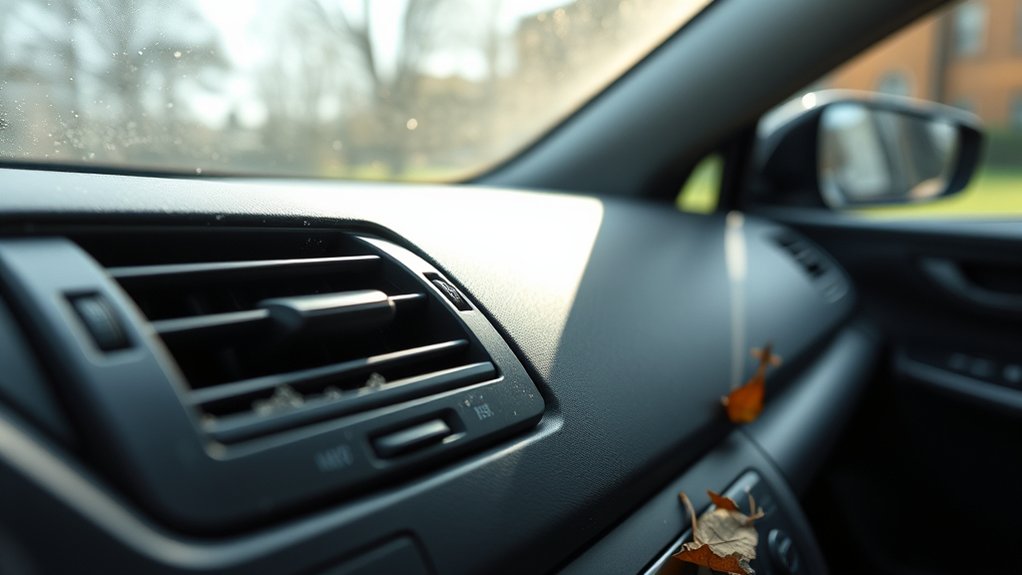
Your Camry’s evaporator becomes cold while the A/C runs. Water vapor in the air condenses on that cold surface and normally drains beneath the vehicle. When moisture remains on the evaporator or combines with dust, pollen, leaves, or other organic residue, the system can release a musty odor the next time the blower starts.
Toyota has also noted that odors from inside and outside a vehicle can enter the HVAC system, collect on the evaporator, and later come through the vents. That means the smell may come from microbial residue, but it can also come from smoke, air fresheners, food, pet hair, trash, or debris around the outside-air intake.
- Evaporator moisture: Condensation that does not dry quickly can intensify odor.
- Dirty or saturated cabin air filter: A loaded filter can trap dust, pollen, and odor and may restrict airflow.
- Restricted condensate drain: Debris or a displaced drain component can allow water to remain where it should not.
- Debris near the cowl intake: Leaves and organic material near the windshield-base air intake can introduce odor.
- Water intrusion: Windshield, body-seam, sunroof-drain, door-seal, or HVAC-case leaks can wet carpet or padding.
- Interior sources: Damp floor mats, spills, upholstery, pet residue, and trash can be pulled into the airflow.
For the 2025 U.S.-market Camry, Toyota lists cabin air filter replacement at 10,000-mile intervals. Other model years and markets can use different schedules, so verify the guide for your exact vehicle.
Signs of Mildew Growth in Your Toyota Camry’s AC
A musty odor can justify an HVAC inspection, but it is not a laboratory test for mold. The same is true of sneezing, coughing, or eye irritation: those symptoms may be triggered by pollen, dust, fragrances, or other contaminants. Treat them as reasons to improve ventilation and investigate the source, not as proof of a specific organism.
Musty Odor Upon Activation
An odor that is strongest for several seconds or minutes after the car has been parked often points toward residue on the evaporator or in the HVAC case. Note whether the odor appears with the blower alone, only when the A/C compressor is operating, only in fresh-air mode, or only in recirculation mode. Those details help separate an HVAC-case odor from an outside or interior source.
| What You Notice | What It May Suggest | Next Check |
|---|---|---|
| Odor is strongest at startup, then fades | Evaporator or HVAC-case residue | Filter condition and drying routine |
| Odor remains constant in every mode | Interior source, wet carpet, cowl debris, or persistent HVAC contamination | Cabin, carpet, cowl, and professional inspection |
| Airflow is weak | Dirty filter, blower problem, blocked duct, or door-actuator issue | Filter first; technician if airflow stays weak |
| Passenger carpet is damp | Drain or water-intrusion concern | Stop deodorizing and find the water source |
Visible Mold Growth Signs
Dark specks on a vent are often ordinary dust, and appearance alone may not identify mold. Fuzzy growth, recurring staining, or a visibly damp surface deserves closer attention. Clean accessible hard trim only with a product approved for that material, then dry it completely. Do not push liquid deep into the vent.
If porous carpet, padding, or insulation is wet and visibly contaminated, surface spraying is not enough. The water source must be repaired, and damaged porous material may need professional removal or replacement. This is especially important after flooding, a windshield leak, or prolonged standing water.
Reduced Airflow Efficiency
Weak airflow does not automatically mean mildew. Toyota identifies a heavily clogged cabin air filter as a common cause of restricted vent flow, but blower-motor, fuse, actuator, and duct problems can cause similar symptoms. Inspect the filter first because it is accessible on many Camry models and does not require opening the refrigerant system.
If airflow remains weak with the correct new filter installed, schedule diagnosis rather than assuming the evaporator needs chemical treatment.
Recognizing Signs of Moisture Buildup in Your Toyota Camry’s AC
Condensation is normal when the A/C removes humidity. After operating the system on a warm, humid day, you may see clear water dripping beneath the passenger-side area of the car. Toyota notes that this exterior water drip is normal. Water inside the cabin, however, needs attention.
Look for these clues:
- Damp carpet or padding, especially near the front passenger footwell
- Water marks, staining, or a recurring foggy film on the windows
- A sloshing sound behind the dashboard
- A musty odor that continues even when the A/C compressor is off
- Leaves or debris packed around the cowl intake at the base of the windshield
- Little or no condensate beneath the car during humid A/C operation, combined with wet carpet or a strong odor
The absence of a visible drip by itself does not prove that the drain is blocked. Temperature, humidity, vehicle angle, and how long the A/C has run all affect condensate. Use the full symptom pattern.
Note: If the odor began after a windshield replacement, flood, heavy rain, body repair, or a soaked carpet, prioritize water-leak diagnosis. Toyota’s water-intrusion guidance says the leak source must be identified and repaired before odor remediation.
Effective DIY Solutions for Toyota Camry AC Odors
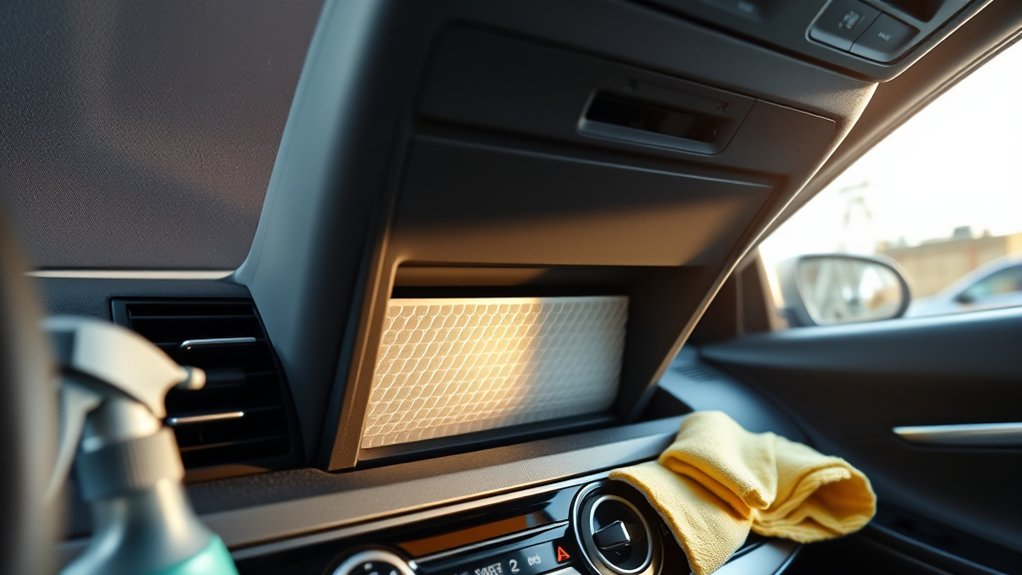
Safe DIY work should focus on inspection, filter replacement, drying, and keeping debris out of the intake. Evaporator chemicals, drain-tube work, refrigerant service, and interior remediation can require model-specific procedures.
Common Odor Causes
Before buying a cleaner, identify the most likely source:
- Filter source: The odor and weak airflow improve after the correct filter is replaced.
- Evaporator source: The smell is strongest at startup after the car sits, then fades.
- Drain or water source: Carpet is damp, water collects inside, or the smell stays constant.
- Outside-air source: The odor appears only in fresh-air mode or in a particular location.
- Interior source: The smell remains with the HVAC off and is strongest near mats, seats, or the trunk.
Simple Cleaning Techniques
- Check the exact maintenance information. Use Toyota’s manual and maintenance guide for your Camry’s year and market. Filter access, orientation, and intervals can differ.
- Inspect the cabin air filter. With the vehicle off, access the filter as directed in the owner’s manual. Note the airflow arrow, remove the filter carefully, and check for heavy dust, leaves, dampness, or odor. Replace a dirty disposable filter; do not wash it unless its manufacturer specifically says it is washable.
- Inspect the filter housing. Use a flashlight to check for loose debris that can be removed without pushing material deeper into the HVAC case. Do not insert tools toward the blower wheel.
- Clean the cowl area. Remove loose leaves and debris from the outside-air intake area at the base of the windshield. Keep water away from electrical connectors.
- Check the cabin for moisture. Lift floor mats and press a clean towel against the carpet. Check the front passenger footwell, under-seat areas, trunk, and spare-tire well.
- Use a drying routine. During the final two to five minutes before parking, switch the A/C compressor off while leaving the blower on. Use outside-air mode when practical so moving air can pass across the evaporator before shutdown.
- Recheck the odor. If the smell improves but returns quickly, the evaporator may need an approved cleaning procedure or the vehicle may have a drainage or water-intrusion problem.
Pro Tip: Record when the smell occurs: first startup, A/C on, fan only, fresh air, recirculation, after rain, or after a car wash. A short symptom log gives a technician much more useful information than “the vents smell bad.”
Warning: Do not use a 50/50 vinegar mixture, bleach, household aerosol disinfectant, “hospital-grade” sanitizer, ozone generator, or fragrance bomb in the HVAC system. Products that are not approved for automotive HVAC use can expose occupants to irritating vapors, damage materials, leave residue, or mask a water problem without fixing it.
What Not to Do to the A/C Drain
Do not push wire, drill bits, screwdrivers, or high-pressure compressed air into the condensate drain. A sharp tool can damage the evaporator case, and excessive pressure can dislodge a hose or force contaminated water into the cabin. Drain location and access vary by Camry generation, so leave uncertain drain work to a qualified technician.
When to Seek Professional Help for AC Problems

Professional help is appropriate when basic filter, debris, and drying checks do not solve the problem. Toyota’s historical HVAC odor bulletin for certain 2007–2017 Camry models describes an evaporator-cleaning service with a Toyota A/C refresher kit or equivalent if the odor persists. That bulletin does not automatically apply to every Camry, but it shows why model-specific service information matters.
Schedule an inspection when you notice any of the following:
- The musty odor returns soon after installing the correct new cabin filter.
- The passenger carpet, insulation, or trunk remains damp.
- Airflow stays weak after filter replacement.
- The blower makes rubbing, grinding, or repeated clicking noises.
- Cooling is poor, the evaporator may be icing, or the system cycles abnormally.
- There is visible contamination deep inside the ducts or HVAC case.
- The odor followed flooding, a windshield leak, collision repair, or body work.
- You or a passenger develops persistent breathing, eye, or allergy-like symptoms in the vehicle.
- The odor is fuel-like, burning, electrical, exhaust-like, or sweet rather than musty.
A technician can verify condensate drainage, inspect the blower and evaporator area, check for case or body leaks, and perform an approved evaporator-cleaning procedure. If the interior has been soaked, proper remediation may require removing wet trim, carpet, padding, or insulation after the leak is repaired.
Simple Tips to Keep Your AC Smelling Fresh
- Use the correct filter schedule. Follow the guide for your exact Camry and replace the filter sooner if airflow drops or the vehicle sees heavy traffic, dust, pollen, or dirt roads.
- Dry the evaporator before parking. Turn the A/C compressor off and leave the fan running for a few minutes near the end of the drive.
- Use fresh-air mode when practical. Toyota has recommended outside-air mode when parking in an effort to reduce trapped odors on applicable vehicles.
- Keep the cowl clean. Remove leaves and organic debris before they break down near the outside-air intake.
- Dry wet mats and spills quickly. Do not leave damp carpet, towels, umbrellas, or sports equipment in the cabin.
- Avoid heavy fragrances. Air fresheners can coat surfaces, combine with existing odors, and make diagnosis harder.
- Run the A/C periodically. Regular operation helps circulate refrigerant oil and lets you spot drainage or cooling problems before hot weather.
Using the heater may help warm and dry the HVAC case, but heat alone does not remove established residue or repair a blocked drain. Prevention works best after the underlying source has been corrected.
The Importance of Cabin Air Filters for Your Toyota Camry
The cabin air filter captures airborne dust, pollen, and debris before much of it reaches the passenger compartment and HVAC components. A heavily loaded filter can reduce airflow and hold odor, but replacing it is not a guaranteed cure for an odor already established on the evaporator or in wet interior material.
Do not rely on a universal 12,000-to-15,000-mile rule. The 2025 Toyota Camry Warranty & Maintenance Guide, for example, lists cabin air filter replacement at 10,000-mile intervals and notes that heavy traffic, dirt roads, and urban, desert, or dusty areas may shorten filter life. Older models and non-U.S. markets may differ.
When replacing the filter:
- Match the part to the exact year, trim, market, and filter housing.
- Observe the airflow or “UP” marking; they are not always interpreted the same way.
- Do not force the filter or deform its sealing edges.
- Clean only loose accessible debris from the housing.
- Reinstall every cover and glove-box damper correctly.
Seasonal AC Usage Tips for Your Toyota Camry
Humidity and parking conditions affect odor more than the calendar alone. In hot, humid weather, use the drying routine near the end of drives and check that clear condensate is appearing beneath the vehicle. In fall, remove leaves from the cowl before they decompose. In winter, operate the A/C periodically when conditions allow because many defrost modes also use the compressor to dry the air.
After heavy rain or a car wash, check the passenger carpet and trunk if the vehicle has a history of leaks. During pollen or wildfire-smoke seasons, inspect the filter sooner, but remember that outside-air mode may draw in outdoor contaminants. Use recirculation temporarily when outside air quality is poor, then return to fresh air when conditions improve and before parking when practical.
How to Maintain a Fresh and Clean Interior in Your Toyota Camry
The HVAC system can recirculate odors already present in the cabin. Clean spills promptly, vacuum pet hair and food debris, and remove damp items. Wash rubber mats with a material-safe cleaner and let them dry completely before reinstalling them. For carpet and upholstery, use the least amount of moisture needed and allow thorough drying with doors or windows open in a secure, ventilated location.
If you find visible growth on an accessible hard surface, the U.S. Environmental Protection Agency recommends cleaning hard surfaces with detergent and water and drying them completely. Porous material that stays moldy or has been soaked may be difficult to clean fully and can require replacement. In a vehicle, extensive contamination is a good reason to use a professional familiar with automotive interiors, airbags, wiring, and hybrid-system precautions.
Never combine cleaning products. The Centers for Disease Control and Prevention warns that mixing bleach or disinfectants with other cleaners can release dangerous vapors. Follow every product label, provide ventilation, and keep occupants out until the treated area is dry and safe for use.
Frequently Asked Questions
How do I get rid of a musty smell from my Toyota Camry AC?
Inspect and replace the cabin air filter if needed, remove debris from the cowl intake, check for wet carpet, and dry the evaporator by switching the A/C off while the blower runs for two to five minutes before parking. If the smell returns, arrange model-specific evaporator cleaning and drain or water-leak diagnosis.
Why does my Toyota Camry AC smell bad only when it starts?
An odor that is strongest at startup and then fades often comes from residue on the evaporator or inside the HVAC case. The blower releases the concentrated odor after the car has been parked. A drying routine may help, but a persistent odor can require approved evaporator cleaning.
Does a musty smell prove there is mold in the AC?
No. Mold or bacterial residue is possible, but a musty smell can also come from a dirty filter, wet carpet, leaves, smoke, spills, air fresheners, or outside odors trapped on the evaporator. Diagnose moisture and odor sources before claiming mold.
Will replacing the cabin air filter remove the odor?
It may remove odor held in a dirty or damp filter and can restore airflow, but it will not clean residue already on the evaporator or dry soaked carpet. If a new filter helps only briefly, investigate the evaporator, drain, cowl, and interior for moisture.
Is water dripping under my Camry after using the AC normal?
Clear water beneath the car after A/C use is normally condensate draining from the evaporator. Water on the passenger carpet, repeated window fogging, or standing water inside the vehicle is not normal and needs diagnosis.
Can I spray vinegar or disinfectant into the air intake?
Do not improvise with household vinegar, bleach, aerosol disinfectant, or mixed chemicals. Use only a product specifically approved for automotive HVAC service and compatible with your vehicle, following its label and Toyota service information. Professional application is the safer choice for persistent evaporator odor.
Conclusion
A musty Toyota Camry AC smell is usually manageable once you separate evaporator odor from a dirty filter, blocked drainage, outside debris, and cabin water intrusion. Begin with the exact maintenance guide, a careful filter inspection, moisture checks, and a short pre-parking drying routine. Skip household chemical shortcuts. When odor returns or the interior is wet, professional cleaning and leak diagnosis address the cause instead of covering it up.
Sources
- Toyota Technical Service Bulletin T-SB-0010-20: HVAC Odor Maintenance — possible odor sources, fresh-air parking advice, filter guidance, and approved evaporator cleaning for applicable vehicles
- 2025 Toyota Camry Warranty & Maintenance Guide — cabin air filter intervals and severe-condition guidance
- Toyota: Troubleshooting Common Car AC Issues — filter checks, restricted airflow, professional diagnosis, and normal condensate dripping
- Toyota Technical Service Bulletin T-SB-0094-21: Odor Remediation After Water Intrusion — repairing the water source before odor remediation
- U.S. Environmental Protection Agency: A Brief Guide to Mold, Moisture and Your Home — moisture control, hard-surface cleaning, and porous-material considerations
- Centers for Disease Control and Prevention: Cleaning and Disinfecting With Bleach — chemical-mixing and ventilation safety
