
The Toyota Camry feels quiet because Toyota attacks cabin noise from several angles at once: glass, seals, body structure, suspension tuning, hybrid powertrain behavior, and interior materials. The 2025 redesign started the current hybrid-only generation, and the quietest results usually come from the higher trims, better tires, good weatherstrips, and a cabin free of loose trim or cargo rattles.
Quick Answer
The Camry is quiet because Toyota reduces wind, road, and powertrain noise together. Higher-end 2025 Camry XLE and XSE grades add standard front-side acoustic laminated glass, while the hybrid system, door sealing, suspension tuning, and interior insulation help reduce harshness before it reaches your ears.
Key Takeaways
- The quietest Camry experience depends on trim, tires, road surface, tire wear, weatherstrips, and how well the cabin is assembled.
- Toyota specifically calls out standard front-side acoustic laminated glass on 2025 Camry XLE and XSE grades, not every trim.
- The fifth-generation Toyota Hybrid System helps by reducing engine RPMs at lower speeds and using more traction-battery power during some acceleration.
- Aftermarket sound-deadening can help, but it works best after you fix worn tires, loose trim, bad seals, or mechanical noise.
- Avoid airbag areas, wiring, drain holes, seatbelt anchors, and hybrid cooling paths during any DIY insulation project.
Enhancing Your Camry’s Sound Insulation at Home
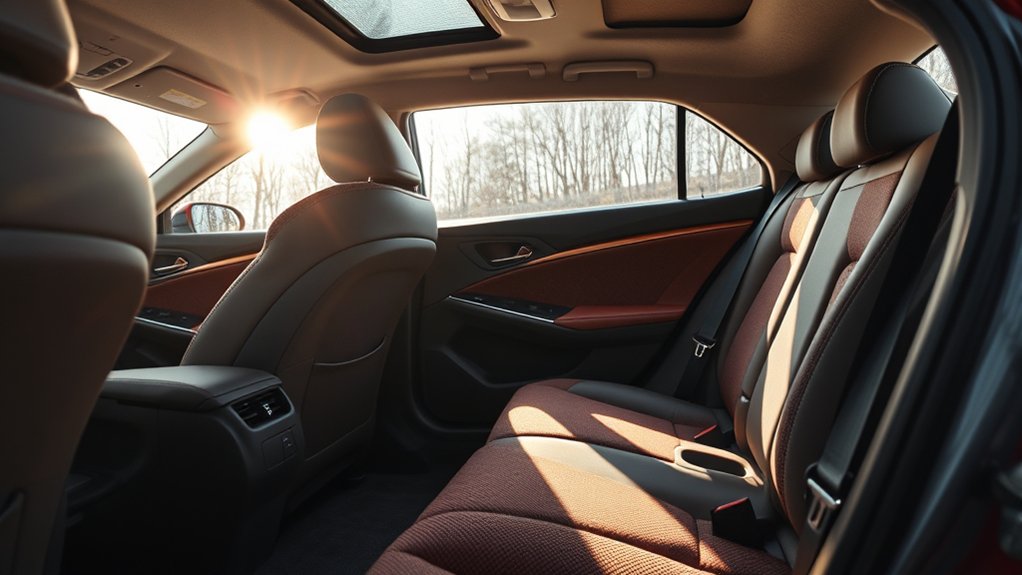
You can improve your Camry’s sound insulation at home, but start with diagnosis before you buy material. Many “cabin noise” problems come from tires, worn door seals, loose cargo, missing clips, uneven panel gaps, or trim rattles instead of a lack of insulation.
At a Glance
| Time Required | 1–3 hours for doors or trunk; longer for floor work |
| Difficulty | Moderate for doors and trunk; advanced for floor, pillars, or headliner areas |
| Tools Needed | Trim tools, panel clip remover, roller, gloves, microfiber towel, isopropyl alcohol, and painter’s tape |
| Cost | Varies by coverage area, material quality, and whether you do the work yourself or hire an installer |
Warning: Do not cover airbags, airbag labels, wiring harnesses, door drain holes, seatbelt anchors, speaker openings, sensors, or hybrid battery ventilation paths. If you need to remove seats, pillar trim, or headliner panels, use a professional installer.
For most owners, the safest DIY areas are the trunk floor, spare-tire well, door outer skins, and selected flat floor sections that do not interfere with wiring or drainage. Butyl-based constrained-layer damping mats can reduce panel vibration when you apply them to clean metal surfaces. You do not need to cover every inch. Strategic coverage on large, flat metal panels usually works better than adding too much weight.
Dense barriers such as mass loaded vinyl can block some airborne noise, but they need space, decoupling, and careful fitting. If the barrier touches trim, binds a seat rail, blocks a clip, or prevents a panel from sitting correctly, it can create new rattles. Closed-cell foam can help separate trim from metal, but it should not replace proper clips or factory seals.
Pro Tip: Record a short drive before and after each area you treat. Use the same road, speed, tire pressure, and HVAC setting so you can tell whether the work actually helped.
Start by Identifying the Noise Source
Sound insulation works best when you target the right noise. A quiet Camry can still sound loud if the tires are worn, the cabin has a loose panel, or a seal lets wind rush through the door opening.
- Tire roar: Often rises with speed and changes on different pavement. Check tire age, tread pattern, uneven wear, pressure, and wheel alignment before adding insulation.
- Wind noise: Usually appears near mirrors, window frames, door seals, windshield trim, or sunroof areas. Inspect weatherstrips and make sure doors close evenly.
- Trunk or floor boom: A low droning sound from the rear or floor can come from large metal panels, loose cargo, or missing trunk clips.
- Rattles: Sharp ticks and buzzes often come from clips, glovebox items, seatbelt buckles, license plates, loose trim, or aftermarket accessories.
- Mechanical noise: Wheel bearings, exhaust leaks, brake issues, and suspension problems need repair, not sound-deadening material.
How Toyota Achieves Cabin Quietness in the Camry
Toyota reduces Camry cabin noise by controlling the sources that create it and the paths that carry it into the cabin. The current-generation Camry uses a 2.5-liter four-cylinder engine with Toyota’s fifth-generation hybrid system. Toyota says engineers tuned the hybrid system at lower speeds to reduce engine RPMs and use more traction-battery power during some acceleration, which can help limit engine flare in everyday driving.
Glass and sealing also matter. Toyota says the 2025 Camry XLE and XSE grades use standard front-side acoustic laminated glass to help reduce wind noise and harshness. That detail is important because it means the quietest cabin features are trim-dependent.
A quiet Camry is not the result of one magic material. It comes from glass, seals, powertrain tuning, suspension refinement, tires, and body structure working together.
The Camry also benefits from refined body sealing, careful trim fit, and suspension tuning. Those details help reduce vibration before it turns into noise inside the cabin. The result is a calmer cabin than many older midsize sedans, especially during light acceleration and steady-speed cruising.
Key Sound Insulation Materials in the Camry That Reduce Noise
Factory sound control usually combines several material types rather than relying on one layer. You may find absorbers behind trim, dense barriers in selected locations, seals around openings, and damping patches on metal panels. Toyota does not publish every hidden material layer for every trim, so you should avoid assuming that all Camrys use the same insulation package.
Aftermarket sound-deadening materials fall into three common groups:
- Constrained-layer damping mats: These butyl-based mats reduce vibration on large metal panels such as door skins, trunk floors, and spare-tire wells.
- Decoupling foam: Closed-cell foam can help prevent trim from rubbing against metal or against a dense barrier layer.
- Dense barrier material: Mass loaded vinyl can block some airborne sound when installed with proper spacing and clearance.
Use the right material for the right problem. Damping mats reduce panel vibration. Foam helps with trim contact. Dense barriers help block airborne noise. None of these materials will fix a worn tire, damaged wheel bearing, leaking exhaust, or missing weatherstrip.
How Does the 2025 Camry Stack Up Against Competitors in Noise Levels?
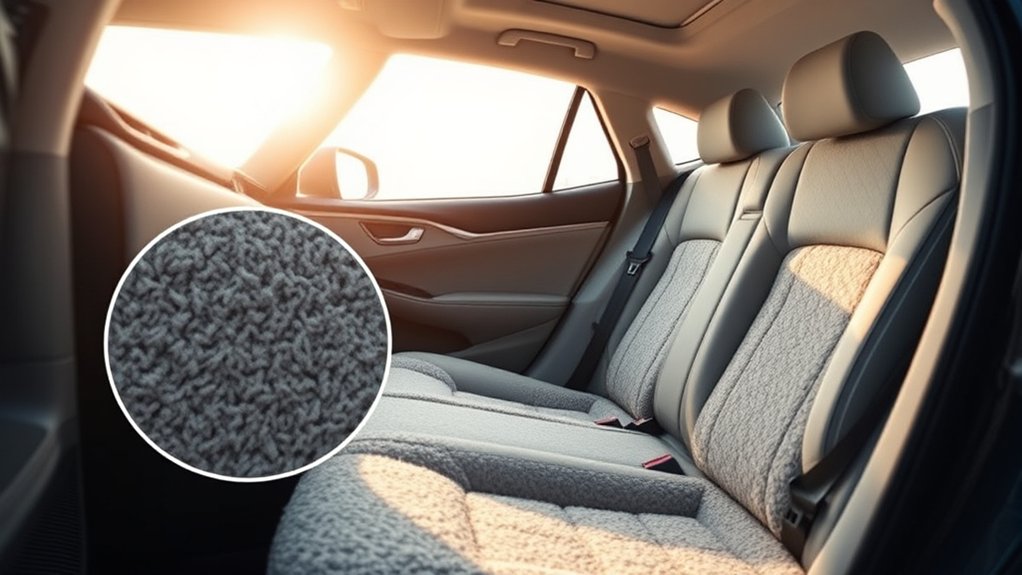
The 2025 Camry is quiet for a mainstream midsize sedan, but you should treat “quietest” claims carefully. Noise results depend on trim, wheel size, tire model, pavement texture, speed, temperature, and test method. A Camry XLE or XSE with acoustic laminated front-side glass may feel calmer than a lower trim on louder tires, while a competitor on quieter touring tires may do better on coarse pavement.
The Camry’s hybrid system also changes the experience. In low-speed city driving, the car can feel especially calm because the electric side of the hybrid system reduces how often the gas engine needs to work hard. During hard acceleration, every hybrid sedan can still produce engine noise because the gas engine must deliver more power.
Compared with rivals such as the Honda Accord Hybrid and Hyundai Sonata Hybrid, the Camry’s biggest strength is its balanced approach. It combines efficient hybrid performance, comfortable ride tuning, good sealing, and available acoustic glass on higher trims. That does not make every Camry quieter in every test, but it does make the cabin feel composed in normal daily driving.
Advanced Engineering Techniques for Reducing Noise in Your Camry
Toyota’s noise, vibration, and harshness work starts before the car reaches the road. Engineers tune the body, suspension, drivetrain behavior, seals, and interior fit so fewer vibrations reach the cabin. In the current-generation Camry, Toyota also uses the fifth-generation Toyota Hybrid System with lighter, more compact electric motors than the previous hybrid system.
The hybrid system does more than improve efficiency. Because electric motors can help at low speeds, the gas engine does not always need to rev as much during gentle acceleration. That helps reduce the sharp rise in engine sound that some drivers notice in older hybrid sedans.
Suspension tuning also affects cabin quietness. A tire hitting a rough patch creates vibration through the wheel, suspension, body, and trim. Better tuning can reduce the harsh edge before it reaches the cabin. That is why tire choice and tire condition matter so much. Even a well-insulated Camry can sound louder on aggressive, worn, or unevenly worn tires.
Note: If your Camry suddenly gets louder, check tires, alignment, wheel bearings, exhaust leaks, weatherstrips, and loose underbody panels before adding sound-deadening material.
Safe DIY Steps to Make a Camry Quieter
Follow a measured process instead of stripping the whole interior at once. Small, reversible steps are safer and easier to troubleshoot.
- Test-drive and write down the noise. Note the speed, road surface, weather, HVAC setting, and where the sound seems to come from.
- Remove loose items first. Empty the trunk, glovebox, center console, door pockets, and rear seat area. Many rattles come from cargo, tools, bottles, or loose license plates.
- Inspect tires and seals. Check tire pressure, tread wear, door seals, window seals, trunk seals, and underbody panels.
- Treat one area at a time. Start with the trunk or door skins before moving to more complex areas.
- Clean the metal surface. Use isopropyl alcohol on bare metal before applying damping mats. Avoid painted trim, wiring, sensors, airbags, and drains.
- Apply damping material strategically. Press it firmly with a roller on large flat metal panels. Do not stack thick layers where trim must clip back into place.
- Reassemble and test again. Drive the same route and listen for improvement or new rattles.
Stop if a panel does not fit correctly after the material goes in. Forcing trim back into place can break clips, pinch wiring, or create a louder rattle than the one you started with.
When Professional Installation Is Worth It
Professional installation makes sense if you want floor, firewall, pillar, or headliner work. These areas can involve seats, airbags, harnesses, sensors, and tight clearances. A shop that works on vehicle interiors can remove trim with less risk, place material without blocking safety systems, and reinstall clips correctly.
Professional help is also worth considering if your Camry is new and still under warranty. Poorly installed insulation can trap moisture, interfere with wiring, block drains, or make future service harder. A clean install should reduce noise without changing how safety systems, seats, doors, or trim panels work.
Related Guides
Frequently Asked Questions
What makes a car cabin quiet?
A quiet cabin comes from controlling wind noise, road noise, drivetrain noise, and vibration. Automakers use seals, laminated glass, body stiffness, suspension tuning, insulation, damping pads, and careful trim fit to reduce how much sound reaches passengers.
Do all 2025 Toyota Camry trims have acoustic laminated glass?
No. Toyota specifically says the higher-end 2025 Camry XLE and XSE grades have standard front-side acoustic laminated glass to help reduce wind noise and harshness. Lower trims may still be quiet, but they do not have every same cabin-quietness feature.
What is the most common source of extra noise in a Toyota Camry?
Tires are one of the most common sources. Worn tread, uneven wear, high tire pressure, aggressive tread patterns, and rough pavement can make a quiet car sound loud. Wind seals, loose trim, wheel bearings, and cargo rattles can also add noise.
How can I improve the sound insulation in my Camry?
Start with tires, seals, loose clips, and rattles. Then add butyl damping mats to safe metal areas such as door skins or the trunk floor. Use closed-cell foam only where trim has clearance, and avoid airbags, wiring, drains, sensors, and hybrid ventilation paths.
Does insulation reduce noise?
Yes, insulation can reduce some noise when matched to the right problem. Damping mats reduce panel vibration, foam reduces trim contact, and dense barriers can block some airborne sound. Insulation will not fix mechanical problems, worn tires, or leaking seals.
Can sound-deadening material damage my car?
It can if installed poorly. Problems can happen when material blocks water drains, traps moisture, interferes with clips, covers wiring, blocks sensors, or sits near airbags and seatbelt hardware. Use light, targeted coverage and hire a professional for complex areas.
Conclusion
The Toyota Camry’s quiet cabin comes from a full-system approach, not one single trick. Toyota combines hybrid tuning, body sealing, suspension refinement, interior materials, and trim-specific acoustic glass to reduce wind, road, and powertrain noise.
If you want your Camry even quieter, start with simple checks before adding material. Tires, seals, loose trim, cargo rattles, and mechanical issues can make any sedan louder. Once those are under control, targeted sound-deadening in safe areas can make the cabin feel more settled without adding unnecessary weight or risking safety systems.
Sources
- Toyota USA Newsroom: Toyota Unveils the Powerful and Purely Hybrid Next Generation Camry — supports the 2025 Camry hybrid system, horsepower, low-speed tuning, acoustic laminated glass, and safety feature claims.
- Toyota USA Newsroom: Next-Generation Toyota Camry at Los Angeles Auto Show — supports the hybrid-only 2025 Camry overview and 225/232 horsepower context.
- Toyota Safety Sense — supports the safety-system context used when warning readers not to interfere with sensors and driver-assistance components.
- NHTSA: Air Bags — supports the DIY caution around airbag areas and vehicle interior safety systems.
- Toyota Owner’s Manuals and Warranty Information — supports checking the model-specific owner’s manual before removing interior trim or working around safety systems.

