
Your Toyota Camry’s mass airflow sensor helps the engine computer calculate how much fuel the engine needs. When the sensor, intake duct, wiring, or air-filter housing develops a problem, you may notice rough idling, hesitation, poor acceleration, increased fuel use, or a check-engine light. Careful diagnosis matters because these symptoms do not automatically mean the sensor has failed.
Quick Answer
The Toyota Camry MAF sensor measures incoming air so the engine control module can calculate fuel delivery. Contamination or failure may cause rough idle, hesitation, poor fuel economy, or P0101, but intake leaks, wiring faults, and air-filter problems can create the same symptoms. Diagnose the system before replacing the sensor.
Key Takeaways
- The MAF sensor is normally installed in the intake path between the air-filter box and throttle body.
- P0101 is a range or performance code, not automatic proof that the sensor needs replacement.
- Check the air filter, intake duct, clamps, connector, wiring, fuel trims, and live data before buying a sensor.
- Use only cleaner specifically labeled for MAF sensors, and never touch or wipe the sensing element.
- Unplugging the sensor is not a conclusive test because the ECM may substitute a calculated value.
- Confirm the replacement part by model year, engine, VIN, and exact part number.
At a Glance
| Time Required | About 20–60 minutes for inspection, cleaning, or basic replacement |
| Difficulty | Beginner for visual inspection; moderate for scan-data diagnosis |
| Tools Needed | OBD-II scan tool, flashlight, basic hand tools, safety glasses, gloves, model-specific service information, and dedicated MAF cleaner if contamination is confirmed |
| Cost | Varies by model year, engine, diagnosis, and whether cleaning or replacement is required |
What Is the Role of the MAF Sensor in Your Toyota Camry?
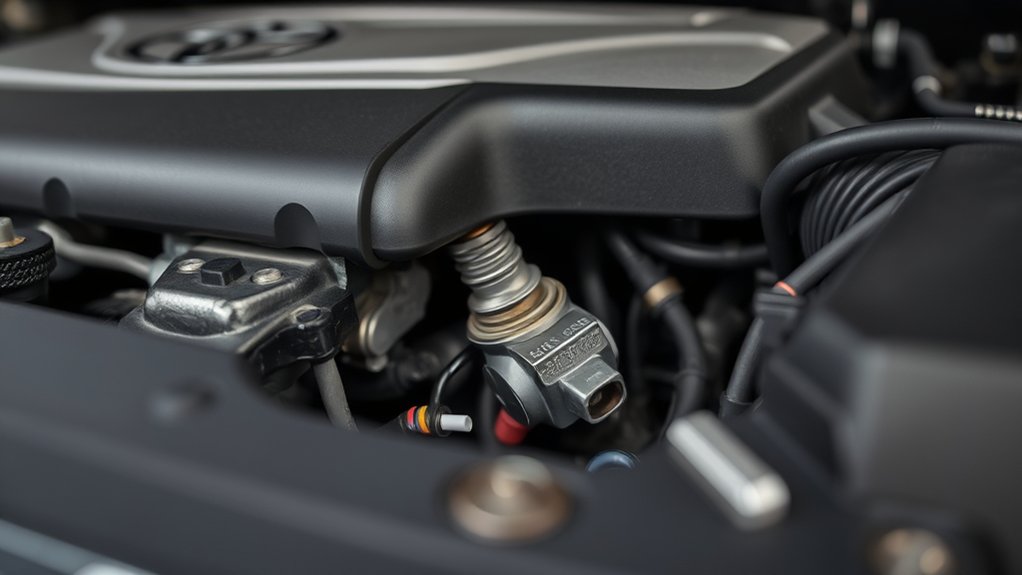
The mass airflow sensor measures the amount, or mass, of air moving through your Camry’s intake system. It sends that information to the engine control module, commonly called the ECM or ECU.
The computer combines the MAF signal with information from other components, including the throttle-position, engine-speed, temperature, and air-fuel or oxygen sensors. It then adjusts fuel-injector operation to match current driving conditions.
A MAF reading is one part of the fuel-control calculation. The engine computer does not rely on the MAF sensor alone.
Gasoline is often described as having an approximate stoichiometric air-to-fuel ratio near 14.7:1 by mass. However, the exact value changes with fuel composition, and your Camry may intentionally command richer or leaner mixtures during cold starting, acceleration, deceleration, and other operating conditions.
How Does the MAF Sensor Function?
Most modern MAF sensors use a heated wire, film, or similar thermal sensing element. Incoming air cools the element, and the sensor’s electronics translate that change into an airflow signal for the ECM. DENSO’s technical overview describes the common plug-in hot-wire design and its integrated intake-air-temperature measurement.
| Sensor Function | How the ECM Uses It |
|---|---|
| Measures incoming air mass | Helps calculate the required fuel quantity |
| Responds to changing airflow | Adjusts fueling as engine speed and load change |
| May include intake-air temperature sensing | Helps compensate for changing air density |
| Provides a signal that can be viewed with a scan tool | Supports diagnosis when compared with RPM, load, and fuel trims |
If the airflow signal becomes inaccurate, the ECM may struggle to calculate appropriate fuel delivery. The result may be hesitation, rough running, reduced performance, abnormal fuel trims, higher emissions, or a diagnostic trouble code.
Where Is the MAF Sensor Located in a Toyota Camry?
On Camrys equipped with a MAF sensor, it is generally installed in the intake path after the air-filter box and before the throttle body. Look for a small sensor body or housing with an electrical connector attached to it.
The sensor may be secured directly to the air-filter housing or inserted into an intake tube with screws. Its shape, connector, fasteners, seal, and exact position vary by model year and engine.
How to Identify It
- Follow the intake tube from the air-filter box toward the engine.
- Look for an electrical connector entering the intake housing or tube.
- Check for a small removable sensor held by screws or bolts.
- Do not confuse the MAF sensor with a nearby throttle-body, pressure, or emissions-system connector.
Why Model Year and Engine Matter
A four-cylinder Camry, V6 Camry, and Camry Hybrid may use different intake layouts, sensor designs, connectors, and specifications. Older generations may also look different from current models.
Use your VIN, engine information, and Toyota service documentation when confirming the location or ordering a replacement. Toyota’s Technical Information System provides model-specific repair manuals, wiring diagrams, service bulletins, and diagnostic procedures.
MAF Sensor vs. MAP Sensor: What Is the Difference?
A MAF sensor measures incoming air in the intake duct. A manifold absolute pressure, or MAP, sensor measures pressure inside the intake manifold. Depending on the engine-management design, the ECM may use one or both signals.
Do not order a part from a generic photo or code description alone. Confirm whether your Camry’s diagnostic procedure refers to the mass air flow meter, intake-air-temperature circuit, manifold-pressure sensor, or another component.
How Can You Tell If Your MAF Sensor Is Failing?
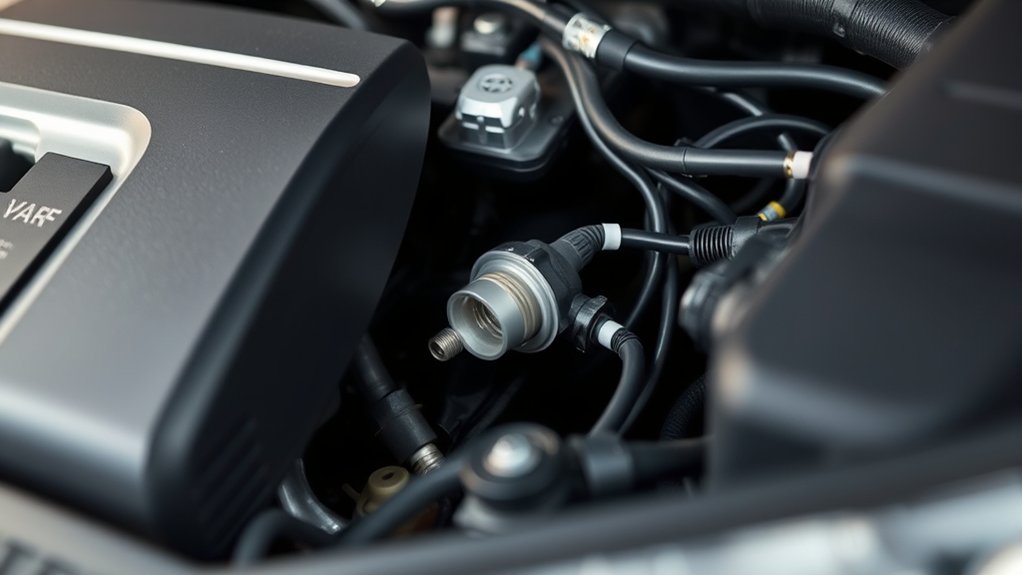
A contaminated or faulty MAF sensor can affect engine operation, but the symptoms overlap with many other problems. Use the following signs as reasons to diagnose the intake and fuel-control systems, not as proof that the sensor needs replacement.
Possible Engine-Performance Symptoms
- Rough or unstable idling
- Stalling after starting or when coming to a stop
- Hesitation during acceleration
- Reduced power or slow throttle response
- Hard starting or extended cranking
- Surging under steady throttle
- Abnormally rich or lean operation
- A noticeable decline in fuel economy
Misfires, fuel-delivery problems, ignition faults, vacuum leaks, throttle-body deposits, and other sensor faults can produce similar symptoms. Diagnosis should cover the complete intake and engine-management system.
Check-Engine Light and P0101
A MAF-related fault may turn on the check-engine light and store a code such as P0100, P0101, P0102, P0103, or P0104. P0101 generally indicates that the measured airflow is outside the expected range or does not agree with other engine data.
P0101 does not automatically mean that the sensor itself is defective. Possible causes include:
- A loose, damaged, or disconnected intake duct
- An air-filter housing that is not fully closed
- A severely restricted or incorrectly installed air filter
- Unmetered air entering after the MAF sensor
- A contaminated sensing element
- Damaged wiring, loose terminals, or connector corrosion
- A power-supply or ground problem
- Other engine-control faults that make the airflow reading appear unreasonable
Poor Fuel Efficiency
Incorrect airflow information can cause the ECM to make unnecessary fuel corrections. However, tire pressure, driving conditions, fuel quality, injector problems, oxygen-sensor faults, thermostat issues, brake drag, and many other conditions can also reduce fuel economy.
Compare fuel use over several similar tanks before treating one low reading as evidence of a failed MAF sensor.
Warning: Stop driving and arrange professional diagnosis if the engine repeatedly stalls, loses enough power to make traffic merging unsafe, produces heavy fuel odors or smoke, or flashes the check-engine light. A flashing malfunction indicator commonly accompanies an active, catalyst-damaging misfire. Follow the warning guidance in the owner’s manual for your exact Camry.
How to Diagnose a MAF Sensor Issue in Your Camry
Begin with basic inspection before cleaning or replacing parts. A systematic process reduces the risk of replacing a functioning sensor.
- Scan all stored and pending codes. Record every code before clearing anything rather than focusing only on P0101. Related lean, rich, misfire, temperature, throttle, or oxygen-sensor codes may change the diagnosis.
- Save the freeze-frame information. Note engine speed, coolant temperature, vehicle speed, calculated load, fuel trims, and MAF data from the moment the fault was recorded.
- Inspect the air filter and housing. Confirm the filter is the correct size, seated properly, and not severely restricted. Make sure every clip and fastener is secured.
- Inspect the intake duct. Look underneath flexible sections for cracks, loose clamps, disconnected hoses, or openings between the MAF sensor and throttle body.
- Check the connector and wiring. Look for broken locks, bent pins, spread terminals, corrosion, rubbed insulation, or wiring stretched too tightly.
- Review live data. Watch whether the MAF signal rises smoothly as RPM increases. Compare it with RPM, throttle position, calculated load, and fuel trims.
- Check for unmetered air. If fuel trims indicate a lean condition, inspect vacuum, PCV, brake-booster, and intake-manifold connections. A professional smoke test can locate small leaks.
- Clean only when appropriate. Cleaning may help if the element is visibly contaminated and the sensor has no electrical or internal failure.
- Replace only after testing. Use Toyota’s year- and engine-specific diagnostic procedure when electrical measurements or scan data point to a failed sensor.
- Verify the repair. Clear codes with a scan tool when appropriate, road-test the vehicle, review live data, and confirm that pending or stored codes do not return.
How to Interpret MAF Live Data
MAF airflow is commonly displayed in grams per second, but no single reading applies to every Toyota Camry. Engine displacement, RPM, temperature, altitude, accessory load, hybrid operating mode, and model-year calibration all affect the value.
A useful test focuses on behavior rather than one universal number. With the engine warm, the reading should generally remain stable at a steady idle and increase smoothly as engine speed and load rise. Sudden dropouts, implausible spikes, or readings that conflict with fuel trims and calculated load deserve further investigation.
Note: Generic rules of thumb can help identify obviously unreasonable data, but they are not Toyota pass-or-fail specifications. Use the repair information for your Camry’s exact model year, engine, and calibration.
Useful Diagnostic Patterns
| Observation | What to Check Next |
|---|---|
| MAF data drops out or jumps while RPM and throttle change smoothly | Inspect the connector and harness, then follow Toyota’s circuit tests for power, ground, and signal integrity. |
| Positive fuel trims accompany a low airflow reading | Check for unmetered air or a sensor that is under-reporting airflow. If intake checks pass, verify fuel delivery as a separate lean-condition cause. |
| Negative fuel trims accompany an unusually high airflow reading | Check for a sensor that is over-reporting, excessive fuel delivery, injector leakage, or another rich-condition cause. |
| P0101 returns after a new sensor is installed | Reconfirm the part number, seal, air-box closure, intake duct, wiring, related codes, and model-specific service information. |
Is Unplugging the MAF Sensor a Valid Test?
Not by itself. When the MAF sensor is disconnected, the ECM may use substitute values and a backup strategy. If the engine runs differently, that only proves the control strategy changed; it does not prove the sensor is defective.
Disconnecting the sensor will also set a fault code. Use the unplug test only when it is part of an appropriate diagnostic procedure, and judge the result together with codes, fuel trims, wiring checks, and live data.
Should You Clean or Replace the MAF Sensor?
Cleaning and replacement solve different problems. Cleaning may help when dirt or oil has coated an otherwise functional sensing element. It will not repair damaged electronics, broken wires, failed internal circuits, corroded terminals, or an incorrect power or ground supply.
Clean the Sensor When
- The sensing element appears contaminated.
- The intake and wiring inspections reveal no other fault.
- Testing and visible or suspected contamination point to a dirty element rather than a circuit fault.
- The sensor has not suffered physical or connector damage.
- You have a cleaner specifically labeled for MAF sensors.
Replace the Sensor When
- Toyota’s diagnostic procedure identifies an internal sensor failure.
- The signal drops out despite correct power, ground, wiring, and airflow.
- The housing, connector, or sensing element is physically damaged.
- Proper cleaning does not correct confirmed contamination-related readings.
- The installed sensor is the wrong part for the vehicle.
How to Clean a Toyota Camry MAF Sensor Safely
- Park outside or in a well-ventilated area and let the engine cool.
- Turn the ignition off and remove the key or keep the smart key away from the vehicle.
- Disconnect the sensor’s electrical connector by releasing its locking tab. Pull on the connector body, not the wires.
- Remove the sensor with the correct screwdriver, Torx bit, socket, or other tool required by your model.
- Hold the sensor by its plastic body. Do not touch the wire, film, or other sensing element.
- Spray the sensing area with cleaner specifically labeled for MAF sensors, following the product directions. The CRC cleaning guide also warns against wiping the element or speeding drying with compressed air.
- Do not use WD-40, brake cleaner, carburetor cleaner, household solvent, brushes, cotton swabs, cloths, or compressed air.
- Allow the sensor to air-dry completely before installation.
- Reinstall it in the correct orientation with its seal properly seated.
- Reconnect the electrical plug and make sure the air-filter housing and intake clamps are secure.
Warning: Aerosol MAF cleaner is highly flammable. Keep it away from hot surfaces, sparks, cigarettes, flames, and other ignition sources. Wear safety glasses and gloves, follow the product label, and never spray it into a running engine.
Pro Tip: Photograph the sensor’s orientation and wiring route before removal. This provides a quick reference if the housing allows the part to be installed in more than one direction.
Should You Choose an OEM MAF Sensor?
A Toyota Genuine sensor offers straightforward vehicle compatibility when ordered with the correct VIN and part number. It may also simplify warranty support through the selling dealer.
However, “OEM is always best” is too absolute. A high-quality sensor from the original-equipment supplier or another reputable manufacturer may also work correctly when it matches Toyota’s specifications. Cheap, incorrectly calibrated sensors can cause persistent drivability problems even when they physically fit.
Before ordering, confirm:
- Your Camry’s model year
- Engine size and engine code
- Hybrid or non-hybrid configuration
- VIN compatibility
- Connector and housing design
- The old sensor’s part number, when available
- Return and warranty terms from the seller
Do not assume a universal five-year or 50,000-mile warranty. Coverage depends on the specific part, purchase, seller, installation, and remaining vehicle warranty. Review Toyota’s current manual and warranty information or ask the selling dealer for written terms.
How to Install a New MAF Sensor in Your Camry
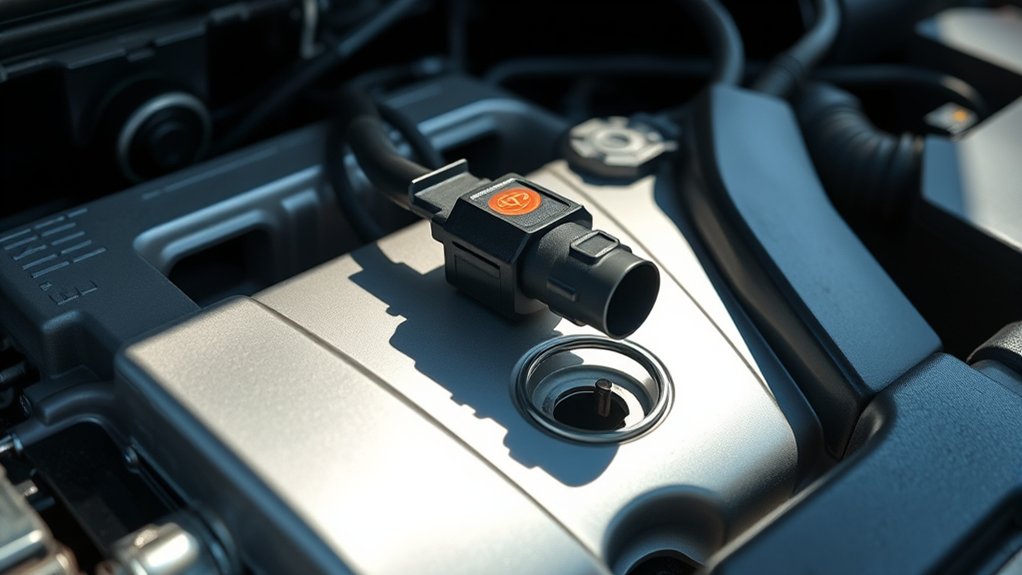
Installation is usually straightforward, but the fastener type, torque, seal, and post-repair procedure can vary. Review the service information for your exact Camry before beginning.
- Confirm the part. Compare the replacement sensor, connector, seal, housing, and part number with the original.
- Prepare the vehicle. Park on a level surface, switch the ignition off, allow the engine to cool, and keep the smart key away from the vehicle.
- Locate the sensor. Follow the intake path from the air-filter housing toward the throttle body.
- Release the connector. Press or lift the locking tab and pull the connector straight from the sensor body.
- Remove the fasteners. Use the correct tool and support the sensor so it does not fall into the engine bay.
- Inspect the mounting area. Check the opening, seal, air-filter housing, and intake duct for dirt, damage, or loose components.
- Install the new sensor. Position it in the same direction as the original and make sure its O-ring or gasket sits correctly.
- Tighten it carefully. Follow the specified torque when available. Do not overtighten small screws into a plastic housing.
- Reconnect the wiring. Push the connector into place until its lock engages.
- Inspect the intake system. Close the air-filter housing and tighten every clamp or hose disturbed during the repair.
- Start and inspect. Confirm a stable idle and check for intake noises, loose parts, or warning lights.
- Clear and verify. Clear diagnostic codes with a scan tool when appropriate, monitor live data, and complete a road test.
A special ECM reset is not automatically required for every Camry. Follow the applicable Toyota procedure. Avoid disconnecting the battery only to turn off the check-engine light because doing so may erase readiness-monitor information and other learned settings.
How to Prevent Future MAF Sensor Problems
The MAF sensor does not have one universal Toyota replacement or cleaning interval. Preventive care should focus on keeping the intake system sealed, filtered, and correctly assembled.
- Replace the engine air filter according to the maintenance guide for your Camry.
- Make sure the filter is correctly seated and the housing is fully closed.
- Inspect the intake tube and clamps whenever the air filter is serviced.
- Avoid over-oiling reusable filters because excess oil may reach the sensing element.
- Keep water, engine cleaner, and compressed air away from the sensor.
- Repair connector locks and damaged wiring instead of relying on tape or loose terminal contact.
- Investigate recurring lean, rich, or airflow codes promptly.
- Clean the sensor only when contamination or diagnosis justifies it.
If a MAF-related code returns after cleaning or replacement, do not keep installing sensors. Recheck the part number, intake system, wiring, fuel trims, related sensors, and Toyota service information.
When Is Professional Diagnosis the Better Choice?
Professional diagnosis is sensible when the Camry stalls in traffic, has a flashing check-engine light, has several related codes, or still has P0101 after the intake system and replacement part have been rechecked. It is also the safer choice when circuit testing requires back-probing connectors or when a smoke test is needed to find a small intake leak.
A technician with Toyota service information and a capable scan tool can compare commanded and measured data, perform circuit tests, inspect technical service bulletins, and verify the repair without repeatedly replacing parts.
Related Guides
Frequently Asked Questions
What should a Toyota Camry MAF sensor read at idle?
No single grams-per-second value applies to every Camry. The correct reading depends on engine size, model year, temperature, altitude, electrical load, hybrid operating state, and calibration. With the engine warm, look for a stable reading that responds smoothly to RPM changes, then compare it with Toyota’s specifications and related data such as fuel trims and calculated load.
How does the MAF sensor work?
The sensor uses a heated element to detect incoming air mass. As air passes the element, it changes the amount of heat removed from it. The sensor converts that change into a signal, and the ECM uses the signal with other engine data to calculate fuel delivery.
What should my mass airflow sensor read while driving?
The reading should generally increase as engine speed, throttle opening, and load increase. Exact values vary widely, so diagnose the pattern and compare it with RPM, throttle position, fuel trims, calculated load, and Toyota’s model-specific service information rather than using one universal range.
Can I use WD-40 to clean a MAF sensor?
No. WD-40 and other general-purpose products may leave residue or damage sensitive materials. Use only a cleaner specifically labeled for mass airflow sensors, follow its safety instructions, and let the sensor air-dry completely.
Does a P0101 code mean I need a new MAF sensor?
Not necessarily. P0101 means the airflow signal is outside the expected range or does not agree with other engine information. Intake leaks, loose air-box parts, wiring faults, contamination, restrictions, or other engine problems can trigger the same code.
Do I need to reset the ECU after replacing the MAF sensor?
A special reset is not required on every Camry. You may need to clear stored codes with a scan tool and complete a road test or readiness cycle. Follow the procedure for your model year instead of disconnecting the battery solely to erase the warning light.
Can I drive with a bad Toyota Camry MAF sensor?
A Camry may continue running with an inaccurate MAF signal, but drivability and fuel control can worsen. Avoid driving if the engine stalls, lacks safe merging power, smells strongly of fuel, produces smoke, or has a flashing check-engine light. Otherwise, arrange diagnosis promptly and avoid unnecessary trips.
Will unplugging the MAF sensor confirm that it is bad?
No. The ECM may substitute a calculated airflow value when the sensor is disconnected, so a change in how the engine runs is not proof of sensor failure. The test also creates a fault code. Confirm the diagnosis with wiring checks, live data, fuel trims, intake inspection, and Toyota’s procedure.
Can an aftermarket air filter cause MAF problems?
An incorrectly fitted, damaged, excessively restricted, or over-oiled filter can contribute to airflow errors or contamination. The brand alone does not prove the cause. Confirm that the filter matches the housing, is seated correctly, and has not allowed dirt or excess oil to reach the sensor.
Conclusion
Your Toyota Camry’s MAF sensor provides important airflow information, but rough idling, poor acceleration, reduced fuel economy, and P0101 do not prove that the sensor has failed. Start with the air filter, housing, intake duct, connector, wiring, all stored codes, freeze-frame information, fuel trims, and live data.
Clean the sensor only with a dedicated MAF product when contamination is likely. Replace it only after testing supports that decision, and confirm the correct part with your VIN and engine information. After the repair, inspect every intake connection, review live data, and make sure the code does not return.
Sources
- Toyota Technical Information System — Toyota repair manuals, service bulletins, wiring diagrams, diagnostic procedures, and model-specific service information.
- Toyota Manuals and Warranties — vehicle-specific owner manuals, maintenance guidance, and warranty information.
- Toyota Warning Lights — model-specific warning-light guidance and links to owner manuals.
- DENSO Mass Air Flow Sensors — sensor design, location, operation, installation, air-leak checks, and failure symptoms.
- CRC Industries MAF Cleaning Guide — handling, cleaning, drying, ventilation, and solvent-use guidance.
- CRC MAF Cleaner Product Information — flammability classification, ventilation, personal-protective-equipment, and product specifications.
