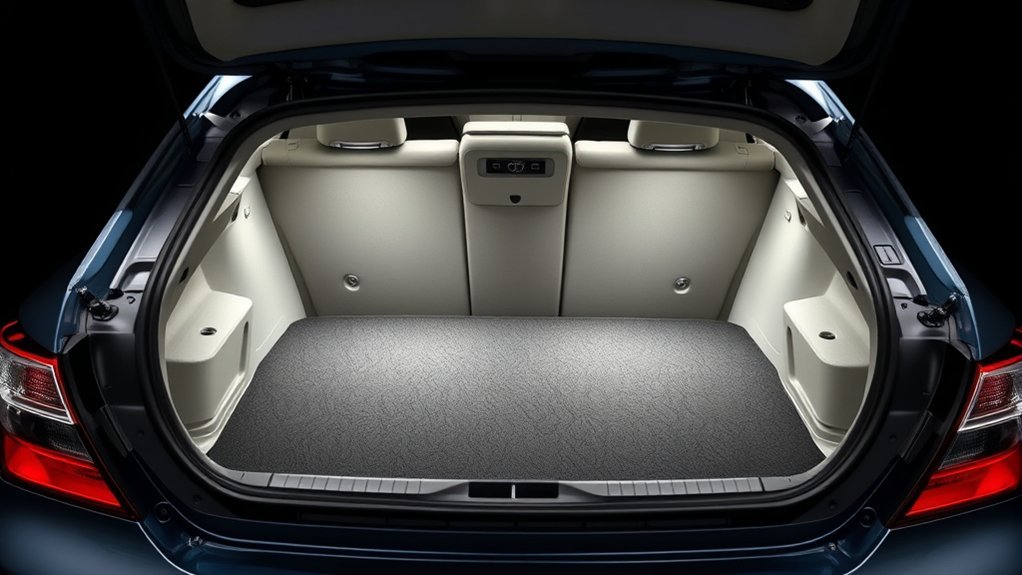
The Toyota Camry gives you a useful sedan trunk for groceries, work bags, gym gear, weekend luggage, and other daily cargo. For the recent Camry sedan, the key number to know is about 15.1 cubic feet of trunk space. That is practical for everyday driving, but the trunk shape, hinge clearance, rear-seat pass-through, and your item dimensions matter just as much as the published cargo-volume number.
Quick Answer
The Toyota Camry trunk measures about 15.1 cubic feet in the recent current-generation sedan. That is enough for daily errands, several grocery bags, gym gear, and a couple of medium suitcases. For bulky items, fold the 60/40-split rear seats and check the trunk opening, hinge space, and cargo length before loading.
Key Takeaways
- The Toyota Camry offers about 15.1 cubic feet of trunk space in the recent sedan body style.
- The trunk works well for groceries, backpacks, carry-ons, work bags, and weekend luggage.
- Fold the 60/40-split rear seats when you need extra length for flat or narrow items.
- Large boxes, strollers, golf bags, and hard-sided suitcases depend more on shape and opening size than the cubic-foot rating alone.
- A hatchback, liftback, wagon, or SUV will usually carry bulky cargo more easily than a Camry sedan.
What Is the Toyota Camry’s Trunk Size?

The Toyota Camry has about 15.1 cubic feet of trunk space in the recent sedan. Kelley Blue Book’s 2025 Camry coverage also notes the Camry’s 15.1-cubic-foot cargo area and wide trunk opening.
That number makes the Camry practical for normal sedan use. You can carry groceries, backpacks, laptop bags, sports gear, and weekend luggage without feeling cramped. The trunk is not as flexible as a hatchback or SUV cargo area, but it gives you solid space for a midsize sedan.
The Camry’s 15.1-cubic-foot trunk is best judged by both volume and shape. A wide opening helps, but tall boxes and oversized hard-sided luggage still need a test fit.
The 60/40-split rear seats add flexibility when you need more length. Fold one side for narrow items while leaving a rear passenger seat available, or fold both sides when you need the longest pass-through space.
Note: Trunk capacity can vary by model year, market, and trim. If you are shopping for a specific used Camry, check that model year’s official specs or owner’s manual before buying cargo accessories.
What Fits in a Toyota Camry Trunk?
The Camry trunk works best with soft, stackable, or rectangular items. Hard-sided bulky items may fit less easily because the trunk opening and hinge area limit how you angle them into place.
| Groceries | Several grocery bags fit easily, especially if you use bins or a trunk organizer. |
| Carry-on luggage | Two to three carry-ons usually fit, depending on shape and how full they are. |
| Large suitcases | A couple of medium-to-large suitcases may fit, but oversized hard-shell cases need a test fit. |
| Golf bags | One golf bag is realistic for many setups, but you may need to angle it or fold a rear seat. |
| Strollers | Compact folding strollers are easier. Full-size strollers depend on folded dimensions. |
| Long flat items | Fold the rear seats for narrow items such as curtain rods, small boxes, or flat-pack furniture. |
Camry vs. Competitors: Trunk Size Comparison
The Toyota Camry’s trunk is competitive for a midsize sedan, but it is not the biggest in the class. The Honda Accord, for example, is often cited with a larger 16.7-cubic-foot trunk. That gives the Accord a clear advantage if trunk volume is your top priority.
The Camry still gives you enough room for everyday cargo. The bigger issue is body style. A liftback, hatchback, wagon, or SUV will usually beat a sedan when you need to carry tall boxes, pet crates, bulky strollers, or odd-shaped gear.
| Vehicle type | Cargo advantage | Best for |
|---|---|---|
| Toyota Camry sedan | About 15.1 cubic feet, with a useful trunk opening | Daily errands, commuting, groceries, luggage, and road trips |
| Larger midsize sedan | May offer a bit more trunk volume | Families that want a sedan but prioritize luggage space |
| Hatchback or liftback | Wider access and easier loading for tall items | Bulky cargo, pet crates, and larger boxes |
| SUV or wagon | Taller cargo area and easier vertical stacking | Strollers, sports gear, home-improvement runs, and frequent family travel |
Toyota Camry Trunk Design: Features and Limitations
The Camry trunk is easy to use for most daily items because the opening is wide for a sedan. Still, like many sedans, the trunk has limits. Hinge arms can intrude into the cargo area, and the pass-through behind the rear seats works better for long narrow items than for tall boxes.
| Feature | What It Helps With | Limitation |
|---|---|---|
| Trunk volume | About 15.1 cubic feet for daily cargo | Not as flexible as a hatchback or SUV |
| 60/40-split rear seats | Adds length for narrow or flat items | Tall cargo may still not pass through cleanly |
| Wide trunk opening | Makes bags and luggage easier to slide in | Opening height can still limit bulky boxes |
| Trunk hinges | Allow a traditional sedan trunk lid | Can press into soft bags or reduce usable corner space |
| Sedan trunk shape | Keeps cargo hidden and separate from the cabin | Less vertical room than an SUV cargo area |
How to Measure Before Loading Large Items
Published cargo volume tells you the general size of the trunk, but it does not guarantee that a specific item will fit. Before you load a large box, stroller, cooler, or suitcase, measure the item and compare it with the trunk opening and usable floor area.
- Measure the item’s longest side. This matters most for golf bags, folding chairs, and flat-pack furniture.
- Check the item’s height. Tall boxes may fail to clear the trunk opening even when the trunk volume seems large enough.
- Look at the hinge path. Keep soft bags away from hinge arms so the lid can close without crushing them.
- Fold the rear seats when needed. Use the 60/40 split to carry longer items while keeping part of the rear seat available.
- Test the lid before driving. Do not force the trunk closed over cargo that blocks the latch or pushes against the glass.
Warning: Do not overload the car or leave heavy cargo loose. Check the vehicle’s load-limit label and secure heavy items so they cannot slide forward during sudden braking.
Effective Tips for Trunk Organization in Your Camry

Good organization helps you use the Camry’s trunk space more efficiently. Instead of letting small items roll around, group them by use and keep emergency gear separate from groceries or luggage.
- Use collapsible storage containers. They keep groceries, cleaning supplies, and sports gear upright, then fold flat when you need the full trunk.
- Add a trunk organizer with dividers. This works well for jumper cables, microfiber towels, umbrellas, reusable bags, and small tools.
- Keep heavy items low and forward. Place heavier cargo near the back of the rear seats to reduce shifting.
- Use soft bags for road trips. Duffel bags and soft luggage fit the sedan trunk shape better than rigid boxes.
- Clear out unused items monthly. Extra weight reduces efficiency and leaves less room when you need the trunk most.
Pro Tip: Keep one small folding bin in the trunk for groceries and one slim pouch for emergency items. That gives you organization without permanently giving up cargo space.
Maximizing Cargo Space in Your Camry
To maximize cargo space in your Camry, start with the items that are hardest to fit. Load large flat items first, then fill gaps with soft bags. Place fragile items where the trunk lid and hinges will not press against them.
If you need extra length, fold one side of the 60/40-split rear seat. This setup helps with long and narrow cargo, such as curtain rods, small shelves, folding chairs, or sports equipment. For wide or tall cargo, a sedan trunk still has limits, so measure first.
For road trips, pack by priority. Put items you will not need until arrival at the back of the trunk. Keep snacks, jackets, charging cables, and emergency items closer to the opening so you can reach them quickly.
Best Practices for Loading Bulky Items in the Camry
Bulky items can fit in a Camry, but you need to load them carefully. The trunk’s cubic-foot rating does not tell you the whole story because bulky items may be too tall, too rigid, or too awkward for the opening.
- Fold the rear seats before lifting heavy cargo. This gives you more room to angle long items into place.
- Load wide items straight, then rotate if needed. Forcing an item through the opening can damage trim or weather seals.
- Protect the trunk floor. Use a cargo mat, blanket, or liner when carrying tools, plants, or rough boxes.
- Avoid blocking the rear window. If cargo extends into the cabin, make sure you still have safe visibility.
- Do not force the trunk lid closed. If the lid does not shut easily, remove or reposition the item.
For frequent bulky cargo, the Camry may not be the right body style. A hatchback, wagon, crossover, or SUV will usually make loading tall and awkward items easier.
Why Do Trunk Dimensions Matter for Your Daily Needs?

Trunk dimensions matter because daily cargo rarely arrives in perfect cube shapes. A trunk can have a good volume rating but still struggle with a tall cooler, a rigid stroller, or a large box that will not clear the opening.
The Camry’s trunk works well if your normal cargo includes groceries, backpacks, work gear, gym bags, and luggage. It also keeps your belongings hidden, which is one advantage of a sedan trunk over an open SUV cargo area.
If you often carry baby gear, sports equipment, large tools, or home-improvement supplies, focus on the trunk opening and rear-seat fold-down area. Those details will tell you more about day-to-day usability than the cargo-volume number alone.
Related Guides
Frequently Asked Questions
How big is the trunk of a Toyota Camry?
The Toyota Camry trunk is about 15.1 cubic feet in the recent sedan. That gives you enough room for daily errands, groceries, work bags, gym gear, and weekend luggage.
Can two large suitcases fit in a Camry trunk?
Two large suitcases may fit if they are not oversized or overpacked. Soft-sided luggage usually fits more easily than hard-shell luggage. For airport-style checked bags, measure the suitcases and test the trunk opening before a trip.
What year was the bad Toyota Camry?
No single Camry year is “bad” for trunk space. If you are asking because you plan to buy a used Camry, check the exact model year, service history, inspection results, and open recalls. You can also search a VIN through the NHTSA recall lookup.
How many cubic feet is the trunk of a 2025 Camry?
The 2025 Toyota Camry has about 15.1 cubic feet of trunk space. It is practical for a midsize sedan, especially if you use soft luggage, bins, and the folding rear seats for longer items.
Do Toyota Camry rear seats fold down?
Many recent Camry models include 60/40-split folding rear seats. This helps when you need to carry longer items, although the sedan pass-through is still more limited than an SUV or hatchback cargo area.
Conclusion
The Toyota Camry’s 15.1-cubic-foot trunk gives you useful everyday cargo space without making the car feel large or difficult to drive. It handles groceries, work bags, gym gear, carry-ons, and weekend luggage well.
For bulky cargo, focus on the trunk opening, hinge clearance, and rear-seat fold-down area. If you measure first, pack soft bags where possible, and keep heavy items secure, you can get much more practical use from the Camry’s sedan trunk.
Sources
- Kelley Blue Book via MarketWatch — supports the 2025 Camry’s 15.1-cubic-foot cargo-area claim and current-generation context.
- Good Housekeeping / Car and Driver 2026 Family Car Awards — supports the Honda Accord trunk-space comparison.
- Car and Driver — supports current 2026 Honda Accord market context.
- Car and Driver — supports current 2026 Nissan Altima market context.
- NHTSA Recalls — supports checking a used vehicle by VIN for open safety recalls.