A fogged Toyota Tacoma windshield can block your view within seconds, especially during cold mornings, rain, or sudden humidity changes. The safest response is to identify which side of the glass is wet, use the front windshield defogger correctly, and wait until you have a clear view before continuing your drive.
Quick Answer
To defog a Toyota Tacoma windshield quickly, select the front windshield defogger, raise the fan speed, use a warm temperature, keep A/C on, and switch to outside-air mode. If the moisture is outside, use the wipers. Do not drive until the windshield and front side windows provide a clear view.
Key Takeaways
- Use the front windshield defogger, high fan speed, A/C, warm air, and outside-air mode for interior condensation.
- Run the wipers first to determine whether the moisture is on the outside of the windshield.
- Remove wet items, clean the interior glass, and address damp carpets or leaks to prevent recurring fog.
- Avoid wax, potatoes, and other household treatments that may leave haze or residue in your line of sight.
At a Glance
| Time Required | Usually 1–5 minutes, depending on temperature and cabin moisture |
| Difficulty | Easy |
| Tools Needed | Tacoma climate controls; clean microfiber cloth when parked |
| Cost | No cost for normal defogging; optional glass cleaner or anti-fog treatment costs extra |
Quick Steps to Defog Your Windshield Fast
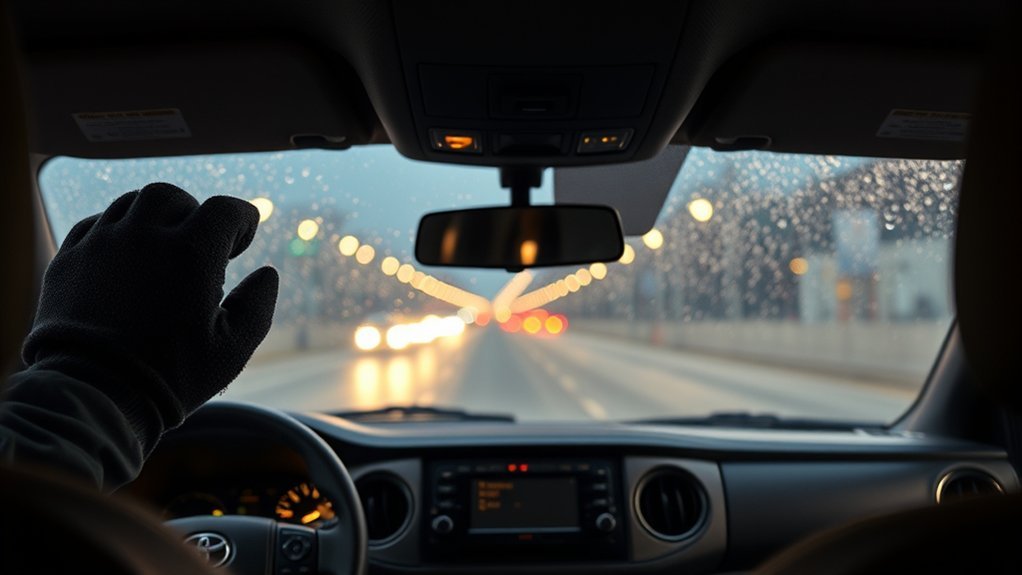
- Check which side is fogged. Run the windshield wipers once. If they clear the view, the moisture is outside. If they do not, condensation is inside the cabin.
- Select the front windshield defogger. Look for the curved windshield symbol with upward-pointing wavy arrows. Do not confuse it with the rectangular rear-window defogger symbol.
- Increase the fan speed. Stronger airflow moves more dry air across the windshield and front side windows.
- Choose a warm temperature. Warm, dry air usually clears a cold windshield faster than cold air. Maximum heat is not necessary in every situation.
- Keep the A/C system on. Air conditioning helps dry the air before it reaches the glass. Some Tacoma climate-control systems activate A/C automatically in windshield-defog mode.
- Use outside-air mode. Turn recirculation off so the system can replace humid cabin air with outside air.
- Crack a window only when useful. Opening a window briefly can help when the outside air is drier than the air inside your Tacoma.
- Wait for a clear view. Confirm that the windshield, front side windows, and mirrors are clear before driving.
Warning: Do not keep driving when fog blocks your view. Slow down, avoid sudden movements, and pull into a safe location if the windshield does not clear promptly. Never try to wipe the inside glass while steering through traffic.
Pro Tip: Leave the defog setting running for a few minutes after the glass clears. This warms and dries the windshield, which can reduce immediate refogging.
Tacoma buttons, automatic functions, and climate-control menus vary by model year and trim. Use Toyota’s official manuals portal to check the instructions for your exact truck.
Clearing Frost and Ice
Frost and ice are different from interior fog and require more time. Start the truck in a well-ventilated outdoor location, select the windshield defogger, and allow the glass to warm gradually. Use a proper ice scraper and winter-rated washer fluid once the wiper blades are free.
Do not force frozen wipers across the windshield. The National Highway Traffic Safety Administration recommends checking that defrosters, windshield wipers, and washer systems work before winter conditions arrive.
Understanding Windshield Fog: Causes and Solutions
Windshield fog forms when humid air reaches glass that is cooler than the air’s dew point. Water vapor then condenses into tiny droplets that scatter light and reduce visibility. Breathing, wet coats, snow-covered shoes, damp floor mats, rainwater, and cabin leaks can all raise interior humidity.
| Condition | How to Identify It | Best Response |
|---|---|---|
| Interior condensation | Wipers do not clear the haze | Front defogger, A/C, warm air, high fan, and outside-air mode |
| Exterior condensation or rain | Wipers clear the glass temporarily | Use the wipers and adjust cabin temperature to reduce the glass-temperature difference |
| Frost or ice | Solid frozen layer on the outside | Warm the glass gradually and use an ice scraper |
| Roadway fog | Air outside the truck limits how far you can see | Use low beams, slow down, increase following distance, and stop safely if visibility approaches zero |
Note: The front windshield defogger uses directed airflow. The rear-window defogger normally uses an electric heating grid and will not clear condensation from the front windshield.
Inside Fog Versus Roadway Fog
Condensation on the windshield and fog in the roadway require different responses. Your climate controls can clear moisture from the glass, but they cannot remove fog from the air outside the truck.
When roadway fog limits visibility, follow the National Weather Service’s fog-driving guidance: slow down, use low-beam headlights, leave extra distance, and avoid high beams. Pull into a safe location if visibility becomes extremely limited.
Proven Methods to Prevent Windshield Fogging
You cannot prevent every instance of condensation, but you can reduce the cabin moisture and glass residue that make fogging worse.
- Remove wet items. Take soaked coats, towels, boots, and sports equipment out of the cab when you finish driving.
- Dry the floor and mats. Snow, rainwater, or a drink spill can keep releasing moisture for hours.
- Clean the interior windshield. Smoke film, dashboard residue, dust, and fingerprints make condensation appear hazier and harder to clear.
- Use outside air periodically. Long periods of recirculation can allow moisture from occupants to build inside the cab.
- Keep windshield vents open. Do not place papers, covers, electronics, or other objects over the dashboard defog vents.
- Check for water entry. Damp carpet after rain or washing may indicate a door, window, body, or drain leak that needs attention.
- Maintain airflow. Inspect the cabin air filter when airflow becomes weak and replace it according to your Tacoma’s maintenance guide.
Air conditioning helps dry supplied air while it operates. The U.S. Department of Energy explains that air-conditioning systems transfer heat through an evaporator and that poor dehumidification is a sign of ineffective system performance.
Useful Products for Windshield Fog Prevention
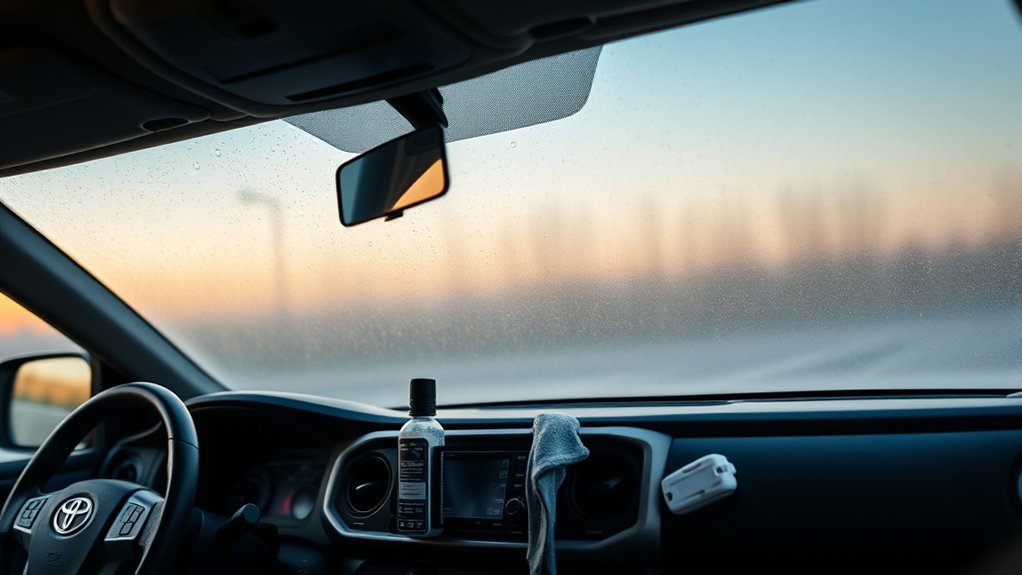
Products can support your Tacoma’s climate-control system, but they should not replace the front defogger or proper ventilation. Choose products intended for automotive use and follow their labels.
- Automotive glass cleaner: Use a residue-free formula that is suitable for the inside of vehicle windows.
- Clean microfiber towels: Keep separate towels for interior and exterior glass so wax, grease, or road grime does not transfer to the cabin side.
- Interior anti-fog treatment: Use only a product whose instructions specifically permit application to interior automotive glass.
- Ice scraper and snow brush: Keep these in the truck during freezing weather for exterior frost and snow.
- Winter washer fluid: Select a fluid rated for the temperatures you expect and keep the reservoir filled.
- Secured reusable desiccant: A leak-resistant moisture absorber may help a persistently damp truck while parked, but it will not clear an actively fogged windshield.
Products and Remedies to Avoid
- Interior wax or polish: Do not apply car wax, paint polish, or an exterior water-repellent product to the inside windshield unless its label specifically allows that use.
- Potato, shaving cream, soap, or detergent hacks: Household remedies may leave streaks or residue that increases glare.
- Open or spillable moisture containers: Loose liquid-collecting products can tip during braking or cornering. Any moisture absorber should be sealed, secured, and used according to its safety instructions.
- Dirty rags or paper towels: These can spread oils, leave lint, or create additional haze.
How to Maintain a Clear Windshield
Regular checks help the defogging system work when you need it. Use condition-based maintenance instead of relying on one interval for every Tacoma and climate.
| Action | When to Do It | Why It Matters |
|---|---|---|
| Clean the interior windshield | When haze, fingerprints, or nighttime glare becomes visible | Removes film that makes condensation harder to see through |
| Inspect wiper blades | Before severe weather and whenever they streak, chatter, or skip | Ensures exterior moisture can be cleared effectively |
| Inspect the cabin air filter | At the interval in your maintenance guide or sooner if airflow weakens | A heavily restricted filter can reduce air reaching the windshield |
| Test the defog mode and A/C | Before winter or a rainy season and whenever performance changes | Finds airflow, mode-selection, or cooling problems before visibility is affected |
| Check carpets and weather seals | After heavy rain, washing, water crossings, or unexplained recurring fog | Identifies hidden moisture that keeps raising cabin humidity |
Keep a clean microfiber cloth in the truck for use while safely parked. Wiping the glass should be a backup cleaning step, not a substitute for repairing weak airflow or an inoperative defogging system.
Troubleshooting a Tacoma Windshield That Will Not Defog
Airflow Is Weak
Set the fan to a high speed and confirm that air reaches the base of the windshield. Remove anything covering the dashboard vents. If airflow remains weak, inspect the cabin air filter and have the blower system checked.
Air Does Not Reach the Windshield
The climate-control mode door or actuator may not be directing air correctly. Cycle between floor, panel, and windshield modes while parked. Arrange service if the airflow direction does not change.
The A/C Does Not Help
Some systems limit compressor operation at very low outside temperatures. However, poor cooling in warm weather, unusual noises, or no change in defogging performance may indicate an A/C fault that requires diagnosis.
Fog Returns Immediately
Remove wet clothing and gear, switch off recirculation, and check the floor mats and carpet for moisture. Persistent fog after rain may point to water entering the cab.
Only One Area Stays Fogged
Check whether a vent is blocked or closed. Uneven airflow may also indicate a duct or climate-control problem.
The Defogger Does Not Work
If the fan, mode selection, A/C, or temperature control fails, do not rely on household treatments to compensate. Have the HVAC system inspected before driving in conditions likely to cause condensation or frost.
Related Guides
Frequently Asked Questions
How can I make my Toyota Tacoma windshield defog faster?
Select the front windshield defogger, raise the fan speed, choose a warm temperature, keep A/C on, and turn recirculation off. Remove wet items from the cab and crack a window briefly when the outside air is drier. Wait until the glass is clear before moving.
Which button defogs the windshield in a Toyota Tacoma?
Use the button or climate-control mode showing a curved front windshield with upward wavy arrows. The rectangular symbol with heating lines normally controls the rear-window defogger. Consult the owner’s manual because the control layout varies by Tacoma model year and trim.
Should I use recirculation while defogging the windshield?
Usually, no. Outside-air mode helps replace humid cabin air with fresher air. Some Tacoma defog modes change this setting automatically. You can return to recirculation later for comfort if the windows remain clear.
Why does the A/C turn on when I select windshield defog mode?
The A/C system helps remove moisture from the supplied air. The climate system can then direct warmer, drier air across the windshield, which clears interior condensation more effectively than humid cabin air.
Does rubbing a potato on a windshield prevent fog?
A potato is not a dependable automotive defogging method and may leave starch, streaks, or residue on the glass. Use the Tacoma’s defogging system, a clean microfiber cloth while parked, and an anti-fog product labeled for interior automotive glass.
How do I know whether the fog is inside or outside the windshield?
Run the wipers once. If the view clears, the moisture is outside. If the wipers make no difference, the condensation is inside and you should use the front defogger, A/C, warm air, and outside-air mode.
Conclusion
To clear a fogged Toyota Tacoma windshield, first determine whether the moisture is inside or outside. For interior condensation, use the front windshield defogger with strong airflow, warm air, A/C, and outside-air mode. Use the wipers for exterior moisture and allow extra time for frost or ice.
Recurring fog usually points to excess cabin moisture, dirty glass, weak airflow, or an HVAC problem. Remove wet items, inspect damp carpets, follow your Tacoma’s maintenance guide, and arrange service when the defogging system does not work properly. Most importantly, stop in a safe location whenever the windshield prevents a clear view of the road.
Sources
- Toyota Manuals and Warranties — model-year-specific Tacoma controls, owner documentation, and maintenance guidance
- National Highway Traffic Safety Administration: Winter Driving Tips — defroster, wiper, washer-fluid, and winter visibility preparation
- National Weather Service: Driving in Fog — safe driving practices when outside fog reduces roadway visibility
- U.S. Department of Energy: Air Conditioning — air-conditioning operation and dehumidification performance
- 49 CFR § 571.103: Windshield Defrosting and Defogging Systems — federal motor-vehicle standard covering windshield defrosting and defogging systems