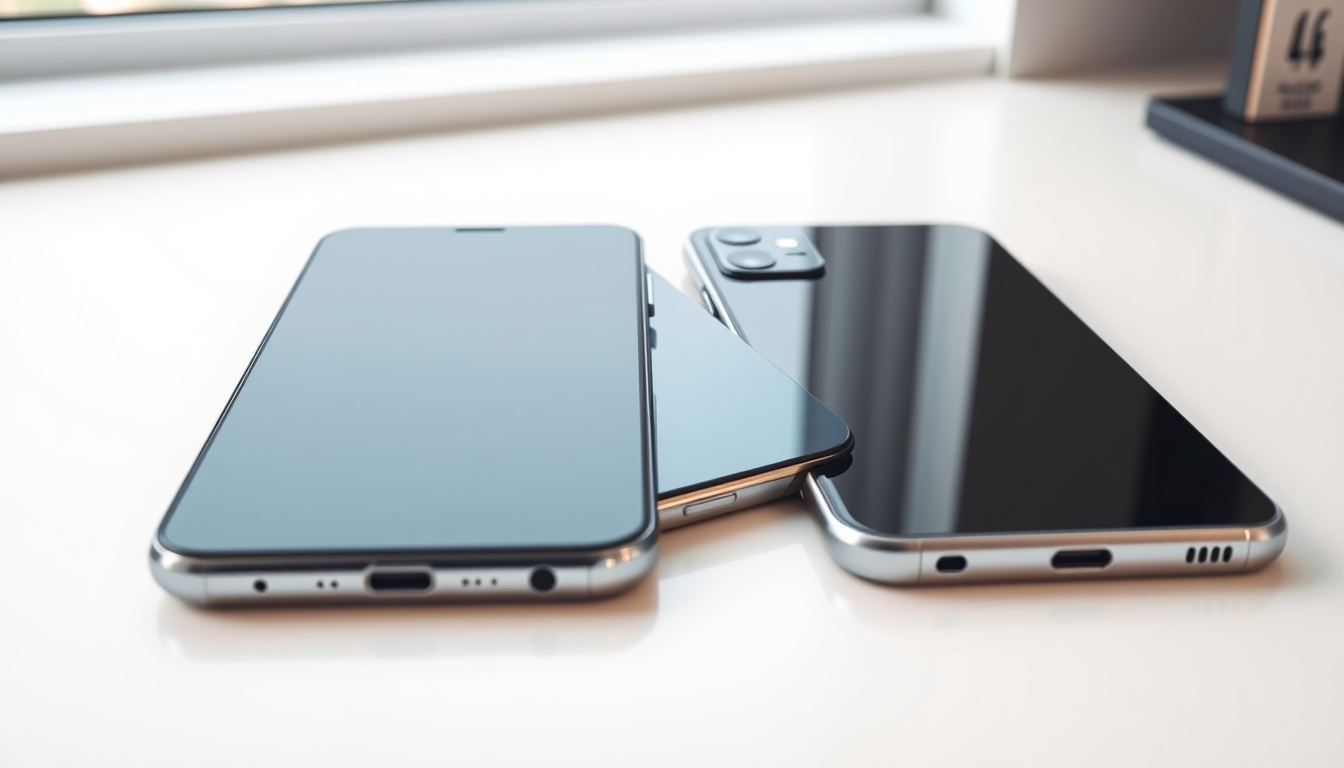
Have you ever seen the Unplugged Phone and thought it looked a lot like an iPhone? The resemblance is hard to miss. It comes from familiar smartphone design choices, market expectations, and the influence Apple has had on modern mobile hardware.
The Unplugged Phone uses many design cues that people now associate with premium smartphones: rounded corners, a clean front face, a slim body, and a polished finish. Those choices help the phone feel familiar, modern, and easy to understand at first glance.
Still, looking like an iPhone does not mean the phone is an iPhone or that it works the same way. The design may feel familiar, but the brand, software, privacy approach, features, and overall user experience can differ in important ways.
Quick Answer
The Unplugged Phone looks like an iPhone because many modern smartphones use similar design language: rounded corners, a large touchscreen, slim edges, and premium-looking materials. Apple helped popularize that style, and other brands often use familiar layouts because consumers recognize and trust them.
Key Takeaways
- Many phones look similar because large screens, rounded corners, and slim bodies have become standard smartphone design choices.
- Apple’s design language strongly shaped what many people now see as a premium phone.
- A familiar design can make a new phone feel easier to trust, but it does not guarantee the same quality or features.
- Legal issues can arise when a product copies protected design elements too closely.
- You should compare software, privacy features, hardware, carrier support, and warranty before buying any iPhone-like phone.
Design Similarities
Have you ever picked up an Unplugged Phone and thought it looked just like an iPhone? That reaction makes sense. The phone uses several familiar smartphone design elements that are often linked with Apple’s clean and polished style.
These similarities are not only about appearance. A phone’s shape, size, materials, and colors all affect how it feels in your hand and how premium it seems before you even turn it on.
Shape And Size
The first thing you notice is the shape. The phone uses a rectangular body with rounded corners, which has become one of the most recognizable smartphone design patterns. This shape also serves a practical purpose because it fits comfortably in your hand and pocket.
The size can also feel familiar. Modern smartphones often use similar dimensions because users expect a large screen without a body that feels too bulky. When you hold a device with a slim frame and rounded edges, it can easily remind you of an iPhone.
Material Choices
The materials and finish also help create the iPhone-like impression. A smooth front, clean edges, and a premium-looking body can make a phone feel more expensive than a basic plastic device.
Many smartphone makers choose glass-like surfaces, metal-style frames, or matte finishes because these details signal quality. The Unplugged Phone appears to follow that same design logic by aiming for a sleek and modern feel.
Color Options
Color is another reason the phone may remind you of an iPhone. Minimal color palettes such as black, silver, gray, gold, and soft neutral tones are common in premium smartphones.
These colors are not chosen randomly. They feel safe, modern, and widely appealing. They also make the device look professional, which can matter to buyers who want a phone that looks clean without standing out too much.
Note: Similar design does not always mean copying. Many smartphones share basic design traits because touchscreens, cameras, speakers, antennas, and batteries all create similar engineering limits.
Influence Of Apple’s Aesthetic
Apple’s design style has influenced the mobile phone industry for years. The iPhone helped make slim bodies, rounded corners, minimal buttons, and polished finishes feel normal for premium smartphones.
Because of that influence, many phones now follow the same broad visual formula. The Unplugged Phone may look iPhone-like because Apple’s design choices helped shape what consumers expect from a modern device.
Industry Trends
Apple’s design success set a high bar for smartphone appearance. Other companies often follow design trends that buyers already recognize. A slim profile, rounded corners, a large display, and minimal front-facing clutter now feel standard.
Manufacturers use these features because they make phones look current and easy to use. In a crowded market, visual appeal can affect whether someone stops to learn more about a device.
Consumer Preferences
Many consumers like Apple’s clean design because it feels simple, premium, and familiar. Even people who do not buy an iPhone may still prefer a phone with a similar look.
Manufacturers understand this. A familiar design can make a new phone feel less risky to buyers. It can also help users feel comfortable with the device before they explore its features.
A phone that looks familiar can feel easier to trust, but design alone does not prove performance, privacy, durability, or long-term support.
Marketing Strategies
Marketing plays a big role in why some phones look like well-known devices. In a competitive market, a familiar appearance can help a product get attention faster.
The Unplugged Phone resembles an iPhone in ways that may support its positioning. The design can make the phone seem premium, modern, and easy to compare with other high-end smartphones.
Brand Positioning
The Unplugged Phone positions itself as a modern smartphone with a polished identity. A sleek design helps support that image because buyers often connect clean hardware with higher quality.
This visual connection can shape first impressions. When a device looks refined, people may assume it offers better materials, smoother software, and stronger overall value. That is why design matters so much in phone marketing.
Target Audience
This type of phone may appeal to tech-aware users who want a stylish device with a different brand philosophy. A familiar look can attract people who like the iPhone’s design but want an alternative experience.
Young professionals, privacy-focused users, students, and minimalist tech buyers may all notice the design. Some may want a premium-looking phone without choosing the same ecosystem as everyone else.
Familiarity As A Selling Point
Familiarity reduces friction. When a phone looks like something people already understand, they need less time to process it. The shape, screen layout, and button placement can all make the device feel approachable.
This does not mean every similar-looking phone offers the same experience. It only means the design language can make the first impression easier and more comfortable.
Pro Tip: When comparing an iPhone-like phone, look beyond the body shape. Check the operating system, update policy, app support, repair options, camera quality, privacy controls, and carrier compatibility.
Legal Implications
Unplugged phones that mimic iPhone-style designs can raise legal concerns if the similarity goes beyond general smartphone trends. Companies must avoid copying protected design elements, branding, trademarks, or patented features.
The line between inspiration and infringement can be difficult to judge. A rounded rectangle alone may be common, but a full combination of protected visual elements can create legal risk.
Intellectual Property Laws
Intellectual property laws protect creative work, brand identity, and certain product designs. In smartphones, this can include design patents, trademarks, trade dress, software elements, packaging, and other recognizable features.
If one phone looks too close to another brand’s protected design, the maker could face legal challenges. These cases often depend on the exact details, the country, and whether buyers may be confused about the product’s source.
Large tech companies invest heavily in legal protection because design is part of brand value. A phone’s shape, icons, packaging, and interface can all influence how consumers identify it.
Past Legal Cases
Past legal battles in the tech world show how serious design disputes can become. Apple and Samsung famously fought over smartphone design patents and interface-related issues for years.
These cases highlight why phone makers must be careful. A design can follow broad market trends, but it should still have enough original identity to avoid misleading consumers or infringing on protected elements.
Warning: Do not assume an iPhone-like device has Apple parts, Apple software, Apple warranty coverage, or iOS app compatibility. Always verify the manufacturer and specifications before buying.
Impact On Consumer Perception
Phones that look like iPhones often attract attention quickly. Consumers judge a device by its appearance before they read the specifications or test the software.
The iPhone’s sleek design has set a strong visual standard. When another phone uses a similar look, people may view it through the same premium lens, even if the device is completely different.
Brand Image
Brand image plays a major role in how buyers react. A phone that resembles an iPhone may seem more polished because people associate the familiar style with quality and reliability.
This can help a newer or smaller brand gain trust faster. However, it can also create a challenge. If the phone looks premium but does not perform well, users may feel disappointed.
Quality Expectations
Quality expectations rise when a phone looks high-end. Consumers may expect strong performance, a sharp display, smooth software, durable materials, and good cameras.
A familiar design can suggest advanced technology, even before the buyer checks the actual specifications. That makes it important for the product to match the expectations its design creates.
Trust And Confusion
A similar-looking phone can build trust, but it can also cause confusion. Some buyers may assume it works like an iPhone or supports the same apps and services.
That is why clear branding matters. The phone should make its identity, operating system, privacy features, and limitations easy to understand.
Credit: unplugged.com
Technological Features
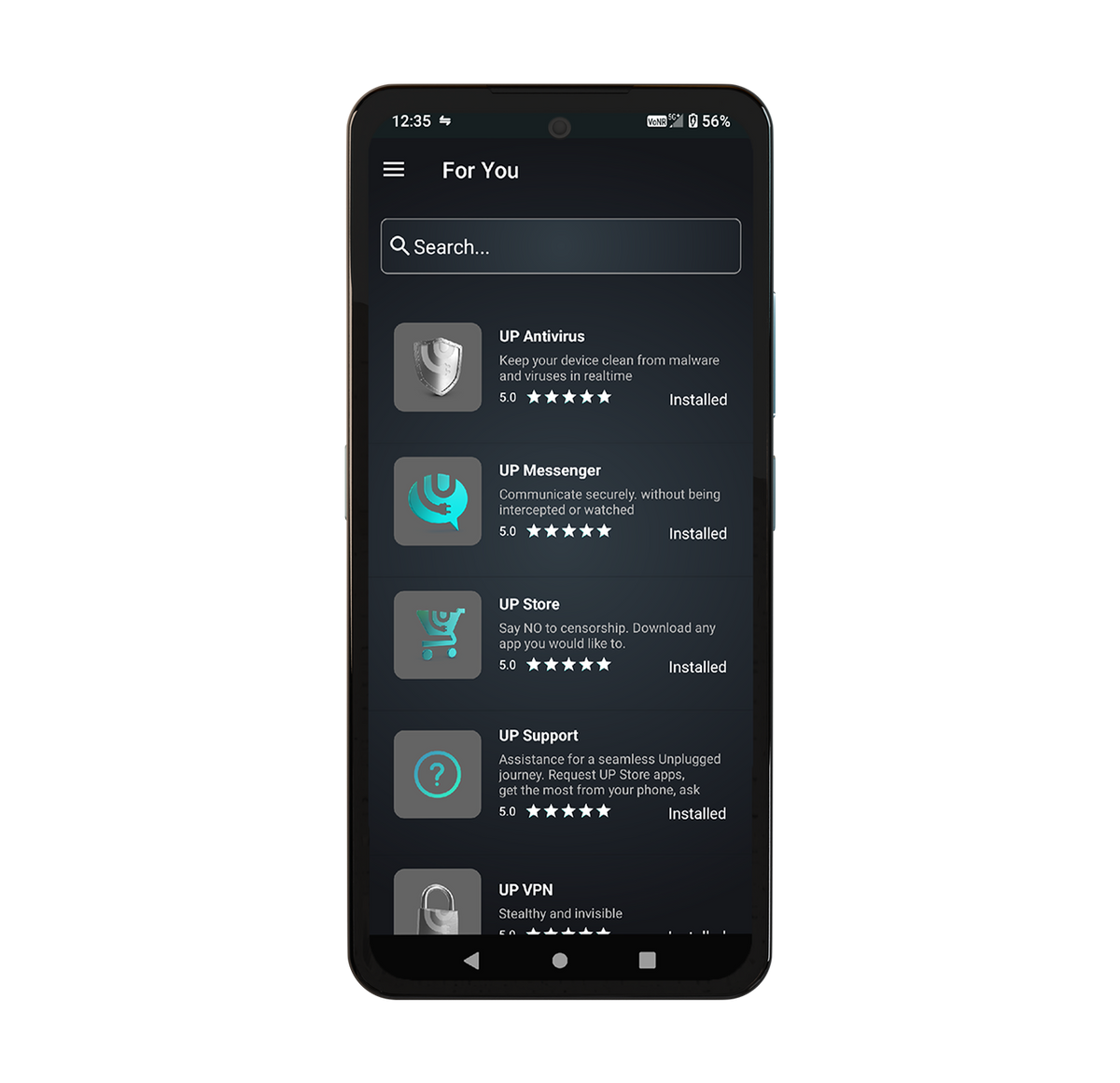
The Unplugged Phone may look like an iPhone from the outside, but the real difference comes from its hardware, software, privacy tools, and ecosystem. Two phones can share a similar body shape while offering very different experiences.
Before judging the phone by appearance, you should understand how its features compare with the expectations created by its design.
Hardware Specifications
The Unplugged Phone uses a modern smartphone form factor. Its clean body, large display area, and slim profile help create the premium look that many people associate with high-end phones.
Hardware details such as the display, processor, camera system, battery life, speaker quality, and durability matter more than shape alone. A phone can look sleek but still differ greatly in performance, photography, charging speed, and long-term reliability.
The camera is another important factor. Many buyers expect an iPhone-like phone to produce strong photos and videos. That expectation should be checked through real samples, reviews, and official specifications.
Software Design
Software design can also make a phone feel familiar. A clean interface, simple navigation, smooth app switching, and privacy-focused settings can create a polished user experience.
However, similar hardware design does not mean the phone runs iOS. The Unplugged Phone has its own software approach, and users should check app availability, update support, security features, and backup options before switching.
Security and privacy features may be a major reason someone considers this phone. Still, you should compare those claims carefully and understand what the device does differently from mainstream Android phones and iPhones.
Carrier And App Compatibility
Carrier compatibility matters before you buy any phone. A device may need support for your carrier’s network bands, VoLTE, 5G bands, eSIM, physical SIM, or other connection requirements.
App compatibility also matters. If you rely on banking apps, work apps, messaging apps, navigation tools, or two-factor authentication, confirm that those services work on the phone’s operating system.
Note: A phone’s appearance tells you almost nothing about app support, software updates, repair costs, warranty service, or network performance. Check those details separately.
Why Many Modern Phones Look Alike
The Unplugged Phone is not the only device that looks similar to an iPhone. Many modern smartphones share the same broad design because the industry has settled around a few practical ideas.
Large touchscreens need rectangular bodies. Rounded corners make phones more comfortable to hold. Thin bezels make screens feel bigger. Camera modules, charging ports, speakers, microphones, and antennas also limit how much designers can change.
Touchscreen Design Limits
Most smartphones need a large display, a battery, cameras, wireless antennas, speakers, and sensors. These parts usually fit best inside a slim rectangle.
Because of those limits, many phones naturally end up with a similar outline. The differences often appear in camera placement, materials, software, colors, buttons, and brand details.
Premium Design Signals
Phone makers also use shared design signals to communicate quality. A slim frame, symmetrical edges, polished surfaces, and minimal clutter all make a device feel more premium.
These cues are easy for shoppers to recognize. That is why many brands use them, even when the phone’s purpose or software is different.
How To Tell If The Unplugged Phone Is Right For You
An iPhone-like appearance can draw your attention, but your buying decision should focus on practical needs. You should think about how you use your phone every day and whether this device fits that routine.
If you want a privacy-focused or less distracting phone, the Unplugged Phone may interest you. If you need full iOS integration, Apple services, or guaranteed access to specific apps, you should compare carefully before switching.
Check Your Must-Have Apps
Make a short list of apps you cannot live without. Include messaging, banking, email, maps, work tools, authenticator apps, rideshare apps, and health apps.
Then confirm whether each one works on the phone. This simple step can prevent frustration after purchase.
Compare Privacy Claims
Privacy-focused phones often promote stronger control over data, tracking, and app behavior. Those features can be valuable, but you should understand exactly what they do.
Look for clear explanations of security updates, app permissions, encryption, cloud backup, account requirements, and data collection. Strong privacy should be explained in plain language, not just marketing slogans.
Review Warranty And Support
Support matters after the sale. Check warranty terms, repair options, return policy, replacement parts, and software update promises.
A phone is a long-term purchase. Good support can matter more than a familiar-looking design.
Future Trends
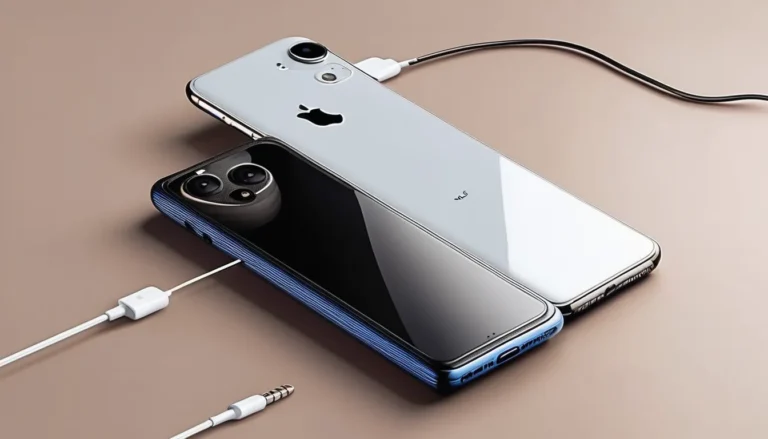
Technology changes quickly, and phone design keeps evolving with it. The Unplugged Phone’s iPhone-like look reflects a larger trend in the market: users want devices that feel stylish, simple, and practical.
Future phones may still share similar shapes, but brands will likely compete more through privacy, software, repairability, battery life, AI features, cameras, and ecosystem choices.
Innovative Designs
Phone designs continue to change. Designers focus on thinner bezels, stronger materials, better displays, improved cameras, and more comfortable shapes.
The Unplugged Phone looks like an iPhone because it uses design elements that many people already like. Smooth edges, a clean front, and a large screen make a device feel modern and easy to use.
Market Evolution
Consumer preferences evolve over time. Many users want phones that are easy to use, private, reliable, and attractive.
The market responds by offering devices that combine style with practical features. The Unplugged Phone reflects that trend by using a familiar smartphone look while aiming to offer a different type of experience.
As the market shifts, phone designs will keep evolving. Some brands will follow familiar premium patterns, while others will stand out through foldable screens, repairable parts, privacy-first systems, or simpler distraction-free tools.

Credit: rootingmaster.com
Credit: rootingmaster.com
Related Guides
Frequently Asked Questions
What Type Of Phone Is The Unplugged Phone?
The Unplugged Phone is a smartphone-style device focused on privacy and a more controlled digital experience. It may look similar to an iPhone because it uses familiar modern smartphone design cues, but it is not an Apple iPhone and does not offer the same ecosystem by default.
Who Owns The Unplugged Phone?
The Unplugged Phone belongs to the company or manufacturer that produces and sells it until a customer purchases the device. After purchase, ownership of that individual phone transfers to the buyer, subject to the seller’s terms, warranty, and return policy.
Can You Download Apps On The Unplugged Phone?
App support depends on the Unplugged Phone’s operating system, app store access, and software restrictions. Do not assume it supports every iPhone or Android app. Before buying, check whether your essential apps, such as banking, messaging, maps, email, and authentication apps, are supported.
Does An Unplugged Phone Work On Verizon?
Carrier support depends on the exact model, network bands, SIM or eSIM support, and Verizon compatibility requirements. The safest step is to check the phone’s official specifications and confirm compatibility with Verizon before purchase or activation.
Why Do So Many Phones Look Like iPhones?
Many phones look like iPhones because Apple helped popularize a premium smartphone style that buyers recognize. Large touchscreens, rounded corners, slim bodies, and minimal designs have also become practical industry standards, so many devices naturally share a similar look.
Is The Unplugged Phone An iPhone Copy?
Not necessarily. A phone can share common smartphone design traits without being a direct copy. The key question is whether it copies protected brand elements, design details, software, logos, packaging, or features in a way that could confuse buyers.
Conclusion
The Unplugged Phone looks like an iPhone because modern smartphone design has become highly familiar. Rounded corners, a slim body, a large screen, clean colors, and premium materials all remind people of Apple’s design language.
That resemblance can help the phone feel modern, trustworthy, and easy to understand. It can also raise expectations for performance, software, privacy, durability, and support.
Before choosing any iPhone-like phone, look beyond the design. Compare app support, carrier compatibility, security updates, privacy features, warranty terms, and real-world usability. A familiar look can be appealing, but the best phone is the one that fits your daily needs.