
Rimfire vs. Centerfire Ammunition: Differences, Pros, and Uses
Rimfire and centerfire are the two main ways a cartridge is primed. Rimfire rounds (like .22 Long Rifle) are popular for low-recoil practice and small-game hunting. Centerfire rounds power most hunting, duty, and defensive calibers.
Key takeaways
- Rimfire: priming compound is in the rim. It’s usually cheaper and softer shooting, but it’s limited in power and is not typically reloadable.
- Centerfire: the primer sits in the center of the case head. It handles higher pressure, comes in more calibers, and is commonly reloadable.
- Use rimfire for training and small game. Use centerfire for defense, duty use, and big game.
What Is Rimfire Ammunition?

Rimfire ammunition uses priming compound built into the rim of the case. When the firing pin strikes the rim, it crushes the priming compound and ignites the powder.
Rimfire is most common in small calibers, especially .22 Long Rifle. These rounds are popular for target shooting and small-game hunting. Rimfire cases are made to be struck at the rim, so rimfire designs are generally limited to lower pressure. That often means less recoil and less energy than many centerfire rounds.
Good rimfire ammo is reliable, but rimfire can have the occasional “dud” because the priming compound is distributed around the rim.
What Is Centerfire Ammunition?
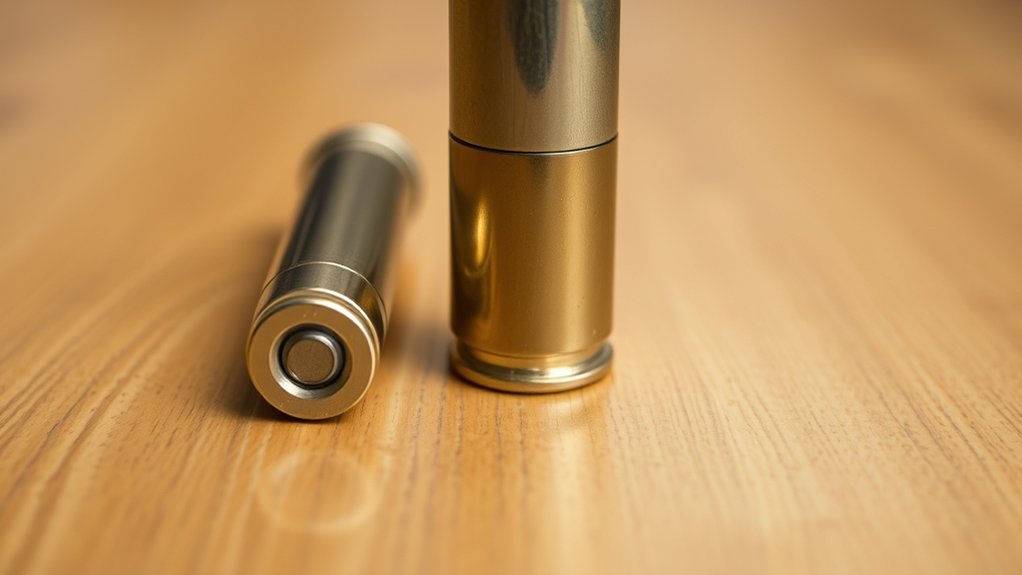
Centerfire ammunition uses a separate primer seated in the center of the case head. The firing pin hits that primer to ignite the powder. This design supports higher pressures and is widely used across handgun and rifle calibers.
| Feature | Centerfire Ammunition |
|---|---|
| Primer Location | Center of cartridge case |
| Reloadability | Yes (commonly) |
| Pressure Tolerance | High (relative to rimfire) |
| Common Calibers | .223 Remington, .308 Winchester, .45 ACP |
With its broad caliber selection and consistent ignition system, centerfire ammunition is widely used for hunting, defense, and competition.
[Amazon Products Picked for You]
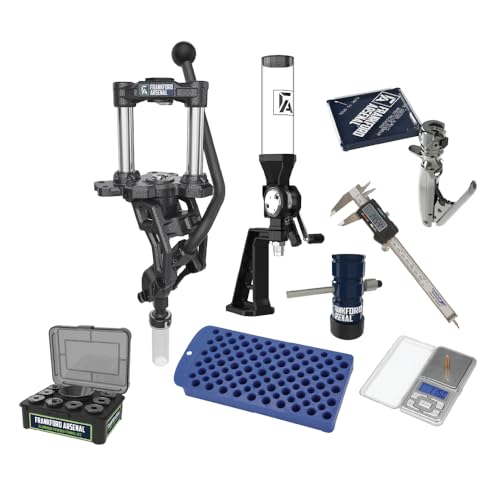
The Frankford Arsenal Essentials Reloading Kit makes the reloading process simpler, enjoyable, and equips you with quality tools to create precise ammunition.

Includes a set of 11 Auto-Prime Shell Holders
Key Differences Between Rimfire and Centerfire

While both rimfire and centerfire ammunition serve important roles, they differ in design, performance, and typical use:
- Primer setup: Rimfire priming is in the rim. Centerfire uses a primer in the center.
- Power range: Rimfire is usually small caliber and lower pressure. Centerfire covers a much wider range of power.
- Reliability: Both can be dependable, but centerfire is often more consistent in tough conditions.
- Reloading: Many centerfire cases can be reloaded. Rimfire is usually not practical to reload.
[Amazon Products Picked for You]


▶ DOUBLE SPINNER TARGETS - 3/8" Thick, 3.5" and 4.5" Diameter Targets.

11"x17" Factory Classs practice targets
Advantages of Rimfire Ammunition
Rimfire ammunition is popular because it’s cost-effective, has low recoil, and works well for training and small game.
Cost-Effectiveness
Rimfire cartridges are generally less expensive than centerfire rounds, which makes them a common choice for frequent practice and skill-building.
Low Recoil
Rimfire is mild-shooting. Smaller bullets and smaller powder charges make it easier to control and comfortable for longer training sessions.
Versatility in Use
Rimfire is best known for target shooting and small game, but it’s also common for beginner training, casual plinking, and some pest control.
| Use Case | Advantages |
|---|---|
| Target Shooting | Affordable and widely available |
| Pest Control | Effective for small pests at close range |
| Training | Low recoil, easy to handle |
Advantages of Centerfire Ammunition
Centerfire cartridges are often preferred when you need more power or more options. They support higher pressure, a wider range of calibers and bullet types, and are commonly reloadable by replacing the primer.
Choosing the Right Ammunition for Your Needs
Start by identifying your main purpose: target shooting, hunting, or personal protection. Rimfire is often a strong fit for practice and small game. Centerfire is typically better for larger game, longer ranges, and defensive use.
Always use the exact caliber your firearm is chambered for, and follow the manufacturer’s recommendations. Testing a few loads can help you find what your firearm shoots most accurately and reliably.
Conclusion
Understanding rimfire vs. centerfire ammunition helps you choose the right round for your needs. Rimfire is a practical, low-recoil choice for training and small game, while centerfire offers broader power and caliber options for hunting, defense, and competition.

What is this AI horseshit? I hope you die in a fire.