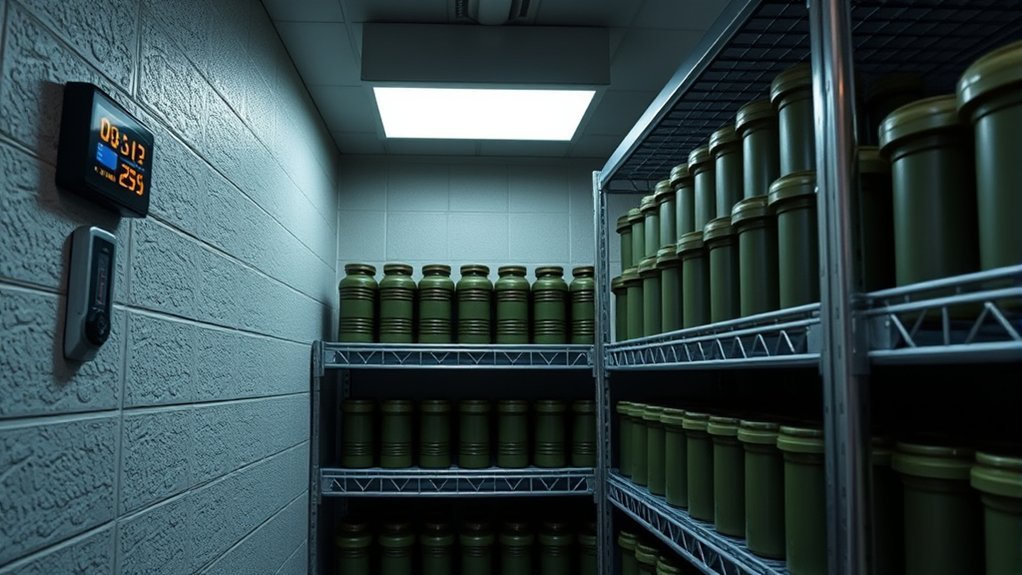
Proper ammo storage temperature and humidity help protect cartridges from heat damage, corrosion, and moisture. A stable indoor environment is preferable to a hot garage, attic, or vehicle. Choosing suitable containers matters, but secure storage and knowing when ammunition is no longer safe are equally important.
Quick Answer
Store ammunition in a cool, dry, locked indoor location. A temperature of 55°F to 85°F and relative humidity of 30% to 50% are practical household targets, not universal manufacturer requirements. Keep cartridges in their original packaging, avoid extreme heat and moisture, and inspect them before use.
What Is the Best Ammo Storage Temperature?
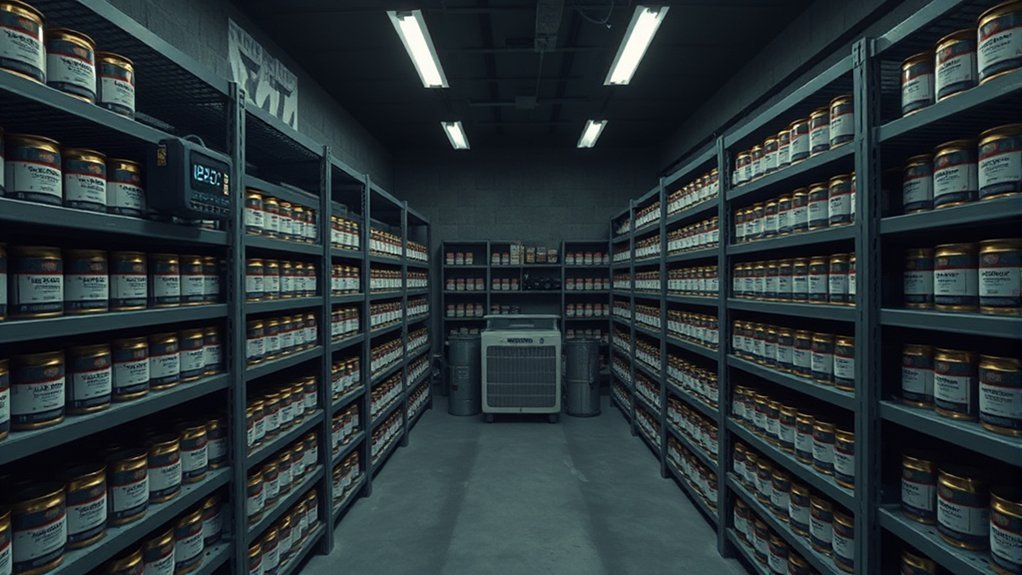
A stable indoor temperature around 70°F is a practical target for long-term ammunition storage. The commonly suggested 55°F to 85°F range provides a reasonable household guideline, although ammunition manufacturers do not establish it as a universal safe-temperature requirement.
The more important principle is to avoid prolonged exposure to excessive heat, high humidity, and damaging chemicals.
The Sporting Arms and Ammunition Manufacturers’ Institute (SAAMI) recommends a cool, dry location away from heat sources, open flames, and chemicals in its ammunition storage and handling recommendations.
For most households, a climate-controlled interior closet or locked cabinet provides more consistent conditions than an outdoor storage area.
How Hot Is Too Hot for Stored Ammunition?
Excessive heat can permanently damage primers and propellant without causing a cartridge to ignite. Damaged propellant can produce abnormal pressure or incomplete burning when fired.
SAAMI’s earlier small-arms ammunition storage publication advises avoiding extreme temperatures above 150°F.
Its newer guidance on ammunition exposed to fire or extreme temperatures recommends safe disposal when ammunition may have experienced temperatures above approximately 200°F.
These figures serve different purposes. Neither means that prolonged exposure to lower temperatures is harmless or that ammunition remains safe simply because it did not ignite.
Avoid storing ammunition beside heaters, furnaces, hot-water equipment, or other concentrated heat sources.
Can Ammunition Be Stored Below Freezing?
Freezing temperatures do not automatically damage properly packaged, dry ammunition. SAAMI notes that factory-packaged ammunition can tolerate ordinary environmental variations, including cold conditions.
However, repeated movement between freezing and warm environments increases the chance of condensation.
When a cold container enters a warm, humid room, moisture can form on exposed metal surfaces. Allow the closed container to reach room temperature before opening it.
Dryness and controlled storage remain important regardless of the surrounding temperature.
What Humidity Is Safe for Ammo Storage?
Keeping relative humidity around 30% to 50% is a practical moisture-control goal for ammunition storage. It helps limit condensation and corrosion without requiring specialized climate equipment.
This range should not be treated as a universal industry standard or an absolute safety threshold.
Humidity readings also need context. Exposure time, temperature changes, cartridge materials, and the condition of the packaging all affect deterioration.
Ideal Relative Humidity
Relative humidity describes how much moisture the air contains compared with the amount it could hold at the same temperature.
For storage purposes, a consistently dry environment matters more than achieving an exact reading.
- 30% to 50%: A practical target for limiting moisture exposure in ordinary household storage.
- Above 50%: A reason to monitor conditions more closely, particularly where condensation or corrosion is already present.
- Below 30%: Generally favorable for reducing moisture exposure, although this level is not required for ordinary ammunition storage.
There is no single humidity reading at which every cartridge suddenly becomes damaged.
A digital hygrometer can help identify persistent moisture problems before visible corrosion develops.
Moisture Control Methods
The most practical moisture-control method combines a dry room, suitable packaging, and a container with a dependable seal.
Silica gel desiccant packs absorb moisture from enclosed air. Some use indicators that change color when the material needs replacement or recharging.
Hornady describes this approach in its reusable dehumidifier guidance, which includes applications in ammunition cans, cabinets, and gun safes.
Follow the desiccant manufacturer’s recharging instructions. Never place ammunition in an oven or expose cartridges to heat while refreshing a desiccant pack.
A hygrometer placed inside a cabinet or safe can reveal conditions that differ from the surrounding room.
For sealed ammunition cans, check the container and desiccant periodically. A room hygrometer alone cannot establish the humidity inside a closed can.
Why Temperature Swings Hurt Ammo
Temperature changes become a storage problem when they introduce condensation or expose ammunition to repeated periods of excessive heat.
Cold cartridges brought into warm, humid air may collect moisture on their surfaces. Over time, that moisture can promote corrosion and damage packaging.
- Condensation: Moist air can deposit water on cold cartridge cases, metal containers, and other exposed surfaces.
- Moisture damage: Corrosion can weaken cases, while moisture entering a cartridge may affect its primer or propellant.
- Heat exposure: Prolonged high temperatures can accelerate chemical deterioration and alter ammunition performance.
A tightly closed container helps reduce moisture exchange with the room. However, sealing already damp ammunition inside a container can trap the problem rather than solve it.
Store only dry ammunition and packaging, and avoid opening cold containers immediately after bringing them into a warmer environment.
Where to Store Ammo at Home
The most suitable home storage location is a locked, climate-controlled indoor space that unauthorized people cannot access.
Choose an area away from direct sunlight, water leaks, household chemicals, and major seasonal temperature swings.
Best Indoor Locations
Several household locations can provide suitable conditions when security and moisture control are properly managed.
- Interior closets: Often provide relatively stable conditions away from direct sunlight and outdoor temperature changes. Use a locked cabinet or other secure storage device.
- Spare rooms: Can work well when they remain climate-controlled and the ammunition is secured against unauthorized access.
- Dedicated locked cabinets: Provide organized storage and an added physical barrier. The surrounding room still needs suitable environmental conditions.
- Managed basements: May provide moderate temperatures, but require attention to humidity, seepage, and flooding risks.
Keep containers off damp concrete floors and away from plumbing or locations where water could accumulate.
A safe or locked cabinet provides security, but it does not automatically maintain a dry internal environment.
Areas to Avoid
Uncontrolled storage areas expose ammunition to conditions that can shorten its useful life or make individual cartridges unsafe.
- Attics: Summer heat and seasonal temperature changes make them unsuitable for dependable long-term storage.
- Unconditioned garages: Temperature swings, humidity, and possible chemical exposure create unnecessary risks.
- Vehicles: Direct sunlight can produce extreme interior temperatures. A vehicle should not serve as a permanent ammunition storage location.
- Damp basements: Water intrusion, condensation, and high humidity may damage both ammunition and packaging.
- Utility and chemical-storage areas: Keep ammunition away from petroleum products, ammonia, solvents, and similar substances.
Sealed containers cannot prevent heat damage if the entire storage area becomes excessively hot.
Likewise, ventilation alone does not make an overheated room suitable for ammunition storage.
Secure Separate Storage
Ammunition should be stored in a locked location separate from firearms and inaccessible to children or other unauthorized people.
This is a central recommendation in Project ChildSafe’s home storage guidance.
Use the following arrangement:
- Keep ammunition in its original factory packaging or another container designed for ammunition.
- Place the packaged ammunition inside a suitable locked cabinet or other secure storage space.
- Store firearms unloaded and separately secured.
- Keep keys and access codes unavailable to unauthorized people.
- Retain cartridge identification and lot information for future reference.
A sealed ammunition can provides environmental protection, but an ordinary can without a lock does not provide adequate access control by itself.
Storage requirements vary by jurisdiction, so applicable local laws must also be followed.
Best Containers for Ammo Storage
Steel ammunition cans, suitable plastic containers, and protective storage bags can all serve different purposes.
For long-term organization, original factory boxes should remain intact whenever possible. Their labels help identify the ammunition and preserve manufacturer and lot information.
Containers should be clean and dry before ammunition is placed inside them.
| Container | Primary Advantage | Limitation |
|---|---|---|
| Steel ammo cans | Durable construction and protective gasket seal | Heavy; damaged seals or rust can reduce protection |
| Plastic ammo cans | Lightweight and resistant to rust | Seal quality and physical strength vary by design |
| Vacuum-sealed bags | Additional moisture barrier when correctly sealed | Limited impact protection; can trap moisture if contents are damp |
Steel ammunition cans are useful when their gaskets and latches remain in good condition. A worn or damaged seal can allow moisture to enter.
Plastic containers can provide convenient secondary protection, but not every model is airtight.
Vacuum-sealed bags may provide another protective layer, although they should not replace secure storage or the identification supplied by original packaging.
Choose containers based on seal integrity, physical protection, clear labeling, and safe handling rather than assuming one material guarantees preservation.
How to Control Moisture in Ammo Storage
Effective moisture control begins before the ammunition goes into its storage container.
The goal is to avoid trapping damp packaging or contaminated cartridges in an enclosed space.
- Inspect the storage area. Look for water leaks, condensation, damp floors, and nearby heat sources.
- Check the packaging. Use clean, dry factory boxes and avoid sealing ammunition that may already be moisture-damaged.
- Inspect container seals. Check gaskets, latches, and metal surfaces for deterioration.
- Add suitable desiccants. Place them inside the container according to the manufacturer’s instructions.
- Monitor the environment. Use a hygrometer to identify humidity changes and correct persistent moisture problems.
- Review storage conditions periodically. Check for damaged seals, saturated desiccants, corrosion, and evidence of water entry.
In damp basements, a room dehumidifier may help maintain more stable conditions.
If a container develops internal condensation, investigate its seal and the condition of its contents before returning it to storage.
How to Tell If Ammo Is Going Bad
Deteriorating ammunition may show visible corrosion, physical damage, or unusual changes in its appearance. However, dangerous internal damage is not always visible.
Inspect ammunition before use, particularly after prolonged storage or suspected exposure to moisture, heat, or chemicals.
Warning signs include:
- Rust or significant corrosion on cartridge cases.
- Deep dents, cracks, swelling, or other case deformation.
- Unusual discoloration, deposits, or residue.
- Damaged or deteriorated primers.
- Visible bullet movement or an unusually deep-seated projectile.
- Water-damaged packaging or evidence that cartridges were submerged.
Minor surface color changes do not necessarily establish that ammunition is unsafe. However, visual appearance alone cannot confirm that an old or exposed cartridge remains serviceable.
Warning: Never test-fire ammunition that is damaged or suspected to be damaged. Do not attempt to dry submerged cartridges with heat, dismantle them, or fire them to assess their condition. Internal deterioration can cause abnormal pressure, misfires, or a projectile becoming lodged in the barrel.
What if Ammunition Gets Wet?
Brief exposure to light rain is different from complete submersion.
SAAMI explains in its water-exposure guidance that centerfire cartridges and shotshells can tolerate limited moisture exposure when promptly wiped dry.
Rimfire ammunition is more vulnerable because of its construction.
However, ammunition that has been submerged in water should not be salvaged or used. The extent of internal damage cannot be established reliably by drying or examining the outside.
What if Ammunition Was Exposed to Extreme Heat?
Heat-damaged ammunition may look normal even when its primer or propellant has deteriorated.
If ammunition was involved in a fire or may have experienced excessive temperatures, isolate it from usable stock and arrange safe disposal.
Do not assume a closed ammunition can or fire-resistant safe prevented all heat damage.
Note: If you are uncertain about ammunition condition or disposal, contact the manufacturer, local law enforcement agency, or appropriate hazardous-waste authority for guidance. Follow applicable local regulations, and do not place live cartridges in ordinary household trash.
How Long Stored Ammunition Lasts
Properly stored ammunition can remain serviceable for many years, but there is no universal expiration date covering every manufacturer, cartridge, or storage environment.
Age alone cannot establish that an individual round remains safe.
Both Federal Premium’s ammunition FAQ and Remington’s ammunition guidance describe a shelf life of approximately 10 years under proper storage conditions.
That manufacturer guidance should not be interpreted as a guarantee that all ammunition remains safe for exactly 10 years or automatically becomes unusable immediately afterward.
Older ammunition may remain functional under favorable conditions, but its actual history matters.
Important factors include:
- Duration and severity of heat exposure.
- Humidity and possible water intrusion.
- Condition of the original packaging.
- Exposure to solvents, oil, ammonia, or other chemicals.
- Visible corrosion, deformation, and other physical damage.
For long-term storage, preserve the original boxes and lot numbers. Organize inventory so older stock can be identified without repeatedly handling individual cartridges.
Inspect stored ammunition and containers every three to six months as a practical maintenance routine, with additional checks after flooding, unusual heat, or a storage problem.
This inspection schedule is a household recommendation, not a universal manufacturer requirement.
When ammunition exceeds its manufacturer’s stated shelf life, seek product-specific guidance rather than relying on age estimates or anecdotal reports of much older cartridges still firing.
Frequently Asked Questions
What Is the Best Temperature for Storing Ammunition?
A stable indoor temperature around 70°F is a practical target. The 55°F to 85°F range is a useful household guideline rather than a universal manufacturer requirement. Keeping ammunition cool, dry, and away from extreme heat is more important than maintaining one exact temperature.
Will Guns Rust in 60% Humidity?
Yes, steel firearm parts can rust at 60% relative humidity, especially when condensation or surface contamination is present. The amount of corrosion depends on exposure time, materials, and protective treatment. Keep the storage environment dry and follow the firearm manufacturer’s maintenance instructions.
What Is the Ideal Humidity Level for Storing Ammunition?
A practical target is 30% to 50% relative humidity. This range supports moisture control but is not a guaranteed safety cutoff or universal ammunition industry standard. Stable, dry conditions and protection from condensation are the main priorities.
Is It Okay to Store Ammo in a Hot Garage?
A hot garage is not recommended for long-term ammunition storage. Excessive heat, seasonal temperature changes, and humidity can damage cartridges over time. A locked, climate-controlled indoor location provides more consistent conditions and reduces the risk of deterioration.
Can You Dry and Use Submerged Ammunition?
No. SAAMI advises against attempting to salvage or use ammunition that has been submerged in water. Internal damage may not be visible, and drying cannot reliably restore its safety. Arrange disposal according to applicable regulations and local authority guidance.
Conclusion
Good ammunition storage combines moderate temperatures, controlled moisture, suitable packaging, and secure access.
Keep cartridges in their original boxes inside a clean, dry container, preferably in a locked indoor cabinet or closet. Monitor storage conditions, inspect ammunition periodically, and never attempt to fire cartridges suspected of heat, water, or physical damage.
These precautions help preserve ammunition while reducing avoidable safety risks.
Sources
- SAAMI — Recommendations for Safe Ammunition Storage and Handling: General environmental, packaging, handling, and security recommendations.
- SAAMI — Small Arms Ammunition: Properties and Recommendations for Storage and Handling: Original packaging, temperature guidance, and storage conditions.
- SAAMI — Guidance on Firearms, Ammunition and Smokeless Propellant Exposed to Fire: Heat damage and disposal recommendations.
- SAAMI — Guidance on Ammunition That Has Been Submerged in Water: Moisture exposure, submersion, salvage risks, and disposal.
- Federal Premium — Frequently Asked Questions: Manufacturer shelf-life and storage guidance.
- Remington — Frequently Asked Questions: Ammunition shelf life, original packaging, storage, and disposal.
- Project ChildSafe — In Your Home: Locked storage, separate ammunition storage, and prevention of unauthorized access.
- Hornady — Reusable Dehumidifier Bag: Desiccant applications and moisture-control practices.
