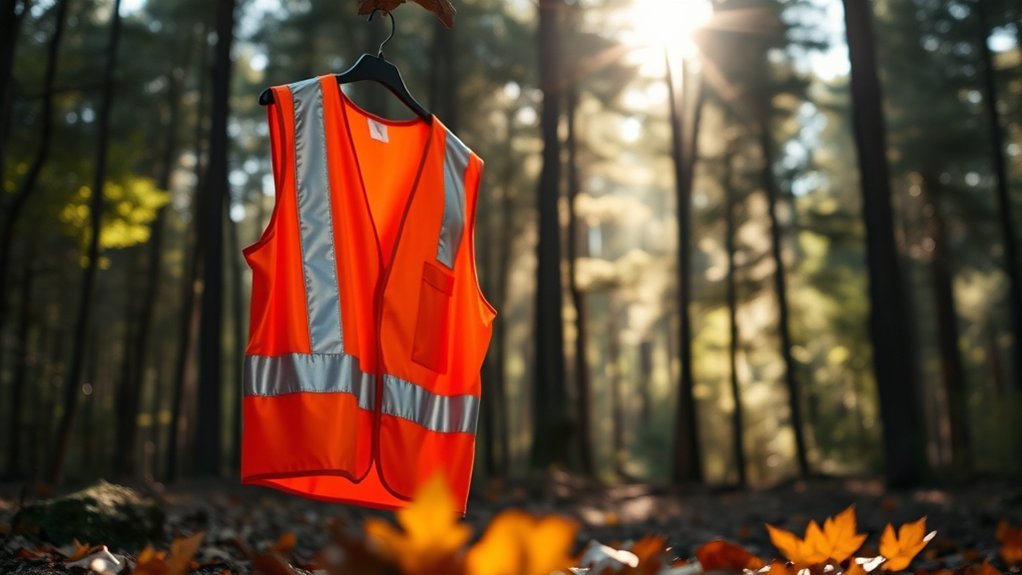
Blaze orange helps other people spot you faster in fields, woods, and brush where brown, green, and gray clothing can blend into the background. During hunting season, that visibility is more than a style choice. It supports safer outdoor habits, helps hunters follow local clothing rules, and gives hikers, dog walkers, and landowners an extra layer of protection in shared spaces.
Quick Answer
Blaze orange matters because it creates strong contrast against most natural outdoor backgrounds. It helps hunters, hikers, and other outdoor users stay visible to one another, especially during hunting seasons. Many states require blaze orange for certain hunts, but exact rules vary by location, season, weapon type, and game species.
Key Takeaways
- Blaze orange improves visibility because it stands out sharply against common outdoor colors like green, brown, tan, and gray.
- State blaze orange rules differ, so you should match your clothing to the season, activity, and location.
- A hat, vest, jacket, or backpack cover can make you easier to identify in wooded areas, open fields, and shared public land.
- Visibility gear does not replace safe hunting habits, clear target identification, and awareness of what sits beyond your target.
The Importance of Blaze Orange in Outdoor Safety
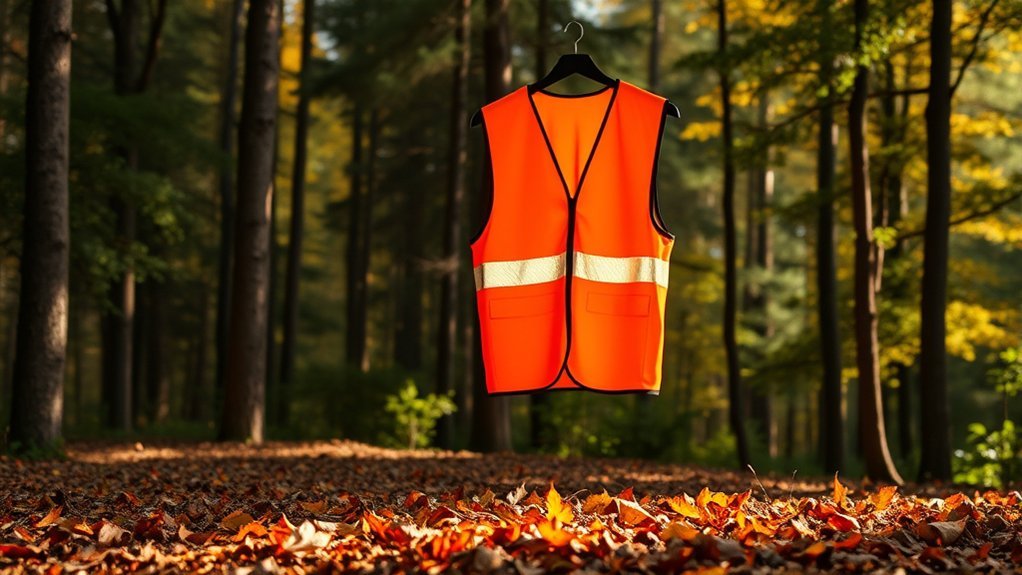
When you venture into the great outdoors, especially during hunting season, wearing blaze orange is essential for your safety. This vivid color stands out against natural backgrounds, helping reduce the risk of accidental shootings and close calls. Many hunters may overlook the importance of visibility, but wearing blaze orange can make you easier to identify to others in the field.
It is not just a fashion choice. It is a practical safety measure that supports responsible behavior around firearms, bows, and shared outdoor spaces. Various states mandate blaze orange attire during certain seasons, and those rules help create safer hunting environments. By donning this color, you protect yourself and encourage a culture of safety among fellow outdoor enthusiasts.
Warning: Blaze orange improves visibility, but it does not make you completely safe. Always identify your target, confirm what is beyond it, follow firearm safety rules, and avoid entering active hunting areas without awareness of local seasons.
Understanding Visibility Science and Color Perception
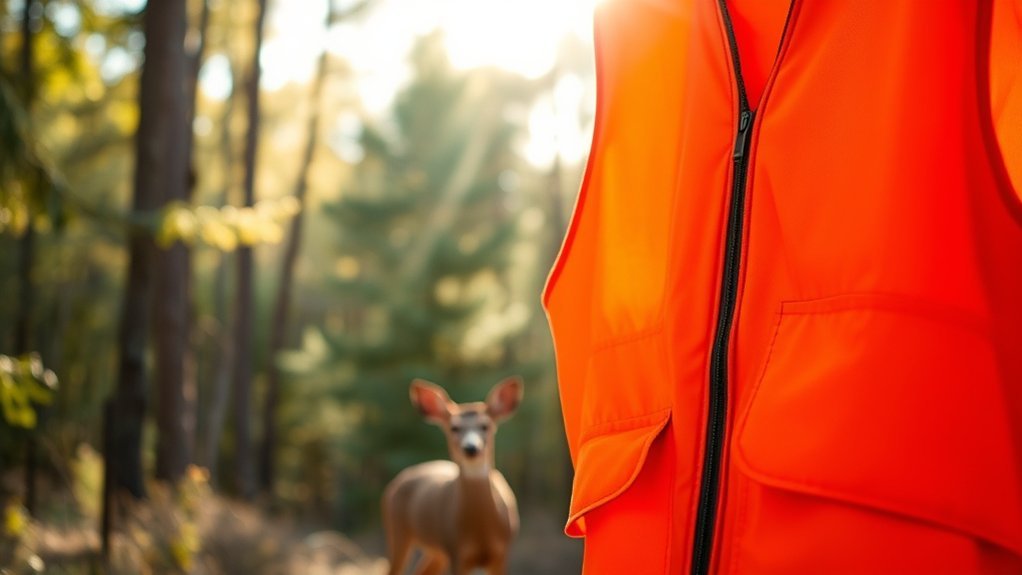
Understanding how visibility science and color perception work can enhance the effectiveness of blaze orange attire in outdoor safety. Your visibility is influenced by several factors that determine how well others can see you from a distance, through brush, or in changing light.
Blaze orange works best because it creates strong contrast against natural outdoor backgrounds while staying easy for most people to notice quickly.
- Wavelength: Blaze orange reflects light in a range that appears bright and distinct compared with many natural backgrounds.
- Contrast: The brightness and saturation of blaze orange create a strong contrast against greens and browns commonly found in outdoor settings.
- Surrounding Light Conditions: Daylight enhances the visibility of blaze orange, while dawn, dusk, fog, heavy rain, and dense cover may reduce its effectiveness.
Color contrast matters most when someone has only a brief moment to notice movement. A small patch of orange can help, but larger areas on your chest, back, shoulders, and head are usually easier to see. Hats and upper-body garments are especially useful because they stay visible above grass, brush, and low vegetation.
Note: Blaze orange and fluorescent orange are often discussed together, but hunting regulations may use exact wording. Match your gear to the wording in your state’s current rulebook.
State Regulations for Blaze Orange Clothing
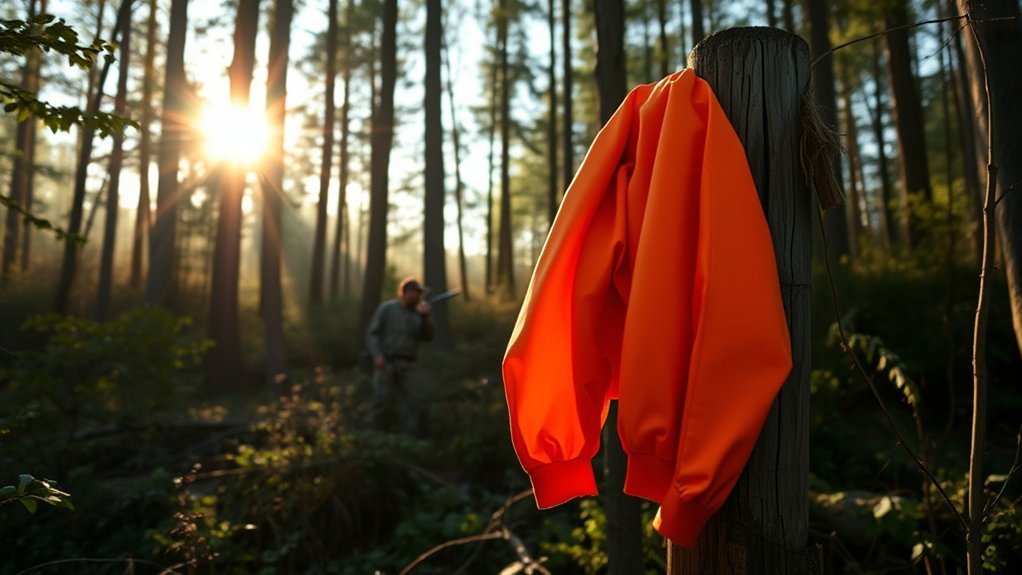
While regulations regarding blaze orange clothing can vary considerably from state to state, most jurisdictions mandate its use during specific hunting seasons to enhance safety. Understanding these regulations is vital for compliance and personal safety. For example:
| State | Blaze Orange Requirement | Exceptions |
|---|---|---|
| Colorado | 500 square inches visible | Archery hunters |
| Wisconsin | 50% of outerwear must be orange | Small game hunters |
| Michigan | All hunters must wear orange | None |
| New York | 400 square inches required | Bow hunting only |
Each state sets its own standards regarding coverage and visibility. Requirements may also change based on firearm season, archery season, muzzleloader season, youth hunts, public-land rules, or the type of animal being hunted. Familiarizing yourself with local laws helps ensure you are properly equipped before you step into the field.
Do not assume one state’s rule applies somewhere else. A vest that works for one hunt may not meet the minimum coverage for another. Some states specify square inches, some require a certain percentage of visible clothing, and others require orange on the head as well as the torso.
Pro Tip: Choose gear that exceeds the minimum rule when possible. A blaze orange hat plus vest or jacket gives you better 360-degree visibility than one small orange panel.
Effective Use of Blaze Orange in Various Outdoor Activities
Although many people associate blaze orange primarily with hunting, its effective use extends to various outdoor activities, enhancing visibility and safety in multiple contexts. Whether you’re hiking, biking, or participating in team sports, wearing blaze orange can reduce the risk of accidents by making you stand out more clearly. Here are three key ways to incorporate it effectively:
- Hiking: Use blaze orange vests or hats to ensure you’re visible to fellow hikers and hunters, especially in dense woods or during hunting seasons.
- Biking: Opt for blaze orange jerseys or accessories to stand out on trails and roads, improving safety during high-traffic times.
- Team Sports: Incorporate blaze orange pinnies during practice sessions, ensuring all players can clearly see each other and reducing collision risks.
Blaze orange can also help dog walkers, trail runners, photographers, landowners, and wildlife watchers. If you spend time near public hunting areas, timberland, rural roads, or private property lines, a visible hat, vest, pack cover, or dog vest can help others recognize you as a person rather than movement in the brush.
Choosing the Right Blaze Orange Gear for Your Needs
When selecting the right blaze orange gear for your outdoor activities, it’s crucial to consider the specific environment and activity you’ll be engaging in. Different situations require different gear types. For example, hunting in densely wooded areas might call for heavier, more durable fabric, while hiking in open fields may call for lightweight materials.
Here’s a quick comparison to help you decide:
| Gear Type | Best Environment | Activity Type |
|---|---|---|
| Jackets | Wooded Areas | Hunting |
| Vests | Open Fields | Hiking |
| Hats | Variable Terrain | General Outdoor Use |
Choosing the appropriate gear not only enhances your visibility but also supports your comfort and safety while enjoying the outdoors. The best option should fit over your normal layers without restricting movement. It should also stay visible when you sit, kneel, shoulder a backpack, or carry equipment.
[Amazon Products Picked for You]

Blaze orange vest and beanie combo helps meet visibility requirements—check your state regulations.

100% polyester oxford

100% polyester oxford
Features to Look For in Blaze Orange Clothing
Good blaze orange gear should be bright, visible from multiple angles, and comfortable enough that you will actually wear it. Avoid choosing gear based only on price or appearance. Outdoor visibility depends on coverage, placement, contrast, and how the garment performs in real conditions.
- Large visible panels: Bigger areas of orange on your chest, back, shoulders, and head are easier to spot than small accents.
- Quiet fabric: Hunters may prefer soft, low-noise fabric that does not rustle with every step.
- Weather resistance: A water-resistant vest or jacket can help during rain, snow, or wet brush.
- Layer-friendly fit: Choose a size that fits over hoodies, base layers, or insulated jackets.
- Secure closures: Zippers, snaps, or adjustable straps help keep the garment in place while walking, climbing, or carrying gear.
- Head visibility: A blaze orange cap or beanie helps others see you above grass, crops, and low cover.
[Amazon Products Picked for You]

HIGH-VISIBILITY BLAZE VEST: Safety is one of the highest priorities while hunting. Our orange hunting vest ensures you stand out in dense foliage to stay safe and visible in all conditions.

Blaze Orange: Stand out in the wild with our vivid blaze orange color. Not only does it keep you visible to fellow hunters, but it also adds a touch of style to your hunting gear.

Stay visible and safe with this blaze orange cap and vest combo—meets most state requirements (check your state regulations).
Blaze Orange vs. Camouflage
Camouflage helps break up your outline, while blaze orange helps people see you. That can feel like a conflict, especially for hunters who want to stay hidden from game. In practice, many hunters use both by wearing camo patterns that include blaze orange or by layering an orange vest over camouflage outerwear.
The most important point is simple: human visibility takes priority. If local rules require blaze orange, camo-only clothing is not enough. Even when rules do not require it, orange gear can still be a smart choice in any area where hunters, hikers, or landowners may cross paths.
[Amazon Products Picked for You]

Hunting Safety Vest: The Safety Vests are made of soft, silent and lightweight polyester fabric. Zipper Closure, Machine Wash. When the season opens, trust your hunt to a vest that keeps you safe, and keeps your gear close at hand.

LIGHTWEIGHT & COMFORTABLE - Crafted from 100% polyester, the Blaze Orange Hunter Vest provides a lightweight yet durable layer for hunting; The fleece offers warmth & comfort without adding bulk, making it ideal for wearing over your jacket or on its own
How to Wear Blaze Orange for Better Visibility
Blaze orange works best when others can see it from the front, back, and sides. A single item may help, but layered visibility is stronger. For example, a hat can be seen above brush, while a vest or jacket shows your torso when you turn, walk, or sit.
- Cover your upper body: Your chest, back, and shoulders are easier to notice than your legs.
- Add a hat: Headwear improves visibility when you walk through tall grass, brush, or uneven terrain.
- Keep it clean: Mud, blood, dust, and fading can reduce brightness and contrast.
- Avoid covering it: Backpacks, tree-stand harnesses, and rain gear can hide orange panels.
- Use it for pets: Dogs can benefit from blaze orange vests, collars, or bandanas during hunting seasons.
Note: Reflective strips help in low light around roads or campsites, but they are not the same as blaze orange. For hunting compliance, use gear that meets the required color and coverage rules.
Caring for Blaze Orange Gear
Blaze orange gear should stay bright to remain effective. Dirt, heavy wear, sun fading, and stains can make the color less noticeable. After each trip, shake off debris, check for rips, and wash the garment according to its care label.
Store blaze orange clothing away from direct sunlight when it is not in use. If your vest, hat, or jacket looks dull beside newer orange gear, replace it before the next hunting season. Visibility gear is inexpensive compared with the safety value it provides.
Common Blaze Orange Mistakes to Avoid
Even experienced outdoor users can make mistakes with visibility gear. Small oversights can reduce the protection that blaze orange provides.
- Wearing too little orange: A small patch, logo, or trim piece may not provide enough visibility.
- Covering orange with a backpack: Make sure your pack does not hide most of your vest or jacket.
- Using faded gear: Old clothing can lose brightness after sun exposure and repeated washing.
- Ignoring local rules: Requirements can differ by state, season, land type, and hunting method.
- Relying on color alone: Visibility gear helps, but it cannot replace safe conduct, communication, and situational awareness.
Conclusion
In the world of outdoor activities, blaze orange acts like a lighthouse in a foggy sea, guiding you safely through potential hazards. Understanding its importance is not just about compliance; it is about protecting yourself and others. By following state regulations, choosing the right gear, and wearing it where others can see it, you enhance your visibility and promote a culture of safety.
Remember, your safety is in your hands. Do not underestimate the power of a simple color to keep you seen and secure in nature’s embrace. Blaze orange works best when paired with smart choices, clear communication, and responsible outdoor habits.
