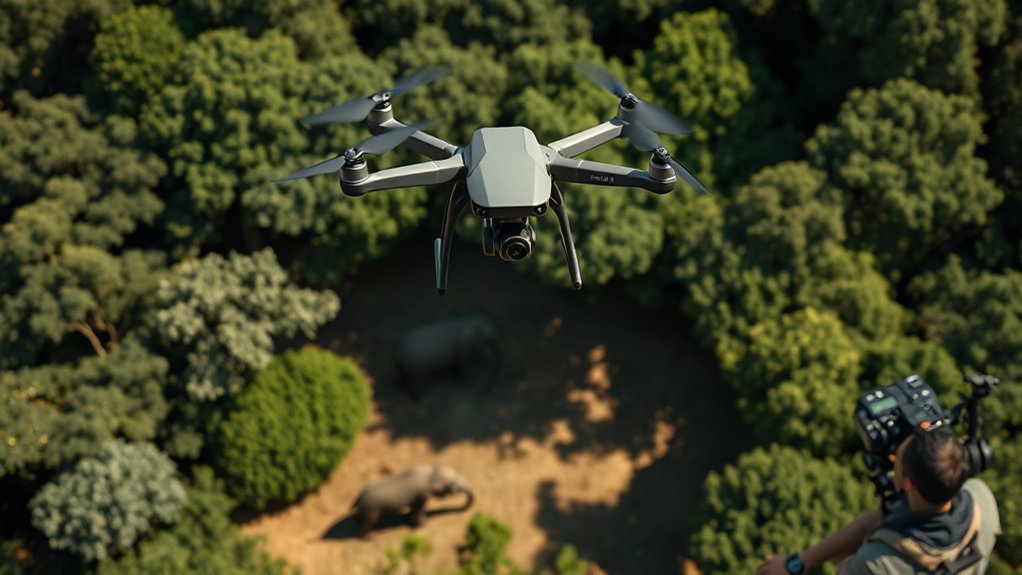
Drones can revolutionize wildlife monitoring, yet they also raise significant ethical questions. These tools help conservation teams reach remote habitats, count animals, detect illegal activity, and document ecosystem changes. However, they can also disturb wildlife, expose sensitive location data, and create privacy concerns for nearby communities. Responsible drone use means balancing conservation value with animal welfare, human rights, safety, and long-term environmental impact.
Quick Answer
Drones can be ethical in wildlife monitoring when they are used with clear permits, low-disturbance flight plans, strong data protection, community consent, and species-specific safety rules. The goal is to collect useful conservation data without causing stress, revealing sensitive locations, or ignoring the rights of local and indigenous communities.
Key Takeaways
- Drones can improve wildlife surveys, habitat mapping, anti-poaching patrols, and post-disaster restoration work.
- Ethical drone use must reduce stress to animals, especially during breeding, nesting, migration, and feeding periods.
- Sensitive wildlife location data needs strong security because it can be misused by poachers or illegal traders.
- Community engagement and informed consent are essential when drones operate near indigenous lands or local settlements.
- A responsible drone program should include permits, trained pilots, risk assessments, data rules, and clear emergency procedures.
The Role of Drones in Wildlife Conservation
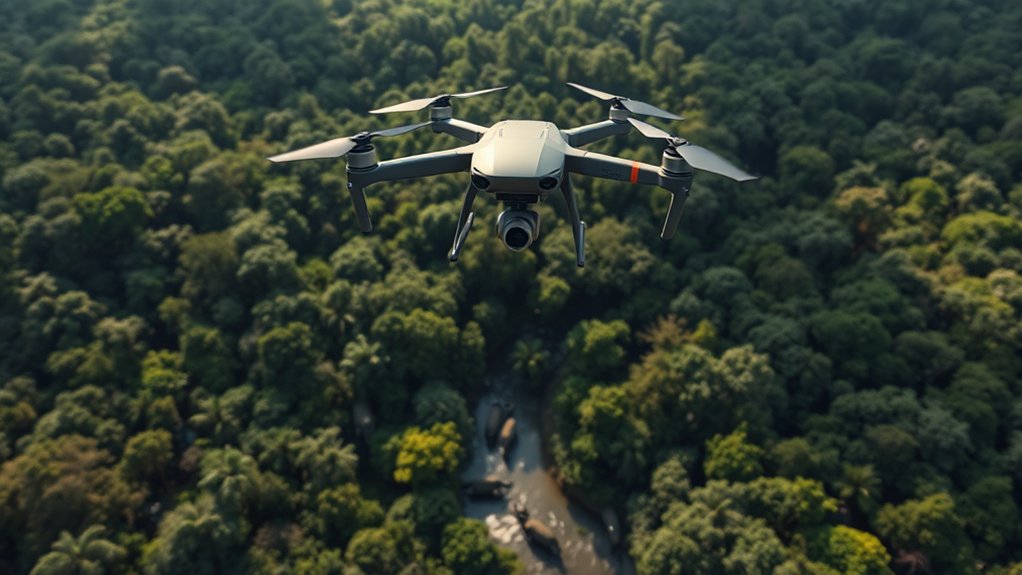
As technology advances, drones have become valuable tools in wildlife conservation. They can change how you monitor animals, map habitats, inspect remote landscapes, and respond to threats without sending large teams into fragile areas.
In wildlife surveys, drones can help researchers cover wide areas, capture repeatable aerial images, and reduce the need for low-flying aircraft or frequent ground disturbance. Their value depends on the species, habitat, camera quality, pilot skill, and survey design, so results should be checked against reliable field methods.
Drones also support anti-poaching initiatives. Teams may use thermal cameras, high-resolution imaging, or real-time video feeds to spot suspicious movement, locate injured animals, and help rangers respond faster. These tools can improve awareness in difficult terrain, but they should not replace trained wildlife professionals or community-based conservation work.
Additionally, drones can assist with forest replanting, erosion checks, wildfire recovery, and habitat restoration planning. They can map damaged areas, identify priority zones, and help teams monitor whether restoration work is succeeding over time.
Drones are most useful when they improve conservation decisions without increasing stress, risk, or surveillance harm for wildlife and nearby communities.
Researchers can also use drones to observe animal behaviors, movement patterns, nesting activity, and habitat use in areas that are hard or unsafe to access. However, distance and flight behavior matter. A drone that flies too low, too close, or too often can compromise the same research it was meant to improve.
Note: Drone monitoring should support conservation decisions, not simply collect impressive footage. Every flight should have a clear research, protection, or management purpose.
Ethical Concerns in Wildlife Monitoring
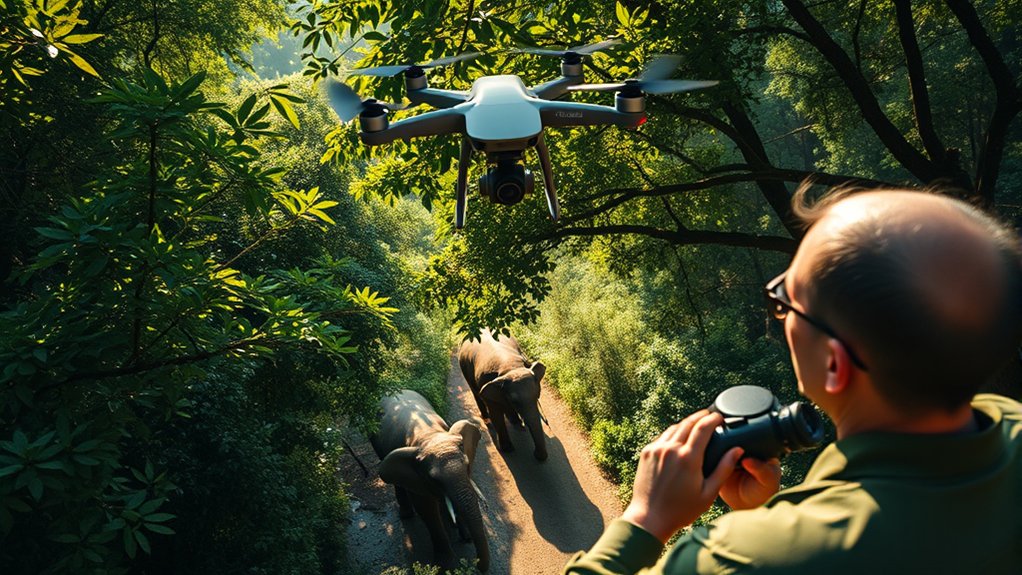
While drones offer major benefits in wildlife monitoring, their use raises important ethical concerns. You need to consider how each flight may affect animals, people, and the long-term trust needed for conservation work.
- Wildlife Stress: Drones can disturb animals, especially when they fly low, approach directly, hover for long periods, or operate during sensitive seasons. Stress may disrupt migration, breeding, nesting, feeding, or parental care.
- Species Variability: Different species react differently to drone presence. Birds, marine mammals, large herbivores, predators, and nesting animals may show different stress signals, so one flight rule will not fit every situation.
- Safety Risks: Drone crashes can harm animals, damage habitat, or create pollution in protected areas. Equipment failure, poor weather, low battery, and pilot error all need risk planning.
- Data Security: Sensitive data, such as nest locations, den sites, migration routes, or endangered species coordinates, can be misused if it reaches poachers, illegal traders, or irresponsible visitors.
- Community Privacy: Drones may capture images of homes, cultural sites, private land, or traditional activities. Conservation goals do not remove the need to respect human privacy.
- Equity and Access: Well-funded groups may control drone technology while local conservation workers and indigenous communities have limited access to the same tools or data.
Acknowledging these concerns is fundamental for ethical wildlife monitoring practices that prioritize animal well-being, local trust, and the integrity of conservation efforts.
Minimizing Disturbance to Wildlife
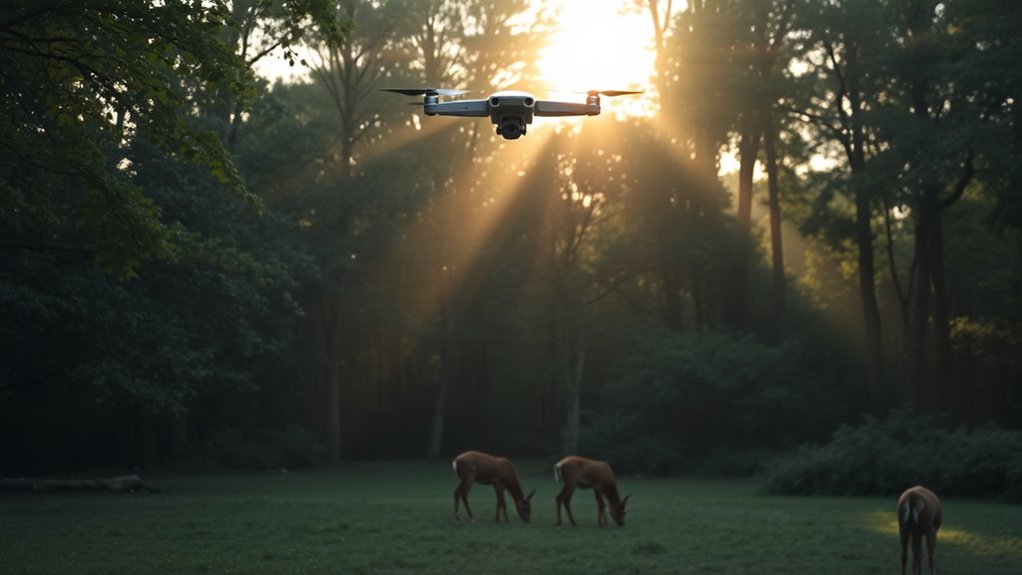
Minimizing disturbance to wildlife during drone operations is essential for effective and ethical conservation efforts. A drone may seem small to a person, but it can look, sound, or move like a threat to an animal.
To reduce harm, you should plan each operation before takeoff. That plan should include the target species, expected behavior, safe launch area, flight height, flight path, weather, emergency landing zone, and maximum time near animals.
Ethical guidelines should also consider species-specific vulnerabilities. For example, nesting birds may abandon nests if disturbed too often. Herd animals may run, wasting energy or increasing injury risk. Marine mammals may change surface behavior if a drone approaches too closely.
Visual signs of distress do not always reveal the full impact. An animal may appear calm while still experiencing stress. For this reason, drone teams should use cautious flight distances, repeat monitoring only when needed, and stop flights when animals show avoidance, alarm calls, flushing, stampeding, defensive behavior, or changes in care for young.
Warning: Do not fly close to nests, dens, rookeries, calving areas, or breeding grounds unless you have proper authorization and a research protocol designed to limit harm.
Drone design also matters. Quieter aircraft, stable flight controls, reliable batteries, guarded propellers when appropriate, and accurate return-to-home settings can reduce risks. Even with better technology, the safest option is often fewer flights, shorter flights, and greater distance.
Continuous research on drone effects is essential because wildlife responses can change by species, season, habitat, age, group size, and previous exposure. Conservation teams should update their protocols as better evidence becomes available.
Ensuring Wildlife and Human Safety
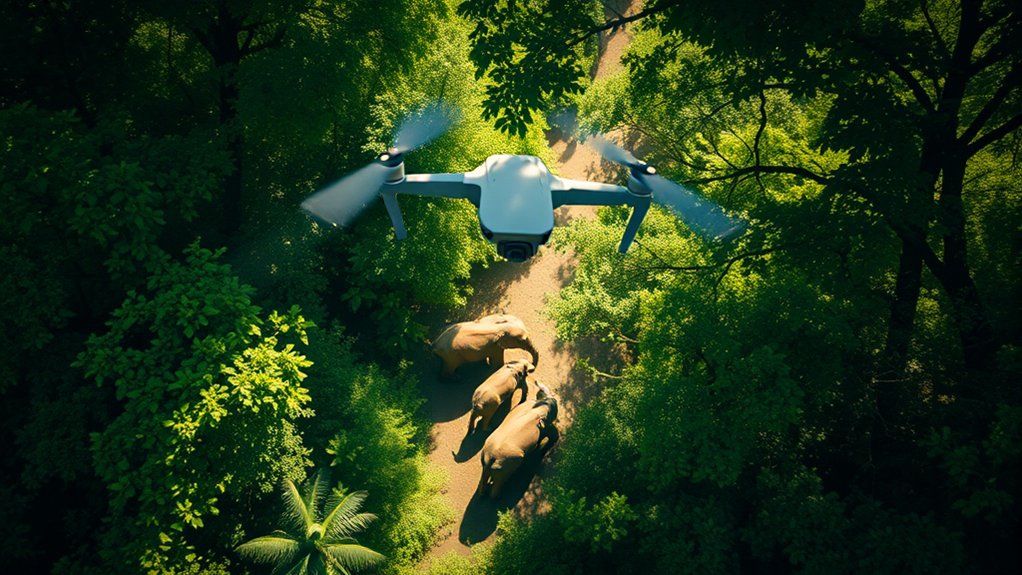
Ensuring safety for both wildlife and humans during drone operations is essential to responsible conservation work. A safe program protects animals, pilots, rangers, researchers, visitors, and nearby communities.
- Regulatory Compliance: Follow aviation rules, protected-area regulations, research permits, and local land-use requirements before flying. Many parks, reserves, and wildlife areas restrict or prohibit drones without permission.
- Risk Assessments: Review weather, terrain, battery limits, aircraft condition, communication range, animal sensitivity, and emergency landing options before each flight.
- Design Improvements: Use reliable equipment and maintain it carefully. Propeller damage, weak batteries, software issues, or poor calibration can increase crash risk.
- Ethical Assessments: Ask whether the conservation benefit justifies the flight. If the same data can be collected with less disturbance, use the lower-impact method.
- Clear Communication: Share safety protocols with pilots, rangers, researchers, and community partners. Everyone should know when flights occur, why they occur, and how data will be handled.
- Emergency Procedures: Prepare for lost signal, wildlife distress, equipment failure, sudden weather changes, and unexpected public presence in the flight area.
Pro Tip: Build a simple pre-flight checklist for every conservation mission. Include permits, weather, battery health, launch site, animal sensitivity, emergency landing area, and data-security steps.
Balancing Surveillance and Privacy
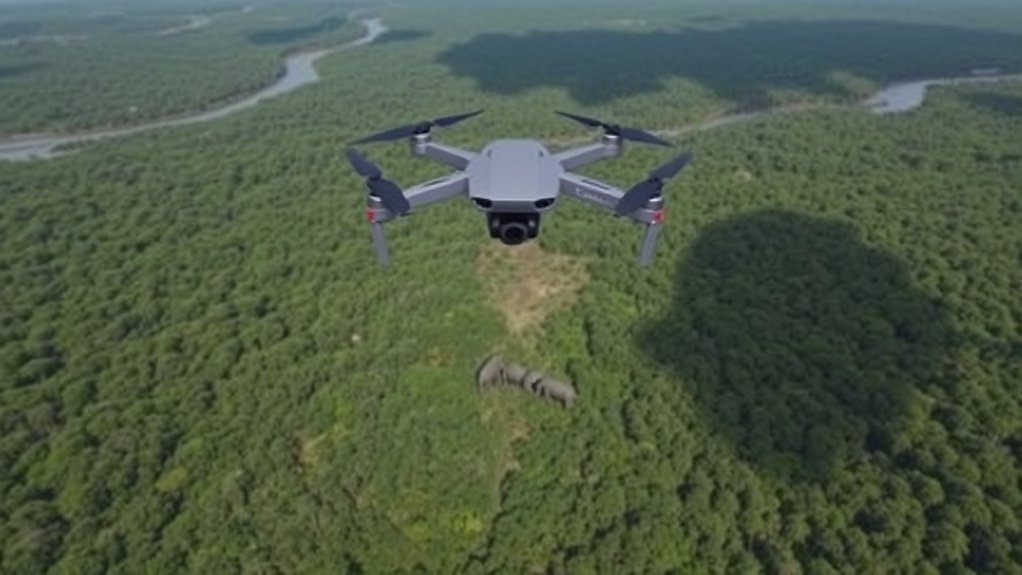
When you use drone technology for wildlife monitoring, you must consider the rights of indigenous communities, local residents, landowners, and people who use the landscape for cultural, spiritual, or livelihood purposes.
Effective surveillance techniques can support conservation, but they can also conflict with local privacy expectations. Ethical drone use requires consent, transparency, and respect for cultural values.
Finding this balance is essential for trust. Conservation projects are more likely to succeed when communities understand the purpose of drone flights and have a real voice in how the technology is used.
Indigenous Rights Considerations
While drone technology offers promising solutions for wildlife monitoring, it can create serious concerns when flights occur over or near indigenous communities. You need to recognize the balance between conservation efforts and the privacy rights, land rights, and cultural practices of local inhabitants.
Consider the following points:
- Drones can intrude on indigenous territories and disrupt traditional practices, ceremonies, hunting, fishing, gathering, or community life.
- Engaging with indigenous communities before drone use is essential to make sure their rights, knowledge, and concerns are respected.
- Ethical frameworks should include indigenous voices in conservation planning, monitoring design, data ownership, and decision-making.
- Guidelines should balance wildlife protection with privacy rights, cultural protection, and community control over sensitive information.
Effective Surveillance Techniques
Effective wildlife surveillance techniques using drones require a careful approach that respects the privacy rights of indigenous communities and local populations. You need to balance wildlife protection with the rights of people who live near or within monitored landscapes.
Drones equipped with advanced imaging technologies can provide real-time data on wildlife movements while maintaining a respectful distance from homes, community spaces, sacred areas, and private activity. This distance helps reduce disruption and builds trust.
Surveillance technologies can improve wildlife protection without violating community rights when teams plan carefully and communicate openly. That means telling people where drones will fly, what data will be collected, who can access it, and how long it will be stored.
Prioritizing minimal disturbance to both wildlife and communities ensures that conservation efforts do not compromise indigenous ways of life. Clear rules are critical for managing drone use while protecting privacy, dignity, and local authority.
Ethical Surveillance Practices
As conservationists use drone technology for wildlife monitoring, they must address the ethical implications of surveillance. Monitoring wildlife should not become a reason to ignore human rights or community boundaries.
Balancing these issues requires careful planning because invasive monitoring can undermine cultural integrity and public trust. To navigate this ethical landscape, consider the following practices:
- Community Engagement: Actively involve local communities in discussions about drone usage, timing, flight areas, and possible impacts.
- Informed Consent: Obtain clear consent from indigenous groups or local authorities before deploying drones in sensitive territories.
- Cultural Sensitivity: Recognize and respect traditional ways of life, sacred areas, and community norms.
- Transparent Protocols: Create clear rules for how data will be collected, stored, used, shared, and deleted.
- Limited Collection: Capture only the data needed for the conservation purpose, and avoid unnecessary recording of people, homes, or community activities.
Maintaining privacy rights is essential for ethical wildlife monitoring. Without trust, even the best technology can damage conservation partnerships.
Data Security and Ethical Considerations
Given the increasing use of drones in wildlife monitoring, the importance of data security and ethical considerations cannot be overstated. Drone data may include images, videos, GPS coordinates, animal movement routes, nesting sites, water sources, and patrol patterns.
The collection of sensitive wildlife location data raises the risk of exploitation by poachers or illegal traders. To reduce this risk, conservation teams need clear guidelines for data protection. These protocols help protect the integrity of monitoring efforts and prevent misuse of the information collected.
Strong data protection should include restricted access, secure storage, careful sharing rules, and clear deletion timelines. Teams should avoid publishing exact locations of endangered species, nests, dens, breeding grounds, or patrol routes when that information could increase harm.
Ethical considerations also extend to the rights of local communities and indigenous populations. You must be mindful of how surveillance technologies can affect their privacy. Images of people, homes, vehicles, cultural sites, or private land should be minimized, protected, or deleted when not needed.
Additionally, continuous assessment of the environmental footprint of drone operations is important. It helps you balance the conservation benefits with possible ecological harm, equipment waste, battery use, and disturbance from repeated flights.
Ongoing discussions about ethical guidelines are critical. This focus helps you address unintended consequences for wildlife and human communities while promoting responsible drone use in wildlife research.
Accessibility and Equity in Drone Use
While drone technology holds great potential for wildlife monitoring, disparities in access can create barriers to equitable conservation efforts. Wealthier countries, large institutions, and well-funded organizations may have better drones, sensors, software, training, and data-analysis tools than smaller local groups.
This imbalance raises significant ethical concerns:
- Resource Distribution: Equitable access to drones, training, maintenance, and data tools is essential for all communities to participate in effective conservation.
- Representation: Limited access can undermine indigenous and local communities, leading to underrepresentation in important monitoring initiatives.
- Technological Imbalance: Larger organizations may shape conservation priorities around their own tools and goals, sidelining local needs and knowledge.
- Inclusive Practices: Addressing access disparities supports conservation practices that respect diverse perspectives, local expertise, and community-led management.
- Capacity Building: Training local pilots, data managers, and conservation workers helps communities control how drone programs affect their land and wildlife.
Equity also involves data ownership. Communities should know who owns drone footage, who can use it, whether it can be shared publicly, and how it may affect their rights or livelihoods.
Long-Term Sustainability and Environmental Impact
Drones can play an important role in wildlife monitoring, but their use comes with environmental responsibilities. Long-term sustainability requires more than successful flights. It also requires careful attention to manufacturing, batteries, repairs, transportation, energy use, and end-of-life disposal.
The production and operation of drones can affect the environment, so you need to assess their lifecycle, energy consumption, and waste production. Conservation teams should weigh the benefits of drone technology against the environmental costs of buying, charging, transporting, and replacing equipment.
Drones should reduce harm, not shift it. A conservation tool is more responsible when its full lifecycle supports the ecosystem it aims to protect.
Implementing sustainable practices can lower carbon footprints, especially in initiatives like forest replanting, where drones may help teams map damaged areas and monitor restoration progress. However, drone use should still be targeted and efficient rather than excessive.
Continuous improvement in drone technology and design is critical to reduce ecological footprints while improving conservation capabilities. Longer-lasting batteries, repairable parts, quieter motors, better route planning, and shared equipment programs can all reduce waste and disturbance.
Clear guidelines for energy-efficient operations are also important. Teams can reduce environmental disruption by combining flights, avoiding unnecessary repeat surveys, using local operators when possible, and storing data efficiently.
Prioritizing long-term sustainability ensures that drone usage supports conservation efforts without compromising the very ecosystems you aim to protect.
Creating an Ethical Drone Monitoring Protocol
An ethical drone monitoring protocol turns good intentions into consistent practice. It gives pilots, researchers, rangers, and community partners a shared standard for safe and respectful drone use.
A strong protocol should include:
- Purpose of the Flight: Define the conservation question, species, habitat, or threat being monitored.
- Permit Requirements: Confirm aviation permission, protected-area approval, research permits, and community consent before flying.
- Species Risk Review: Identify sensitive seasons, nesting areas, breeding sites, migration routes, and known stress behaviors.
- Flight Limits: Set minimum distances, maximum flight times, safe altitudes, no-fly zones, and stop-flight triggers.
- Data Rules: Decide what data will be collected, who can access it, how it will be stored, and what must never be shared publicly.
- Community Process: Explain how local people will be informed, consulted, and included in decisions.
- Emergency Plan: Prepare for crashes, lost drones, wildlife distress, public complaints, or accidental privacy capture.
- Review Schedule: Update the protocol as new evidence, regulations, technology, or community feedback emerges.
This protocol should be written in plain language and shared with everyone involved. It should also be practical enough for field teams to use before, during, and after every mission.
When Drones Should Not Be Used
Drones are powerful tools, but they are not always the right choice. In some situations, flying a drone may create more risk than benefit.
You should avoid drone use when:
- Animals show clear signs of stress, panic, aggression, abandonment, or avoidance.
- The area includes active nests, dens, breeding grounds, or newborn animals without a strict approved protocol.
- Weather conditions increase crash risk, such as strong wind, heavy rain, poor visibility, or extreme cold.
- You do not have the required permits, land access, or community consent.
- The data could expose endangered species to poaching, harassment, or illegal collection.
- The same conservation goal can be met with a safer method, such as camera traps, acoustic monitors, ranger observations, or satellite imagery.
- Flights may capture private homes, sacred sites, or sensitive community activity without consent.
Choosing not to fly can be an ethical decision. Responsible conservation values restraint when technology creates unnecessary harm.
Related Guides
Frequently Asked Questions
What are the ethical considerations of using drones in environmental conservation?
The main ethical considerations include wildlife stress, crash risk, privacy, indigenous rights, data security, equitable access, and environmental impact. A responsible drone program should use permits, community engagement, species-specific flight rules, secure data handling, and clear limits on when drones should not be used.
Is it ethical to use drones for surveillance?
Drone surveillance can be ethical when it serves a clear conservation purpose, follows the law, limits disturbance, protects privacy, and includes community consent. It becomes unethical when it is secretive, excessive, unsafe, or used in ways that harm wildlife or violate human rights.
What is the drone code of ethics?
A drone code of ethics is a set of rules for responsible use. In wildlife monitoring, it should emphasize legal compliance, animal welfare, minimal disturbance, pilot safety, data protection, transparency, community consent, and respect for protected areas and cultural sites.
Are there safety concerns with flying drones over animals and in protected areas?
Yes. Drones can disturb animal behavior, cause stress, trigger flight responses, or crash in sensitive habitats. Protected areas may also have strict drone rules. You should fly only with proper permission, careful planning, safe distances, and a clear reason for collecting the data.
How can drones reduce harm during wildlife monitoring?
Drones can reduce harm by flying higher, staying farther away, limiting flight time, avoiding sensitive seasons, using quieter equipment, and stopping when animals show stress. Teams should also collect only necessary data and avoid repeated flights unless they serve a clear conservation purpose.
Who should approve drone use in wildlife conservation?
Approval may need to come from aviation authorities, protected-area managers, research ethics boards, landowners, and local or indigenous communities. The exact requirements depend on the location, species, purpose of the flight, and type of data being collected.
Conclusion
Incorporating drones into wildlife monitoring offers major opportunities for conservation, but it requires careful ethical judgment. You can use drones to gather better data, protect endangered species, support restoration, and improve ranger response. Still, every flight should respect animal welfare, community privacy, local rights, and data security.
The best approach is not simply to use drones because they are available. It is to ask whether they are necessary, whether they can be used safely, and whether the people and ecosystems affected by them have been considered. By building strong protocols, engaging local communities, and protecting sensitive information, you can use drone technology in a way that supports sustainable wildlife conservation while respecting both wildlife and human rights.

