Fall fishing gives beginners a real chance to catch bass because cooler water often pushes baitfish shallow and makes bass feed more often. As daylight shortens and water temperatures drop, bass move between creek channels, flats, docks, grass lines, and other cover while they prepare for winter. To make the most of the season, you need to understand where bass go, how weather changes their mood, which lures match fall baitfish, and how to stay safe while fishing changing conditions.
Quick Answer
For fall fishing success, focus on shallow flats, creek mouths, docks, grass edges, and baitfish schools during early morning, late evening, and stable weather windows. Use crankbaits, jerkbaits, spinnerbaits, swim jigs, and soft plastics that match local forage, then adjust your depth and retrieve speed as water temperature and weather change.
Key Takeaways
- Fall bass often follow baitfish into shallower water, especially near creek channels, docks, grass, and flats.
- Low light, overcast skies, wind-blown banks, and stable weather can improve your odds.
- Crankbaits, jerkbaits, buzzbaits, swim jigs, spinnerbaits, and soft plastics all have a place in fall fishing.
- Cold fronts can change fish behavior quickly, so stay mobile and adjust lure speed, depth, and location.
- Always check local fishing rules before using live bait, keeping fish, or fishing a new lake or river.
At a Glance
| Best Time | Early morning, late evening, overcast days, and active baitfish periods |
| Difficulty | Beginner-friendly, but conditions change fast |
| Best Areas | Creek channels, shallow flats, docks, grass edges, riprap, points, and baitfish schools |
| Core Lures | Crankbaits, jerkbaits, spinnerbaits, buzzbaits, swim jigs, worms, lizards, and creature baits |
| Cost | Low to moderate if you already own basic bass gear |
Understanding Fall Bass Behavior
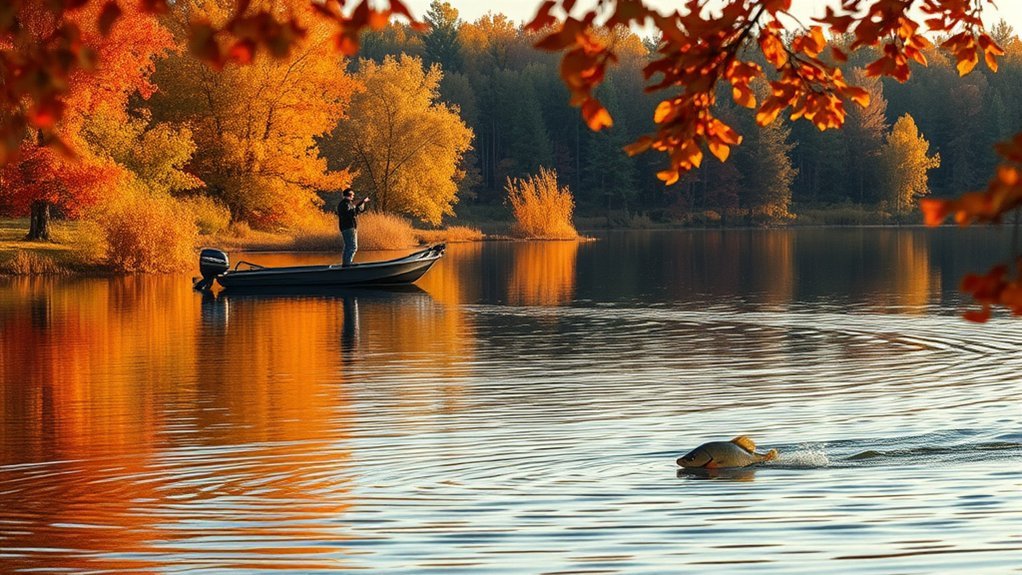
As the days grow shorter and temperatures begin to cool, you’ll notice a clear shift in bass behavior. In fall, largemouth bass often leave some of their slower summer patterns and start chasing baitfish more actively. That feeding push makes fall one of the most exciting seasons for beginners because you can often find fish by finding food.
As the season progresses, bass tend to move toward shallow water, especially where baitfish like shad, minnows, or young panfish gather. Flats near creek channels become productive because bass can slide from deeper water into feeding areas without traveling far. Points, riprap, grass edges, docks, and laydowns can also hold fish when bait is nearby.
The cooler weather influences bass behavior, but the change is not the same every day. A mild, stable stretch may keep bass feeding shallow. A sharp cold front may push some fish tighter to cover or slightly deeper until conditions settle. By watching water temperature, wind direction, bait movement, and sky conditions, you can adapt your fishing strategy and increase your chances of catching bass this fall.
In fall, baitfish location often matters more than the spot itself. When you find active bait near cover or depth changes, bass are usually close.
Effective Fall Fishing Techniques
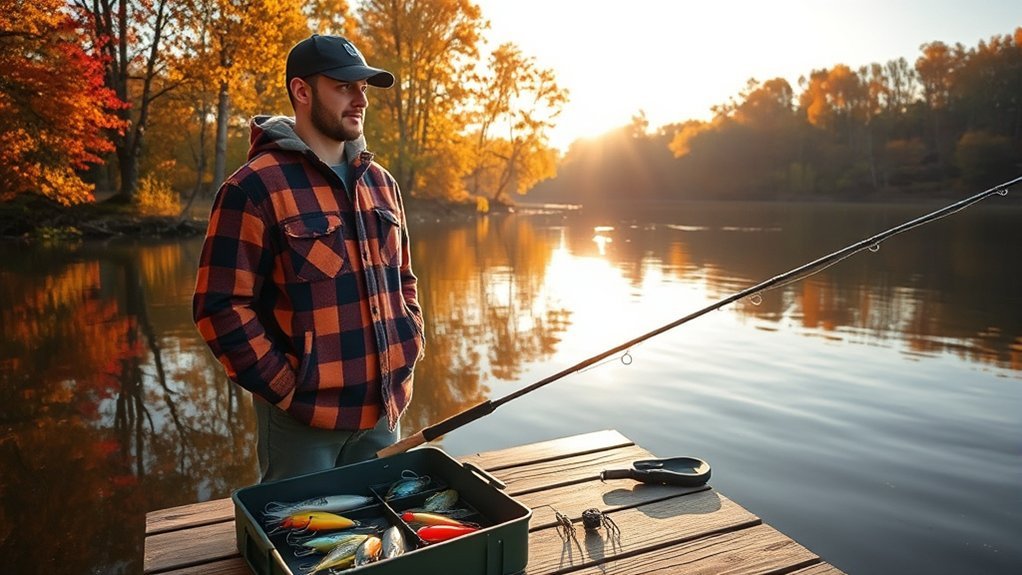
Effective fall fishing techniques start with movement. Instead of fishing one spot too long, cover water until you see baitfish, surface activity, birds, wind-blown banks, or bass chasing prey. Focus on shallow flats, docks, riprap, grass lines, points, and creek channels, which often become hotspots during fall feeding periods.
When targeting aggressive bass, use moving baits first. Jerkbaits, crankbaits, spinnerbaits, buzzbaits, and swim jigs help you search water and trigger reaction strikes. If bass follow but do not commit, slow down with finesse rigs, soft plastics, or live bait where legal.
Match your retrieve to fish activity. Use a steady retrieve when bass are chasing bait. Add pauses, twitches, and speed changes when fish seem interested but cautious. If the bite slows after a weather shift, try a slower presentation around cover, such as a Texas-rigged worm, jig, or creature bait.
Pay close attention to weather conditions. Passing cold fronts, cloud cover, wind, and falling temperatures can all change how bass feed. Staying mobile is key because fall fish often shift locations during the day. With these fishing tips, you’ll be better equipped to improve your fall bass fishing experience and catch more fish.
Pro Tip: Start with a moving bait to find active fish. Once you get a bite or see baitfish, slow down and make repeated casts from different angles.
Popular Lures for Fall Fishing
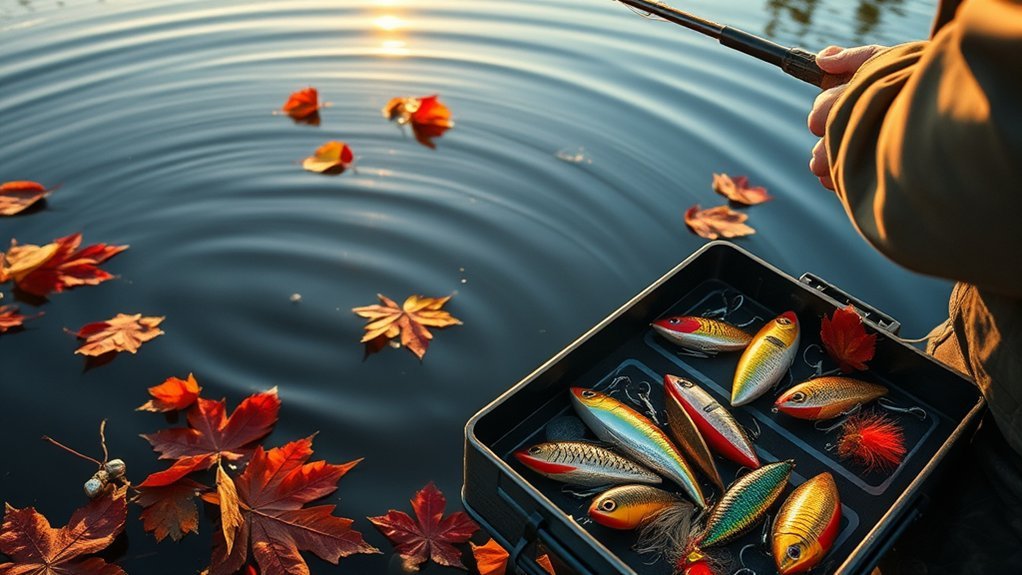
When fall fishing, choosing the right lures can make a big difference. Bass often feed on shad, minnows, bluegill, crawfish, and other forage during fall, so your lure should match the size, color, and depth of what they are eating. Crankbaits, especially craw-style and shad-style designs, can mimic baitfish movement, while soft jerkbaits provide a more subtle approach for less active fish.
Use brighter or more visible colors in stained water, and choose natural colors in clear water. White, silver, shad, chrome, green pumpkin, watermelon, and craw patterns all work well in the right conditions. If bass are feeding near the surface, try a buzzbait or walking bait. If they hold near the bottom, switch to a jig, worm, or deep-diving crankbait.
[Amazon Products Picked for You]

PREMIUM LIPLESS CRANKBAIT: Designed by our National Pro-Staff, the Strike King Red Eyed Shad has become the standard bearer lipless crankbait on the pro tour. Each pack includes 1 lure only
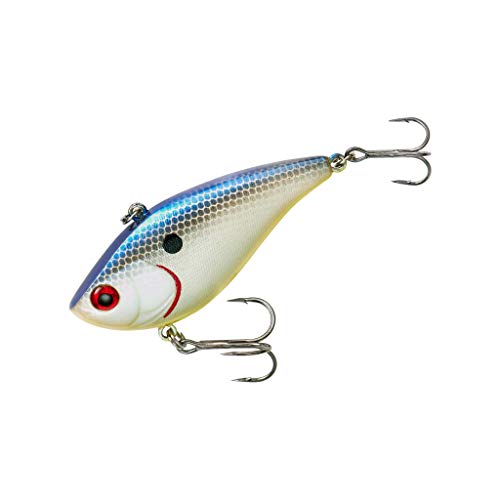
Hard Knocker is a great lipless crankbait for aggressive fishing

PREMIUM LIPLESS CRANKBAIT: Designed by our National Pro-Staff, the Strike King Red Eyed Shad has become the standard bearer lipless crankbait on the pro tour. Each pack includes 1 lure only
Best Crankbait Choices
Choosing the right crankbait can make all the difference in your fall fishing success. As the temperature drops, bass often become more willing to chase, so match your crankbait to the prevalent forage and depth changes. Here are three useful choices:
- Livingston Howeller Craw: Its craw-style profile and action can help when bass are feeding around rocks, riprap, and shallow cover.
- Shallow Divers: These work well when bass push baitfish onto flats, banks, and shallow points.
- Deep Divers: These help you reach bass holding on deeper breaks, channel edges, and offshore points as the season progresses.
Squarebill crankbaits are also useful around wood, rock, and shallow cover because they deflect off objects and can trigger reaction bites. Lipless crankbaits work well over grass flats and open water when bass are chasing bait.
Effective Soft Plastic Options
The thrill of fall fishing often hinges on your choice of soft plastics, which can closely mimic the natural forage that bass are targeting during this season. Effective soft plastic options include worms, lizards, and creature baits, especially when Texas-rigged for versatility and snag resistance. Smaller profile soft plastics can work well in cooler water, especially when bass are less aggressive and more selective.
Colors like green pumpkin, watermelon, and black/blue are strong picks because they resemble common forage and remain visible in many water conditions. Experiment with different retrieval speeds and techniques, such as dragging, hopping, shaking, or slowly swimming the bait near cover.
| Soft Plastic Type | Color Options | Retrieval Techniques |
|---|---|---|
| Worms | Green Pumpkin | Dragging |
| Lizards | Watermelon | Hopping |
| Creature Baits | Black/Blue | Dragging or Hopping |
Spinnerbaits, Swim Jigs, and Topwater Options
Spinnerbaits and swim jigs are excellent search baits when wind pushes baitfish against banks, grass, or cover. A spinnerbait gives off flash and vibration, which helps bass locate it in stained water. A swim jig works well around grass and shallow cover because it slips through vegetation better than many treble-hook lures.
Topwater lures can also shine in early fall, especially during low light or when baitfish are flickering near the surface. Buzzbaits, poppers, and walking baits can draw explosive strikes. If bass miss the lure, pause for a moment, then continue the retrieve or follow up with a soft jerkbait.
Tips for Catching Live Bait
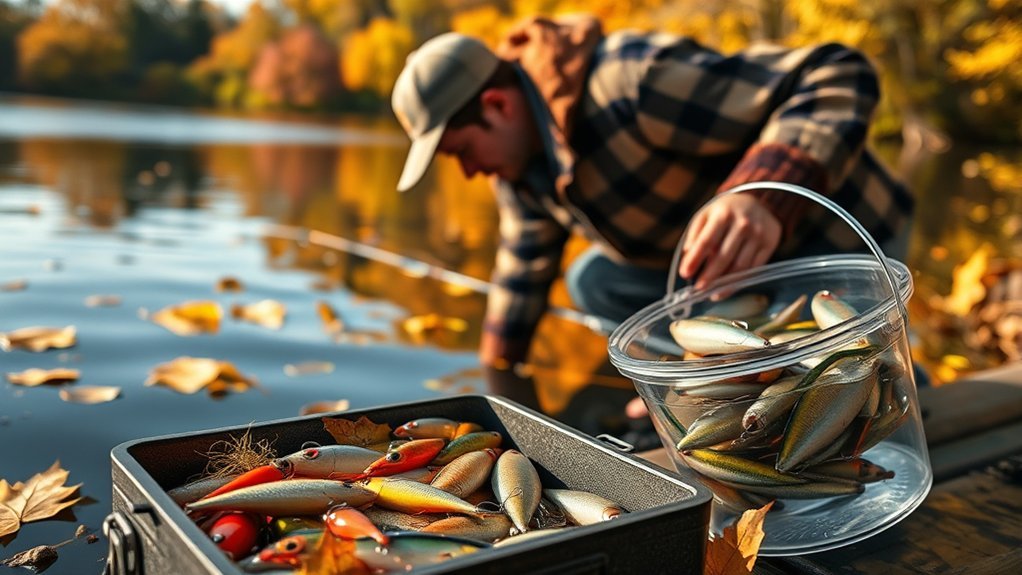
Though many anglers rely on artificial lures, catching live bait can improve your fishing success in some fall conditions. Live bait, such as shad, minnows, worms, or bluegill where legal, can attract bass and other species when fish are less willing to chase artificial lures.
Catching live bait, like shad, can improve your odds in fall, but you should always check local rules before collecting or using it.
- Use a Cast Net: A cast net is one of the most effective tools for catching shad. Look for bait schools in shallow coves, marinas, creek arms, and wind-blown pockets.
- Check Local Regulations: Always verify local fishing laws before harvesting live bait. Some waters restrict cast nets, transport, bait species, or the use of live fish.
- Keep Bait Healthy: Use an aerated bait bucket or livewell. Stressed bait dies quickly and becomes less effective.
- Match the Local Forage: Bass are more likely to eat bait that looks and moves like what they already chase in that lake, river, or pond.
Warning: Do not move live bait from one body of water to another unless local regulations clearly allow it. Transporting bait can spread invasive species, parasites, or disease.
[Amazon Products Picked for You]
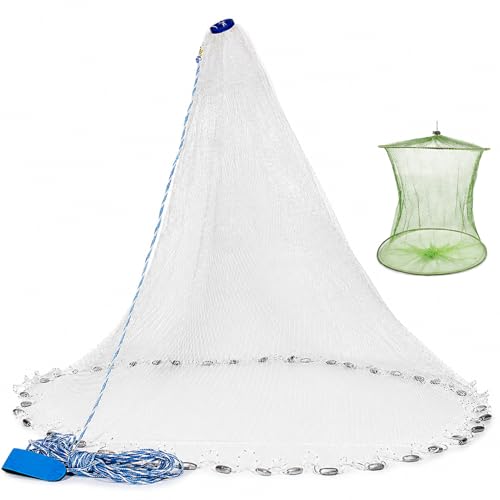
FAST SINKING & KNOT-FREE - Equipped with galvanized sinkers & tangle-free horn, this fishing casting net ensures a smooth throw. The balanced weight offers an ultra-fast sink rate. Great cast nets for fishing saltwater and freshwater areas

🏆【BEST VALUE AND HIGHEST QUALITY MATERIALS】This cast net comes in different sizes with a versatile 3/8” mesh of reinforced monofilament nylon and premium galvanized zinc iron sinkers for rust resistance (with proper care). No compromise in the materials or design, made to last!

Durable & Corrosion-resistant Construction: Calamus Baitfish Cast Net features plastic-coated iron sinkers that resist corrosion, ensuring long-term durability. With a weight of 0.71-0.82Lb/Ft, it provides excellent performance for repeated use.
Best Times and Conditions for Fishing
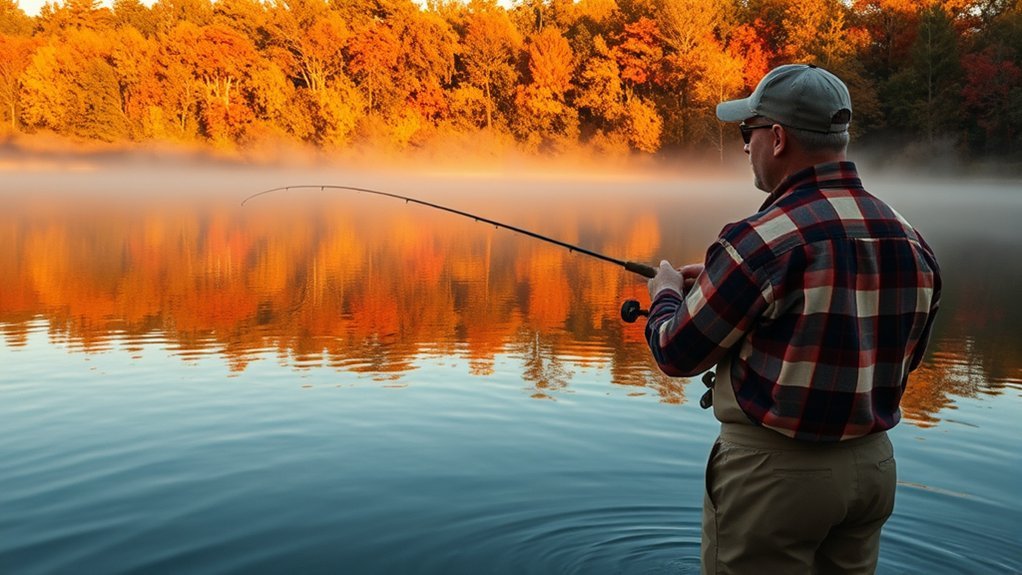
Understanding the best times and conditions for fishing can greatly improve your success on the water. During fall, low light conditions like sunrise and sunset often produce strong activity because bass feel more comfortable feeding shallow. Overcast skies and light wind can extend that bite later into the day.
Water temperatures around 60 to 75 degrees Fahrenheit often support active fall bass fishing, but local conditions matter. In early fall, bass may still follow late-summer patterns. In mid-fall, they often chase baitfish hard. In late fall, they may move deeper or slow down as water temperatures continue dropping.
Cooler weather following a front can sometimes stimulate feeding, but a strong cold front can also make fish harder to catch for a short time. When that happens, slow your retrieve, fish closer to cover, or target nearby deeper water.
Here’s a quick reference table for your fishing strategy:
| Time of Day | Water Temperature (°F) | Weather Conditions |
|---|---|---|
| Early Morning | 60-75 | Clear/Cool |
| Late Evening | 60-75 | Overcast/Cool |
| Midday | 65-70 | Sunny |
| Post Cold Front | 60-70 | Breezy/Cool |
Key Locations and Structures for Bass
When fishing for bass in the fall, knowing where to find them can make all the difference. These fish are drawn to key locations and structures that provide both cover and feeding opportunities. Start by looking for baitfish. If you see shad flickering, minnows scattering, birds diving, or bass breaking the surface, you have found an area worth fishing.
- Shallow Waters: As bass move to feed on baitfish, look for them in shallow flats, creek channels, coves, and wind-blown banks.
- Vegetation: Grass beds, lily pads, and weed edges offer concealment, oxygen, and feeding lanes for ambushing prey.
- Man-Made Structures: Docks, bridge pilings, seawalls, and timber provide shade and cover, especially when bass want shelter from current or bright sun.
- Points and Creek Mouths: These areas act like travel routes between deep and shallow water.
- Riprap and Rock Banks: Rocks hold heat, attract crawfish, and give baitfish places to hide.
Note: Wind can help fall fishing because it pushes plankton and baitfish toward banks. A wind-blown point or shoreline often fishes better than a calm one.
Essential Gear for Fall Fishing
When gearing up for fall fishing, choosing the right rod and reel combo is vital for targeting bass effectively. You’ll want a setup that lets you cast moving baits, feel light bites, and handle fish around grass, docks, rock, or timber. You do not need every lure in the tackle shop, but you should carry enough options to cover different depths and moods.
[Amazon Products Picked for You]

Fishing rod & reel combos with Carrier Case: 1 Fishing Rod + 1 Fishing Reel + Fishing Line + Various Fishing Lures + Fishing Hooks + Some Fishing Accessories + Carrier Bag. This Fishing starter kit is specially made for novice, including necessary fishing accessories.

Precision Casting Combo: Our top-tier rod and fishing reel combo offers a 7ft/2.13m 2-piece rod and a precision casting reel, delivering smooth and reliable performance. Available in both left and right-hand configurations, it suits all fishing styles, offering flexibility and ease for every angler

COMFORT GRIP FISHING POLE - This fishing rod has a split EVA foam handle that helps prevent hand fatigue and allows anglers of all ages a more comfortable grip, helping them stay out on the water and fish longer and, most importantly, catch more fish.
Rod and Reel Selection
Choosing the right rod and reel for fall fishing can make all the difference in your success on the water. Here are three key considerations to keep in mind:
- Rod Action & Length: A moderate action rod between 7’0″ and 7’11” can help cast crankbaits and keep bass pinned with treble hooks.
- Power Rating: Use medium power for smaller lipless baits, medium-heavy power for mid-size crankbaits and spinnerbaits, and heavy power for deep cranks or heavy cover.
- Reel Quality: Select a reel with a smooth drag system to handle aggressive bass strikes during their fall feeding periods.
Investing in quality gear improves sensitivity, casting distance, hook control, and overall fishing success this fall. Beginners can start with one medium-heavy baitcasting combo for moving baits and one medium spinning combo for finesse presentations.
Bait and Tackle Essentials
After selecting the right rod and reel, it’s time to focus on what you’ll use to attract those fall fish. A successful outing hinges on your bait and tackle choices. For live bait, consider using shad, minnows, worms, or bluegill where legal, as they can improve your chances when fish are less responsive to lures.
Stock your tackle box with essential terminal tackle like hooks, weights, swivels, snaps, extra line, pliers, and a small scale. Popular lures for fall include crankbaits, jerkbaits, spinnerbaits, buzzbaits, swim jigs, and finesse rigs, which cover both active and sluggish fish.
Line choice also matters. Monofilament can help with topwater lures because it floats and adds stretch. Fluorocarbon works well for crankbaits, jerkbaits, jigs, and soft plastics because it sinks and has good sensitivity. Braided line is useful around grass and heavy cover, especially when paired with a fluorocarbon leader in clear water.
Finally, always check local fishing regulations regarding bait, tackle, seasons, size limits, and creel limits. Some areas have restrictions that could affect your fishing strategy. Get prepared, and you’ll be ready to reel in those fall catches.
Adapting to Weather Changes During Fall
As temperatures drop in the fall, it’s essential to adapt your fishing strategy to keep up with changing bass behavior. Fish may feed aggressively one day and become harder to catch the next. Weather, water clarity, wind, and temperature swings all shape where bass hold and how they respond.
- Stay Mobile: Move around to shallow flats, docks, points, and creeks where larger fish may gather as they chase baitfish.
- Monitor Weather Reports: Keep an eye on local conditions. Cold fronts, wind shifts, and storms can change feeding activity quickly.
- Switch Lures: Changes in water clarity and temperature can impact baitfish movements, so adjust your lures to mimic what bass are targeting.
- Slow Down After Tough Fronts: If bass stop chasing, use jigs, worms, and soft plastics around cover or nearby deeper breaks.
- Use Wind Wisely: Fish wind-blown banks when it is safe. Wind can position baitfish and make bass less wary.
Beginner Mistakes to Avoid
Fall fishing can be productive, but beginners often miss fish by moving too slowly, fishing empty water, or using one lure all day. The biggest mistake is ignoring baitfish. Bass usually follow food in fall, so a quiet bank with no bait activity may not be worth much time.
Another mistake is fishing too fast after a cold front. If bass are not chasing, slow your retrieve and target cover more carefully. You should also avoid using gear that is too light around grass, wood, or docks because bass can break off quickly in cover.
Finally, do not assume every fall day fishes the same. Early fall, mid-fall, and late fall can require different depths, speeds, and lure profiles. Keep notes after each trip so you can learn what works on your local water.
Fall Fishing Safety and Regulations
Fall weather can change quickly, especially near large lakes, rivers, and reservoirs. Dress in layers, bring rain gear, and keep a dry change of clothes nearby if you fish from a boat or kayak. Cold water can become dangerous even when the air feels mild, so wear a properly fitted life jacket when boating, kayaking, or fishing near deep water.
Check local rules before your trip. Regulations can cover fishing licenses, harvest limits, size limits, live bait use, boat access, and seasonal closures. Rules can also differ between nearby lakes or rivers, so do not rely on memory from another location.
Carry basic safety gear, including pliers, a line cutter, a first-aid kit, a flashlight or headlamp, drinking water, and a charged phone. Tell someone where you plan to fish if you are going alone.
Related Guides
Frequently Asked Questions
What Is the 80/20 Rule in Fishing?
The 80/20 rule in fishing means you’ll often catch most of your fish from a small percentage of the water. Instead of casting randomly, focus on high-percentage areas such as baitfish schools, creek mouths, points, grass edges, docks, and other productive cover.
What Is the 90/10 Rule in Fishing?
The 90/10 rule says many fish may use a small portion of the available water at any given time. For fall bass fishing, that means you should spend more time around bait, cover, depth changes, and seasonal travel routes instead of fishing featureless water.
What Is the Easiest Fish to Catch in the Fall?
Bluegill are often one of the easiest fish to catch in the fall because they feed actively and often hold near shallow cover, docks, grass, and brush. Worms, small jigs, and tiny soft plastics can all work well.
How Do You Fish in the Early Fall?
In early fall, stay mobile and target shallow water near deeper access. Use crankbaits, spinnerbaits, buzzbaits, jerkbaits, and swim jigs around baitfish activity. Dawn, dusk, overcast skies, and wind-blown banks can be especially productive.
What Color Lures Work Best for Fall Bass?
Choose lure colors based on water clarity and local forage. Shad, chrome, white, and silver work well when bass chase baitfish. Green pumpkin, watermelon, black/blue, and craw colors work well around grass, wood, rock, and stained water.
Do Bass Stay Shallow All Fall?
Bass do not stay shallow every day in fall. Many move shallow to feed when baitfish are present, but they may slide deeper after strong cold fronts, during bright sun, or when bait moves offshore. Fish nearby depth changes when the shallow bite slows.
Conclusion
As you head into fall fishing, remember that success starts with finding baitfish and adjusting to the conditions in front of you. Bass often feed more actively in cooler water, but their exact location changes with weather, water temperature, wind, and available cover.
Target creek channels, shallow flats, docks, grass edges, riprap, and wind-blown banks during low light hours or stable feeding windows. Use effective lures like crankbaits, jerkbaits, spinnerbaits, swim jigs, buzzbaits, and soft plastics, then slow down when the bite gets tough. With the right approach, fall can become one of your most productive and enjoyable seasons on the water.
Sources
- U.S. Fish & Wildlife Service Fishing — supports safe, responsible recreational fishing practices.
- Take Me Fishing: How to Fish — supports beginner fishing techniques, gear basics, and trip preparation.
- U.S. Coast Guard Boating Safety: Life Jackets — supports the safety advice to wear a life jacket when boating or fishing near deep water.
- National Invasive Species Information Center: Aquatic Species — supports the caution about not moving live bait between waters.