You might find it interesting that the best family fishing memories often come from unexpected moments on the water. Planning a family fishing day can be a rewarding experience, blending education, simple outdoor skills, and fun in nature. Whether you’re casting lines inshore, camping beside a quiet lake, or exploring nearshore waters with older kids, a little planning helps everyone feel safe, included, and excited. Let’s look at practical ideas that can turn your next fishing trip into an unforgettable adventure for the whole family.
Quick Answer
The best family fishing day combines an easy location, simple gear, safe conditions, kid-friendly fish, snacks, short fishing sessions, and backup activities. Inshore fishing, pond fishing, pier fishing, and camping trips work especially well because they keep kids comfortable while giving everyone a real chance to catch fish.
Key Takeaways
- Choose short, accessible trips such as inshore, pier, pond, lake, or family-friendly camping locations.
- Pack safety basics first, including life jackets, sunscreen, water, a first-aid kit, and weather-appropriate clothing.
- Target easier species such as Bluegill, Crappie, Redfish, Spotted Seatrout, Flounder, and small Snapper to keep kids encouraged.
- Keep children involved by letting them choose bait, hold their own rod, spot wildlife, take photos, and celebrate every catch.
- Check local fishing rules and license requirements before you go, because regulations vary by state, age, species, and location.
At a Glance
| Time Required | 2 to 4 hours for young kids; half-day or full-day trips for older children and experienced families |
| Difficulty | Beginner-friendly when you choose calm water, simple tackle, and easy-to-catch species |
| Tools Needed | Rods, reels, hooks, sinkers, bobbers, bait, tackle box, pliers, cooler, life jackets, sunscreen, and first-aid kit |
| Cost | Low for shore or pier fishing if you already own gear; higher for guided charters, boat rentals, or camping fees |
Best Types of Fishing for Families

When you’re planning a family fishing day, choosing the right type of fishing can make all the difference in ensuring everyone has a great time. For a memorable family fishing trip, consider inshore fishing, which is perfect for young kids and beginners. These trips usually keep you close to shore, often in bays, flats, estuaries, or sheltered coastal water where waves and travel time feel more manageable.
Inshore trips can give everyone a chance to catch popular saltwater fish species like Redfish, Spotted Seatrout, and Flounder. If your kids are a bit older and have some experience, nearshore fishing can be exciting, too, because it lets you explore deeper waters without committing to a long offshore run.
Freshwater fishing also deserves a spot on your list. Local ponds, small lakes, stocked community waters, and calm riverbanks can be ideal for younger children. These places often have easier casting room, shorter walks, bathrooms nearby, and good odds of catching Panfish, Bass, Perch, or Trout.
Don’t forget to invest in the right fishing gear and consider hiring a charter guide if you want extra support. A good guide can help with bait, casting, fish handling, safety rules, and local fishing patterns. Whether you’re camping nearby or heading out for the day, the right type of fishing can create lasting memories for you and your kids.
[Amazon Products Picked for You]

【 Best Value Kids Fishing Pole Set 】- There are 2 set in the package, which is blue and orange. It's an all-in-one fishing rod and reel combo kit for kids, which come with tackle box including a selection of fishing lures accessories suited to different fishing situations--Robber Fishing or Lure Fishing. A travel carry bag, a folding fishing net and 2 bucket are also offered.These two fishing sets are very suitable for two children to fish together.

【 Best Value Kids Fishing Pole Set 】- There are 2 set in the package, which is blue and orange. It's an all-in-one fishing rod and reel combo kit for kids, which come with tackle box including a selection of fishing lures accessories suited to different fishing situations--Robber Fishing or Lure Fishing. A travel carry bag, a folding fishing net and 2 bucket are also offered.These two fishing sets are very suitable for two children to fish together. Perfect boys and girls fishing pole for ages 3

【Premium Fishing Tackle Kit】- TCMBY high-quality freshwater fishing tackle kit gives kids, boys, beginner or starter plenty of options to catch most of fish, like Trout, walleye, smallmouth Bass, Panfish, ect.
Inshore Fishing Trips
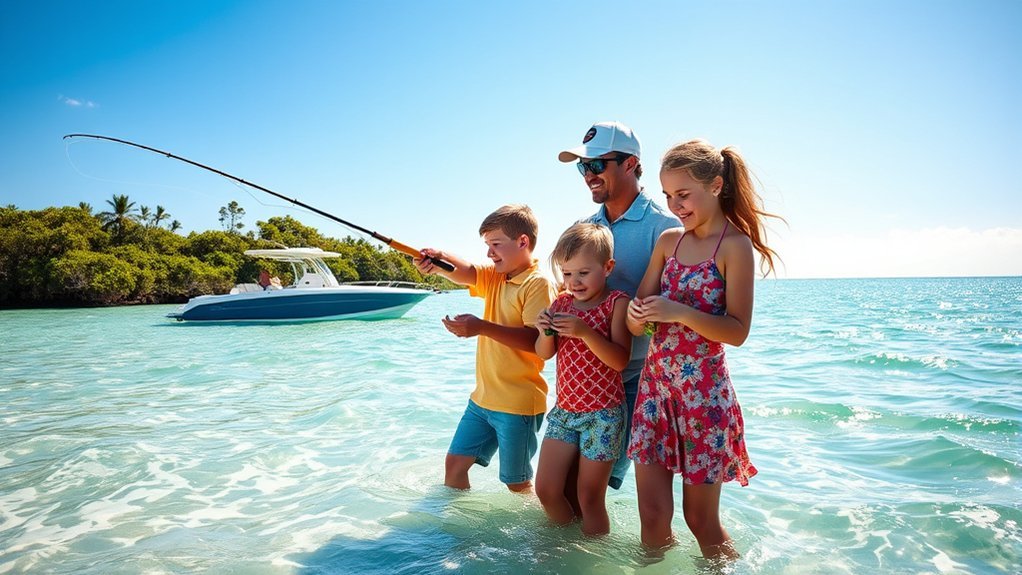
Inshore fishing trips are perfect for families, offering accessible locations just a short distance from shore. You’ll find techniques like drift fishing and bottom fishing easy to pick up, making it a great experience for beginners and kids. Plus, with the chance to catch tasty fish like Redfish and Flounder, you’ll create lasting memories on the water.
These trips also work well because families can choose shorter outings. A two-hour or half-day trip often fits young attention spans better than a long offshore run. Calm bays, passes, marsh edges, oyster bars, grass flats, and protected shorelines can all offer action without making the day feel too intense.
Accessible Locations for Families
Whether you’re a seasoned angler or trying fishing for the first time, inshore fishing trips offer family-friendly locations that are both accessible and enjoyable. These spots typically include bays, flats, estuaries, channels, mangrove edges, and coastal waters, making it easier for families with young children or inexperienced anglers to participate.
Many inshore locations can be accessed on foot, allowing you to fish right off the shoreline or from piers, eliminating the need for a boat. With water that may range from shallow flats to deeper cuts and channels, you’ll find various fishing opportunities. Short half-day trips also keep kids engaged and excited. Inshore fishing provides a perfect introduction to the sport for your entire family, creating lasting memories together.
Techniques for Beginners
As you begin your first inshore fishing adventure, mastering a few simple techniques can make all the difference in your experience. Inshore fishing, with its shallow waters and accessible spots, is perfect for beginners. Here are some common techniques to help you get started:
| Technique | Description |
|---|---|
| Drift Fishing | Allows your bait to flow naturally with currents. |
| Still Fishing | Involves casting and waiting for a bite, which is great for teaching patience. |
| Bottom Fishing | Targets fish near the bottom using simple rigs, bait, and light to medium tackle. |
Focus on family-friendly species like Redfish, Spotted Seatrout, and Flounder. These techniques are not just easy; they help everyone have fun while learning together during your inshore fishing trip.
Pro Tip: For young kids, start with a bobber rig or a simple bottom rig. They can see the bobber move, feel the bite, and understand what is happening without learning complicated casting first.
Nearshore Fishing Trips
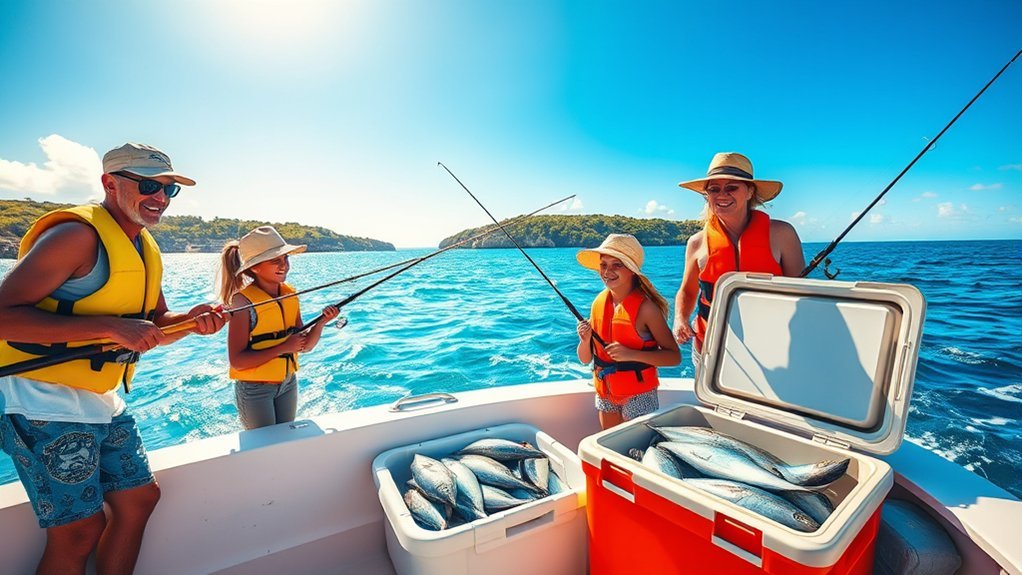
There’s something special about the thrill of casting a line into the waves just beyond the shore, and nearshore fishing trips offer the perfect blend of adventure and accessibility for families. These excursions often take place outside protected inshore water but still remain closer than true offshore trips, which can make them a good step up for families with older kids or some prior experience.
- Encounter a variety of fish species like Snapper, Grouper, and smaller Mahi Mahi where local seasons and regulations allow.
- Experience diverse techniques such as trolling and bottom fishing that cater to different skill levels.
- Enjoy a safer outing by using essential gear like life jackets, sun protection, communication devices, and a valid fishing license when required.
Nearshore fishing allows you to explore deeper waters while still keeping the family reasonably close to shore. It’s a fantastic way to bond, learn new fishing techniques, and create unforgettable memories while battling the waves together.
Before booking a nearshore trip, ask the captain about expected sea conditions, ride time, restroom access, shade, target species, and whether the trip suits children. If anyone in your family gets motion sickness, choose a calm-weather day and discuss prevention options before you leave the dock.
Warning: Do not treat nearshore conditions as automatically safe because the boat stays closer to land. Check the marine forecast, follow the captain’s safety instructions, and keep children in properly fitted life jackets whenever conditions call for extra caution.
[Amazon Products Picked for You]
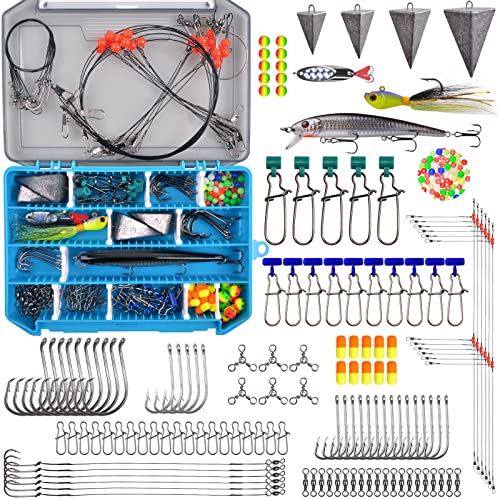
【Surf Fishing Kit】Includes almost everything you need for saltwater fishing, from fishing lures to terminal tackle like fishing weights, fishing hooks swivels and beads etc.

2 arm 12pcs white nylon monofilament leaders,main leader test 90lb, arm leader test 55lb, keep hooks free of leader.

Pond, Lake, and Pier Fishing Ideas
If you want the easiest possible family fishing day, start with a local pond, public lake, stocked park water, or fishing pier. These places often offer parking, restrooms, picnic tables, benches, shade, and shorter walks. That matters when you have younger children, grandparents, or anyone who may need a break.
Pond and lake fishing can be especially rewarding because kids often catch Bluegill, Crappie, Perch, Catfish, or small Bass using simple bait. Pier fishing gives families a similar advantage in saltwater areas. You can fish without a boat, bring more comfort items, and step away from the rail when kids need snacks or rest.
For beginners, choose a spot with open casting space and avoid crowded areas where lines may cross. Use small hooks, light tackle, and bait that stays on the hook well, such as worms, shrimp pieces, squid strips, or prepared bait where legal. Keep the goal simple: help each person make a cast, watch the line, and enjoy the moment.
Camping and Fishing Trips
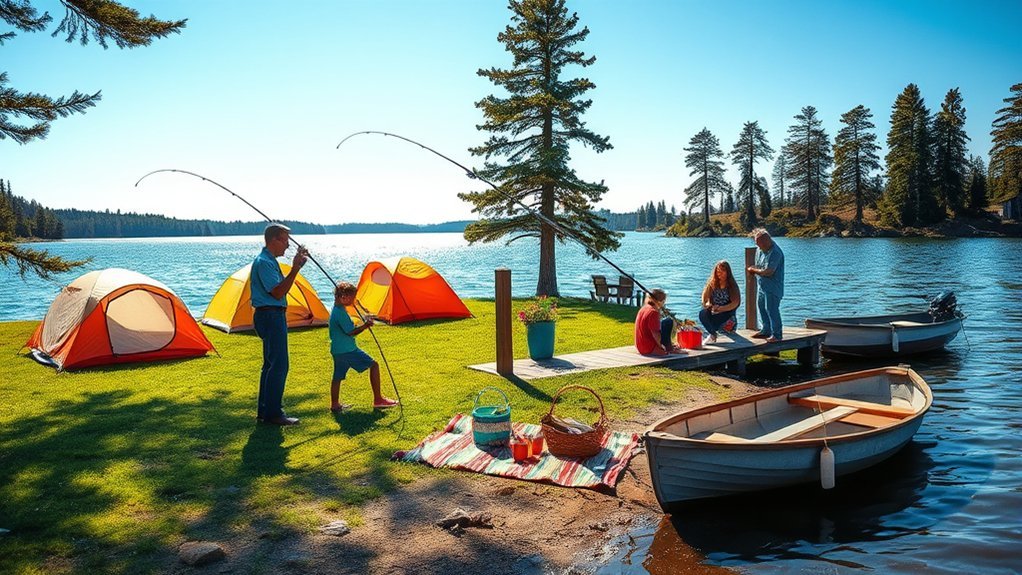
Camping and fishing trips create the perfect opportunity for families to immerse themselves in nature while casting lines into tranquil waters. Setting up camp near lakes, rivers, ponds, or coastal areas enhances your experience with stunning landscapes and the soothing sounds of nature. These trips cater to all skill levels, offering various fishing techniques like trolling on lakes, casting in rivers, still fishing from shore, and even fly fishing where conditions fit.
Many campsites provide guides, maps, boat rentals, or local staff who can help with local regulations and fishing techniques, ensuring a smooth start for your family. Beyond fishing, you can enjoy outdoor activities like hiking, birdwatching, wildlife observation, campfire cooking, and simple nature journaling.
These shared experiences help strengthen family bonds, allowing you to learn valuable skills about nature, fishing, and outdoor safety together. So pack your gear, gather your loved ones, and plunge into the excitement of camping and fishing trips.
Family-Friendly Fish Species
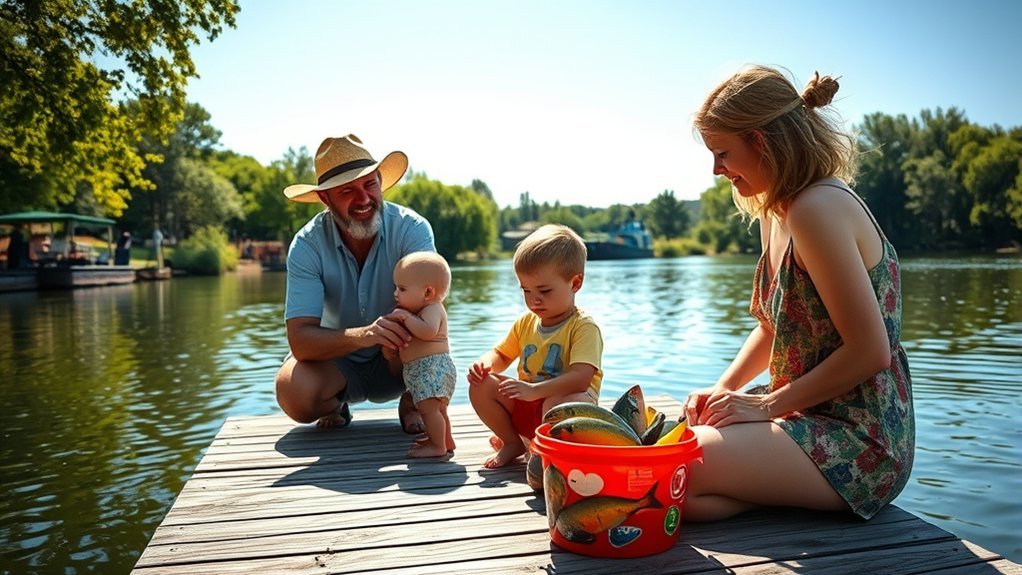
When planning a family fishing trip, choosing the right fish species can make all the difference in creating a fun and rewarding experience. You’ll want to focus on family-friendly fish species that are usually easier to find, easier to catch, and manageable for kids fishing with light tackle.
- Popular saltwater options: Redfish, Spotted Seatrout, Flounder, Croaker, Pinfish, and smaller Snapper can be exciting catches where local rules allow.
- Exciting challenges: For a bit more thrill, consider targeting Snapper, Grouper, Sheepshead, Spanish Mackerel, or small Mahi Mahi with older kids and proper guidance.
- Freshwater gems: Panfish like Crappie and Bluegill are perfect for families, while Bass, Perch, Catfish, Salmon, and Trout offer a rewarding experience for anglers of many skill levels.
It’s best to avoid more demanding species like Billfish, large Tuna, giant Tarpon, and large offshore sharks with inexperienced anglers and young children. These fish may require heavy tackle, longer fights, special handling, and more stamina than a relaxed family trip should demand. Choose wisely, and you’ll set the stage for an unforgettable family fishing day.
How to Prepare for Your Family Fishing Trip
To guarantee your family fishing trip is a success, start by planning carefully and gathering all the necessary essentials. First, research local fishing regulations and obtain the required licenses. This helps your family stay compliant and focused on fun. Rules can vary by location, species, season, size limit, bag limit, gear type, and age.
Create a checklist of essential gear, including fishing rods, reels, tackle boxes, hooks, sinkers, bobbers, bait, needle-nose pliers, a measuring device, and a first-aid kit. Don’t forget food and drinks to keep everyone’s energy up.
Next, choose a family-friendly fishing location that’s accessible for all ages. Consider the terrain, restrooms, shade, railings, parking distance, cell service, and available fish species. Pack appropriate clothing, like layered outfits for changing weather, plus safety gear like life jackets, sunscreen, hats, and sunglasses.
Finally, keep the kids engaged with fun activities and snacks throughout the day. This will help maintain their enthusiasm and make your family fishing trip an unforgettable adventure.
Essential Gear for a Successful Trip
To make your family fishing trip a success, having the right gear is a must. You’ll need proper fishing equipment tailored to the fish you’re after, along with essential safety gear like life jackets for everyone. Don’t forget comfort items like sunscreen and snacks to keep the day enjoyable and stress-free.
[Amazon Products Picked for You]

BEST-VALUE KIDS FISHING KIT FOR AGES 5–10: All-in-one telescopic rod, pre-spooled spinning reel, loaded tackle box, minnow net, carry bag, and beginner's guide — everything needed for a first fishing trip. No assembly. Ideal starter set for boys and girls


【30 Ton Graphite Telescopic Fishing Rod】All graphite rod reduces by 20% physical weight to others made from a mix of carbon and fiberglass, which is not only more responsive, but also don’t reduce firmness. The ceramic guide ring adopts weaving + resin technology, which can prevent the guide ring from falling off and prolong the service life.
Must-Have Fishing Equipment
A successful family fishing day hinges on having the right gear at your fingertips. It’s essential to pack items that cater to both beginners and experienced anglers in your crew.
- Tackle box: Organize hooks, line, sinkers, swivels, bobbers, lures, and spare leaders for easy access.
- Personal flotation devices: Bring life jackets for everyone, especially children, to support safety while fishing near or on the water.
- First-aid kit: Be prepared for minor injuries or emergencies that may arise during your outing.
Don’t forget comfort items too. Pack plenty of food and drinks in a cooler to keep everyone hydrated and nourished. Add needle-nose pliers, a line cutter, a small towel, hand wipes, trash bags, and a ruler if you plan to keep legal fish. With this must-have fishing equipment, you’ll be set for a fantastic day on the water.
Safety Gear Essentials
While planning your family fishing day, prioritizing safety gear can make all the difference in ensuring a worry-free experience on the water. Essential items include personal flotation devices, also called life jackets, for everyone onboard, a well-stocked first-aid kit for minor injuries, and emergency signaling tools for unexpected situations. Always check the weather forecast before heading out to avoid dangerous conditions, and bring a fully charged mobile phone for communication and navigation.
| Safety Gear | Purpose |
|---|---|
| Personal Flotation Devices | Helps keep everyone safer while near or on water |
| First-Aid Kit | Addresses minor injuries and emergencies |
| Fire Extinguisher | Prepares for onboard fire incidents when boating |
| Flares | Signals for help in emergencies where required and appropriate |
| Mobile Phone | Supports communication, navigation, and emergency contact |
Comfort Items Checklist
Packing the right comfort items can elevate your family fishing day from ordinary to extraordinary. To help everyone enjoy the experience, make sure to bring along essential items that support safety and comfort.
- Layered clothing for changing weather
- Life jackets for all passengers
- A well-stocked first-aid kit
Rubber-soled footwear helps you navigate slippery surfaces safely while keeping you comfortable throughout the day. Don’t forget sunscreen to protect your skin, and pack a cooler filled with ice, food, and drinks to keep everyone hydrated and energized. Including insect repellent, hand wipes, extra clothes, and a waterproof bag for valuables will further enhance your family’s comfort while enjoying a day on the water.
Food and Snacks for Family Fishing Day
Good snacks can save a fishing trip when the bite slows down. Pack easy, low-mess foods that children can eat without leaving sticky residue on rods, reels, or bait containers. Granola bars, trail mix, fruit, cheese sticks, crackers, wraps, sandwiches, cut vegetables, and yogurt pouches all work well.
Bring more water than you think you need, especially during warm weather. Sports drinks can help on hot days, but water should still be the main drink. Keep cold foods in a cooler with ice packs, and store raw bait separately from anything your family will eat.
Plan a snack break before kids get tired or frustrated. A short pause can reset the mood, give everyone time to stretch, and make the trip feel like a picnic instead of a lesson.
Tips for Keeping Kids Engaged
To keep kids engaged during a family fishing day, involve them in the entire process, from choosing bait to reeling in their catches. Equip each child with their own fishing rod when possible. This fosters excitement and gives them a sense of independence.
Encourage exploration of the surrounding nature. Let them discover plants, birds, shells, insects, tracks, clouds, and wildlife nearby, stimulating their curiosity about the ecosystem.
Pack a variety of snacks and drinks to keep kids happy and energized, ensuring they stay engaged throughout the trip. During quieter moments, incorporate fun games or storytelling sessions. These activities can maintain their interest while waiting for bites.
- Let kids name the fishing spot or pick the first bait color.
- Give them a simple job, such as holding the net, counting catches, or taking photos.
- Celebrate small wins, including good casts, patient waiting, and gentle fish handling.
- Take short breaks for snacks, nature walks, or shade before anyone gets cranky.
By allowing them to participate in every aspect, you create a memorable experience that’s both educational and enjoyable. With these tips, you’ll transform a simple fishing trip into a fun-filled adventure, keeping kids engaged and excited all day long.
Safety Practices for Family Fishing
When you’re out fishing with the family, safety should always come first. Make sure everyone has a properly fitting life jacket, especially the kids, to keep them safer while near the water. Plus, having a well-stocked first-aid kit on hand can help you tackle minor mishaps that might happen along the way.
Review basic rules before anyone casts. Keep hooks away from faces, look behind before casting, walk instead of run on docks, and never lean too far over rails or boat edges. Assign one adult to supervise children closely near the water, even when the spot looks calm.
Life Jacket Requirements
Although fishing can be an exciting adventure for the whole family, ensuring everyone’s safety on the water is paramount, especially when it comes to life jacket requirements. Here are some essential points to remember:
- Regulations vary: Check local laws regarding life jackets for children, boat passengers, and specific watercraft.
- Proper sizing: Choose life jackets that are U.S. Coast Guard-approved and fit snugly for each individual.
- Accessibility matters: Always have a wearable personal flotation device for every person on board, in good condition and easy to reach.
Educate your children on the importance of wearing life jackets whenever needed, regardless of their swimming ability. By following these safety practices, you’ll create a fun and secure fishing environment for your family.
First-Aid Kit Essentials
A well-prepared first-aid kit can make all the difference during a family fishing trip, ensuring that minor injuries don’t put a damper on your fun. Stock your kit with essentials like adhesive bandages for scrapes, antiseptic wipes for cleaning wounds, and gauze pads for larger injuries. Don’t forget tweezers for splinters and scissors for emergencies. Pain relievers like ibuprofen or acetaminophen can help with headaches, while seasickness medication, when appropriate for your family, can help those sensitive to motion.
| Item | Purpose |
|---|---|
| Adhesive Bandages | Treat minor cuts and scrapes |
| CPR Guide | Emergency response reference |
| Seasickness Medication | Helps prevent nausea while fishing when suitable |
Add disposable gloves, medical tape, insect bite treatment, sunburn gel, and any personal medications your family may need. With these essentials, you’re better prepared for a safe, enjoyable adventure.
Catch-and-Release and Fish Handling
Family fishing is a great time to teach respect for fish and the environment. If you plan to release a fish, handle it gently and keep it in the water as much as possible. Wet your hands before touching the fish, avoid squeezing the body, and use pliers to remove hooks quickly.
If a fish swallows the hook deeply, follow local guidance and use your best judgment. For fish you plan to keep, check size limits, bag limits, and seasons first. Use a cooler with ice to keep legal fish fresh, and never keep fish just for photos.
Note: Rules for keeping fish can change by state, waterbody, season, and species. Check the current local regulations before your trip and again if you move to a different fishing area.
Creating Lasting Memories on the Water
Family fishing trips offer more than just a chance to catch fish; they create cherished moments that strengthen your family bond. By engaging children in the fishing process, like baiting hooks, watching bobbers, counting catches, and practicing safe casting, you foster a sense of responsibility and excitement that enhances their connection to the activity.
Consider these fun activities to make your trip memorable:
- Nature walks to explore local wildlife
- Storytelling sessions around the water
- Catch-and-release practices to teach sustainability
Documenting your adventures through photographs or a family fishing scrapbook helps preserve those lasting memories. You can also record the date, location, weather, bait used, fish caught, and each child’s favorite moment. Reflecting on past trips not only brings smiles but also reinforces your family’s shared experiences.
As you enjoy all that nature has to offer, embrace the laughter, the learning, and the teamwork that come with family fishing. You’ll leave the water with more than just fish; you’ll take home unforgettable moments.
Frequently Asked Questions
How do you keep kids entertained while fishing?
To keep kids entertained while fishing, let them help choose bait, hold their own rods, watch bobbers, count catches, and take photos. Pack snacks, plan short breaks, and add nature walks, storytelling, or simple games during slow periods.
How much do you tip for a 4-hour fishing trip?
For a 4-hour guided fishing trip, many anglers tip about 15% to 20% of the trip cost when the captain and crew provide good service. You may tip more for exceptional help, patient instruction with kids, or extra services such as cleaning your catch.
What food is good for a fishing day?
Good fishing day foods include granola bars, sandwiches, wraps, trail mix, fresh fruit, cheese sticks, crackers, yogurt, and chilled vegetables. Bring plenty of water, use a cooler for cold items, and keep bait separate from food.
What do you need for a fishing day?
You’ll need rods, reels, hooks, sinkers, bobbers, bait, a tackle box, pliers, sunscreen, snacks, drinks, appropriate clothing, life jackets where needed, and a first-aid kit. Also check fishing licenses, local regulations, weather, and access rules before you go.
What is the best age to take kids fishing?
Kids can start enjoying simple fishing outings at almost any age if the trip is short, safe, and flexible. Younger children usually do best with shore fishing, bobbers, snacks, and frequent breaks, while older kids may enjoy longer trips or guided outings.
Sources
- National Weather Service Marine Forecasts — supports checking marine weather before boating or nearshore trips.
- U.S. Coast Guard Boating Safety — supports boating safety and life jacket guidance.
- U.S. Fish & Wildlife Service Fishing — supports family fishing access and conservation-minded fishing.
- Take Me Fishing — supports beginner fishing, licenses, and family-friendly fishing education.
Conclusion
As the sun sets and you reel in your last catch of the day, you’ll find that the memories made during your family fishing adventure are the true treasures. Whether you’re casting lines inshore, exploring nearshore waters, relaxing at a local pond, or camping beside a lake, each moment can deepen your bond.
So gather your gear, check the rules, pack your snacks, and keep the day simple enough for everyone to enjoy. With the right plan and a flexible attitude, your family fishing day can become a story that gets passed down like an heirloom. Your family fishing day awaits, so let the adventure begin.