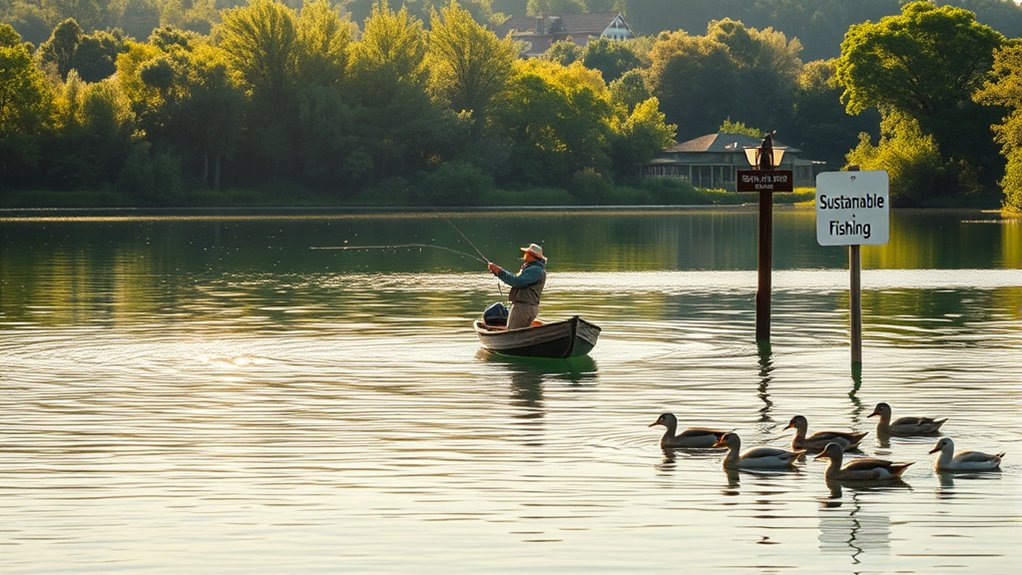
When you choose seafood, you are also choosing how much pressure your meal places on oceans, fish populations, habitats, and fishing communities. A sustainable choice usually comes from a well-managed fishery or responsible farm, has lower bycatch or habitat impact, and can be traced back to a trustworthy source. Labels such as the Marine Stewardship Council (MSC) blue fish label, Seafood Watch ratings, and local fishery information can help you shop with more confidence.
Quick Answer
The most sustainable seafood choices come from well-managed fisheries, responsible aquaculture, or trusted local sources. Look for credible certifications, check seafood guides, choose lower-impact species, avoid overfished options, and ask where and how the seafood was caught or farmed before you buy.
Key Takeaways
- Sustainable seafood protects fish populations, marine habitats, and the people who depend on fishing for income.
- Labels such as MSC and ASC can help, but you should still consider species, location, fishing method, and traceability.
- Seafood guides make shopping easier by rating options as better choices, alternatives, or options to avoid.
- Smaller fish, shellfish, and underused local species can often reduce pressure on overfished favorites.
- Health matters too, so balance omega-3 benefits with mercury, sodium, and pollution concerns.
Understanding Sustainable Seafood
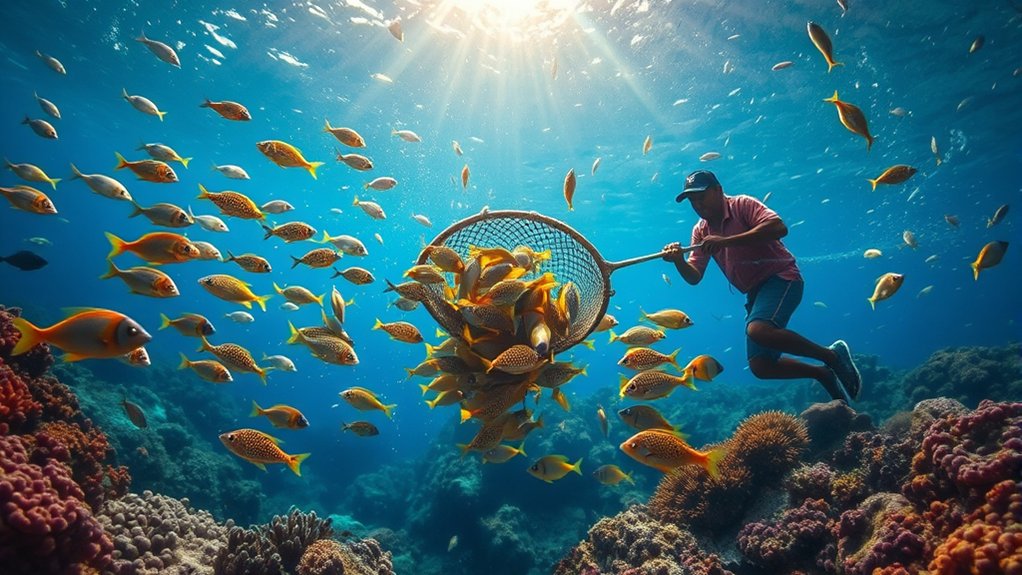
How can you make sure the seafood you eat supports both your health and the environment? Start by understanding what sustainable seafood really means.
Sustainable seafood comes from wild fisheries or farms that protect fish populations, limit damage to habitats, reduce bycatch, and support long-term ecosystem balance. A good choice should not only taste fresh but also come from a supply chain that can keep producing seafood without depleting the ocean.
Look for the Marine Stewardship Council (MSC) blue fish label on wild-caught seafood. This label signals that the product comes from a fishery assessed against sustainability standards, including healthy stocks, lower ecosystem impact, and effective management.
Traceability also matters. Much of the seafood eaten in the United States is imported, so shoppers often depend on labels, retailers, restaurants, and seafood guides to understand where a product came from and how it was caught or farmed. When traceability is weak, it becomes harder to avoid illegal fishing, mislabeled species, or poorly managed supply chains.
The Seafood Watch program can help you compare options by species, location, and fishing or farming method. Its ratings often group seafood into categories such as Best Choice, Good Alternative, and Avoid, which makes quick decisions easier at a store or restaurant.
Sustainable aquaculture practices can also play an important role, especially for lower-impact options such as mussels, oysters, clams, and seaweed. Fish farming can be responsible when it controls pollution, disease, escapes, feed sourcing, and habitat impacts. However, not all farmed seafood is equal, so certification and source details matter.
Note: No single label answers every question. The best seafood decision combines certification, species, source location, fishing or farming method, and your own health needs.
The Importance of Supporting Local Fisheries
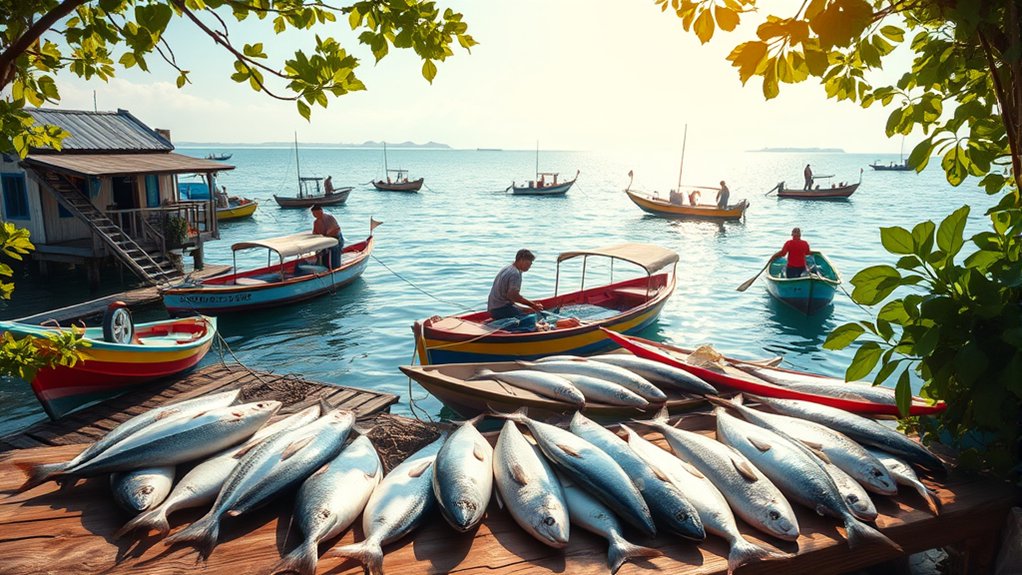
Supporting local fisheries is a practical way to encourage sustainable seafood practices and strengthen coastal communities. When you choose local seafood, you may reduce the carbon footprint tied to long-distance transportation, especially when the product moves through a shorter supply chain.
Local fisheries often operate under regional rules that set seasons, size limits, gear restrictions, catch limits, and protected areas. These controls can help fish populations recover and give managers better information about what is happening on the water.
By purchasing from local fishermen, seafood markets, community supported fisheries, or restaurants that name their sources, you directly support local economies. Your purchase can help fishermen maintain their livelihoods, keep working waterfronts active, and build community resilience.
Supporting local fisheries can encourage better traceability, fresher seafood, stronger coastal economies, and more accountability in how seafood reaches your plate.
Local fisheries may also deliver fresher, higher-quality seafood because the catch spends less time in storage and transport. Freshness can improve texture, flavor, and cooking results, especially for delicate fish and shellfish.
Engaging with local fisheries also helps you ask better questions. You can often learn the species name, catch area, season, harvest method, and handling practices. This transparency builds trust and helps you avoid vague claims such as “fresh,” “natural,” or “ocean friendly” when no details back them up.
The Role of Certifications in Seafood Choices
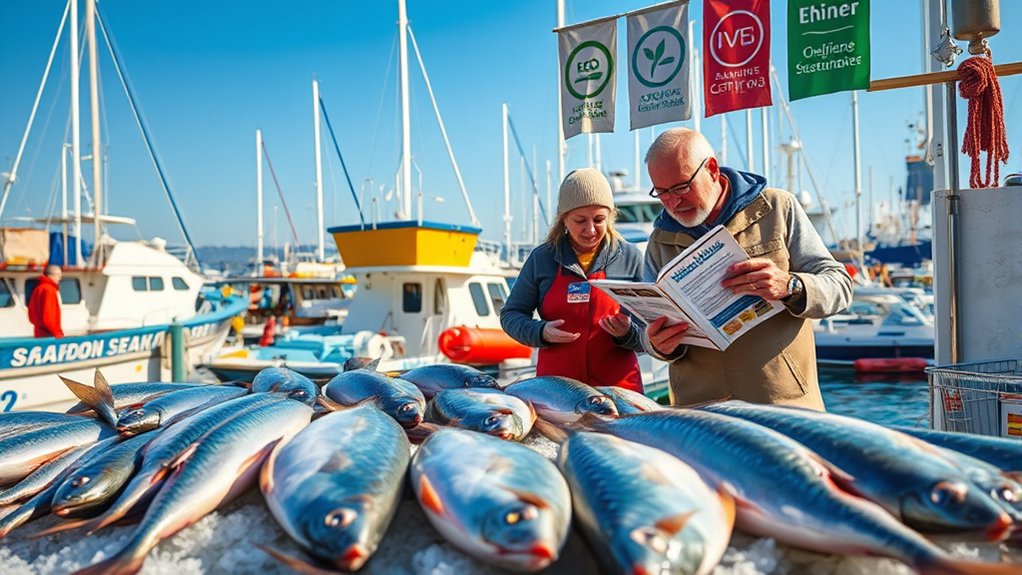
Many shoppers want to make sustainable seafood choices, but seafood certifications can feel confusing. The key is to understand what each label covers and what it does not cover.
The Marine Stewardship Council (MSC) blue fish label applies to wild-caught seafood from fisheries that meet standards for sustainable fish stocks, lower environmental impact, and effective management. It can be a useful signal when you are buying wild salmon, cod, pollock, tuna, or other wild seafood.
The Aquaculture Stewardship Council (ASC) focuses on farmed seafood. It evaluates issues such as environmental management, feed, water quality, disease control, worker conditions, and community impact. For farmed seafood, ASC certification can help you identify producers using more responsible practices.
The Seafood Watch program is not a product label in the same way as MSC or ASC. Instead, it provides sustainability ratings based on the species, region, and fishing or farming method. This makes it useful when a product has no certification but you still want guidance.
Third-party certifications can improve accountability because an outside organization checks standards instead of asking shoppers to trust a company’s own marketing. Still, you should watch for greenwashing tactics. Broad claims such as “eco-friendly,” “responsibly sourced,” or “ocean safe” mean little unless the seller explains the source, method, and standard behind the claim.
Warning: Do not rely on vague seafood claims alone. A trustworthy seller should be able to tell you the species, origin, and whether the product has a credible certification or rating.
Navigating Seafood Guides
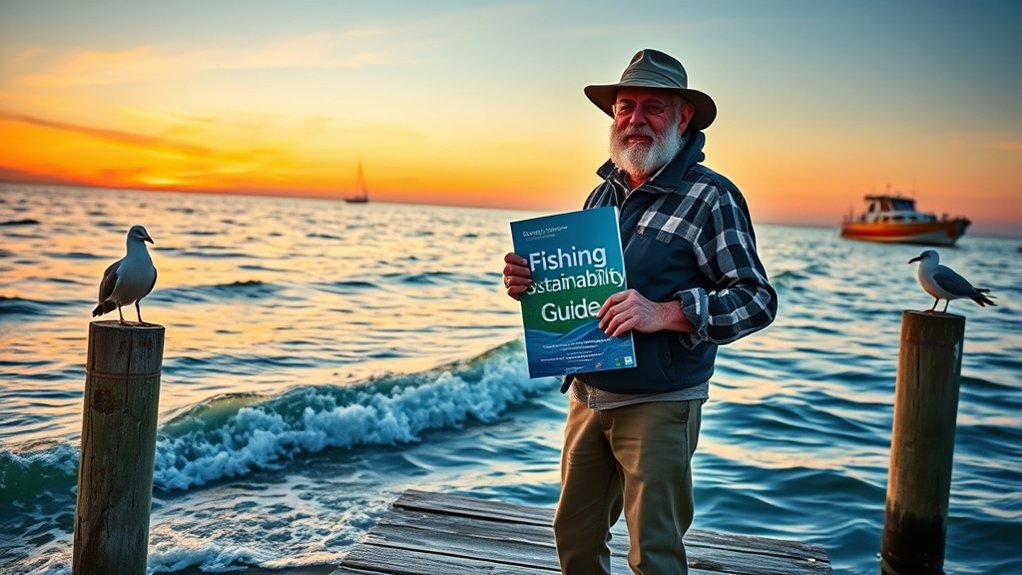
When you are trying to make sustainable seafood choices, seafood guides can seem overwhelming at first. Once you know what to look for, they become simple decision tools.
These guides compare seafood based on environmental impact, management quality, bycatch, habitat damage, farming practices, and stock health. Use them before shopping, when ordering sushi, or when choosing between similar products at a seafood counter.
- Species-Specific Ratings: Look for guides that evaluate individual seafood species. A fish may be sustainable in one region but a poor choice in another.
- Regional Insights: Use regional guidance to find sustainable options near you. Local rules, stock health, and gear types can change the rating.
- Popular Seafood Guide: Check common seafood such as cod, tuna, salmon, shrimp, scallops, and crab because these often have multiple sustainability ratings.
- Sushi Guide: For sushi, compare choices such as tuna, eel, salmon, shrimp, crab, and roe. Some popular sushi items can carry higher sustainability concerns depending on source.
When a guide lists a seafood item as a better choice, read the details. The recommendation may apply only to a specific country, gear type, farm method, or certification. For example, “shrimp” is not one single sustainability category. Wild-caught shrimp, farmed shrimp, trap-caught shrimp, and shrimp from different countries can have very different impacts.
Pro Tip: Save a seafood guide on your phone before shopping. It helps you check species and source details quickly instead of guessing at the counter.
Health Considerations When Choosing Seafood
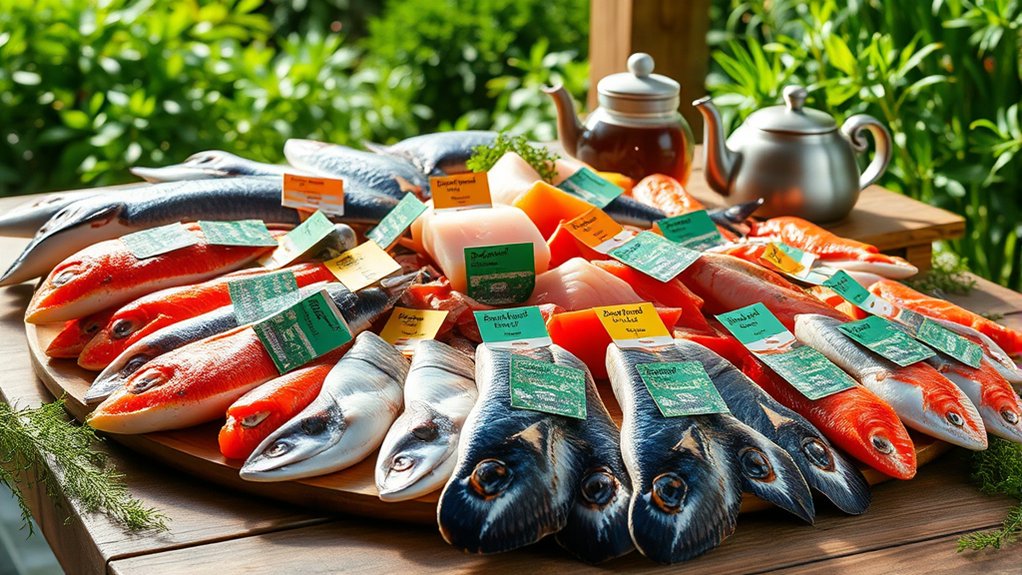
Choosing seafood involves more than sustainability considerations. You also need to think about nutrition, mercury, sodium, allergies, and food safety.
Fish and shellfish can provide high-quality protein, omega-3 fatty acids, vitamins, and minerals. Many dietary guidelines encourage regular seafood intake because fish can support heart health and healthy development when you choose lower-mercury options.
Mercury levels vary by species. Smaller species such as sardines, anchovies, scallops, oysters, and many smaller fish usually contain less mercury than large predatory fish such as swordfish, shark, king mackerel, bigeye tuna, and some larger tuna steaks.
The nutritional profiles of farmed fish can vary based on feed, farming conditions, and species. Some farmed seafood can be a responsible and nutritious choice, while other products may raise concerns about pollution, antibiotics, habitat loss, or feed sourcing. Check the farm method and certification when possible.
If you choose canned seafood, monitor sodium content. Many canned products are convenient and affordable, but some contain added salt. Lower-sodium versions can help you enjoy seafood more often without pushing sodium too high.
Pregnant people, young children, and anyone with specific health concerns should choose lower-mercury seafood and follow official fish-consumption advice. People with shellfish or fish allergies should avoid the allergen completely and watch for cross-contact in restaurants and seafood markets.
Addressing Ocean Pollution
Ocean pollution creates serious risks for marine ecosystems, seafood safety, and coastal communities. Plastic waste, agricultural runoff, sewage, industrial discharge, oil, and chemical contamination can all affect the health of fish, shellfish, and marine habitats.
As you consider your role in fishing sustainability, it helps to understand how these pollutants reach the ocean and how they affect seafood choices. Pollution does not always begin on the water. Many problems start on land and travel through rivers, drains, and runoff.
Sources of Ocean Pollution
While many people associate ocean pollution with ships or fishing activity, a large share of marine debris begins on land. Better waste management, cleaner waterways, and reduced single-use plastic can all help lower pressure on marine life.
- Plastic Waste: Plastic bags, packaging, fishing gear, and microplastics can enter waterways and threaten marine life through ingestion, entanglement, and habitat contamination.
- Agricultural Runoff: Excess fertilizers and pesticides can wash into rivers and coastal waters, contributing to algal blooms and low-oxygen zones.
- Heavy Metals: Contaminants such as mercury can accumulate in aquatic food chains and become more concentrated in larger predatory fish.
- Sewage and Industrial Discharge: Untreated or poorly managed waste can introduce pathogens, nutrients, and chemicals that degrade marine ecosystems.
Impact on Marine Life
As pollution enters marine environments, it can damage habitats, reduce biodiversity, and affect the species people rely on for food. Heavy metals such as mercury can build up in larger fish through biomagnification, creating health concerns for wildlife and people. Ocean acidification can stress shell-building species, while microplastics may affect feeding, growth, and reproduction in some marine organisms.
| Type of Pollution | Impact on Marine Life |
|---|---|
| Heavy Metals | Accumulation in fish; possible health risks for wildlife and people |
| Ocean Acidification | Stress on corals, oysters, clams, and other shell-building species |
| Microplastics | Potential feeding, growth, reproduction, and survival effects |
Diversifying Your Seafood Choices
By diversifying your seafood choices, you can reduce pressure on overfished or heavily demanded species while supporting healthier marine ecosystems. Instead of buying the same few options every time, try safe, well-rated alternatives from responsible sources.
Exploring lesser-known species not only supports sustainable fishing practices but also improves your cooking options. A more diverse seafood habit can help local fishermen sell a wider range of catch instead of depending on only the most popular fish.
This approach encourages economic sustainability in local fisheries and helps promote biodiversity in seafood markets. It can also introduce you to affordable, flavorful, and nutrient-rich options that many shoppers overlook.
Benefits of Diverse Choices
Diversifying your seafood choices can reduce overfishing pressures on popular species and support a more balanced seafood system.
- Support Recovery: Choosing underused species such as mussels, oysters, sardines, herring, scup, or mackerel can reduce pressure on overfished favorites.
- Promote Biodiversity: A varied seafood diet encourages markets to value more species, which can support healthier ecosystem management.
- Boost Local Economies: Lesser-known species are often harvested by small-scale or regional fisheries, helping more local businesses earn income.
- Enhance Nutrition: Different seafood provides different nutrients, including omega-3 fatty acids, vitamin D, iodine, zinc, selenium, and lean protein.
Exploring Lesser-Known Species
Exploring lesser-known seafood species offers a practical way to respond to overfishing and environmental sustainability concerns. Fish such as rockfish, scup, sardines, herring, mackerel, and responsibly sourced shellfish can give you more variety while reducing dependence on high-demand choices such as shrimp, salmon, and tuna.
Many underutilized species have strong flavor, good nutrition, and lower prices than more famous options. Some are also rich in omega-3 fatty acids and can be lower on the food chain, which may mean lower mercury levels than large predatory fish.
Before buying, check the source. A lesser-known fish is not automatically sustainable. Species, region, season, and gear type still matter. Use seafood guides or ask your fishmonger whether the product comes from a well-managed fishery.
Making Informed Purchasing Decisions
When choosing seafood, understanding sustainability labels, certifications, and source details can greatly improve your purchasing decisions. You do not need to memorize every species. You just need a reliable decision process.
- MSC Blue Fish Label: Look for this label when buying wild-caught seafood from fisheries assessed for sustainable practices and healthy fish stocks.
- Seafood Watch Program: Use this resource to compare ratings such as Best Choice, Good Alternative, and Avoid based on species, source, and method.
- Community Supported Fisheries (CSFs): Support local economies by buying fresh, seasonal seafood directly from fishermen or community-based seafood programs.
- Third-Party Certifications: Seek certifications such as the Aquaculture Stewardship Council for farmed seafood raised under responsible standards.
At the seafood counter, ask simple questions: What species is this? Where was it caught or farmed? How was it caught? Is it certified or rated by a seafood guide? A seller who can answer clearly is usually a better source than one that relies only on broad marketing claims.
Simple Sustainable Seafood Shopping Checklist
Use this quick checklist when you are buying seafood for home cooking, ordering at a restaurant, or choosing sushi.
- Check the exact species: Avoid vague labels such as “white fish” when possible.
- Ask for the source: Country, region, and fishery details can change the sustainability rating.
- Look at the method: Pole-and-line, handline, troll, traps, pots, and well-managed farms can often have lower impacts.
- Use trusted labels: MSC, ASC, and credible seafood guides can help you avoid guesswork.
- Choose variety: Rotate species and try lower-impact shellfish or small oily fish.
- Consider health: Choose lower-mercury seafood more often, especially for children and pregnant people.
- Buy only what you need: Reducing food waste is part of a sustainable seafood habit.
Frequently Asked Questions
What is the most environmentally friendly fishing method?
Lower-impact fishing methods often include handline, pole-and-line, troll, trap, and pot fishing when they are well managed. These methods can reduce bycatch and habitat damage compared with some large-scale gear types, but the species, region, and rules still matter.
What are sustainable fishing practices?
Sustainable fishing practices include science-based catch limits, selective gear, bycatch reduction, seasonal closures, protected nursery areas, habitat protection, traceability, and strong enforcement. These practices help fish populations reproduce and keep marine ecosystems healthier.
What makes a good fish for sustainability?
A good fish for sustainability usually comes from a healthy population, is harvested with lower-impact gear, has strong management rules, and can be traced to a reliable source. Credible certifications and seafood guide ratings can help confirm these details.
Why is mahi mahi sometimes on the avoid list?
Mahi mahi may appear on an avoid list when it comes from sources linked to weak management, overfishing concerns, or high bycatch from certain fishing methods. The rating can vary by location and gear type, so check the exact source before buying.
Is farmed seafood sustainable?
Farmed seafood can be sustainable when farms manage waste, feed, disease, escapes, habitat impacts, and worker conditions responsibly. Shellfish and seaweed farming are often lower-impact choices, while finfish farming depends heavily on the farm system and certification.
How can I tell if seafood is mislabeled?
You cannot always identify mislabeled seafood by appearance. Reduce the risk by buying from trusted sellers, asking for the exact species and source, choosing traceable products, and looking for credible certifications or detailed seafood-counter labeling.
Conclusion
In the delicate balance of our oceans, every seafood choice can either support recovery or add pressure to fragile ecosystems. By choosing sustainable seafood, you are not just selecting a meal. You are supporting healthier fish populations, cleaner habitats, better traceability, and stronger fishing communities.
Start with simple habits: check certifications, use seafood guides, ask where your seafood came from, support local fisheries, and diversify what you eat. These small choices can turn your plate into a practical vote for healthier oceans and more resilient marine life.
Sources
- Marine Stewardship Council — MSC certification and sustainable wild-caught seafood standards.
- Aquaculture Stewardship Council — ASC certification and responsible farmed seafood standards.
- Monterey Bay Aquarium Seafood Watch — seafood ratings by species, location, and fishing or farming method.
- U.S. Food and Drug Administration — fish consumption advice and mercury guidance.
- NOAA FishWatch — U.S. seafood profiles, fishery information, and management context.