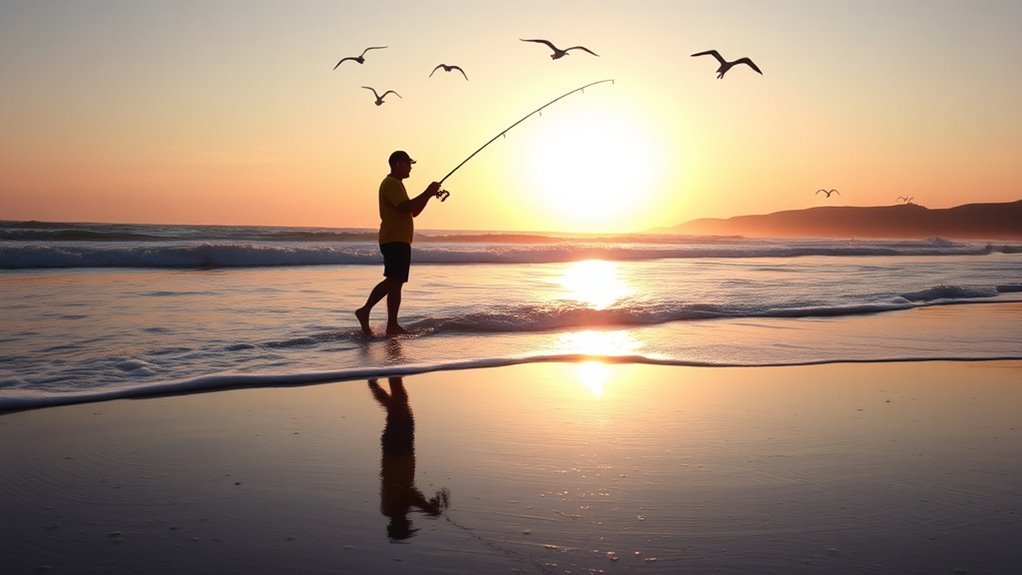
Surf fishing lets you catch saltwater fish right from the shore, blending adventure with strategy. You’ll need to understand water dynamics, read the beach, choose the right gear, and match your setup to the fish you want to catch. Start with a simple 8 to 12-foot rod, a durable saltwater spinning reel, fresh bait or proven lures, and a plan based on tides, wind, and local rules. Once you learn where fish feed and when to cast, surf fishing becomes much easier, safer, and more rewarding.
Quick Answer
To start surf fishing, use an 8 to 12-foot medium or medium-heavy rod, a saltwater spinning reel, 20 to 50-pound braided line, basic rigs, and bait that matches local fish. Fish near troughs, sandbars, jetties, and moving water during low-light periods and changing tides.
Key Takeaways
- Start with simple, durable saltwater gear before adding advanced rigs or expensive reels.
- Read the beach first. Troughs, sandbars, cuts, jetties, rocks, and moving water often hold fish.
- Sunrise, sunset, overcast skies, and moving tides usually create better feeding windows.
- Match your line, leader, hooks, and bait to your target species and local conditions.
- Check local size, bag, bait, and seasonal rules before you keep any fish.
At a Glance
| Time Required | 1 to 3 hours for a beginner trip, plus time to check tides, weather, and regulations |
| Difficulty | Beginner-friendly, but surf, wind, current, and casting distance add challenge |
| Tools Needed | Surf rod, saltwater reel, braided line, leader, hooks, sinkers, rigs, bait, pliers, bucket or cooler, sunglasses, and a valid fishing license where required |
| Cost | Basic starter setups can be affordable, while premium rods, reels, waders, and surf bags raise the total cost |
Understanding Surf Fishing
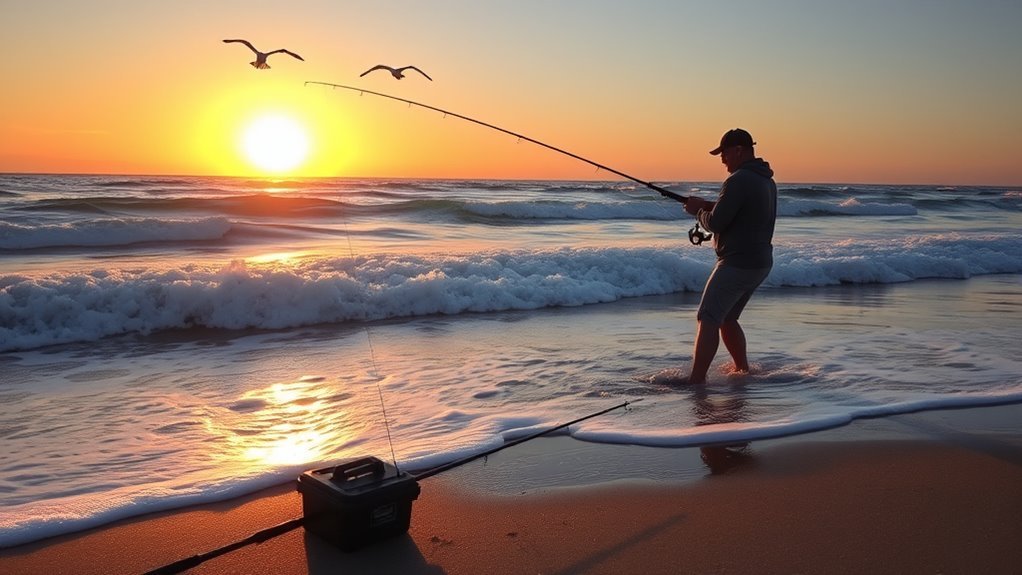
Have you ever wondered what makes surf fishing such a thrilling experience? It’s the perfect blend of adventure and strategy, allowing you to catch saltwater fish directly from the beach, pier line, inlet edge, or shoreline.
Instead of fishing from a boat, you read waves, current, tide, bottom structure, and bait movement from land. That makes every beach a puzzle. Once you learn the signs, you can spot likely feeding areas before you make your first cast.
By understanding water dynamics, you can identify where the fish are lurking. Focus on features like sandbars and jetties that attract predatory species such as striped bass and bluefish. Cuts between sandbars, deeper troughs, rocky points, inlets, and pockets of moving water can also hold fish.
Knowing your target species is essential since many saltwater fish are migratory and seasonally available. A beach that produces striped bass in spring may fish better for pompano, whiting, flounder, drum, or bluefish at another time of year.
Timing is everything. Ideal fishing often happens during low-light periods, especially around the incoming tide at sunrise and sunset. Changing tides move bait, stir food, and create current seams where fish can feed with less effort.
You’ll need the right surf fishing gear to maximize your success, including longer rods that enhance your casting distance. The thrill of feeling that tug on your line as you reel in your catch makes every moment worthwhile.
Embrace the excitement and strategy that surf fishing offers, and you’ll soon find yourself captivated by the experience.
Note: Local conditions matter more than any universal rule. A tackle shop, pier report, tide chart, and recent beach walk can tell you more than a generic forecast.
Essential Gear for Surf Fishing

When it comes to surf fishing, having the right gear can make all the difference in your success. You do not need a truckload of tackle to start, but you do need equipment that can handle sand, salt, wind, waves, and strong fish.
You’ll want a medium-heavy rod between 8 to 12 feet, paired with a durable saltwater spinning reel sized between 6000 and 8000. This setup gives most beginners enough casting range, line capacity, and power for common surf species.
Don’t forget essential accessories like braided line, tackle bags, pliers, a bait knife, measuring tool, fish gripper, sunscreen, polarized sunglasses, and a sturdy pair of Korkers or other traction footwear to keep you safer on rocky shores.
[Amazon Products Picked for You]

Ugly Tech Construction

Sougayilang Baitfeeder Combo Surf Fishing Rod Combo Medium/Heavy 3 Piece Travel Spinning Rod with 4000 Size Reel (11')

Maxed-Out Casting Distance, Perfect for Surf Fishing: These 9-12ft spinning rods are made with high-modulus carbon fiber, boasting strong backbone. When casting, they efficiently transfer power to the rod tip for "catapult-style long casts," easily covering the 30-80m effective fishing zone in surf areas.
Required Fishing Equipment
To guarantee a successful surf fishing experience, having the right equipment is essential. You’ll need gear that can handle the challenges of surf conditions and target species effectively.
Here’s a quick checklist of important items:
- A surf rod, often 7 to 15 feet, for better casting distance and line control.
- A quality spinning reel, often size 6000 to 8000, to manage larger saltwater fish.
- Braided line, often 20 to 50-pound test, for strong casting, sensitivity, and minimal stretch.
- A leader made from monofilament or fluorocarbon to handle abrasion from sand, shells, rocks, and fish teeth.
- A well-stocked tackle box with sinkers, hooks, swivels, beads, clips, and various surf fishing rigs like fish-finder or high-low rigs.
- Fresh bait, salted bait, or lures that match your target species and local forage.
- Polarized sunglasses to reduce glare and help you read the water.
- A cooler or bait bucket to keep bait fresh and any legal harvest cold.
- Needle-nose pliers, a dehooker, and a measuring device for safer fish handling.
- A valid fishing license or saltwater registration where your state requires it.
With this gear, you’re ready to hit the waves and reel in some great catches.
Tackle and Gear Selection
Selecting the right tackle and gear is vital for surf fishing success, as it directly impacts your ability to cast effectively and land your target species. A longer rod, ranging from 7 to 15 feet, is critical for achieving the necessary casting distance, with medium-heavy rods being ideal for various conditions.
Pair this with a quality spinning reel sized between 6000 to 8000 for ease of use and strength against larger saltwater fish. Use braided line for its low-stretch feel, and make sure your leader line, whether monofilament or fluorocarbon, matches or exceeds the demands of your rig and target fish.
Don’t forget essential tackle like the fish-finder rig and various sinkers, along with gear such as polarized sunglasses and a surf bag for easy access.
For sinkers, bring a few styles. Pyramid sinkers dig into sand and hold bottom well. Bank sinkers cast smoothly in calmer water. Sputnik or spider-style sinkers can help when the current is strong, but they may be overkill for casual beginner trips.
Choosing the Right Fishing Rod and Reel
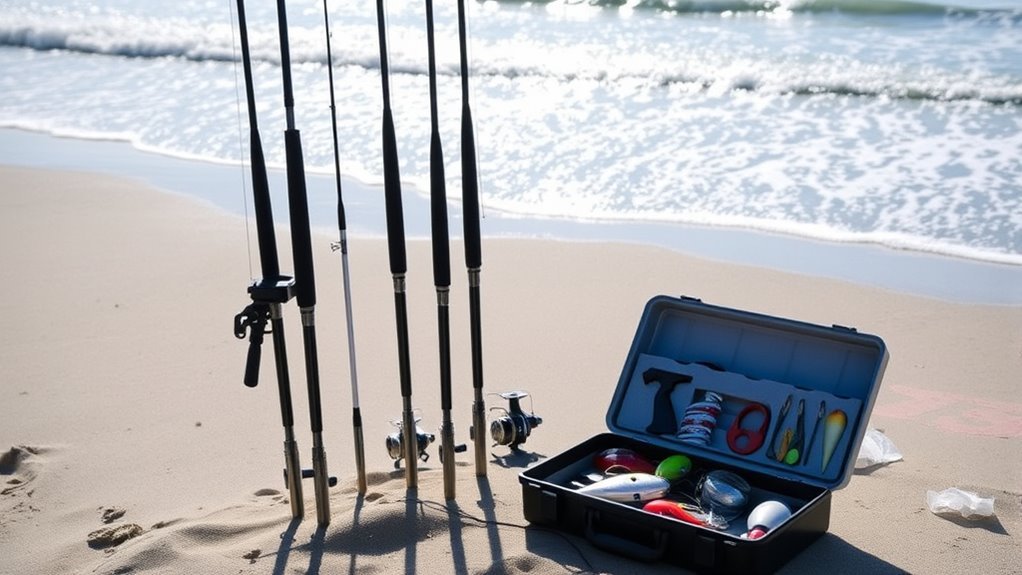
Choosing the right fishing rod and reel can greatly enhance your surf fishing experience, especially as you aim to reach distant waters where the best catches lie. The best setup depends on your beach, target species, bait weight, lure weight, and casting skill.
Here’s what to take into account:
- Length: Opt for rods between 8 to 12 feet for better casting distance, especially when fishing bait beyond the first breakers.
- Power Rating: Choose a medium-heavy rod, especially for targeting striped bass, bluefish, red drum, black drum, and other strong surf species.
- Action: A moderate-fast or fast action helps with casting, bite detection, and hooksets.
- Spinning Reels: These are commonly preferred for their ease of use, with sizes from 3,000 to 16,000 depending on the fish, line, and surf conditions.
- Durability: Invest in quality reels designed for saltwater, like Van Staal or Penn Battle, or any well-sealed reel made for sand and salt exposure.
- Line Type: Use braided line for its casting distance and minimal stretch, perfect for surf conditions.
- Balance: Make sure the rod and reel feel comfortable together, because long sessions can tire your wrists and shoulders.
If you plan to throw lures all day, choose a lighter rod and reel that you can cast repeatedly. If you plan to soak bait with heavy sinkers, choose a stronger rod with enough backbone to cast weight safely.
Pro Tip: Check the lure or sinker rating printed on your surf rod. Casting more weight than the rod is rated for can reduce distance, break tackle, or create a safety risk.
[Amazon Products Picked for You]
Sougayilang Baitfeeder Combo Surf Fishing Rod Combo Medium/Heavy 3 Piece Travel Spinning Rod with 4000 Size Reel (10')

🎣 Warm Prompt: Full Kit with Carrier Case Include 1 Fishing Rod + 1 Fishing Reel + Fishing Line + Various Fishing Lures + Fishing Hooks + Some Necessary Accessories + Carrier Bag.
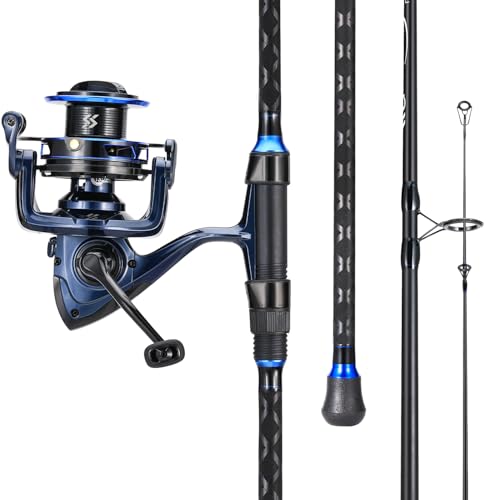
【Complete Professional Surf Fishing Setup】This 9 to 12-foot surf spinning rod and reel combo is engineered specifically for surf casting from beaches, jetties, and shorelines. It provides the power and reach needed to cast beyond the breakers and target a variety of saltwater game fish.
Selecting Lines and Leaders
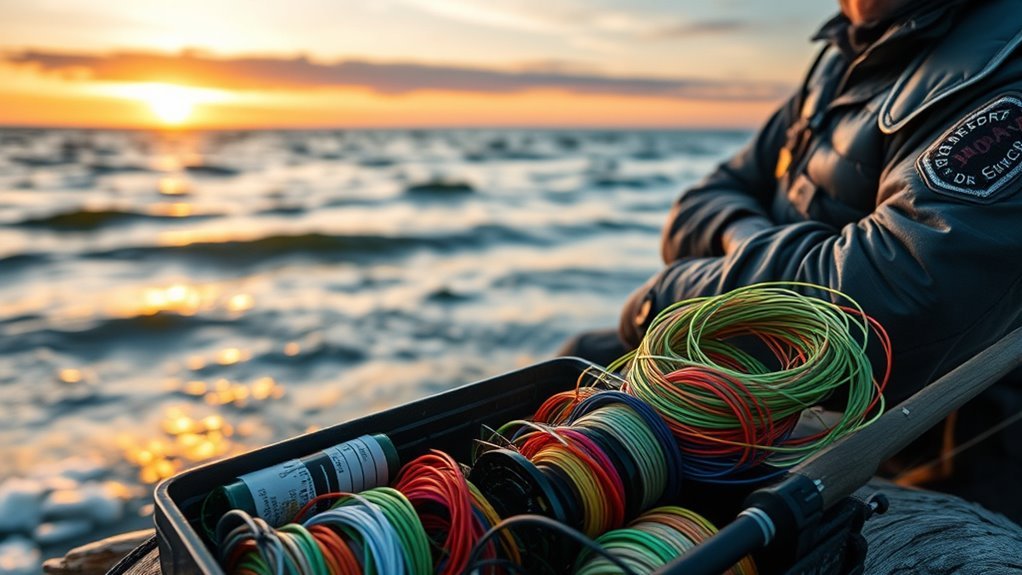
Once you’ve got the right rod and reel, the next step is to focus on the lines and leaders that will maximize your success on the surf.
For surf fishing, braided lines are your best bet for many setups. They offer superior casting distance and minimal stretch, making it easier to detect bites and set hooks effectively.
Pair these with monofilament or fluorocarbon leaders, which should be 2 to 10 feet long, depending on your target species, rig, water clarity, and bottom structure. The leader protects your main line from abrasion and gives you a stronger connection near the hook or lure.
The leader’s strength should match the job. For smaller surf fish like whiting and pompano, a lighter leader may work well. For bluefish, big striped bass, red drum, rocky jetties, or toothy fish, step up in strength and abrasion resistance.
Brands like Spiderwire Stealth and Sufix 832 are great choices for braided lines, while Trilene Big Game works well for monofilament leaders.
When it comes to connection methods, you can use knots or barrel swivels, based on your personal preference and the rig you’re using. Common line-to-leader knots include the uni-to-uni knot, Alberto knot, and FG knot. Swivels are easier for beginners and can reduce twist when fishing bait.
Choosing the right lines and leaders is essential for a successful surf fishing experience.
[Amazon Products Picked for You]

CAST FURTHER & LASTS LONGER- Beyond Braid has a smooth fluoropolymer coating that allows for more efficient casts and longer distances every time. A thinner diameter slices through your guides and allows you to pack more line onto your reel.

STRONG: Engineered from ultra high molecular weight polyethylene, one of the strongest woven fibers on earth; this 4 strand braid stands up to the most demanding fishing conditions
STRONG: Engineered from ultra high molecular weight polyethylene, one of the strongest woven fibers on earth; this 4 strand braid stands up to the most demanding fishing conditions
Effective Surf Fishing Rigs
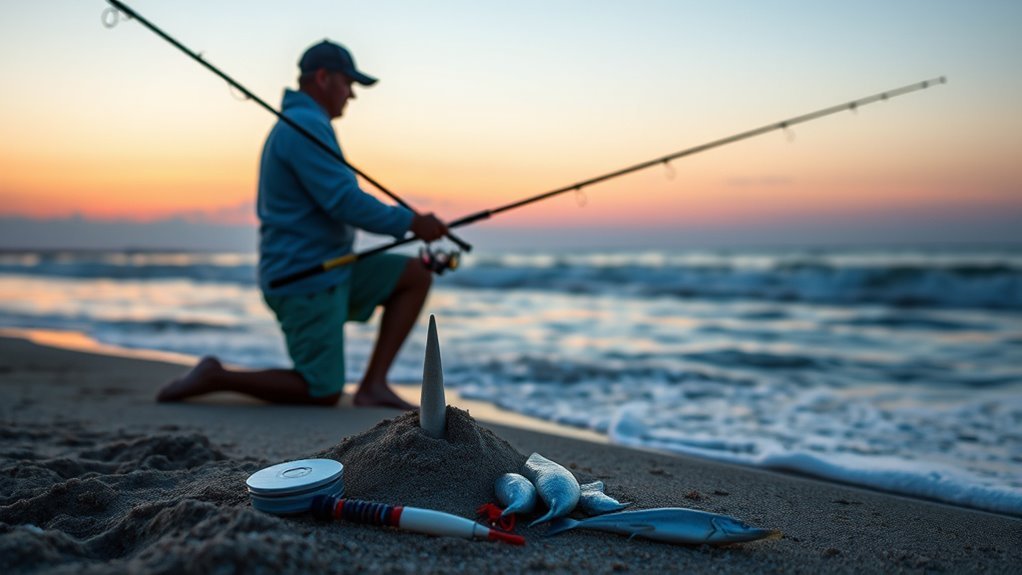
When it comes to surf fishing, understanding the right rigs can make all the difference in your success. A good rig keeps your bait in the strike zone, handles current, and matches how your target fish feeds.
Here are some effective surf fishing rigs you should consider:
- Fish-finder rig: This popular rig allows bait to move freely, minimizing resistance for fish. It works well for striped bass, red drum, bluefish, and other predators that pick up bait and move.
- High-low rig: Present two baits at different depths, increasing your odds of catching fish feeding at varying levels. It is a strong beginner choice for pompano, whiting, spot, croaker, and other smaller species.
- Pompano rigs: With small hooks, floats, beads, and light to moderate weights, these are perfect for targeting smaller species like pompano and whiting.
- Fireball rigs: Great for live bait, they keep your bait suspended, attracting predatory fish.
- Ready rigs: Pre-tied with hooks and weights, these are ideal for beginners and children, making surf fishing straightforward.
Choosing the right rig can enhance your fishing experience and boost your chances of landing a catch.
If you are not sure where to start, use a high-low rig with small pieces of fresh bait for smaller fish, or a fish-finder rig with larger bait when targeting bigger predators.
Best Baits and Lures for Surf Fishing
Your bait or lure should match the fish you want to catch and the natural food already moving through the surf. Watch for birds, baitfish, crabs, sand fleas, shrimp, or small fish washing through troughs and cuts.
Natural baits are often easier for beginners because you can cast them out and let scent do much of the work. Popular surf baits include:
- Fresh shrimp for pompano, whiting, drum, croaker, and many mixed surf species.
- Sand fleas for pompano, whiting, sheepshead, and other fish feeding close to the beach.
- Cut bait for red drum, bluefish, striped bass, sharks where legal, and other predators.
- Clams or squid for striped bass, kingfish, croaker, and bottom-feeding species.
- Live baitfish for larger predatory fish when regulations allow it.
Lures work well when fish are actively chasing bait. Metal spoons, bucktails, soft plastics, plugs, and topwater lures can all produce from the beach. Lures also let you cover more water and search for feeding fish faster than stationary bait.
Choose smaller lures when baitfish are small or fish are finicky. Choose heavier metals or plugs when you need to cast into wind or reach breaking fish beyond the first bar.
Identifying Target Species
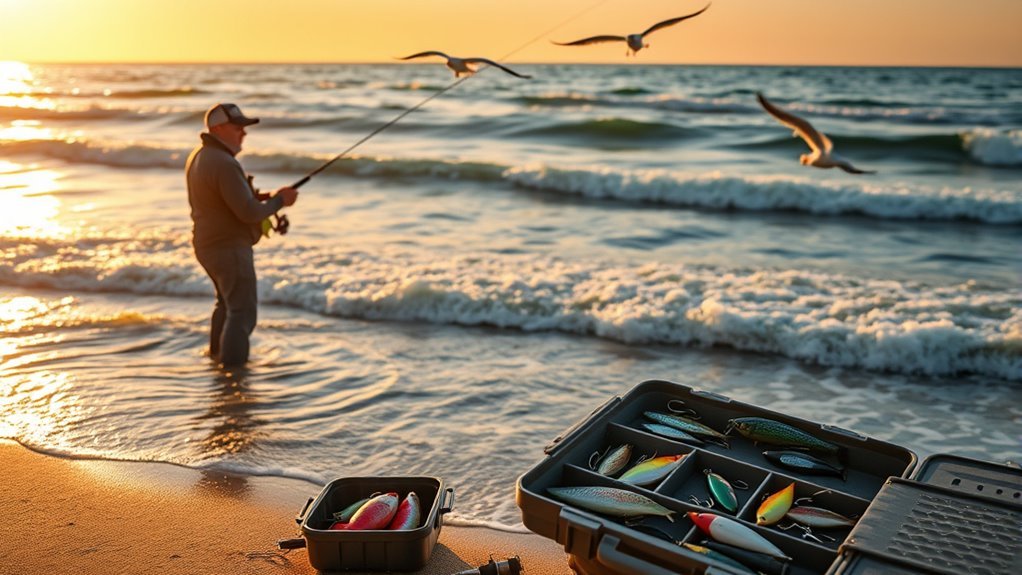
Understanding the target species you want to catch can greatly impact your surf fishing success. Identifying target species is essential since many are migratory and available only during certain seasons. Research local conditions and species behavior to enhance your odds.
Common species to target include striped bass, bluefish, drum, pompano, whiting, flounder, Spanish mackerel, croaker, and surfperch, depending on your coast. Focusing on one or two can greatly improve your chances because you can choose better bait, hooks, rigs, and timing.
Knowing the size and feeding habits of these species helps you choose the right bait and rigging techniques. For instance, if you’re after bait fish or predators chasing baitfish, select lures that mimic their movement, size, and profile.
Your local tackle shop is a goldmine of information, offering insights on which species are currently active and what bait works best. Additionally, tracking your catches and consulting tidal charts can help you refine your strategy.
With the right knowledge and preparation, you’ll be ready for a good surf and a successful day of fishing.
Timing Your Fishing Trip
Timing your fishing trip can make all the difference in your success at surf fishing. Fish feed when conditions help them find bait while staying comfortable and safe from larger predators.
To maximize your chances, consider these key factors:
- The best time for surf fishing is often around sunrise and sunset, when fish are most active.
- Make it a habit of monitoring tidal charts; fishing is typically more fruitful during rising or falling tides.
- Don’t underestimate overcast days; fish tend to be less cautious in lower light, increasing your chances for bites.
- Arrive at the beach a couple of hours before high tide to take advantage of ideal feeding times.
- Scouting the beach during low tide can help you identify productive areas like sandbars and troughs where fish congregate.
- Watch wind direction. A light onshore wind can push bait toward the beach, while heavy wind may make casting and bite detection harder.
- Check water clarity. Clear water may call for lighter leaders and natural presentations, while stained water can make scent baits and brighter lures more useful.
No single tide works best everywhere. Some beaches fish better on an incoming tide, while others turn on during the falling tide. Keep notes so you can learn your local pattern.
Finding Productive Fishing Spots
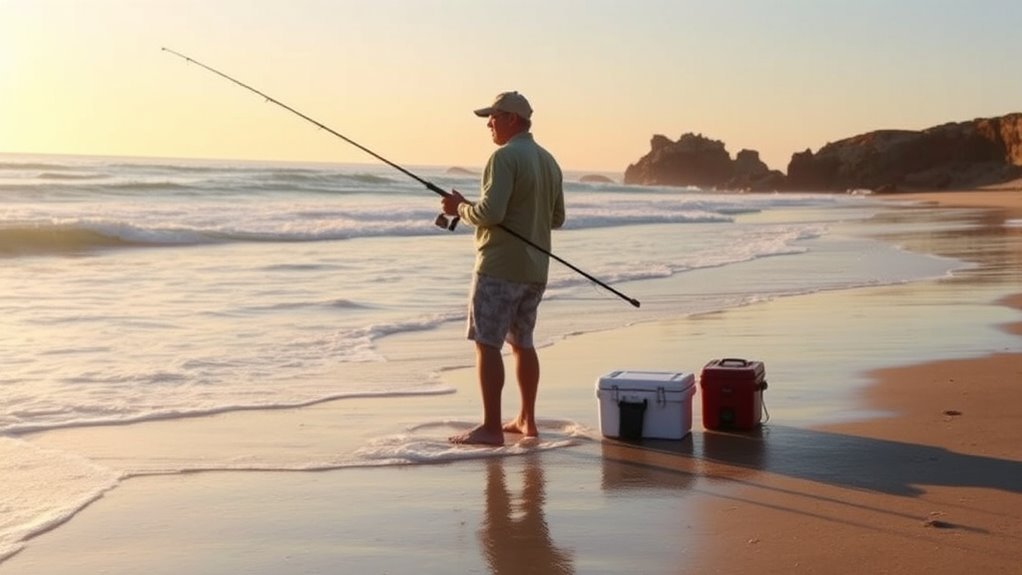
After you’ve nailed down the best times to cast your line, the next step is figuring out where to fish. To find productive fishing spots, focus on areas with moving water, especially troughs, where fish gather to feed during low tide.
Scouting the beach at this time lets you spot underwater features that will help you remember potential hotspots. Look for structures like sandbars, jetties, and rocky areas because they create current traps and offer shelter for baitfish, attracting predatory species.
Shallow regions and deeper holes between sandbars often hold concentrations of fish, making them suitable for surf fishing.
Keep an eye on tidal charts to determine prime fishing times, as fish are more likely to bite during incoming tides and low-light conditions like sunrise and sunset.
Also watch the waves. A smooth gap in a line of breakers may show a deeper cut through a sandbar. Foamy seams, rip lines, and darker water can mark troughs or channels where bait and game fish travel.
Tips for Casting Techniques
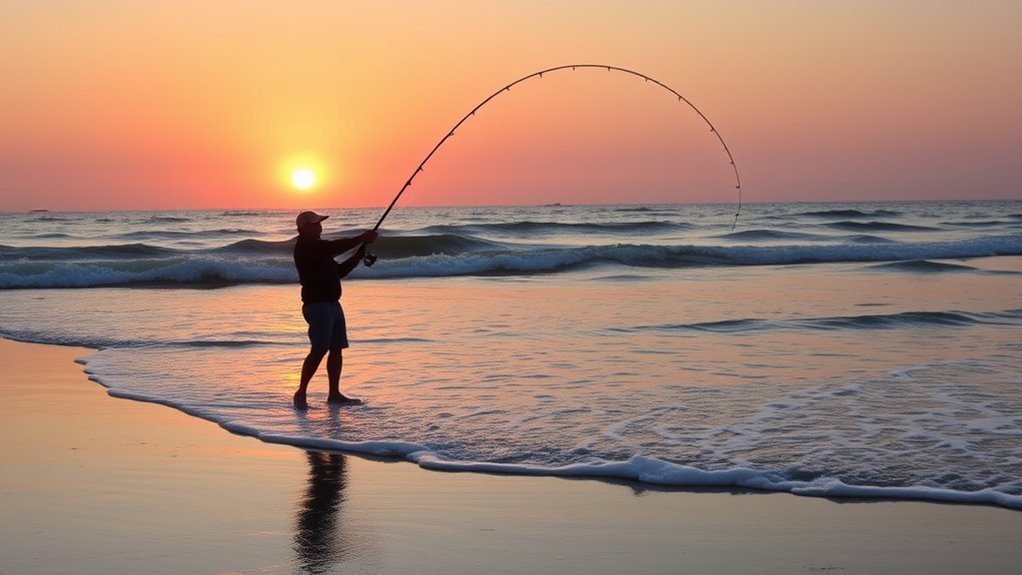
To maximize your surf fishing success, mastering your casting technique is essential. Good casting helps you reach feeding water, avoid tangles, and place bait where fish are moving.
Focus on achieving distance by holding your rod correctly and practicing on calm days to hone your accuracy.
With consistent practice, you’ll not only improve your skills but also increase your chances of landing fish in those prime spots.
Casting Distance Importance
In surf fishing, casting distance can be the difference between a successful outing and a day with no bites. Many fish species hide beyond the breaking waves, so mastering your casting techniques is essential.
Here are some tips to improve your long cast:
- Practice on calm days to build accuracy.
- Focus on a smooth, fluid motion for better distance.
- Use a bank sinker to feel the weight, improving timing and release.
- Aim to place your bait right in the strike zone.
- Avoid competition and spook fish by casting further out.
- Let the rod load during the backswing instead of forcing the cast with only your arms.
- Check behind you before every cast so you do not hook another person, pet, or beach obstacle.
Distance matters, but it is not everything. Fish often feed in the first trough close to shore, especially during low light or when bait is pushed tight to the beach.
Perfecting Your Technique
While many anglers focus on gear and bait, perfecting your casting technique is essential for surf fishing success.
Start by holding your rod perpendicular to the ground and using a fluid motion to cast back. Release the line as the rod comes into your line of sight for ideal distance and accuracy.
To refine your casting techniques, practice with a bank sinker, which helps you gain familiarity with varying distances. Remember, the strike zone is often closer to shore than you might think, so aim to cast into it.
Regularly test and adjust your techniques based on local conditions, as consistent practice will greatly enhance your overall surf fishing success. Embrace these tips, and you’ll see improvements in no time.
Practice on Calm Days
Calm days offer the perfect opportunity to hone your casting techniques without the challenges posed by wind and waves. You can focus on refining your accuracy and mastering the gear you’ll use on fishing trips.
Here are some tips to enhance your practice:
- Use a bank sinker to simulate real fishing conditions.
- Aim for a smooth, fluid casting motion, keeping the rod perpendicular to the ground.
- Release the line when the rod is in your line of sight for better accuracy.
- Experiment with various casting angles and distances to understand your gear’s capabilities.
- Incorporate target practice by aiming at specific marks on the beach to improve precision.
These practices will elevate your casting skills for a successful surf fishing experience.
How to Fight and Land Fish From the Surf
Hooking a fish in the surf is exciting, but landing it takes patience. Waves, current, shells, rocks, and loose drag can all work against you.
Keep your rod tip up and let the drag absorb hard runs. Do not lock the reel down unless you know your line, knots, and hook can handle it. A steady bend in the rod protects light leaders and keeps pressure on the fish.
When the fish gets close, use the waves to help you. Reel as a wave pushes the fish toward shore, then hold steady when water pulls back. Avoid dragging large fish across dry sand if you plan to release them.
Use wet hands, a rubberized net, or a fish gripper when appropriate. Measure the fish quickly, remove the hook carefully, and either place it on ice if legal to keep or release it as soon as it is strong enough to swim away.
Common Beginner Mistakes to Avoid
Beginners often struggle because they try to cast as far as possible, carry too much tackle, or ignore the water right in front of them. Surf fishing gets easier when you keep your setup simple and make every cast with a clear reason.
- Using too much weight: Heavy sinkers can reduce bite sensitivity and make casting harder if your rod is not rated for them.
- Fishing only one distance: Try the first trough, the outer bar, and cuts until you find where fish are feeding.
- Ignoring regulations: Size limits, bag limits, seasons, gear rules, and bait rules can change by state and species.
- Leaving slack line: Too much slack makes bites harder to detect and can lead to missed hooksets.
- Using old bait: Fresh bait usually outfishes mushy, freezer-burned, or poorly stored bait.
- Standing too close to unstable water: Waves can shift sand, knock you off balance, or pull gear into the surf.
- Forgetting to rinse gear: Salt and sand can shorten the life of rods, reels, pliers, hooks, and zippers.
Best Practices for Safety and Conservation
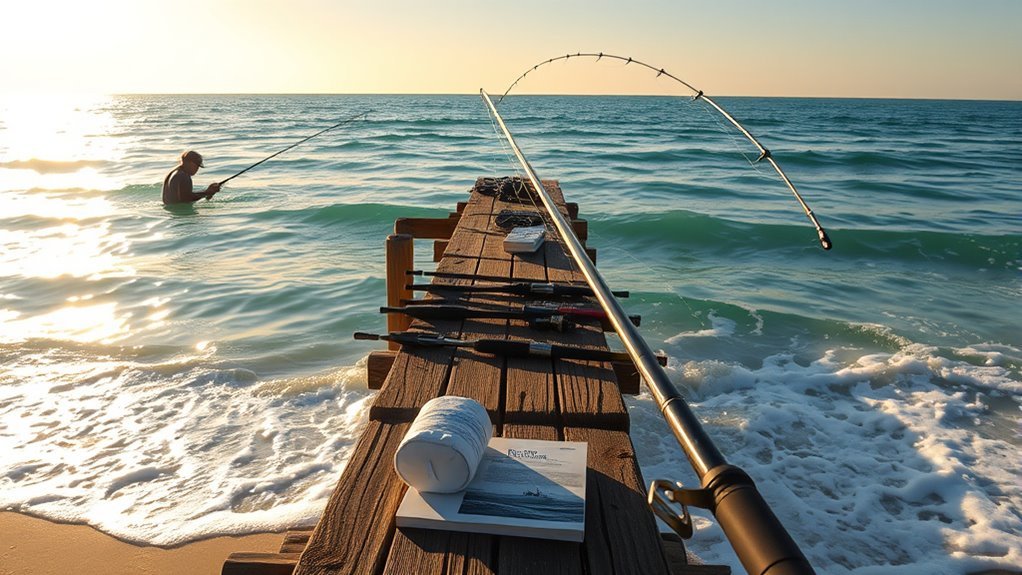
When you head out for a day of surf fishing, prioritizing safety and conservation can make a significant difference for both you and the environment.
Always wear a life jacket or personal flotation device when wading in the surf, especially in strong currents or bad weather. Familiarize yourself with local fishing regulations, including size and bag limits, to support sustainable practices and protect fish populations for future anglers.
Practice the “Leave No Trace” principle by cleaning up after yourself. Avoid leaving trash, hooks, cut line, bait containers, or fishing debris on the beach, as this can harm marine wildlife.
When practicing catch-and-release, opt for barbless or circle hooks when they fit your bait and target species. These hooks can reduce deep hooking and make release easier when used correctly.
Additionally, stay informed about local conservation efforts and consider participating in beach cleanups or habitat restoration projects to positively impact the coastal ecosystem.
Your commitment to safety and conservation helps preserve our oceans for generations to come.
Warning: Never turn your back on rough surf, strong shore break, or fast current. Check weather, tide, wave height, and rip-current risk before you wade or fish near rocks, jetties, or inlets.
Frequently Asked Questions
What do I need to start surf fishing?
To start surf fishing, you’ll need a surf rod, saltwater spinning reel, braided main line, leader material, hooks, sinkers, a few basic rigs, bait or lures, pliers, a measuring tool, and safe beach footwear. You should also check license rules, tide timing, weather, and local fishing regulations before you go.
Is a 20LB test enough for surf fishing?
A 20LB test line can be enough for smaller surf species, calmer water, and lighter rigs. Use stronger line or a heavier leader when you target larger fish, fish near rocks or jetties, cast heavy sinkers, or deal with strong current. Match your line to your target species and local conditions.
What is surf fishing?
Surf fishing is catching saltwater fish from the shoreline instead of from a boat. You cast bait or lures into the surf zone and target fish feeding around troughs, sandbars, cuts, jetties, rocks, and moving water. Common targets include striped bass, bluefish, drum, pompano, whiting, flounder, and surfperch.
How do you shore fish for beginners?
To shore fish effectively, start with simple gear, choose fresh bait, learn one or two rigs, and fish visible structure such as troughs, sandbars, rocks, and inlets. Practice casting on calm days, follow fishing regulations, watch the tide, and prioritize safety around waves and current.
What is the best time of day for surf fishing?
Sunrise and sunset are often productive because fish feed more confidently in low light. Moving tides can also improve the bite because they push bait through troughs, cuts, and current seams. The best window changes by beach, season, weather, and target species.
How far do you need to cast when surf fishing?
You do not always need to cast far. Fish often feed in the first trough close to shore, especially during low light or moving water. Cast to different distances until you find bites. Long casts help when fish hold beyond the outer bar, but accuracy matters more than distance alone.
Conclusion
As you dive into surf fishing, remember that each cast is more than just a chance to catch fish. It is an opportunity to connect with nature, read the water, build skill, and unwind at the edge of the ocean.
By equipping yourself with the right gear, honing your skills, and respecting the environment, you’ll not only enjoy the thrill of the catch but also embrace the serenity of the shore. Start simple, stay safe, follow local regulations, and learn from every trip.
So grab your rod, feel the ocean breeze, and let the waves carry your worries away. Happy fishing.