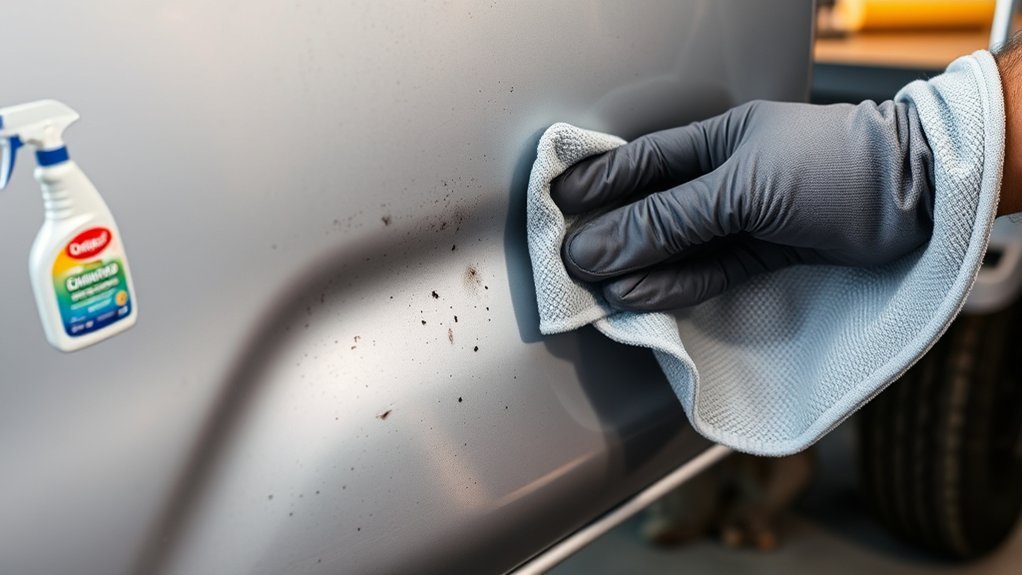
Road tar can cling tightly to your Toyota Tacoma’s clear coat, but forceful scrubbing is more likely to cause damage than the tar remover itself. The safest approach is to work on a cool, freshly washed surface, use a product labeled for automotive paint, follow its exact dwell time, and lift the softened tar with clean microfiber towels.
Quick Answer
Wash and dry the tarred area, then apply a tar remover labeled safe for automotive clear coat. Let it work only as long as the product label allows, wipe gently with a clean microfiber towel, and repeat instead of scrubbing. Wash the panel again and restore wax or sealant afterward.
Key Takeaways
- Use a dedicated automotive tar remover whenever possible, not a household cleaner chosen only because it dissolves grease.
- Never use one universal soak time. Some products work for several minutes, while fast solvent formulas must be removed within 30 to 60 seconds.
- Work in shade on cool paint, remove loose grit first, and use light pressure with clean microfiber towels.
- Keep remover away from headlights, decals, wraps, rubber, matte finishes, and other sensitive materials unless the label specifically approves them.
- Wash away residue and reapply paint protection because tar removers can weaken wax or sealant.
At a Glance
| Time Required | About 20–40 minutes, depending on how many spots need repeat treatment |
| Difficulty | Easy, with careful product handling |
| Tools Needed | Paint-safe tar remover, car-wash soap, water, wash mitt, several clean microfiber towels, and chemical-resistant gloves if required by the label |
| Cost | Usually low if you already have car-wash soap and microfiber towels |
Why Tar Is a Problem for Your Tacoma

Fresh road tar is sticky, oily, and able to trap dust against the clear coat. As it cools, it becomes harder to lift without a solvent. The greatest scratch risk often comes from rubbing trapped grit across the panel or scraping hardened deposits with a fingernail, blade, rough sponge, or dry towel.
Tar commonly collects behind the wheels, along rocker panels, on lower doors, and around the rear bumper. Removing it promptly usually takes less product and less wiping than waiting until several layers of road film have built up.
Check the Surface Before You Start
This method is intended for properly cured, glossy factory paint and clear coat. Repainted panels, touch-up paint, matte or satin finishes, vinyl wraps, paint-protection film, decals, headlights, textured plastics, and rubber trim may react differently to solvents.
- Factory glossy paint: Use a remover whose label specifically lists automotive paint or clear coat.
- Repainted or repaired panels: Confirm the paint is fully cured and test the remover in a hidden area.
- Wraps, film, matte paint, decals, or clear plastic: Use only a cleaner approved by that surface manufacturer.
- Unknown finish: Stop and ask a professional detailer or body shop before applying solvent.
Warning: Do not use a razor blade, metal scraper, scouring pad, magic eraser, dry paper towel, or aggressive rubbing compound on tar spots. These methods can scratch or haze the clear coat.
Preparing Your Vehicle for Tar Removal
Park your Tacoma in a cool, shaded, well-ventilated area. Hot paint can make a cleaner flash off too quickly, and direct sun can dry product onto the panel. Keep aerosol or solvent products away from flames, sparks, smoking materials, and other ignition sources.
[Amazon Products Picked for You]

SO EASY TO GET RESULTS (CWS_104_16SW) - Add this car wash bug remover to a wash bucket or foam cannon for maximum coverage; rinse easily without streaking or residue

FAST ACTING TAR AND SAP REMOVAL: Breaks down tar, tree sap, and asphalt residue in 30 to 60 seconds; spray on, allow to penetrate, and wipe clean without aggressive scrubbing

Cleans And Removed Bug, Tar/Asphalt, Bird Droppings, Tree Sap, Brake Dust, Gum, Sling and Stickers
Gather Necessary Supplies
- A tar remover labeled safe for automotive paint or clear coat
- Car-wash soap, clean water, and a soft wash mitt
- Several clean, plush microfiber towels
- Chemical-resistant gloves when the product label or safety data sheet calls for them
- Your usual wax, sealant, or coating maintenance product
Use more than one towel. Once a towel picks up tar and grit, fold to a clean side or replace it so you do not drag contamination across the paint.
Find Suitable Work Area
Work outdoors in shade or in a garage with strong airflow and the door fully open. Read the label before opening the product. The Occupational Safety and Health Administration notes that solvent exposure can affect the skin and respiratory system, so ventilation and label-directed protective equipment matter when using solvent-based cleaners.
Top Products for Safely Removing Tar
A purpose-made automotive remover is the best starting point because its label tells you which surfaces it can touch and how long it may remain there. Product directions are not interchangeable.
| Product type | Label guidance that matters | Best use |
|---|---|---|
| Turtle Wax Bug & Tar Remover | Wash and dry first, saturate the stain, allow the product to penetrate, wipe with microfiber, then protect the finish. | General bug, tar, oil, and road contamination on approved vehicle surfaces |
| Goo Gone Automotive Spray Gel | Pretest, allow a few minutes, wipe with a clean cloth, then clean the area with soap and water. | Asphalt and sticky residue on surfaces approved by the automotive formula |
| Stoner Tarminator | Use on cool paint, work in small areas, wait only 30–60 seconds, do not let it sit longer than one minute, and rinse promptly. | Fast spot treatment on approved painted exterior surfaces |
Note: A product being able to dissolve tar does not automatically make it suitable for every painted, plastic, wrapped, or coated surface. The label for the exact formula you own is the final authority.
[Amazon Products Picked for You]

Cleans bugs, tar and bird droppings

Fast-Acting Bug & Tar Removal: Quickly neutralizes acidic bug splatter and bird droppings on contact while breaking down tar, sap and road grime

POWERFUL PRE WASH (CLDSPRAY101): Fast acting aerosol breaks down stuck-on bug splatter, tree sap, and tar residue on bumpers and mirrors so your wash mitt glides with less scrubbing.
Step 1: Wash and Inspect the Tarred Area
Rinse the lower body panels to remove sand and loose road grit. Wash with car-wash soap and a clean mitt, rinse thoroughly, and dry with microfiber. Do not rub a solvent over a dirty panel because the dirt can act like abrasive grit.
Inspect each mark. Road tar is usually black or dark brown and may feel raised or gummy. If the spot looks like paint transfer, tree sap, iron fallout, or damaged clear coat, use a treatment made for that contaminant instead of assuming it is tar.
Step 2: Apply the Remover and Let It Work
Test the product on a small, hidden painted area. If the finish remains unchanged, treat one small section at a time. Apply enough remover to wet the tar without flooding nearby trim, decals, lights, seams, or rubber.
Follow the exact dwell time on the bottle. Some automotive gels need a few minutes, while a fast solvent aerosol may require removal within 30 to 60 seconds. Never let the product dry on the paint unless its instructions specifically say otherwise.
Pro Tip: For controlled application near trim, spray the remover onto a microfiber towel first, then dab the tar spot. Use this technique only when the product label permits cloth application.
Step 3: Gently Wipe Away the Tar Residue
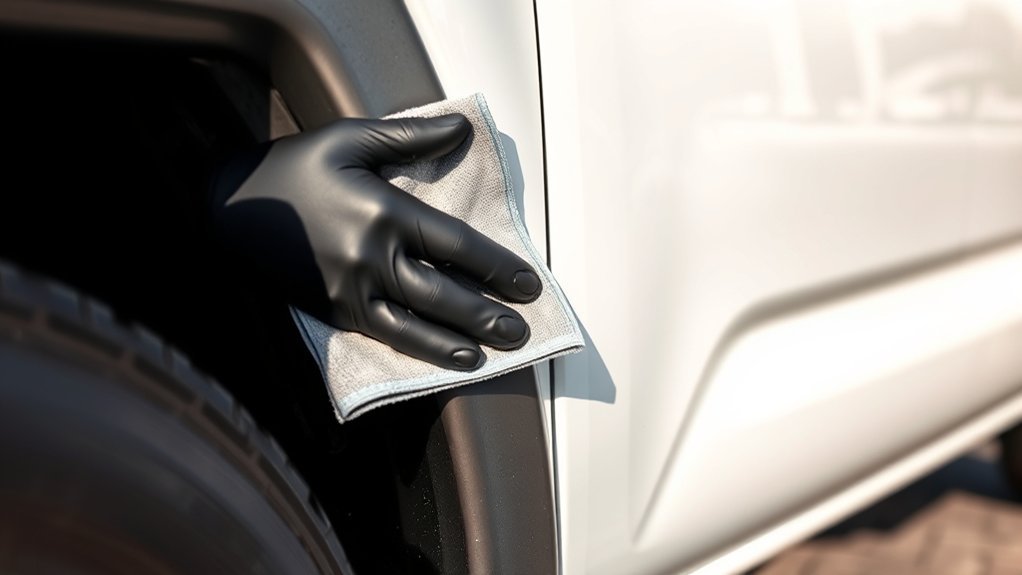
Use a clean microfiber towel to blot and wipe the softened tar with light pressure. Move in short strokes and turn the towel frequently. Avoid grinding one dirty section of cloth over the paint.
Use Microfiber Cloths
Choose a soft towel that is free of debris, dried polish, or fabric-softener residue. Keep separate towels for solvent work so oily tar does not transfer to your normal washing and drying towels.
Apply Gentle Pressure
If a spot does not release easily, stop rubbing. Reapply the remover according to its label, wait the permitted time, and wipe again with a fresh section of towel. Two or three gentle cycles are safer than one aggressive attempt.
Step 4: Wash Your Tacoma to Remove Residue

Wash the treated panel with car-wash soap and clean water to remove loosened tar and cleaner residue. Rinse well, then dry with a clean microfiber towel. Inspect the paint from several angles under good lighting.
- Wash gently: Use a clean mitt or microfiber cloth, not an abrasive sponge.
- Rinse completely: Pay attention to panel gaps and trim edges where cleaner may collect.
- Dry and inspect: Check for remaining tar, staining, haze, scratches, or a change in gloss.
Step 5: Restore Paint Protection
Tar removers can reduce or remove wax and sealant from the treated area. Once the panel is clean and dry, reapply the paint-protection product you normally use. Follow that product’s cure time and maintenance instructions rather than relying on a universal schedule.
If your Tacoma has a professionally installed ceramic coating, use a remover approved by the coating manufacturer and apply the recommended topper or maintenance spray afterward. A strong solvent may affect the coating even when the underlying clear coat remains unharmed.
[Amazon Products Picked for You]

TEC582 Ceramic Detail Spray makes protecting your car's exterior easier than ever.
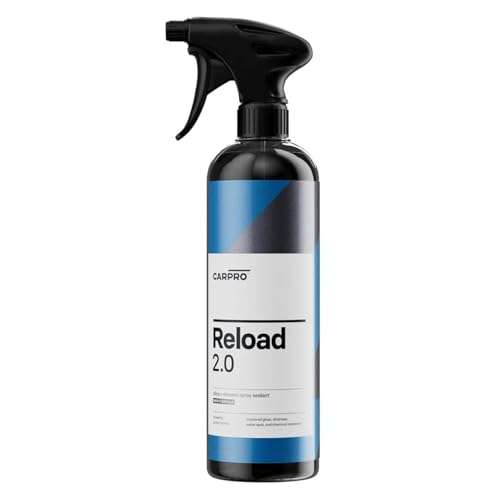
Offers a slick super hydrophobic layer which repels water like no other. Coupled with the ability to repel dirt & grime leaving a stunning, glossy, and highly reflective shine

SUPERIOR SHINE AND PROTECTION: This ceramic detailer with advanced silane polymer technology and SiO2 delivers an ultra-slick, high-gloss finish for a freshly detailed look
Essential Safety Tips for Tar Removal
Automotive tar removers may contain solvents or other active cleaners. Use only the amount needed, keep the container closed when not in use, and follow all warnings on the label and safety data sheet.
Proper Ventilation Required
- Work outdoors or in a garage with the main door fully open and strong airflow.
- Do not use solvent aerosols near flames, heaters, pilot lights, sparks, or smoking materials.
- Do not assume a dust mask protects against solvent vapor. Use respiratory protection only when the product’s safety instructions specify the correct type.
- Stop immediately if you feel dizzy, develop breathing irritation, or experience a strong headache, and move to fresh air.
Test Products First
Pretest on a hidden painted area and check for softening, swelling, color transfer, staining, haze, or gloss change. You do not need to invent a 24-hour waiting period unless the product or surface manufacturer requires one. Compatibility directions on the exact label take priority.
Use Protective Gloves
Wear chemical-resistant gloves when required by the label or safety data sheet, and avoid prolonged skin contact. Wash your hands after the job. Do not reuse heavily contaminated towels for normal detailing, and store or dispose of them according to the product instructions because solvent-soaked material may present a fire risk.
Preventing Future Tar Build-Up on Your Tacoma
You cannot prevent every tar spot, but a clean, protected surface makes contamination easier to remove. Wash the lower doors, rocker panels, rear bumper, and areas behind the wheels after driving on freshly paved or repaired roads.
- Maintain wax, sealant, or coating according to its manufacturer’s schedule.
- Remove fresh spots promptly instead of allowing them to collect dust and harden.
- Use mud flaps where appropriate to reduce spray from the tires.
- Avoid applying oily household products to painted panels as a tar or bug preventive.
- Keep a small paint-safe remover and clean microfiber towels in your detailing kit, not loose in a hot cab.
User Tips for Tar Removal
The most reliable user technique is patience, not improvised food or household chemicals. Peanut butter may soften some sticky residue, and multi-use lubricants may dissolve oily contamination, but neither is as predictable as a product labeled for automotive clear coat.
- Start with the least aggressive approved method: Wash first, then use a dedicated automotive tar remover.
- Work small: Treat one or two spots at a time so the cleaner cannot dry or run onto sensitive trim.
- Repeat instead of scrubbing: Give the chemistry time to work within the label’s limit.
- Keep towels clean: Fold often and replace any towel that picks up visible grit.
- Know when to stop: If the mark remains after several careful applications, it may not be tar.
The safest tar-removal method uses less pressure, more clean towel surface, and the exact dwell time printed on the product label.
When to Call a Professional
Stop the DIY process and contact a reputable detailer or body shop when the panel has matte paint, a wrap, paint-protection film, fresh repair paint, unknown coating, or visible clear-coat damage. Professional help is also appropriate when a large portion of the truck is covered, the residue will not soften, or wiping causes color transfer onto the towel.
A detailer can identify whether the contamination is tar, paint overspray, sap, adhesive, iron fallout, or damaged paint and choose the correct decontamination method.
How to Maintain Your Tacoma After Tar Removal
After the final wash, inspect the treated area during your normal cleaning routine. Reapply protection when water behavior, slickness, or gloss changes according to the wax, sealant, or coating manufacturer’s guidance.
| Task | When to do it | Purpose |
|---|---|---|
| Wash and inspect lower panels | After fresh-road exposure and during regular washes | Remove contamination before it hardens |
| Reapply wax or sealant | After solvent treatment and as directed by the protection product | Restore the sacrificial protective layer |
| Maintain a ceramic coating | According to the coating installer or manufacturer | Preserve coating performance without using incompatible chemicals |
Frequently Asked Questions
How do you get road tar off car paint without damaging it?
Wash away loose grit, apply an automotive tar remover approved for clear coat, follow the label’s dwell time, and wipe gently with clean microfiber. Repeat the chemical treatment instead of scrubbing, then wash and protect the panel.
Will WD-40 remove tar from car paint?
It may dissolve oily residue, but the standard WD-40 Multi-Use Product page does not provide paint-specific tar-removal directions. A dedicated automotive product with clear surface and dwell-time directions is the safer first choice. Never assume a multi-use solvent is compatible with wraps, plastics, decals, coatings, or repaired paint.
How do you remove road grime from car paint?
Start with a thorough wash using automotive soap. Treat remaining tar with a tar remover, iron particles with a paint-safe iron remover, and other bonded contamination with the product designed for that material. Do not use one harsh cleaner for every type of grime.
Will Dawn dish soap remove tar from a car?
Dish soap is not a dependable tar remover and may strip wax or leave the finish without protection. Use automotive wash soap for cleaning and a dedicated tar remover for the bonded spots.
Can you use tar remover on matte paint, wraps, or paint-protection film?
Only when the surface manufacturer or installer approves the exact product. Solvents can change gloss, soften adhesive, stain film, or damage printed vinyl. Test first and use a specialist cleaner when compatibility is uncertain.
What should you do if the tar will not come off?
Stop scrubbing. Repeat the approved treatment within the label instructions, then inspect the spot under strong light. If it remains, ask a detailer or body shop to identify it before trying stronger chemicals or abrasives.
Conclusion
Removing road tar from your Toyota Tacoma is a controlled decontamination job, not a test of scrubbing strength. Clean the panel first, choose a remover approved for the surface, follow its exact dwell time, and use fresh microfiber with light pressure. Finish by washing away residue and restoring paint protection. When the surface or contamination is uncertain, professional help is safer than escalating to stronger solvents or abrasives.
Sources
- Turtle Wax Bug & Tar Remover – supports washing first, saturating the stain, wiping with microfiber, and protecting the finish afterward.
- Goo Gone Automotive Spray Gel – supports clear-coat compatibility claims for the automotive formula, pretesting, short dwell time, and soap-and-water cleanup.
- Stoner Car Care Tarminator – supports cool-surface use, 30–60-second dwell time, prompt rinsing, and warnings for clear plastics and solvent-sensitive materials.
- OSHA Solvents Overview – supports caution about solvent exposure and the need for appropriate controls.
- Toyota Manuals and Warranties – provides model-year-specific owner’s manuals for checking Toyota exterior-care guidance.
- WD-40 Multi-Use Product – shows the official product description and safety-document links but does not provide paint-specific road-tar directions on the product page.
