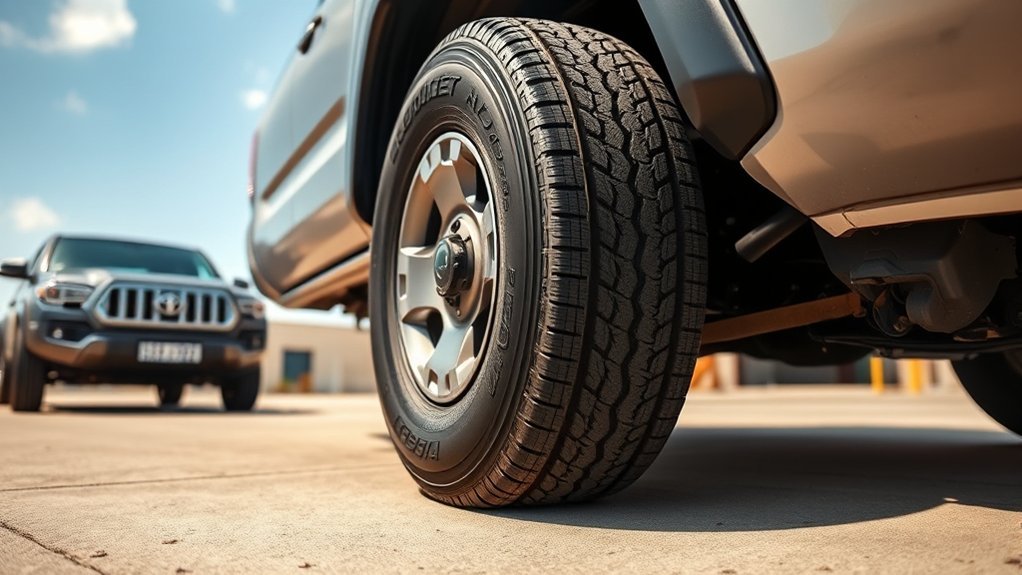
If your 2016 Toyota Tacoma pulls to one side, keeps its steering wheel off-center, or develops unusual tire wear, a wheel-alignment problem may be involved. However, tire pressure, wheel balance, road slope, damaged tires, and worn steering or suspension parts can create similar symptoms. A few simple checks can help you decide what service your truck actually needs.
Quick Answer
Your Toyota Tacoma likely needs a wheel-alignment inspection when it consistently pulls on a straight, level road, the steering wheel stays off-center, or the tires develop uneven edge or feathered wear. Check cold tire pressure and tire damage first. Vibration alone more often points to balance, tire, wheel, or suspension problems.
Key Takeaways
- Persistent pulling, an off-center steering wheel, and uneven tread wear are the strongest alignment warning signs.
- Steering-wheel vibration does not confirm misalignment. Wheel imbalance, tire damage, bent wheels, or loose suspension parts may be responsible.
- Toyota schedules 2016 Tacoma maintenance and tire rotation every 5,000 miles or six months, but it does not require an alignment at every service.
- Have the alignment checked after a hard pothole or curb impact, off-road damage, suspension repair, or lift and leveling work.
- A proper inspection should include the tires, wheels, ball joints, tie rods, bushings, steering linkage, and all four wheel positions.
Last updated: July 13, 2026
At a Glance
| Time Required | About 10 to 15 minutes for a preliminary tire and steering check |
| Difficulty | Easy for the initial inspection; professional equipment is required to measure and adjust alignment |
| Tools Needed | Accurate tire-pressure gauge, flashlight, tread-depth gauge or ruler, and a safe straight road for testing |
| Cost | The initial check costs nothing if you own a pressure gauge. Professional inspection and adjustment costs vary by shop, location, and needed repairs. |
Common Symptoms That Indicate Your Toyota Tacoma Needs Wheel Alignment
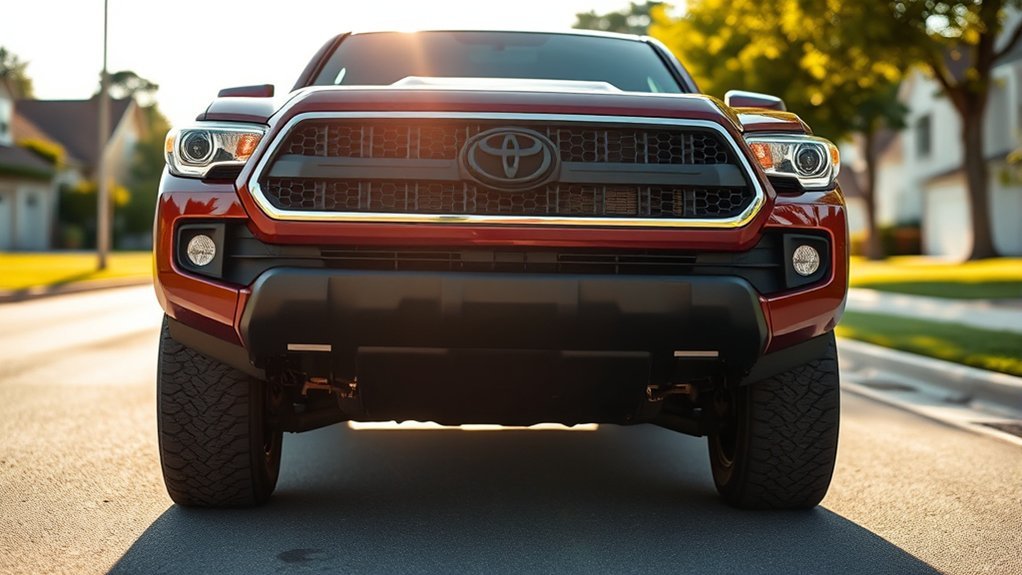
A single symptom cannot confirm misalignment, but several symptoms appearing together make an inspection worthwhile. According to Bridgestone’s alignment guidance, common warning signs include uneven tread wear, pulling, an off-center steering wheel, and unusual steering-wheel vibration.
Persistent Pulling on a Straight, Level Road
Your Tacoma may need an alignment inspection if it repeatedly moves left or right while you hold the steering wheel in its normal centered position. Test this only on a straight, level road at a safe speed.
Most public roads slope slightly toward the shoulder for drainage. That road crown can make a correctly aligned truck drift gently to the right. Crosswinds and uneven pavement can also affect its path. A strong or consistent pull on different level roads is more concerning than a mild drift on one crowned road.
A Crooked or Off-Center Steering Wheel
The Toyota emblem and steering-wheel spokes should appear close to level when the truck travels straight. A wheel that remains noticeably turned after you have centered the truck can indicate incorrect toe, an improper previous alignment, or a steering component problem.
A steering wheel may also become off-center after suspension repairs, tie-rod adjustments, lift installation, or a hard impact. An alignment technician should inspect for loose or damaged parts before changing the angles.
Uneven or Rapid Tire Wear
Compare the inner, center, and outer sections of each tire. One edge wearing faster than the other, feathered tread ribs, or matching wear on both front tires can point toward an alignment issue.
Tire pressure, overloading, worn shocks, wheel imbalance, and missed tire rotations can produce different wear patterns. Do not assume alignment is the only cause based on tread appearance alone.
Steering That Feels Unstable or Requires Constant Correction
A Tacoma that wanders, feels nervous on a level highway, or needs frequent steering corrections should receive a tire, steering, suspension, and alignment inspection. Loose tie-rod ends, worn ball joints, damaged bushings, or tire defects can create similar behavior.
Warning: Stop driving as soon as you can do so safely if the truck suddenly pulls hard, the steering feels loose, a tire has a bulge or exposed cords, or the symptoms began after a severe impact. Arrange an inspection or tow rather than continuing at highway speed.
Wheel Alignment vs. Wheel Balance and Suspension Problems
Alignment, balancing, and suspension repair solve different problems. Confusing them can lead to paying for an alignment that does not correct the symptom.
| Problem | Typical Symptoms | What the Service Does |
|---|---|---|
| Wheel alignment | Pulling, crooked steering wheel, feathered tread, inner- or outer-edge wear | Measures and corrects available camber, caster, and toe angles |
| Wheel balancing | Vibration that becomes stronger within a certain speed range | Corrects uneven weight distribution in the tire-and-wheel assembly |
| Tire or wheel repair | Bulge, separated tread, bent rim, flat spot, repeated air loss, or vibration | Repairs or replaces the damaged component when safe and permitted |
| Steering or suspension repair | Loose steering, clunks, wandering, unstable braking, or angles that will not hold | Replaces worn or damaged joints, links, bushings, bearings, shocks, or related parts |
Vibration alone does not prove your Tacoma needs an alignment. Speed-related shaking should trigger a complete tire, wheel, balance, steering, and suspension inspection.
The National Highway Traffic Safety Administration explains that balancing helps wheels rotate properly without causing shaking or vibration. NHTSA treats balancing, alignment, rotation, inflation, and tread inspection as separate parts of tire maintenance.
[Amazon Products Picked for You]

High-quality Aluminum Construction: This steering wheel quick release is crafted from high-quality aluminum alloy with a black anodized finish. The durable metal resists scratches and maintains its appearance over time.

Wide Vehicle Compatibility: These stick-on wheel weights feature wide universal compatibility, suitable for most vehicles including cars, SUVs, trucks, motorcycles, ATVs and more.
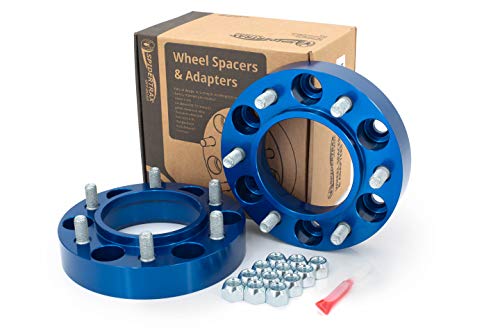
Spidertrax 1.25" thick, 6 on 5.5" bolt-on design for front and rear late model Toyota axles.
How Misalignment Affects Tire Wear and Vehicle Performance
Your tires should roll in the direction the truck travels. Incorrect toe or camber can make a tire scrub sideways across the road instead. That scrubbing can create heat, noise, steering resistance, and rapid tread loss.
Common Tread-Wear Patterns
- Feathering: Each tread rib feels smooth in one direction and sharp in the other. Incorrect toe commonly contributes to this pattern.
- Inner- or outer-edge wear: One shoulder wears faster than the center and opposite shoulder. Camber, toe, loading, pressure, or worn components may be involved.
- Cupping or scalloping: Repeating high and low spots form around the tread. Imbalance, worn shocks, loose parts, or tire problems may be more likely than alignment alone.
- Center wear: The tread center wears faster than both shoulders. Excess pressure or application-related factors may be involved.
- Both shoulders wearing: Low pressure, overloading, or repeated cornering can contribute.
An alignment can stop the condition that caused abnormal wear, but it cannot restore tread that is already gone. A tire with severe wear, visible cords, cracking, a bulge, or internal damage may still need replacement.
Note: Rotating the tires redistributes normal wear among wheel positions. It does not correct an alignment angle, repair a damaged tire, or tighten a worn steering component.
Common Causes of Tacoma Wheel Misalignment
A Tacoma can lose proper alignment gradually as parts wear or suddenly after an impact. Trucks used off-road or modified for additional ride height deserve extra attention because their steering and suspension operate under different conditions.
Potholes, Curbs, and Road Impacts
A hard strike can bend a wheel, shift an adjustment, damage a tire, or loosen a steering or suspension part. Have the truck inspected if pulling, vibration, or an off-center steering wheel begins immediately after an impact.
Off-Road Use
Ruts, rocks, deep mud, and uneven terrain can place heavy loads on ball joints, steering linkage, bushings, wheels, and tires. Toyota’s 2016 Tacoma Warranty & Maintenance Guide calls for additional checks after demanding off-road driving, including inspection of ball joints, steering linkage and boots, chassis fasteners, brake components, and drivetrain items.
Lift Kits, Leveling Kits, and Suspension Changes
Changing ride height changes suspension geometry. Your Tacoma should receive an alignment after installing a lift, leveling spacer, adjustable control arm, replacement spring, shock, strut, tie rod, or other part that affects wheel position.
Some modified trucks need additional adjustable components before all angles can return to the preferred range. The alignment printout should show whether each measured value is within the applicable specification.
Worn Steering or Suspension Parts
Loose ball joints, worn tie-rod ends, deteriorated control-arm bushings, damaged wheel bearings, or weak suspension components can let a wheel move after adjustment. A technician should correct looseness or damage before completing the final alignment.
Collision or Frame and Axle Damage
A collision may shift mounting points, bend steering parts, or change how the rear axle tracks. An ordinary adjustment may not solve the problem until the damaged component or structure is repaired.
How to Check Steering-Wheel Alignment and Vehicle Pulling

Complete these checks before deciding that your Tacoma needs an alignment. Do not crawl under the truck unless it is correctly lifted and supported with equipment rated for its weight.
[Amazon Products Picked for You]
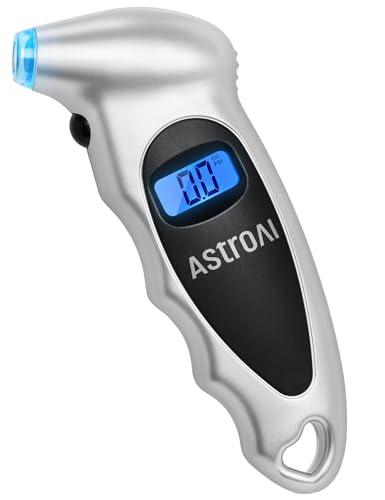
Accurate, Dependable Readings: Factory‑calibrated to ±1 PSI, so you can confidently match your vehicle’s recommended PSI (check the door jamb sticker). Ideal for monthly checks and road trips — consistent results every time, cold or warm.

EXPERT-GRADE CALIBRATION: Each AstroAI Tire Pressure Gauge is calibrated with professional-grade tools, ensuring quick and accurate measurement results within plus-minus 1PSI. Stay prepared for any roadside emergency and travel with peace of mind.

RUGGED DESIGN: The stainless steel components prevent rust and corrosion while the precision-crafted nozzle seamlessly seals onto the valve stems for highly accurate readings (±2% span). We also provide 4 valve stem caps for convenient replacement.
1. Check Cold Tire Pressure
Measure all four tires before driving or after the truck has been parked for at least three hours. Use the pressure shown on the driver-side Tire and Loading Information label, not the maximum pressure molded into the tire sidewall.
NHTSA recommends checking tire pressure at least monthly and explains that unequal or incorrect pressure affects safety, durability, and fuel consumption.
2. Inspect the Tires and Wheels
Look for uneven tread depth, embedded objects, sidewall bulges, cracks, separated tread, damaged rims, missing balance weights, and mud or debris packed inside a wheel. Compare the same tread areas on the left and right tires.
3. Check the Steering-Wheel Position
Drive slowly on a straight, level surface. Center the truck in its lane and observe the steering wheel without loosening your grip. A wheel that remains visibly crooked deserves an inspection.
4. Test for Pulling on a Suitable Road
Use a safe road with minimal crown and little wind. Keep both hands on the wheel. Note whether the truck requires steady pressure to remain straight.
Do not release the steering wheel to see where the truck travels. A brief observation with normal control is enough.
5. Record When Vibration Occurs
Note whether vibration appears while accelerating, cruising at a particular speed, braking, or turning. This information helps the technician separate tire balance, brake, driveline, wheel, and alignment concerns.
6. Schedule a Complete Inspection
Ask the shop to inspect the tires, wheels, tire pressure, balance, tie rods, ball joints, bushings, bearings, steering linkage, ride height, and suspension before adjusting the alignment.
Pro Tip: Ask for the before-and-after alignment printout. It should show the measured camber, caster, toe, and thrust-angle values so you can confirm what changed and whether any angle remains outside specification.
What Camber, Caster, and Toe Mean
Camber
Camber describes the inward or outward tilt of a wheel when viewed from the front. Excessive positive or negative camber can contribute to wear on one side of the tread. Worn parts, impact damage, ride-height changes, and adjustment settings can affect camber.
Caster
Caster describes the angle of the steering axis when viewed from the side. It affects straight-line stability, steering return, and steering effort. A large left-to-right difference can contribute to pulling even when both individual readings appear close to their limits.
Toe
Toe describes whether the fronts of the tires point slightly inward or outward when viewed from above. Incorrect toe can rapidly feather the tread because the tires scrub as the truck moves forward.
Not every angle is adjustable on every wheel without additional parts. The technician should compare the measurements with the specifications for your Tacoma’s configuration and installed suspension.
Does a Tacoma Need a Two-Wheel or Four-Wheel Alignment?
A modern alignment rack should measure all four wheel positions, even when the main adjustments are made at the front. Measuring the rear allows the technician to check the thrust angle and determine whether the rear axle tracks in line with the truck’s centerline.
A basic front-end alignment that ignores the rear measurements can leave the steering wheel off-center or miss evidence of axle, frame, tire, or suspension problems. Ask whether the quoted service includes a four-wheel measurement and a printed report.
The shop should adjust only the angles the truck’s design and installed components allow. Rear measurements outside specification may indicate damage, shifted mounting points, worn parts, or a need for specialized correction rather than a simple adjustment.
[Amazon Products Picked for You]

Key Features: This wheel alignment tool helps restore the strut to its original camber position after removing and reinstalling components of your vehicle's undercarriage system, or check the amount of camber change before re-installation. Suitable for precise checking of the caster and camber angle

Adjustable and Precision: Mounted on the wheel or brake-disc surface, this adjustable alignment tool features a back-placed responsive knob offering ‑5° to 5° adjustment, accurately restoring the tilt angle after tire or suspension repairs to keep tires in top condition
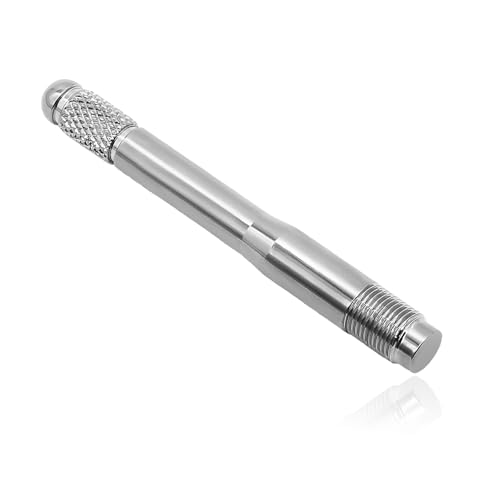
【Effective Wheel Alignment】: The tire stud pin ensures flawless alignment by holding the wheel steady, making it much easier to line up wheels with hub bolt holes. This precise positioning minimizes installation time and reduces strain, especially when working with heavier wheels.
How Alignment Can Affect Fuel Efficiency
Severe misalignment can make the tires scrub instead of rolling freely. That extra drag may increase fuel use, but the effect depends on how far the angles are out of specification, tire condition, pressure, speed, load, road surface, and driving habits.
No reliable Toyota source supports a guaranteed 10% fuel-economy improvement from alignment. Treat better mileage as a possible secondary benefit, not a promised result.
Correct tire pressure usually deserves attention first. NHTSA identifies proper inflation as the most important part of routine tire care and connects it with safety, tire durability, and fuel consumption.
How Often Should a 2016 Tacoma Have an Alignment Check?
Toyota’s 2016 Tacoma maintenance guide schedules general maintenance every 5,000 miles or six months and lists tire rotation at the 5,000-mile service. It does not instruct owners to purchase an alignment at every maintenance visit.
Inspect the tread and steering behavior during each rotation. Schedule an alignment measurement when:
- The truck consistently pulls on a straight, level road.
- The steering wheel remains off-center.
- You find feathering or uneven inner- or outer-edge wear.
- The truck hits a severe pothole, curb, rock, or road hazard.
- You install a lift kit, leveling kit, control arms, tie rods, springs, shocks, or other steering and suspension parts.
- You replace tires because the previous set wore unevenly.
- The truck has been in a collision.
- A steering or suspension inspection reveals looseness or damage.
You can also request an alignment measurement during a tire service if the truck has high mileage or frequent off-road use. The measurements, not the calendar alone, should determine whether an adjustment is needed.
Benefits of Correct Wheel Alignment for Your 2016 Toyota Tacoma
Keeping the wheels within specification supports predictable steering, straighter tracking, and more even tread wear. It can also reduce the constant steering corrections that make long drives tiring.
Correct alignment is especially useful before installing new tires because it helps protect the new tread from the same abnormal wear pattern that damaged the previous set. However, the shop must repair worn or bent components first or the adjustment may not remain stable.
When towing or carrying a permitted load, correct alignment and healthy tires can help the truck track more predictably. Alignment does not change the Tacoma’s rated payload or towing capacity, so always follow the limits and loading instructions for your exact configuration.
Frequently Asked Questions
How do I know if my Toyota Tacoma needs a wheel alignment?
The strongest signs are persistent pulling on a straight, level road, an off-center steering wheel, feathered tread, or uneven inner- or outer-edge tire wear. Check cold tire pressure and inspect for tire damage first because those problems can create similar symptoms.
How often does a 2016 Tacoma need an alignment?
Toyota does not list a fixed alignment interval for the 2016 Tacoma. Check the tires and steering behavior during scheduled maintenance and tire rotations. Have the alignment measured after an impact, uneven tire wear, suspension work, ride-height modification, or persistent steering symptoms.
Does a Toyota Tacoma need a four-wheel alignment?
The shop should measure all four wheel positions and check the thrust angle, even if most available adjustments are at the front. Four-wheel measurement can reveal rear tracking, axle, frame, tire, or suspension problems that a front-only check may miss.
What are the signs of a bad wheel alignment?
Common signs include a truck that pulls left or right, a crooked steering wheel, feathered tread, one-sided tire wear, wandering, and frequent steering corrections. These symptoms can also come from pressure, tire, wheel, brake, or suspension problems, so a full inspection is important.
Can bad alignment cause steering-wheel vibration?
Misalignment may contribute to unusual handling or irregular tire wear, but vibration by itself more commonly points to wheel imbalance, tire damage, a bent wheel, brake problems, or loose steering and suspension parts. Ask for a complete inspection rather than alignment alone.
Can I keep driving if my Tacoma pulls to one side?
A mild, gradual pull should be inspected soon. Stop driving and arrange assistance if the pull is sudden or severe, the steering feels loose, the truck became unstable after an impact, or any tire shows a bulge, exposed cords, separation, or rapid air loss.
Will new tires fix an alignment problem?
New tires may temporarily reduce noise or vibration, but they will not correct the underlying angles or repair worn parts. If the old tires wore unevenly, have the steering, suspension, wheels, balance, and alignment checked before or when the new tires are installed.
How long does a Tacoma wheel alignment take?
A straightforward measurement and adjustment may be completed during one service appointment. The job can take longer if the technician finds seized adjusters, worn joints, damaged tires, bent parts, or modifications that require additional components or repairs.
Conclusion
Your Toyota Tacoma may need a wheel-alignment inspection if it consistently pulls on a level road, the steering wheel stays crooked, or the tires show feathering or one-sided wear. Check cold pressure, tire condition, wheel damage, and road conditions before assuming alignment is the cause.
Do not rely on vibration or a fixed mileage interval alone. Have a qualified technician inspect the tires, wheels, balance, steering, suspension, and all four wheel measurements. Repairing worn parts and correcting the actual cause can improve tracking, protect the remaining tread, and make your Tacoma easier and safer to control.
Sources
- Toyota 2016 Tacoma Warranty & Maintenance Guide — scheduled maintenance, tire rotation, maintenance-provider guidance, and off-road inspection items
- Toyota 2016 Tacoma Manuals and Warranties — official access point for model-year owner information
- NHTSA TireWise — tire pressure, tread, balancing, alignment, rotation, and tire-safety guidance
- Bridgestone Tire Alignment Guide — alignment symptoms, camber, caster, toe, tread wear, and balancing distinctions