The best 5-inch FPV frames are strong, light and fit your parts. For most pilots, the FPVDrone 225mm is the best-value pick. The Manta 5 Pro suits advanced HD builds, and the Readytosky 250mm is an easy first frame.
Before you buy, check four things: arm thickness, stack size (20×20 or 30.5×30.5), the motor bolt pattern, and the camera width your video system needs. A frame is a bare kit, so you still need motors, a flight controller, ESCs, a camera, a receiver and a battery. The sections below show what each frame offers and where it falls short.
Top Picks
|
Category |
Product |
|---|---|
|
🏆 Best for Advanced Builds |
|
|
⭐ Best Value Performance |
|
|
🔰 Best Starter Frame |
|
|
🎯 Best Racing Geometry |
|
|
💼 Best for Videography |
|
|
🚀 Best Freestyle |
|
|
💰 Best Budget Durable |
|
|
🎨 Most Customizable |
|
|
🔧 Best Lightweight |
Selection Criteria for 5-Inch FPV Frames
You want a frame that is stiff, light and easy to build. We compared crash toughness, arm thickness, material, and how well each frame fits common parts, such as DJI O3 and O4 air units, Caddx Vista and 20×20 or 30.5×30.5 flight controllers. We used spec sheets and owner reviews, not our own crash tests.
We also looked at how hard each frame is to build and whether it has clear wiring guides and spare parts. Last, we weighed value against durability and how you fly: racing, freestyle or cinematic.
Manta 5 Pro
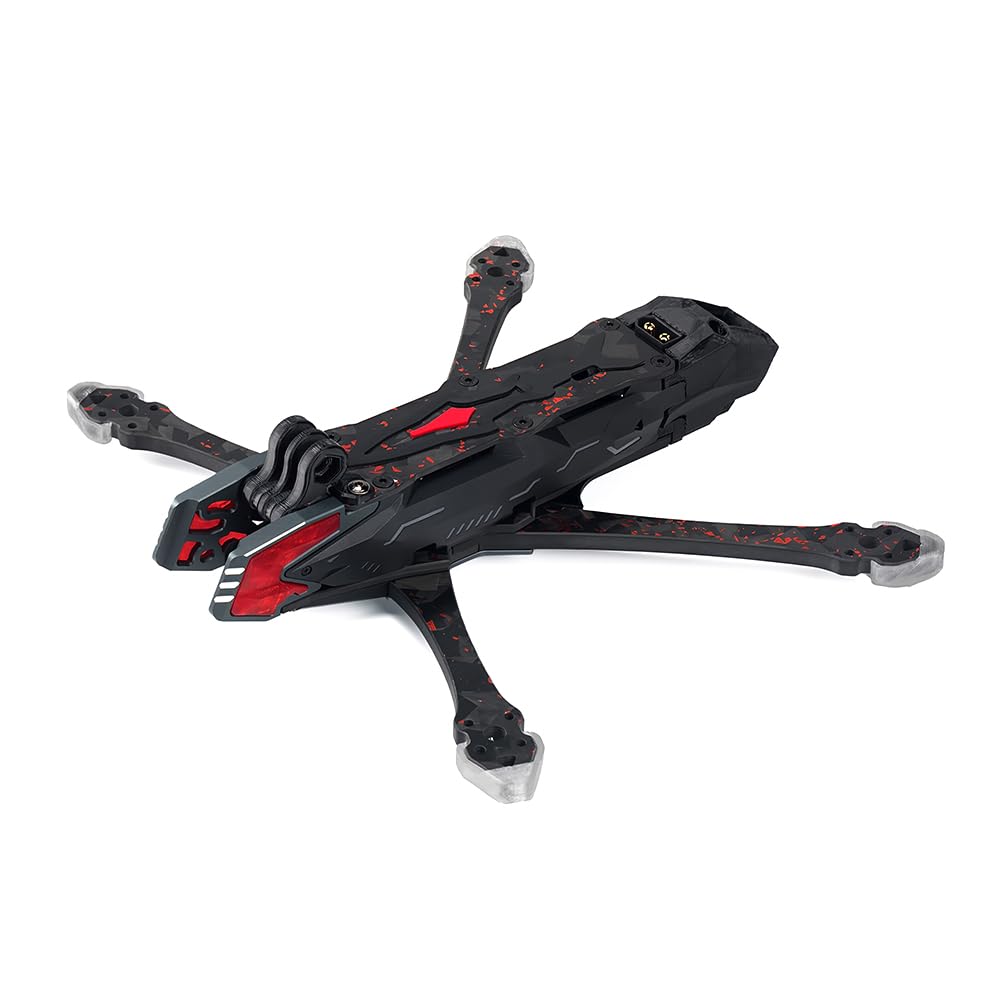
You get a build-focused 5‑inch frame designed for intermediate pilots who want a sturdy platform and visual flair. The thick 6mm arms and carbon fiber plates give you crash resilience while the CNC aluminum parts add solid mounting points for HD air units.
The 32 programmable LEDs and a large heatsink for the video unit suit flashy builds and long sessions. This is a squashed-X frame with a 226mm wheelbase. It takes props up to about 5.1 inches, with a 20×20 stack mount and a 16×16 motor mount. Retailer specs list room for a camera 19 to 20 mm wide, so check the fit if you plan to run an O4 Air Unit.
If you enjoy tweaking and customizing, this frame rewards patience, but be ready for a bit of fiddly setup when you first wire LEDs and fit 20×20 components.
What People Say
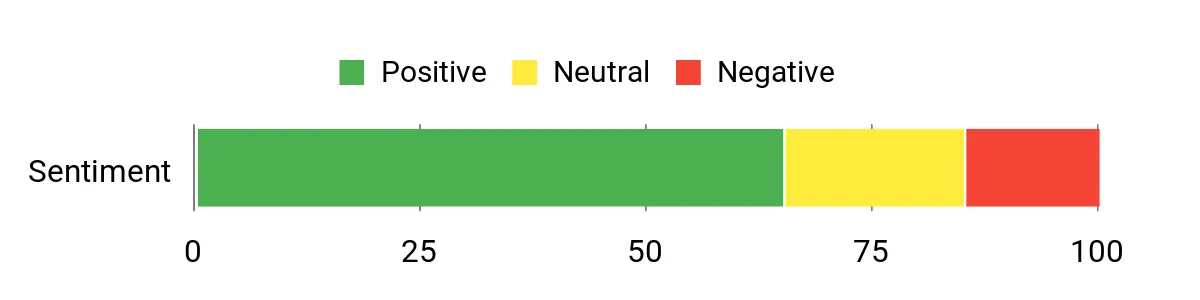
Customers commonly praise the build quality and the attention to mounting options for HD air units, and many like the programmable LED array for visibility and aesthetics. At the same time, several users note the setup can be fiddly, LED strips are somewhat fragile, and internal space favors 20×20 flight controllers and ESCs, which limits some component choices.
Overall Sentiment: Neutral
Situational Benefits
|
Situation |
How It Helps |
|---|---|
|
Racing Builds |
The stiff arms and 226mm wheelbase give you a responsive platform that holds up to aggressive moves, though it is one of the heavier frames here. |
|
Cinematic/HD Rigs |
You can mount an O4 Air Unit and use the heatsink and secure CNC mounts to keep video hardware stable and cooler during long flights. |
|
Freestyle |
Thicker arms and robust plates absorb many hard impacts so you spend less time repairing and more time practicing flips and dives. |
|
Custom LED Builds |
The DIY programmable LEDs let you personalize lighting patterns for visibility or footage flair, ideal if you want a unique, recognizable quad. |
Ease Of Use
|
Feature |
Ease Level |
|---|---|
|
Assembly |
Moderate |
|
LED Wiring |
Hard |
|
Component Fitment |
Moderate |
|
Documentation |
Hard |
Versatility
You can build racing, freestyle, or HD rigs on this frame but should plan your component choices carefully; the internal layout is optimized for certain flight controller and ESC sizes. If you like swapping setups often, expect to do some planning or minor modding.
Safety
The large heatsink helps keep the video unit cooler on long flights, and the 6mm arms make a broken arm less likely in mid-speed crashes. Tape or cover the exposed LED strips so they do not catch on anything.
Durability
Overall durability is strong thanks to 6mm arms and high‑strength carbon fiber, so the frame takes repeated bashes well. The weakest link in practice tends to be the LED tape and its connections, so reinforce those if you expect rough landings.
Innovation
The standout feature is the DIY programmable LED system, together with a large heatsink and CNC mounts for HD air units. You get both show and practical cooling in one package.
Key Benefits
- Very stiff 6mm arms for crash resistance
- Programmable 32‑LED system for visibility and style
- Made to take a DJI O4 Air Unit, with a large heatsink
Watch out for: At about 212 g it is one of the heavier frames here. The LED tape adds weight and makes repairs more work.
Rating: 4.5 (total: 2+)
APEX EVO
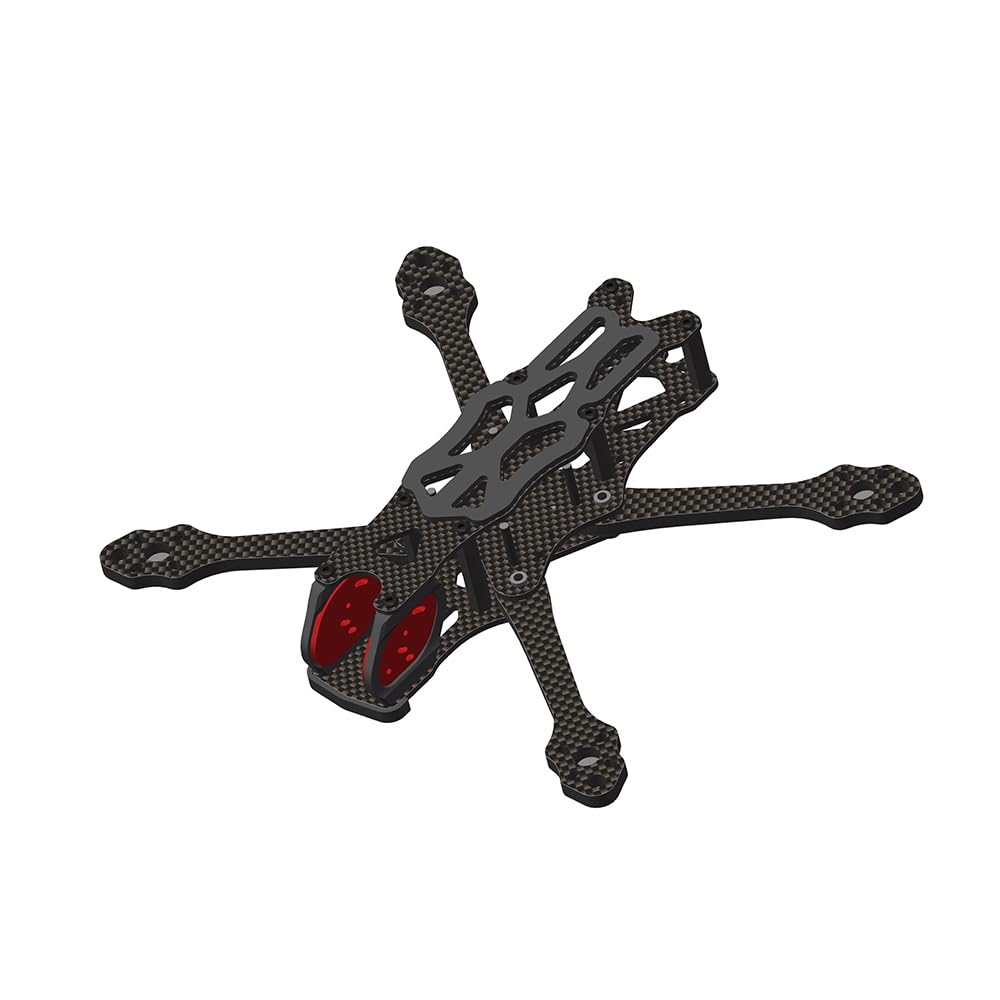
You get a compact, race-oriented 225mm platform built from 3K carbon fiber with beefy 5.5mm arms and multiple flight controller hole patterns. It’s light enough to feel snappy in the air while offering solid mounting options for popular HD units and different motor sizes.
For everyday flying you can build a fast, responsive racer; for learning and tinkering it’s a forgiving kit that lets you swap FCs and experiment with camera placements using simple 3D-printed adapters. If you like a nimble frame that’s easy to adapt, this one is a practical choice that rewards small customizations.
What People Say
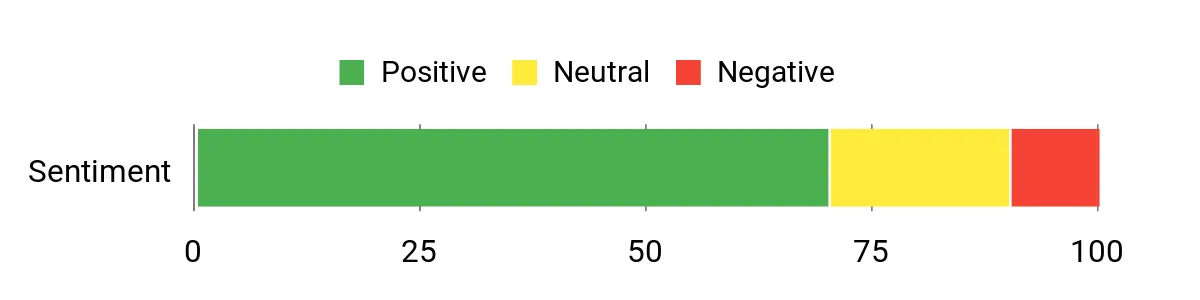
Most owners appreciate the solid carbon fiber construction and the adaptable hole patterns that make fitting different flight controllers straightforward. Many like how the frame feels on punch-outs and tight turns, and builders note it’s a useful educational kit for learning assembly. A few mention you’ll need to plan camera mounts or print adapters for nonstandard cameras since small adjustments are often required.
Overall Sentiment: Positive
Situational Benefits
|
Situation |
How It Helps |
|---|---|
|
Competitive Racing |
The 225mm wheelbase and light weight give you a responsive, agile platform that slices through courses with quick handling. |
|
Practice Sessions |
Durable arms and a forgiving layout mean fewer trips to the workbench after routine crashes, so you spend more time flying. |
|
Learning To Build |
Support for multiple FC patterns and straightforward assembly makes this a good kit for practicing wiring and component placement. |
|
Custom Camera Setups |
You can adapt camera positions with 3D-printed mounts or simple mods, which helps if you want unusual angles or larger cameras. |
Ease Of Use
|
Feature |
Ease Level |
|---|---|
|
Assembly |
Moderate |
|
FC Fitment |
Easy |
|
Camera Mounting |
Moderate |
|
Documentation |
Moderate |
Versatility
This frame adapts well to racing and lightweight freestyle rigs thanks to its multiple mounting patterns and prop compatibility. It’s less plug-and-play for heavy cinematic setups without extra mods, but you can tailor it easily if you like to experiment.
Safety
Beefy arm plates and a compact layout reduce flex and help protect motors and electronics on impacts. Standard precautions like secure wiring and vibration isolation are still recommended.
Durability
Built from 3K carbon fiber with thick arm sections, the frame handles routine crashes and hard landings well. Thin top plates and small accessories can be the weaker points, so reinforce mounting points if you expect repeated heavy abuse.
Innovation
The frame’s real edge is its practical adaptability: multiple FC hole patterns and a race-focused lightweight design let you build a variety of setups without changing frames, which is handy if you like switching between roles.
Key Benefits
- Stiff 5.5mm arm plates for improved crash resilience
- Multiple FC hole patterns (20×20, 25.5×25.5, 30.5×30.5) for flexible builds
- Lightweight 3K carbon fiber design that favors racing responsiveness
Rating: 4.2 (total: 23+)
FPVDrone 225mm

You get a compact, race-minded 225mm frame that balances low weight and stiffness so it feels crisp on the sticks. The 3K carbon construction and focused geometry make it a natural choice for short courses, practice laps, and lightweight freestyle.
It’s simple enough for regular weekend flying yet responsive enough for race days, and the included battery strap keeps your pack secure during aggressive maneuvers. If you want a dependable platform that won’t get in the way of upgrades, this frame is a practical pick that rewards straightforward builds.
What People Say
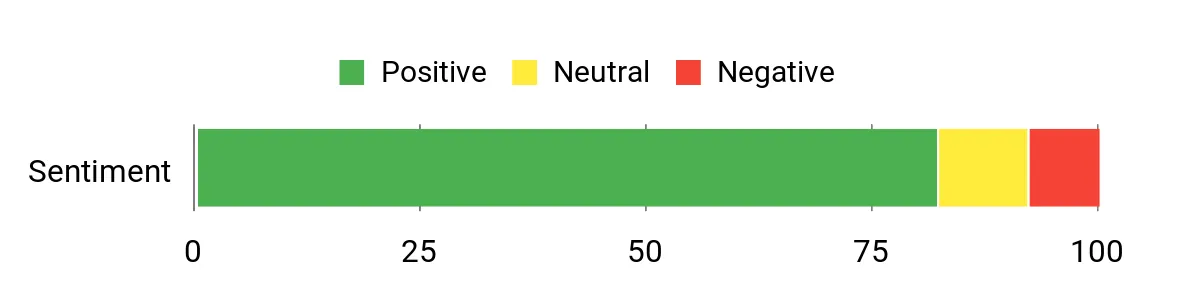
Users frequently point to the frame’s solid feel and how well it handles punchy maneuvers, praising the materials and build quality for the price. Builders also appreciate the compatibility with common FC patterns and how easy it is to get a clean, compact setup.
A few mention that small tweaks or printed adapters help if you want unusual camera positions.
Overall Sentiment: Positive
Situational Benefits
|
Situation |
How It Helps |
|---|---|
|
Track Racing |
The short wheelbase and light weight give you quick, responsive turns that shave seconds on tight courses. |
|
Daily Practice |
Durable plates and simple assembly mean fewer repairs so you can spend more time flying laps and dialing tunes. |
|
Freestyle Sessions |
Nimble handling lets you pop into tricks and recover smoothly, while the frame still takes routine crashes well. |
|
Learning Builds |
Support for common FC hole patterns makes it forgiving for newcomers learning wiring and component placement. |
Ease Of Use
|
Feature |
Ease Level |
|---|---|
|
Assembly |
Moderate |
|
FC Fitment |
Easy |
|
Camera Mounting |
Moderate |
|
Spare Parts |
Easy |
Versatility
This frame is tuned toward racing and lightweight freestyle, and it adapts well to different motor sizes and FC patterns. Heavier cinematic setups need mods, but if you like swapping between race and light freestyle builds it’s very accommodating.
Safety
Thick carbon plates and a secure battery strap reduce the risk of midflight component shifts and help protect electronics on impact. Standard cable routing and clean mounting points make it easier to keep wiring tidy and safe.
Durability
Made from quality carbon fiber and designed with reinforced arm sections, the frame stands up to routine crashes and hard landings. Small accessories and mounts can be the first things to need replacement after heavy abuse.
Innovation
The frame doesn’t rely on gimmicks; its strength is a pragmatic design that packs multiple FC patterns and a lightweight race geometry into a simple kit, which makes it useful for builders who want flexibility without extra complexity.
Key Benefits
- Stiff carbon fiber construction for crisp handling
- Lightweight layout that enhances agility
- Includes battery strap and straightforward mounting options
Rating: 4.6 (total: 124+)
Readytosky 250mm
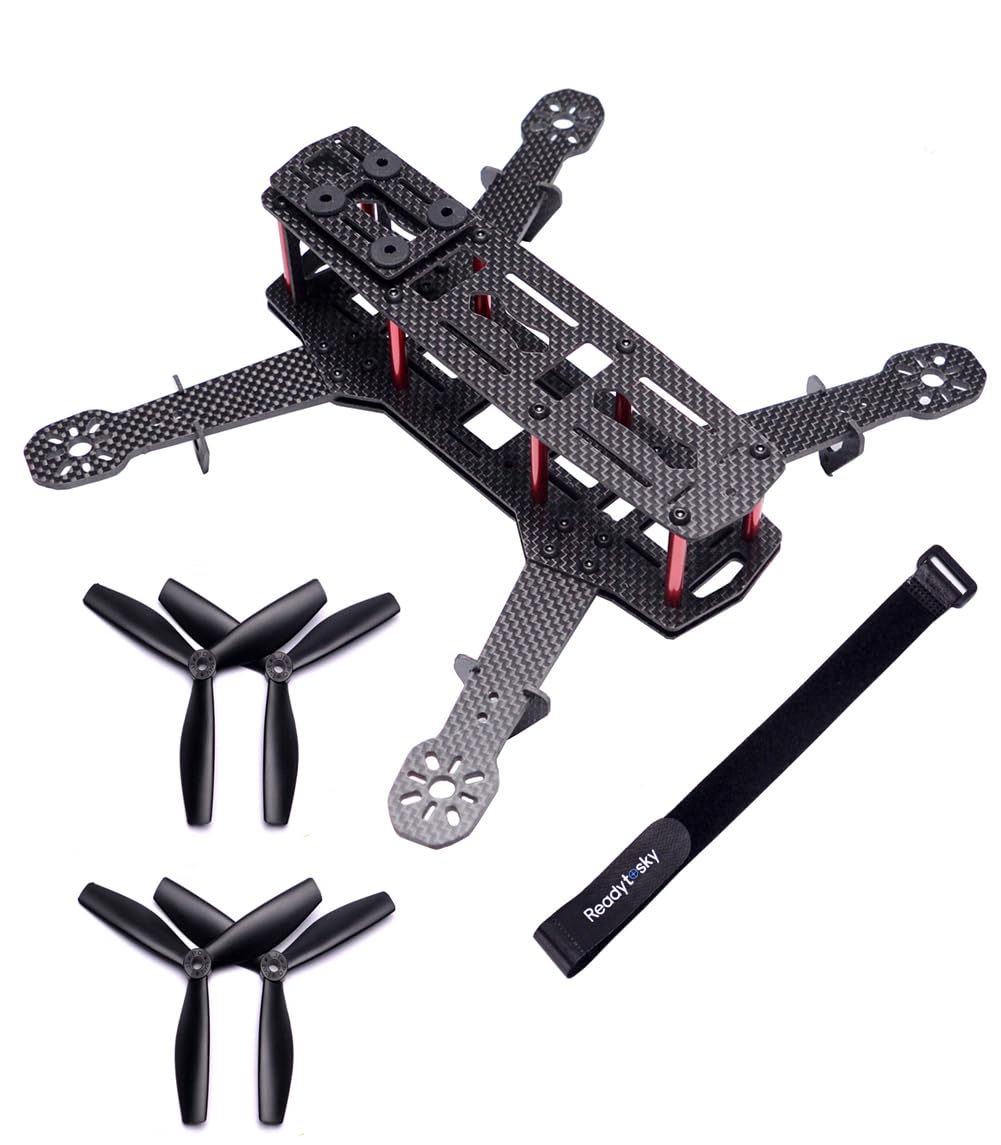
You get a roomy 250mm platform that is built for reliability rather than flash. The 4mm arms and straightforward plate layout make assembly predictable and give you a frame that tolerates hard landings, so it is a good fit for regular practice and learning to repair in the field.
It comes with basic hardware, shock-absorbing dampers and a battery strap so you can get a clean build quickly. For weekend flying or casual freestyle it is a dependable choice that does not need exotic parts. If you are starting out or want a forgiving backup frame, this one fits that role well.
What People Say
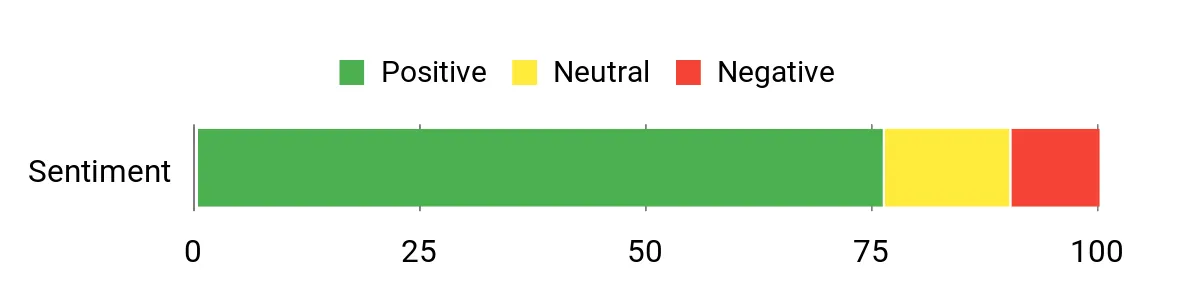
Customers most often highlight how tough the frame is and how well it survives ground impacts, calling it a reliable starter platform. Many appreciate the included hardware and battery strap that simplify the first build, while a few note the stock props are brittle and are often replaced early on.
Overall feedback centers on durability and value for learning pilots.
Overall Sentiment: Positive
Situational Benefits
|
Situation |
How It Helps |
|---|---|
|
First Builds |
The included mounts and clear layout let you practice wiring and mounting without hunting parts, making your first builds less frustrating. |
|
Crash-Prone Flying |
Thicker arms and reinforced plates absorb impacts so you spend less time repairing and more time flying. |
|
Component Upgrades |
The roomy 250mm layout leaves space for upgrades, but check that your stack and camera fit before you buy. |
|
Regular Practice |
Durability and simple assembly reduce downtime after typical practice crashes, keeping sessions productive. |
Ease Of Use
|
Feature |
Ease Level |
|---|---|
|
Assembly |
Easy |
|
FC Fitment |
– |
|
Camera Mounting |
Moderate |
|
Spare Parts |
Easy |
Versatility
This frame suits beginner rigs and casual freestyle. It is a roomy 250mm layout, but the listing does not give stack or camera mounting patterns, so check that your parts and any HD air unit fit before you buy.
Safety
The rubber dampers help reduce vibration, and the included battery strap keeps the pack from shifting in flight.
Durability
Durability is decent for casual flying. The 4mm arms are fine for light freestyle, but thinner than the 5 to 6mm arms on other frames here, so expect to replace an arm sooner under heavy abuse. Props and small mounts are the first things to wear out.
Innovation
The kit’s value lies in sensible, practical design rather than cutting‑edge innovation: it bundles useful mounts and hardware so you can build quickly and get flying without extra sourcing.
Key Benefits
- 4mm carbon arms and protective plates for everyday crashes
- Generous internal space that accepts larger components
- Includes a Lipo battery strap and shock-absorbing dampers
Watch out for: The 4mm arms are thinner than the 5 to 6mm arms on the Manta 5 Pro, APEX EVO, DashRC Mark4 and Usmile X Type. The listing does not show stack or camera mounting patterns, so check fit first.
Rating: 4.4 (total: 184+)
YoungRC DC5

You get a 250mm deadcat-style frame built for HD video. In a deadcat layout the arms are angled so the front props stay out of your camera view, which helps cinematic footage. There is also room for a camera mount, so it is a good fit when you want clean footage or a steady freestyle platform.
Assembly requires a bit of patience since instructions are minimal, but the parts fit well and the included TPU accessories help tidy mounts. If you like tweaking camera positions or printing small adapters, this frame gives you the stability and mounting options to create a clean HD build.
What People Say
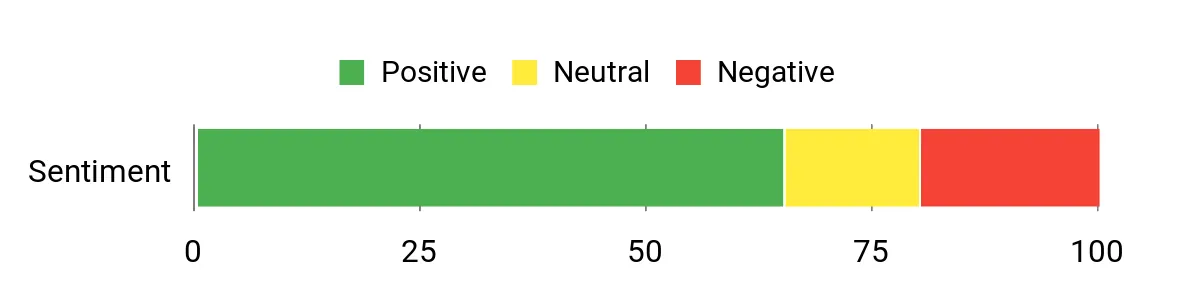
Users often praise the frame’s stability and how well it handles camera mounting, calling it a dependable choice for videography. Builders appreciate the snug fit of hardware and included TPU parts, though many say the kit ships with minimal instructions and occasionally arrives in different arm configurations.
A common practical note is that prop clearance can be tight, so expect to tweak prop lengths or mount positions.
Overall Sentiment: Neutral
Situational Benefits
|
Situation |
How It Helps |
|---|---|
|
Cinematic Flights |
The wide stance reduces wobble and gives you steadier footage with less need for heavy stabilization in post. |
|
Freestyle Practice |
Stable geometry makes line recovery easier, so you can focus on tricks without the frame fighting you. |
|
Custom Builds |
Roomy mounting space and TPU accessories let you adapt the frame to different cameras and minor mods. |
|
Learning Assembly |
Parts fit well which helps you learn wiring and mounting, but be prepared to reference online guides due to sparse documentation. |
Ease Of Use
|
Feature |
Ease Level |
|---|---|
|
Assembly |
Moderate |
|
Camera Mounting |
Moderate |
|
Prop Clearance |
Requires Tweak |
|
Documentation |
Limited |
Versatility
The frame is versatile for HD and DC setups and adapts to different FC patterns, but be ready to print small adapters or alter mounts if you run into nonstandard camera sizes or want to avoid prop overlap.
Safety
A sturdy plate layout and included TPU parts help protect cameras and electronics; careful prop spacing and secure wiring improve overall safety during aggressive maneuvers.
Durability
Construction feels solid and the frame holds up well to normal crashes, though minor parts like TPU mounts and props are the likeliest items to need replacement after heavy use.
Innovation
The mix of a wide cinematic stance with included TPU accessories and 3D‑print friendly features makes it a practical design for pilots who want a footage‑focused build without complex mods.
Key Benefits
- Wide stance for stable, cinematic shots
- Solid hardware fit and useful TPU accessories
- Roomy layout that accepts common FC and camera setups
Rating: 4.0 (total: 39+)
YoungRC HD5

You get a compact 225mm frame that balances stability and agility for HD FPV builds. The layout favors tidy component placement and steady flight, making it suitable for everyday practice, cinematic runs, or light freestyle sessions.
It’s a good option when you want a predictable platform that doesn’t demand exotic parts, and if you enjoy dialing in camera positions you’ll appreciate the room to experiment. Plan for a modest learning curve around mounting and prop clearance, but the frame rewards a careful build with consistent flight behavior.
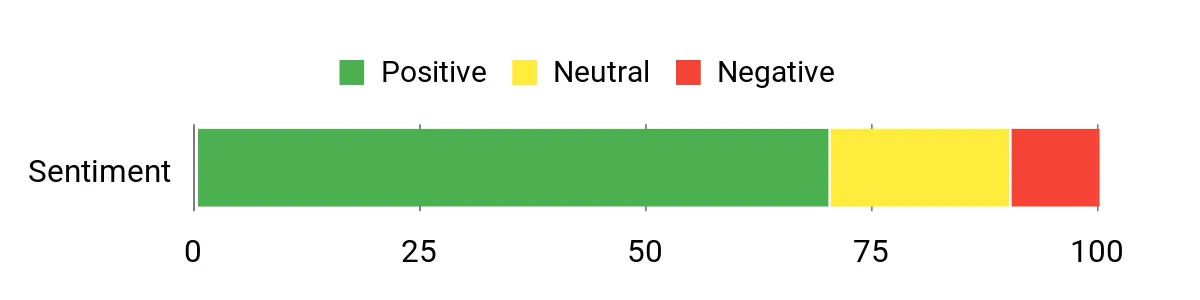
What People Say
Owners commonly note the frame’s steady handling and how well it accommodates HD cameras, calling out the secure fit of hardware and usable mounting space. Builders mention minimal documentation but say the parts mesh well once you work through the assembly.
A few pilots flag prop clearance and configuration inconsistencies as things to watch for during setup.
Overall Sentiment: Positive
Situational Benefits
|
Situation |
How It Helps |
|---|---|
|
Cinematic Flights |
The stable stance reduces wobble and makes it easier to capture smooth, usable footage without heavy post stabilization. |
|
Freestyle Practice |
Predictable handling and balanced weight help you recover lines and land tricks more consistently during sessions. |
|
Weekend Builds |
Parts fit cleanly and common FC patterns make assembly straightforward, so you can finish a build over a couple of sessions. |
|
Custom Camera Angles |
Roomy mounting areas let you try different camera positions or add small 3D‑printed adapters to get the angle you want. |
Ease Of Use
|
Feature |
Ease Level |
|---|---|
|
Assembly |
Moderate |
|
FC Fitment |
Easy |
|
Camera Mounting |
Moderate |
|
Documentation |
Limited |
Versatility
The frame handles HD and freestyle roles well and accepts common flight controller patterns, though very heavy cinematic setups may need a different platform or extra mods.
Safety
Solid plate layout and tidy mounting points help protect electronics; careful prop spacing and secure wiring improve reliability during aggressive maneuvers.
Durability
Constructed from carbon fiber with reinforced plates, the frame endures routine crashes and landings. Small accessories and props are the likeliest replaceable parts after heavy impacts.
Innovation
The design focuses on practical improvements for HD builds—roomy mounts, good hardware fit and 3D‑print friendly aspects—rather than flashy new tech, which makes it sensible for builders who value function.
Key Benefits
- Stable geometry suited for HD footage
- Good hardware fit and support for common FC patterns
- Balanced weight for responsive freestyle without excess flex
Rating: 4.3 (total: 22+)
DashRC Mark4

You get a freestyle-focused 5‑inch frame that balances aesthetics, stiffness and practical mounting for modern HD systems. The 3K carbon and 5mm arms give the platform a confident feel in the air, while the layout offers room for sensors, a DJI Air Unit and tidy wiring.
It’s well suited for regular practice, park freestyle and integration with extra modules like GPS or Walksnail systems. The top plate is on the thinner side, so if you plan to take repeated hard slams you might reinforce fasteners or carry spares, but for most pilots the frame is a dependable, versatile base for both daily flying and weekend projects.
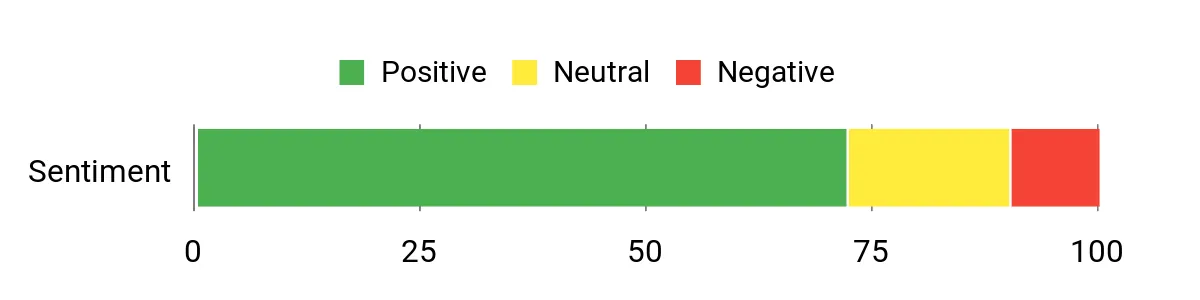
What People Say
People frequently point to the frame’s solid construction and how cleanly it fits cameras and HD units, appreciating the balance between weight and strength. Many users like that it’s easy to assemble and works well with common flight controllers, while a small number mention the top plate thickness and lack of extra screws or detailed instructions as minor annoyances.
Overall Sentiment: Positive
Situational Benefits
|
Situation |
How It Helps |
|---|---|
|
Freestyle Sessions |
The frame’s geometry and stiff arms make it easier to recover from tricks and hard inputs so you can focus on flow rather than constant repairs. |
|
HD Builds |
Compatibility with DJI Air Unit and roomy mounting areas keep video hardware secure and thermally manageable for longer flights. |
|
Sensor Integration |
Plenty of room for additional sensors and tidy wiring means you can add GPS, optical flow or receiver modules without crowding the stack. |
|
Regular Practice |
Durable arms and a straightforward layout reduce downtime after routine crashes, keeping practice sessions productive. |
Ease Of Use
|
Feature |
Ease Level |
|---|---|
|
Assembly |
Easy |
|
Camera Fit |
Easy |
|
Top Plate Handling |
Moderate |
|
Documentation |
Limited |
Versatility
This frame adapts well to freestyle, park flying and HD setups thanks to its mounting options and roomy layout. Very heavy cinematic rigs may need a different platform, but the Mark4 covers most hobby use cases.
Safety
Crash-resistant arm design and clean mounting reduce stress on motors and electronics. Securing wiring and using thread locker on fasteners helps prevent midflight loosening.
Durability
Overall durability is strong because of 3K carbon and 5mm arms, though the thinner top plate is the first component you may want to reinforce or replace after repeated severe impacts.
Innovation
The Mark4 blends an aerodynamic, visually appealing design with practical DJI FPV integration and sensor-friendly mounting, giving you modern compatibility in a straightforward package.
Key Benefits
- Stiff 5mm arms and 3K carbon for solid handling
- Freestyle-optimized geometry that recovers predictably
- Good space and mounts for DJI Air Unit and additional sensors
Rating: 4.3 (total: 35+)
Usmile X Type

You get a compact, modular 220mm platform that’s built around practicality and durability. The 5mm arms and layered plate design make assembly straightforward and give you confidence when you push into harder maneuvers. It’s a solid choice for everyday freestyle practice, quick park sessions, or builds where you want DJI FPV compatibility without fuss. For special projects you can take advantage of the modular battery mounts and adaptable stack spacing to fit different ESCs or receivers.
If you want a dependable, no‑nonsense frame that stands up to rough use and accepts common components, this one is worth considering.
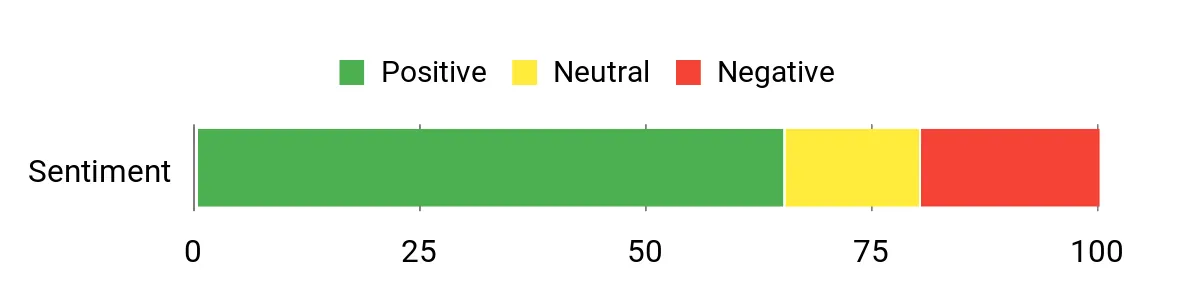
What People Say
Buyers often highlight the frame’s sturdy arms and how well the parts fit together, making builds feel solid and reliable. Many appreciate the modular design and DJI compatibility, while common negatives point to missing screws or minimal instructions, which means you may need to source small hardware or follow a build guide.
Overall Sentiment: Neutral
Situational Benefits
|
Situation |
How It Helps |
|---|---|
|
Freestyle Practice |
Stiff arms and crash‑oriented plates let you attempt aggressive moves with fewer repairs between sessions. |
|
HD Builds |
Designed mounts and stack spacing accommodate DJI Air Unit installs and keep video hardware secure. |
|
Field Repairs |
Modular plates and common screw patterns make it easier to swap damaged parts quickly at the field. |
|
Compact Racing |
The 220mm wheelbase gives you a nimble footprint that responds well on tight courses while remaining stable. |
Ease Of Use
|
Feature |
Ease Level |
|---|---|
|
Assembly |
Easy |
|
FC Fitment |
Moderate |
|
Battery Mounting |
Easy |
|
Documentation |
Limited |
Versatility
The frame is adaptable for freestyle, compact racing and DJI HD builds thanks to its modular plates and common mounting patterns. It’s less suited to very heavy cinematic rigs without additional modifications.
Safety
Robust arm thickness and layered plates reduce torsion and protect motors; tidy mounting points help you route wiring away from prop arcs to avoid shorts.
Durability
Overall durability is strong due to the 5mm arm construction and quality carbon fiber, though small hardware and accessories can be the weak points if they’re missing or thin.
Innovation
The modular approach combined with explicit DJI Air Unit support and flexible battery mounting gives you a practical, upgrade‑friendly platform rather than experimental features.
Key Benefits
- Thick 5mm arms for strong crash resistance
- Modular layout with DJI FPV Air Unit support
- Versatile battery mounting options for different packs
Rating: 3.9 (total: 51+)
FPVDrone 224mm

You get a lightweight 224mm platform that focuses on keeping mass low while offering plenty of space for common HD units and tidy wiring. The plates fit together cleanly and the layout favors minimal flex, making it suitable for fast flying, park freestyle and compact HD rigs.
For daily sessions you’ll appreciate the easy assembly and good crash survivability, and for special builds it provides clever tuck points and room for a Walksnail or receiver. If you want a light, practical frame that balances performance and component room, this one is a strong, sensible option.
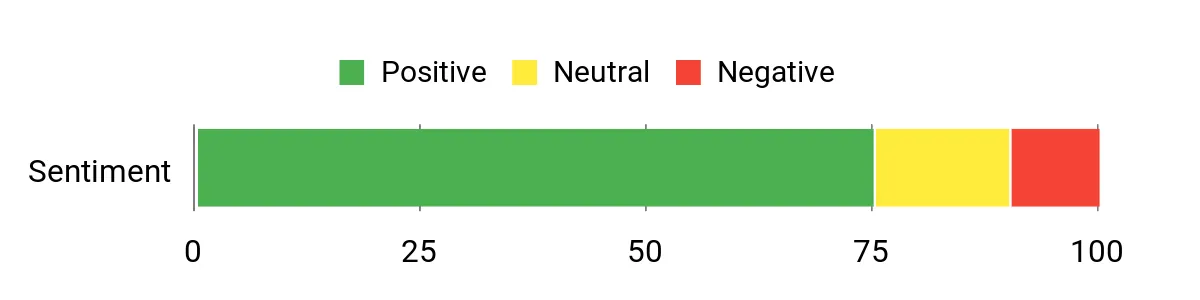
What People Say
Owners frequently praise the frame’s lightweight feel and how the plates mate precisely for a clean build. Many point out excellent crash survivability and ample space for common components, while a minority mention tight clearances around some HD air units and the need to plan stack spacing carefully.
Overall Sentiment: Positive
Situational Benefits
|
Situation |
How It Helps |
|---|---|
|
Track Racing |
Low weight and minimal flex let you accelerate and change direction quickly, shaving time on tight courses. |
|
HD Flights |
Protected camera mounts and tidy wiring spots help keep video gear secure for smoother footage. |
|
Freestyle Sessions |
Predictable handling and crash-friendly plates reduce repairs after routine bashes so you practice more. |
|
Bench Builds |
Clear plate interfaces and ample tuck points make wiring and component placement straightforward during assembly. |
Ease Of Use
|
Feature |
Ease Level |
|---|---|
|
Assembly |
Easy |
|
FC Fitment |
Moderate |
|
Camera Mounting |
Easy |
|
Stack Spacing |
Requires Planning |
Versatility
This frame adapts well to lightweight racing, park freestyle and many HD setups; extremely heavy cinematic rigs or builds needing large capacitors may require a different platform or small mods.
Safety
Protected camera cage areas and orderly tuck points reduce prop strikes and wiring exposure; secure battery strap keeps the pack from shifting during aggressive maneuvers.
Durability
Carbon fiber construction and precise plate tolerances deliver strong crash resistance for everyday flying, though very hard impacts may still require replacing small mounts or plates.
Innovation
The design shines through smart plate engineering and weight-focused choices that give you modern HD compatibility in a compact, well-executed package rather than flashy extras.
Key Benefits
- Very lightweight design that improves agility
- Roomy layout with tidy tuck points for HD units
- Good crash survivability with quality plate fitment
Rating: 4.2 (total: 97+)
FAQ
How Do I Choose The Right 5-Inch Frame?
Start with how you fly. Racing frames are short and light. Freestyle frames have thicker arms. HD video builds need room for the air unit and a camera mount. Then check these five things:
- Arm thickness: 4mm is fine for light flying. 5 to 6mm lasts longer in hard crashes.
- Shape: true X flies evenly, squashed X is shorter front to back, and deadcat keeps the props out of the camera view.
- Stack size: most 5-inch frames take a 20×20 or 30.5×30.5 mm flight controller stack.
- Motor bolt pattern: most 22xx and 23xx motors use 16×16 or 16×19 mm. Make sure your motors match.
- Prop size: 5 inch is standard. Some frames list a limit of about 5.1 inches.
If you swap between racing and freestyle often, pick a frame with more than one hole pattern and clear space around the battery and ESCs.
Will My HD Air Unit Fit This Frame?
Not always. A listing that says ‘DJI compatible’ can mean the older 2021 DJI FPV Air Unit, not the newer O3 or O4 units. Check that the listing names your exact unit.
Then check the camera slot. The O3 and O4 Pro cameras are about 20 mm wide, and many frames list a 19 to 20 mm slot. Make sure there is room for the unit, its antennas and the battery lead. Mock up the parts before you solder. A small 3D-printed adapter can fix a tight fit.
Last checked: October 2026. The availability of DJI air units in the US varies, so check the seller first. Walksnail, HDZero and analog systems are other options.
How Durable Are These Frames And What Should I Expect After Crashes?
Carbon fiber 5-inch frames are tough, but not crash-proof. Top plates, TPU mounts and props usually break before the arms do. Keep spare screws, props and an extra arm or two. Use threadlocker on the screws and route motor wires away from the props. If you add LED tape, reinforce the connections with heat shrink or glue.
Do I Need To Register A 5-Inch FPV Drone?
Almost always yes. The FAA says drones that weigh 250 g (0.55 lb) or more must be registered, and a built 5-inch quad with a battery is usually far heavier than that. A registered drone must also broadcast Remote ID, unless you fly inside an FAA-recognized identification area (FRIA).
Recreational flyers must also pass the free TRUST test and carry proof. Fly at or below 400 ft in uncontrolled airspace and keep the drone in sight. FAA details: faa.gov/uas/recreational_flyers (last checked October 2026).
Customer Preferences
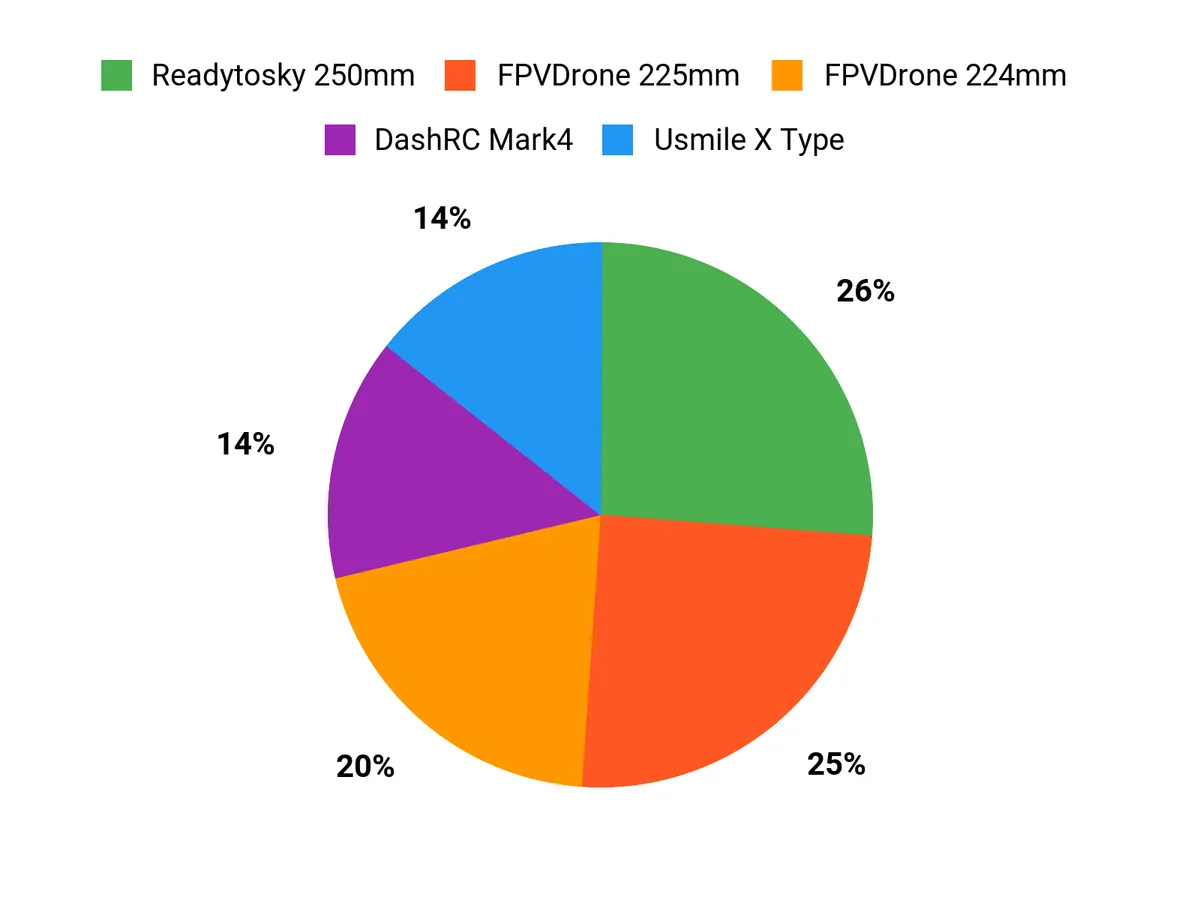
When you compare the Manta 5 Pro, APEX EVO and FPVDrone 225mm, customers mainly choose by intended role: you’ll favor the Manta 5 Pro for HD or show builds that need DJI O4 compatibility, a large heatsink and programmable LEDs, pick the APEX EVO for a race‑focused 225mm platform with stiff 5.5mm arms and flexible FC mounting, and opt for the FPVDrone 225mm when you want a lightweight, responsive all‑rounder that’s straightforward to build. Across these options you’ll prioritize component compatibility, arm thickness and crash resistance, and how easy the frame is to assemble or mod, while recognizing that extras like LED systems add complexity and potential fragility.
Wrapping Up
You need a 5-inch frame that matches how you fly. If you build complex rigs with HD air units and many LEDs, choose a robust platform like the Manta 5 Pro that supports advanced components and has a large heatsink. If you want the best balance of cost and performance, the FPVDrone 225mm delivers stiffness and reliable mounting at good value.
For newcomers, the Readytosky 250mm gives forgiving durability and clear assembly parts so you can focus on learning. Use the selection criteria to prioritize durability, component compatibility, and ease of assembly when you decide.
Match the frame to your flying style and you will spend less time troubleshooting and more time flying.
| Product Name | Image | Rating | Weight | Material | Special Highlights |
|---|---|---|---|---|---|
| Manta 5 Pro 5 Inch FPV Drone Frame Kit |
|
4.5/5 (2 reviews) | 212 g | High-Strength Carbon Fiber & CNC Aluminum Alloy |
|
| 225mm 5inch APEX EVO Frame Kit |
|
4.2/5 (23 reviews) | 130 g | 3K Carbon Fiber |
|
| 225mm FPV Racing Drone Frame |
|
4.6/5 (124 reviews) | 102 g | Carbon Fiber |
|
| Readytosky 250mm FPV Racing Drone Frame |
|
4.4/5 (184 reviews) | 180 g | Carbon Fiber |
|
| YoungRC 250mm HD DC5 FPV Racing Drone Frame |
|
4.0/5 (39 reviews) | 163 g | Carbon Fiber |
|
| YoungRC HD5 5inch FPV Racing Drone Frame |
|
4.3/5 (22 reviews) | 147 g | Carbon Fiber |
|
| 5-Inch FPV Drone Frame Kit |
|
4.3/5 (35 reviews) | 132 g | 3K Carbon Fiber |
|
| 5 Inch Carbon Fiber Quadcopter Frame |
|
3.9/5 (51 reviews) | 109 g | Carbon Fiber |
|
| 224mm HD 5 inch FPV Racing Drone Frame |
|
4.2/5 (97 reviews) | 121 g | Carbon Fiber |
|
This Roundup is reader-supported. When you click through links we may earn a referral commission on qualifying purchases.
