
As an Amazon Associate I earn from qualifying purchases.
Buying a capable drone under $500 is more realistic than ever. You can capture crisp 4K footage, learn safe flight habits, and travel with a compact model without moving into premium-drone pricing. This guide focuses on drones that make sense for real buyers: stable camera performance, useful battery life, beginner-friendly controls, GPS or return-to-home support where available, and practical portability.
Some models below stay under the 249 g threshold, which can simplify recreational flying rules in many regions. Others trade that lightweight design for longer battery sessions or a sturdier build. Always check your local drone laws before flying, especially if you plan to fly commercially, near restricted airspace, or with a heavier model.
Quick buying tip: If you mainly want travel footage, start with a sub-249 g 4K drone like the DJI Mini 4K, DJI Mini 3, DJI Flip, or Potensic ATOM 2. If you want longer sessions and do not mind a heavier airframe, the Ruko F11PRO 2 is worth a look.
Top Picks
| Category | Product | Best For |
|---|---|---|
| 🏆 Best Overall | DJI Mini 4K | Most beginners who want smooth 4K footage |
| 💰 Best Value | DJI Neo | Simple selfie-style flying and casual social clips |
| ⚡ Best Feature Set | Potensic ATOM 2 | Travel shooters who want gimbal footage and smart modes |
| 🎯 Best Beginner GPS Pick | Potensic ATOM SE | New pilots who want GPS support on a tighter budget |
| 🔋 Best Flight-Time Bundle | Ruko F11PRO 2 | Longer practice sessions and road-trip flying |
| 💡 Best Safety-Focused Design | DJI Flip (RC-N3) | Beginners who want prop guards and stronger camera specs |
| 🚀 Most Portable | DJI Mini 3 | Travel, hikes, vertical video, and compact 4K capture |
How We Picked These Drones
You want a drone that gives you useful features without hidden compromises. We prioritized camera quality, stabilization, practical battery life, GPS support, return-to-home features, app usability, portability, brand support, and whether each drone makes sense for the under-$500 buyer. We also looked at tradeoffs that matter in real use, such as whether the drone has a 3-axis gimbal or electronic image stabilization, whether it has obstacle sensing, whether extra batteries are included, and whether its weight may affect registration rules.
We did not rank products only by headline specs. A drone with a longer claimed range is not always better if it is harder to fly, lacks support, or needs extra accessories before it becomes useful. The best pick depends on how you plan to use it: learning, family videos, travel, social content, scenic landscapes, or longer practice sessions.
Before You Buy
- Check local rules first: Sub-249 g drones can reduce registration burden for some recreational flyers, but rules vary by country and flight type.
- Plan for real-world battery life: Wind, cold weather, speed, and recording settings can shorten flight time.
- Choose stabilization carefully: A 3-axis gimbal is best for smooth cinematic footage. EIS is lighter and simpler but usually not as smooth in windy movement.
- Do not ignore obstacle avoidance: Many budget drones have limited sensing or no true obstacle avoidance, so open-field practice matters.
- Budget for extras: Spare batteries, a microSD card, propellers, a charger, and a carry case can matter as much as the drone itself.
DJI Mini 4K

If you want the safest all-around recommendation for a first serious drone, the DJI Mini 4K is the easiest place to start. It gives you the big features most buyers actually notice: 4K video, a 3-axis gimbal for smooth footage, GPS-assisted hovering, automatic return-to-home, and a lightweight folding body that is easy to bring on trips.
It works well for family outings, real estate-style practice shots, hikes, beach clips, and basic landscape footage. The learning curve is friendly because the drone holds position well and the automated QuickShots modes help you get polished camera moves without needing advanced stick control.
Who Should Buy This
Choose the Mini 4K if you want stable 4K footage and a proven beginner-friendly platform without paying for premium obstacle avoidance.
Who Should Avoid This
Skip it if you need advanced subject tracking or full obstacle avoidance. You will still need to fly carefully around trees, buildings, and people.
What People Say
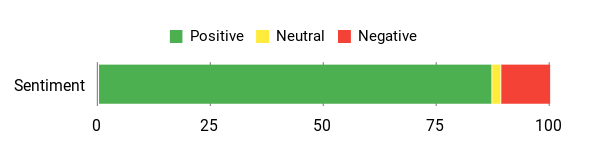
Buyers often like how quickly it sets up, how steady the gimbal footage looks, and how easy it feels for first flights. Common limitations include the lack of advanced tracking and limited obstacle sensing.
Overall Sentiment: Mostly Positive
🗣️ El Presidente
Ridiculously easy to fly and very safe — it hovers solidly, the Return to Home works reliably, and I was able to get composed shots quickly. In my first outings I had no crashes and the live video feed helped me frame shots right away.
🗣️ Brandon
Set up is almost instant — remote links up and the app gets you flying fast. Video is smooth with zero jitters thanks to the gimbal, and QuickShots let you get polished clips without a lot of practice.
Build & Durability
Build quality is solid for a lightweight foldable drone. Treat it like camera equipment: inspect propellers, arms, and the gimbal after any hard landing, and avoid pushing it in strong wind.
Travel Friendliness
Very travel friendly. The sub-249 g weight, folding design, and compact controller setup make it easy to pack in a day bag. Bring extra batteries if you plan to film for more than a short outing.
Check Product Details on Amazon
DJI Neo

The DJI Neo is not a traditional long-range camera drone in the same way as the Mini 4K or Mini 3. Its strength is simplicity. It is light, guarded, easy to launch from your hand, and built for quick social clips, selfies, and follow-style shots.
You should consider it if you want the least intimidating way to start flying. It is also a strong pick for casual creators who value quick launch, easy subject framing, and compact packing more than long flight time or a full 3-axis gimbal.
Who Should Buy This
Buy it if you want a simple, lightweight, close-range drone for quick clips, selfies, and beginner practice.
Who Should Avoid This
Skip it if you want long-range scenic flights, long battery sessions, microSD recording, or the smoothest gimbal footage.
What People Say
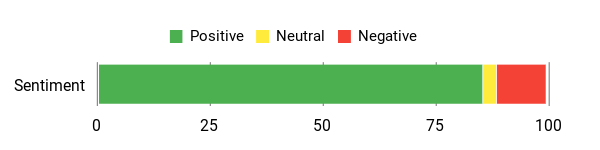
Buyers like the small size, palm takeoff, simple controls, and surprisingly good video for such a tiny drone. The main caveats are shorter flight time, limited onboard storage, and the need to check app activation and compatibility before your first flight.
Overall Sentiment: Mostly Positive
Build And Durability
The Neo’s guarded design helps with small bumps and indoor-style learning, but it is still a lightweight camera drone. Avoid rough crashes, water, and heavy wind.
Travel Friendliness
Excellent for travel because it is extremely light and takes up very little space. Bring spare batteries if you plan to film throughout the day because individual flight sessions are short compared with larger drones.
Check Product Details on Amazon
Potensic ATOM 2

The Potensic ATOM 2 is a strong alternative if you want more camera-drone features without moving into premium pricing. Its 3-axis gimbal is the key advantage over cheaper EIS-only drones, and the compact sub-249 g body makes it practical for travel.
It is especially attractive if you want vertical shooting, automated flight modes, and a multi-battery kit for longer sessions. The main tradeoff is obstacle avoidance: you still need open-space practice and careful route planning.
Who Should Buy This
Choose it if you want a feature-rich DJI alternative with a 3-axis gimbal, travel-friendly weight, and longer bundle flight time.
Who Should Avoid This
Skip it if obstacle avoidance is your top priority or if you want the broadest accessory ecosystem.
What People Say
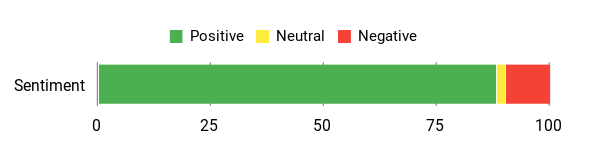
Buyers often praise the stable footage, easy setup, GNSS positioning, controller feel, and smart flight modes. The most common caution is that you should avoid water and fly carefully because it does not provide the same obstacle-sensing safety net as higher-end drones.
Overall Sentiment: Mostly Positive
🗣️ Christopher
Super fun and really easy to fly. The 4K video is clear and sharp in daylight and decent low-light, and I weighed it at about 250 grams with batteries. It held up well in class 4–5 winds and kept a steady hover most of the time; I even flew it a full mile line of sight and still had three bars on the remote. Heads up: it doesn’t like water — mine fell in a river for about 10 seconds and the drone worked after drying, but the battery was ruined (I’d rather lose a $50 battery than a $400 drone).
🗣️ Syamanth Sreejith
Impressive compact drone that punches above its weight. Delivers stunning 4K video and detailed 8K photos, and the controls are intuitive so setup and stable flight are quick. AI features like smart tracking, waypoint flying and return-to-home make capturing cinematic shots much easier, which is great whether you’re starting out or refining your skills.
Build And Durability
The frame feels solid for a compact foldable drone. As with any lightweight aircraft, inspect the props, battery, gimbal, and arms after hard landings. Avoid water exposure and store batteries carefully.
Travel Friendliness
Very travel friendly because it folds small and stays in the light-drone category. The multi-battery bundle is useful for hikes, weekend trips, and longer shooting sessions where one battery would feel limiting.
Check Product Details on Amazon
DJI Mini 3

If you want a compact travel drone with stronger imaging flexibility than the most basic beginner models, the Mini 3 is a smart step up. It keeps the foldable, lightweight design but adds 4K HDR capture, a 1/1.3-inch sensor, and True Vertical Shooting for social platforms.
It is especially useful for travel creators, hikers, family trips, and anyone who wants a compact drone that can produce cleaner footage without a bulky kit. Just remember that using larger optional batteries can push some setups above the sub-249 g threshold, so check your specific bundle and local rules.
Who Should Buy This
Buy it if you want portable 4K HDR footage, vertical video, and longer standard-battery flight time in a compact DJI platform.
Who Should Avoid This
Skip it if you need advanced obstacle avoidance or subject tracking. It is still a careful-pilot drone, not a crash-proof one.
What People Say
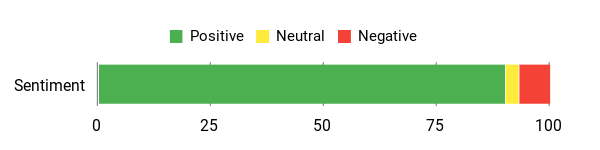
Buyers often mention stable footage, quiet flight, strong portability, and helpful return-to-home confidence. Some users still recommend spare batteries for longer sessions.
Overall Sentiment: Mostly Positive
🗣️ Eduardo zuniga
The DJI Mini 3 is lightweight, quiet, and incredibly stable. The 3-axis gimbal delivers buttery-smooth footage, and the DJI RC screen is a game-changer — no phone needed. Image quality is excellent even in low light. Super easy to fly and perfect for travel, hiking, or beginners looking for high-quality aerial shots.
🗣️ Egnali Angarita
This mini drone exceeded my expectations. Despite its compact size, it delivers stunning video quality, smooth flight, and impressive stability – even in light wind. The GPS and return-to-home features give me peace of mind as a beginner. Battery life is solid, and the app is user-friendly with lots of smart flight modes.
Build And Durability
The Mini 3 is light but well-built for normal use. Check the gimbal, propellers, and arms after any crash, and avoid takeoff or landing areas with loose sand, gravel, or tall grass.
Travel Friendliness
Excellent. It folds small, packs easily, and works well for quick shots on hikes or city walks. If you use optional Plus batteries, confirm weight and registration rules before flying.
Check Product Details on Amazon
Ruko F11PRO 2

The Ruko F11PRO 2 is best for buyers who care more about longer practice sessions and a larger airframe than pocket-size travel weight. The included two-battery setup is the biggest practical benefit, especially if you are learning and do not want to stop after one short flight.
This is not a sub-249 g drone, so it may require registration depending on your country and how you fly. That tradeoff is worth it for some buyers because the drone feels more substantial and includes helpful GPS features like return-to-home, orbit, waypoint, and follow-style modes.
Who Should Buy This
Choose it if you want longer battery sessions, a case-friendly kit, GPS assistance, and a larger drone for practice or weekend filming.
Who Should Avoid This
Skip it if you specifically want a sub-249 g travel drone or the smallest possible bag footprint.
What People Say
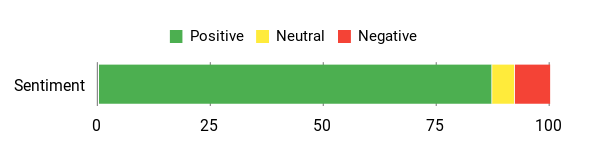
Owners often say setup is straightforward, return-to-home adds confidence, and the gimbal helps casual footage look steadier. Some buyers mention app or phone connection quirks, so check compatibility before relying on it for an important trip.
Overall Sentiment: Mostly Positive
🗣️ John N.
Super easy to set up once you have downloaded the app and followed the instructions. Flying is easy once you get the hang of the controls and adjust speeds. The “TRH” feature is awesome if you lose sight of the drone—you can tell it to return home. I like the turn camera up and down feature so you can hover above something and look down at it, the picture quality is fantastic. Battery life is great; average was 30 minutes without any issues. Overall super impressed with the quality of this drone, I would recommend.
🗣️ Grant
After years of use this drone still performs well. The RTH feature makes it almost foolproof and gives real peace of mind. Bought another one later to fly with my son and they work together fine. Batteries eventually needed replacement after a few years, but genuine replacements fixed it quickly. Pro tip: turn off your phone’s auto-connect for the drone wifi if you see link or camera feed issues.
Build And Durability
It feels more substantial than ultra-light drones, but batteries still need care. Watch for swelling, avoid extreme temperatures, and replace batteries that show damage or reduced performance.
Treat it like camera kit: inspect propellers and mounts after any hard landing.
Travel Friendliness
Good for car trips and planned outings, but not as pocketable as sub-249 g drones. Use the included shell case and leave dedicated bag space for the drone, controller, batteries, and charger.
Check Product Details on Amazon
Potensic ATOM SE

The Potensic ATOM SE is a practical choice if you want GPS confidence, a light folding body, and a multi-battery kit without paying for a full 3-axis gimbal model. It is best seen as a strong beginner GPS drone, not a cinematic upgrade over the ATOM 2.
The 4K EIS camera is useful for casual clips, family videos, and practice shots. If your main goal is the smoothest possible footage, choose a 3-axis gimbal model. If your main goal is learning GPS flight with a portable kit, the ATOM SE makes a lot of sense.
Who Should Buy This
Buy it if you want a lightweight beginner GPS drone with two batteries and useful automated modes.
Who Should Avoid This
Skip it if you expect gimbal-level cinematic smoothness or advanced obstacle avoidance.
What People Say
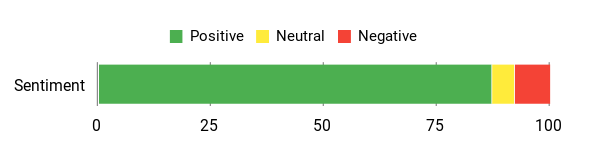
Buyers often like the easy controls, steady hovering, GPS return-to-home, waypoint features, and battery bundle. Some users mention that support and firmware updates helped improve the ownership experience.
Overall Sentiment: Mostly Positive
🗣️ Jeep guy
It hovered steady in 7–10 mph winds, locked to 24 satellites and felt very safe thanks to auto return. On a first flight I recorded about 20 minutes and the drone came back and landed within a foot of the takeoff spot. Waypoints and the return-home feature worked exactly as expected, which made me comfortable using it for property checks and wildlife watching.
🗣️ EZStrider
Support was responsive when I hit a few early bugs and firmware updates improved performance. In cold, windy tests I saw about 28 minutes on the first battery and 24 on the second; it handled gusts well and recovered quickly after them. Flight modes like follow, circle and waypoint were smooth, and the 4K with EIS produced crisp, steady video.
Build And Durability
The frame and motors feel solid for everyday beginner use. Like any lightweight drone, it can be damaged by hard impacts, so inspect the compass, sensors, props, and arms after crashes.
Travel Friendliness
Very good. It folds small, stays light, and includes two batteries, which makes it easy to bring on short trips, hikes, and park practice sessions.
Check Product Details on Amazon
DJI Flip (RC-N3)

The DJI Flip is the most interesting option here if you want a safer-feeling beginner design without giving up serious camera specs. The full-coverage propeller guards help reduce stress during close launches and learning flights, while the 1/1.3-inch sensor, 4K/60fps video, and 3-axis gimbal give it stronger footage potential than many beginner drones.
The RC-N3 version uses a phone with the controller, so do not confuse it with DJI controller bundles that include a built-in screen. For many buyers, that is fine: you get a capable camera drone with a familiar phone-based setup and a compact design that is still travel-friendly.
Who Should Buy This
Choose it if you want better safety design, strong camera specs, and an easy-to-carry drone for travel and social footage.
Who Should Avoid This
Skip it if you want the smallest folded shape or the absolute longest real-world flight time.
What People Say
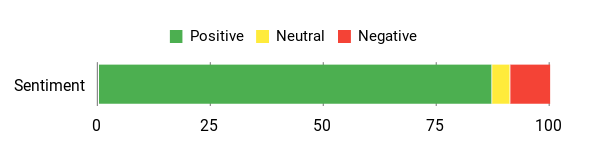
Buyers often like the protected propeller design, crisp footage, subject tracking, and beginner-friendly launch options. Some note that real-world battery time can be lower than the maximum claim, so extra batteries are useful.
Overall Sentiment: Mostly Positive
🗣️ joe
The camera and flight feel are excellent — responsive sticks, smooth video and reliable subject tracking. Obstacle avoidance helped me get close to things without constant worry. Real-world battery on my flights was closer to 16–20 minutes before hitting about 30%, but the images and modes (follow me, night shots) were impressive.
🗣️ M64
I used it both without a remote (smart modes like Boomerang and Rocket) and with the RC-N3. The front LiDAR and return-to-home made me comfortable as a new pilot. Photo quality is strong at 48 MP and video at 4K/60fps in 10-bit looked cinematic; in practice I saw around 28 minutes per battery on a good day.
Build and Durability
The guarded folding design is reassuring for beginners, but the gimbal, propellers, and arms still need care. After any impact, inspect moving parts before flying again.
Batteries will slowly lose capacity over time like any lithium pack, so expect shorter flights as packs age.
Travel Friendliness
Very good, though it is bulkier than some Mini-style drones when folded. Palm takeoff and protected props make spontaneous shots easier, while the RC-N3 controller setup keeps the kit familiar for phone-based flying.
For longer trips, bring extra batteries and a compact charger.
Check Product Details on Amazon
FAQ
How Do I Choose The Best Affordable Drone For My Needs?
Start with your main use case. If you want smooth travel footage, choose a 4K drone with a 3-axis gimbal. If you want a simple selfie drone, the DJI Neo-style design is easier to launch and control. If you want longer practice sessions, look for a bundle with multiple batteries. If you want fewer regulatory headaches for recreational flying, check the exact takeoff weight and your local rules.
Also compare what comes in the box. A drone that includes spare batteries, a charging hub, propellers, and a case may be a better value than a cheaper base kit that needs accessories right away.
Do I Need To Register My Drone Or Follow Special Rules?
Yes, you should always check the rules where you fly. In the United States, recreational drones under 250 g may avoid registration when flown under the limited recreational exception, but heavier drones and commercial operations have additional requirements. Registration, Remote ID, airspace restrictions, visual line-of-sight rules, and local privacy laws can still matter.
If you are unsure, check your national aviation authority before flying. Do not rely only on a product listing or weight label.
Is A 3-Axis Gimbal Better Than EIS?
For smooth video, usually yes. A 3-axis gimbal physically stabilizes the camera and tends to produce cleaner cinematic footage, especially during turns or breezy conditions. EIS can still look good for casual clips, but it crops and processes the image digitally, so it may not match the smoothness of a mechanical gimbal.
Which Drone Is Best For Beginners?
The DJI Mini 4K is the best all-around beginner pick if you want traditional drone footage. The DJI Neo is easier for quick selfie-style clips. The Potensic ATOM SE is a strong beginner GPS option if you want a lighter budget-friendly kit with multiple batteries.
What Practical Tips Help You Get Better Flight Time, Safer Flights, And Better Footage?
Before each flight, check battery health, propeller condition, firmware status, compass warnings, GPS lock, and return-to-home settings. Fly in open areas while learning, avoid crowds and water, and do not push a lightweight drone in strong wind.
For better video, shoot in good light, let the gimbal settle before recording, use slow stick movements, and consider ND filters once you understand exposure. Bring spare batteries, but avoid draining lithium batteries to 0% and store them safely after use.
What Buyers Prefer
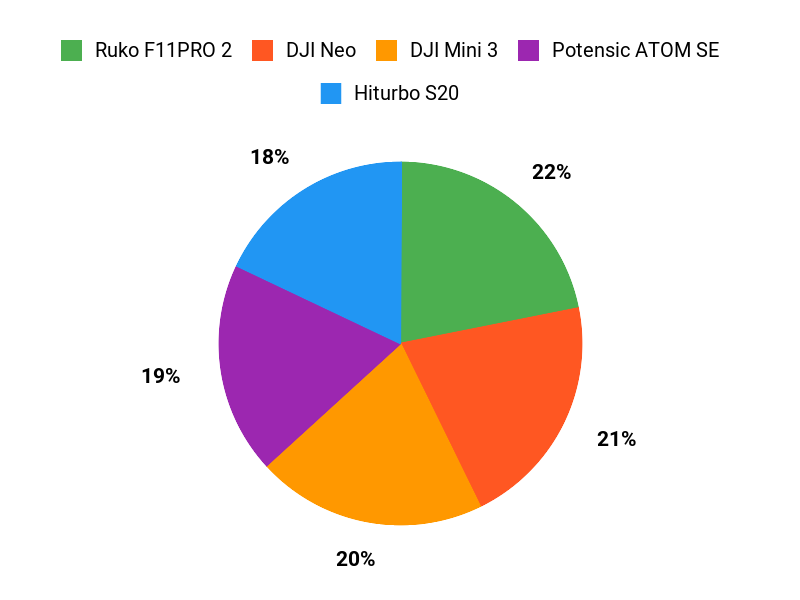
Most buyers under $500 are balancing four things: camera smoothness, flight time, portability, and beginner safety. The DJI Mini 4K is the easiest all-around recommendation because it gives you 4K gimbal footage in a compact package. The DJI Neo is better for quick selfie clips and low-stress learning. The Potensic ATOM 2 stands out for buyers who want strong features and a multi-battery kit without choosing DJI. The Ruko F11PRO 2 is better for longer sessions if you do not need a sub-249 g drone.
Wrapping Up
Quick takeaways: If you want the most balanced drone for most beginners, choose the DJI Mini 4K. If you want the easiest social/selfie drone, choose the DJI Neo. If you want a feature-rich alternative with a gimbal and strong battery bundle, consider the Potensic ATOM 2. If flight time matters more than sub-249 g portability, the Ruko F11PRO 2 is the better fit.
Whatever you choose, focus on safe flying, spare batteries, app compatibility, and local rules. Practice in open, calm spaces before filming important moments.
| Product | Image | Best For | Max Flight Time | Camera / Stabilization | Transmission Range | Weight | Check Details |
|---|---|---|---|---|---|---|---|
| DJI Mini 4K |
 |
Best overall 4K starter drone | Up to 31 minutes | 4K/30 video, 12 MP photos, 3-axis gimbal | Up to 10 km under ideal FCC conditions | About 246 g | Check Price |
| DJI Neo |
 |
Best simple selfie drone | Up to about 18 minutes | 4K/30 video, 12 MP photos, EIS, single-axis gimbal | Best for close-range phone/app flying unless using a compatible controller bundle | About 135 g | Check Price |
| Potensic ATOM 2 |
 |
Best feature-rich DJI alternative | Up to 96 minutes total with included batteries | 4K video, high-resolution photo modes, 3-axis gimbal | Up to 10 km claimed under ideal conditions | Under 249 g class | Check Price |
| DJI Mini 3 |
 |
Best compact travel upgrade | Up to 38 minutes with standard battery | 4K HDR video, 48 MP photo mode, 3-axis gimbal | Up to 10 km under ideal FCC conditions | About 248 g with standard battery | Check Price |
| Ruko F11PRO 2 |
 |
Best longer-session bundle | Up to 70 minutes total with two batteries | 4K/30 video, 3-axis gimbal | Up to 10,000 ft claimed | About 357 g | Check Price |
| Potensic ATOM SE |
 |
Best beginner GPS value | Up to 62 minutes total with two batteries | 4K EIS camera, no 3-axis gimbal | Up to 4 km claimed | Under 249 g class | Check Price |
| DJI Flip (RC-N3) |
 |
Best safety-focused design | Up to 31 minutes | 4K/60 video, 48 MP photos, 3-axis gimbal | Up to 13 km under ideal FCC conditions | Under 249 g class | Check Price |
This Roundup is reader-supported. When you click through links we may earn a referral commission on qualifying purchases.
