
Flying a drone without the right registration can turn a fun flight into an FAA compliance problem. In the United States, the rule usually depends on your drone’s weight and how you use it. If your drone must be registered, you also need to mark it, carry proof of registration, and meet Remote ID rules before you fly.
Quick Answer
If you fly a drone that requires FAA registration without registering it first, you may face FAA enforcement action, regulatory penalties, and possible criminal penalties. Most drones over 0.55 pounds (250 grams) must be registered. Recreational drones at or below that weight are usually exempt only when flown strictly for recreation.
Key Takeaways
- Register your drone if it weighs more than 0.55 pounds (250 grams), unless a specific FAA exception applies.
- Part 107 drones must be registered per drone; recreational registration covers all drones in your recreational inventory.
- Registered drones, and drones that are required to be registered, generally must comply with FAA Remote ID rules.
- After registration, mark the drone with your registration number and carry proof of registration when you fly.
- Recreational flyers also need to take TRUST and check where they can fly before launch.
At a Glance
| Time Required | About 10–20 minutes for most online FAA registrations. |
| Difficulty | Easy for drones under 55 pounds; more involved for drones over 55 pounds. |
| Tools Needed | FAA DroneZone account, email, phone number, address, drone make/model, payment card, and Remote ID serial number if applicable. |
| Cost | FAA registration is $5 and is valid for three years. |
Importance of Drone Registration
Drone registration connects a drone to a responsible owner. That matters because drones share airspace with helicopters, airplanes, emergency aircraft, and other low-flying traffic.
Registration is also part of legal compliance. The FAA says all drones must be registered except drones that weigh 0.55 pounds or less and are flown under the Exception for Limited Recreational Operations. You can confirm the current rule on the FAA’s How to Register Your Drone page.
Warning: Do not treat registration as optional if your drone meets the FAA threshold. Failure to register a drone that requires registration may result in regulatory and criminal penalties.
Registration also supports accountability. After you register, you receive a registration certificate and must label your drone with your FAA registration number before flying.
Who Needs to Register a Drone?
You need to register a drone with the FAA if it weighs more than 0.55 pounds (250 grams). That rule applies to most popular camera drones, larger hobby drones, and drones used for work or business.
You usually do not need FAA registration for a drone that weighs 0.55 pounds or less if you fly it only under the recreational exception. That changes if your flight is not purely recreational. For example, using a drone for real estate photos, roof inspections, a business website, or work-related content usually falls under Part 107.
A small recreational drone under 250 grams may be exempt from registration, but the same drone may need a different compliance path if you use it for non-recreational work.
The FAA also separates recreational registration from Part 107 registration. Drones registered under the recreational exception cannot be flown under Part 107 unless they are properly registered for that operation type.
Registration Requirements and Eligibility
Before you register, make sure you know your operation type. A recreational flyer registers under the Exception for Limited Recreational Operations. A business, work, or other non-recreational operator registers under Part 107.
- Register if your drone weighs more than 0.55 pounds (250 grams), unless another FAA rule applies.
- You must be at least 13 years old to register. If the owner is under 13, someone 13 or older must register the drone.
- For online FAA DroneZone registration, the drone must weigh less than 55 pounds.
- Drones over 55 pounds require a different registration process.
- Foreign operators may receive FAA recognition of ownership rather than a standard U.S. aircraft registration certificate.
FAA registration costs $5 and lasts three years. Part 107 registration costs $5 per drone. Recreational registration costs $5, covers all drones in your recreational inventory, and is valid for the same three-year period.
Note: Once a drone is registered, the FAA says its registration cannot be transferred between Part 107 and recreational operation types.
How to Register Your Drone Online
To register your drone online, go to FAA DroneZone. Choose the correct dashboard for recreational flying or Part 107 operations.
Have your contact details, drone details, and payment card ready before you start. If your drone has Standard Remote ID or you use a Remote ID broadcast module, keep the Remote ID serial number nearby.
Account Creation Process
Create or log in to your FAA DroneZone account. Use the email address you want tied to your registration records, because you may need it later for renewal or account recovery.
- Enter your email, phone number, physical address, and mailing address if different.
- Select the correct operation type: recreational or Part 107.
- Enter the drone make and model.
- Add the Remote ID serial number if applicable.
- Pay the $5 registration fee.
Completing Registration Steps
After payment, FAA DroneZone issues a registration certificate. Keep a paper or digital copy with you when flying. If another person operates your drone, that person also needs access to the registration certificate during the flight.
| Step | What To Do | Why It Matters |
|---|---|---|
| Create Account | Register or log in at FAA DroneZone. | This connects your drone record to the legal owner. |
| Add Drone | Enter make, model, operation type, and Remote ID details if needed. | This keeps your FAA record accurate. |
| Save Certificate | Download or print your registration certificate. | You must show it to law enforcement if asked. |
| Mark Drone | Place the FAA registration number on the outside of the drone. | The drone must be labeled before flight. |
Mail-In Registration for Drones Over 55 Lbs
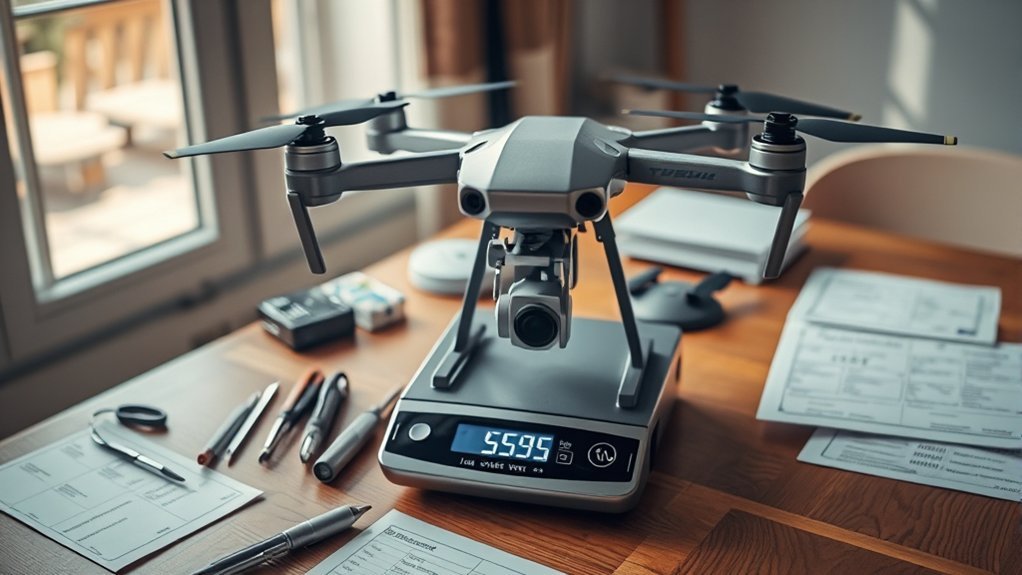
Most small drone owners register online. If your drone weighs more than 55 pounds, you cannot use the normal online process for small drones. You need to follow the FAA’s separate aircraft registration process for larger unmanned aircraft.
This heavier-drone process may require ownership documents and more careful paperwork. Review the FAA’s current instructions before mailing anything, because incomplete or inconsistent paperwork can delay registration.
- Confirm the drone’s actual takeoff weight, including attached equipment.
- Use the FAA process for drones over 55 pounds.
- Keep copies of ownership and registration records.
- Do not fly until you know the aircraft is properly registered and legal to operate.
Costs Associated With Drone Registration
In the United States, FAA drone registration costs $5 and is valid for three years. For Part 107 operations, that fee applies per drone. For recreational flyers, one $5 registration covers all drones in your recreational inventory.
If your drone weighs 0.55 pounds or less and you fly only for recreation, you usually do not pay a registration fee because registration is not required under that exception. However, you still need to follow recreational flight rules, including airspace limits and safety requirements.
Rules outside the United States can differ. If you fly in another country, check that country’s aviation authority before launch. Do not assume FAA rules apply abroad.
Duration and Renewal of Registration
FAA drone registration is valid for three years. When it expires, you need to renew through FAA DroneZone before flying a drone that requires registration.
- Log in to FAA DroneZone before the expiration date.
- Confirm your contact details and drone inventory.
- Update Remote ID information if your drone or module changed.
- Pay the renewal fee if required.
- Cancel registration for drones you no longer own or use.
Do not wait until the day you plan to fly. Renew early so you have time to fix login, payment, or inventory issues.
Post-Registration Responsibilities
Registration is not the final step. Once registered, your drone must be labeled with the FAA registration number before flight. The number should be visible and readable on the outside of the drone.
You must also carry proof of registration. A digital copy is acceptable, but it needs to be available if a Federal, State, or local law enforcement officer asks to see it.
Registered drones, and drones that must be registered, generally need to comply with FAA Remote ID. You can comply by flying a Standard Remote ID drone, using a Remote ID broadcast module, or flying without Remote ID equipment only in an FAA-Recognized Identification Area (FRIA) when allowed.
Pro Tip: Before each flight, use an FAA-approved B4UFLY service to check controlled airspace, temporary flight restrictions, airports, national parks, military routes, and other restrictions near your launch location.
Recreational Flyer Rules After Registration
If you fly only for fun, registration is just one part of compliance. The FAA says recreational flyers must take The Recreational UAS Safety Test (TRUST) and carry proof of test completion while flying.
You also need to follow the recreational safety rules. That includes flying only for personal enjoyment, keeping the drone within visual line of sight, giving way to other aircraft, staying at or below 400 feet in Class G airspace, and getting FAA authorization before flying in controlled airspace.
- Register if your drone weighs 250 grams or more.
- Take TRUST and carry proof of completion.
- Carry proof of FAA registration when required.
- Mark the drone on the outside with the registration number.
- Check where you can fly before launching.
- Do not operate in a way that endangers the national airspace system.
Additional Certification for Commercial Use
If you plan to use your drone for commercial purposes or any non-recreational flight, you generally need to operate under FAA Part 107. That means you need a Remote Pilot Certificate unless another FAA-approved operation path applies.
To become a certificated remote pilot under Part 107, you must be at least 16 years old, be able to read, speak, write, and understand English, be physically and mentally fit to fly safely, and pass the initial aeronautical knowledge exam.
- Part 107 drones must be registered individually.
- Recreational registration cannot simply be reused for Part 107 flights.
- Your Remote Pilot Certificate must be accessible during operations.
- Certificate holders must complete recurrent online training every 24 calendar months to stay current.
- Registered Part 107 drones must meet Remote ID requirements unless a specific FAA authorization or compliant operating location applies.
What To Do Before Your First Flight
Before you fly, run through a quick compliance check. This helps you avoid accidental violations and keeps your flight safer.
- Weigh the drone with any attached accessories.
- Decide whether the flight is recreational or Part 107/non-recreational.
- Register through FAA DroneZone if registration is required.
- Save your registration certificate.
- Mark the drone with your registration number.
- Confirm Remote ID compliance.
- Take TRUST if you are flying recreationally.
- Use B4UFLY or another FAA-approved tool to check the location.
- Check weather, battery health, visibility, and nearby people or aircraft.
This checklist does not replace FAA rules, but it gives you a safer starting point before launch.
Related Guides
Frequently Asked Questions
Does it cost anything to register your drone?
Yes. FAA registration costs $5 and is valid for three years. Part 107 registration costs $5 per drone. Recreational registration costs $5 and covers all drones in your recreational inventory.
Can I fly my drone without registering it?
You can fly without FAA registration only when your drone does not require registration. In most cases, that means it weighs 0.55 pounds or less and you fly only under the recreational exception. If the drone is heavier or the flight is non-recreational, registration is usually required.
What requires a drone to be registered?
A drone generally needs FAA registration if it weighs more than 0.55 pounds (250 grams). Part 107 drones must be registered individually. Recreational drones at or below 0.55 pounds are usually exempt only when flown strictly for recreation.
What drones don’t require registration?
In the United States, drones that weigh 0.55 pounds or less do not need FAA registration when flown under the Exception for Limited Recreational Operations. You still need to follow recreational safety rules and check airspace before flying.
Do registered drones need Remote ID?
Usually, yes. FAA says drones that are required to be registered or are registered must comply with Remote ID. Common options include a Standard Remote ID drone, a Remote ID broadcast module, or flying in a FRIA when allowed.
Is drone registration the same as a drone pilot license?
No. Registration identifies the drone and owner. A Remote Pilot Certificate is different and is generally needed for Part 107 non-recreational operations.
Sources
- FAA — How to Register Your Drone — registration threshold, fees, validity, certificate, marking, and renewal.
- FAA — Remote Identification of Drones — Remote ID scope and compliance methods.
- FAA — Recreational Flyers & Community-Based Organizations — TRUST, recreational rules, visual line of sight, altitude, and airspace requirements.
- FAA — B4UFLY — airspace awareness tools for recreational drone flyers.
- FAA — Become a Certificated Remote Pilot — Part 107 certificate eligibility and recurrent training.
Conclusion
Drone registration is not just paperwork. It is one of the first steps that shows you are flying responsibly and legally. If your drone weighs more than 0.55 pounds, or if you use it for Part 107/non-recreational work, check the FAA rules before you launch.
Register when required, mark your drone, carry your certificate, meet Remote ID rules, and check where you can fly. Those steps help you avoid enforcement problems and keep your flights safer for everyone sharing the airspace.
