When it comes to maintaining the health of your fish, understanding their dietary needs is critical. Each species requires the right balance of protein, fat, fiber, vitamins, and minerals, and that balance changes between herbivores, carnivores, and omnivores. Choosing the right food type, matching portions to appetite, and watching feeding behavior can help you prevent obesity, poor water quality, digestive problems, and nutrient gaps. Use this guide to build a practical feeding routine that supports healthy growth, clear water, and active fish.
Quick Answer
Most aquarium fish do best with a staple pellet or flake made for their species, plus occasional frozen, freeze-dried, live, or vegetable-based treats. Feed small portions once or twice daily, remove leftovers within a few minutes, and adjust the diet based on species, size, activity level, and water temperature.
Key Takeaways
- Carnivorous, herbivorous, and omnivorous fish need different protein, fiber, and plant matter levels.
- High-quality pellets or flakes should usually form the base diet, with treats used for variety.
- Overfeeding is one of the fastest ways to damage water quality and stress fish.
- Food size matters because fish should be able to swallow food without struggling or wasting it.
- Clear water, steady appetite, normal waste, and active behavior are signs your feeding routine is working.
At a Glance
| Best Staple Food | Species-appropriate pellets, granules, wafers, or flakes |
| Typical Feeding Frequency | Once or twice daily for many fish; more small meals for grazers and young fish |
| Main Risk | Overfeeding, which can raise waste, cloud water, and increase ammonia or nitrite stress |
| Best Rule of Thumb | Feed only what your fish eat quickly, then remove leftovers before they break down |
Understanding Fish Nutrition
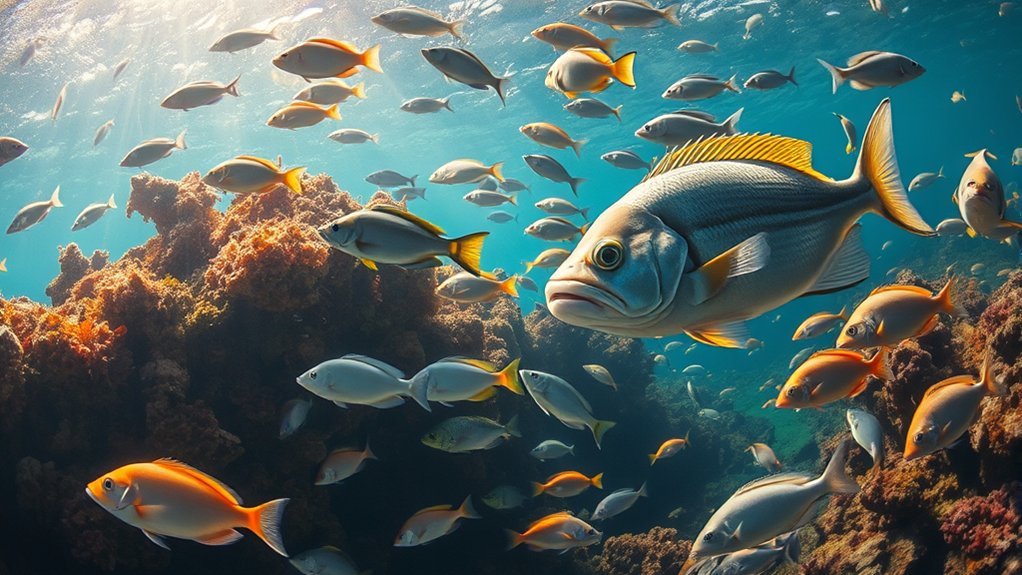
Understanding fish nutrition is fundamental for maintaining the health, color, growth, and energy of your aquatic pets. To meet their nutritional needs, a balanced diet should include protein, fats, vitamins, minerals, and species-appropriate fiber or plant matter. Fish also need essential amino acids and fatty acids because their bodies use these nutrients for tissue repair, immune support, and normal development.
Protein needs vary by species, age, temperature, and activity level. Many herbivorous fish still need meaningful protein, but they also need more plant matter and fiber than carnivores. Carnivorous fish usually need higher-protein foods built around fish, shrimp, krill, insects, or other animal-based ingredients. Omnivores fall between these groups and often thrive on a mixed diet.
Carbohydrates can provide energy, but most fish do not rely on them the same way many land animals do. Excess low-quality fillers can reduce the nutritional value of a food. Fiber is especially helpful for herbivores and algae-grazing fish because it supports normal digestion and helps prevent constipation.
To provide a diverse range of nutrients, you should offer a thoughtful mix of fish food options, including pellets, flakes, frozen, freeze-dried, and occasional live foods. Observing your fish’s feeding behavior, body shape, color, waste, and activity level can help you adjust their diet to better match their specific needs. By focusing on these factors, you can create a well-rounded feeding regimen that promotes long-term health and longevity.
The best fish diet is not just “more food.” It is the right food, in the right size, offered in the right amount for the species you keep.
What Do Fish Need in Their Diet?
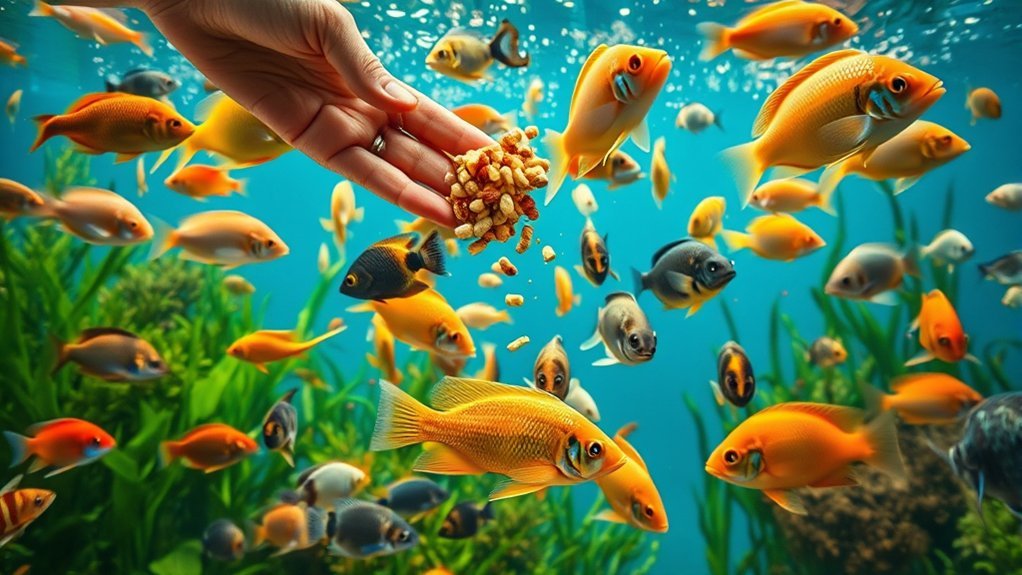
A balanced diet is crucial for fish to thrive because it directly affects health and growth. Understanding what fish need in their diet means looking beyond one ingredient or one protein percentage. You need to provide the right mix of proteins, fats, digestible energy, vitamins, minerals, and roughage for the type of fish you keep.
Proteins support growth, muscle repair, immune function, and normal body condition. Young, growing fish often need more protein than mature adults. Fats provide concentrated energy and support cell function, but old or poorly stored foods can turn rancid and lose quality. Vitamins and minerals support bones, nerves, color, reproduction, and disease resistance. Fiber helps many herbivores and omnivores pass food normally.
For instance, herbivores typically need a plant-rich diet with enough protein for tissue maintenance, while carnivores need protein-dense foods made from quality animal sources. Essential amino acids are critical, and fish meal, shrimp meal, insect meal, krill, spirulina, algae, and other high-quality ingredients can all play useful roles when properly balanced.
Feed your herbivorous fish smaller amounts more frequently when possible, especially if they naturally graze on algae or plant material. Carnivores can often be fed less often, aligning more closely with their natural hunting behavior. Offering a variety of food types, such as pellets, flakes, wafers, frozen food, and occasional live foods, helps diversify nutrient intake and mimic natural feeding habits.
Be cautious about the amount of food you provide. Overfeeding can lead to poor water quality, excess waste, algae growth, digestive stress, and health issues. Monitor feeding amounts and promptly remove any uneaten food before it breaks down in the aquarium.
Diet Types by Fish Species
Before you choose a food, identify whether your fish are mainly carnivores, herbivores, or omnivores. This single step prevents many feeding mistakes because a diet that works for one fish can be wrong for another.
- Carnivores: Bettas, many cichlids, puffers, and predatory fish often need protein-rich foods with animal-based ingredients. They may ignore plant-heavy foods.
- Herbivores: Many algae eaters, some livebearers, and certain cichlids need plant matter, algae, spirulina, and vegetable-based foods to support digestion.
- Omnivores: Goldfish, many tetras, barbs, mollies, platies, and guppies often do well with a varied mix of prepared food and occasional treats.
- Bottom feeders: Corydoras, loaches, plecos, and similar fish need sinking foods because flakes may be eaten before reaching them.
- Surface feeders: Fish with upturned mouths often prefer floating foods, small insects, or floating pellets.
Note: Community tanks often need more than one food type. Floating flakes may feed surface fish, while sinking pellets or wafers make sure bottom dwellers get their share.
Types of Fish Food

When selecting the right type of fish food, consider the specific needs of your fish species because different food forms offer distinct advantages. Pellets are compressed and usually hold their shape well, making them a stable choice for many aquarium fish. They come in floating, slow-sinking, and sinking forms, which helps you match food to feeding level.
Flakes are lightweight and float before slowly softening, making them useful for small community fish. However, flakes can lose nutritional quality faster when exposed to air, light, and humidity. Keep the container sealed, store it in a cool dry place, and avoid buying more than you can use in a reasonable time.
Granules and micro-pellets work well for small fish because they are easier to swallow than large pellets. Algae wafers and sinking tablets help plecos, shrimp, snails, loaches, and other bottom feeders. Gel foods can be helpful for goldfish, herbivores, and fish that need softer foods.
Live and frozen foods, such as bloodworms, daphnia, mysis shrimp, blackworms, and brine shrimp, are often high in protein and can encourage natural feeding behavior. They may also support color and conditioning. However, they should usually complement a staple diet rather than replace it. Live foods can carry disease or parasites if sourced poorly, so use reputable suppliers.
A balanced feeding schedule is essential. Complement a prepared staple diet with variety to help your fish receive all necessary nutrients. This strategy also helps prevent pickiness, especially if live foods are offered too frequently. Ultimately, understanding the types of fish you keep will guide you in making informed feeding choices.
Fish Food Comparison Table
| Food Type | Best For | Main Caution |
| Flakes | Small surface and mid-water community fish | Can stale quickly after opening |
| Pellets | Most aquarium fish when sized correctly | Large pellets can cause waste or choking risk |
| Sinking wafers | Bottom feeders, algae grazers, shrimp, and snails | Can be missed under decorations and decay |
| Frozen foods | Protein variety, conditioning, picky eaters | Should be thawed and portioned carefully |
| Live foods | Natural hunting behavior and enrichment | Poor sources may introduce disease |
| Vegetables | Herbivores, omnivores, goldfish, plecos, and some livebearers | Uneaten pieces must be removed before rotting |
How To Choose the Best Fish Food

When selecting the best fish food, you need to understand the specific nutritional requirements of your fish species. Carnivores, herbivores, and omnivores have distinct needs, so choosing high-quality pellets, flakes, wafers, or gel foods with essential nutrients is vital for their health. Incorporating a variety of food types and matching the size to your fish’s mouth also improves effective feeding and minimizes waste.
Understand Fish Nutritional Needs
Choosing the right fish food is essential for meeting your fish’s nutritional needs because different species require specific dietary compositions. To support ideal health, consider the following:
- Dietary composition: Herbivores need plant-rich diets, while carnivores thrive on high-protein foods with quality animal-based ingredients.
- Mouth size: Select food that aligns with your fish’s mouth size to reduce waste and encourage normal feeding.
- Feeding level: Use floating foods for surface feeders, slow-sinking foods for mid-water fish, and sinking foods for bottom feeders.
- Variety of options: Include pellets, flakes, frozen, freeze-dried, vegetable, and occasional live foods to provide diverse nutrients.
- Feeding frequency: Monitor your fish’s feeding, typically once or twice daily, with special attention to herbivores that may need smaller portions throughout the day.
Regularly check nutritional labels, avoid vague or low-quality protein sources, and choose foods designed for the fish you actually keep. A betta food, goldfish food, cichlid pellet, marine herbivore formula, and algae wafer are not interchangeable in every tank.
Select Food Types Wisely
Selecting the right fish food is essential for maintaining the health and energy of your aquatic pets. To make informed choices, base your selection on the specific dietary needs of your fish species. Carnivores generally need protein-rich foods, while herbivores need plant matter, algae, and fiber for maximum health.
High-quality pellets or flakes are often more reliable than using live or freeze-dried foods as the main diet because prepared foods are designed to deliver a more complete nutrient profile. Supplementing the primary diet with treats like freeze-dried bloodworms, brine shrimp, daphnia, spirulina flakes, algae wafers, or de-shelled peas can enrich their diet without replacing balanced nutrition.
Also make sure food sizes match your fish’s mouth to reduce waste and promote healthy eating habits. Avoid options built mainly around poor protein sources, excessive fillers, artificial bulk, or vague ingredient lists. Poor food quality can contribute to slow growth, dull color, digestive issues, and weak condition over time.
Read the Ingredient Label
A fish food label can tell you a lot. Look for named ingredients near the top, such as fish meal, shrimp meal, krill meal, insect meal, squid meal, spirulina, algae, kelp, peas, or other species-appropriate ingredients. The first ingredients should match your fish’s natural diet as closely as possible.
Check the guaranteed analysis for crude protein, fat, fiber, and moisture. Higher protein does not always mean better food. A herbivore may need more fiber and plant matter, while a carnivore may need dense animal protein. Also check the expiration date and avoid foods that smell rancid, dusty, sour, or unusually stale.
Match Food Size and Texture
Fish should be able to eat without chasing oversized pieces around the tank. If food is too large, fish may spit it out repeatedly, which creates waste and can stress smaller tankmates. Crush flakes for tiny fish, choose micro-pellets for nano fish, and use larger pellets only for fish that can swallow them comfortably.
Texture matters too. Some fish prefer soft foods, while others graze on firm wafers. Soaking hard pellets for a short time may help fish that struggle with dry food, but do not leave soaked food sitting in the tank.
How Often Should You Feed Fish?

Feeding fish the right amount and at the right frequency is essential for their health and well-being. Generally, you should aim for feeding your fish once or twice a day, offering only what they can consume quickly. This practice helps prevent poor water quality associated with overfeeding.
- Larger, sedentary fish can often go longer between meals.
- Smaller, active fish typically require more frequent feeding.
- Herbivorous fish benefit from multiple small feedings throughout the day.
- Young fish and fry usually need smaller, more frequent meals than adults.
- Some aquarists choose to fast healthy adult fish for one day weekly to support digestive balance.
Water temperature also influences fish metabolism. Warmer water generally increases appetite in many tropical fish, while cooler water slows digestion. Goldfish and pond fish, for example, may need much less food in cooler water. By adjusting your feeding schedule based on these factors, you can support a healthy environment for your aquatic pets.
Pro Tip: Use fish behavior as your guide. If food disappears instantly and fish remain lean and active, your amount may be right. If food drifts away, sinks untouched, or clouds the water, reduce the portion.
How Much Food Should You Give?
A good daily portion is usually smaller than many beginners expect. For most aquarium fish, offer a small amount they can finish within one to three minutes. Some slow feeders may need more time, but food should not sit long enough to soften, scatter, and decay.
You can also estimate portions by body condition. Healthy fish should look full but not swollen. Their belly should not stay bloated after every meal. Thin fish may need more frequent feeding, less competition, or a more suitable food. Heavy-bodied fish may need smaller portions, more fiber, or fewer rich treats.
In community tanks, make sure shy fish are not outcompeted. Spread food across the surface, use feeding rings, or add sinking food after the faster fish are distracted. Bottom feeders should not be expected to survive only on scraps.
Signs of Overfeeding
When you overfeed your fish, one of the first signs is the accumulation of uneaten food in the tank. This excess can lead to deteriorating water quality, as decomposing food creates harmful compounds and encourages bacterial growth. Monitoring these indicators is essential for maintaining a healthy aquatic environment.
Uneaten Food Accumulation
Although it might seem harmless to provide extra food for your fish, uneaten food can accumulate quickly and lead to serious consequences for your aquarium. Recognizing the signs of overfeeding is essential for maintaining ideal water quality.
- Remove uneaten food within a few minutes to prevent pollution.
- Cloudy or foul-smelling water often indicates excess food decomposition.
- If your filter media clogs quickly, it may signal overfeeding due to organic material build-up.
- Excessive algae growth can result from leftover food, contributing to nutrient overload.
- Fish that look bloated after every meal may be eating too much or eating the wrong food.
Water Quality Deterioration
Overfeeding can greatly compromise water quality, often manifesting through several alarming signs in your aquarium. One primary indicator is uneaten food remaining in the tank after feeding, which contributes to water quality deterioration. As this food decomposes, it can lead to cloudy or foul-smelling water, increasing bacterial activity that harms your fish.
You might also notice rapid clogging of filter media, signaling waste buildup from undigested food and decaying leftovers. Excessive algae growth often follows, fueled by the nutrient overload from uneaten food. In addition, elevated ammonia or nitrite levels in the water indicate potential toxicity, jeopardizing your aquatic life. Monitoring these signs is essential to maintaining a healthy environment for your fish.
Warning: Do not use cloudy water as a reason to stop testing. Ammonia and nitrite can stress or kill fish before the tank looks severely dirty, especially after repeated overfeeding.
Signs of Underfeeding or Poor Nutrition
Underfeeding is less common than overfeeding in many home aquariums, but it can still happen. It is more likely in crowded community tanks, tanks with shy fish, or tanks where fast surface feeders eat everything before slower fish get food.
- Thin body shape: Fish may look pinched behind the head or along the belly.
- Weak color: Poor nutrition can make fish look dull or washed out.
- Low energy: Fish may hide more, swim less, or show reduced interest in food.
- Fin damage or poor healing: Nutrient gaps can slow recovery from minor injuries.
- Aggression during feeding: Competition can increase when food is too limited or poorly distributed.
If one fish is thin while others look healthy, the issue may be competition, bullying, illness, parasites, or an unsuitable food type. Watch the tank during feeding rather than assuming every fish gets the same amount.
Treats for Fish
Offering treats to your fish can enhance their diet and provide enrichment, but it’s crucial to do so in moderation to prevent dietary imbalances. Treats should complement, not replace, the balanced diet of pellets, flakes, wafers, or other staple foods that your fish require.
Consider including these nutritious options:
- Freeze-dried bloodworms
- Frozen or live brine shrimp
- Daphnia
- Mysis shrimp
- De-shelled peas
- Blanched zucchini or spinach for suitable herbivores and omnivores
- Algae wafers
Additionally, small pieces of fish-safe vegetables such as squash or cucumber can serve as occasional treats for some species. While these treats for fish can be beneficial, always monitor your fish’s behavior and health when introducing new foods. Overfeeding can lead to health issues, so make certain treats are offered sparingly. By maintaining a balanced diet and integrating treats thoughtfully, you’ll promote your fish’s well-being while keeping feeding time exciting.
Foods to Avoid
Not every food that fish will eat is good for them. Some foods can pollute water quickly, cause digestive problems, or fail to meet basic nutritional needs.
- Bread, crackers, and cereal: These foods can swell, break apart, and add unnecessary starch to the tank.
- Seasoned human foods: Salt, oil, spices, sauces, and preservatives do not belong in an aquarium diet.
- Raw meat from your kitchen: It can foul water and does not provide a balanced fish diet.
- Old or stale fish food: Vitamins degrade over time, and fats can become rancid.
- Wild-caught live foods from unsafe water: These may carry parasites, pesticides, or pathogens.
- Too many rich treats: Bloodworms and similar foods can be useful, but they should not become the whole diet.
Tips for Balanced Feeding
To maintain a balanced diet for your fish, it’s crucial to provide a variety of food types that cater to their specific nutritional needs. Incorporate pellets, flakes, frozen, freeze-dried, vegetable, and occasional live foods to help your fish receive a broad spectrum of essential nutrients. For small fish, consider small, frequent feedings to mimic natural behaviors and help prevent overfeeding, which can lead to obesity and water quality issues.
Research the dietary requirements of your fish species because carnivores, herbivores, and omnivores have distinct protein and nutrient needs. Observing their behavior during feeding can help you tailor diet preferences and monitor health effectively. Always remove any uneaten food within a few minutes to maintain water quality and prevent excess waste in the aquarium.
Rotate foods slowly instead of changing everything at once. A sudden diet change can make fish refuse food or develop digestive upset. When introducing a new food, offer a small amount with a familiar staple and watch how your fish respond.
Making these good choices in feeding will promote the long-term health and well-being of your fish.
Feeding Different Aquarium Setups
Your feeding plan should also match your aquarium setup. A single-species tank is easier to feed because every fish usually has similar needs. A community tank requires more planning because different fish feed at different levels and speeds.
- Community tanks: Use a mix of floating and sinking foods so surface, mid-water, and bottom feeders all eat.
- Goldfish tanks: Choose goldfish-specific foods and include plant-based options to support digestion.
- Betta tanks: Use small, protein-rich pellets designed for bettas, with occasional frozen or freeze-dried treats.
- Cichlid tanks: Match food to the cichlid type because some need algae-based diets while others need protein-rich foods.
- Pleco and algae-grazer tanks: Provide algae wafers, vegetables, and species-appropriate sinking foods instead of relying only on tank algae.
- Marine tanks: Match foods to reef-safe, herbivore, carnivore, or omnivore needs, and avoid overfeeding sensitive systems.
How to Store Fish Food
Good storage protects the nutrients you paid for. Keep fish food sealed, dry, and away from heat, sunlight, and humidity. Do not leave containers open near the aquarium because moisture can make food clump, mold, or spoil faster.
Buy smaller containers if you keep only a few fish. A huge tub may look cheaper, but it can lose freshness before you finish it. Label frozen foods, keep them frozen until use, and never refreeze food that has been thawed for too long.
Discard food that smells sour, oily, musty, or unusually strong. Also throw away food if you see mold, insects, water damage, or a changed texture. Fresh food supports better nutrition and helps keep your aquarium cleaner.
Reader Interactions and Insights
How do aquarium enthusiasts navigate the complexities of fish diets while balancing cost and nutrition? You’ll find that feedback from seasoned hobbyists often highlights the importance of replicating natural diets for specific species to promote health and longevity. Discussions reveal that varied feeding methods can yield healthier fish, especially when keepers pay attention to species-specific needs rather than relying on one generic food.
- Cost-effective food options are a common concern among readers.
- Many are exploring alternative feeds, such as decapsulated brine shrimp.
- The sunk cost fallacy often influences decisions on ongoing investments in fish food.
- Observing health issues in fish can prompt reevaluation of dietary practices.
- Community tank owners often notice that shy fish need targeted feeding strategies.
It is clear that fish can consume diverse diets, but maintaining nutritional quality without breaking the bank remains a challenge. Engaging with this community allows you to share insights, compare feeding strategies, and improve your routine over time.
Related Guides
Frequently Asked Questions
How much should you feed a fish per day?
Feed most adult aquarium fish once or twice daily, offering only what they can finish within aquarium fish once or twice daily, offering only what they can finish within a few minutes. Adjust the amount based on fish size, species, activity level, temperature, and whether any food remains uneaten.
What are the basic rules for feeding your fish?
Use a species-appropriate staple food, feed small portions, remove leftovers quickly, and offer variety without overusing treats. Watch your fish during feeding so you can spot bullying, poor appetite, or uneaten food.
What are the dietary guidelines for fish?
Fish need protein, fat, vitamins, minerals, and the right amount of plant matter or fiber for their species. Carnivores usually need protein-rich foods, herbivores need plant-based foods, and omnivores need a balanced mix.
Is it better to underfeed or overfeed fish?
It is usually safer to slightly underfeed than to overfeed. Overfeeding quickly harms water quality and can raise ammonia or nitrite levels. Still, long-term underfeeding can weaken fish, so aim for small, consistent portions.
Can fish eat vegetables?
Many herbivorous and omnivorous fish can eat small portions of blanched vegetables such as peas, zucchini, spinach, or cucumber. Remove leftovers before they soften and decay. Avoid seasoned, oily, salted, or processed foods.
Why is my fish spitting food out?
A fish may spit food out if the pieces are too large, too hard, unfamiliar, stale, or unsuitable for the species. Try a smaller size, soften hard pellets briefly, or offer a food made for that fish’s natural diet.
Conclusion
Providing a balanced diet for your fish is as essential as watering a garden to encourage vibrant blooms. By understanding their nutritional needs, selecting the right food, matching portion size, and monitoring feeding habits, you can promote their health and longevity.
Remember, a well-fed fish is not just full. It is active, alert, properly shaped, and living in clean water. Keep an eye out for signs of overfeeding, watch for fish that get outcompeted, and adjust your routine when water quality or fish behavior changes. With careful feeding and steady observation, you can maintain an ideal environment for your aquatic companions.
Sources
- Merck Veterinary Manual — nutritional problems and health issues in aquarium fish
- University of Florida IFAS Extension — fish nutrition and feeding principles
- Food and Agriculture Organization of the United Nations — fish feed and nutrition fundamentals
- Southern Regional Aquaculture Center — aquaculture feeding and nutrition publications