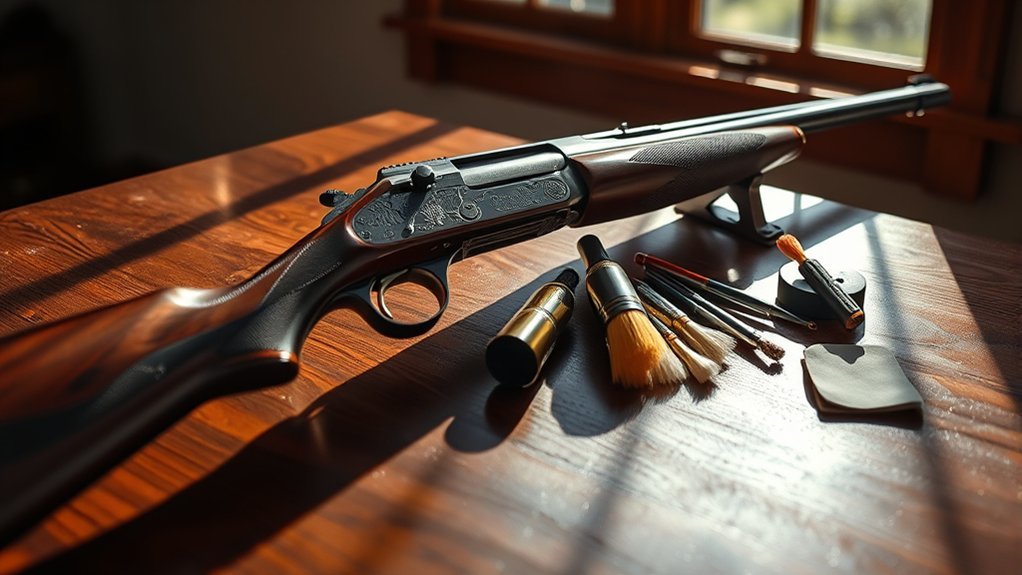
How often should you clean your rifle? You do not need one fixed schedule for every rifle, every cartridge, and every range trip. Your best cleaning routine depends on ammunition type, round count, weather, storage conditions, and how the rifle performs between sessions. A rifle used in rain, dust, humidity, or heavy firing usually needs attention sooner than one fired lightly on a clean indoor range.
Quick Answer
Clean your rifle after wet, dusty, or corrosive exposure, before long-term storage, and whenever fouling starts to affect reliability or accuracy. For normal range use, inspect it after each session and use round-count guidelines as starting points, not strict rules.
Key Takeaways
- No single cleaning interval fits every rifle, so base your schedule on use, ammunition, weather, storage, and performance.
- Lead bullets, dirty-burning ammunition, steel-cased loads, moisture, and dust can increase fouling and corrosion risk.
- Always clean and lightly protect the rifle before long-term storage, especially if it was exposed to sweat, rain, humidity, or fingerprints.
- Avoid over-cleaning with aggressive tools. Safe, careful maintenance matters more than scrubbing after every small round count.
At a Glance
| Time Required | About 15 to 45 minutes for a normal field cleaning, depending on fouling and rifle type |
| Difficulty | Easy to moderate when you follow the owner’s manual |
| Tools Needed | Cleaning rod or bore snake, patches, nylon brush, bore solvent, lubricant, cloth, and basic protective gear |
| Cost | Low after you own a basic cleaning kit and supplies |
Warning: Before cleaning any rifle, point it in a safe direction, remove the magazine, open the action, and visually and physically confirm the chamber is empty. Keep ammunition away from the cleaning area.
Factors Influencing Cleaning Frequency
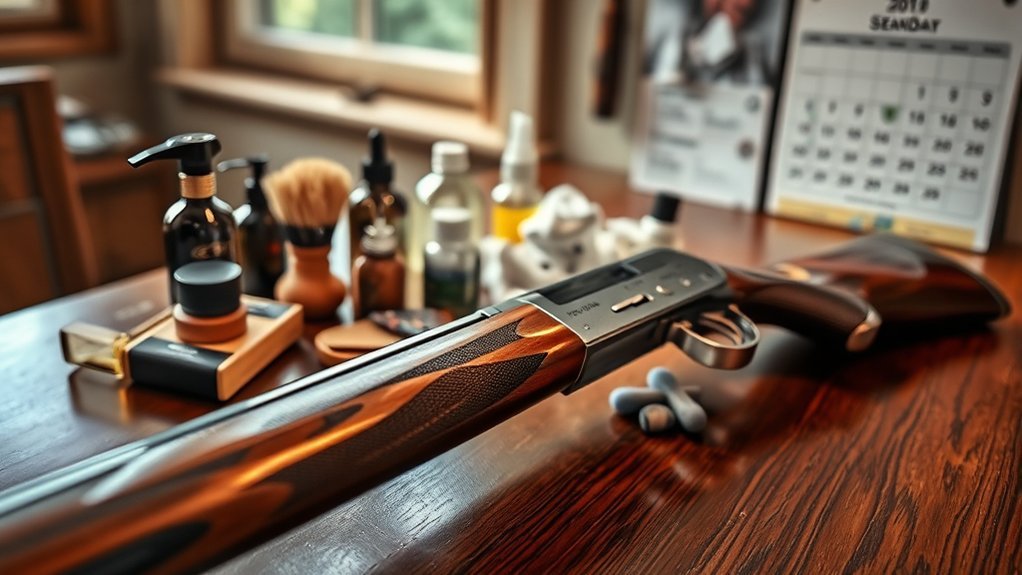
Several factors influence how often to clean your rifle. Start with the type of ammunition you use. Some loads leave more powder residue, lead, copper, carbon, or case-related debris than others. Dirty ammunition, lead bullets, and high-volume shooting usually call for more frequent inspection.
Next, evaluate the environment where you shoot. Humid, rainy, salty, sandy, dusty, or muddy conditions can speed up corrosion and debris buildup. A rifle fired on a dry, clean range may not need the same attention as one carried during a wet hunt or dusty training day.
How often you fire your rifle also matters. Regular use may justify cleaning after every session, especially when reliability matters. Occasional use may only need a careful wipe-down, bore check, and periodic deep cleaning. You should also inspect the bore, chamber, bolt face, action, crown, and exterior metal for fouling, moisture, fingerprints, and wear.
By understanding these factors, you can build a cleaning schedule that supports performance and longevity without unnecessary scrubbing. The goal is not to clean as often as possible. The goal is to keep the rifle safe, reliable, protected, and consistent.
Note: Always follow your rifle manufacturer’s manual. Some rifles, finishes, barrels, and coatings need specific solvents, lubrication points, or disassembly limits.
Types of Ammunition and Their Impact
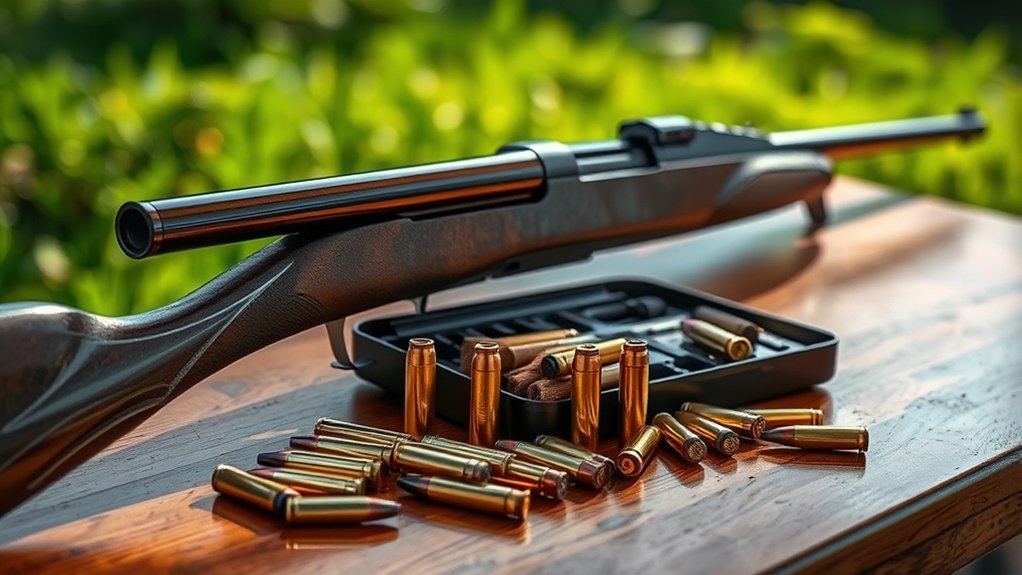
The type of ammunition you choose greatly affects how often you’ll need to clean your rifle. Different bullet materials, powders, primers, and case materials can create different levels of fouling and residue. For example, lead bullets can leave more visible residue than copper-jacketed bullets, while some steel-cased ammunition can leave heavy chamber and action debris.
Jacketed versus non-jacketed ammunition can also affect your cleaning schedule. Copper-jacketed bullets may reduce lead fouling, but they can still leave copper deposits in the bore over time. Frangible ammunition may run cleaner in some rifles, but you should still check the chamber and bore after use.
Use the table below as a practical starting point. Treat these numbers as inspection reminders, not absolute rules. Your rifle, load, barrel condition, suppressor use, and shooting environment can move the schedule earlier or later.
| Ammunition Type | Fouling Level | Cleaning Frequency |
|---|---|---|
| Lead Bullets | High | Every 50 rounds |
| Copper Jacketed | Moderate | Every 100 rounds |
| Steel-Cased | High | Every 50 rounds |
| Hollow Point | Low to Moderate | Every 150 rounds |
| Frangible | Low | Every 200 rounds |
Corrosive ammunition needs special attention. If you suspect corrosive primers, clean the rifle the same day and follow a method suitable for removing primer salts before applying normal solvent and oil. Do not assume standard oil alone removes all corrosive residue.
Frequency of Use and Shooting Conditions
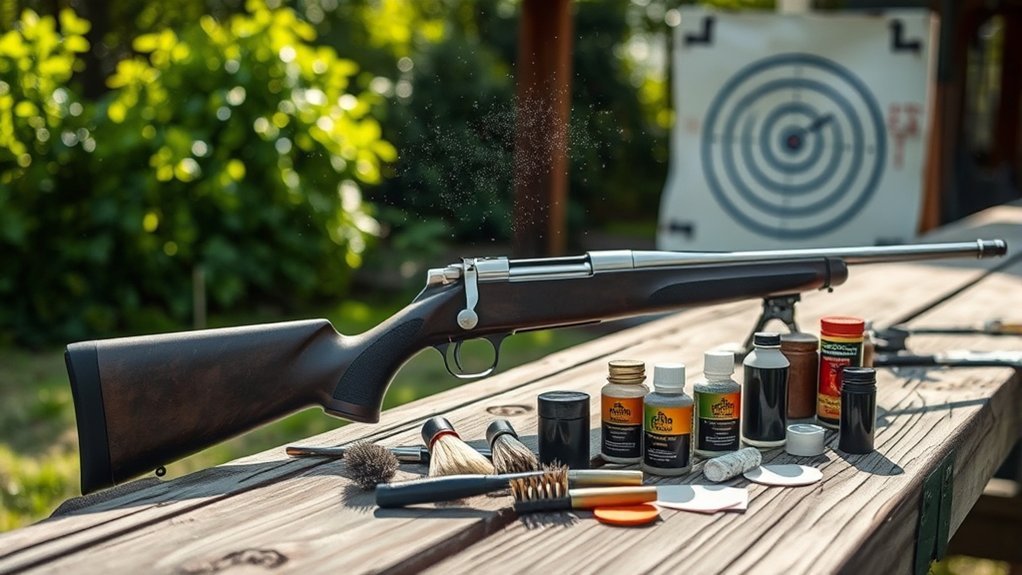
Although you might clean your rifle based on the type of ammunition used, the frequency of use and shooting conditions also play vital roles in determining how often maintenance is required. If you shoot regularly, especially in competitive settings, clean or at least inspect your rifle after each use to support consistent performance.
If you shoot only occasionally, a thorough cleaning every few sessions may be enough when the rifle stays dry, clean, and reliable. Still, you should wipe down exterior metal after handling because sweat and fingerprints can encourage corrosion.
Harsh weather conditions, such as rain, snow, dust, or high humidity, can introduce contaminants that call for faster cleaning. Shooting in sandy or wet conditions can lead to quick debris buildup in the action, chamber, magazine area, and exterior crevices. Prioritize cleaning after exposure to adverse conditions to maintain your rifle’s reliability.
Suppressor use can also increase the amount of carbon and blowback that reaches the action. If you shoot suppressed, inspect the chamber, bolt, gas system area, and magazine well more often than you would during unsuppressed range sessions.
Pro Tip: Keep a simple range log with round count, ammunition type, weather, and cleaning date. Patterns in accuracy, extraction, or fouling will tell you more than a generic schedule.
Storage Environment and Its Role
While you might focus on cleaning your rifle after shooting, the storage environment also affects its maintenance needs. Humidity, temperature swings, poor airflow, and exposure to contaminants can all influence how often you need to inspect, wipe down, and re-oil the rifle.
High humidity can lead to rust formation, while extreme temperatures may cause some lubricants or protective films to break down faster. Ideally, store your rifle in a climate-controlled space, away from direct sunlight, damp corners, basements with moisture problems, and direct contact with wet gear.
Use a dehumidifier, safe rod, or silica gel packs to manage moisture levels in a cabinet or safe. Avoid long-term contact with materials that can trap moisture, including some foam, soft cases, and damp cloth. A soft case works well for transport, but it is not always the best place for long-term storage.
Before storing the rifle, clean off powder residue, moisture, and fingerprints. Then apply a light protective film where the manual allows it. Too much oil can attract dust or migrate into places where it does not belong, so use only what the rifle needs.
Recommended Cleaning Schedules for Different Scenarios
Establishing a cleaning schedule tailored to different scenarios can enhance your rifle’s performance and lifespan. The table below keeps the original simple schedule, but you should apply it with common sense. Clean sooner after moisture, dust, corrosive ammunition, heavy fouling, or reliability changes.
| Scenario | Recommended Cleaning Frequency |
|---|---|
| Regular Use (Weekly) | Clean after each session |
| Occasional Use (Monthly) | Clean once a month |
| Long-term Storage | Clean before and after storage |
For regular shooting, clean your rifle after each use to prevent fouling and corrosion from building up unnoticed. If you use it infrequently, a monthly inspection and periodic deep clean may be enough, especially when the rifle stays dry and protected.
Before storing your rifle for an extended period, verify that it is unloaded, cleaned, dried, and lightly protected. After storage, inspect it again before use. Look for rust, dried lubricant, bore obstructions, loose parts, or any change in the way the action feels.
What to Check During a Rifle Cleaning
A good cleaning routine goes beyond running a patch through the bore. It should include a basic safety check, a condition check, and a protection step. You do not need to fully detail-strip the rifle every time unless your manual recommends it or the rifle has been exposed to heavy dirt, water, or fouling.
- Bore and chamber: Check for powder fouling, copper or lead deposits, rust, moisture, and obstructions.
- Action and bolt area: Remove carbon, grit, unburned powder, and debris that can affect cycling or extraction.
- Exterior metal: Wipe away fingerprints, sweat, rain, dust, and old oil.
- Stock and furniture: Check for trapped moisture, cracks, loose screws, or debris around bedding and contact points.
- Magazine area: Inspect for grit, mud, lint, and feeding debris.
- Optics and mounts: Wipe exterior surfaces carefully and check that mounts remain secure.
Use the correct bore size tools and avoid forcing rods, brushes, or patches. A damaged crown or bore can hurt accuracy, so gentle, correct cleaning matters more than aggressive scrubbing.
Signs Your Rifle Needs Cleaning Sooner
Round-count guidelines help, but your rifle may show signs that it needs attention earlier. Pay attention to changes during and after shooting. Cleaning sooner can prevent small issues from becoming reliability or corrosion problems.
- Accuracy changes: Groups open up, point of impact shifts, or the rifle becomes less consistent.
- Extraction or feeding issues: Cases feel sticky, the action feels sluggish, or feeding becomes uneven.
- Visible fouling: Heavy carbon, copper streaks, lead residue, or gritty debris appears in the bore, chamber, or action.
- Moisture exposure: Rain, snow, condensation, sweat, or wet vegetation touches the rifle.
- Storage warning signs: Rust spots, dried lubricant, musty odor, or moisture inside the safe or case.
Clean by condition, not by habit alone. A rifle fired lightly in clean conditions may need less work than one carried all day in rain, dust, or humidity.
Common Rifle Cleaning Mistakes to Avoid
Cleaning protects your rifle, but poor technique can create problems. Avoid harsh shortcuts, mismatched tools, and excessive lubrication. A careful routine keeps the rifle clean without damaging the bore, finish, or moving parts.
- Skipping the safety check: Always confirm the rifle is unloaded before cleaning.
- Using the wrong size rod or brush: Oversized or undersized tools can damage parts or clean poorly.
- Over-oiling: Too much lubricant can attract dirt, soak into wood, or migrate into unwanted areas.
- Ignoring the chamber: A clean bore does not always mean a clean chamber or action.
- Storing in a soft case: Some cases trap moisture and can encourage rust during long-term storage.
- Mixing solvents carelessly: Follow product directions and work in a ventilated area.
If a malfunction, rust problem, stuck part, or bore obstruction seems beyond basic maintenance, stop and consult a qualified gunsmith. Do not force parts or guess through unfamiliar disassembly.
Conclusion
In summary, cleaning your rifle regularly is essential for peak performance, corrosion protection, and long service life. Lead and steel-cased ammunition can justify cleaning as often as every 50 rounds because fouling can build quickly, but that number should guide inspection rather than replace judgment.
By understanding the factors influencing cleaning frequency, including ammunition type, usage, shooting conditions, storage, and visible fouling, you can tailor a maintenance schedule that keeps your rifle in prime condition. A well-maintained rifle performs more consistently, stores more safely, and gives you more confidence when accuracy and reliability matter.
