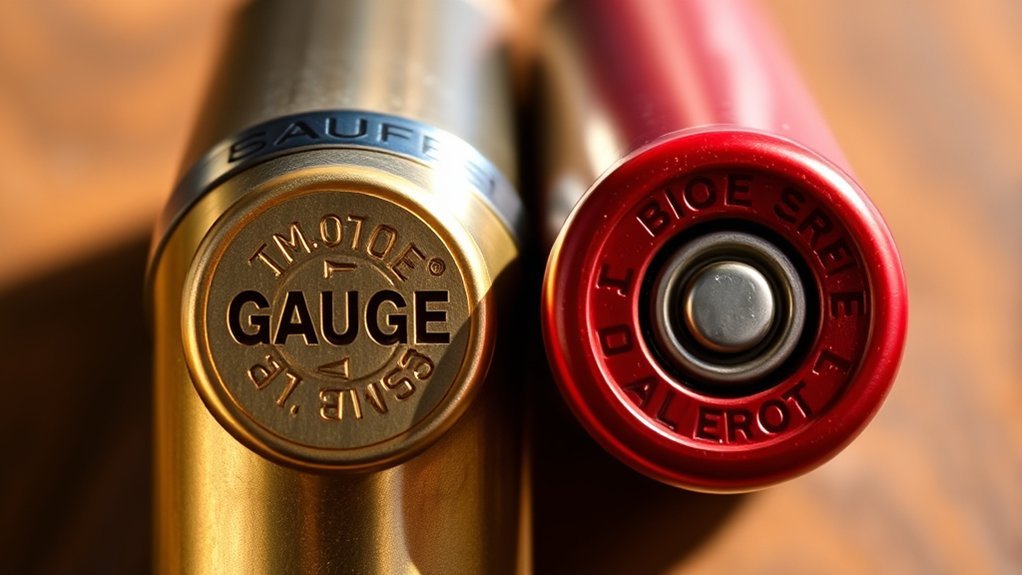
When it comes to firearms, understanding the difference between caliber and gauge is essential for making informed decisions. Caliber measures the diameter of a bullet, while gauge pertains to shotgun bore sizes. Each measurement influences performance and suitability for various shooting scenarios. As you explore these distinctions, consider how they impact your choices in firearms and ammunition.
Key Takeaways
- Caliber measures the bullet diameter (rifles/handguns). It is a direct measurement (e.g., .45 inches).
- Gauge measures the bore size (shotguns). It is an inverse measurement (smaller number = larger bore).
- Purpose Matters: Selecting the wrong size affects recoil, accuracy, and safety.
- Safety First: Never mix ammunition sizes; always match the ammo stamp to the firearm barrel.
Understanding Caliber
When you explore the world of firearms, understanding caliber is fundamental, as it directly impacts performance and suitability for various applications. Caliber refers to the diameter of the bullet or the bore of the firearm, typically measured in inches or millimeters.
For instance, a .45 caliber bullet measures .45 inches in diameter, while a 9mm bullet measures 9 millimeters. Different calibers produce varied ballistic characteristics, influencing factors such as muzzle velocity, energy, and recoil. Selecting the right caliber is vital for achieving specific goals, whether for self-defense, hunting, or target shooting. Always consider the firearm’s design and intended use to guarantee peak performance and safety.
Understanding Gauge
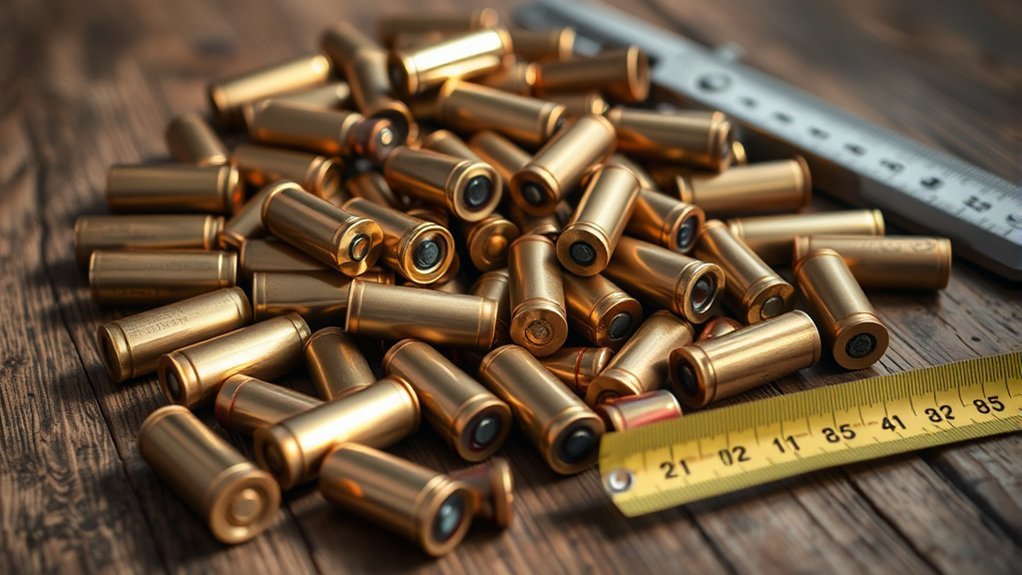
Understanding gauge is just as important as grasping the concept of caliber, especially when it comes to shotguns. Gauge refers to the size of the shotgun bore. Historically, this was determined by the number of lead balls of a particular diameter that equal one pound.
Note: Understanding gauge is crucial for shotguns, as the numbering system is inverse to size.
- The lower the gauge number, the larger the bore diameter.
- A 12-gauge shotgun has a significantly larger bore than a 20-gauge.
- Gauge influences shot pattern density and recoil, directly impacting the shooting experience.
Understanding these distinctions helps you make informed decisions when selecting a shotgun that meets your physical comfort and shooting needs.
How Caliber Is Measured
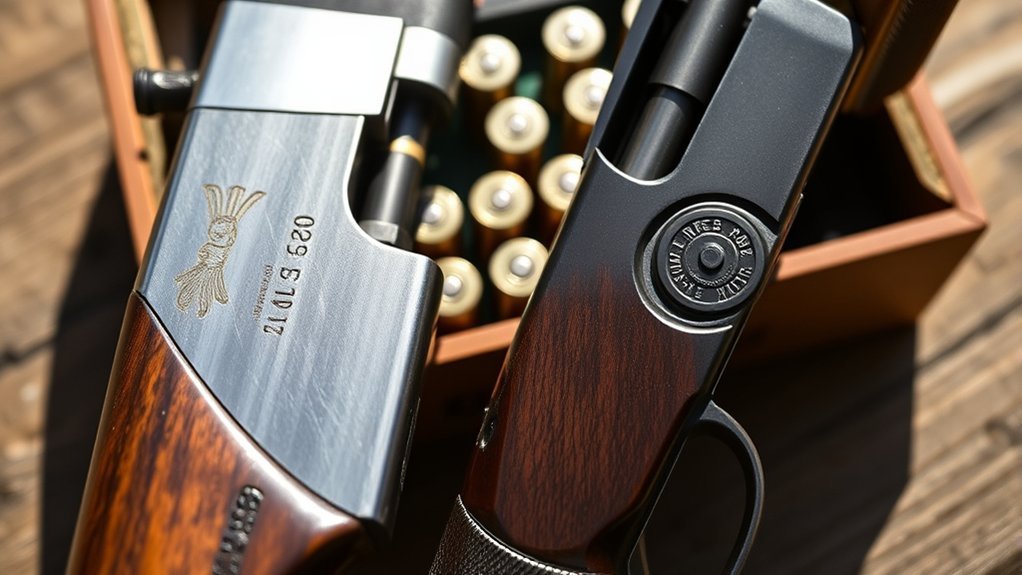
Caliber is typically measured in either inches or millimeters, indicating the diameter of the bullet or the internal diameter of the firearm’s barrel (land-to-land or groove-to-groove). This measurement helps you select appropriate ammunition for your firearm.
Here’s a quick reference table for common caliber measurements:
| Caliber (Inches) | Caliber (Millimeters) | Common Use |
|---|---|---|
| .22 | 5.56 | Target shooting / Small Game |
| .45 | 11.43 | Handgun / Self-Defense |
| .308 | 7.62 | Hunting / Long-range |
| .357 | 9.07 | Revolver / Self-Defense |
Understanding these measurements allows you to make informed choices about your firearms and their compatibility with ammunition. Always guarantee that you’re using the correct caliber as specified by the manufacturer.
How Gauge Is Measured
When measuring gauge, you’ll notice it differs greatly from caliber, as it’s based on a standardized system related to weight rather than linear distance. Understanding these measurement standards is essential for comparing various gauge sizes accurately.
Measurement Standards Explained
Although gauge measurements can seem perplexing, they rely on a historical physics formula defined by organizations like SAAMI. Gauge is determined by the number of lead balls of the bore’s diameter required to weigh one pound.
For example:
- 12 Gauge: It takes 12 lead balls of this diameter to equal one pound.
- 20 Gauge: It takes 20 lead balls of this diameter (smaller balls) to equal one pound.
This is why a larger number (20) indicates a smaller hole than a smaller number (12).
Gauge vs. Caliber Comparison
The primary distinction lies in how size is represented:
- Caliber (Direct): A .45 is bigger than a .22. (Direct correlation).
- Gauge (Inverse): A 12-gauge is bigger than a 20-gauge. (Inverse correlation).
There is one notable exception in shotguns: the .410 bore. This is technically a caliber measurement (.410 inches), not a gauge, yet it is colloquially grouped with shotgun sizes. It is the smallest common shotgun shell.
Common Calibers and Their Uses
When selecting a firearm, knowing the common calibers and their specific utility is essential.
- .22 Long Rifle (.22 LR): Ideal for target shooting and small game hunting due to its exceptionally low recoil and affordability.
- 9mm Parabellum: The most popular caliber for self-defense and law enforcement globally. It offers a high capacity balance of power and manageable recoil.
- .40 S&W: Originally designed for law enforcement to provide greater stopping power than a 9mm, though it has sharper recoil.
- .45 ACP: Renowned for its heavy stopping power in self-defense scenarios, but it comes with increased recoil and lower magazine capacity.
- .308 Winchester: A versatile choice for hunting larger game (like deer and elk) and effective at long distances.
Common Gauges and Their Uses
Just as with rifles and handguns, selecting the right shotgun gauge ensures peak performance for your specific activity.
Popular Shotgun Gauges
- 12 Gauge: The industry standard. It is the most versatile, widely used for hunting waterfowl, upland game, clay sports, and home defense. Ammunition is abundant and affordable.
- 20 Gauge: Offers roughly 75% of the payload of a 12 gauge with significantly lighter recoil. It is ideal for smaller-framed shooters, long days of upland bird hunting, or youth shooters.
- 28 Gauge: A favorite among upland enthusiasts. It is lightweight and offers a surprisingly efficient shot pattern with very low recoil.
- .410 Bore: The smallest option. While great for pest control and very small game, it requires higher skill for moving targets due to the small amount of shot.
- 10 Gauge: A heavy-duty option primarily used for high-flying waterfowl (geese) due to its ability to hold large amounts of steel shot. It has heavy recoil and is less common today than the 12 gauge.
Choosing the Right Caliber or Gauge for Your Needs
Choosing the right caliber or gauge involves considering several factors, including the intended use, personal comfort, and legal regulations. Here are key aspects to evaluate:
- Purpose: Determine if you’re hunting (and what game size), target shooting, or buying for self-defense.
- Recoil Sensitivity: Assess your comfort with recoil; higher calibers (and lower gauges) usually mean more kick.
- Ammunition Availability: Check if the caliber or gauge you prefer has readily available ammunition in your region.
- Legal Restrictions: Be aware of local laws. For example, some areas prohibit certain rifle calibers for deer hunting or restrict magazine capacities.
- Budget: Factor in the cost of both the firearm and ammunition. Common calibers like 9mm and 12-gauge are generally cheaper to shoot than niche options.
Conclusion
In conclusion, understanding the differences between caliber and gauge is like choosing the right tool for a job. Just as a carpenter selects the perfect saw for precision cuts, you need to match your firearm to your specific needs. Whether you’re targeting small game with a .22 caliber rifle or heading out for waterfowl with a 12-gauge shotgun, knowing these measurements guarantees you get the best performance. Choose wisely, and you’ll hit your mark every time.