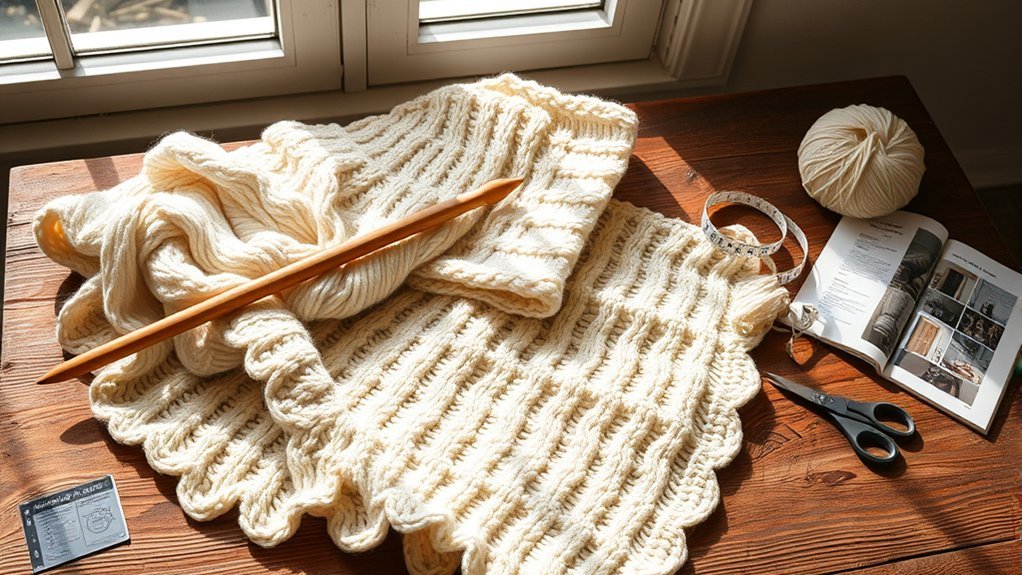
When you’re preparing to make a stroller blanket, size, fabric, and safe use should guide every choice. A good stroller blanket should feel soft, stay manageable in the stroller, and keep your little one comfortable without hanging near the wheels or straps. Whether you choose breathable cotton, cozy fleece, plush minky, or a mixed-fabric design, the goal is the same: a practical blanket that is warm, washable, and easy to use on everyday outings.
Quick Answer
A good stroller blanket is usually about 35 by 35 inches or 36 by 36 inches. Use soft, washable fabric such as cotton, fleece, flannel, or minky, then sew two fabric squares together with a small turning gap, turn it right side out, press, and topstitch the edges.
Key Takeaways
- A stroller blanket should be large enough for coverage but not so large that it drags, bunches, or interferes with stroller straps.
- Cotton and flannel work well for breathable comfort, while fleece and minky add warmth for cooler outings.
- Prewash fabric before cutting so the finished blanket is less likely to shrink or pucker later.
- Keep decorations secure and avoid loose ribbons, long ties, or anything a baby could pull off or tangle in.
- Wash the blanket often, inspect seams, and stop using it if you notice loose threads, holes, or damaged embellishments.
At a Glance
| Time Required | About 3 to 5 hours, depending on fabric type, sewing speed, and personalization details |
| Difficulty | Beginner-friendly if you can cut fabric, pin edges, sew a straight seam, turn, press, and topstitch |
| Tools Needed | Fabric scissors or rotary cutter, measuring tape, pins or clips, sewing machine, thread, iron, and optional embroidery or applique supplies |
| Cost | Usually low to moderate, depending on whether you use basic cotton, premium minky, batting, embroidery, or applique materials |
Choosing the Right Size for Your Stroller Blanket
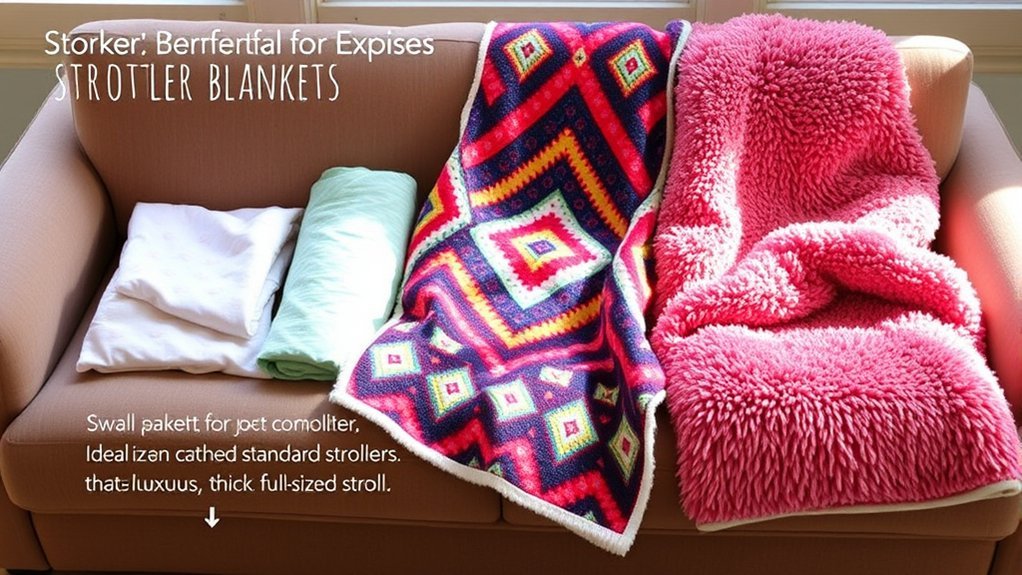
When you’re ready to create the perfect stroller blanket, choosing the right size is essential for comfort, stroller fit, and everyday function. Aim for a finished size around 35 inches by 35 inches, or go slightly larger at 36 inches by 36 inches if you want more coverage as your baby grows. This square size is easy to fold, tuck, wash, and carry.
Before cutting, measure your stroller seat area and check where the blanket will sit when the harness is fastened. The blanket should cover your child comfortably without dragging on the ground, touching the wheels, or bunching under the straps. If you plan to use thicker fabrics, such as fleece or minky, remember that the blanket may drape differently than thin cotton.
If you’re sewing for colder weather, a slightly larger blanket can allow more coverage over your baby’s lap and legs. For warm weather, a lighter and smaller blanket may be easier to manage. The best size is one that fits your stroller, your climate, and your daily routine.
Note: Add seam allowance before cutting. If you want a finished 35-inch blanket with a half-inch seam allowance, cut each fabric piece about 36 inches by 36 inches.
Recommended Materials for Comfort and Safety
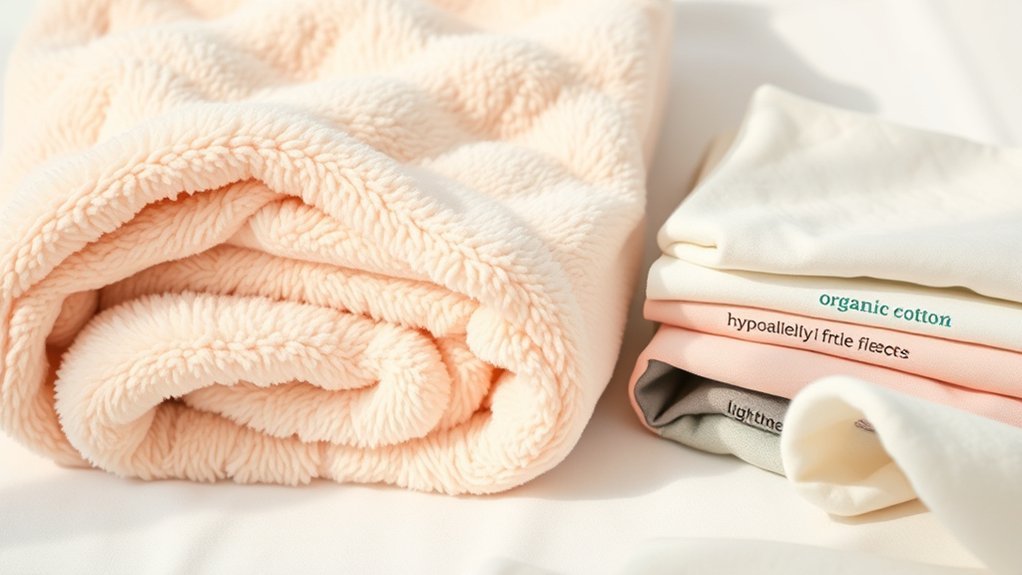
Choosing the right materials for your stroller blanket helps your little one stay cozy, comfortable, and safe during outings. Match the fabric to the season and your baby’s sensitivity. Lightweight cotton, muslin, and flannel are good choices for mild or warm weather because they feel soft and breathable. Plush fleece or minky can work well for cooler days when you want more warmth.
Prioritize hypoallergenic materials when possible, especially if your baby has sensitive skin. Choose fabrics that feel gentle to the touch and can handle frequent washing. Stroller blankets often face spills, crumbs, diaper-bag messes, and outdoor dust, so durable, machine-washable fabric is a practical choice.
For extra comfort, you can combine two different fabric types. A cotton front with a fleece or minky back gives the blanket a soft feel without making it too bulky. If you want a warmer blanket, you can add a thin padded lining, but avoid making it so thick that it becomes hard to fold, tuck, or wash.
Warning: Avoid loose ribbons, long cords, unsecured buttons, dangling trims, or small decorations that could become a choking, snagging, or tangling risk. Keep the blanket clear of stroller wheels and always use the stroller harness correctly.
Supplies You Need Before You Start
Gathering everything first makes the project smoother. You do not need advanced sewing tools, but accurate measuring and clean cutting will help the blanket look neat.
- Two fabric pieces cut to the same size, such as cotton and fleece, cotton and minky, or two cotton prints
- Matching or coordinating thread
- Fabric scissors or a rotary cutter with a cutting mat
- Measuring tape, ruler, or quilting ruler
- Sewing pins or fabric clips
- Sewing machine with a basic straight stitch
- Iron and ironing board for pressing cotton or flannel seams
- Optional thin batting for extra warmth
- Optional applique, embroidery thread, or reflective trim for personalization
Prewash and dry the fabric before cutting. This helps remove extra dye, softens the material, and reduces the chance of shrinkage after the blanket is sewn.
Step-by-Step Instructions for Making a Stroller Blanket
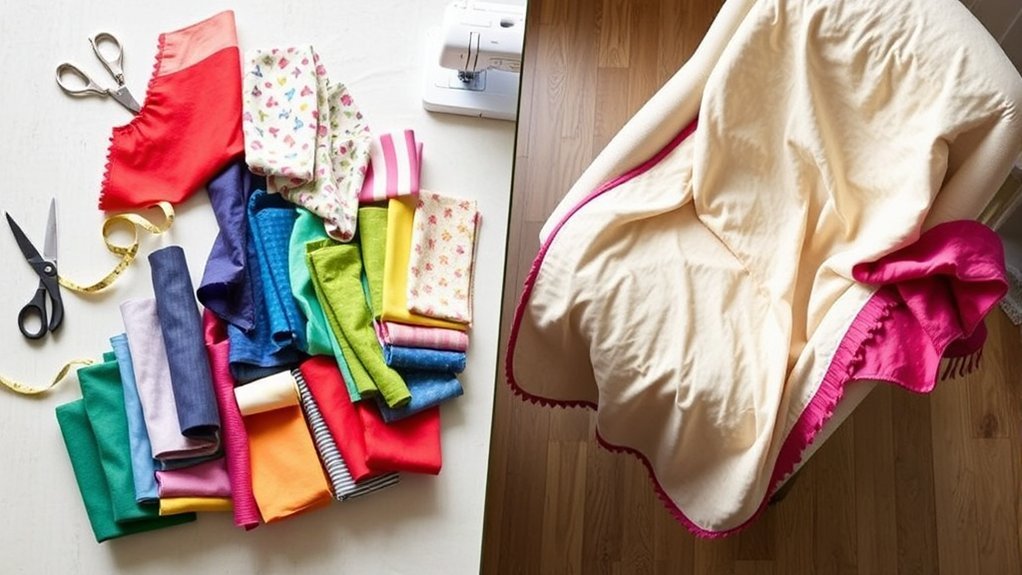
Making a stroller blanket is a fun and rewarding project that can be completed in a few simple steps. Work slowly, keep your seams even, and check that both fabric layers stay smooth as you sew.
- Prewash the fabric: Wash and dry both fabric pieces according to the care instructions. This helps prevent later shrinking and puckering.
- Cut two fabric pieces: Cut two matching pieces to your preferred size. For a finished blanket around 35 inches by 35 inches, cut each piece about 36 inches by 36 inches to allow for a half-inch seam.
- Place right sides together: Lay the two fabric pieces with the printed or soft finished sides facing each other. Smooth out wrinkles and align the corners.
- Pin or clip the edges: Secure the edges all the way around, leaving a 6-inch gap unsewn for turning the blanket right side out.
- Sew around the edges: Sew with a half-inch seam allowance. Backstitch at the start and finish for durability.
- Trim bulky corners: Carefully trim the corners without cutting through your stitches. This helps the corners turn out more neatly.
- Turn the blanket: Pull the blanket right side out through the 6-inch gap. Gently push out the corners with your fingers or a blunt turning tool.
- Press the seams: Press the edges flat if your fabric can be ironed. Use a low setting or pressing cloth for delicate fabrics.
- Close the opening: Fold the raw edges of the gap inward, pin them flat, and topstitch around the whole blanket.
- Topstitch for a polished look: Sew around the blanket edge about a quarter inch from the border. This keeps layers together and gives the blanket a clean finish.
Once you turn the blanket inside out, press the seams, pin the edges, and topstitch for a polished look. The result is a practical stroller blanket that feels handmade, thoughtful, and ready for daily outings.
Pro Tip: If you use slippery minky fabric, use clips instead of only pins and sew slowly. Minky can shift while stitching, so extra clips help keep the edges even.
Personalizing Your Stroller Blanket
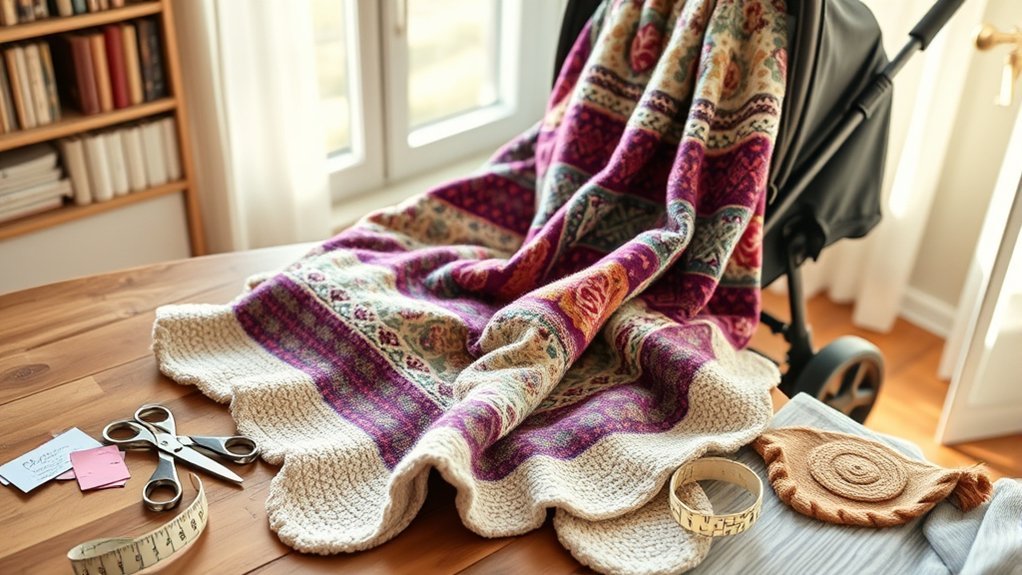
Although creating a stroller blanket is fulfilling on its own, personalizing it transforms a simple project into a cherished keepsake. You can use applique techniques to add colorful shapes, animals, stars, hearts, or simple characters that reflect your style or your baby’s personality.
For an extra special touch, embroider the baby’s name or initials on one corner. Placing the name at a soft angle can look elegant, but keep embroidery flat and secure so it does not scratch or irritate delicate skin. Choose thread colors that coordinate with the stroller, diaper bag, nursery theme, or baby gear for a cohesive look.
You can also mix textures, such as soft cotton on one side and plush minky on the other, for a cozy sensory feel. A padded lining can add warmth, while a small strip of reflective tape can improve visibility during evening walks. Keep any decorative elements smooth, washable, and firmly stitched.
Safe Ways to Use a Stroller Blanket
A stroller blanket should add comfort without interfering with the stroller’s safety features. Always buckle the stroller harness first, then place the blanket over your child’s lap or around the legs. Do not place thick fabric between your baby and the harness, because it may affect the fit.
Keep the blanket away from the stroller wheels, brakes, and moving parts. If the blanket is too long, fold it once before placing it over your child. Check your baby often for signs of overheating, especially when using fleece, minky, or layered blankets in mild weather.
For infants, choose lightweight and breathable fabric when possible. Avoid covering the baby’s face or creating a tent-like setup that blocks airflow. A stroller blanket is best used with supervision during walks, errands, and outdoor time.
Maintenance and Care Tips for Your Stroller Blanket
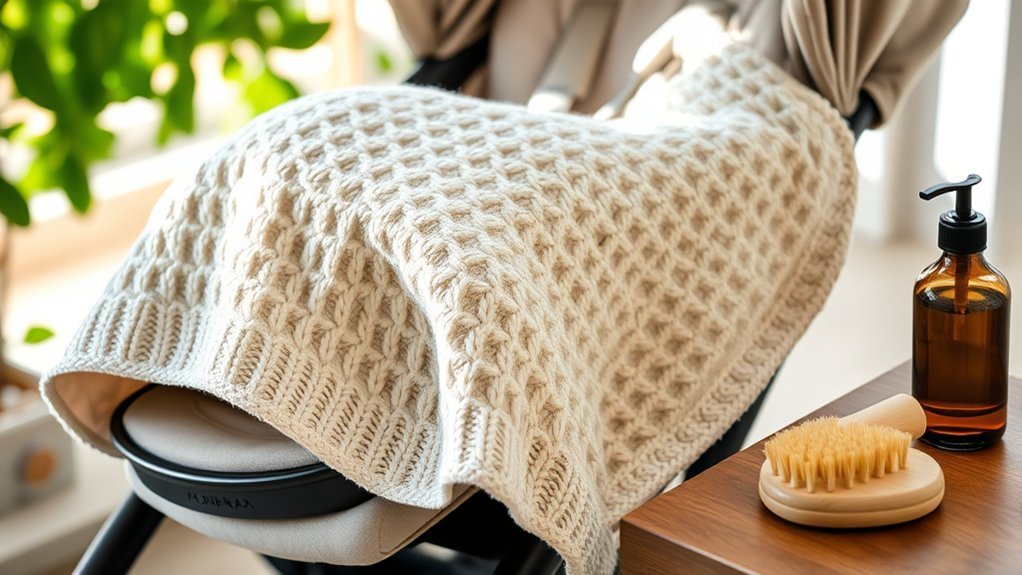
To keep your stroller blanket looking and feeling its best, regular care is crucial. Frequent washing is especially helpful because stroller blankets often touch snack crumbs, stroller seats, sidewalks, car seats, and diaper bags. Use these maintenance tips for effective blanket cleaning and fabric preservation:
- Wash regularly: Use gentle, baby-friendly detergent. Hand wash or select a gentle machine cycle to protect delicate materials like minky or fleece.
- Dry with care: Air dry when possible, or tumble dry on low if the fabric allows it. High heat may shrink cotton or affect plush textures.
- Inspect frequently: Look for loose threads, worn seams, holes, damaged applique, or peeling trim. Address any issues promptly to support safety and longevity.
- Remove lint and fuzz: Fleece and minky can collect lint. Use a lint roller or gentle fabric brush when needed.
- Store wisely: When not in use, keep your blanket in a clean, dry place to prevent mildew and odors from developing.
If your blanket uses two different fabric types, follow the care instructions for the more delicate material. This helps the blanket keep its shape, softness, and stitching longer.
Common Mistakes to Avoid
Even a simple stroller blanket can become frustrating if the fabric shifts, the size feels wrong, or the finished blanket is difficult to clean. Avoid these common mistakes before you sew:
- Skipping the prewash: Unwashed fabric may shrink later and make the seams pucker.
- Choosing fabric that is too heavy: Very thick fabric can be hard to fold, difficult to sew, and too warm for mild weather.
- Making the blanket too large: Extra length may drag near the ground or stroller wheels.
- Using loose decorations: Buttons, beads, long ribbons, and dangling trims can create safety concerns.
- Forgetting the turning gap: Leave enough space to turn the blanket right side out without stretching the seams.
- Not topstitching: Topstitching helps close the gap, flatten the edges, and keep the layers neat after washing.
Related Guides
Frequently Asked Questions
Can I use different fabric types for the two sides?
Absolutely, you can mix different fabric types for each side. Cotton with fleece, cotton with minky, and flannel with fleece are popular combinations. Just make sure both fabrics are washable and comfortable against your baby’s skin.
How long does it take to make a stroller blanket?
It typically takes around 3 to 5 hours to craft a stroller blanket, depending on your fabric choices, blanket pattern, sewing experience, and personalization details. A simple two-layer blanket is faster than one with applique, embroidery, or padding.
What sewing skills do I need to make a stroller blanket?
You only need beginner sewing skills, including measuring, cutting, pinning, straight stitching, turning fabric, pressing seams, and topstitching. If you can sew a steady straight line, you can make a basic stroller blanket.
Can I add a hood or pocket to the stroller blanket?
Yes, you can add a hood design for extra warmth or a small pocket for light items. Keep the hood soft and simple, and place any pocket where it will not press against your baby, interfere with the harness, or create loose fabric near the stroller wheels.
Is it safe to use a stroller blanket for infants?
Using a stroller blanket for infants can be safe when it is lightweight, breathable, and used with supervision. Always keep the blanket away from the baby’s face, secure the stroller harness correctly, and monitor your child to prevent overheating or entanglement.
Should I add batting inside a stroller blanket?
You can add thin batting if you want extra warmth, but it is optional. Avoid thick batting if the blanket will be used in mild weather or if it makes the blanket bulky, heavy, or hard to wash.
What is the best fabric for a stroller blanket?
The best fabric depends on the season. Cotton, muslin, and flannel are good for breathable comfort, while fleece and minky are better for cooler weather. Choose fabric that is soft, washable, and not too heavy for your stroller setup.
Conclusion
As you wrap your little one in the warmth of your handmade stroller blanket, think of it as a cozy cocoon made with care, comfort, and everyday practicality. The right size keeps it useful in the stroller, the right fabric keeps it soft against delicate skin, and careful stitching helps it last through many washes and outings.
With each stitch, you weave not just threads, but memories of adventure and love. Whether you keep the design simple or add applique, embroidery, padding, or reflective details, your finished stroller blanket can become a trusted companion for walks, errands, naps on the go, and quiet moments outdoors.