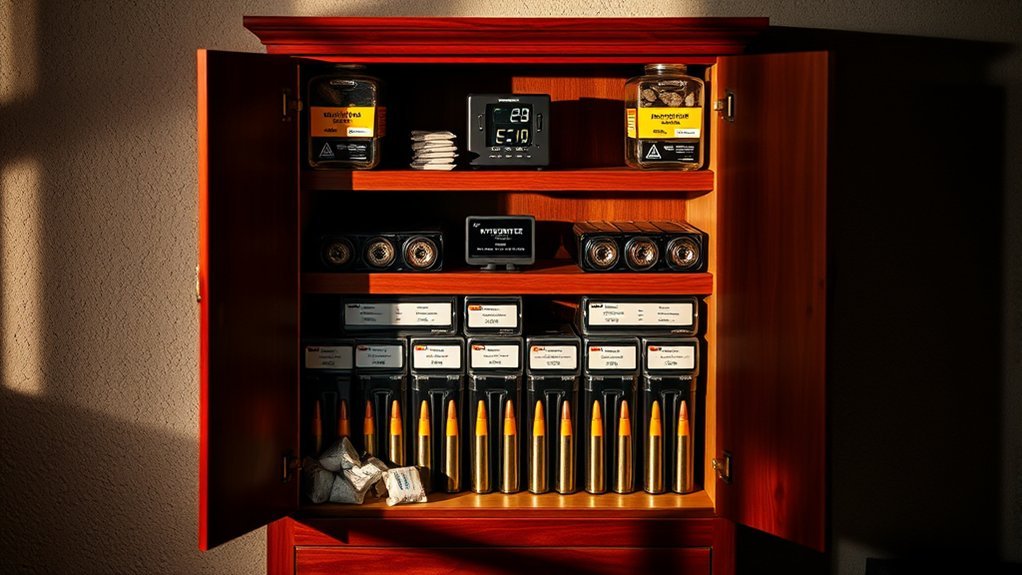
Storing ammunition safely starts with controlling the environment around it. Heat, moisture, poor labeling, and loose storage can damage cartridges over time and create avoidable safety risks. With a cool, dry location, sealed containers, clear organization, and regular inspections, you can help your ammunition stay reliable while keeping your storage area safer and easier to manage.
Quick Answer
For long-term ammo storage, keep ammunition in its original boxes or labeled sealed containers, store it in a cool, dry, dark place, and avoid heat, moisture, and household chemicals. Check your supply at least twice a year for corrosion, damaged packaging, loose rounds, or signs of moisture.
Key Takeaways
- Store ammunition in a cool, dry, stable location away from direct sunlight, heat sources, water leaks, and high humidity.
- Use sturdy ammo cans, sealed plastic containers, or the original factory boxes to protect cartridges from impact and moisture.
- Label each container by caliber, type, purchase date, and quantity so you can rotate older ammunition first.
- Keep ammunition secured away from children, unauthorized users, open flames, solvents, and cleaning chemicals.
- Inspect stored ammo regularly and safely set aside any rounds with corrosion, dents, loose bullets, cracked cases, or damaged primers.
At a Glance
| Time Required | 30 to 60 minutes for setup, then 10 to 15 minutes per inspection |
| Difficulty | Easy, as long as you handle all ammunition carefully and keep it secure |
| Tools Needed | Ammo cans or sealed containers, labels, marker, inventory sheet, humidity indicator, and desiccant packs |
| Cost | Low to moderate, depending on the number of containers, locks, shelves, and humidity-control supplies you need |
Understanding the Importance of Proper Ammo Storage
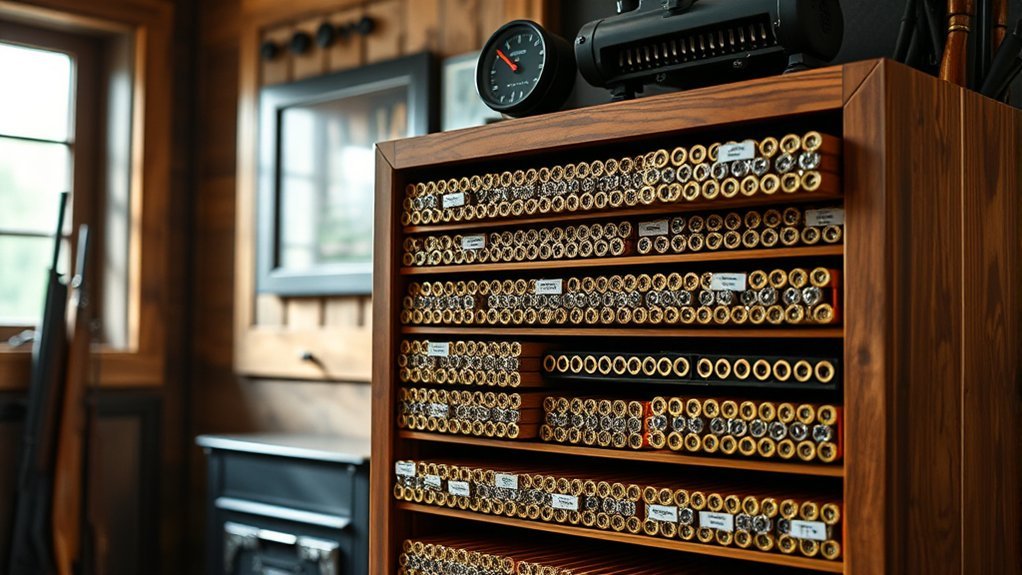
Understanding the importance of proper ammo storage is vital for both safety and longevity. When you store ammunition correctly, you reduce the chance of corrosion, damaged cartridges, confused calibers, and careless access. You also make it easier to find the right rounds when you prepare for a range trip, hunting season, or routine inventory check.
Improper storage can expose cartridges to moisture, oils, household chemicals, excessive heat, and physical damage. Those conditions may weaken packaging, corrode metal cases, or make ammunition less dependable. While quality ammunition can last a long time under good conditions, poor storage can shorten that life quickly.
It’s essential to keep ammunition in a cool, dry place, away from direct sunlight and moisture. Using airtight containers can greatly improve protection against environmental factors, especially in garages, basements, sheds, or humid climates. Additionally, labeling your storage containers helps you quickly identify types and quantities, preventing confusion and unsafe mix-ups.
Warning: Keep ammunition secured away from children, unauthorized users, heat, open flames, and firearms that are not stored safely. Check your local laws because storage rules can vary by location.
Always handle and store ammunition responsibly to maintain its condition and protect the people around you. Proactive storage practices safeguard your investment, improve preparedness, and help you avoid preventable safety issues.
Ideal Conditions for Long-Term Ammunition Storage
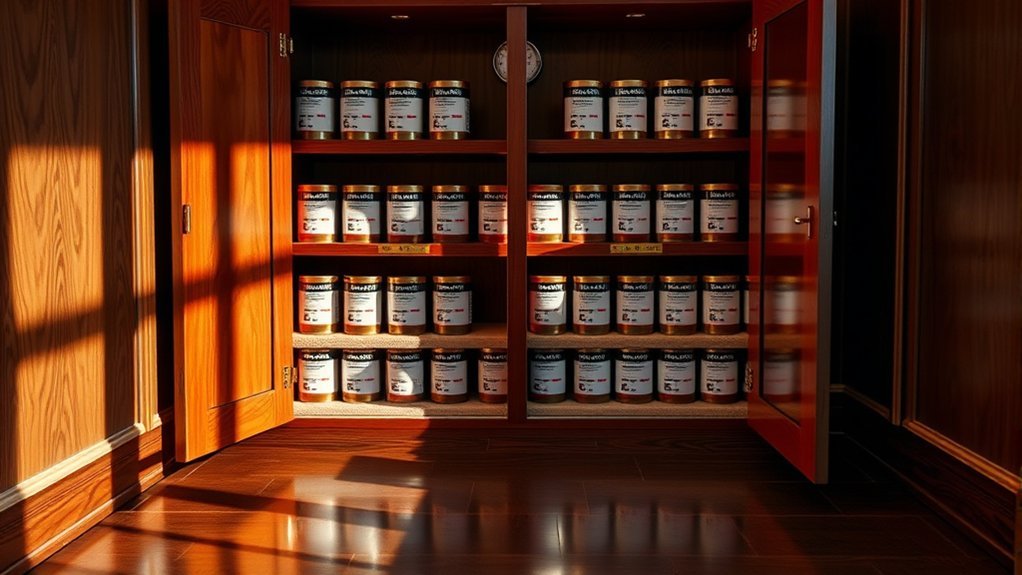
When storing ammunition for the long haul, three key conditions should be prioritized: temperature, humidity, and light exposure. Ideally, you want to keep your ammo in a cool, dry environment with stable conditions rather than a place that swings from hot to cold throughout the year.
A practical target range is around 60°F to 70°F when you can maintain it. The main goal is not a perfect number; it is avoiding extreme heat, repeated temperature swings, and damp air. Attics, vehicles, uninsulated sheds, and hot garages are poor long-term choices because heat can stress packaging and speed up material breakdown.
Humidity levels should stay below 50% when possible to reduce the risk of corrosion and rust. In damp climates, use sealed containers, a humidity indicator, and fresh desiccant packs. Replace or recharge desiccants when they become saturated, and never let boxes sit directly on concrete floors where moisture can collect.
Additionally, limit light exposure, especially direct sunlight. A dark, climate-controlled area is best. Light matters less than moisture and heat, but storing ammunition in a covered cabinet, safe, closet, or ammo can gives you better protection and keeps labels from fading.
Note: Avoid storing ammunition near solvents, oils, bore cleaners, fertilizers, pool chemicals, or other strong chemicals. Vapors and spills can damage packaging and may affect cartridge components.
By following these conditions, you can greatly enhance the longevity and reliability of your ammunition. Proper storage is not complicated, but it does require consistency.
Choosing the Right Containers for Your Ammo
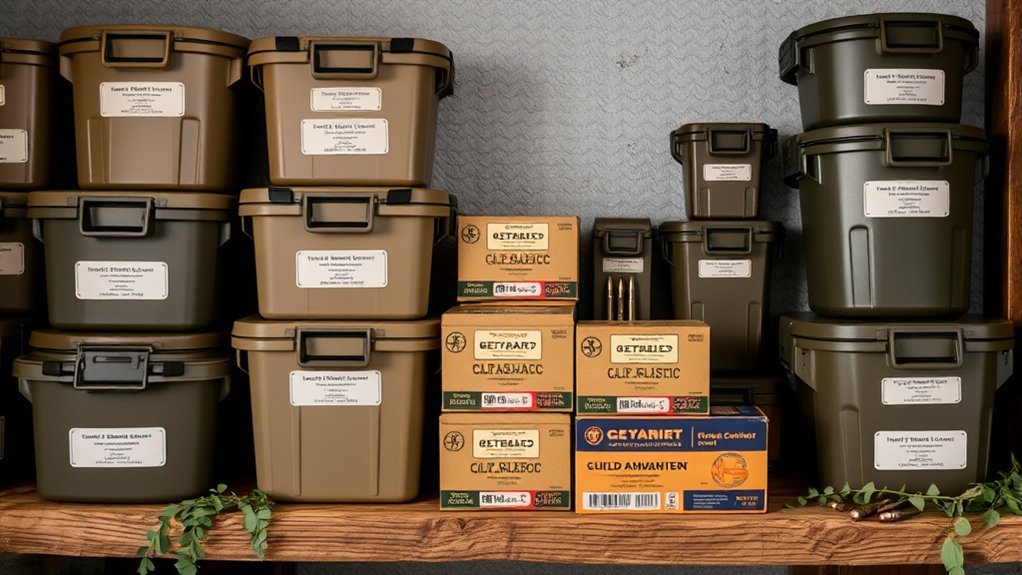
Maintaining the right conditions for ammunition storage is only part of the equation. The containers you choose will greatly impact the safety, organization, and longevity of your rounds. A good container protects ammunition from moisture, dust, impact, pests, and accidental spills.
Whenever possible, keep ammunition in its original factory boxes. Original packaging usually shows the caliber, bullet type, lot information, and other details that help you identify what you have. If you move loose boxes into a larger ammo can, keep those labels visible instead of dumping different rounds together.
Here are key factors to take into account when choosing containers:
- Material: Use durable, non-corrosive materials like polypropylene or clean metal ammo cans with intact interiors.
- Sealing: Look for airtight or gasketed seals to help prevent moisture ingress.
- Size: Choose containers that fit your ammo without excessive movement, crushing, or mixed loose rounds.
- Stackability: Opt for stackable designs for efficient storage, but avoid stacking containers so high that they become unstable.
- Labeling: Verify containers allow for easy labeling so you can identify contents quickly.
Metal ammo cans are strong and stack well, but they need clean seals and rust-free interiors. Plastic ammo boxes are lighter and often resist corrosion, but they should still close securely. For either option, add a desiccant pack if the container will stay closed for long periods.
Pro Tip: Label the outside of each container with caliber, bullet type, quantity, and purchase or storage date. This saves time and helps you rotate older ammunition first.
Tips for Organizing Your Ammunition Stock
Organizing your ammunition stock is essential for both safety and efficiency. Start by sorting your ammo by caliber and type. Keep rifle, handgun, shotgun, rimfire, defensive, hunting, and range ammunition in clearly separated groups. This helps you quickly identify what you need without opening every container.
Use labeled containers or shelves to keep everything tidy and easily accessible. Consider investing in a dedicated ammo cabinet, locking storage cabinet, or secured shelf system to improve organization and security. Your setup should reduce clutter while keeping ammunition out of reach of children and unauthorized users.
Always store your ammunition away from heat sources and moisture to preserve its integrity. Keep it off the floor when possible, especially in basements or garages. A shelf, cabinet, or raised platform helps protect boxes from water leaks, condensation, and pests.
Keep a log of your inventory, noting quantities, caliber, bullet type, brand, purchase date, and storage location. Ammunition does not usually carry an expiration date like food or medicine, so a purchase or storage date is more useful for rotation. Regularly rotate your ammo to guarantee older rounds are used first, preventing avoidable long-term storage issues.
A simple inventory system can include:
- Caliber or gauge: Record the exact marking on the box to avoid mix-ups.
- Purpose: Mark range, hunting, defensive, match, or training ammunition.
- Quantity: Count full boxes and partial boxes separately.
- Location: Note the cabinet, shelf, safe, or container where each group is stored.
- Inspection date: Track when you last checked each container.
Following these tips will help maintain a well-organized and safe ammunition stock. It also makes it easier to spot missing boxes, damaged packaging, or supplies that need attention.
Regular Maintenance and Inspection of Stored Ammo
To guarantee your stored ammunition remains safe and effective, regular maintenance and inspection are essential. You should set a schedule to check your ammo at least twice a year. If your storage area is humid, hot, or prone to leaks, inspect it more often.
Regular maintenance and inspection of your ammunition is crucial; check it at least twice a year for safety, organization, and long-term reliability.
During these inspections, focus on the following key areas:
- Visual checks: Look for any signs of corrosion, rust, dents, split cases, loose bullets, damaged primers, or water-stained boxes.
- Humidity control: Monitor humidity levels in your storage area; aim to keep it below 50% when possible.
- Temperature stability: Confirm your ammo remains in a consistent, cool temperature and is not exposed to direct heat.
- Rotation: Use the oldest ammunition first, replacing it with new stock to keep your supplies fresh.
- Proper sealing: Verify that containers are sealed tightly to protect against moisture, dust, and pests.
If you find ammunition with obvious corrosion, cracked cases, swollen packaging, loose bullets, or other damage, do not use it casually. Set it aside in a clearly marked container and contact a qualified range, local law enforcement office, or hazardous waste authority for guidance on safe disposal options in your area.
Regular attention to these details supports better performance when you need it most. It also keeps your storage area cleaner, safer, and easier to manage.
Common Storage Mistakes to Avoid
Even good ammunition can suffer when it is stored carelessly. Many problems come from small habits that seem harmless at first but create long-term risk.
- Leaving ammo in a vehicle: Cars and trucks can become extremely hot or damp, which makes them poor long-term storage spaces.
- Mixing loose rounds: Loose, mixed ammunition can lead to caliber confusion, damaged tips, and lost lot information.
- Using weak cardboard alone in damp areas: Factory boxes are helpful, but they need extra protection if the storage area has humidity issues.
- Storing near cleaning solvents: Oils, solvents, and chemical vapors can damage boxes and may affect cartridge components.
- Ignoring partial boxes: Opened boxes should be closed, labeled, and inspected so rounds do not spill or get mixed.
- Forgetting security: Good climate control does not replace secure storage away from children and unauthorized users.
Correcting these mistakes usually takes only a few minutes. Move ammunition into sealed containers, label everything, and choose a stable location that stays dry and secure.
Safe Disposal and When Not to Use Old Ammo
Old ammunition is not automatically unsafe, but damaged ammunition deserves caution. Do not fire rounds that look corroded, badly dented, cracked, swollen, oil-soaked, or water-damaged. Also avoid cartridges with loose bullets, pushed-in bullets, damaged primers, or unknown origin.
Do not throw questionable ammunition into household trash, burn it, cut it open, or try to take it apart. Disposal rules can vary, so use a safe local option. Many shooting ranges, police departments, sheriff’s offices, or household hazardous waste programs can tell you how to handle unwanted ammunition properly.
When in doubt, choose safety over saving a few rounds. Mark the container clearly, keep it secured, and ask a qualified local source for disposal guidance.
Conclusion
By following these guidelines, you can help your ammunition remain in peak condition for years to come. Think of your ammo as an investment that needs a stable environment, clear organization, and periodic attention. A cool, dry space, proper containers, careful labeling, and regular checks will help you avoid costly damage and reduce safety risks.
Keep every container secure, inspect your supply on a schedule, and avoid using any round that shows damage or corrosion. A little care now can pay off later through better reliability, easier inventory management, and safer storage for everyone in your home.

1 thought on “How to Store Ammo Safely Long Term”