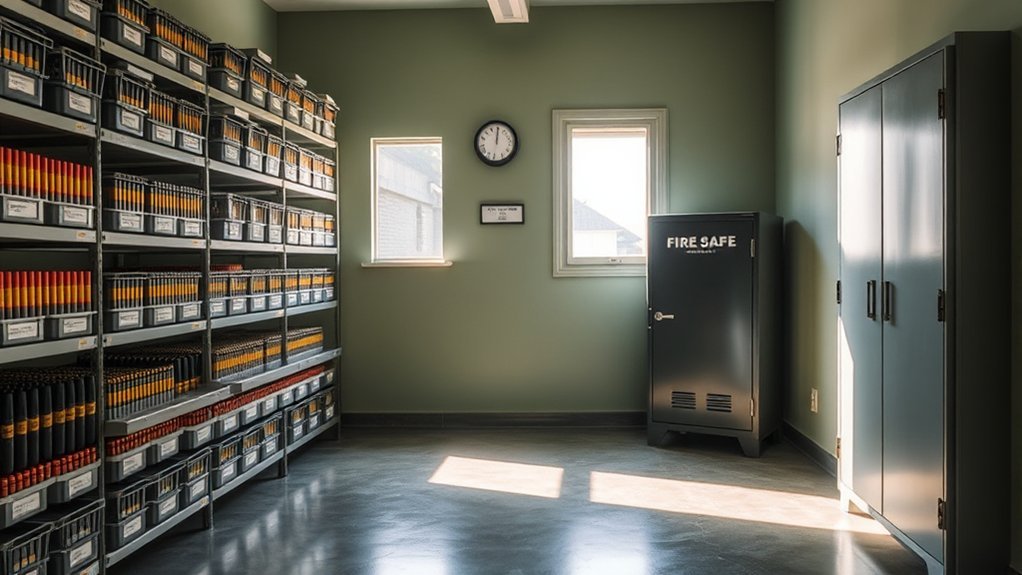
Storing ammunition safely starts with controlling heat, moisture, access, and regular inspection. Ammo lasts longer when you keep it in a cool, dry, stable location, away from direct sunlight, water, chemicals, and unauthorized handling. Good storage also helps you spot corrosion, dents, loose projectiles, or other warning signs before they create a safety risk.
Quick Answer
Store ammunition in a cool, dry, secure place with stable temperatures and low humidity. Use sturdy containers, add desiccants when needed, keep ammo away from heat and moisture, and inspect it regularly. Do not fire cartridges that show corrosion, dents, cracked casings, loose bullets, or water damage.
Key Takeaways
- Keep ammunition in a cool, dry, temperature-stable area instead of garages, attics, damp basements, or vehicles.
- Humidity control matters because excess moisture can corrode cases, primers, and metal storage containers.
- Use secure, labeled containers that limit moisture exposure and help prevent unauthorized access.
- Inspect ammunition before use and safely separate any rounds with rust, dents, cracked casings, or loose projectiles.
- Check federal, state, and local rules because storage limits and safe-storage requirements vary by location.
At a Glance
| Best Storage Location | Cool, dry, locked, stable indoor space |
| Main Risks | Heat, humidity, water exposure, corrosion, and unauthorized access |
| Useful Tools | Ammo can, locking cabinet or safe, hygrometer, silica gel, labels, and inventory sheet |
| Inspection Frequency | Check stored ammunition periodically and always inspect before use |
Ideal Temperature Ranges for Ammo Storage
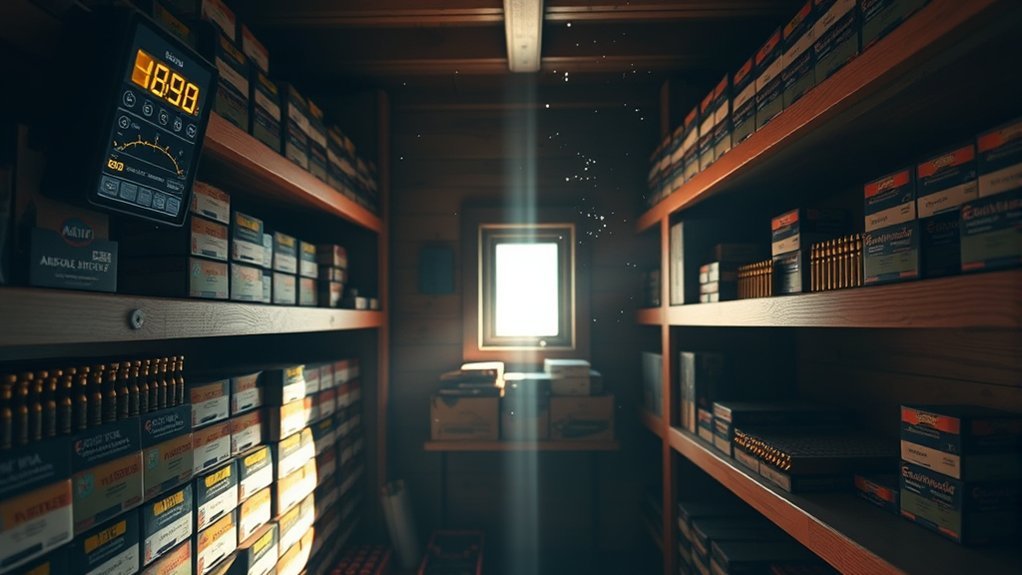
When it comes to storing ammunition, keeping an eye on temperature is essential for maintaining its condition. Ideally, you should store ammo in a cool, dry place with steady indoor temperatures. Many owners aim for a comfortable room-temperature range, often around 60°F to 75°F, because stability matters more than chasing one exact number.
Extreme temperatures can speed up deterioration. High heat may damage propellant over time, while repeated hot-and-cold swings can create condensation and increase the risk of corrosion. Avoid storage areas with direct sunlight, poor ventilation, or large temperature swings, such as vehicles, attics, sheds, and garages. If you plan on long-term storage, use a temperature-controlled space and check it regularly. Note: Industry guidance emphasizes “cool, dry” storage and avoiding prolonged exposure to high heat or humidity rather than prescribing a single national storage temperature standard (SAAMI, 2018).
Note: A stable environment is better than a storage spot that is cool one day and hot the next. Temperature swings can create moisture problems even when the average temperature seems acceptable.
The Impact of Humidity on Ammunition
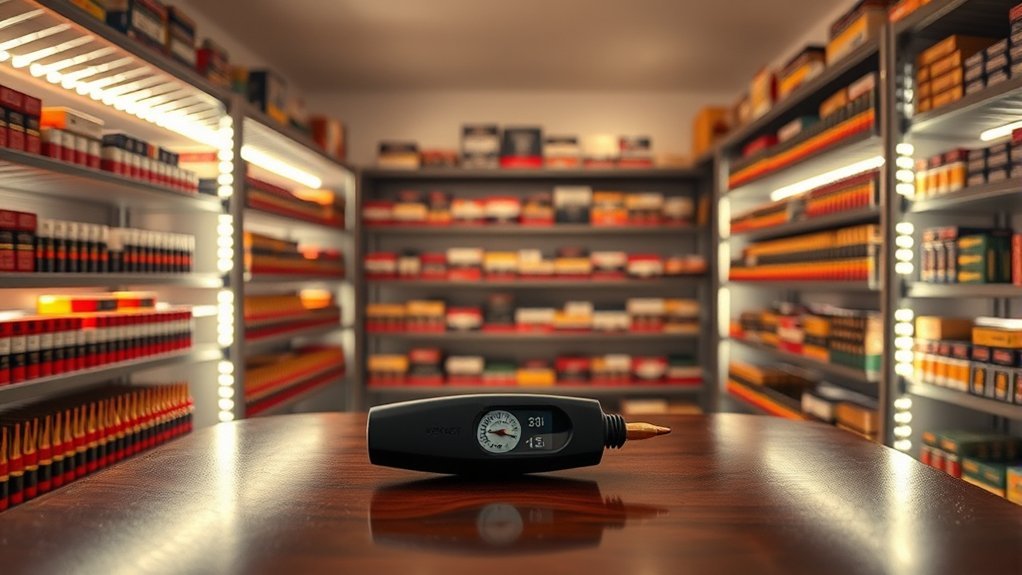
Humidity plays an essential role in the long-term storage of ammunition because excessive moisture can lead to corrosion and deterioration. When humidity stays high, the risk of rust on metal components increases. Corrosion can weaken cartridge cases, damage primers, and affect reliability.
High humidity can also harm cardboard packaging, labels, and metal cans. In poor conditions, powder or primer components may be exposed to moisture, which can affect performance and safety. To protect your ammo, use desiccants in storage containers, keep containers closed, and avoid placing them directly on damp floors. Regularly check your storage conditions and keep humidity controlled whenever possible. For general safety context, the industry notes that extended exposure to high humidity may damage ammunition (SAAMI, 2018).
Best Practices for Safe Ammo Storage
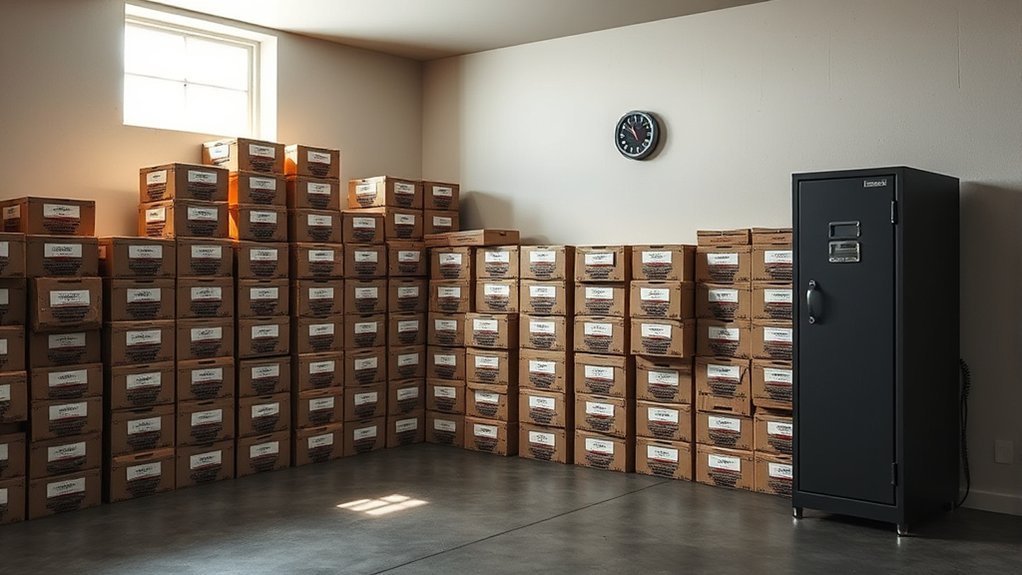
When it comes to safe ammo storage, focus on three things: stable conditions, moisture control, and secure access. Using secure storage containers helps protect your ammunition from environmental factors while also helping prevent unauthorized handling. The best setup keeps ammo dry, organized, labeled, and separated from anything that could damage it.
Optimal Temperature Ranges
To help your ammunition remain reliable and safe, store it in a consistent environment. A typical indoor room-temperature range is usually better than an outdoor shed or vehicle. Extreme temperatures can cause deterioration over time, especially when ammo sits near heat sources or goes through repeated temperature swings.
Avoid placing your ammo near heaters, radiators, hot appliances, direct sunlight, or exterior walls that collect moisture. Excessive heat can damage components, while cold-to-warm movement can create condensation on metal parts. If you’re storing ammo long-term, consider a climate-controlled space to maintain stability. Regularly check the storage conditions and make sure sudden changes do not become routine. Following these guidelines helps preserve your ammunition’s integrity for reliable use. For manufacturer context on “cool, dry” storage and avoiding fluctuations, see Winchester (2022).
Humidity Control Techniques
Although you may not think about it often, controlling humidity is essential for safe ammo storage. High humidity can lead to corrosion, rust, and mold, all of which can compromise your ammunition’s condition. To maintain ideal humidity levels, use silica gel packs or other desiccants inside sealed containers.
A small hygrometer can help you monitor conditions instead of guessing. If you live in a damp climate, consider using a dehumidifier in the storage room. Also avoid moisture sources like laundry rooms, bathrooms, unfinished basements, and areas with plumbing leaks. Store ammo off concrete floors when possible, and keep containers closed after each use. By using these techniques, you’ll help keep your ammunition dry, organized, and easier to inspect.
Pro Tip: Recharge or replace desiccant packs as directed by the manufacturer. A saturated desiccant pack can stop helping, especially in a damp storage area.
Secure Storage Containers
A secure storage container is essential for protecting your ammunition from environmental factors and unauthorized access. Choose a container made from durable, weather-resistant materials to shield your ammo from moisture and temperature fluctuations. Look for options with locking mechanisms so only authorized adults can access your supplies.
Consider a fire-resistant safe or locking cabinet if you need stronger physical security. Label your container clearly for easy identification, but avoid leaving it in plain view. Store it in a cool, dry location, away from cleaning chemicals, solvents, fuel, open flames, or other hazards. Keep an organized inventory so you know what you have, when you bought it, and which boxes should be used first. Regular checks help you catch corrosion or damage before it becomes a bigger issue.
Choosing the Right Storage Containers
When it comes to storing ammo, selecting the right containers is essential for maintaining safety and accessibility. Look for containers that are sturdy, moisture-resistant, and resistant to corrosion. Plastic ammo boxes are popular because they are light and affordable, while metal cans offer extra durability when they are clean, dry, and properly sealed.
Here’s a quick comparison of different storage options:
| Container Type | Pros | Cons |
|---|---|---|
| Plastic Boxes | Lightweight, Affordable | Less durable over time |
| Metal Cans | Highly durable, Secure | Heavier, More expensive |
| Wooden Crates | Aesthetic, Customizable | Less moisture-resistant |
| Ammo Cans | Military-grade, Waterproof | Bulkier, Limited sizes |
Choose based on your needs, ensuring that your ammo stays protected and easy to access when required. For long-term storage, prioritize a good seal, sturdy latches, clear labeling, and enough space to keep boxes organized without crushing them. If a container already has rust, cracks, broken seals, or trapped moisture, replace it or use it only for non-ammunition items.
Signs of Degraded Ammunition
When it comes to ammunition, spotting signs of degradation is essential for safety and performance. Look for visual indicators like corrosion, dents, discoloration, cracked casings, or loose projectiles. You should also pay attention to packaging damage, water exposure, strange odors, and cartridges that look different from the rest of the box.
Visual Inspection Indicators
Although ammunition can last for years if stored properly, visual inspection is essential for identifying signs of degradation. Regular checks can help ensure your ammo remains safe to handle and easier to sort. Look for the following indicators during your inspections:
| Indicator | Description | Action Needed |
|---|---|---|
| Rust or Corrosion | Brown or reddish spots on casings | Dispose or replace |
| Bulging or Dents | Irregular shapes on cartridges | Discard immediately |
| Cracked Casings | Visible cracks on the casing | Discard immediately |
| Faded or Blurred Markings | Illegible labels or data | Replace with new ammo |
| Loose Projectiles | Movement of the bullet in casing | Dispose or replace |
Keep an eye out for these signs to maintain your ammunition’s integrity. If one cartridge in a box shows damage, inspect the rest of the box carefully because the same storage conditions may have affected nearby rounds.
Warning: Do not attempt to fire ammunition that looks damaged, corroded, swollen, cracked, waterlogged, or otherwise questionable. Separate it safely and ask a qualified range officer, gunsmith, local law enforcement office, or hazardous-waste authority about proper disposal options in your area.
Performance Testing Results
After conducting visual inspections, think carefully about performance concerns. Test firing questionable ammunition is not a safe way to “check” damaged rounds. Instead, only use ammunition that passes a visual inspection and has been stored under proper conditions. If you notice misfires, hangfires, unusual recoil, strange sounds, excessive smoke, or inconsistent accuracy while using otherwise normal ammunition, stop and follow safe firearm-handling procedures.
Also check for corrosion or damage to the casing, as that can affect performance. Always prioritize safety; if your ammo shows any signs of degradation, it’s best to dispose of it properly. If ammunition has been submerged, follow industry guidance and do not attempt to fire it (SAAMI, 2022 advisory index). Careful inspection and conservative decision-making help reduce risk and keep your ammunition supply more reliable.
Legal Considerations for Ammo Storage
Understanding the legal landscape surrounding ammo storage is vital for any firearm owner. Laws vary by state and local jurisdiction, so you need to familiarize yourself with regulations in your area. Some states or cities may require secure storage, restrict certain storage locations, or set rules for storing ammunition separately from firearms.
It’s also important to know age restrictions for purchasing and possessing ammunition, as these laws can differ. Additionally, consider any federal or local rules that may apply, especially if you’re transporting or storing larger quantities. For general safe-storage guidance, see the U.S. ATF safe storage page. As an example of local rules, New York City’s Fire Code limits combined storage of small arms ammunition and primers to 200 units in certain one- and two-family residences (NYC Admin. Code § 5606.2.4). Violating applicable laws can lead to severe penalties, including fines or imprisonment. Always stay informed about changes in legislation to keep your ammo storage practices compliant and safe.
Safe Organization and Inventory Tips
Good organization makes ammo storage safer and easier to manage. Keep ammunition in its original packaging when possible because the box usually shows the caliber, cartridge type, manufacturer, lot information, and other useful details. If you move ammo into another container, label it clearly so you do not mix calibers or lose important information.
Use a simple first-in, first-out system so older ammunition gets used before newer boxes, assuming it remains in good condition. Keep different calibers separated, and avoid dumping loose rounds from different boxes into one container. Mixed ammunition can create confusion, especially if two cartridges look similar but are not interchangeable.
An inventory sheet can also help. Record the caliber, quantity, brand, purchase date, storage location, and inspection notes. This makes it easier to notice missing items, track older stock, and identify boxes that may have been exposed to poor conditions.
Where Not to Store Ammunition
Some storage locations create more risk than protection. Avoid storing ammunition in vehicles for long periods because temperature swings can be extreme. Garages, sheds, and attics can also expose ammo to heat, cold, humidity, pests, and dust. Damp basements and laundry rooms can increase corrosion risk, especially when containers sit near concrete floors or water lines.
You should also keep ammunition away from solvents, oils, fuel, harsh cleaning products, and open flames. These materials can damage packaging, affect containers, or create additional hazards during a fire. A locked indoor cabinet, safe, or dry closet usually gives you better control over security and the environment.
Safe Disposal of Questionable Ammunition
If you find ammunition that is damaged, corroded, waterlogged, or unsafe, do not throw it loosely into household trash and do not attempt to take it apart. Keep it separated from usable ammunition and place it in a secure container until you can get local guidance.
Disposal options vary by area. Many shooting ranges, law enforcement agencies, hazardous-waste programs, or local waste authorities can tell you how to handle old or damaged rounds safely. Call ahead before bringing ammunition anywhere, since not every location accepts it. Clear communication helps avoid unsafe transport or confusion at the drop-off point.
Conclusion
To summarize, keeping your ammunition stored properly is like safeguarding a prized possession; you wouldn’t leave a valuable item exposed to the elements. By maintaining a cool, dry, stable storage area, using durable containers, controlling humidity, and regularly checking for signs of degradation, you help keep your ammo reliable and safer to handle.
Security and legal compliance matter just as much as temperature and humidity. Store ammunition where unauthorized people cannot access it, label everything clearly, and stay updated on legal regulations in your area. With these practices, you can manage your ammunition responsibly while prioritizing safety.
Sources
- SAAMI Ammunition Storage Guidance — supports cool, dry storage and avoiding high heat or humidity.
- SAAMI Publications and Advisories — supports safety guidance for damaged or water-exposed ammunition.
- ATF Safe Storage — supports general firearm and ammunition safe-storage context.
- NYC Admin. Code § 5606.2.4 — supports the local-rule example for ammunition and primer storage limits.
- Winchester Ammunition Guidance — supports manufacturer context for storing ammunition in cool, dry conditions.
