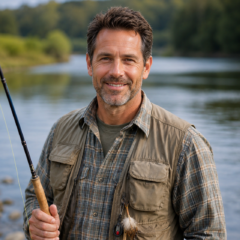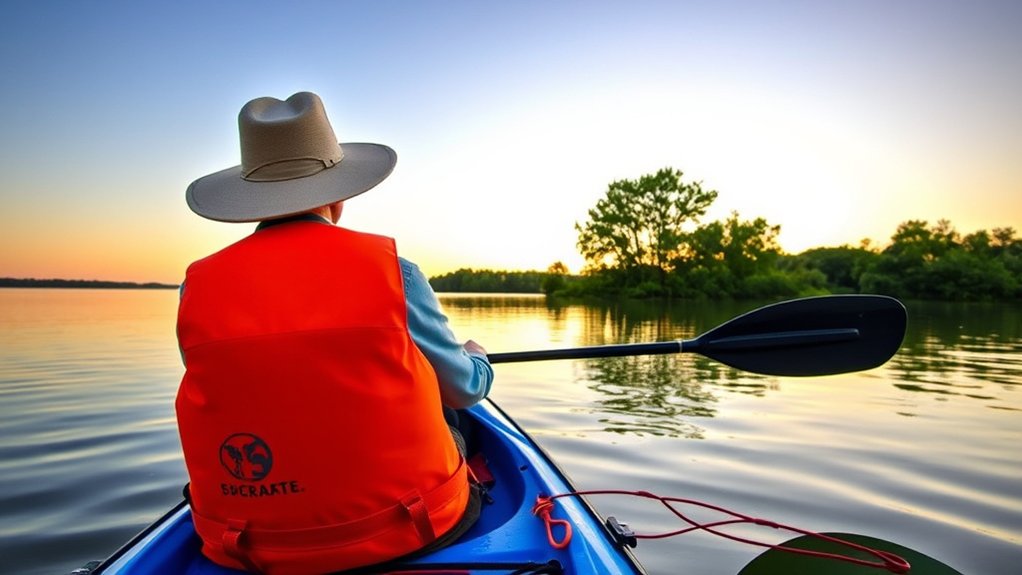
Kayak fishing can feel calm and simple from shore, but safety decisions start before your kayak touches the water. You need a stable boat, a properly fitted life jacket, simple emergency gear, and a clear plan for weather, wind, tides, cold water, and self-rescue. With the right setup, you can focus on fishing while staying ready for changing conditions.
Quick Answer
To stay safe while kayak fishing, choose a stable fishing kayak, wear a properly fitted PFD, carry signaling and rescue gear, check weather and water conditions, tell someone your float plan, and practice re-entering your kayak before you need that skill in an emergency.
Key Takeaways
- Wear your PFD the whole time, not just when conditions look rough.
- Choose a kayak that matches your water type, body size, gear load, and fishing style.
- Check wind, waves, tides, current, water temperature, and boat traffic before launching.
- Carry a whistle, light, knife, bilge pump, first aid kit, and waterproof communication device.
- Practice capsize recovery in calm water so you can respond faster under stress.
At a Glance
| Time Required | 15 to 30 minutes for pre-launch checks, plus practice time for self-rescue |
| Difficulty | Beginner to intermediate, depending on wind, current, waves, and water temperature |
| Tools Needed | PFD, paddle leash, whistle, light, first aid kit, knife, bilge pump, dry bag, phone or VHF radio, weather app, map, compass or GPS |
| Cost | Varies by gear, but safety essentials should be part of every kayak fishing setup |
The Right Boat
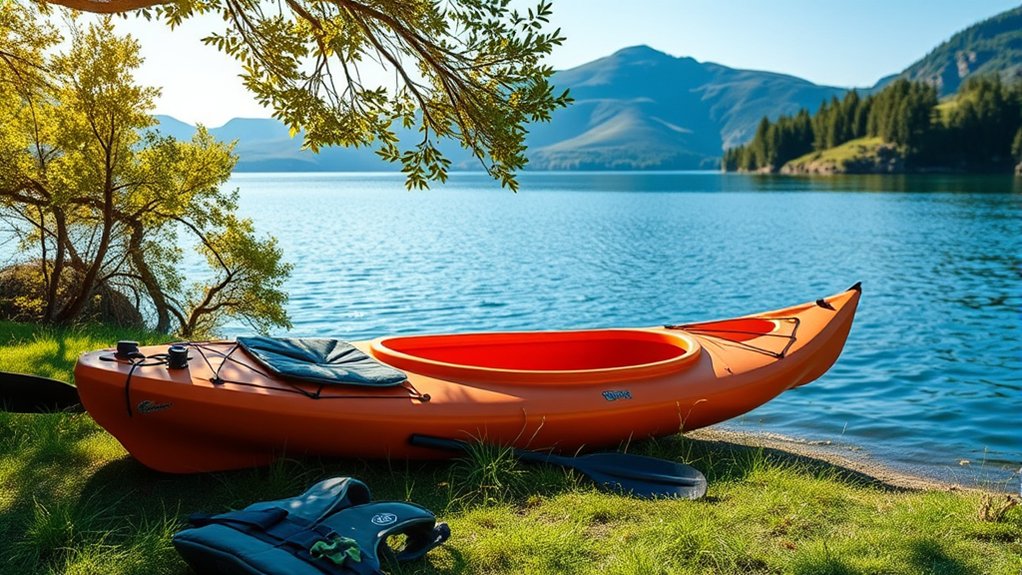
When you’re gearing up for a day of kayak fishing, choosing the right boat is essential for your safety and success on the water. The right kayak should feel stable, track well, carry your gear without feeling overloaded, and match the conditions you plan to fish.
For saltwater fishing, aim for a kayak that’s at least 11 feet long; 12 to 14 feet is ideal for many anglers who need better glide, tracking, and efficiency against wind and current. Shorter kayaks can work well on small ponds, protected creeks, and calm lakes, but they may feel harder to control in open water.
Consider sit-on-top kayaks, which are self-bailing and practical for open water because water can drain through scupper holes. In contrast, sit-inside kayaks do not offer the same easy drainage and can be harder to recover after a capsize, especially for beginners in rough or cold water.
A stable kayak is not just about width. Hull shape, seat height, load balance, and water conditions all affect how safe and controlled the boat feels.
Longer kayaks are generally more efficient for paddling, allowing you to return to shore more easily in emergencies. Also, focus on hull design, as it plays a vital role in steering through waves and rough conditions.
Look for models designed for stability and storage, like the Feelfree Sit-On-Top Fishing Kayaks, which offer space for your gear while keeping you secure on the water. Before you buy or launch, check the kayak’s weight capacity and remember that the limit includes you, your fishing tackle, water, cooler, anchor, battery, and any added accessories.
Note: A high seat feels comfortable for fishing, but it can raise your center of gravity. Lower the seat in wind, chop, current, or any situation where stability matters more than casting height.
Essential Gear
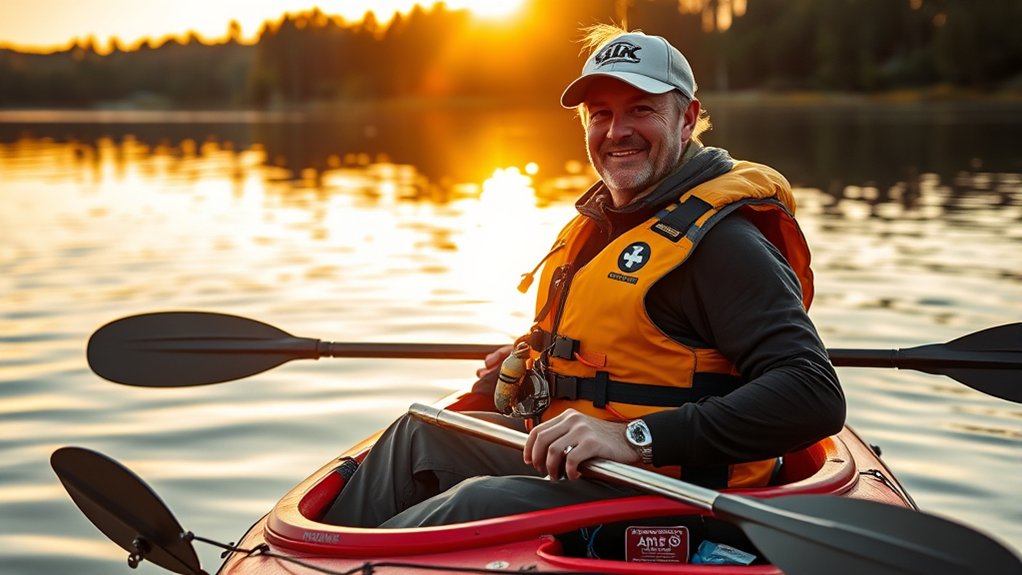
Having the right gear can make all the difference in your kayak fishing experience. A Personal Flotation Device (PFD) is vital; choose a comfortable, properly fitted model you can wear all day. Many kayak anglers prefer a Type III or Type V paddling-style PFD because it allows easier arm movement while paddling and casting.
Don’t store your PFD behind the seat or under bungees. Wear it from launch to landing. A PFD only helps when it is on your body, zipped or buckled correctly, and sized for your weight and chest measurement.
Don’t forget essential safety items like a whistle, first aid kit, knife, and a handheld VHF radio for emergency communication. A waterproof phone pouch can help on small lakes and protected water, but a VHF radio is the stronger choice for coastal areas where cell service can fail.
Dress appropriately for water conditions with a dry suit or stocking foot waders, especially in colder climates to reduce the risk of cold shock and hypothermia. Dress for the water temperature, not just the air temperature, because a sunny day can still be dangerous if the water is cold.
Warning: Cold water can disable you quickly. If the water is cold enough that an accidental swim would be dangerous, wear immersion protection and stay close enough to shore to recover safely.
You’ll also need a bilge pump to remove any water that enters your kayak and a visible light or flares for signaling in low visibility. If you fish near dawn, dusk, fog, bridges, marinas, or boat channels, carry a white light that other boaters can see.
Finally, keep your fishing gear organized and accessible with a well-stocked tackle storage solution, like a Feelfree crate bag. Use leashes or clips for items you cannot afford to lose, including your paddle, pliers, landing net, and emergency tools.
With this vital gear, you’ll be well-prepared for a safe and enjoyable kayak fishing adventure.
Pre-Launch Safety Check
Before you launch, take a few minutes to check your kayak, gear, and plan. These simple steps can prevent small problems from turning into emergencies once you are away from shore.
- Inspect the kayak: Check the hull, scupper plugs, hatch covers, seat, rudder, pedal drive, and drain plug.
- Secure loose gear: Keep heavy gear low and centered so the kayak does not feel top-heavy.
- Check your paddle: Make sure it is the right length and attach a paddle leash if conditions allow safe use.
- Test communication: Confirm your phone, radio, or emergency device is charged and protected from water.
- Share a float plan: Tell someone where you are launching, where you plan to fish, and when you expect to return.
- Know your exit points: Identify safe beaches, ramps, docks, or protected coves before you need them.
Pro Tip: Take a photo of your launch spot, parking area, and water conditions before you leave shore. It gives you a visual reference if fog, wind, or darkness makes the return confusing.
Knowledge Is Safety
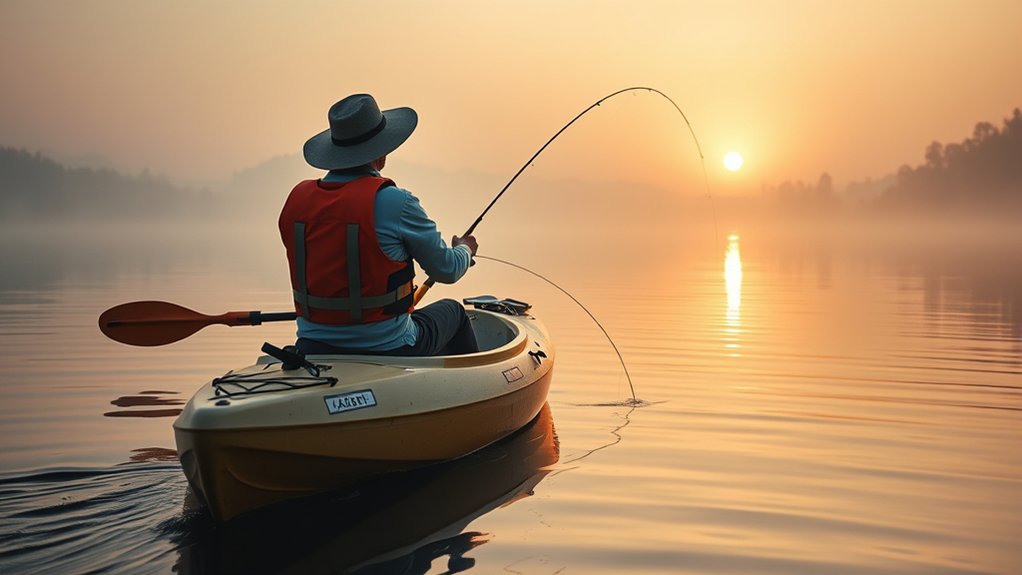
Knowledge is essential for ensuring safety while kayak fishing, so understanding your surroundings can make a significant difference in your experience. Here are some key points to keep in mind:
Knowledge is crucial for safe kayak fishing; being aware of your surroundings greatly enhances your experience.
- Familiarize yourself with fishing spots during daylight to navigate safely at night.
- Understand tidal and wind conditions, as wind against tide can create dangerous situations.
- Utilize multiple weather forecast sources like NOAA and buoy reports to stay updated on changing conditions.
- Always have a backup plan for adverse weather or unfavorable conditions when exploring new areas.
Pay close attention to wind speed and direction. A light breeze at launch can become a long, exhausting paddle if it pushes you offshore or against current. When possible, start by paddling into the wind so your return trip is easier.
Also watch for boat traffic, narrow channels, submerged timber, strainers, low-head dams, surf zones, and fast-moving current. Fish often hold near structure, but those same areas can create hazards for a kayak.
Weather, Tides, and Water Conditions
Weather can change faster than your fishing plan. Check the forecast before leaving home, then check again at the launch. Look for wind, gusts, storms, fog, temperature swings, tide stage, current strength, wave height, and small craft advisories.
On tidal water, plan around both the tide and the current. Wind against tide can create steep, confused chop that feels much rougher in a kayak than it looks from shore. If you are new to an area, fish protected water first and avoid long open crossings.
Lightning is a serious risk on open water. If you hear thunder, see dark building clouds, or notice the wind shifting fast, stop fishing and move toward the safest landing area before the storm reaches you.
Anchoring and Positioning Safely
An anchor can help you hold a fishing spot, but it can also create danger if you use it in current, surf, or heavy boat wake. Anchor only when you understand the bottom, current, and wind direction. Keep the anchor line organized so it cannot wrap around your feet, rods, or rudder.
Use a quick-release system if you anchor in moving water. That lets you detach fast if current, waves, or boat traffic puts tension on the line. Never tie an anchor line across your body, and avoid anchoring from the side because it can pull the kayak sideways and increase your capsize risk.
If conditions feel unstable, skip the anchor and use safer positioning tools such as controlled drifting, shallow-water stakeout poles, or short casts from protected edges.
When Things Go Wrong
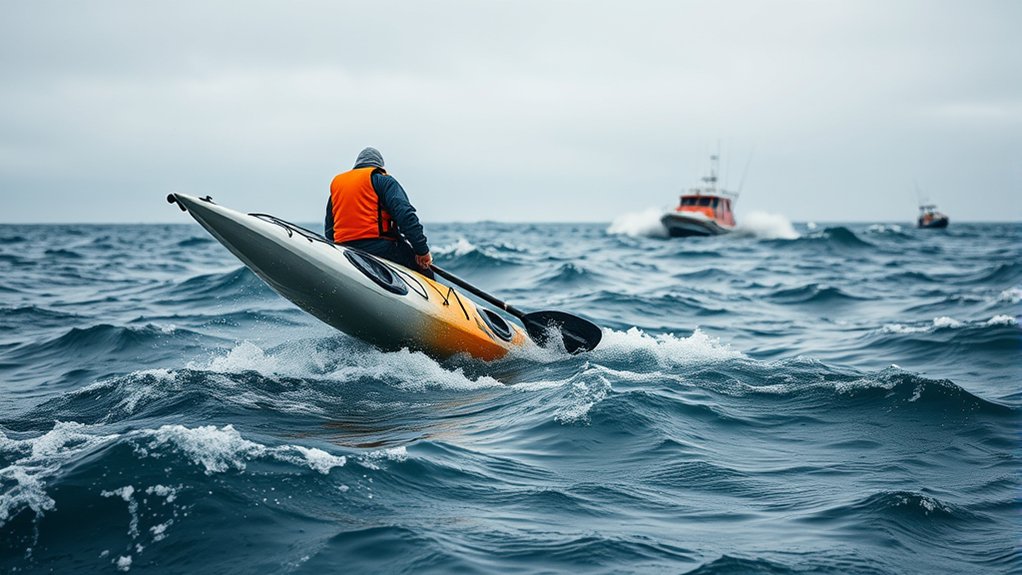
Even the best-laid plans can go awry while kayak fishing, so it’s essential to be prepared for unexpected situations. If you capsize, staying calm is imperative.
Practice self-rescue techniques regularly; knowing how to re-enter your kayak can make all the difference. Familiarize yourself with methods like positioning on the side and lifting yourself back in. Do this in calm waters first to build your confidence.
Secure your paddle to the kayak when you capsize, as it’s critical for maneuvering back to safety. If you’re out with a partner, their assistance can be invaluable. They can stabilize your kayak while you climb back in, making the process smoother and safer.
If you fall out, stay with the kayak unless it is unsafe to do so. Your kayak is easier for rescuers to see than a person in the water, and it gives you flotation while you recover. If your kayak has drifted away, keep your PFD on, conserve energy, signal for help, and move toward the safest reachable shore only when conditions allow.
Handling Unexpected Situations
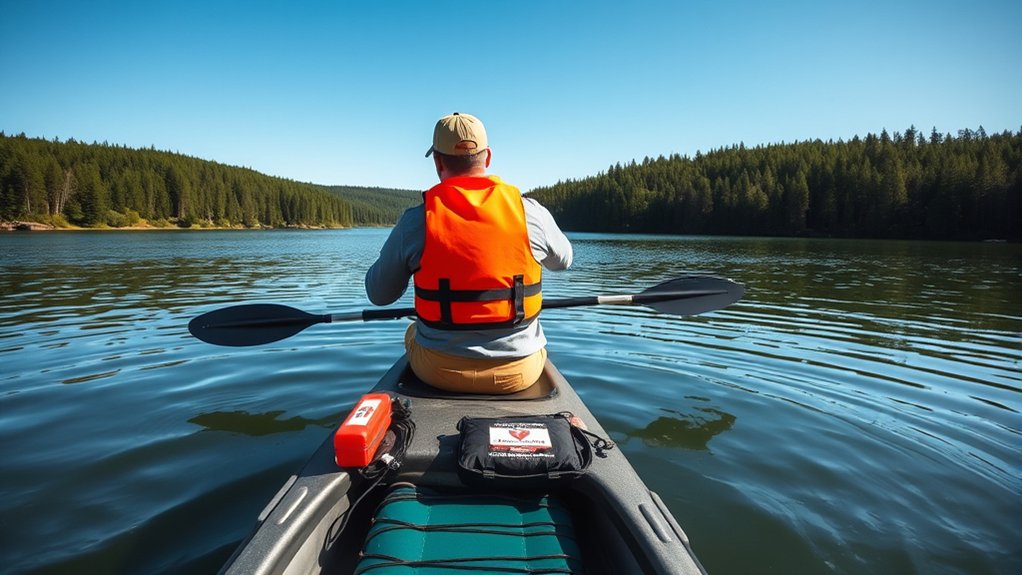
When you find yourself facing unexpected situations while kayak fishing, staying calm and focused is key. Here are some practical steps to handle challenging conditions effectively:
- Navigate with waves: Either maneuver with or directly into the waves to minimize the risk of flipping your kayak.
- Choose a longer route: If conditions are severe, opting for a longer route back to shore could be safer than a direct path.
- Lower your seat position: Enhancing stability in choppy waters can help you maintain control.
- Keep a low center of gravity: Avoid standing up while paddling in difficult conditions to prevent capsizing.
Additionally, utilize navigation tools like compasses or GPS devices to track your position accurately.
This way, you can avoid disorientation and safely return to shore.
If fog or darkness reduces visibility, slow down, use your light, listen for boat traffic, and avoid crossing busy channels. If you become tired, stop fishing early. Fatigue makes basic decisions harder and can turn a normal paddle home into a risky situation.
Safe Fishing Habits on the Kayak
Fishing adds movement, hooks, lines, and distractions to an already small boat. Keep your setup simple and place the items you use most within easy reach. Reaching too far behind you or leaning over the side can shift your balance quickly.
- Cast with control: Watch for rods, hooks, anchor lines, and gear behind you before casting.
- Land fish carefully: Keep your rod angle low and bring the fish beside the kayak instead of leaning far forward.
- Use tools: Pliers, fish grips, and a rubberized net can reduce awkward movements.
- Handle hooks safely: Keep a small first aid kit ready for cuts, punctures, and embedded hooks.
- Limit clutter: Too much gear increases snag points and makes rescue harder after a capsize.
If you stand to cast, do it only on calm water in a kayak designed for standing. Keep your feet centered, avoid sudden turns, and sit down before handling waves, wakes, or boat traffic.
Frequently Asked Questions
What Type of Fishing Gear Is Best for Kayak Fishing?
For kayak fishing, lightweight rods, reels with smooth drag systems, and versatile tackle are best. Don’t forget a waterproof tackle box, a comfortable seat, and a stable kayak to guarantee a successful and enjoyable experience. Keep your setup simple, secure loose gear, and use rod leashes or floats for items you do not want to lose.
How Do I Choose the Right Kayak for Fishing?
To choose the right kayak for fishing, consider stability, storage capacity, comfort, weight capacity, and the water you plan to fish. Look for features like rod holders, a spacious cockpit, manageable weight, and a hull that feels stable when loaded with your full fishing setup.
Can I Fish Alone in a Kayak Safely?
Yes, you can fish alone in a kayak safely, but it requires preparation. Balancing solitude with caution, guarantee you’ve got the right gear, weather knowledge, and a plan to handle emergencies. Tell someone your launch point, route, and return time, and avoid pushing into conditions beyond your skill level.
What Are the Best Fishing Spots Accessible by Kayak?
You’ll find great fishing spots in local lakes, rivers, and coastal areas. Look for warm shallows, rocky outcrops, weed edges, current seams, submerged structures, marshes, and estuaries. Choose spots with safe launch access, manageable wind exposure, and clear exit points.
How Do I Transport My Kayak to the Water?
“Where there’s a will, there’s a way.” To transport your kayak, use a roof rack, truck bed extender, kayak trailer, or foam block system rated for your boat. Secure it tightly, check for stability, and don’t forget to use bow and stern tie-down straps for extra safety on your journey.
What Should I Do If My Kayak Flips While Fishing?
Stay calm, keep your PFD on, hold onto the kayak if you can, and recover your paddle. Flip the kayak upright, position yourself near the seat, kick your legs, pull your chest across the seat area, then rotate your body back into position. Practice this in calm water before fishing alone.
Is Kayak Fishing Safe in Windy Conditions?
Kayak fishing can be safe in light wind if you understand your limits, but strong wind can push you offshore, make paddling exhausting, and create rough water. Start close to shore, paddle into the wind first, avoid open crossings, and turn back early if conditions worsen.
Sources
- U.S. Coast Guard Boating Safety — life jacket, signaling, and recreational boating safety guidance
- NOAA National Weather Service Marine Forecasts — marine weather, wind, waves, and advisory planning
- NOAA Tides and Currents — tide, current, and coastal water condition planning
- Ready.gov Emergency Kit Guidance — emergency preparation basics for outdoor safety kits
Conclusion
As you glide across the shimmering water, the sun warming your back, remember that safety is your best companion. With the right boat beneath you and essential gear at hand, you can embrace the thrill of kayak fishing without worry.
Stay alert to the ever-changing skies, check wind and water before you launch, and don’t shy away from practicing self-rescue techniques. By preparing for the unexpected, you’ll navigate both calm and rough waters with confidence, turning each outing into a memorable adventure.