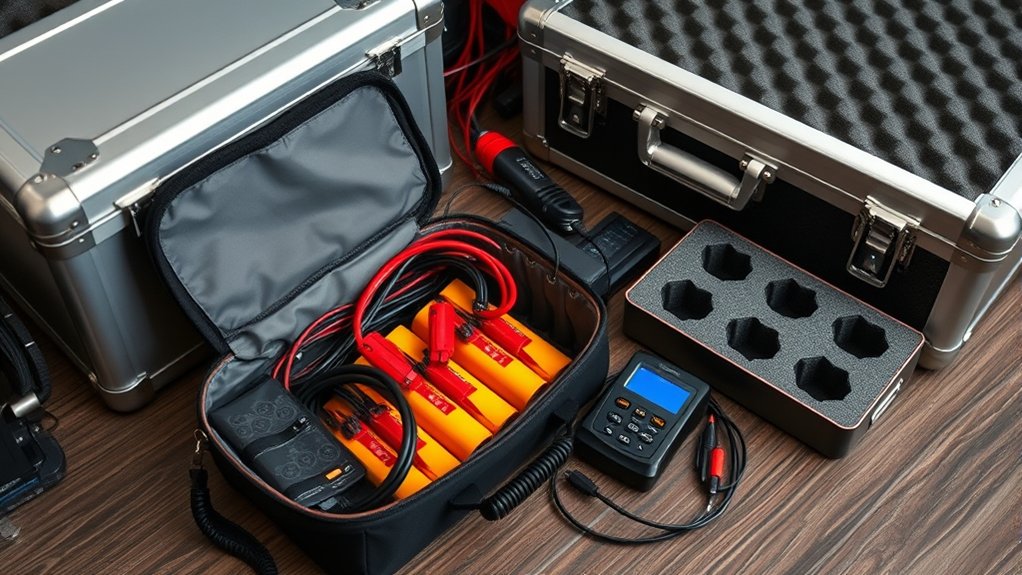
Imagine charging your FPV LiPo battery in a quiet garage when, suddenly, it overheats because of improper setup or damaged cells. That kind of failure can turn dangerous quickly, which is why FPV LiPo battery safety matters every time you charge, store, carry, or fly with a pack. With the right charger, safe storage habits, careful inspection, and a clear emergency plan, you can reduce fire risk and protect your gear, home, vehicle, and flying area.
Quick Answer
FPV LiPo batteries are safest when you charge them with a balance charger, use the correct charge rate, never leave them unattended, store them near 3.8V per cell, protect the terminals during travel, and retire packs that are swollen, damaged, hot, or showing poor cell balance.
Key Takeaways
- Use only a LiPo-compatible balance charger and choose the correct cell count, battery chemistry, and charge rate before charging.
- Charge LiPo packs on a nonflammable surface, away from paper, carpet, fuel, curtains, wood shavings, and other flammable materials.
- Store batteries at about 3.8V per cell in a cool, dry, fire-resistant container or LiPo-safe bag.
- Inspect packs before and after flights. Stop using any battery that is swollen, punctured, leaking, unusually hot, or badly unbalanced.
- When traveling, protect the terminals, carry batteries in protective cases, and check airline rules before flying with them.
At a Glance
| Main Risk | Overcharging, short-circuiting, physical damage, overheating, and deep discharge |
| Charging Setup | Balance charger, correct settings, fire-resistant surface, and active supervision |
| Storage Target | About 3.8V per cell in a cool, dry, fire-resistant location |
| Retire a Battery If | It is swollen, punctured, leaking, crushed, very hot, badly unbalanced, or no longer performs normally |
Importance of LiPo Battery Safety
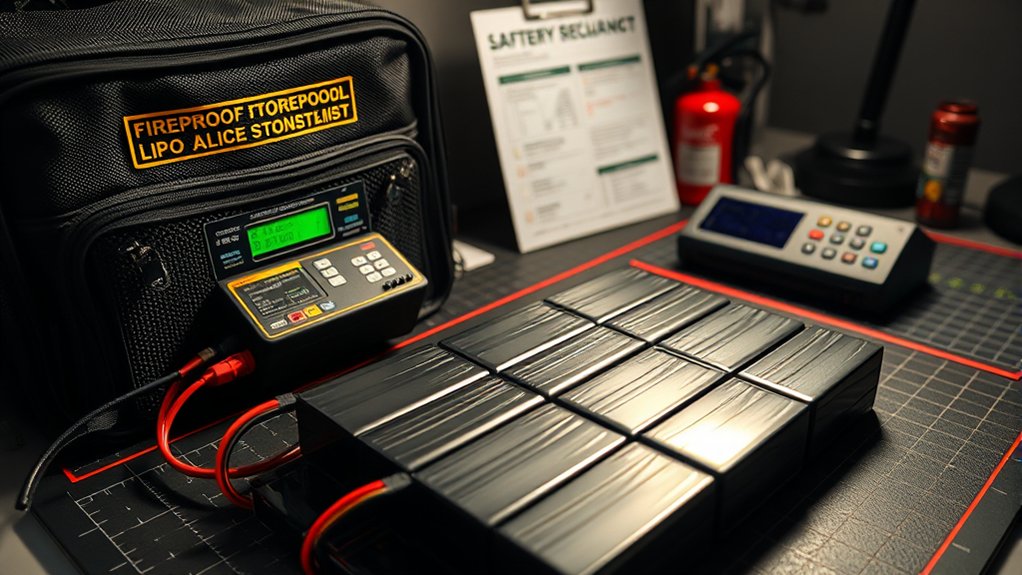
When you handle LiPo batteries, safety must come before convenience. FPV pilots use LiPo packs because they deliver strong power in a compact size, but that high energy density also means poor handling can create serious hazards. Overcharging, over-discharging, physical damage, incorrect charger settings, and short-circuits are common causes of LiPo battery failure.
A damaged or abused LiPo battery can overheat, vent gas, smoke, ignite, or enter thermal runaway. Once that process starts, it can spread fast and become hard to control. That is why you should treat every pack as a high-energy component rather than a simple accessory.
To reduce risk, charge batteries in a designated area away from flammable materials. Use a quality balance charger, confirm your settings before every charge, and use a LiPo-safe bag or fire-resistant charging container. Regularly check cell voltage, cell balance, internal resistance, heat, swelling, connector condition, and physical damage. These simple habits help you spot battery problems before they become dangerous.
Warning: Never ignore puffing, smoke, a sweet chemical smell, heat during storage, damaged wiring, punctures, crushed corners, or melted connectors. Stop using that pack and move it to a safe fire-resistant area.
Safe Charging Practices
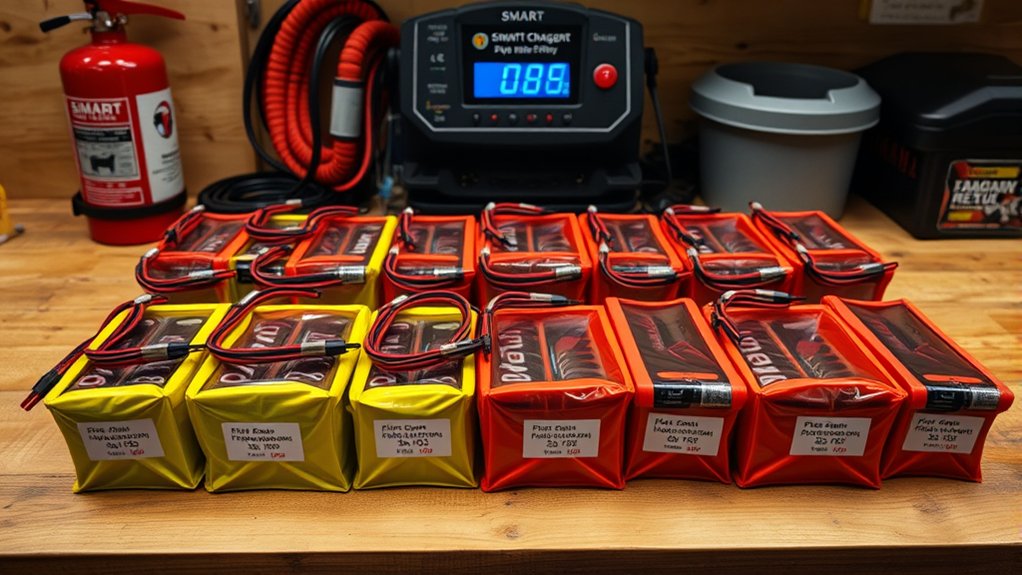
To charge LiPo batteries safely, use a LiPo-safe charger, ideally a balance charger that monitors each cell in the pack. Balance charging helps keep the cells at similar voltages and reduces the chance of one cell becoming overcharged while the rest of the pack looks normal.
Before charging, select the correct battery chemistry, cell count, charge current, and mode. A wrong setting can damage the pack or increase fire risk. For most standard charging, use a rate of 1C or lower unless the battery manufacturer clearly supports a higher charge rate. For example, a 1300mAh battery charged at 1C should not exceed 1.3A.
Never leave LiPo batteries unattended while charging. Stay close enough to unplug the charger, move the battery, or respond quickly if the pack swells, smokes, clicks, hisses, smells unusual, or becomes hot. Charge on concrete, tile, metal, ceramic, or another nonflammable surface. Avoid carpet, beds, cardboard boxes, wood tables, paper clutter, and enclosed cabinets.
Use a fire-resistant LiPo charging bag or a purpose-built charging container to help contain flames or hot debris if a battery fails. Do not overcrowd the bag, and avoid charging multiple packs pressed tightly together. Give each pack room so heat and damage do not spread from one battery to another.
After charging, disconnect the battery from the charger and check that the pack is not warm, swollen, or out of balance. If you are not flying soon, return the battery to a safe storage voltage of around 3.8V per cell. Storing fully charged LiPo packs for long periods can shorten battery life and increase stress on the cells.
Pro Tip: Create a simple charging routine: inspect the pack, check the label, confirm charger settings, plug in the balance lead, start the charge, stay nearby, and recheck the pack when charging ends.
Pre-Charge Safety Checklist
Before you press start on the charger, check the battery carefully. A quick inspection takes less than a minute and can prevent many common LiPo problems.
- Confirm the battery is not swollen, punctured, crushed, leaking, or unusually warm.
- Check the main connector for looseness, corrosion, melting, or exposed metal.
- Inspect the balance lead for broken wires, bent pins, or torn insulation.
- Make sure the charger is set to LiPo mode, not Li-ion, NiMH, Pb, or another chemistry.
- Match the charger’s cell count setting to the pack, such as 4S, 5S, or 6S.
- Use the correct charge current for the pack capacity and your battery’s rating.
- Keep the battery away from children, pets, fuel, solvents, and flammable clutter.
Storage Guidelines
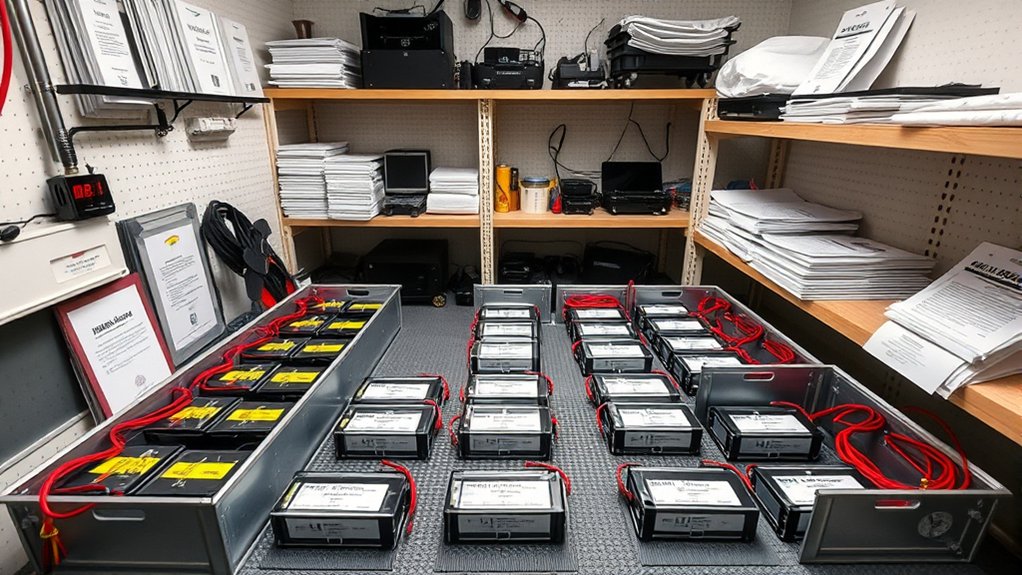
When storing your LiPo batteries, aim for a cool, dry location where the packs will not be crushed, punctured, exposed to direct sunlight, or placed near heat sources. A storage temperature between 10°C and 20°C is a practical target for many users because it helps reduce stress on the cells.
Use a fireproof container, LiPo-safe bag, metal ammo-style box with venting considerations, ceramic container, or another fire-resistant storage solution. Do not store loose batteries in a drawer with tools, screws, keys, spare connectors, or other metal objects that could bridge the terminals and cause a short-circuit.
Keep batteries organized by size, cell count, condition, and charge status. Label packs that need charging, storage charging, inspection, or retirement. This prevents accidental use of a damaged or empty battery and helps you rotate your packs evenly.
Ideal Storage Temperature Range
The ideal storage temperature range for LiPo batteries falls between 10°C and 20°C (50°F and 68°F). Storing your batteries within this range helps reduce degradation and supports better long-term performance. If you expose them to extreme heat or freezing conditions, you risk lower capacity, shorter lifespan, swelling, and possible failure.
| Temperature Range | Notes |
|---|---|
| 10°C to 20°C | Ideal for peak safety and longevity |
| Below 10°C | Risk of voltage drop and freezing |
| Above 20°C | Increased risk of thermal damage |
Always monitor the voltage of your stored batteries, ideally keeping them at a storage charge of around 3.8V per cell. Avoid moisture, direct sunlight, hot vehicles, window sills, heaters, and sealed containers that can trap heat. If a pack has been stored for months, check voltage before use and inspect it closely before charging.
Fireproof Storage Solutions
Maintaining the right storage conditions for LiPo batteries is essential, but the storage method matters just as much. To improve safety, use fireproof storage solutions such as LiPo safe bags, fire-resistant boxes, ceramic containers, or battery storage cases designed to reduce the spread of flames and heat.
Always store LiPo batteries at a storage charge of approximately 3.8V per cell when you do not plan to use them soon. This level helps prolong battery lifespan and reduces stress during storage. Fully charged packs should not sit unused for long periods, and deeply discharged packs can become unstable or fail to recover safely.
The STARTRC Lipo Battery Bag is one example of a storage and charging bag designed with double-layer fireproof cloth for added protection during charging, storage, and transport. No bag can make a failed battery completely harmless, so still store packs away from flammable materials and never treat a bag as a replacement for supervision.
If your storage bag includes an adjustable internal structure, use dividers to keep batteries from rubbing against each other. This helps protect shrink wrap, balance leads, and connectors during transport. Keep the bag in a cool, dry environment and away from heavy objects that could crush the cells.
Proper Battery Organization Techniques
To guarantee safe and efficient storage of LiPo batteries, use simple organization techniques that make battery condition obvious at a glance. Good organization enhances safety, protects the packs, and helps you avoid flying with a weak or damaged battery.
- Keep batteries at a storage charge of approximately 3.8V per cell.
- Use a fireproof charging bag or container for long-term storage.
- Regularly inspect batteries for physical damage, puffing, or unusual heat.
- Separate charged, storage-charged, discharged, and retired batteries.
- Label older packs so you can track age, performance, and charge cycles.
- Keep main leads and balance leads protected from tugging, bending, and crushing.
Use dividers or spacers inside your charging bag to prevent batteries from rubbing against each other during transport. This minimizes risks linked to worn insulation, scraped shrink wrap, bent connectors, and physical battery failure. By following these organization techniques, you can maximize battery health and maintain a more secure storage environment.
Traveling With Lipo Batteries
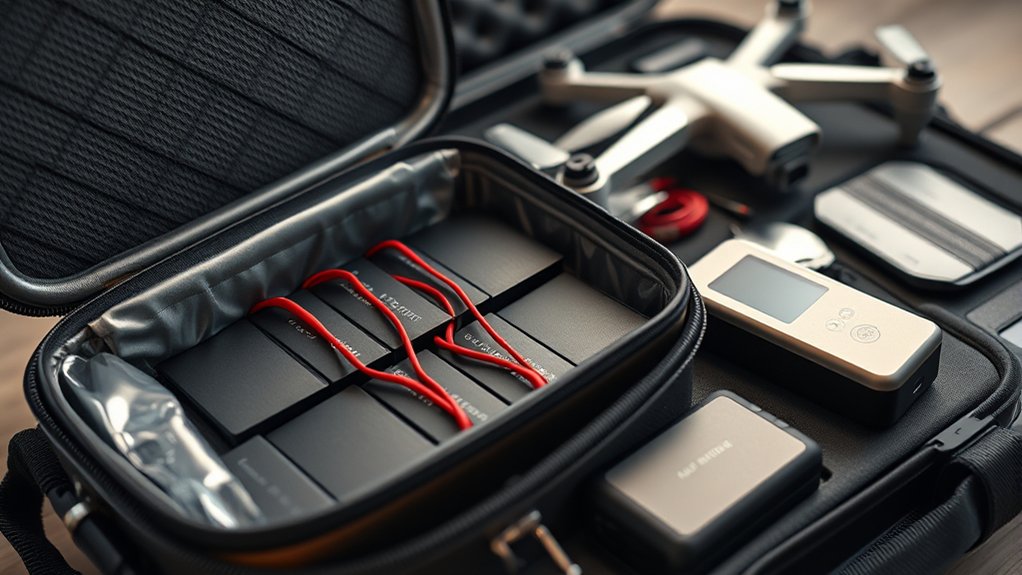
When you travel with LiPo batteries, prioritize safety by using a fireproof bag, protective case, or battery organizer. Travel creates extra risk because packs may be dropped, compressed, exposed to temperature swings, or carried near metal items that can short the terminals.
Before a road trip or flight, inspect every pack and avoid traveling with damaged batteries. Set each pack to a storage charge of around 3.8V per cell when possible. This helps reduce battery stress and gives you a safer starting point if the batteries are delayed, stored, or unused for several days.
For air travel, check your airline’s current battery rules before you leave. Airlines often treat lithium batteries differently depending on watt-hour rating, quantity, packaging, and whether they are installed in equipment or carried as spares. Rules can vary, so confirm the details directly with the airline instead of assuming every carrier follows the same limits.
Packing Recommendations for Safety
Traveling with LiPo batteries requires careful preparation to support safety and compliance. To minimize fire risks during transport, follow these packing recommendations:
- Always store batteries in a fireproof LiPo safety bag or a specially designed charging safe.
- Confirm each battery is at a storage charge of approximately 3.8V per cell to prevent overcharging or excessive discharge.
- Use protective cases to keep batteries apart, preventing physical damage that could lead to failure.
- Cover battery terminals with tape, caps, or connector protectors to prevent accidental short-circuiting.
- Keep batteries away from sharp tools, loose screws, keys, coins, and metal drone parts.
- Do not pack swollen, punctured, leaking, or crash-damaged batteries for travel.
Use a hard case for extra protection against impacts, especially when carrying several packs to a flying spot. Keep batteries upright when possible, avoid crushing them under heavy gear, and do not leave them inside a hot vehicle. By following these guidelines, you can safely transport your batteries while minimizing potential hazards.
Airline Regulations Compliance
Before you head to the airport, understanding airline regulations regarding lithium polymer (LiPo) batteries is essential for a smoother trip. Many airlines allow smaller lithium batteries in carry-on baggage, but they may restrict larger packs or require airline approval. Always check your airline’s specific policy before packing.
| Battery Capacity | Regulations |
|---|---|
| Up to 100 Wh | Allowed in carry-on |
| 100 Wh – 300 Wh | May require permission |
| Over 300 Wh | Typically checked cargo |
Ensure your batteries are charged to a storage voltage of approximately 3.8V per cell when practical. Store batteries in protective cases and cover terminals to prevent short-circuiting. Carry battery labels, watt-hour information, or manufacturer details when possible because it can make inspection easier if airport staff ask questions.
Note: Battery rules can vary by airline, country, and battery capacity. Check your airline’s policy before each trip, especially when carrying several FPV packs or high-capacity batteries.
Transportation Safety Guidelines
Guaranteeing the safety of your LiPo batteries during transit is essential because improper handling can lead to fire hazards. Follow these travel guidelines to reduce risk:
- Store batteries in a LiPo safety bag or fireproof container.
- Cover battery terminals with tape or protective caps to prevent short-circuiting.
- Maintain a storage charge of around 3.8V per cell for long-distance travel.
- Keep batteries away from heavy gear that could crush or puncture the cells.
- Inspect packs again before charging or flying after travel.
When flying, keep your LiPo batteries with you in the cabin instead of in checked luggage if the airline rules require or recommend it. Cabin access allows better monitoring and a quicker response if a problem appears. Always check specific regulations for battery capacity, quantity, and packaging before travel.
Monitoring Battery Condition
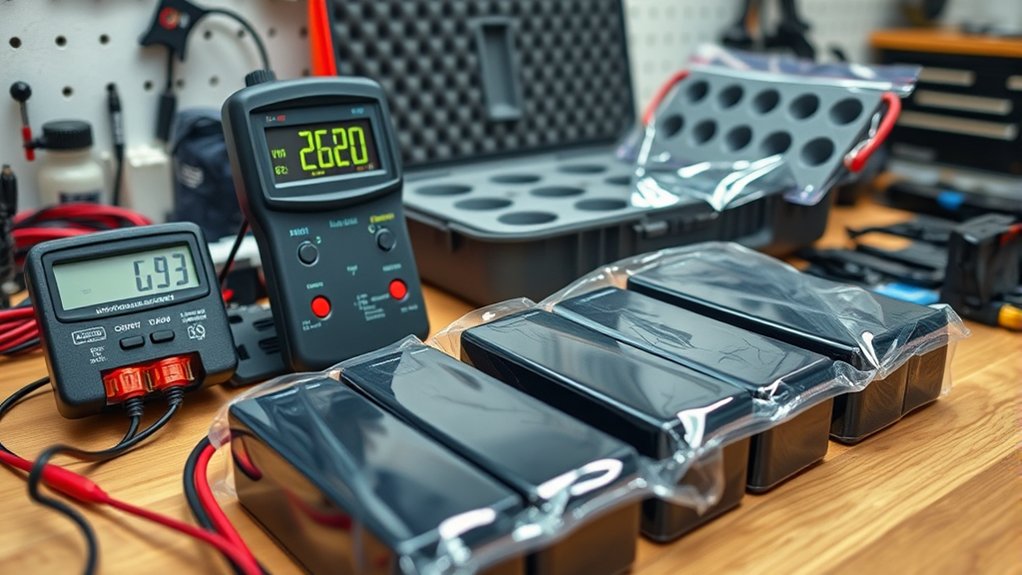
Monitoring the condition of your LiPo battery is essential for safety, flight performance, and battery lifespan. A battery may look normal from the outside while one cell is weak, over-discharged, or drifting away from the others. Regular checks help you catch that problem early.
Use a charger or battery checker to check the voltage of each cell. A cell voltage difference of 0.1 volts or greater can indicate a possible issue, especially if the pack continues to drift after balancing. Also monitor internal resistance. Values below 10 milliohms are generally healthy for many small FPV packs, while values above 20 milliohms may signal performance concerns and justify closer inspection or retirement.
Pay attention to flight performance. If your drone feels less responsive, voltage sags quickly, flight time drops sharply, or the pack gets hotter than usual, the battery may be aging or failing. Track charge cycles when possible. Around 300 cycles can indicate reduced efficiency for some packs, but actual lifespan depends on discharge rate, storage habits, crash damage, heat, charger quality, and how deeply you drain the battery.
Use a quality charger equipped with an internal resistance checker to assess battery health over time. Write the purchase date or first-use date on each pack, and consider retiring batteries that no longer stay balanced, deliver stable power, or pass a visual inspection.
When to Retire a LiPo Battery
Retiring a battery before it fails is one of the most important FPV LiPo safety habits. A pack does not need to catch fire before it becomes unsafe. If a battery shows clear warning signs, remove it from active use and handle it carefully.
- Retire the battery if it is swollen, puffed, punctured, crushed, split, or leaking.
- Stop using it if the cells will not balance after normal charging.
- Remove it from service if one cell drops much faster than the others during use.
- Retire it if the pack becomes unusually hot during charging, storage, or normal flight.
- Stop using it if the connector, wires, or balance lead are melted, loose, or badly damaged.
- Replace it if flight time and voltage performance have dropped sharply.
Do not try to flatten, squeeze, repair, solder, or continue flying a swollen LiPo pack. Move questionable batteries to a safe location and follow local disposal rules.
Emergency Situations
When faced with an emergency involving a LiPo battery, swift action is critical. You should already know where your fire-resistant area, extinguisher, gloves, and emergency exit path are before charging begins. Planning ahead matters because LiPo problems can escalate quickly.
Always keep a suitable fire extinguisher nearby and know how to use it. If you notice smoke, swelling, hissing, sparks, flames, or a sharp chemical smell during LiPo charging, take immediate precautions to prevent injury and reduce the spread of heat.
- Stop the charger if you can do so safely without touching the battery directly.
- Move people, pets, and flammable items away from the battery.
- If safe, move the battery to an open nonflammable area away from buildings, vehicles, and dry grass.
- Place the battery in a fireproof bag or container only if you can do it without putting yourself at risk.
- If a fire occurs, use an appropriate extinguisher or let it burn in a controlled open area if that is the safest option.
If the battery leaks, handle it with protective gloves and goggles. Avoid breathing fumes and do not touch leaked material with bare skin. After the incident, ventilate the area and keep the damaged battery away from other packs.
Disposing of damaged batteries improperly can create hazardous waste and fire risks. Do not throw a damaged LiPo battery into household trash while it still holds charge or shows signs of instability. Follow local battery recycling or hazardous waste guidance and use a designated facility when required.
What Not to Do During a LiPo Emergency
During a battery emergency, avoid actions that increase risk. Do not pick up a smoking battery with bare hands. Do not carry it through the house if flames or heavy smoke have already started. Do not put it near other batteries, fuel, curtains, paper, or dry leaves. Do not pour water on electrical equipment while the charger remains plugged in. Most importantly, do not try to save the battery. Your safety matters more than the pack.
Related Guides
Frequently Asked Questions
What should I do if my LiPo battery swells?
If your LiPo battery swells, stop using it immediately. Disconnect it only if you can do so safely, place it in a fire-resistant area or LiPo-safe container, and follow local rules for safe disposal. Do not charge, fly, squeeze, puncture, or store a swollen pack with healthy batteries.
Can I use any charger for my LiPo batteries?
No. Use a charger designed for LiPo batteries and confirm the correct chemistry, cell count, and charge current before every charge. A balance charger is the safer choice because it monitors individual cells and helps prevent one cell from becoming overcharged.
How long can I store LiPo batteries?
You can store LiPo batteries for several months when they are in good condition, kept near storage voltage, and checked regularly. A practical storage target is about 3.8V per cell. Recheck voltage every few months and inspect each pack before charging or flying.
Is it safe to leave LiPo batteries unattended while charging?
No. Do not leave LiPo batteries unattended while charging. Stay nearby so you can react if the battery overheats, swells, smokes, sparks, or smells unusual. Charge on a nonflammable surface and use a fire-resistant LiPo charging bag or container for added protection.
What is the best temperature for charging LiPo batteries?
A moderate room-temperature environment is best for charging LiPo batteries. Avoid charging packs that are extremely cold, hot from a flight, sitting in direct sunlight, or stored inside a hot vehicle. Let the battery return to a safe, stable temperature before charging.
Should I charge LiPo batteries right after flying?
Let the battery cool down first if it feels warm after flying. Charging a hot pack adds stress and may increase risk. Once the battery returns to a normal temperature, inspect it, check cell voltage, and then charge or storage-charge it as needed.
Can I store LiPo batteries fully charged?
Avoid storing LiPo batteries fully charged for long periods. If you will not fly soon, use your charger’s storage mode and bring the pack near 3.8V per cell. This reduces stress on the cells and helps extend battery life.
Conclusion
To summarize, prioritizing FPV LiPo battery safety protects more than your drone. It protects your home, car, workshop, flying site, and the people around you. Safe charging, proper storage, careful transport, regular inspection, and quick emergency action all work together to reduce risk.
Build a repeatable routine and follow it every time. Use the right charger, check the pack before charging, stay nearby, store batteries at the right voltage, protect the terminals during travel, and retire questionable packs before they fail. When your batteries are balanced, monitored, and managed, you can fly with more confidence and fewer preventable problems.
