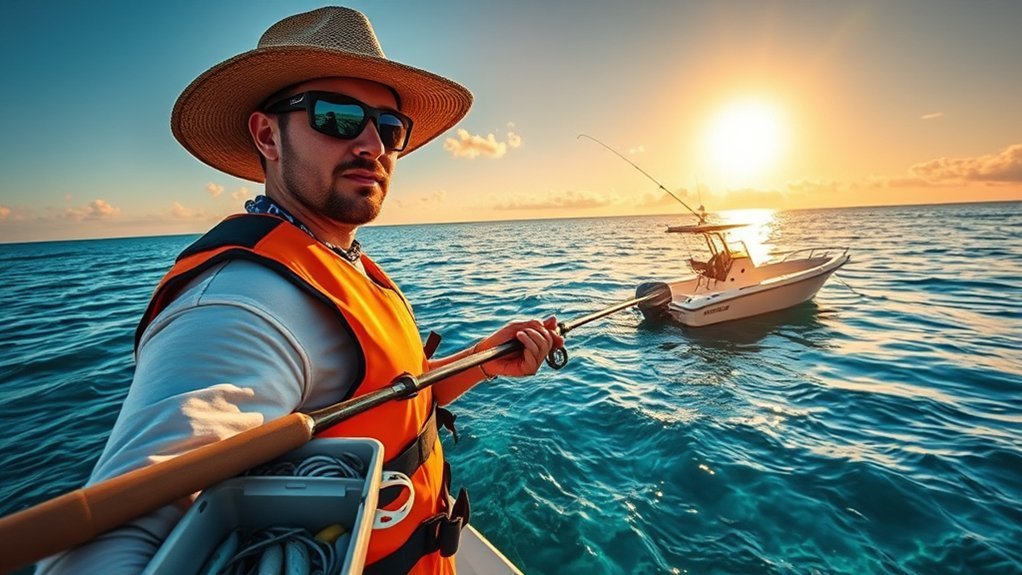
Reef fishing for beginners starts with four decisions: choose a legal reef, match your tackle to the structure and target fish, position your bait with the current, and protect the habitat while you fish. Start on a sand-to-reef edge or another low-snag boundary, use tackle strong enough to land fish quickly, and check the current rules for the exact water you plan to fish before your first drop.
Last updated: September 11, 2026 — refreshed with current catch-and-release guidance, clearer beginner decision rules, updated source links, and a tighter separation from advanced reef-fishing techniques.
Quick Answer
Reef fishing means targeting fish that feed, shelter, or patrol around coral reefs, rock ledges, wrecks, and artificial reefs. For a first trip, fish a reef edge rather than the roughest structure, use saltwater tackle with an abrasion-resistant leader, present bait or a jig with the current, and confirm local rules before keeping any fish. Never anchor on live coral, and release protected or undersized fish promptly.
Key Takeaways
- Reef fish hold near structure, current breaks, ledges, holes, drop-offs, and baitfish lanes.
- Snapper, grouper, jacks, triggerfish, mackerel, and other reef-associated species vary by region and season.
- Use enough tackle strength to land fish quickly, because reef fish often cut lines on coral, rocks, and wrecks.
- Never drop an anchor on live coral. Use mooring buoys, sand patches, GPS positioning, or controlled drifts when available.
- Check size limits, bag limits, closed seasons, protected areas, and license rules before every trip.
At a Glance
| Time Required | Half-day to full-day trip, plus time to check regulations, tides, weather, and gear |
| Difficulty | Beginner to moderate, depending on depth, current, boat handling, and target species |
| Tools Needed | Saltwater rod and reel, braided or monofilament line, leader, rule-compliant hooks, sinkers, jigs, pliers, fish ruler, dehooker, cooler, polarized sunglasses, sunscreen, and safety gear |
| Cost | Varies by location, license, tackle, bait, fuel, boat access, and whether you book a charter |
What Is Reef Fishing and How Reefs Form

Reef fishing targets species that live, feed, or travel around natural and artificial reefs. These structures can include coral heads, limestone ledges, rock piles, bridge rubble, wrecks, and intentionally placed artificial reefs.
Reefs attract fish because structure creates shelter, shade, current breaks, ambush points, and feeding lanes. Small baitfish and crustaceans gather near the reef, and larger predators follow that food source.
Natural coral reefs form slowly as coral animals build calcium carbonate skeletons over time. Rock outcrops and ledges form through geological processes, while wrecks and artificial reefs create hard structure where marine life can settle.
Reef fishing works because structure concentrates bait, shelter, and predators. The same structure also needs careful protection, especially around live coral and nursery areas.
Before you fish a reef, identify whether the area has special rules. Many reefs sit inside marine parks, national marine sanctuaries, fishery management zones, or seasonal spawning areas.
You should also learn the difference between fishing near structure and damaging it. Dragging anchors, sinkers, or heavy rigs across live coral can break fragile habitat. A responsible reef angler keeps gear controlled and avoids unnecessary contact.
Warning: Never anchor directly on live coral or drag tackle across sensitive reef. Use a mooring buoy, anchor on sand when legal, or drift past the reef with controlled boat positioning.
Why Reef Fishing Is Beginner-Friendly
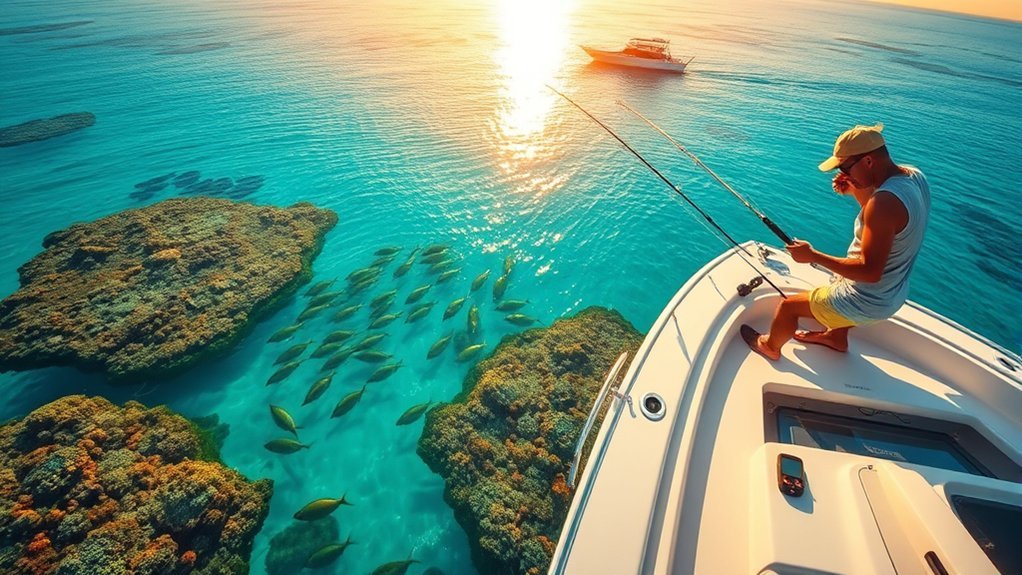
Reefs give beginners a clear place to start because fish often relate to visible or charted structure, edges, depth changes, and moving water. You still need to read conditions, but you are not searching featureless water at random.
Your first goal is not to master every rig. Learn one simple bait rig or jig, keep it controlled near the reef edge, and notice where bites happen. Record the depth, current direction, bait, and bottom type so the next drop is a decision instead of a guess.
This page is built for that first-trip workflow: safe approach, legal setup, simple tackle, bait control, fish identification, and low-impact handling. If you already understand those basics and want more advanced rigging, drift, and positioning detail, use the Reef Fishing Techniques Guide.
Reef fishing also teaches transferable saltwater skills: reading structure, matching weight to current, managing drag, using abrasion-resistant leaders, identifying fish, and making quick keep-or-release decisions.
Note: Reef fishing rules change by jurisdiction, season, species, depth, and management zone. Check the official regulation page for the exact water you plan to fish on the day of your trip.
Common Reef Species to Target
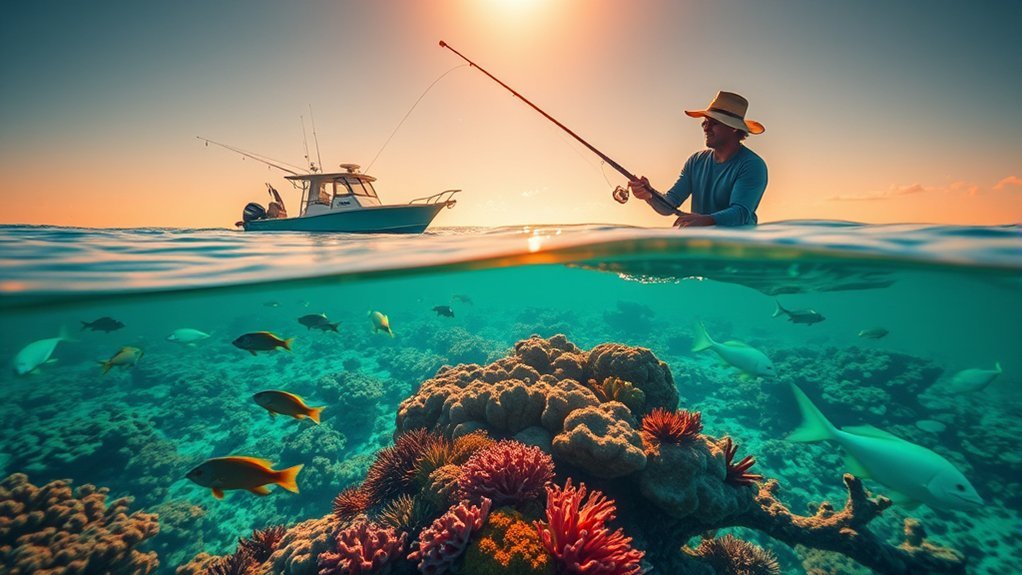
You’ll encounter a mix of food fish, sport fish, protected species, and colorful reef residents. Common reef-associated targets include snapper, grouper, grunts, porgy, hogfish, triggerfish, amberjack, mackerel, and jacks.
You may also see parrotfish, angelfish, butterflyfish, clownfish, rays, sea turtles, reef sharks, and barracuda. Many of these are better observed than harvested, and some may be protected.
Use local species lists, current regulations, and a fish ID guide before you keep anything. Florida, Belize, Hawaii, Australia, the Caribbean, and the Gulf of Mexico all have different reef species and different rules.
Popular Gamefish Species
Popular gamefish species around reefs include snapper, grouper, amberjack, jack crevalle, Spanish mackerel, cero mackerel, king mackerel, barracuda, and sharks where legal.
Snapper often feed close to the bottom, along ledges, and near current breaks. Use strong leaders, rule-compliant hooks, and bait that matches the local forage, such as shrimp, squid, pilchards, sardines, ballyhoo pieces, or cut bait.
Groupers hold tight to rocks, holes, wrecks, and ledges. They can run back into structure fast, so you need stout tackle, a firm drag, and quick pressure after the bite.
Mahi mahi are not true reef residents, but they may pass near reef edges, weed lines, floating debris, and current breaks. Treat them as a nearby pelagic option rather than a core reef species.
Goliath grouper and some shark species have strict rules in many regions. Do not target, harvest, or remove protected fish unless the law clearly allows it.
Colorful Reef Residents
Colorful reef residents often tell you a lot about habitat health. Parrotfish graze algae and help maintain reef balance, so many areas protect them or discourage harvest.
Angelfish, butterflyfish, clownfish, wrasses, and damselfish add beauty and biodiversity. They are usually not practical food targets, and removing them can damage local reef communities.
Clownfish depend on anemones, and many small reef fish stay close to one home area. Catching or disturbing them can affect local behavior and survival.
As a beginner, focus on legal food fish and sport fish. Watch colorful residents, photograph them from a safe distance, and keep your hooks away from species you do not plan to harvest or legally release.
Seasonal Target Options
Seasonal patterns and local habitat dictate which reef species you should target and when. Water temperature, spawning seasons, bait movement, moon phase, and fishing pressure all affect the bite.
Warmer months may bring more pelagic activity near reef edges, including mackerel, jacks, barracuda, and mahi mahi in the right regions. Cooler months may improve bottom fishing for certain snapper and grouper species, depending on local rules.
Some species close during spawning periods. These closures protect breeding fish and help rebuild future stocks. Respecting them keeps reef fishing available for everyone.
Plan each trip around updated regulations, recent catch reports, weather, tides, and water clarity. If reports show small fish or heavy pressure on one reef, move to another legal spot or change tactics.
Essential Gear for Reef Fishing
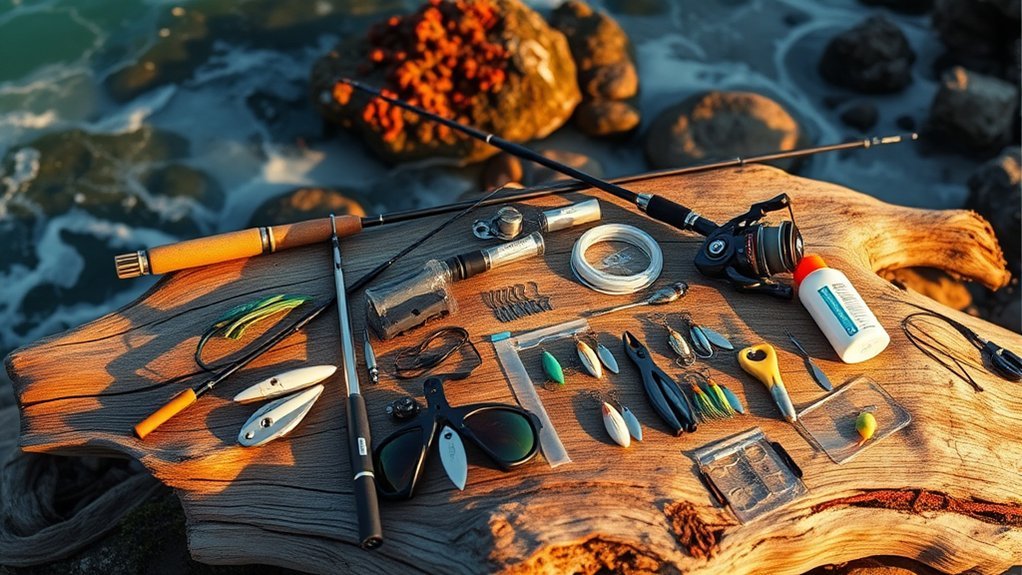
Because reef fish can reach sharp structure quickly, your gear must balance power, sensitivity, and control. For a beginner, start with a saltwater-rated medium or medium-heavy spinning outfit for lighter reef work, then move to heavier conventional or spinning tackle when depth, current, target size, or wreck structure demands it. If you still need the broader setup basics, review the Saltwater Fishing Basics: Beginner’s Guide first.
Choose main line and leader strength by the fish you expect, the amount of current, and how abrasive the bottom is. The closer you fish to coral, rock, barnacles, or wreck metal, the more important abrasion resistance and quick line control become.
Use an abrasion-resistant monofilament or fluorocarbon leader and inspect it after every fish or snag. Replace it when you feel rough spots, cuts, or flattened sections instead of waiting for the next fish to expose the damage.
NOAA Fisheries catch-and-release guidance notes that circle hooks can improve release outcomes, and some fisheries require specific hook designs. Check the exact rule for your water rather than assuming one hook style is legal everywhere.
Weights should control depth without plowing across the reef. Bank sinkers, egg sinkers, knocker rigs, and dropper rigs can all work; use only enough weight to keep the bait in the strike zone and change weight when current changes.
| Item | Purpose | Conservation Note |
|---|---|---|
| Rods and reels | Power, drag control, and line capacity | Land fish faster and reduce break-offs |
| Hooks | Secure hookups with bait or lures | Use rule-compliant hooks; circle hooks where appropriate |
| Weights | Depth and current control | Minimize dragging on reef |
| Tackle box | Organization and fast rig changes | Prevent lost gear and loose hooks |
| Sunglasses | Visibility, eye protection, and glare control | Help avoid accidental reef strikes |
Safety and Handling Tools
Carry long-nose pliers, line cutters, a dehooker, a fish gripper, a ruler, and the release gear required in your jurisdiction. In some reef fisheries, that may include a descending device or venting tool; requirements can change, so verify the current rule before leaving the dock.
You also need personal safety gear. Bring a properly fitted life jacket, a VHF radio or charged phone in a dry bag, a first-aid kit, drinking water, sunscreen and sun-protective clothing, and weather-appropriate layers.
Sharp fins, teeth, gill plates, hooks, and slippery decks can cause injuries. Handle fish calmly, keep fingers away from mouths and gills, and release unwanted fish quickly.
Best Baits and Techniques for Reefs
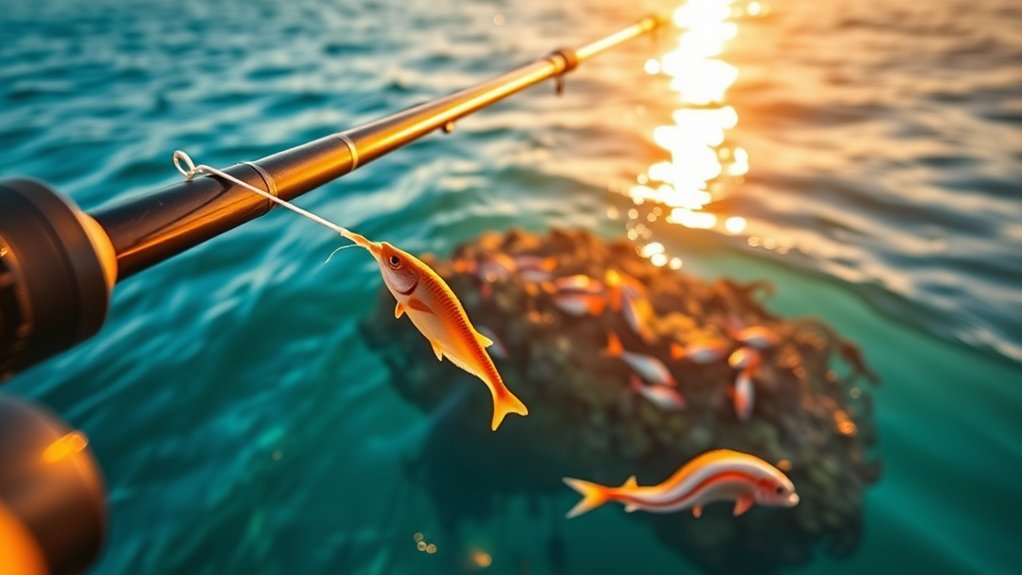
Which bait and method you choose will directly affect catch rates and reef impact. Match bait size, hook size, and rig weight to the fish you expect to catch.
Natural baits such as shrimp, squid, crabs, sardines, pilchards, ballyhoo, cut fish, and live baitfish can work well. Use legal, locally appropriate bait, and avoid moving live bait between ecosystems where rules prohibit it.
Artificial lures also catch reef fish. Bucktail jigs, vertical jigs, metal jigs, soft plastics, diving plugs, and spoons can trigger reaction bites from snapper, grouper, jacks, mackerel, and barracuda. Where local rules allow it, controlled chumming can also pull feeding fish into the current behind the boat, but it should never replace safe positioning or legal fish handling.
| Condition | Beginner Move | Why |
|---|---|---|
| Light current, fish near the edge | Free-line or use a light sliding sinker | Keeps the bait moving naturally without dragging bottom |
| Moderate current, bottom fish | Use enough weight to stay controlled near bottom | Maintains depth while limiting scope and snags |
| Deep ledge or wreck, fish on sonar | Fish vertically with a jig or dropper-style rig | Improves depth control and keeps the presentation close to the boat |
| Repeated snags | Move to the sand-to-reef edge or lift the rig higher | Reduces contact with coral, rock, and wreckage |
The best reef technique keeps your bait near feeding fish while keeping your hook, sinker, and line away from fragile coral.
- Free-line live bait when current can carry it naturally along the reef edge.
- Use a knocker rig or sliding sinker rig when fish feed tight to bottom and current is manageable.
- Try a dropper rig when you need bait slightly above bottom to reduce snags.
- Jig vertically over ledges, wrecks, and deeper reef edges when fish show on sonar.
- Troll along reef edges only where it is legal, safe, and far enough from divers, boats, and shallow coral.
Keep notes on bait, tide, depth, water clarity, rig, and catch results. These records help you repeat good patterns and avoid wasting time on unproductive setups.
Pro Tip: If small fish steal bait, increase bait size, switch to tougher bait like squid strips, move slightly off the reef, or use a jig that reaches larger fish faster.
Step-by-Step Reef Fishing Plan for Beginners
A simple plan keeps your first reef trip safer and more productive. Do this before you focus on advanced techniques.
- Choose a legal reef. Check maps, marine zones, sanctuary rules, and local access points before you go.
- Check the forecast. Look at wind, waves, storms, tides, current, visibility, and safe return conditions.
- Confirm regulations. Review license rules, size limits, bag limits, closed seasons, gear rules, and protected species.
- Rig before you arrive. Tie leaders, organize hooks, pack pliers, and prepare bait so you do not drift over the reef unprepared.
- Approach slowly. Watch depth, current, boat traffic, divers, markers, and shallow coral heads.
- Start on the edge. Fish the up-current or tide-facing side first, then adjust based on bites and bait movement.
- Set the hook correctly. With circle hooks, let the fish load the rod instead of jerking hard.
- Land fish quickly. Keep steady pressure so fish do not break you off in structure.
- Measure before keeping. Confirm species and size before putting a fish in the cooler.
- Leave clean. Bring back line scraps, bait packaging, hooks, and trash.
Reading Reefs: Structure, Tides, and Current
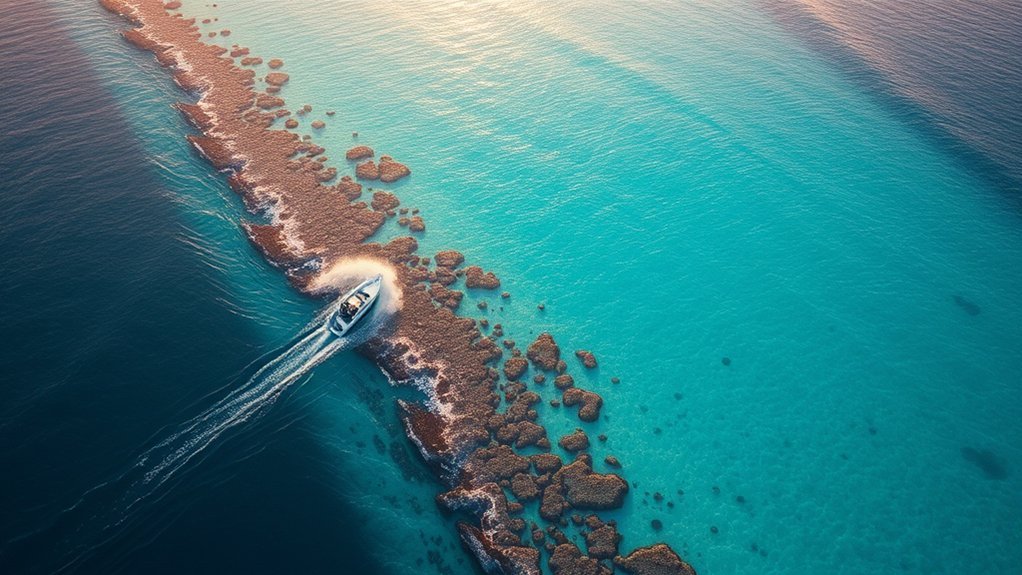
To read a reef effectively, first identify structural features such as ledges, bommies, coral heads, wrecks, channels, potholes, sand edges, and drop-offs. These areas concentrate food and shelter.
Then interpret tide phase and current strength. Moving water often pushes bait across reef edges, and predators wait where that food becomes easy to catch.
Prioritize the tide-facing side, reef points, and drop-offs when current is moderate. If current is too strong, fish may tuck behind structure or move to deeper breaks.
Reef Structure Identification
When you learn to read reef structure, you’re mapping the habitat that controls fish behavior. Coral heads, rock piles, ledges, and wrecks create shade, current breaks, ambush points, and feeding corridors.
Use sonar, charts, polarized sunglasses, local knowledge, and careful visual observation. Look for bait schools, birds, color changes, current seams, and depth transitions. If you want deeper rigging and boat-position detail after you master the first-trip basics, continue with the reef fishing techniques guide.
- Coral formations: Hold biodiversity, but they are fragile. Keep anchors and heavy tackle away from live coral.
- Rock piles and ledges: Concentrate snapper, grouper, grunts, jacks, and baitfish along edges.
- Wrecks and artificial reefs: Offer vertical structure, but they may also have strong current, sharp metal, and snag risks.
- Sand-to-reef edges: Give beginners a cleaner place to present bait with fewer snags.
This technical approach helps you fish smarter while protecting the habitat that makes reef fishing possible.
Tides and Current Effects
Tidal flow and current change how fish use a reef hour by hour. Many reef fish feed more actively when water moves, because moving water carries bait and scent.
The first and last parts of a tide can be productive, but local conditions matter. Some reefs fish best on incoming water, while others turn on during outgoing water.
Current affects your bait angle. If your line scopes too far, add weight, use a more vertical presentation, reposition the boat, or switch to drifting.
Watch where flow meets reef edges, channels, and drop-offs. Predators often face into the current and wait for bait to come to them.
Anchoring, Drifting, and Wading Strategies
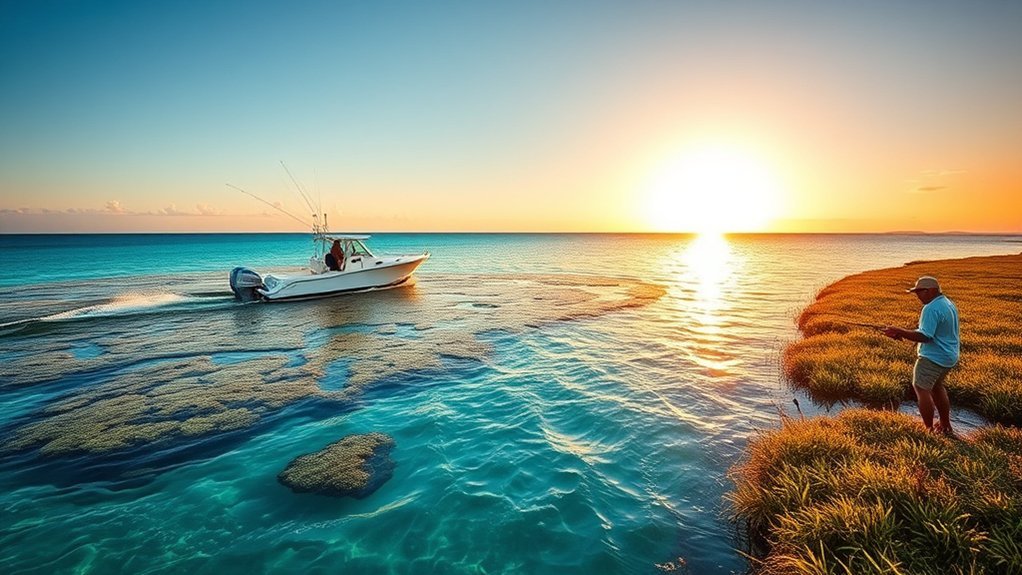
Wind, tide, depth, boat traffic, and reef topography all affect your setup. Your goal is to place bait in the feeding zone without putting your boat, anchor, or tackle on sensitive habitat.
Use a mooring buoy when one is available and legal. If you must anchor, choose sand, mud, or another legal low-impact bottom away from live coral, then set enough scope so the anchor holds without dragging. NOAA Fisheries advises anchoring outside reef habitat or in suitable sand pockets to avoid coral damage.
Drifting works well when current and wind let you pass along reef edges in a controlled line. Mark bites on GPS, then repeat the drift without crossing shallow coral or other boats.
When wading near shallow reef or rock, move slowly and keep your feet on sand or bare rock where access is legal. Avoid stepping on coral, seagrass, urchins, or living reef organisms.
- Choose anchor type and scope carefully to prevent dragging and reef contact.
- Use drift speed and direction to map productive transects along ledges and reef edges.
- Position while wading to reduce trampling and improve casting control.
- Keep a safe distance from snorkelers, divers, swimmers, and other boats.
Act intentionally. Good positioning helps you catch more fish and protects the places you came to enjoy.
Local Regulations and Sustainable Practices
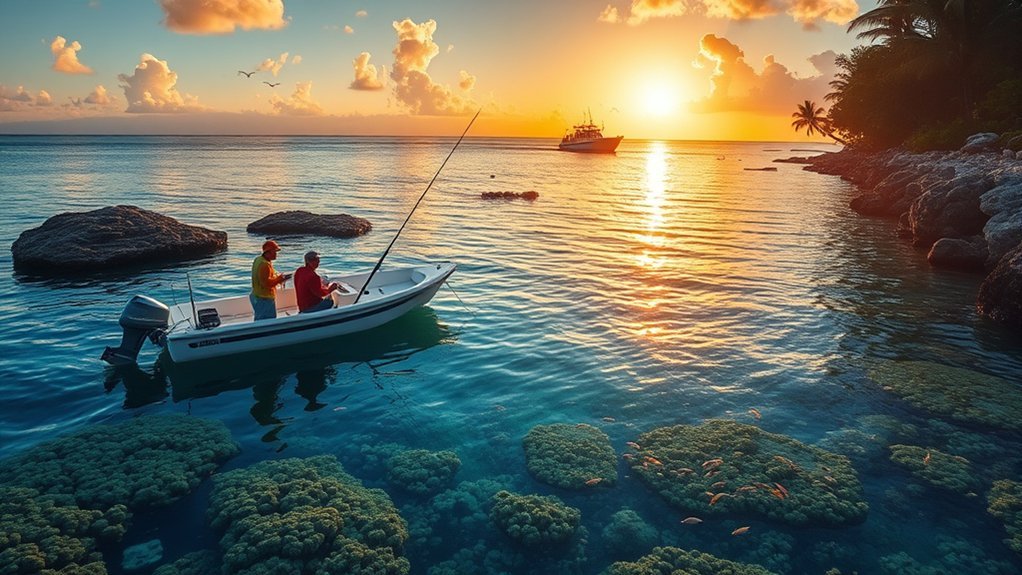
Good anchoring, drifting, and wading choices also require you to follow local rules and stewardship practices. Reef species often have detailed regulations because many grow slowly, gather to spawn, or live close to fragile habitat.
Before you fish, confirm size limits, bag limits, slot limits, seasonal closures, protected zones, gear rules, licensing requirements, and possession rules.
Use a current regulation app, printed guide, or official agency website. Do not rely on old forum posts, outdated videos, or another angler’s memory. For U.S. anglers, NOAA Fisheries catch-and-release guidance is a useful starting point, but state and regional rules still control the water you fish.
Apply sustainable practices consistently. Use selective gear, release non-target fish quickly, keep fish in the water when possible, wet your hands before handling, and avoid touching gills or eyes.
If a fish shows signs of barotrauma after coming from deep water, follow the current local guidance for release gear. Descending devices return fish to depth so expanded gases can recompress, but the legal requirement to carry or use a particular device varies by fishery and can change over time.
Keep only fish you can identify, measure, legally possess, and use. Responsible harvest protects reef biomass and keeps fishing opportunities open for future anglers.
Booking a Charter and Preparing for Your Trip
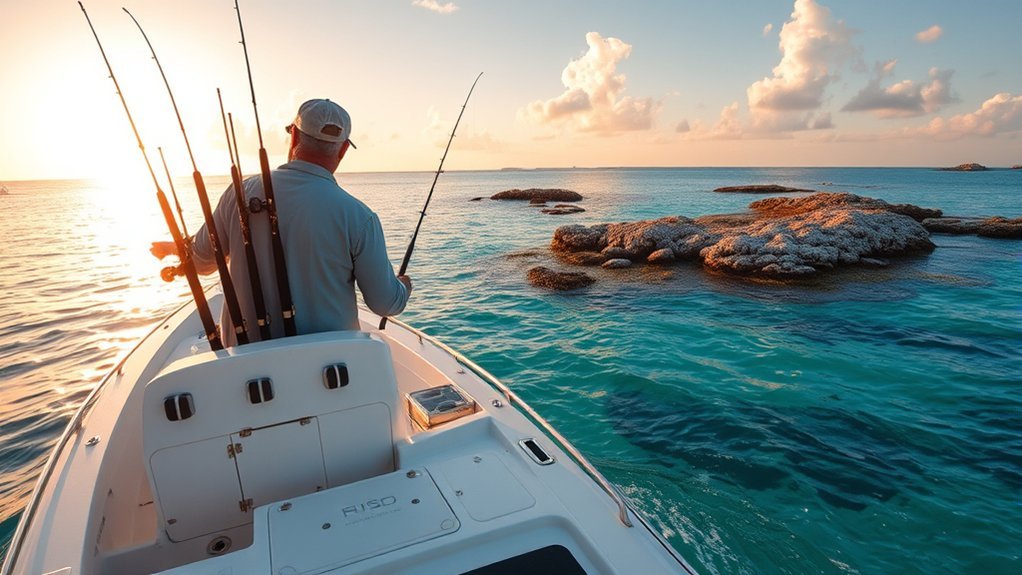
Booking a charter can shorten the learning curve, especially if you are new to reef fishing, visiting unfamiliar waters, or targeting regulated species. A good captain understands local reefs, seasons, tides, safety, and current rules.
Choose a charter that regularly fishes the same reef zone and species you want to learn. Ask how the captain handles protected or undersized fish, whether release gear is carried when needed, and how the boat avoids anchoring on sensitive habitat. Those answers tell you more than a generic “reef fishing” label.
A good reef charter should help you catch fish, follow the law, avoid habitat damage, and handle releases correctly.
Ask clear questions before booking. Confirm what species are in season, whether the trip targets reefs or offshore pelagics, what tackle is included, how fish are cleaned, and what happens with protected or undersized fish.
You should also ask about weather cancellation policies, restroom access, required licenses, departure location, fuel surcharges, gratuity expectations, and whether children or beginners are welcome.
- Essentials: Sunscreen, water, snacks, layered clothing, hat, sunglasses, non-marking shoes, and motion sickness help if needed.
- Regulatory prep: Current reef regulations, permits, species ID, size limits, and handling rules.
- Tactical prep: Target species, bait choices, tackle strength, fight duration, and safe release planning.
Arrive early, listen to the safety briefing, and follow the captain’s instructions around hooks, fish handling, and boat movement.
Common Beginner Mistakes to Avoid
Many reef fishing problems come from rushing. Slow down, rig carefully, and fish with a plan.
- Using tackle that is too light: Reef fish can break weak line fast by running into coral, rocks, or wrecks.
- Anchoring on live reef: This can break coral and may violate local rules.
- Ignoring current: Your bait should move naturally with water flow, not spin or drag across the bottom.
- Keeping unknown fish: Misidentification can lead to fines and unnecessary harm.
- Fishing old regulations: Rules can change by season, emergency order, or management area.
- Handling fish too long: Long air exposure, dry hands, and rough handling reduce release survival.
- Leaving gear behind: Lost line, hooks, and sinkers can injure fish, birds, turtles, and divers.
Troubleshooting Your Reef Fishing Trip
If you are not getting bites, adjust one factor at a time. Change depth, bait size, leader length, sinker weight, or drift angle before leaving the area.
| Problem | Likely Cause | Fix |
|---|---|---|
| Bait gets stolen quickly | Small fish, soft bait, or hook too exposed | Use tougher bait, smaller pieces, or move to the reef edge |
| Line keeps breaking | Leader too light or fish reaching structure | Use heavier leader, tighten drag carefully, and apply pressure early |
| Too many snags | Rig dragging through coral, rock, or wreckage | Use less weight, fish vertically, or move to sand edges |
| No bites | Wrong tide, poor bait match, or inactive fish | Change bait, fish moving water, or reposition to the current-facing side |
| Undersized fish only | Nursery area or small bait attracting small fish | Move deeper, increase bait size, or target a different species |
Frequently Asked Questions
How do you fish in saltwater for beginners?
Start with a simple saltwater setup, learn local regulations, choose easy access water, and use bait that matches common local species. For reef fishing, begin on reef edges or sand patches near structure. Use circle hooks where appropriate and legal, keep your bait controlled, and release non-target fish quickly.
How do you fish for beginners step by step?
Choose a legal spot, check weather and tides, prepare your license and tackle, rig before you arrive, approach the reef slowly, fish the current-facing edge, set the hook correctly, land fish quickly, measure before keeping, and clean up all line, hooks, bait containers, and trash.
What is the best bait for reef fishing?
The best bait depends on the target species, but shrimp, squid, crabs, sardines, pilchards, ballyhoo pieces, cut bait, and legal live baitfish are common choices. Match bait to local forage and adjust size if small fish steal it too quickly.
What do you need to start saltwater fishing?
You need a saltwater rod and reel, line, leader, hooks, sinkers, bait or lures, pliers, cutters, a fish ruler, sun protection, drinking water, safety gear, and a valid fishing license when required. For reef fishing, add an abrasion-resistant leader, a dehooker, and any release gear required in your jurisdiction.
Is reef fishing safe for beginners?
Reef fishing can be suitable for beginners when you choose manageable weather, fish legal access points, wear safety gear, avoid shallow coral, and understand current. A licensed charter can shorten the learning curve if you are new to the area, boating, or regulated reef species.
Should you anchor when reef fishing?
Anchor only where it is legal and safe, and never drop an anchor on live coral. Use a mooring buoy when available. If anchoring is allowed, place the anchor on sand or another suitable low-impact bottom away from the reef, or use controlled drifting instead.
What tide is best for reef fishing?
Moving water is often more useful than a specific named tide because current carries bait and scent across reef edges. Start on the current-facing side, then adjust for the local reef, wind, depth, and species. Keep notes because some reefs fish better on incoming water and others on outgoing water.
How do you avoid damaging coral while reef fishing?
Use legal mooring buoys when available, anchor only on suitable non-reef bottom, keep sinkers and rigs from dragging across live coral, retrieve loose line when safe, and avoid standing on coral while wading. Move if wind or current prevents controlled fishing.
Conclusion
You’ve learned reef foundations, target species, gear, bait choices, tide reading, positioning, regulations, and low-impact techniques. Now the goal is simple: fish with enough skill to catch legally and enough restraint to protect the reef.
Check local rules before every trip, use selective tackle, avoid anchoring on live coral, release protected fish carefully, and keep only what you can use. When you treat the reef as habitat first and a fishing spot second, you improve your odds today and help keep the fishery healthy for tomorrow.
Sources
- NOAA Coral Reef Conservation Program — coral reef habitat, conservation, and stewardship background
- NOAA Fisheries: Fishing Smart Around Essential Fish Habitats in the Southeast — anchoring outside reef habitat and avoiding coral damage
- NOAA Fisheries: Catch and Release Fishing Best Practices — tackle strength, hook choice, dehooking, and fish-handling guidance
- Florida Fish and Wildlife Conservation Commission: Reef Fish Gear Rules — an example of jurisdiction-specific circle-hook, dehooking, and release-gear requirements
- NOAA Fisheries: Continuation of Management Measures to Reduce Reef Fish Release Mortality — 2026 status of proposed Gulf reef-fish release-gear measures and why anglers must check current rules

1 thought on “Reef Fishing Basics: Beginner’s Guide”