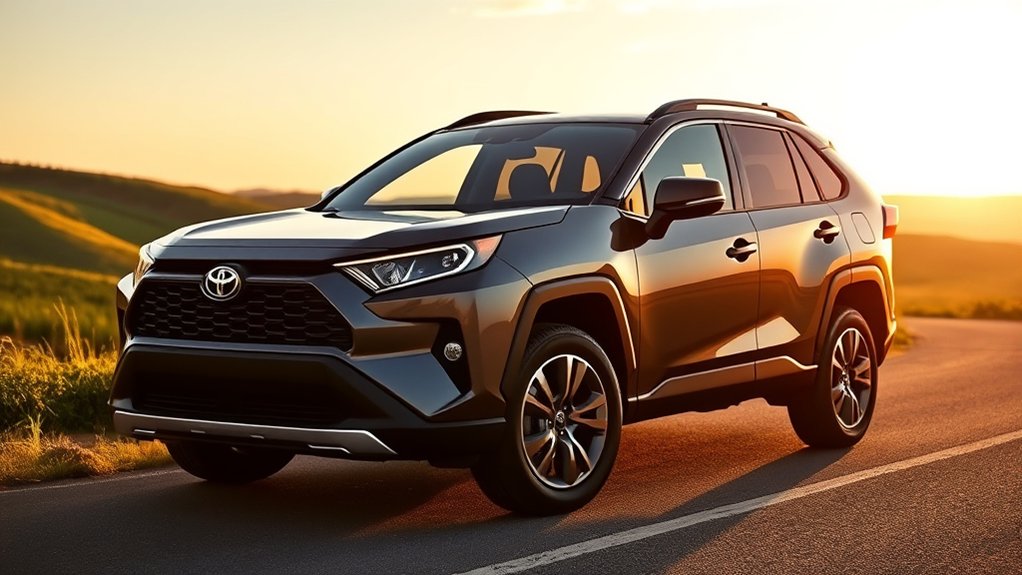
If you’re shopping for a used Toyota RAV4 with six-cylinder power, your choices are limited to one generation. The V6 is quick and practical, but many listings repeat incorrect horsepower, transmission, and towing figures. This guide explains which RAV4 models had the V6, how they compare, and what you should check before buying one.
Quick Answer
Toyota offered a 3.5-liter V6 in U.S.-market third-generation RAV4 models from 2006 through 2012. It produced 269 horsepower and 246 lb-ft of torque through a five-speed automatic. No 2013-or-newer RAV4 has a V6. Properly equipped V6 models with the optional tow package could tow up to 3,500 pounds.
Key Takeaways
- The Toyota RAV4 V6 was available in the United States from 2006 through 2012.
- Its 3.5-liter 2GR-FE engine produced 269 horsepower and 246 lb-ft of torque.
- The V6 used a five-speed automatic, not the six-speed transmission introduced for 2013.
- The 3,500-pound maximum towing rating required the optional tow package and proper equipment.
- A VIN recall check, service-history review, and pre-purchase inspection are essential when buying one today.
Which Toyota RAV4 Models Featured the V6 Engine?
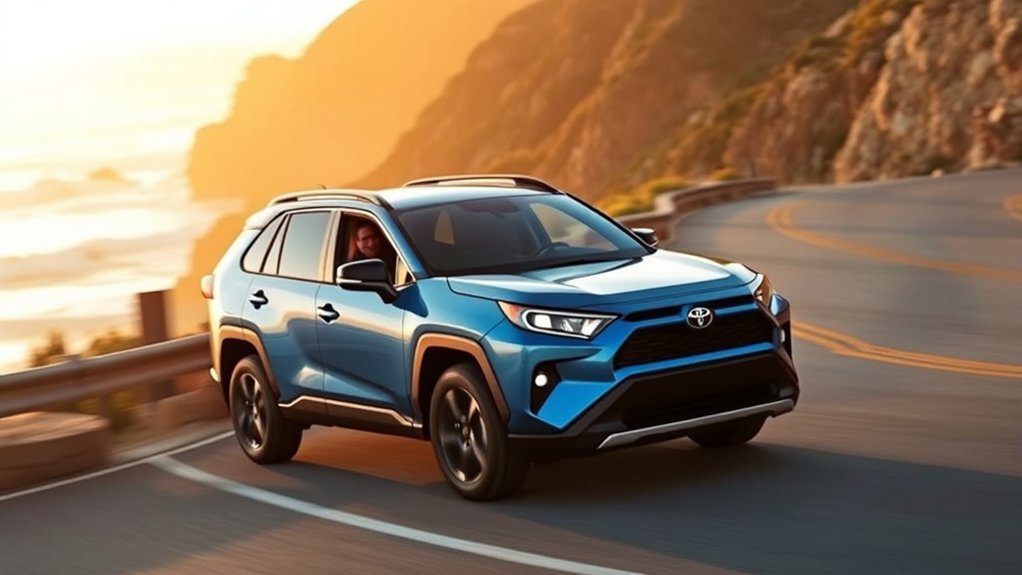
The V6 appeared only in the third-generation RAV4 sold for the 2006 through 2012 model years in the United States. Toyota offered it alongside a four-cylinder engine in Base or RAV4, Sport, and Limited grades, although exact trim and drivetrain combinations can vary by year.
Both front-wheel drive and Toyota’s electronic on-demand four-wheel-drive system were available with the V6. Some models also offered two-row or three-row seating.
| Model Years | V6 Availability | Four-Cylinder Alternative | Key Change |
|---|---|---|---|
| 2006–2008 | Optional 3.5-liter V6 | 2.4-liter, 166 hp | First RAV4 generation offered with a V6 |
| 2009–2012 | Optional 3.5-liter V6 | 2.5-liter, 179 hp | Updated four-cylinder and refreshed styling |
| 2013 and newer | Not available | Four-cylinder, hybrid, or plug-in hybrid depending on year | Toyota discontinued the V6 for the fourth generation |
| 2026 U.S. lineup | Not available | Hybrid or plug-in hybrid only | Sixth-generation lineup is fully electrified |
Note: These dates and trim descriptions refer mainly to U.S.-market RAV4 models. Engine availability and trim names differed in some other countries.
Verified Toyota RAV4 V6 Specifications
The RAV4 V6 used Toyota’s 2GR-FE engine. According to Toyota’s 2012 RAV4 model information, the engine produced 269 horsepower and 246 lb-ft of torque.
| Specification | RAV4 V6 |
|---|---|
| Engine | 3.5-liter DOHC V6, engine code 2GR-FE |
| Horsepower | 269 hp at 6,200 rpm |
| Torque | 246 lb-ft at 4,700 rpm |
| Transmission | Five-speed automatic |
| Available drivetrains | Front-wheel drive or electronic on-demand four-wheel drive |
| 0–60 mph | Approximately 6.3 seconds, according to a later Toyota comparison |
| 2012 EPA estimates | 19 city/27 highway mpg with FWD; 19 city/26 highway mpg with 4WD |
| Maximum towing | Up to 3,500 pounds with the optional tow package and proper equipment |
The RAV4 V6 combined 269 horsepower with compact-SUV practicality, but its correct transmission was a five-speed automatic, not a six-speed.
How Does the RAV4 V6 Feel on the Road?
Acceleration and Power Delivery
The V6 gives the third-generation RAV4 much stronger acceleration than either four-cylinder engine offered during the same period. Toyota later cited an approximate 6.3-second 0–60 mph time for the 2006–2012 V6 model, although road conditions, vehicle condition, tires, passengers, and testing methods affect real-world results.
The five-speed automatic delivers smooth power for highway merging and overtaking. The engine also provides more low- and midrange response than the four-cylinder versions, so you need less throttle when climbing hills or carrying a full load.
Handling and Ride Comfort
The third-generation RAV4 uses four-wheel independent suspension and electric power steering. Its ride is generally comfortable, while the shorter body and strong acceleration can make it feel more energetic than many compact SUVs from the same period.
Sport grades used larger wheels and a sport-tuned suspension, which may feel firmer than Base or Limited models. Tire condition, alignment, worn suspension parts, and incorrect tire pressure can also change how any used example drives.
RAV4 V6 vs. Four-Cylinder Models
A simple 269-hp-versus-166-hp comparison is incomplete because Toyota changed the four-cylinder engine for 2009. The better choice depends on the model year and how you plan to use the vehicle.
| Engine | Model Years | Output | Transmission | Best For |
|---|---|---|---|---|
| 2.4-liter four-cylinder | 2006–2008 | 166 hp and 165 lb-ft | Four-speed automatic | Basic commuting and lighter-duty use |
| 2.5-liter four-cylinder | 2009–2012 | 179 hp and 172 lb-ft | Four-speed automatic | A balance of everyday performance and fuel economy |
| 3.5-liter V6 | 2006–2012 | 269 hp and 246 lb-ft | Five-speed automatic | Quick acceleration, heavier loads, and properly equipped towing |
For 2012, Toyota listed the four-cylinder FWD model at 22 city/28 highway mpg and the V6 FWD model at 19 city/27 highway mpg. The difference was noticeable in city driving but relatively small in the highway estimate.
Your actual fuel use will depend heavily on traffic, speed, temperature, tire pressure, drivetrain, maintenance, and driving style. A poorly maintained four-cylinder can use more fuel than a well-maintained V6.
How Much Can a RAV4 V6 Tow?
A properly equipped RAV4 V6 could tow up to 3,500 pounds. However, Toyota stated that the optional tow package increased the V6 model’s capacity to that maximum.
You should not assume that every V6 RAV4 is rated for 3,500 pounds. An aftermarket receiver hitch does not prove that the factory tow package is installed. Ask a Toyota dealer to check the VIN or review the vehicle’s original build information, owner’s manual, and equipment records.
Warning: Never base a towing decision on the engine size alone. Verify the exact vehicle rating, tow-package equipment, hitch rating, trailer brakes, tongue weight, cargo, and passenger load before towing.
Why Did Toyota Discontinue the RAV4 V6?
Toyota discontinued the optional V6 when it introduced the redesigned 2013 RAV4. The new model used a 176-hp 2.5-liter four-cylinder and a six-speed automatic transmission. Toyota’s launch material emphasized improved fuel efficiency, lower highway engine speed, and a more streamlined powertrain lineup.
Toyota did not publish one definitive statement saying that a single issue caused the V6’s removal. However, the 2013 launch information supports the conclusion that efficiency, emissions, packaging, and lineup simplification influenced the decision.
The strategy has continued to evolve. The 2026 U.S.-market RAV4 lineup consists of hybrid and plug-in hybrid models. Hybrid versions produce up to 236 combined system horsepower with AWD, while the plug-in hybrid reaches up to 324 combined system horsepower. Modern electrification now provides more output than the old V6 while using a four-cylinder gasoline engine with electric motors.
Benefits and Trade-Offs of Owning a RAV4 V6

Reasons to Choose a RAV4 V6
- Strong acceleration: The 269-hp engine makes merging, passing, and hill climbing easier.
- Useful towing potential: A properly equipped model can tow up to 3,500 pounds.
- Compact dimensions: You get strong performance without moving to a larger three-row SUV.
- Available FWD or 4WD: You can choose the drivetrain that suits your climate and driving needs.
- Simple power delivery: The naturally aspirated engine responds predictably without turbocharger lag.
Reasons to Skip a RAV4 V6
- Age: Even the newest examples are now older vehicles that may need suspension, seal, cooling-system, or rubber-component repairs.
- Fuel use: City fuel economy is lower than the four-cylinder version and far below modern hybrid models.
- Older safety technology: It lacks many driver-assistance features found in newer RAV4s.
- Limited modern connectivity: Factory infotainment and smartphone integration are dated by current standards.
- Condition varies widely: Maintenance history matters more than the badge or trim level.
Common RAV4 V6 Concerns and Used-Buying Checks
No single defect affects every RAV4 V6. The most specific engine-related issue documented by Toyota was a VVT-i oil-supply hose campaign involving certain 2007–2009 RAV4 vehicles with the 2GR-FE V6.
Toyota stated that the rubber section of the hose could degrade and leak oil. An affected vehicle might develop abnormal engine noise or illuminate the oil-pressure warning light. You should ask whether the campaign repair was completed and verify the vehicle by VIN.
Note: Check the VIN through Toyota’s recall and service-campaign lookup and the NHTSA recall database. A general model-year search cannot tell you whether a specific vehicle still has an open repair.
Use this checklist before buying:
- Review service records: Compare oil changes, coolant service, transmission service, spark-plug replacement, and other maintenance with Toyota’s schedule.
- Inspect for leaks: Look under the engine and around the parking area for fresh oil or coolant.
- Check the oil level: A low level, warning light history, or unexplained engine noise requires further diagnosis.
- Start it cold: Listen for persistent rattles, knocking, belt noise, or an uneven idle after the initial startup period.
- Test the transmission: Shifts should be smooth without slipping, harsh engagement, or long delays.
- Test the drivetrain: On 4WD models, listen for unusual humming, grinding, or binding during low-speed turns and steady driving.
- Inspect underneath: Look for corrosion, damaged suspension parts, fluid leaks, and evidence of careless off-road use.
- Check the towing setup: Confirm the factory equipment instead of assuming an installed hitch means the vehicle has the tow package.
- Arrange an inspection: Have an independent mechanic inspect the vehicle before you agree to buy it.
Pro Tip: A higher-mileage RAV4 with complete records and a clean inspection can be a safer purchase than a lower-mileage example with missing history, long storage periods, or unresolved warning lights.
How Can You Identify a RAV4 V6?
Do not rely only on a seller’s listing title or exterior badge. Use several checks to confirm the engine:
- Look for the 3.5-liter engine information on the under-hood emissions label.
- Check the engine cover and service documentation for the 2GR-FE engine designation.
- Ask a Toyota dealer or reputable vehicle-history provider to decode the VIN.
- Compare the VIN with Toyota’s recall and service-history records.
- Inspect the vehicle in person because badges and exterior parts can be changed.
Is the RAV4 V6 Worth Buying?
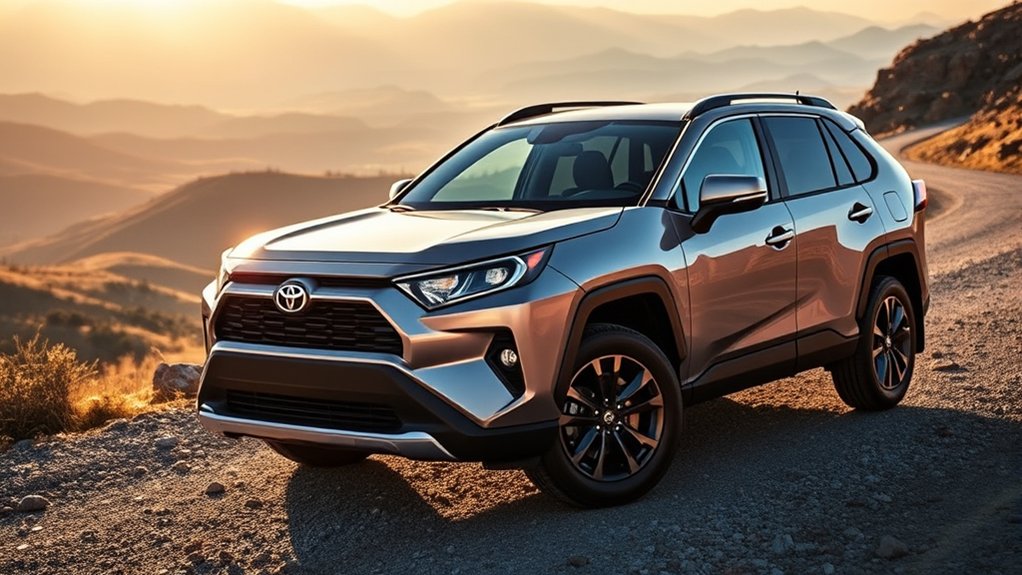
The RAV4 V6 can still be worth buying when you want strong acceleration, compact dimensions, and useful towing capability at a used-vehicle price. Its appeal depends on finding a well-maintained example rather than simply choosing a particular year or trim.
| Choose the RAV4 V6 If | Consider a Newer RAV4 If |
|---|---|
| You value quick, naturally aspirated power. | Fuel economy is your highest priority. |
| You have verified the tow package and need its capacity. | You want modern active-safety technology. |
| You found a clean vehicle with detailed service records. | You prefer a factory warranty and lower repair risk. |
| You are comfortable maintaining an older vehicle. | You want current infotainment and smartphone features. |
Resale value should not be judged by the V6 badge alone. Mileage, rust, accident history, trim, drivetrain, location, maintenance, recall completion, and overall condition can have a greater effect on value.
Related Guides
Frequently Asked Questions
What are the common issues with the RAV4 V6 engine?
No single issue affects every RAV4 V6. Toyota documented a VVT-i oil-supply hose concern on certain 2007–2009 vehicles with the 2GR-FE engine. Because these vehicles are older, you should also inspect for fluid leaks, cooling-system wear, neglected maintenance, warning lights, and age-related rubber or suspension deterioration.
How does the RAV4 V6 compare in resale value?
A clean V6 may attract buyers who want its performance, but the engine alone does not guarantee a higher value. Mileage, condition, service records, rust, accident history, drivetrain, trim, location, and local demand all affect the selling price.
What is the towing capacity of the RAV4 V6?
The maximum was up to 3,500 pounds when the V6 model had the optional tow package and was properly equipped. Check the exact vehicle’s owner’s manual, build information, hitch rating, cargo load, and trailer-brake requirements before towing.
Are there special maintenance tips for the RAV4 V6?
Follow the maintenance schedule for the exact model year. Check the oil level regularly, repair leaks promptly, maintain the cooling system, inspect belts and hoses, and keep records of transmission, spark-plug, brake, tire, and fluid service. Use the fluid types and intervals specified by Toyota.
What were the trim differences for RAV4 V6 models?
The V6 was offered in Base or RAV4, Sport, and Limited grades during the third generation. Sport models emphasized appearance and firmer suspension tuning, while Limited models added more comfort and convenience equipment. Exact options changed by year, so verify the original window sticker or VIN-based build information.
What transmission does the Toyota RAV4 V6 use?
Every U.S.-market third-generation RAV4 V6 used a five-speed automatic transmission. The six-speed automatic mentioned in some articles belongs to the four-cylinder-only 2013 redesign, not the 2006–2012 V6.
Does Toyota still make a RAV4 with a V6?
No. Toyota discontinued the RAV4 V6 after the 2012 model year. The 2026 U.S. lineup uses hybrid or plug-in hybrid powertrains, with the most powerful plug-in version producing more combined system horsepower than the old V6.
Conclusion
The Toyota RAV4 V6 was available in U.S.-market models from 2006 through 2012. Its verified 3.5-liter engine produced 269 horsepower and 246 lb-ft of torque through a five-speed automatic, giving it much stronger acceleration than the four-cylinder versions of the same period.
It can still be a good used SUV when you find one with complete records, no unresolved recalls, a clean inspection, and the equipment you need. If fuel economy, current safety technology, and lower age-related repair risk matter more, a newer hybrid or plug-in hybrid RAV4 will usually be the better fit.
Sources
- Toyota USA Newsroom: 2012 Toyota RAV4 model information — engine output, transmission, fuel economy, trims, drivetrains, and tow-package rating
- Toyota USA Newsroom: RAV4 Prime performance comparison — 2006–2012 V6 horsepower and Toyota’s cited acceleration figure
- Toyota USA Newsroom: 2013 RAV4 debut — V6 discontinuation and replacement four-cylinder specifications
- Toyota USA Newsroom: VVT-i oil-line service campaign — documented concern affecting certain RAV4 V6 vehicles
- Toyota USA Newsroom: 2026 RAV4 lineup — current hybrid and plug-in hybrid powertrains
- National Highway Traffic Safety Administration recall lookup — VIN-based open-recall verification
