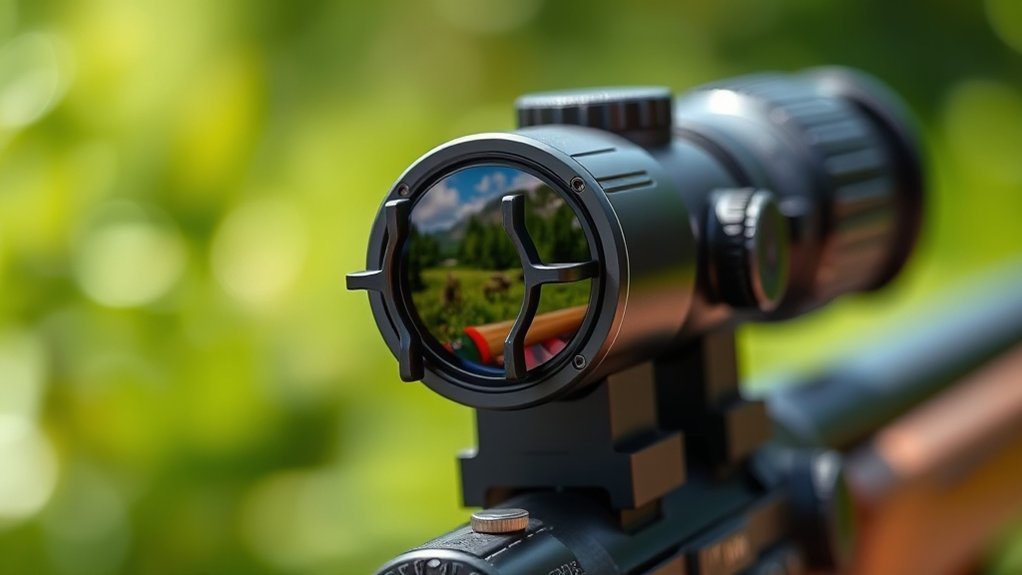
Sight alignment and sight picture describe two related but different parts of aiming terminology. Sight alignment refers to the relationship among a firearm’s aiming references, while sight picture adds the target and surrounding scene to that view. The exact visual reference varies by sight system, so these terms are best used as concepts rather than as one universal setup for every firearm or optic.
Last updated: September 11, 2026 — terminology, safety guidance, and search-intent coverage reviewed and updated.
Quick Answer
Sight alignment describes how a firearm’s aiming references relate to one another. Sight picture describes how those aiming references appear in relation to the target and surrounding scene. The exact visual reference varies among iron sights, red-dot sights, scopes, and other systems, so follow the firearm or optic manufacturer’s guidance and qualified instruction for equipment-specific information.
Key Takeaways
- Sight alignment is primarily about the relationship among the aiming references themselves.
- Sight picture adds the target and surrounding visual context.
- The exact appearance of either concept varies with the type of sights or optic being used.
- Point of aim and point of impact are related terms, but they are not synonyms for sight alignment or sight picture.
- Hands-on firearm instruction should follow the manufacturer’s manual, range rules, applicable law, and guidance from a qualified instructor.
Warning: Always follow firearm safety rules. Treat every firearm as loaded, keep the muzzle pointed in a safe direction, keep your finger off the trigger unless you intend to fire, and follow all range and equipment-specific safety procedures. The ATF firearm-safety guidance provides additional handling and storage information.
Understanding Sight Alignment

Sight alignment describes the relationship among the aiming references on a firearm before the target is added to the discussion. With traditional iron sights, this usually refers to the relationship between the front and rear sight. Other sighting systems use different visual references.
The important distinction is conceptual: sight alignment describes the sights or aiming references themselves. It does not, by itself, describe where those references appear in relation to a target.
This terminology is useful when talking with an instructor because it separates two ideas that are often incorrectly treated as interchangeable. It also prevents a problem with the complete target view from automatically being described as an alignment problem.
Note: Sight systems are not identical. Open sights, aperture or peep sights, fiber-optic sights, red-dot sights, and magnified optics can present different visual references. Use the manufacturer’s documentation and qualified instruction for the specific equipment you are using.
Because of those differences, advice written specifically for one type of iron sight should not automatically be applied to a red dot, scope, or another sight design.
The Importance of Sight Picture
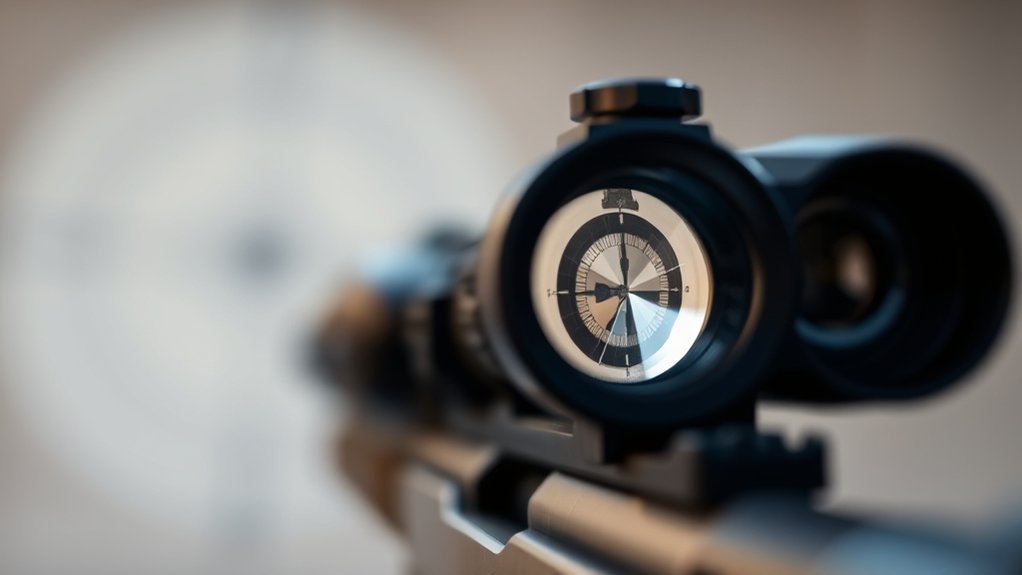
Sight picture is the broader visual concept. It describes the aiming reference in relation to the target and the surrounding scene. In simple terms, sight alignment is about the aiming references themselves, while sight picture adds the target.
This distinction helps explain why two people can use the same words but mean different things. Someone discussing the relationship between front and rear iron sights is talking about alignment. Someone describing the complete visual relationship between the aiming system and a target is talking about sight picture.
What Does Sight Picture Include?
A sight picture can be understood as the complete visual context associated with aiming. Depending on the equipment, that context may include:
- Aiming Reference: The iron sights, dot, reticle, or other sighting reference provided by the equipment.
- Target: The object or designated range target being viewed in relation to that aiming reference.
- Background: The area around and beyond the target, which remains important to safe firearm handling.
- Equipment Context: The particular sight design, firearm setup, and manufacturer instructions that determine how the visual system is intended to be used.
You may encounter terms for different target-hold conventions in shooting literature. Those conventions are equipment- and discipline-specific rather than universal. Consult the manufacturer’s information or a qualified instructor instead of assuming that one generic diagram applies to every firearm.
What Can Change the Way a Sight Picture Looks?
The appearance of a sight picture can change with the sight design, lighting, target contrast, the user’s vision, viewing position, and equipment setup. These variables can change what a person sees without proving that any one variable caused a particular result.
The type of sight is especially important. Traditional iron sights, red-dot sights, and magnified optics do not necessarily use the same visual reference or focus convention. That is why equipment-specific documentation matters.
Visibility, fatigue, distraction, and unfamiliar equipment can also make visual interpretation more difficult. If the sighting system is unclear or appears abnormal, stop and consult the owner’s manual, range staff, a qualified instructor, or an appropriate gunsmith rather than making unsupported adjustments.
Safe Ways to Learn the Terminology
You do not need to turn these definitions into an unsupervised shooting drill to understand them. Safer ways to learn the concepts include:
- Read the Owner’s Manual: Use the firearm and sight manufacturer’s terminology for the equipment you actually have.
- Use Diagrams or Inert Training Aids: Learn which visual element is called the front sight, rear sight, dot, reticle, target, point of aim, or point of impact without live-fire practice.
- Attend a Range Orientation: Learn the facility’s safety procedures and ask staff how its instructional terminology is used.
- Use Qualified Instruction: Ask a qualified instructor to explain which terms apply to your specific sighting system before attempting equipment-specific practice.
Pro Tip: Use precise terminology when asking for help. If you mean the relationship among the aiming references, say “sight alignment.” If you mean the complete view involving the target, say “sight picture.” Do not change sight settings based only on generic internet advice.
The Relationship Between Sight Alignment and Sight Picture

Sight alignment and sight picture are related because both describe parts of the same visual process. The difference is scope. Alignment is the narrower term because it concerns the aiming references. Sight picture is broader because it adds the target and surrounding visual context.
A useful memory aid is: alignment = aiming references to each other; picture = aiming reference plus target. The specific appearance still depends on the sight system and the manufacturer’s design.
Sight Alignment vs Sight Picture: What’s the Difference?
The terms are commonly used together, but each answers a different question:
- Sight Alignment: How do the firearm’s aiming references relate to one another?
- Sight Picture: How does the aiming system appear in relation to the target and surrounding scene?
- Point of Aim (POA): The intended aiming reference on or in relation to a target.
- Point of Impact (POI): The location where the projectile actually strikes. POA and POI are related to sighting, but they are separate concepts from sight alignment and sight picture.
Why Does the Difference Matter?
The distinction gives instructors and students clearer language. Saying “alignment” when you mean the entire target view can make troubleshooting confusing. Likewise, a particular target result does not automatically prove that alignment was the cause because equipment, sight setup, visibility, or other variables can also contribute.
Here is a high-level comparison:
| Factor | Sight Alignment | Sight Picture |
|---|---|---|
| Definition | Relationship among the aiming references | Aiming reference viewed in relation to the target |
| Primary Context | The sighting system itself | The sighting system, target, and visual scene |
| Does It Include the Target? | Not necessarily | Yes |
| Does It Diagnose a Miss by Itself? | No | No |
| What Can Change It? | Sight design and equipment setup | Sight design, target, visibility, vision, and equipment setup |
Using the terms accurately makes it easier to describe what you are seeing without assuming that one visual observation explains every shooting result.
Common Mistakes in Sight Alignment and Sight Picture
Many mistakes with sight alignment and sight picture are terminology mistakes rather than problems that can be diagnosed from a web article.
Sight alignment and sight picture are related terms, but they are not interchangeable.
- Using the Terms as Synonyms: Alignment concerns the aiming references; sight picture adds the target and visual context.
- Assuming Every Sight Works the Same Way: An iron-sight explanation may not apply literally to a red-dot sight or scope.
- Assuming One Diagram Fits Every Firearm: Sight designs and manufacturer specifications vary.
- Diagnosing From One Result: A target result can have several possible causes and should not automatically be blamed on sight alignment or sight picture.
Another mistake is changing hardware, sight settings, or equipment setup based solely on generic advice. Use the equipment manual and qualified help when an adjustment or equipment problem needs to be evaluated.
Note: A consistent target pattern does not, by itself, identify whether the cause is the sighting system, equipment setup, visibility, or shooter technique. Use qualified instruction or technical support for diagnosis.
[Amazon Products Picked for You]

Milled from one solid piece of aircraft grade aluminum to withstand constant heavy recoil

Bright. Accurate. Dependable. We'll assume your stand is in the right spot and suggest our Banner Dusk & Dawn series to capitalize on the latter. With their Dusk & Dawn Brightness (DDB) multi-coated lenses, these riflescopes cast clarity and brightness.
Tips for Understanding Sight Alignment and Sight Picture Safely
Start by learning the definitions rather than memorizing one universal visual diagram. Sight alignment concerns the aiming references. Sight picture adds the target.
Next, identify the sighting system on the equipment. Traditional open sights, aperture sights, red-dot sights, and magnified optics can present different visual references.
Use the owner’s manual for equipment-specific terminology and safety information. Manufacturers may describe the intended sighting system differently, especially when adjustable sights or optics are involved.
If an explanation online conflicts with the equipment documentation, do not assume the generic explanation is correct for your setup. Ask a qualified instructor, range professional, manufacturer, or gunsmith as appropriate.
Keep safety separate from performance. Understanding these terms does not replace the basic responsibilities of safe direction, trigger discipline, secure handling, appropriate protective equipment, and compliance with range rules and applicable law.
Finally, avoid treating a terminology article as a substitute for hands-on instruction. A qualified instructor can explain the visual references used by your specific equipment while supervising the physical handling procedures.
[Amazon Products Picked for You]

Paper Targets For Handguns And Pistols. Printed with High-Visibility Fluorescent EZ2C Red Ink and Deep Black Inks

Champion Scorekeeper Orange Bull Targets 45726 100Yd Sightin

▶ DOUBLE SPINNER TARGETS - 3/8" Thick, 3.5" and 4.5" Diameter Targets.
Where to Learn These Concepts Safely
If you want to move from terminology to hands-on learning, use structured and supervised resources rather than improvising from a generic article.
- Manufacturer Documentation: Start with the firearm and optic owner’s manuals.
- Range Safety Orientation: Learn the rules and procedures of the facility before participating in any live-fire activity.
- Qualified Instruction: Use an instructor who can evaluate the specific firearm and sighting system in person.
- Inert Educational Materials: Diagrams, classroom aids, and non-firing training devices can help explain terminology without turning definitions into unsupervised live-fire practice.
Hands-on procedures vary by firearm, optic, range, and training program. Follow the instructions supplied with the equipment and the directions of qualified range personnel.
At a Glance
| Learning Time | Varies by learner and equipment; terminology can be reviewed separately from supervised hands-on instruction |
| Difficulty | Beginner terminology; equipment-specific instruction varies |
| Useful Resources | Owner’s manuals, inert diagrams or training aids, range safety resources, and qualified instruction |
| Cost | Official safety and manufacturer materials may be free; professional instruction and range fees vary |
[Amazon Products Picked for You]

【CLEAR HITTING STEEL AUDIO】adding sound response to your laser strike training system. Digital steel sound feedback helps you effectively confirm during dry fire laser training. Suitable for most training ammunition cartridges, including 9mm,. 22LR, and. 223 caliber dry fire training ammunition cartridges

Enough Quantity: the package you will receive comes with 8 sets of cardboard targets for shooting, each set includes 1 piece of 1/3Rd scale target, 1 piece of 1/6th scale style target, 1 piece of 1/6th scale popper, 1 piece of 1/6th scale mini popper and 1 piece of 2" circles, a total of 40 pieces; The sufficient quantity and various styles can meet your use and replacement needs

Exquisite Gift Set: delight in the efficiency brought by our laser target set, you receive 2 laser targets, ideal for everyday use or replacement; This set can serve as a thoughtful gift for your family or friends, suitable for various significant occasions such as birthdays, Valentine's Day, Halloween, Thanksgiving, Christmas, and anniversaries
Related Guides
Frequently Asked Questions
What is the difference between sight alignment and sight picture?
Sight alignment describes the relationship among a firearm’s aiming references. Sight picture adds the target and surrounding scene to that visual relationship.
Is sight picture the same as sight alignment?
No. The terms are related, but sight picture is broader because it includes the target. Sight alignment is focused on the aiming references themselves.
Do iron sights, red dots, and scopes use the same sight picture?
Not necessarily. Different sighting systems use different visual references and may have different manufacturer instructions. Equipment-specific guidance should come from the relevant manual or qualified instruction.
What is the difference between point of aim and point of impact?
Point of aim is the intended aiming reference associated with the target. Point of impact is where the projectile actually strikes. Those terms are related to sighting but are separate from sight alignment and sight picture.
Where should a beginner learn equipment-specific sighting procedures?
Start with the firearm and optic manufacturer’s manuals and use qualified instruction in a legal, supervised setting. Always follow firearm-safety rules and the procedures of the range or training provider.
Conclusion
The simplest way to remember the difference is that sight alignment describes the aiming references in relation to one another, while sight picture adds the target and surrounding visual scene. Point of aim and point of impact are related but separate concepts.
Because sighting systems vary, a generic diagram or web article cannot replace equipment-specific guidance. Use the owner’s manual, follow established firearm-safety rules, and rely on qualified instruction for hands-on procedures involving your particular firearm or optic.
