A Carolina rig keeps a soft plastic bait near the bottom while letting it move behind a sliding weight on a separate leader. It works especially well for bass on points, humps, ledges, flats, grass edges, and other open-bottom areas where you need to cover water while feeling changes in bottom composition. The basic order is simple: sinker, bead, swivel, leader, hook, then a Texas-rigged soft plastic bait.
Last updated: September 21, 2026
Quick Answer
A Carolina rig uses a sliding sinker, bead, swivel, leader, and hook to drag a soft plastic bait along the bottom. Slide the sinker and bead on your main line, tie on a swivel, add a leader, then tie on an offset worm hook and Texas-rig your bait. Start with an 18- to 36-inch leader and use the lightest sinker that still gives you clear bottom contact.
Key Takeaways
- A Carolina rig shines when bass hold near the bottom on points, humps, ledges, flats, grass lines, and shell or rock transitions.
- The basic setup includes a main line, sliding sinker, bead, swivel, leader line, hook, and soft plastic bait.
- Start with an 18- to 36-inch leader, then lengthen it in open, clear water or shorten it around grass, brush, and snag-prone cover.
- Drag the rig slowly with the rod, reel in slack, and use a sweeping hookset when you feel steady pressure.
- Adjust bottom contact first, then leader length, bait profile, hook size, and retrieve speed when the setup is not producing.
At a Glance
| Time Required | About 5 to 10 minutes to tie once you have the parts ready |
| Difficulty | Beginner-friendly, with a few knot and setup details to learn |
| Tools Needed | Rod, reel, main line, sinker, bead, swivel, leader, hook, soft plastic bait, and line cutters |
| Cost | Low if you already own basic bass tackle |
Understanding the Carolina Rig
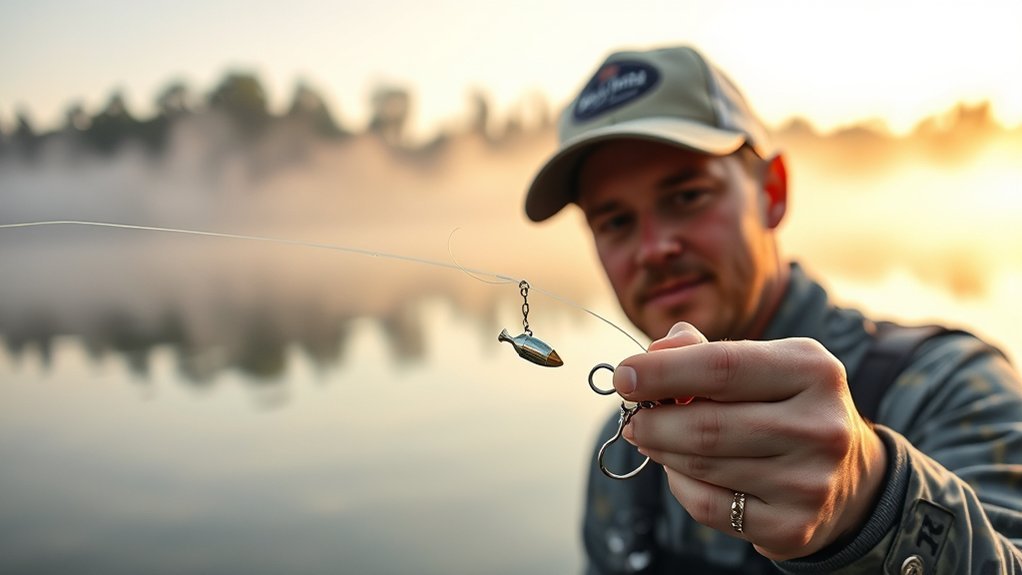
A Carolina rig is a bottom-contact rig built around a sliding sinker that stays ahead of the bait. The main line carries the sinker and bead, the swivel stops the weight, and a separate leader connects the swivel to the hook and soft plastic.
As you drag the weight, the bait trails behind it instead of staying pinned directly against the sinker. That separation gives the bait more independent movement and helps you feel changes in bottom composition such as rock, mud, shell, sand, grass, brush, or other hard spots.
The rig is most useful when you need to cover large areas and locate fish on underwater points, humps, flats, ledges, ditch edges, and relatively open grass lines. A 1/2-ounce sinker is a practical starting point in many situations, but depth, wind, current, bottom type, line diameter, and casting distance all affect how much weight you need. Use enough weight to maintain clear bottom contact without making the rig snag unnecessarily.
For another basic reference, Texas Parks & Wildlife’s fishing-rigs guide shows the same sliding-weight, swivel, leader, and hook arrangement and describes the Carolina rig as a useful deeper-water setup.
Note: A Carolina rig is different from a Texas rig. A Texas rig keeps the weight close to the bait, while a Carolina rig separates the weight from the bait with a swivel and leader.
Essential Equipment for Carolina Rig Fishing

You do not need specialized tackle to fish a Carolina rig, but each part should match the depth, cover, casting distance, and size of bait you plan to use. The goal is enough power to cast and set the hook while keeping enough sensitivity to feel the sinker move across the bottom.
[Amazon Products Picked for You]

Carolina Ready Rig Save Your Time: The Carolina rig is kit all settled which is quite convenient to use. No need to tie up will save a plenty of time when you are fishing. Great for the beginners also. Just tie the carolina rig to the fishing wire and add a soft lure to the hook then you can start fishing.
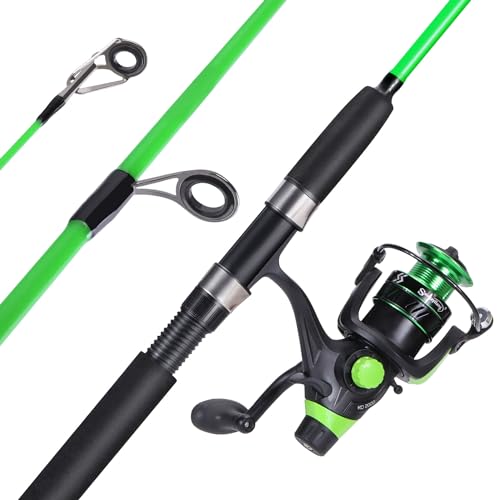
Sensitive & Strong – The spinning rods constructed from Composite Graphite and Glass Blanks which are designed for unbelievable toughness and durability.It allows you cast heavy lures or rigs a long way and master big fish, like catfish and salmon.

Ready-to-Use Carolina Rig:Pre-rigged Carolina rigs designed for bass fishing. Each rig includes a bullet weight, bead, durable leader line and swivels on both ends. No complicated setup required—just tie it to your main line and start fishing.
What Rod and Reel Work Best for a Carolina Rig?
A medium-heavy, fast-action rod around 7 feet or longer is a practical starting point for bass fishing. Extra rod length can help with long casts, moving line on the hookset, and sweeping the rig across bottom structure.
A baitcasting reel works well because Carolina rigs are often cast long distances with moderate or heavy sinkers. A reel around 6:1 or faster is convenient for picking up slack after each drag or when a fish swims toward you, but it is not a strict minimum requirement.
Choose the rod and reel as a balanced system. If you increase sinker size, leader length, bait size, or line strength substantially, make sure the rod is rated for the total load you are casting.
What Line and Leader Should You Use?
A 15-pound-test main line can be a useful starting point in moderate bass cover, but line choice should follow the conditions. Fluorocarbon provides abrasion resistance and lower underwater visibility, while braid provides high sensitivity and low stretch. Many anglers also combine a braided main line with a fluorocarbon or monofilament leader.
For leader length, start around 18 to 36 inches. A 24-inch leader is an easy all-purpose starting point. Lengthen the leader in relatively open, clear water when fish respond better to extra separation from the weight. Shorten it around grass, brush, timber, or other places where a long leader becomes difficult to control or snags repeatedly.
Leader strength should match abrasion risk, cover, hook size, and main line rather than automatically being set to one pound-test. Use a strong, compact barrel swivel rated comfortably for your line instead of relying on one manufacturer’s swivel size number.
Essential Terminal Tackle Items
The terminal-tackle order is simple: sliding sinker, bead, swivel, leader, hook, and soft plastic. Egg, barrel, or bullet-style sinkers can all work. A 1/2-ounce weight is a useful starting point, while 3/4- or 1-ounce weights can make bottom contact easier in deeper water, wind, current, or on very long casts.
A plastic or glass bead sits between the sinker and swivel. It helps protect the knot from repeated impact and can create a clicking sound when the weight contacts it. Finish the rig with a hook that matches the bait profile; 3/0 to 5/0 offset worm or EWG-style hooks cover many common bass plastics.
Carolina Rig Parts Checklist
- Main line: Choose strength and material for the cover, depth, and rod you are using.
- Sinker: Start around 1/2 ounce and increase weight only when needed to maintain bottom contact.
- Bead: Place it between the sinker and swivel to help protect the knot and create sound.
- Swivel: Use a compact barrel swivel strong enough for your line and expected fish.
- Leader: Start around 18 to 36 inches, with about 24 inches as an easy all-around setup.
- Hook: Match a 3/0 to 5/0 offset or EWG-style hook to the thickness and length of the plastic.
- Bait: Use worms, lizards, craws, grubs, baitfish-style plastics, or creature baits based on forage and conditions.
How to Set Up a Carolina Rig Step by Step
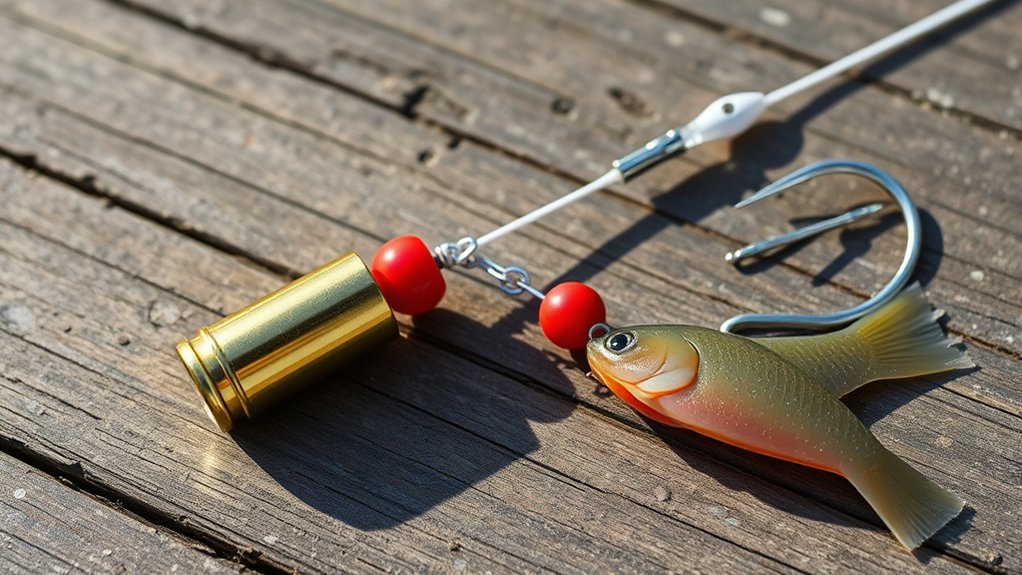
The correct Carolina-rig order is sinker → bead → swivel → leader → hook → soft plastic. Once those components are ready, tying the rig only takes a few steps.
[Amazon Products Picked for You]
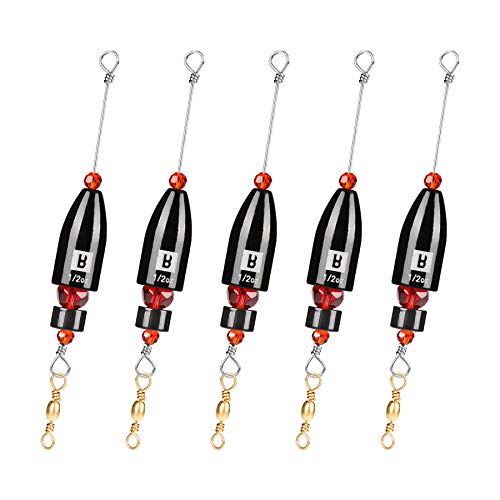
Pre-rigged Carolina rigs with everything needed for your worm lure
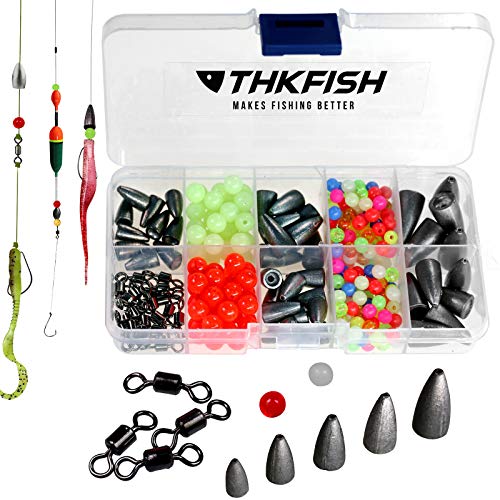
BULLET-WEIGHT MAKES FISHING BETTER: Bullet Fishing Weights are great for Texas and Carolina Rigs which are simple to setup and fast to use. Increasing the chance of catching large bass.The differences between the Carolina rig and the Texas rig mentioned following can help you determine when you should use each one. Wonderful fishing Tool for Angler!

CAROLINA RIG KIT: A complete pre-rigged Carolina setup built for dragging soft plastics across the bottom; the brass barrel weight clicks against the bead to call fish in and trigger reaction bites
Required Components Overview
Before tying anything, gather the parts so you do not have to stop halfway through the setup:
- Leader line: Start with roughly 18 to 36 inches; 24 inches is an easy first setup.
- Barrel swivel: Choose a compact swivel rated for your line.
- Sliding sinker and bead: Use enough weight to maintain bottom contact, with the bead between the sinker and swivel.
- Offset or EWG-style hook: Match the hook size to your soft plastic rather than choosing by number alone.
Then adjust leader length, line strength, sinker weight, and hook size to match cover, depth, wind, casting distance, and bait profile.
Tying the Rig
Start by sliding the sinker onto your main line. The sinker must remain free to move on the line. Next, slide a plastic or glass bead onto the line after the weight.
Tie the main line to one side of the barrel swivel using an Improved Clinch knot, Palomar knot, or another knot that is appropriate for your line. The bead should sit between the sinker and swivel so the knot is not repeatedly struck directly by the weight.
Tie one end of your leader to the open side of the swivel, then tie the hook to the opposite end of the leader. Finally, Texas-rig the soft plastic so the bait sits straight and the hook point can be buried or lightly skin-hooked when you need a weedless presentation.
- Slide the sinker onto the main line.
- Slide the bead onto the main line after the sinker.
- Tie the main line to one side of the barrel swivel.
- Tie the leader line to the other side of the swivel.
- Tie the hook to the end of the leader.
- Thread the soft plastic onto the hook so it sits straight.
- Inspect every knot and make sure the sinker slides freely before casting.
Warning: Lubricate knots before tightening them and cinch them smoothly. Friction and poorly seated wraps can damage fishing line.
How to Texas-Rig the Bait on a Carolina Rig
The bait should sit straight on the hook. A bent or bunched plastic can spin during the retrieve, reduce natural movement, and contribute to line twist. Insert the hook point into the nose of the bait, bring it out after a short distance, slide the bait to the hook eye, rotate it, then insert the point back into the body.
Keep the hook point buried or lightly skin-hooked around grass, brush, and scattered cover. In clean open water, a barely exposed hook point can improve penetration. If you repeatedly feel short strikes without hooking fish, consider downsizing the bait or choosing a hook that better matches the plastic’s body thickness.
How to Fish a Carolina Rig
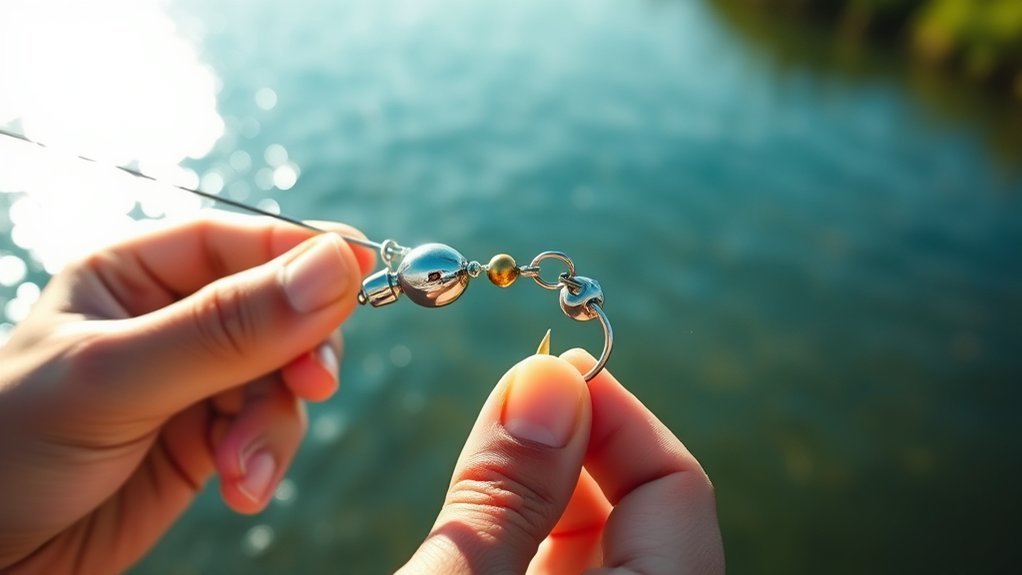
A Carolina rig is normally fished by dragging the sinker across the bottom with the rod, then reeling in the slack. The sinker tells you what the bottom feels like while the bait follows behind it.
- Cast and Sink: Let the rig reach the bottom after the cast. Watch the line during the fall because a fish can pick up the bait before the weight settles.
- Drag With the Rod: Use slow sideways sweeps or pulls, then reel in slack. Avoid using the reel as the main source of movement.
- Maintain Contact: Keep enough tension to feel the weight without pulling the bait continuously.
- Pause at Changes: Slow down when the sinker crosses rock, shell, grass edges, hard spots, or depth changes.
- Set the Hook: When the line feels steadily heavy or begins moving, reel down and use a firm sweeping hookset.
Bottom changes often matter more than a perfectly uniform retrieve. A transition from mud to rock, sand to shell, or grass to clean bottom can concentrate fish. When the weight reaches a different texture or clears a piece of cover, pause before continuing the drag.
Pro Tip: After the sinker crosses a rock, grass edge, shell patch, or other distinct hard spot, pause briefly before making the next pull. The change in bait speed and direction can trigger a following bass.
How to Detect Bites
A Carolina-rig bite may feel like a sharp tap, but it can also feel heavy, soft, or simply different from the previous drag. If the sinker should be moving but suddenly stops, a fish may have picked up the bait behind it.
Do not immediately swing at every rock or stump. Reel down until the line tightens. If you feel pressure, movement, or a steady pull, sweep the rod firmly while continuing to reel. A longer rod can help move the extra line created by the leader and long cast.
Retrieve Speed and Cadence
Begin with a slow drag-and-pause retrieve. When fish are active, use longer pulls and shorter pauses to cover more water. When bites are difficult, shorten each pull and leave the bait still for longer.
Keep the presentation close to the bottom rather than repeatedly snapping it upward. The rig’s main strength is its ability to maintain bottom contact while the bait moves independently behind the weight.
Choosing the Right Bait
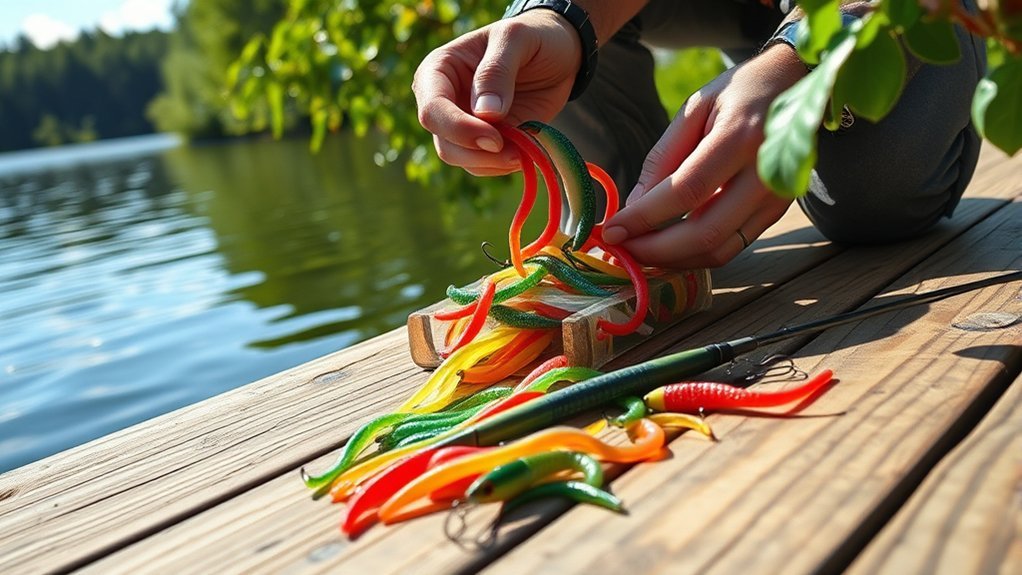
Choose the bait profile by forage, water clarity, cover, and how aggressively bass are feeding. Smaller, less active plastics can help when fish are pressured or inactive, while larger or more active profiles can create more movement and visibility when bass are feeding aggressively.
| Bait Profile | Useful Situations | Why It Works |
|---|---|---|
| Craw-style bait | Rock, shell, gravel, and crawfish forage | Keeps a bottom-oriented profile that matches common bass forage |
| Lizard or creature bait | Points, flats, stained water, and spring fishing | Extra appendages add movement and a larger profile |
| Straight-tail or finesse worm | Clear water, pressured fish, and slower bites | Provides a subtle presentation with less water displacement |
| Baitfish-style plastic | Open water, points, flats, and baitfish-oriented feeding | Creates a slimmer profile that can imitate small forage fish |
If one bait profile stops producing, change one variable at a time. Size is often the easiest first adjustment because you can make the presentation more subtle or more noticeable without changing the entire rig.
[Amazon Products Picked for You]

Easy to Use: lifelikes worm, it attracts all sorts of fish, especially bass thus these are a must have rubber worms for bass fishing. 5 tested colors help you match on any of area water. Senko worms are infused with colorful glitter, reflecting light from all directions for better-attracting fish.

BERKLEY POWERBAIT POWER WORM SOFT PLASTIC CURLY TAIL WORM: As iconic of a soft plastic worm as it gets, the Berkley PowerBait Power Worm is a classic ribbon-tail / curly style worm that is time tested and proven to put fish in the boat.
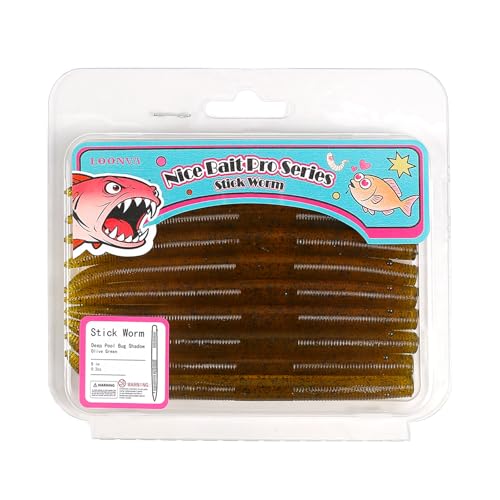
✅【Irresistible Natural Fall Action】Our stick worms feature a unique ribbed body design that creates subtle water resistance, delivering a smooth, horizontal fall just like a real baitfish. This slow, natural action triggers even inactive largemouth bass to strike, perfect for shallow water spawning season or deep water fishing.
Bait Color Selection
In clear water, begin with natural colors such as green pumpkin, watermelon, brown, or smoke. In stained or muddy water, darker colors such as black, junebug, black-blue, or dark green pumpkin create a stronger silhouette. In fisheries dominated by shad or similar baitfish, white, pearl, smoke, and silver-flake patterns can better match the forage.
Do not change color, size, leader length, and retrieve all at once. Make one adjustment, fish it long enough to judge the result, then make the next change if needed.
Matching Hook Size to Bait
The hook should be large enough to clear the body of the bait during a hookset without making the plastic stiff or unbalanced. A 3/0 hook works with many smaller worms and compact plastics, while 4/0 and 5/0 hooks fit many larger lizards, worms, and bulky creature baits.
Use bait thickness as the final test. A thick-bodied plastic generally needs more hook gap than a narrow finesse worm, even when both baits have similar overall length.
Ideal Locations for Carolina Rig Fishing
A Carolina rig is most efficient where you can drag across a reasonably open bottom and use the sinker to search for changes in depth, cover, or bottom hardness.
- Underwater Points and Humps: Cover the top, sides, and deeper edges where bass can move between feeding and resting water.
- Bottom Transitions: Pay attention to changes between mud, sand, shell, gravel, rock, and sparse vegetation.
- Grass Edges: Work outside edges, lanes, and sparse sections where the rig can move without constantly fouling.
- Flats, Bars, and Ledges: Make long casts when fish are scattered and use the sinker to locate hard spots or isolated cover.
If vegetation is a major part of the pattern, the site’s weed bed fishing tips explain how edges, openings, points, and hard-bottom areas inside grass can concentrate bass.
When you find a hard spot, shell bed, rock pile, grass edge, or depth change, slow down and make repeated casts from slightly different angles rather than immediately leaving the area.
Best Depths for a Carolina Rig
A Carolina rig can be fished shallow or deep. The key is not a fixed depth cutoff; it is maintaining enough bottom contact to understand what the sinker is crossing.
A 1/2-ounce sinker is a useful starting point in many shallow-to-moderate-depth situations. Move toward 3/4 or 1 ounce when deeper water, wind, current, or a very long cast makes bottom contact difficult. If the rig is constantly wedging into rock or vegetation, reduce the weight or change the sinker shape before assuming heavier is always better.
When Not to Use a Carolina Rig
A Carolina rig is less efficient when you need to drop a bait into one precise opening or work through very dense brush, laydowns, matted vegetation, or other snag-heavy cover. The swivel, long leader, and separate weight create more components that can catch on cover.
In those situations, a compact Texas rig can be easier to place and control because the weight stays close to the bait. For a broader explanation of Texas rigs and other soft-plastic setups, see the site’s artificial bait fishing basics.
Troubleshooting Common Issues
Most Carolina-rig problems come from poor bottom contact, a leader that does not suit the cover, a crooked bait, a dull or mismatched hook, too much slack, or a retrieve that is too fast.
If line twist develops, check the bait first. A soft plastic that sits crooked can spin during the retrieve. Also make sure the barrel swivel turns freely and replace it if it binds. If the rig keeps snagging, shorten the leader, reduce weight where possible, and make sure the hook point is buried cleanly in the bait.
If the problem is not obvious, change one variable at a time. First make sure you can feel the bottom. Next adjust leader length. Then change bait size or profile, hook fit, and finally retrieve cadence. This sequence makes it easier to identify which change actually improved the rig.
| Problem | Likely Cause | Fix |
|---|---|---|
| Rig keeps snagging | Leader too long, weight too heavy, or hook point exposed | Shorten the leader, reduce weight if bottom contact remains adequate, or bury the hook point |
| Hard to feel bottom | Weight too light, excessive slack, or unsuitable rod action | Increase weight gradually, control slack, or use a more sensitive setup |
| Missed hooksets | Hook does not match bait, bait is too bulky, or line is too slack | Match the hook gap to the bait, reel down first, then sweep the rod |
| Line twist | Bait rigged crooked or swivel not turning freely | Straighten the bait and inspect or replace the barrel swivel |
| No bites | Wrong location, depth, speed, leader length, or bait profile | Confirm depth and bottom contact, slow down, adjust the leader, then change bait profile or size |
Seasonal Strategies for Success
Bass location and feeding behavior change with water temperature, spawning stage, weather, forage movement, and fishing pressure. Use seasonal patterns as starting points rather than fixed rules.
- Spring: Check points, offshore bars, staging areas, and flats near spawning pockets. Craws, lizards, worms, and compact creature baits can all fit the season. In clear, relatively open water, experiment with a longer leader if the standard setup is not producing.
- Summer: Focus on deeper grass lines, ledges, points, humps, flats, and offshore structure. Use enough sinker weight to maintain reliable bottom contact on long casts.
- Fall: Follow baitfish movement across flats, bars, points, and creek routes. Worms, stick-style plastics, and baitfish-shaped plastics can all work when bass are feeding on moving forage.
- Winter: Slow the retrieve around deeper points, rock, channel-related structure, and sharper breaks. Shorter pulls and longer pauses can help keep the bait in productive water.
Weather, water clarity, lake level, current, and fishing pressure can override a seasonal pattern quickly. If a productive-looking area is not producing, change depth and retrieve speed before rebuilding the whole rig.
Frequently Asked Questions
How do you properly fish a Carolina rig?
Cast the rig, let it reach the bottom, then drag it slowly with the rod while reeling in slack. Keep enough tension to feel bottom changes, pause around cover or hard spots, and use a firm sweeping hookset when you feel steady pressure or line movement.
What is the difference between a Carolina rig and a Texas rig?
A Carolina rig places the sliding weight ahead of a swivel and separate leader, allowing the bait to trail behind the weight. A Texas rig keeps the weight close to the hook and bait. Carolina rigs are especially useful for covering open bottom, while Texas rigs are easier to work through tight or heavy cover.
Is a Carolina rig good for beginners?
Yes. The parts order is simple, and the rig teaches you to identify bottom changes, control slack, detect subtle bites, and adjust weight and leader length. Start with a moderate leader and enough sinker weight to feel the bottom clearly.
What line should you use for a Carolina rig?
Fluorocarbon, monofilament, and braid can all work. Fluorocarbon offers abrasion resistance and low visibility, while braid provides high sensitivity and low stretch. Match line and leader strength to cover, rod power, bait size, and expected fish instead of relying on one fixed pound-test.
How long should a Carolina rig leader be?
Start around 18 to 36 inches; about 24 inches is an easy all-purpose length. Lengthen the leader in relatively open, clear water when extra separation helps, and shorten it around grass, brush, timber, or other snag-prone cover.
What size weight should you use for a Carolina rig?
A 1/2-ounce weight is a useful starting point in many situations. Move toward 3/4 or 1 ounce when deeper water, wind, current, or long casts make bottom contact difficult. Use the lightest weight that still lets you clearly track the bottom without excessive snagging.
Conclusion
A Carolina rig gives you a simple way to cover bottom structure while keeping a soft plastic separated from the sinker. Start with a sliding weight, bead, swivel, roughly 18- to 36-inch leader, hook, and straight-rigged soft plastic.
On the water, focus first on bottom contact. Once you can clearly feel the rig, adjust one variable at a time: leader length, bait profile, hook fit, and retrieve cadence. Slow down at rock, shell, grass edges, and other changes in bottom composition, because those transitions often tell you where to make the next cast.