The drop shot rig helps you keep a soft plastic bait hovering just above the bottom, where bass, panfish, and other fish can inspect it without chasing fast-moving lures. It works best when fish are pressured, suspended, or holding near structure. With the right hook, weight, leader length, and subtle rod movement, you can turn light bites into steady catches.
Quick Answer
A drop shot rig uses a hook tied above a weight so your bait stays suspended off the bottom. Tie the hook with a Palomar knot, leave a 12- to 18-inch tag end, attach a drop shot weight, then fish it slowly with small shakes, pauses, and light line.
Key Takeaways
- Use light spinning gear, fluorocarbon line, and a small hook for the best finesse presentation.
- Keep the hook about 12 to 18 inches above the weight for most bass fishing situations.
- Choose lighter weights for shallow water and heavier weights for deep water, current, or wind.
- Small worms, minnows, shad-style baits, and natural colors work well in clear or pressured water.
- Fish the rig slowly. Tiny shakes, pauses, and controlled bottom contact usually beat aggressive retrieves.
At a Glance
| Time Required | 5 to 10 minutes to tie; longer to adjust on the water |
| Difficulty | Beginner-friendly, but bite detection takes practice |
| Tools Needed | Spinning rod, spinning reel, fluorocarbon line, drop shot hook, soft plastic bait, drop shot weight, and scissors or line cutters |
| Cost | Low. Hooks, weights, and soft plastics are affordable and easy to carry. |
What Is a Drop Shot Rig?
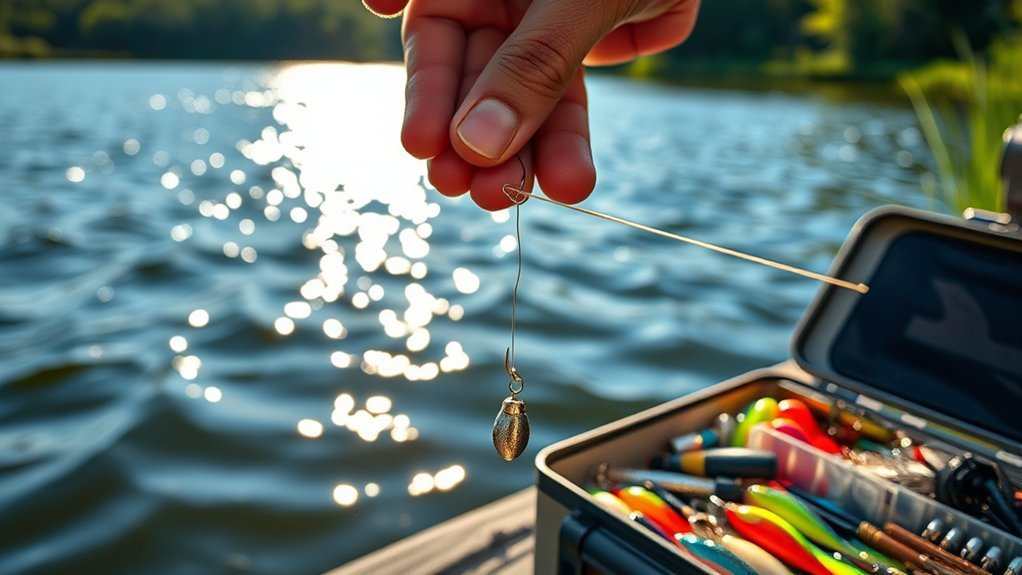
A drop shot rig is a finesse fishing setup that keeps your bait above the weight instead of dragging it directly on the bottom. The weight touches the bottom first, while the hook sits higher on the line. This lets your soft plastic lure hover, quiver, and stay visible to nearby fish.
This setup is especially useful for bass fishing in clear water, deep water, cold water, and pressured lakes where fish ignore faster lures. It also works around points, docks, rock piles, weed edges, brush, ledges, and break lines. Because the bait stays in the strike zone longer, fish get more time to commit.
The basic rig includes a hook tied above a drop shot weight. Many anglers use a Palomar knot because it is strong and simple. A common leader distance between the hook and weight is 12 to 18 inches, but you can shorten or lengthen it based on depth, cover, and how high fish are holding off the bottom.
You can fish a drop shot rig in shallow water or deep water, from bank fishing spots to offshore structure. Light line, usually around 4- to 8-pound test for finesse bass fishing, improves bait action and helps you detect soft bites.
Essential Gear for Drop Shot Fishing
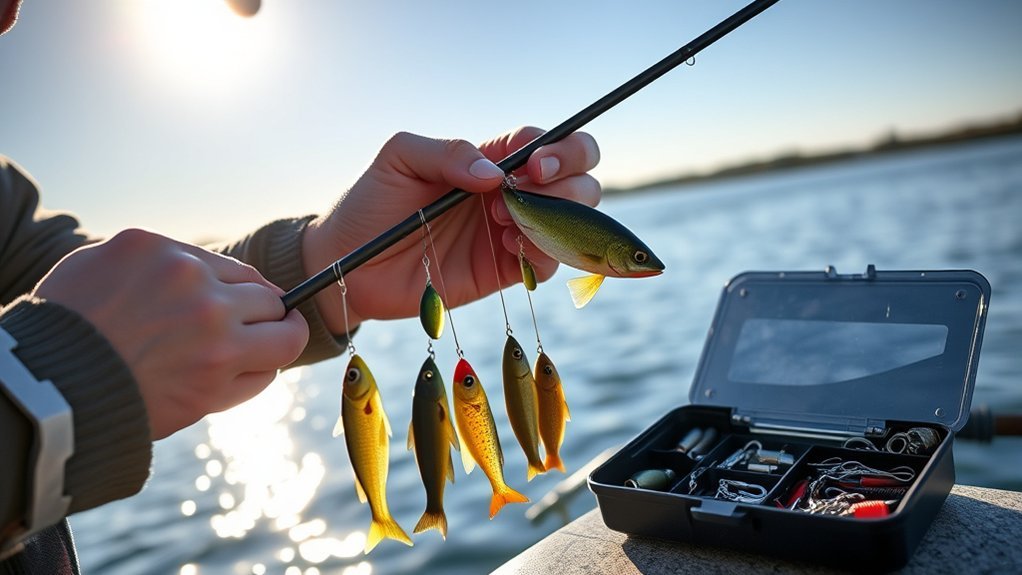
Successful drop shot fishing starts with gear that lets you feel light pressure, keep steady bottom contact, and set the hook without overpowering small hooks or thin line.
A 7-foot medium-light action spinning rod is a strong all-around choice. It gives you enough tip sensitivity to feel small bites while still offering enough backbone for bass. A fast or extra-fast tip can help you shake the bait without moving the weight too far.
Pair the rod with a 2000- to 3000-size spinning reel for most freshwater drop shot fishing. A 4000-size reel can work for larger fish, deeper water, or heavier line, but many anglers prefer the lighter feel of a smaller reel.
Use 6- to 8-pound fluorocarbon line for clear water, finesse presentations, and better sinking performance. You can also run braided main line with a fluorocarbon leader if you want more sensitivity and easier line management.
Select drop shot hooks in the No. 1 to 1/0 size range for most bass baits. Smaller hooks work well with nose-hooked finesse worms and shad-style baits. Larger hooks fit Texas-rigged drop shot baits or thicker soft plastics.
For weights, start with 1/8 ounce to 3/8 ounce for most situations. Move up to 1/2 ounce or 3/4 ounce when you fish deeper water, wind, current, or heavy cover. Snag-resistant cylinder weights help around rocks, grass, and brush.
Note: A drop shot does not need heavy gear to work. In many cases, lighter line and smaller hooks create a more natural bait action and help you catch fish that ignore bulky rigs.
[Amazon Products Picked for You]

🎣 Warm Prompt: Full Kit with Carrier Case Include 1 Fishing Rod + 1 Fishing Reel + Fishing Line + Various Fishing Lures + Fishing Hooks + Some Necessary Accessories + Carrier Bag.

FAST ACTION: The 6-foot fishing rod combo provides Light power making it a versatile choice for freshwater presentations, including both live baits and artificial lures when targeting bass, panfish, trout, walleye, or catfish. The sensitive tip and firm backbone of the Fast action rod allow anglers to deliver positive hooksets from long distances, and its two-piece design simplifies storage and transport

COMFORT GRIP FISHING POLE - This fishing rod has a split EVA foam handle that helps prevent hand fatigue and allows anglers of all ages a more comfortable grip, helping them stay out on the water and fish longer and, most importantly, catch more fish.
Step-by-Step Guide to Tying a Drop Shot Rig

To tie a drop shot rig, you need a hook, line, weight, and soft plastic bait. The main goal is to make the hook stand out from the line while the weight stays below it. Follow these steps slowly until the rig hangs clean and straight.
Knot Tying Techniques
Start by running your line through the eye of the hook. Leave a long tag end below the hook because that tag end becomes the leader between the hook and weight.
Next, tie a Palomar knot. Double a short section of line, pass the loop through the hook eye, tie a loose overhand knot, pass the hook through the loop, then wet the knot and pull it tight. After the knot tightens, take the tag end and run it back down through the hook eye from the top side. This helps the hook point stand upward.
Leave about 12 to 18 inches of tag end below the hook for most bass fishing. Attach a drop shot sinker to the end of that tag line. Many drop shot weights have a pinch-style clip, so you can slide the line into the clip instead of tying another knot.
Before you cast, hold the rig in front of you. The hook should sit straight, the point should angle up, and the weight should hang below it. If the hook twists or points down, re-thread the tag end through the hook eye.
Weight and Leader Setup
Setting up the weight and leader for your drop shot rig controls how high your bait sits above the bottom. A 12- to 18-inch distance between hook and weight works well for most bass situations because it keeps the bait close to bottom-feeding fish.
Use a shorter leader, around 6 to 10 inches, when fish hug the bottom or when you fish shallow water. Use a longer leader, around 18 to 30 inches, when fish suspend above grass, rocks, or brush. For panfish like crappie and bluegill, you can experiment with 3- to 4-foot leaders when fish hold higher in the water column.
Choose weight size based on depth and conditions. Use 1/8 ounce or 1/4 ounce in shallow water. Try 1/4 ounce to 3/8 ounce in moderate depth. Use 1/2 ounce to 3/4 ounce when wind, current, or deep water makes it hard to keep contact.
Bait Attachment Methods
When it comes to attaching bait on your drop shot rig, you have several effective options. The nose hook method works well with small finesse worms and minnow-style baits. Insert the hook point through the front of the bait and bring it out about 1/4 inch back. This gives the bait a loose, natural action.
The Texas rig method works better around grass, brush, and other cover. Thread the hook into the head of the worm, slide it slightly forward, then bury the hook point back into the body. This creates a weedless presentation that slips through cover with fewer snags.
You can also wacky hook a small soft stick bait by placing the hook through the middle of the bait. This creates a subtle shimmy that can work well when bass suspend or follow but refuse a nose-hooked bait.
Always secure the bait straight on the hook. A crooked bait twists the line, weakens the presentation, and makes the rig harder to control.
Pro Tip: After tying the rig, drop it beside the boat or shoreline before casting. If the bait spins, re-rig it straighter or switch to a smaller bait.
Adjusting Weights and Leader Lengths
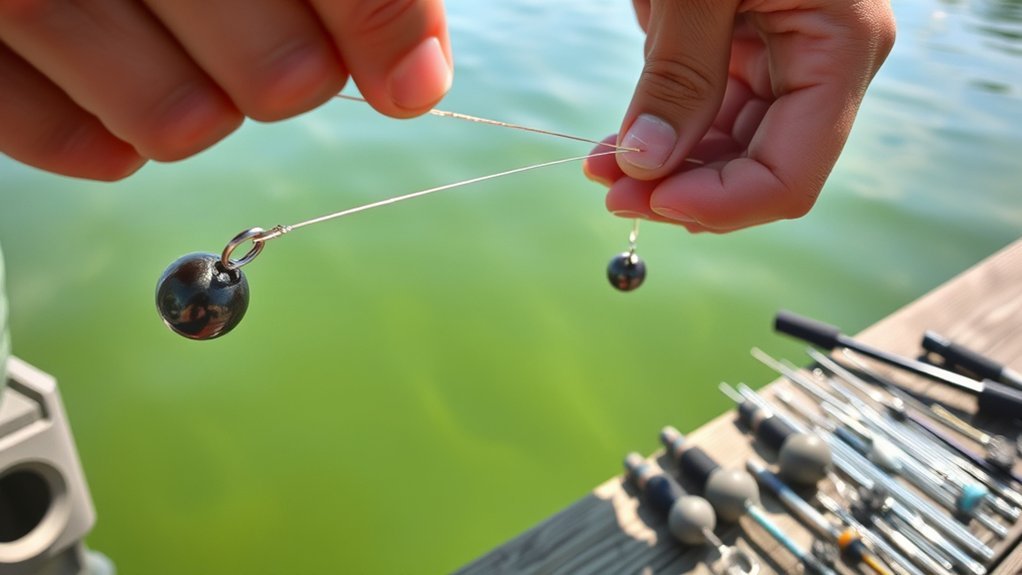
To adjust your drop shot rig for different fishing conditions, start with the bottom. You need enough weight to feel the bottom without dragging the rig too fast or making the bait look stiff.
In shallow water, begin with 1/8-ounce or 1/4-ounce weights. These lighter sizes keep the rig subtle and help your bait move naturally. In deeper water, windy conditions, or current, move up to 3/8 ounce, 1/2 ounce, or 3/4 ounce so you can stay connected to the rig.
Leader length changes the bait’s height. A 12- to 18-inch leader gives you a balanced starting point. Shorter leaders keep the bait close to the bottom, which helps when bass are feeding downward. Longer leaders lift the bait higher, which helps when fish suspend above grass, rock, or brush.
If you miss bites, feel too much slack, or lose bottom contact, adjust one thing at a time. Change the weight first if you cannot feel bottom. Change the leader length first if you see fish on electronics or notice bites coming higher in the water column.
| Condition | Best Adjustment |
|---|---|
| Shallow water | Use 1/8- to 1/4-ounce weight and a shorter leader |
| Deep water | Use 3/8- to 3/4-ounce weight for better contact |
| Fish suspended above cover | Lengthen the leader to lift the bait higher |
| Rocky bottom | Use a cylinder weight to reduce snags |
Effective Techniques for Bass Fishing With a Drop Shot

While drop shot fishing for bass can be highly effective, the retrieve matters as much as the rig. Many beginners overwork the bait. In most cases, a slow, controlled approach catches more fish.
Cast to your target, let the weight fall to the bottom, and keep a slight bow in the line. Shake the rod tip gently without moving the weight too far. Then pause. Many bites happen while the bait sits still and quivers in place.
Use these techniques to improve your bass fishing technique:
- Use a 7-foot medium-light action spinning rod with 6- to 8-pound fluorocarbon line for sensitivity.
- Tie a Palomar knot and run the tag end back through the hook eye so the hook point angles upward.
- Target clear water, drop-offs, rock piles, grass edges, docks, brush, and pressured fish.
- Try finesse baits like straight-tail worms, flat worms, shad-shaped worms, and small soft stick baits.
- Use natural colors such as green pumpkin, watermelon, smoke, shad, and baitfish patterns in clear water.
- Shake the bait lightly, pause often, and avoid dragging the rig too quickly.
- Watch your line for ticks, jumps, sideways movement, or sudden slack.
When you feel a bite, avoid a hard overhead hookset with light line. Instead, reel down, lift firmly, and keep steady pressure. This protects light hooks and keeps the fish pinned.
Selecting the Right Drop Shot Hooks
When selecting drop shot hooks, consider hook type, size, wire strength, and how you plan to rig the bait. The right hook improves bait movement, hook penetration, and landing percentage.
[Amazon Products Picked for You]
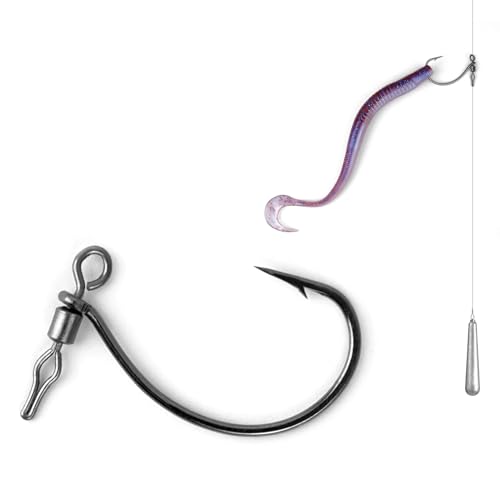
【Knot-Free Drop Shot Rigging】 Features built-in line clips for quick and easy setup—no need to tie traditional knots for hooks or weights, saving time on the water.

【All-In-One Rig Kit】 FishTrip Drop Shot Rig Kit includes 20pcs drop shot hooks, 20 ewg hooks, and 20 sinker weights, giving you a complete, ready-to-use drop shot rig solution in one compact set. No complicated setup, no wasted time—just tie, cast, and fish. Perfect for beginners and anglers who want fast, reliable finesse fishing with consistent results in lakes, ponds, and reservoirs

Complete Drop Shot Rig Kit – Includes 32 swivel drop shot hooks (8 sizes) + 20 drop shot weights (1/8oz, 3/16oz, 1/4oz, 3/8oz, 1/2oz) for versatile rigging.
Hook Types Overview
Choosing the right drop shot hook is essential for maximizing your fishing success. Here’s a quick overview of hook types to consider:
- Finesse drop shot hooks, such as small mosquito-style or split-shot hooks, work well with nose-hooked baits.
- Light-wire hooks in the No. 1 to 1/0 range match small worms, minnows, and shad-style soft plastics.
- Extra wide gap hooks work better for thicker baits and Texas-rigged drop shot presentations.
- Longer shank hooks can improve bait control and help keep some soft plastics straighter.
- Offset hooks help when you need a weedless rig around grass, brush, or wood.
Use the hook that matches your bait size and cover. A small open hook gives the best action in open water. A Texas-rigged hook gives you better snag resistance in cover.
Size Recommendations
Selecting the right hook size is vital for effective drop shot fishing. For finesse presentations, use hooks sized between #8 and #1. These smaller hooks help thin worms, minnows, and small shad baits move freely.
If you’re using power drop shot techniques, choose hooks sized 1/0 or larger. These hooks provide more gap and strength for thicker soft plastics, heavier line, or heavier cover.
It’s important to match the hook size to the lure. A hook that is too large can make the bait stiff. A hook that is too small can miss fish or fail to hold larger bass.
| Hook Size | Best Use |
|---|---|
| #8 – #1 | Finesse presentations with small soft plastics |
| No. 1 – 1/0 | All-around bass drop shot fishing |
| 1/0 or larger | Power drop shot techniques and thicker baits |
| Thin-wire hooks | Light line, open water, and better bait movement |
Material Considerations
While fishing conditions can vary widely, hook material and wire thickness affect your results. Thin-wire hooks penetrate easily with light line and a gentle sweep set. Heavier hooks work better when you use stronger line, thicker baits, or more cover.
- Choose light-wire hooks for finesse fishing and small soft plastics.
- Use stronger hooks when fishing around brush, grass, docks, or bigger fish.
- Pick wide-gap hooks for thicker soft plastics and weedless rigging.
- Use thin hooks when you want more sensitivity and less bait tearing.
- Experiment with straight shank, offset, and open drop shot hooks based on cover and bait style.
Choosing Drop Shot Weights for Various Conditions
When fishing with a drop shot rig, the right weight can make all the difference in your success. The weight controls bottom contact, casting distance, bait position, and bite detection.
| Water Depth | Recommended Weights |
|---|---|
| Shallow Waters | 1/8-ounce to 1/4-ounce |
| Moderate Depths | 1/4-ounce to 3/8-ounce |
| Deeper Waters | 3/8-ounce to 1-ounce |
| Special Conditions | Snag-free cylinder weights for rocky areas |
In shallow waters from 1 to 10 feet, lighter weights help maintain a natural finesse presentation. For moderate depths from 10 to 20 feet, use weights that provide better control without overpowering the bait. In water deeper than 20 feet, heavier weights help anchor your rig against wind and current.
Weight shape also matters. Cylinder weights slide through grass, cracks, and rocks better than round weights. Round or ball-style weights provide strong bottom feel on softer bottom. Tear-drop weights offer a balanced option for general fishing.
In windy conditions, increase weight size just enough to keep contact with the bottom. If the rig feels too heavy or fish stop biting, downsize until you still feel the bottom without making the bait look unnatural.
[Amazon Products Picked for You]

30pcs fishing weights, total 6 sizes 1 set(5 of each size for 0.09oz, 0.12oz, 0.18oz, 0.25oz, 0.35oz and 0.49oz), all quantities in a reusable fishing tackle box.

5 or 12 Pack Sizes Available - Please select your preferred quantity from the Size variation before checkout. 97% Tungsten - High density, more compact than lead, sink faster with smaller splash, no spooking fishes, no stuck in the cracks and you can make accurate casts in the wind and be more precise when flipping and pitching your lures.

【Tight Weight Tolerance, Exceeds Industry Standard】Every sinker passes double strict weighing tests,with weight tolerance far better than the conventional industry level. It avoids rig imbalance and wrong depth control caused by excessive weight deviation, keeping your bait in the fish's strike zone to boost catch rate.
Proven Baits for Successful Drop Shot Fishing
To maximize your success with drop shot fishing, choosing the right baits is essential. The best drop shot baits usually have a slim body, soft texture, and natural movement. Most effective drop shot baits are under 6 inches long.
Here are some popular bait styles to try:
- Straight-tail finesse worms
- Flat worms
- Small minnow-style baits
- Shad-shaped worms
- Small soft stick baits
- Small creature baits for pressured fish near cover
- Live bait for panfish where local rules allow it
In clear water, natural colors like green pumpkin, watermelon, smoke, shad, and translucent baitfish patterns work well. In stained water, use darker or more visible colors so fish can find the bait more easily.
For bass, try slim worms, flat worms, and shad-style soft plastics when fish are pressured or suspended. For crappie and bluegill, try 3- to 4-inch soft plastics or small live bait during spring around beds, docks, and shallow cover.
Match your bait to local forage whenever possible. If fish feed on shad, use a minnow profile. If they feed near bottom, try a worm or small craw-style bait. If fish follow but do not bite, downsize the bait or switch to a more natural color.
Best Places to Fish a Drop Shot Rig
A drop shot rig works almost anywhere fish hold close to structure or cover. It shines when you need to keep a bait in one place without dragging it too far away from fish.
Good places to try include:
- Deep points and ledges
- Rock piles and gravel banks
- Weed edges and grass lines
- Docks and bridge pilings
- Brush piles and submerged timber
- Bluff walls and steep banks
- Creek channel swings
- Shallow beds and panfish areas during spring
When fishing from a boat, use the rig vertically over fish you see on electronics or cast it across structure and work it back slowly. When fishing from shore, cast along depth changes, weed edges, dock corners, and points you can reach from the bank.
Tips for Shore Fishing With a Drop Shot Rig
Shore fishing with a drop shot rig works well because you can cast it to depth changes and keep the bait above the bottom during a slow retrieve. Start by targeting break lines where shallow water drops into deeper water. Bass, crappie, and bluegill often move along these edges.
Cast at a 45-degree angle along the bank instead of straight out every time. This keeps your bait in the strike zone longer and helps you cover more water. Use a 6-foot, 6-inch to 7-foot spinning rod with light fluorocarbon line for better control.
For panfish like crappie and bluegill in spring, try a short 3- to 4-inch bait and adjust the leader length based on how high the fish sit above the bottom. In shallow areas, a shorter leader often works better. Near weed edges or beds, a longer leader can keep your bait visible.
During the retrieve, use subtle twitches to imitate a dying or fleeing baitfish. Pause often and watch the line. Some bites feel like a tap, but others only show as sideways movement or sudden slack.
Warning: Check local fishing rules before using live bait, fishing near spawning areas, or keeping fish. Rules can change by waterbody, season, and species.
Common Drop Shot Mistakes to Avoid
A drop shot rig looks simple, but small mistakes can reduce bites. Most problems come from using gear that is too heavy, moving the bait too much, or missing light strikes.
- Using too much weight: A heavy weight can make the bait look stiff and unnatural in shallow water.
- Using the wrong leader length: A bait that sits too low or too high may miss the strike zone.
- Overworking the bait: Hard shakes can pull the rig away from fish. Small movements usually work better.
- Ignoring line movement: Many drop shot bites feel soft. Watch for jumps, ticks, or sideways movement.
- Using hooks that do not match the bait: Oversized hooks reduce action, while tiny hooks can miss bigger fish.
- Setting the hook too hard: Light line and small hooks need a firm lift, not a violent hookset.
Related Guides
Frequently Asked Questions
How do you set up a drop shot rig?
Tie a hook to your main line with a Palomar knot, leaving a 12- to 18-inch tag end. Run the tag end back through the hook eye so the hook points up. Attach a drop shot weight to the bottom, then add a soft plastic bait to the hook.
What are the common mistakes with drop shots?
Common drop shot mistakes include using weights that are too heavy, choosing the wrong leader length, missing subtle bites, using hooks that do not match the bait, and moving the rig too aggressively. A slower retrieve and lighter setup often work better.
How far should my hook be from my weight on a drop shot?
For most bass fishing, keep your hook 12 to 18 inches above the weight. Use a shorter leader when fish hug the bottom, and use a longer leader when fish suspend above grass, rocks, or brush.
How do you fish a drop shot rig from shore?
Cast along break lines, weed edges, docks, points, and other reachable structure. Let the weight touch bottom, then shake the bait gently with small rod-tip movements. Pause often and watch your line for subtle bites.
What line is best for a drop shot rig?
Fluorocarbon line in the 4- to 8-pound range works well for most finesse drop shot fishing. You can also use braided main line with a fluorocarbon leader for better sensitivity, especially in deeper water.
Can you use a drop shot rig in shallow water?
Yes. A drop shot rig works in shallow water when you use a lighter weight and a shorter leader. It is useful around docks, grass edges, beds, and pressured fish that will not chase faster lures.
Conclusion
Mastering the drop shot rig gives you a reliable way to catch fish when they refuse faster or bulkier lures. The setup is simple, but the small details matter. Hook size, leader length, weight choice, bait style, and retrieve speed all affect how natural your presentation looks.
Start with a medium-light spinning rod, light fluorocarbon line, a small drop shot hook, a 12- to 18-inch leader, and a weight that keeps steady bottom contact. Then adjust one part of the rig at a time until the bait stays where fish are feeding.
Whether you’re fishing from a boat, dock, or shoreline, keep your movements subtle and watch your line closely. With practice, the drop shot rig can become one of your most dependable finesse setups for bass, crappie, bluegill, and other freshwater fish.