Fishing does not have to be an expensive hobby. A beginner can start with one basic rod-and-reel combo, a small amount of terminal tackle, bait, and any license required for the water being fished. In a September 11, 2026 U.S. retail spot check, many entry-level freshwater combos were listed at roughly $20–$40 before tackle, bait, and license costs. Fishing becomes expensive mainly when you add boats, saltwater-specific equipment, electronics, guided trips, tournaments, or frequent travel.
Last updated: September 11, 2026
Quick Answer
No. Fishing can be a low-cost hobby if you start with local freshwater bank fishing and one simple setup. As of September 11, 2026, many entry-level freshwater rod-and-reel combos were listed around $20–$40 in a U.S. retail spot check; tackle, bait, access fees, and any required license are extra. The biggest cost jumps come from boats, saltwater gear, electronics, guides, tournaments, and travel.
Key Takeaways
- Fishing can be budget-friendly if you start with basic freshwater gear and fish close to home; a September 11, 2026 retail spot check found many entry-level combos around $20–$40 before tackle, bait, and license costs.
- A fishing license is one of the first costs to check because rules and fees vary by state, age, residency, and water type.
- Rod and reel combos, natural bait, simple hooks, sinkers, and a small tackle box are enough for many beginners.
- Saltwater fishing, boat fishing, tournaments, and frequent travel can raise annual costs quickly.
- Free fishing days, used gear, local ponds, community clinics, and off-season sales can help keep costs low.
At a Glance
| Typical Beginner Setup | Rod and reel combo, line, hooks, sinkers, bait, license, and a small tackle box |
| Difficulty | Easy to start, with skills that improve over time |
| Best Budget Choice | Local freshwater bank fishing with natural bait or a few simple lures |
| Cost | Low for basic freshwater fishing. As of September 11, 2026, many entry-level combos were listed around $20–$40; add tackle, bait, access costs, and any required license. Boats, saltwater trips, travel, and specialized equipment cost much more. |
Is Fishing an Expensive Hobby? What Actually Drives the Cost

The cost of fishing is best split into three buckets: startup gear, recurring trip costs, and optional upgrades. Startup gear can be modest because one versatile combo and a small tackle selection are enough for many freshwater trips. Recurring costs can include bait, replacement line, lost tackle, parking, fuel, and license renewals. Optional upgrades such as boats, electronics, premium rods, waders, guides, and travel are what turn fishing into an expensive hobby.
You can start with minimal gear, such as a basic cane pole or a simple spinning combo, plus legal bait and a few terminal-tackle items. If you want a practical packing list, see the beginner fishing checklist.
License rules are location-specific. The U.S. Fish & Wildlife Service says every state has different requirements, and licenses can commonly be purchased online, by phone, or at retail locations. Check the state or local agency for the exact water, species, age, residency, and permit rules that apply to you.
Beginner rod-and-reel combos simplify your entry into the sport because the rod and reel are already matched. They are a practical way to learn casting, knots, line control, and fish handling before you spend money on specialized equipment.
Essential accessories such as hooks, sinkers, bobbers, line cutters, and a few proven baits can stay inexpensive when you buy only what your local fishing requires. Do not collect live bait unless local rules allow it.
Once you add frequent travel, saltwater equipment, multiple technique-specific setups, electronics, or a boat, annual spending can rise quickly. The key question is not “How expensive is fishing?” but “Which version of fishing do you actually want to do?”
Note: The cheapest way to start is usually local freshwater fishing from a bank, pier, pond, or public access point. Boat ownership, saltwater gear, and guided trips are what often make fishing expensive.
A Simple Fishing Cost Ladder
| Budget Level | What It Usually Includes | What to Skip at First |
|---|---|---|
| Try it once | Borrowed or loaner gear, legal bait, a nearby public access point, and a free-fishing day or other license exemption when your state specifically allows it | Premium tackle, electronics, travel, and specialty clothing |
| Basic owner setup | One entry-level rod-and-reel combo, hooks, sinkers, bobbers, line cutters or pliers, bait or a few lures, a small tackle box, and any required license | Multiple rods, large lure kits, technique-specific reels, and boat gear |
| Higher-cost fishing | Saltwater-rated gear, waders, electronics, guided trips, boat rental or ownership, tournaments, or destination travel | Nothing if those features directly match your goals—but budget for maintenance, storage, fuel, and replacement gear |
What Fishing Gear Does a Beginner Actually Need?
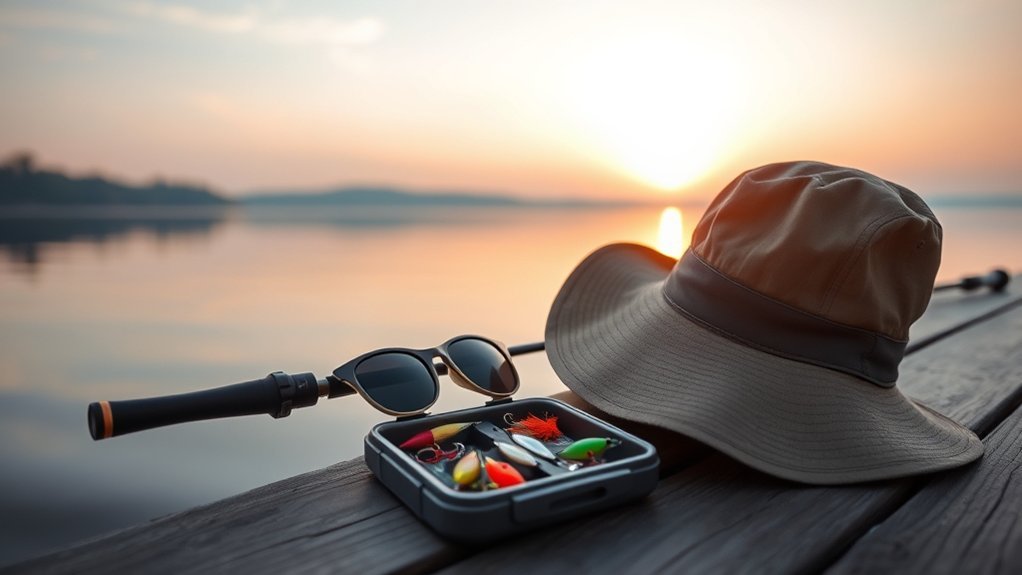
A beginner does not need a large tackle collection. The goal is to cover the basic jobs: cast a line, present bait or a lure, detect a bite, land the fish safely, and handle hooks without creating extra risk.
A basic rod-and-reel combo is a practical starting point, especially if you want one setup that can handle several common freshwater situations.
Add a few hooks, sinkers, bobbers, legal bait or a small lure selection, and basic hook-removal tools. Buy more only after you know which species and techniques you enjoy.
Basic Rod and Reel
Your first rod and reel should make learning easy, not force you into a specialized technique.
For beginners, a rod-and-reel combo is useful because the components are already matched. Current U.S. listings checked on September 11, 2026 show many entry-level freshwater combos around $20–$40, although prices change by retailer, size, brand, and sale status. That is enough to begin learning casting, knots, line control, hook-setting, and fish handling.
For a general freshwater starter setup, focus on these three points:
- Versatile rod power: Light-to-medium or medium power can cover many common freshwater situations; match it to your target species and lure weight.
- Simple reel type: A spinning or spincast reel is usually easier for a new angler to learn than a specialized setup.
- Small tackle selection: Add only the hook sizes, weights, bobbers, and baits that match your local water.
With entry-level gear, you can begin fishing without a hefty investment and learn what you actually need before upgrading.
Affordable Bait Options
Affordable bait options are essential for beginners looking to maximize their fishing experience without draining their wallets. You can often find natural baits like worms, crickets, or minnows for free or at a minimal cost where collection is legal. Local bait shops can also provide recommendations tailored to current water conditions.
Here’s a quick reference table for your bait needs:
| Bait or Tackle Type | Relative Cost | Budget Note |
|---|---|---|
| Natural Baits | Usually low | Worms, crickets, or minnows can be effective; collection and transport rules vary, so check local regulations |
| Hooks & Sinkers | Low | Buy small packs in sizes that match your target species instead of large assortments |
| Household or Grocery Baits | Usually low | Only use them where the waterbody rules allow that bait |
| Beginner Lures | Low to moderate | A few proven local lures are usually more useful than a large mixed kit |
With these options, you can explore fishing without overspending.
Essential Tackle Box Supplies
A well-equipped tackle box is your gateway to a smoother fishing trip. For beginners, it’s smart to keep it simple and avoid buying every lure on the shelf.
Keep the first box small and functional:
- Terminal tackle – Carry a few hook sizes, sinkers, bobbers, and swivels that match your local species and rigs.
- Hook-handling tools – Pack small pliers or forceps plus line cutters so you can remove hooks and cut line safely.
- Small tackle box – Use one inexpensive box to separate sharp hooks, weights, and lures so you can see what you actually use.
Natural bait can also be a low-cost option, but check local rules before collecting, transporting, or using live bait.
Do You Need a Fishing License, and What Can It Cost?

Before you cast your line, you need to understand the fishing license requirements in your state.
License rules vary by state, age, residency, water type, species, and sometimes the exact location. The U.S. Fish & Wildlife Service fishing-license portal says every state has different requirements and links anglers to state-specific information. Some jurisdictions separate freshwater and saltwater privileges or require additional permits for certain species or areas.
In many states, licenses can be purchased online, by phone, or at retail locations. Check current rules before every trip, especially when crossing state lines or fishing a managed park, refuge, reservoir, or special-regulation water. For a broader rules checklist, see the fishing regulations basics guide.
License Fee Overview
A required license is a core cost to check before you fish, but there is no single nationwide fee. The amount depends on the state, residency, duration, water type, and any extra permits.
License fees also help fund state fish and wildlife agencies. The U.S. Fish & Wildlife Service says license revenue works alongside Sport Fish Restoration funding to support fisheries management, restoration, aquatic education, and public fishing and boating access.
Here are a few key points to take into account:
- Exemptions: Children under a certain age and some seniors, veterans, or disabled anglers may qualify for free or discounted licenses, depending on the state.
- Free Fishing Days: Many states designate days when license requirements are waived for some anglers, but other fishing rules still apply.
- Purchase Options: You can often buy licenses online, at sporting goods stores, or through state wildlife offices.
Fishing responsibly starts with knowing the law before your first cast.
Exemptions and Discounts
When considering the costs associated with fishing, it’s important to know about the exemptions and discounts available for fishing licenses. In many states, children under a certain age and some seniors can fish without a license or obtain one at a reduced cost.
Also check your state’s free fishing days. Take Me Fishing maintains an annually updated state list, but you still need to follow seasons, size limits, bag limits, gear rules, and location-specific restrictions.
Purchasing fishing licenses is often easy online. Remember, the fees you do pay support essential fisheries management and habitat improvements, benefitting both anglers and local ecosystems.
Purchase and Renewal Process
Navigating the purchase and renewal process for a fishing license is usually straightforward, helping you hit the water without unnecessary delays.
Here’s what you need to know:
- Eligibility: Most states require a license for anglers above a certain age. Children and some seniors may qualify for free or discounted fishing privileges.
- Easy Access: You can often buy licenses online, then print them or save them on your phone.
- Free Fishing Days: Many states offer limited free-fishing opportunities that can reduce the cost of trying the sport; confirm the date and eligibility with the state agency.
Warning: Free fishing days do not remove every rule. Bag limits, size limits, seasons, gear restrictions, and closed-area rules may still apply.
Why a Rod-and-Reel Combo Is Usually the Cheapest First Setup

A matched rod-and-reel combo reduces two beginner problems at once: compatibility and overspending. You do not have to choose the rod and reel separately, and you can learn what power, action, reel style, and line capacity feel right before buying specialized equipment.
Current U.S. retailer listings checked on September 11, 2026 show multiple basic spinning and spincast combos in roughly the $20–$40 range, although sale prices and availability can change quickly. See the site’s fishing rod price guide for a deeper look at rod price tiers.
The better upgrade path is to fish the starter setup first, then replace the part that is actually limiting you. If you later need more sensitivity, casting distance, corrosion resistance, or technique-specific performance, you will know why you are paying more.
Choosing the Right Bait and Tackle
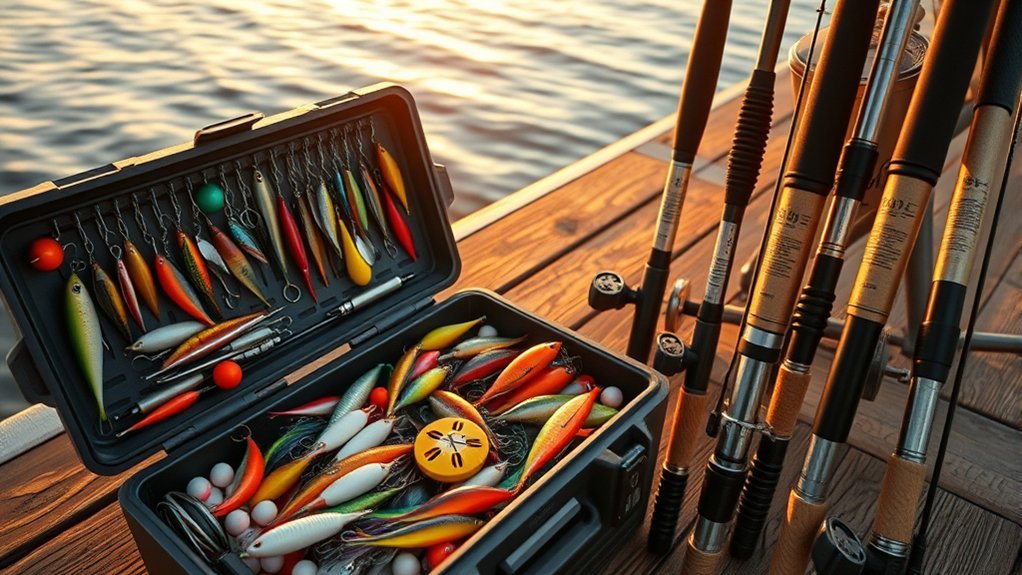
Choosing the right bait and tackle matters more than owning a large collection. Match the rig to your target species, water, season, and local rules.
Understanding the various types of bait, essential tackle components, and seasonal fish behavior will improve your experience.
With options that are budget-friendly and accessible, you can tailor your gear to fit your fishing needs instead of buying items you may never use.
Types of Fishing Bait
Choosing the right fishing bait can transform your fishing experience, especially when you match the bait to the species, season, and water conditions.
Here are three effective types of bait that can enhance your success while keeping costs low:
- Natural Baits: Worms, crickets, and minnows are often inexpensive and highly effective, making them a budget-friendly choice for anglers.
- Soft Plastic Lures: Options like trick worms and grubs are versatile and can fit many fishing conditions.
- Homemade Baits: Using simple grocery items to create your own bait recipes can be a fun and economical way to experiment.
Don’t forget to seek advice from local bait shops for tailored recommendations on effective bait for your fishing location.
Essential Tackle Components
Fishing success often hinges on understanding essential tackle components, which include hooks, sinkers, bobbers, swivels, line, and baits. You don’t have to buy a huge tackle collection right away. Most beginners can start with a small selection.
Natural baits like worms, crickets, and minnows can be inexpensive, offering effective choices that won’t strain your budget. It’s also useful to have a variety of hook sizes because different fish species and bait sizes call for different hooks.
Sinkers help you cast farther and reach deeper water, while bobbers help suspend bait at a set depth and show when a fish bites. By investing in a beginner rod and reel combo, you can experiment with various lures and tackle options without needing multiple setups at first.
Seasonal Bait Considerations
There is no universal seasonal bait rule. Fish behavior changes with species, water temperature, spawning cycles, forage, depth, weather, and local conditions, so broad “summer bait” or “winter bait” claims can be misleading.
Use these practical checks instead:
- Match local forage: Choose bait or lures that resemble what your target fish are feeding on in that water.
- Adjust presentation speed: When fish are less active, a slower or more precise presentation may work better than simply changing to a more expensive lure.
- Follow current local information: Fishing reports, state agency updates, bait shops, and experienced local anglers can help you narrow down productive depths and presentations.
This approach keeps your tackle purchases focused: buy what solves a local fishing problem instead of buying a new lure for every season.
Pro Tip: Buy a few proven lures for your local water instead of a large mixed kit. Local bait shops, park staff, and fishing clubs often know what works nearby.
Budget-Friendly Fishing Locations
For budget-conscious anglers, location often matters more than gear. Public lakes, rivers, ponds, piers, and parks can offer low-cost access, although parking, day-use, pier, or permit fees may still apply.
Start exploring local fishing areas through community resources, state wildlife agency maps, park websites, public access guides, or local tackle shops. Staying close to home can save money on gas, lodging, food, and parking.
Keep an eye out for free fishing weekends in your state. These special days let you fish without a license in many areas, making them a good time to try the hobby before buying more gear.
Explore local fishing spots using community resources and take advantage of free fishing weekends to enjoy this rewarding hobby without extra costs.
Additionally, local tackle shops and fishing organizations often host community events or clinics at public fishing locations, providing guided experiences and demonstrations at little or no cost.
Many community parks and nature reserves even feature stocked ponds, making fishing accessible for families and beginners without the need for expensive gear.
Shopping Strategies for Affordable Gear
While you might think that getting into fishing requires a hefty investment in gear, there are plenty of savvy shopping strategies to help you reel in quality equipment without draining your wallet.
Here are three effective approaches:
- Clearance and seasonal sales: Watch retailer clearance cycles and compare the normal price with the sale price before buying. Discount timing varies by store and region.
- Online price comparison: Compare the same model across reputable retailers, including shipping costs and return policies, instead of assuming the first sale price is the best price.
- Flea Markets: Don’t overlook flea markets, yard sales, and local marketplace listings for used reels, rods, tackle boxes, and vintage gear. Inspect condition carefully before purchasing.
You can also save by borrowing gear from a friend, buying one versatile setup first, and replacing only the items you actually lose or use often.
Community Resources and Engagement
Community programs can reduce both the learning curve and the startup cost. Wildlife agencies, parks, clubs, hatcheries, and fishing organizations may offer youth events, clinics, loaner gear, or supervised fishing days.
Local fishing clubs and communities host events, workshops, and fishing days, creating opportunities for camaraderie and skill-building among anglers of all levels. You can also tap into online forums and social media groups dedicated to fishing, where you’ll find tips, local reports, and budget gear ideas.
Local tackle shops frequently hold free or low-cost seminars, allowing you to learn from seasoned anglers and improve your techniques. Plus, community fishing events like free fishing weekends or family fishing days enable newcomers to try their hand at fishing without a hefty investment.
Engaging with these resources can enrich your fishing journey while keeping costs manageable.
Comparing Freshwater and Saltwater Fishing Costs
If cost is your main concern, freshwater bank fishing is usually easier to keep simple than saltwater fishing because it can require less corrosion-resistant gear, less travel, and no boat or charter.
Here’s a quick comparison to help you decide:
- Initial Costs: Freshwater fishing gear and licenses are often more affordable for beginners, while saltwater fishing can require stronger rods, corrosion-resistant reels, heavier line, and specialized tackle.
- Licensing Fees: Saltwater fishing licenses can vary by state and may include additional permits for certain areas or species.
- Accessibility: Freshwater spots can often be reached from banks, parks, and ponds, whereas saltwater fishing may involve paid piers, surf gear, longer travel, boat rentals, or charters. If you are considering the coast, see the ocean fishing basics guide.
Ultimately, if you’re looking to keep expenses down, freshwater fishing might be the way to go.
However, if you’re drawn to the thrill of the ocean, be prepared for a more substantial financial commitment.
Long-Term Financial Considerations in Fishing
Long-term costs grow when your fishing style becomes more specialized. As your skills advance, you may want better rods, reels, line, tackle storage, rain gear, waders, fish finders, or species-specific gear.
Regular boat maintenance and insurance can add hundreds or even thousands of dollars to yearly expenses, especially if you own a motorized boat, store it off-site, or participate in tournaments.
Speaking of tournaments, don’t forget those entry fees. Even modest fees can add up over a season when you include fuel, food, lodging, ramp fees, and replacement tackle.
Traveling to fishing spots also impacts your budget, with fuel costs depending on your frequency, distance, vehicle, and boat towing needs.
Staying competitive often means investing in tackle and specialized gear, but you can control costs by setting a yearly fishing budget and focusing on the waters you fish most often.
All these factors combined reveal that fishing can remain a simple hobby or become a long-term financial commitment. Careful planning keeps your passion sustainable.
What Fishing Gear Can Wait Until Later?
For most beginners, the easiest way to control cost is to separate must-have gear from comfort or specialization gear. A second or third rod, a large hard-sided tackle system, premium electronics, technique-specific reels, waders, a kayak, or a boat can wait until your local fishing actually requires them.
Upgrade when you can name the problem the new item solves. For example, buy a more corrosion-resistant reel because you now fish saltwater often, not because it is marketed as “premium.” Buy better rain gear because you fish in bad weather, not because every angler needs it on day one.
How to Keep Fishing Affordable
You can enjoy fishing on a modest budget when you make practical choices from the start. The key is to buy only what helps you catch fish in the places you actually visit.
- Start local: Fish public ponds, lakes, rivers, banks, and piers near home before planning expensive trips.
- Buy one versatile setup: A medium spinning combo works for many beginner freshwater situations.
- Use simple bait: Worms, crickets, minnows, soft plastics, or other legal local baits can cover many situations. Check rules before using grocery items or live bait.
- Learn knots and casting: Better technique often helps more than buying more tackle.
- Check free fishing days: Use these events to test the hobby before investing more.
- Maintain your gear: Rinse reels after dirty or salty water, dry your tackle, and replace line when needed.
- Avoid impulse buying: Skip large lure kits unless they match your local species and water conditions.
Common Hidden Costs to Watch For
Some fishing costs are easy to overlook until they show up in your budget. Planning for them helps you avoid surprises.
- Lost tackle: Snags, broken line, and toothy fish can cost you hooks, lures, sinkers, and leaders.
- Line replacement: Fishing line wears down from sun, rocks, knots, and abrasion.
- Clothing and weather gear: Hats, polarized sunglasses, rain jackets, gloves, and sun protection improve comfort and safety.
- Transportation and access: Gas, parking, day-use fees, pier fees, ramp fees, tolls, and lodging can cost more than the fishing gear itself.
- Coolers and storage: If you keep fish legally, you may need ice, a cooler, fillet tools, and proper storage.
- Safety gear: Boating or kayak fishing can require a properly fitted personal flotation device and other legally required safety equipment; check the rules for your craft and location.
- Boat-related expenses: Registration, maintenance, insurance, batteries, fuel, trailer tires, and storage can make fishing much more expensive. See the fishing boat price guide for a separate boat-cost breakdown.
Related Guides
Frequently Asked Questions
Is fishing an expensive hobby?
Fishing does not have to be expensive. You can start with a basic rod, reel, hooks, sinkers, bait, and a fishing license. It becomes more expensive when you add premium tackle, boats, electronics, saltwater gear, travel, charters, or tournaments.
How much does it cost to start fishing in 2026?
There is no single nationwide total because license and access costs vary. In a September 11, 2026 U.S. retail spot check, many entry-level freshwater rod-and-reel combos were listed around $20–$40. Add a small amount of terminal tackle, bait, and any required license or access fee.
Do you need a fishing license every time you fish?
Not always. License requirements depend on the state, your age and residency, the water, the species, and any exemptions or free-fishing days. Check the state fish and wildlife agency for the exact place and date before you fish.
What is the 80/20 rule in fishing?
“80/20” is a Pareto-style rule of thumb, not a formal fishing law. Anglers use it to express the idea that a small number of productive locations, techniques, or lures may account for much of their success. For beginners, the budget lesson is to master a few proven local methods before buying lots of specialized gear.
Can fishing be considered a hobby?
Yes, fishing can be a fulfilling hobby. It offers relaxation, skill development, outdoor time, and social interaction. You can enjoy it casually with basic gear or pursue it more seriously with advanced techniques and specialized equipment.
What is the cheapest way to start fishing?
The cheapest way to start is usually freshwater bank fishing with a basic spinning combo, a few hooks, sinkers, bobbers, and live bait. Choose a nearby public pond or lake so you avoid high travel costs.
Do you need expensive gear to catch fish?
No, you do not need expensive gear to catch fish. Basic gear works well when you match your bait, hook size, and location to the fish you want to catch. Skill, patience, and local knowledge often matter more than price.
Conclusion
Fishing can fit a modest budget when you start with local freshwater access, one versatile setup, simple tackle, and only the license or permits you actually need.
Costs rise when you add boats, saltwater trips, travel, tournaments, electronics, and specialized equipment. That does not mean fishing has to become expensive. It simply means you should match your spending to your goals.
Your next step is simple: choose one nearby waterbody, check its current rules, make a short gear list, and fish that setup several times before you buy anything else.
Sources
- U.S. Fish & Wildlife Service: Purchase a Fishing License — updated June 17, 2026; state-specific licensing guidance and conservation funding context
- U.S. Fish & Wildlife Service: A Guide to Fishing for the First Time — beginner freshwater gear checklist and bait-rule reminder
- Take Me Fishing: Free Fishing Days — annually updated state free-fishing opportunities and rule cautions
- Take Me Fishing: Fishing Pole Setup for Beginners — why matched rod-and-reel combos simplify a first setup
- National Park Service: Fishing in Parks — state, federal, and park-specific regulation context
- Walmart Spinning Combos, Sportco Spinning Combos, and Shakespeare Combos — September 11, 2026 spot check supporting the cited entry-level combo price range; prices can change