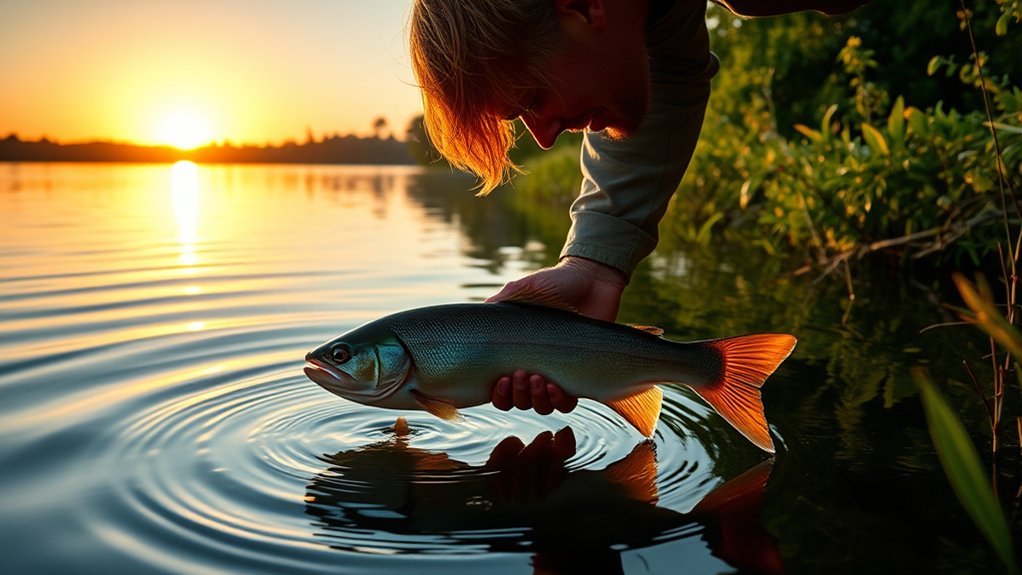
Respect the water, respect your fellow anglers, and respect the fish. These principles form the backbone of ethical fishing practices. Your choices on the water affect fish survival, habitat health, wildlife, and the experience of everyone nearby. When you follow good fishing etiquette, handle fish carefully, clean up after yourself, and obey local rules, you help protect aquatic ecosystems while making every trip safer and more enjoyable.
Quick Answer
Ethical fishing means respecting other anglers, following local regulations, handling fish with care, protecting spawning areas, using safer tackle, and leaving every fishing spot cleaner than you found it. These habits reduce fish stress, protect habitat, prevent wildlife harm, and support healthy fish populations for future anglers.
Key Takeaways
- Give other anglers enough room, communicate clearly, and avoid crowding productive spots.
- Wet your hands, keep fish in the water when possible, avoid the gills, and release fish gently.
- Pack out trash, broken tackle, bait containers, and discarded line to protect fish, birds, and wildlife.
- Check license rules, size limits, bag limits, tackle restrictions, and seasonal closures before each trip.
- Watch where you wade so you do not damage trout redds, aquatic vegetation, or fragile streambeds.
Respect Other People On The Water
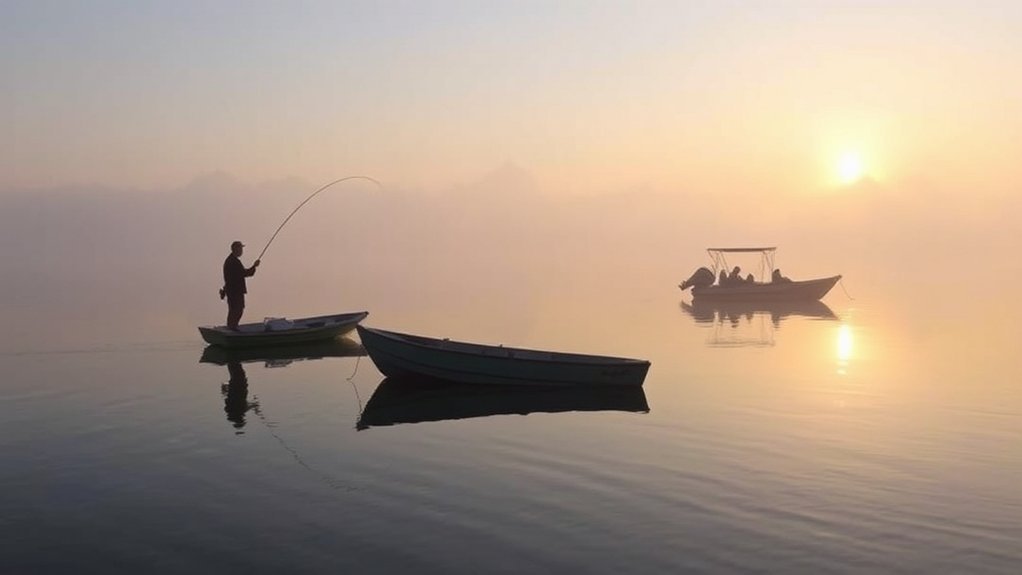
When you’re out on the water, respecting other anglers is essential for creating a calm and enjoyable fishing experience. Give people enough room to cast, drift, fight fish, and move safely along the bank or shoreline. A distance of at least 20 yards is a helpful starting point in many open areas, but you should allow more space when anglers are fly casting, fishing moving water, or working a specific structure.
Clear communication matters. Let nearby anglers know whether you plan to fish upstream, downstream, across a run, or near a shared access point. This simple step prevents crossed lines, arguments, and accidental interference.
Being considerate of others’ preferences can enhance the trip for everyone. If you notice someone’s technique is working well, adjust your approach so you do not disrupt their drift, cast, or presentation. Good fishing etiquette means waiting your turn, avoiding spot stealing, keeping noise low, and giving boats, kayaks, and bank anglers safe space.
Pro Tip: If you are unsure whether you are too close, ask. A quick “Mind if I fish below you?” shows respect and usually prevents tension.
Handle Trout With Care
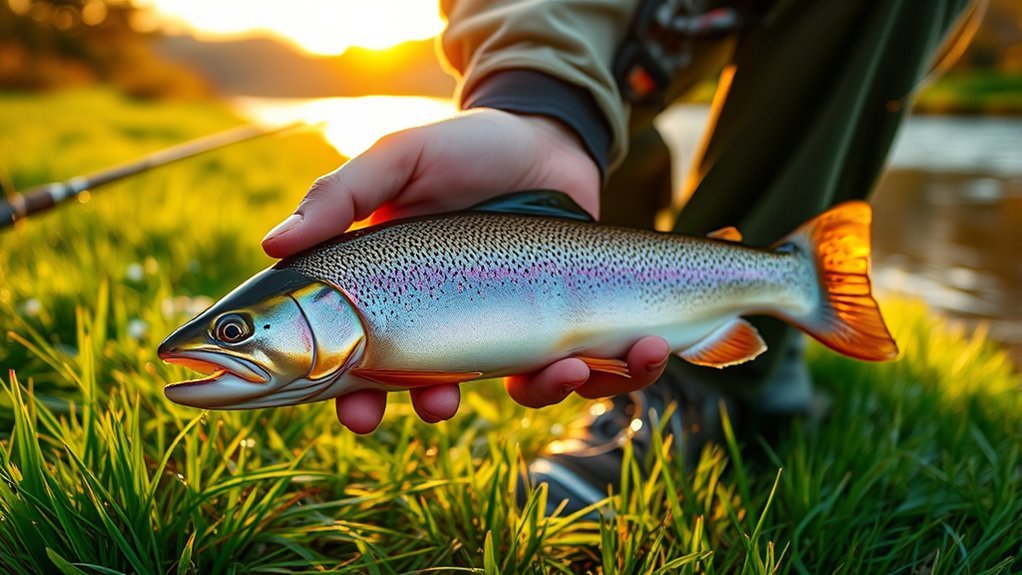
Handling trout with care is essential for their well-being and helps your fishing efforts contribute positively to the ecosystem. Trout can be sensitive to warm water, rough handling, long air exposure, and damage to their protective slime coating.
Before you touch a trout, wet your hands to protect that delicate coating. When possible, keep the fish in the water while removing the hook. Use a rubber or knotless landing net, support the fish gently under the belly, and never squeeze it.
When using hooks, pinch the barbs or choose barbless hooks to reduce injury and speed up release. Avoid touching the gills, since gill damage can seriously harm or kill the fish.
When it’s time to release your catch, hold the trout facing upstream in clean, moving water until it swims away on its own. Do not push it back and forth, since water should move naturally across its gills. The longer a trout spends out of water, the more stress it faces. Your thoughtful handling reflects your commitment to ethical fishing practices.
Warning: During hot weather or low-water conditions, trout may already be stressed. Consider fishing early, switching species, or stopping catch-and-release trout fishing when water temperatures are unsafe.
[Amazon Products Picked for You]

Hoop size:16" x 13", Extend Length: 28", Collapsed Length: 17", Net Depth: 10", Weight: 0.95 lb.

?Dimension of the Net?- 15.8" x 11.8" hoop, 11.8" depth and16.7 inch handle. The classical shape and size of the fishing net will surely look good in your pictures. Long handle with excellent grip afford plenty of leverage to land the next fish.

1. GENTLE FISH HANDLING & ECO-FRIENDLY DESIGN Experience Gentle Fish Handling With Our Fly Fishing Net For Trout. our Clear, Smooth Rubber Fishing Net Ensures Tangle-free Catches, Protecting Fish From Harm During Catch-and-release. the Small Holes (1*0.4in )Prevent Smaller Fish From Slipping Through, Ensuring Safe Handling Without Damaging Their Delicate Slime Layer. perfect For Environmentally Conscious Anglers Who Prioritize Fish Welfare.
Pack It In, Pack It Out
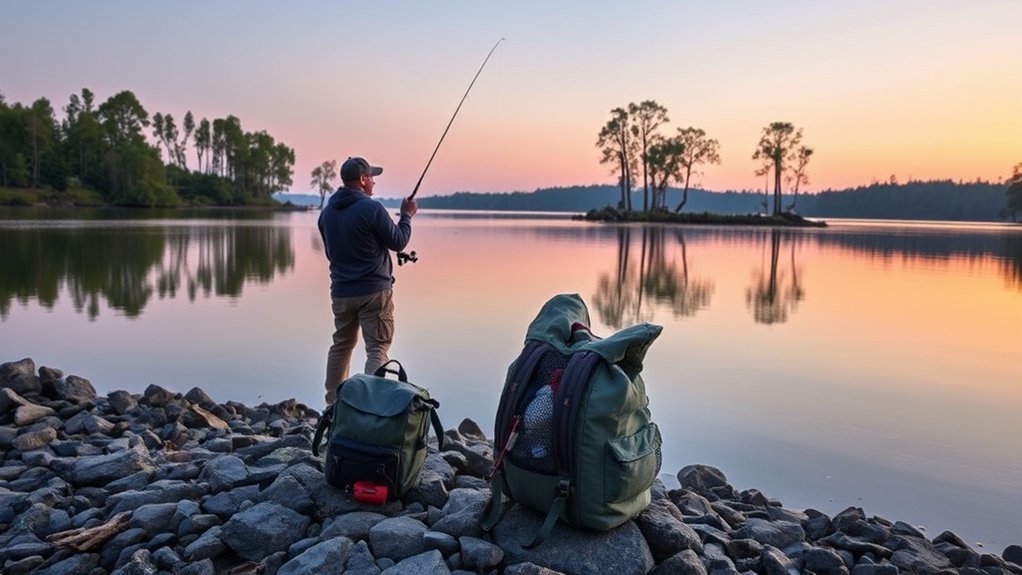
To keep natural fishing spots clean and healthy, embrace the Pack It In, Pack It Out philosophy. Adhering to the Leave No Trace principle means you remove all personal items and trash, including food wrappers, cans, bait containers, cigarette butts, plastic bags, and broken gear.
Monofilament fishing line can remain in the environment for a very long time, and discarded line can entangle fish, birds, turtles, and other wildlife. Fluorocarbon line can also persist for many years. Proper disposal of broken tackle and line is vital to protect aquatic ecosystems and wildlife.
Bring a small trash bag or reusable pouch for waste. If you find litter left by others, take what you can safely carry. By doing this, you preserve the environment for future generations and help keep your favorite fishing spots beautiful and healthy.
Follow Local Laws and Regulations
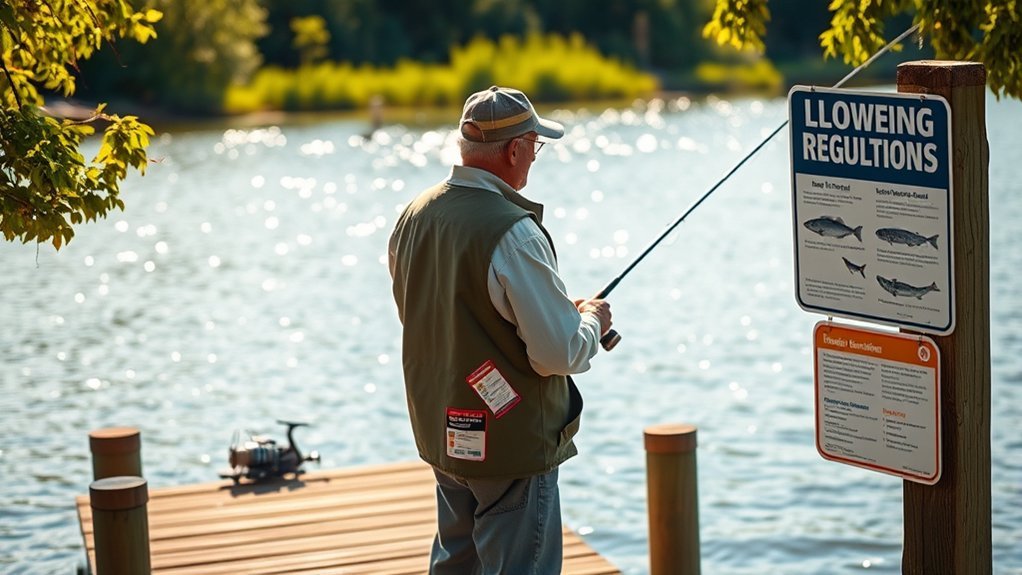
When you head out to fish, knowing the local regulations is essential for both your success and the health of the ecosystem. Rules can vary by state, waterbody, species, season, and fishing method. A legal setup on one lake may not be legal on the next river.
Understanding size limits, respecting seasonal closures, and following gear rules helps protect fish populations and supports sustainable fishing practices. By following these guidelines, you’re not just complying with the law; you’re contributing to a healthier fishing community.
[Amazon Products Picked for You]

Fishing Guide for Anglers – A must for avid fishermen in Florida. This fish chart features more than 90 fish and shark’s native to Atlantic waters and boasts rules, regulations, limits, and sizes to ensure a fun and legal catch.

Accurate 2026 Regulations: Features 2026 catch rules, bag limits, and sizes for Atlantic and Gulf zones. The integrated QR codes ensure instant on-site accessibility while reducing the risk of your fishing guide quickly becoming outdated.

Florida Saltwater Fish Identification Book – A quick, easy way to identify the fish or sharks you might see or catch in Florida Atlantic waters. This waterproof fishing chart contains information on seasonal rules, regulations, limits, and more for legal fishing.
Understand Fishing Regulations
Understanding fishing regulations is essential for every angler because it supports sustainable fishing and helps protect aquatic ecosystems. Before each trip, review the current rules for the exact water you plan to fish.
- Familiarize yourself with local catch limits, size restrictions, slot limits, and seasonal closures.
- Obtain the required fishing license, stamps, tags, or permits before heading out.
- Review tackle rules, such as barbless hooks, artificial lures only, bait restrictions, or hook limits.
- Check for emergency restrictions, including warm-water closures, low-flow closures, or special conservation rules.
Know Size Limits
Knowing the size limits for different fish species is a key part of following local laws and supporting sustainable fishing practices. Size limits help protect young fish, breeding fish, or specific age classes that keep a population balanced.
When you catch a fish, measure it accurately with a ruler or measuring board. Some areas use slot limits, which allow you to keep fish within a certain size range while requiring release of fish above or below that range. Always check whether the rule refers to total length, fork length, or another measurement method.
By keeping only legal fish, you support conservation efforts and avoid unintentional violations. Stay informed because size limits can change during spawning seasons, after population surveys, or under emergency management rules.
Respect Seasonal Closures
Respecting seasonal closures is essential for sustaining fish populations because these rules often protect fish during spawning, migration, or periods of environmental stress. Following local laws is not just about avoiding fines; it helps preserve ecosystems.
- Check Local Regulations: Verify seasonal dates with your state fish and wildlife agency before each trip.
- Know Species Specifics: Understand which species, such as salmon, trout, bass, or walleye, have closed seasons in your area.
- Monitor Environmental Conditions: Watch for closures caused by warm water, low flows, drought, harmful algal blooms, or habitat concerns.
- Understand Consequences: Violating closures can lead to fines, lost fishing privileges, and harm to vulnerable fish populations.
Watch Where You Wade
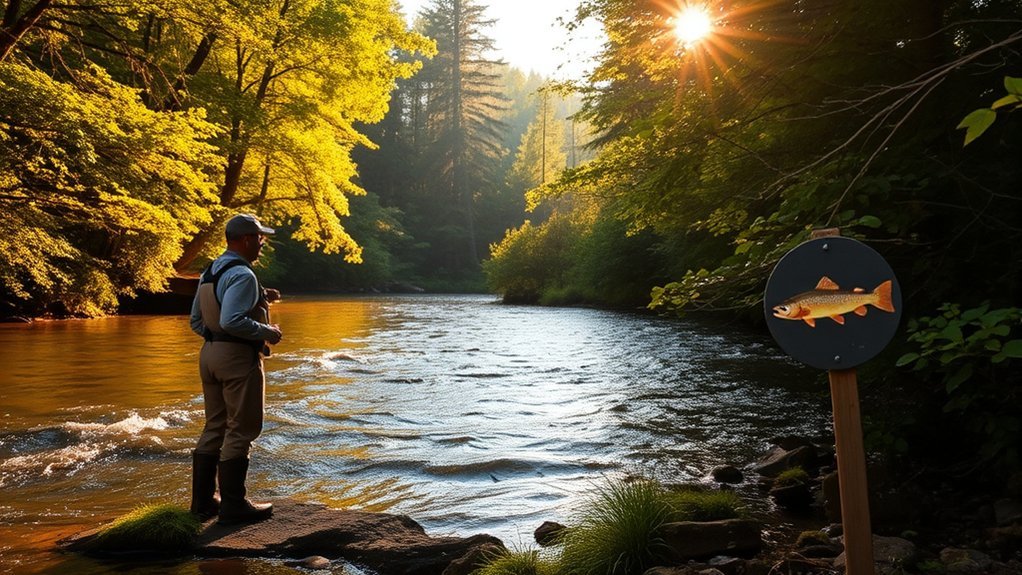
When you step into a trout stream, tread lightly to protect the delicate aquatic habitats beneath the surface. Careless wading can crush eggs, disturb insects, damage vegetation, and increase erosion.
Pay special attention to trout spawning areas, known as redds. These lighter-colored patches of cleaned gravel often appear in shallow riffles or tailouts. They are essential for keeping fish populations healthy. Wading through redds during spawning seasons can damage eggs and reduce future fish numbers.
Being aware of redds is an important part of responsible fishing. When in doubt, walk around shallow gravel, use established paths, and avoid trampling streambanks. By respecting these habitats, you help preserve healthy streams and sustainable fishing for years to come.
Note: Clean, drain, and dry boots, waders, nets, and boats when moving between waters. This helps reduce the spread of invasive species and aquatic diseases.
The Importance of Ethical Fishing Practices
As you cast your line into the water, remember that ethical fishing practices are not just guidelines. They protect the ecosystems you enjoy and help keep fishing opportunities open for future generations.
Ethical fishing starts with one simple idea: take only what you can use, release fish with care, and leave the water better than you found it.
- Prioritize careful catch and release when you do not plan to keep fish.
- Follow local regulations, including size limits, bag limits, gear rules, and protected species rules.
- Use non-lead tackle when possible to reduce the risk of lead poisoning in birds and other wildlife.
- Practice the Leave No Trace principle by removing trash and reducing your environmental impact.
Understanding Fish Habitats and Lifecycles
To fish responsibly, you need to understand spawning seasons and the habitats that support different fish species. Protecting these areas helps fish populations survive and can also improve your long-term fishing success.
Fish use rivers, lakes, wetlands, estuaries, reefs, grass beds, and shorelines for feeding, shelter, spawning, and migration. When these habitats decline, fish populations often decline too. Ethical anglers learn how fish use these areas and adjust their behavior to reduce harm.
Spawning Seasons Awareness
Understanding the spawning seasons of various fish species can improve your fishing decisions and promote ethical angling practices. Keep these points in mind:
- Timing: Different species spawn at different times. For example, many rainbow trout populations spawn in spring, while other species may spawn in summer, fall, or winter.
- Habitat: Spawning areas, such as gravel beds, vegetation, reefs, or shallow flats, should be respected.
- Behavior: Fish may move into shallow, visible, or concentrated areas during spawning, which can make them more vulnerable.
- Conservation: Avoiding harvest or disturbance during key reproductive periods supports healthier fish populations.
Habitat Protection Strategies
Respecting fish spawning seasons is only one part of responsible angling. Protecting fish habitats is equally important for sustaining fish populations.
Rivers, lakes, and estuaries provide essential breeding, feeding, and shelter areas for many fish species. These habitats often require specific conditions, such as clean water, proper temperature, stable flows, oxygen, vegetation, gravel, or structure.
During spawning, avoid disturbing redds, nests, shallow flats, or other visible spawning zones. Also watch for invasive species that threaten native habitats. Clean and dry your gear between watersheds. By prioritizing habitat protection, you support fish populations and the wider ecosystem that depends on healthy aquatic environments.
Choose Ethical Fishing Gear
The gear you choose can make a major difference in fish survival and wildlife safety. Ethical tackle does not mean expensive tackle. It means choosing gear that fits your target species, reduces injury, and prevents unnecessary waste.
- Use barbless hooks or pinch barbs when practicing catch and release.
- Choose circle hooks for many bait-fishing situations because they can reduce deep hooking when used correctly.
- Match hook size to the fish so smaller fish do not swallow oversized bait or deeply set hooks.
- Switch from lead tackle where practical, especially in areas used by loons, swans, ducks, eagles, and other wildlife.
- Carry pliers, line cutters, and a landing net so you can release fish quickly and safely.
[Amazon Products Picked for You]

Barbless Hooks: Barbless fishing hooks with sharp needle point for hooking the worm & catching fish easily; Strong short shank for pulling in & holding in better; Curved Back Eye keeps perfectly closed for higher breaking strains of line

Package Includes - Total in 250pcs barbless fishing hooks. There are 5 different sizes, 10#-70pcs, 8#-60pcs, 6#-50pcs, 4#-40pcs, 2#-30pcs. Come with a plastic box, easy for stor and carry

Barbless Design - Fishing Hooks feature a barbless needle-sharp point for instant penetration and ultra-easy hook removal. Minimize fish injury and maximize survival rates. Perfect for catch-and-release fishing
Practice Responsible Harvest
Keeping fish can be ethical when you follow the law and take only what you can use. Responsible harvest respects both the fish population and the food value of your catch.
Before keeping fish, confirm the species, size, bag limit, and possession limit. Use a cooler or livewell properly, dispatch fish humanely where required or appropriate, and store your catch safely. Do not keep fish just for photos, and never waste edible fish.
Selective harvest can also help. In some waters, keeping a few legal, abundant fish may be more responsible than removing large breeding fish. Local regulations and fishery guidance should shape your decision.
Engaging in Conservation Efforts
While you might enjoy fishing for the thrill of the catch, engaging in conservation efforts can deepen your connection to the aquatic ecosystems you cherish. By taking proactive steps, you help protect the environments that support fly fishing, trout fishing, bass fishing, saltwater fishing, and many other angling traditions.
- Join local conservation organizations, watershed groups, or fishing clubs that promote sustainable fishing practices.
- Participate in habitat restoration projects, stream cleanups, shoreline cleanups, and line recycling programs.
- Attend educational programs to better understand fish behavior, lifecycles, regulations, and habitat needs.
- Advocate for conservation policies at local and state levels to protect vulnerable fish species and their habitats.
Educating Others About Fishing Ethics
Educating others about fishing ethics helps build a responsible angling community. When you share knowledge about local regulations and ethical practices, you encourage better behavior without making fishing feel intimidating for beginners.
Talk about the best catch and release practices, including wet hands, barbless hooks, rubber nets, and short handling time. These habits can reduce fish stress and improve survival after release.
Consider helping with workshops, youth events, club meetings, or informal lessons at the water. Discuss the importance of the Leave No Trace principle and encourage fellow anglers to minimize their environmental impact. Highlight the risks of lead tackle and discarded fishing line, especially for birds and other wildlife. Your example can inspire others to protect the waters they enjoy.
Frequently Asked Questions
What Is the Code of Ethics for Fisherman?
A fishing code of ethics encourages you to respect ecosystems, follow regulations, handle fish carefully, avoid waste, give other anglers space, and leave fishing areas cleaner than you found them. The goal is to protect fish populations while preserving the sport’s integrity.
What Is the Etiquette for Fishing?
Good fishing etiquette means keeping a respectful distance, communicating your intentions, avoiding crossed lines, waiting your turn at popular spots, keeping noise low, and respecting boats, bank anglers, and private property. Always pack out your trash before you leave.
What Is the Most Ethical Form of Fishing?
Catch and release can be highly ethical when done correctly with barbless hooks, wet hands, short handling time, and careful release. Responsible harvest can also be ethical when you follow regulations, keep only what you will use, and avoid wasting fish.
What Are the Most Ethical Fishing Hooks?
The most ethical fishing hooks are usually single hooks, barbless hooks, or circle hooks matched to the target species and bait. Barbless hooks can reduce injury during release, while circle hooks can reduce deep hooking in many bait-fishing situations.
How Can You Reduce Fish Stress During Catch and Release?
Use appropriate tackle, land the fish quickly, keep it in the water when possible, wet your hands, avoid touching the gills, remove the hook with pliers, and release the fish only after it can swim away strongly on its own.
Why Should Anglers Avoid Lead Tackle?
Lead tackle can harm wildlife when birds or other animals swallow lost sinkers, jigs, or shot. Using non-lead alternatives helps reduce poisoning risks, especially in waters used by loons, swans, ducks, and other vulnerable wildlife.
Conclusion
By embracing ethical fishing practices, you protect the water, the fish, and the outdoor experience that brings anglers back year after year. Respect fellow anglers, handle fish with care, follow local regulations, avoid sensitive habitat, and always pack out what you bring in.
Every trip gives you a chance to be a better steward. When you fish with patience, restraint, and respect, you help ensure that rivers, lakes, streams, and coastal waters stay healthy for future generations.
Sources
- NOAA Fisheries — Recreational Fishing — supports responsible recreational fishing and fishery stewardship.
- U.S. Fish & Wildlife Service — Fisheries and Aquatic Conservation — supports fish habitat protection and aquatic conservation.
- U.S. Environmental Protection Agency — Protecting Our Waters — supports clean-water and pollution-prevention guidance.
- National Park Service — Leave No Trace Seven Principles — supports pack-it-in, pack-it-out ethics and low-impact outdoor behavior.
- U.S. Fish & Wildlife Service — Get the Lead Out — supports the recommendation to reduce lead tackle use around wildlife.