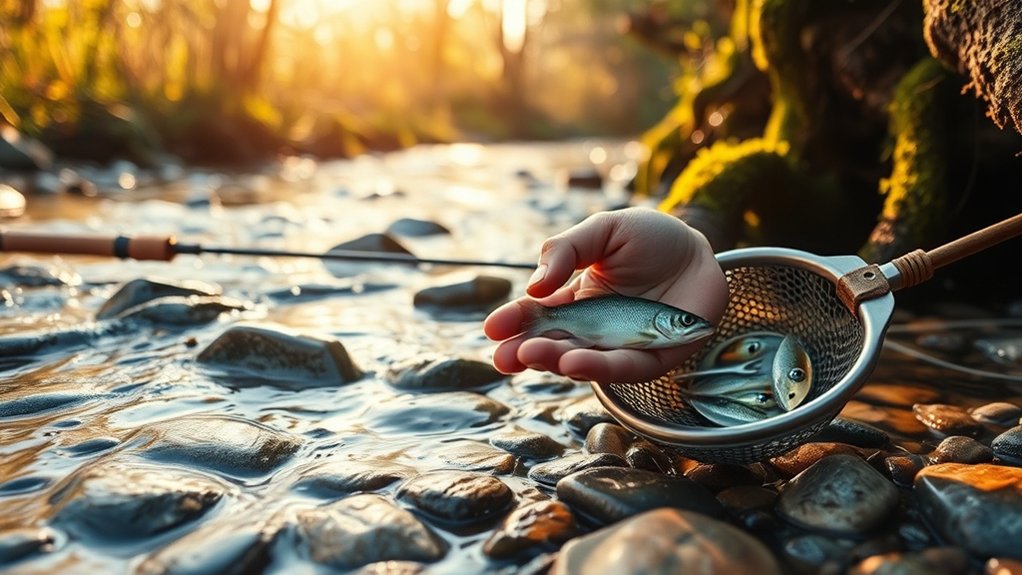
Microfishing is deliberately targeting very small fish with scaled-down hooks, fine line, tiny bait, and close-range presentations. There is no single universal fish-length cutoff. For a beginner, the simplest setup is either a short fixed-line tanago-style rod with a tiny hook and sensitive float, or an ultralight spinning setup fitted with very small terminal tackle.
This guide explains how to choose a microfishing setup, match tiny hooks to bait, assemble a simple rig, find small fish, detect subtle bites, and release your catch with minimal handling. Check local fishing and bait regulations before you start because license, species, possession, baitfish, and release rules vary by location.
Last updated: September 22, 2026
Quick Answer
- What it is: Deliberately fishing for small fish with scaled-down tackle; there is no universally accepted maximum fish length.
- Key gear: A fixed-line tanago-style rod or ultralight spinning setup, fine line, a true tanago hook or very small conventional hook, and an optional micro float.
- Best baits: Tiny slivers of worm or insect larvae, small bread or gluten dough, and other bait trimmed to suit the fish’s mouth.
- Where to fish: Search visible shallow margins, quiet pockets, vegetation, rocks, docks, and other cover where small fish are present.
- Before fishing: Check the license, access, bait, species, possession, seasonal, and release rules for the exact water you plan to fish.
What Is Microfishing and Who Is It For?
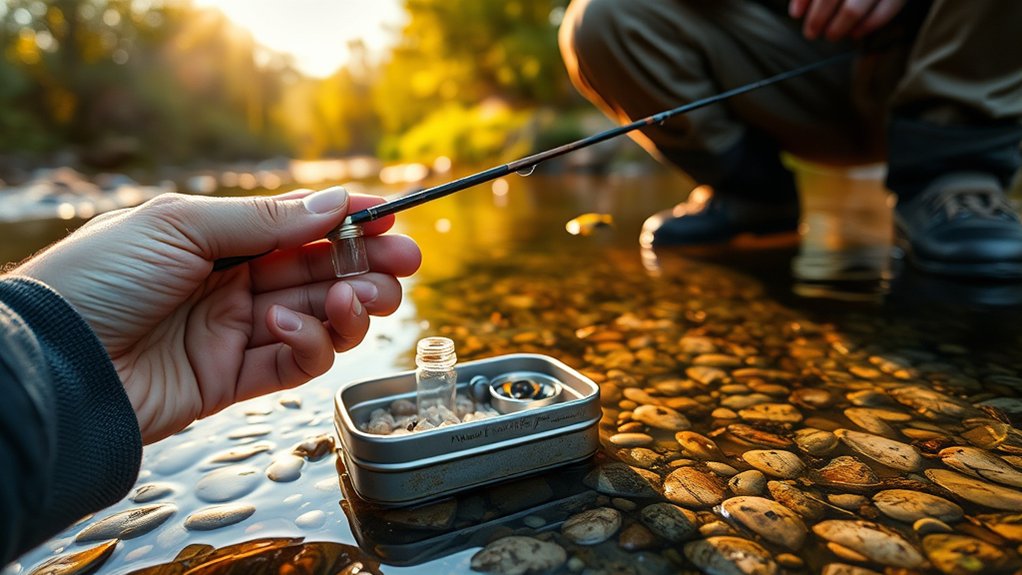
Microfishing is the deliberate pursuit of small fish using tackle and bait scaled to small mouths and light bites. Some anglers use a particular length as their personal definition of a “micro” fish, but there is no universal cutoff. The practical distinction is the method: you are intentionally targeting species or individuals that ordinary fishing tackle often overlooks.
Japanese tanago fishing is one important influence on modern microfishing. Traditional tanago-style fishing targets bitterlings and commonly uses a short fixed-line rod, extremely small hooks, a sensitive float or indicators, and tiny portions of bait. The line is tied directly to the rod rather than being cast from a reel.
That is not the only way to microfish. You can also attach miniature terminal tackle to an ultralight spinning setup. The fixed-line approach gives close control and simplicity, while a spinning reel is useful when you need to reach fish farther from the bank.
Microfishing suits anglers who enjoy sight fishing, species identification, compact equipment, and exploring small ponds, canals, creeks, river margins, or other overlooked water. It can also sharpen your observation because success often depends on spotting individual fish before presenting the bait.
Essential Microfishing Gear and How to Choose It
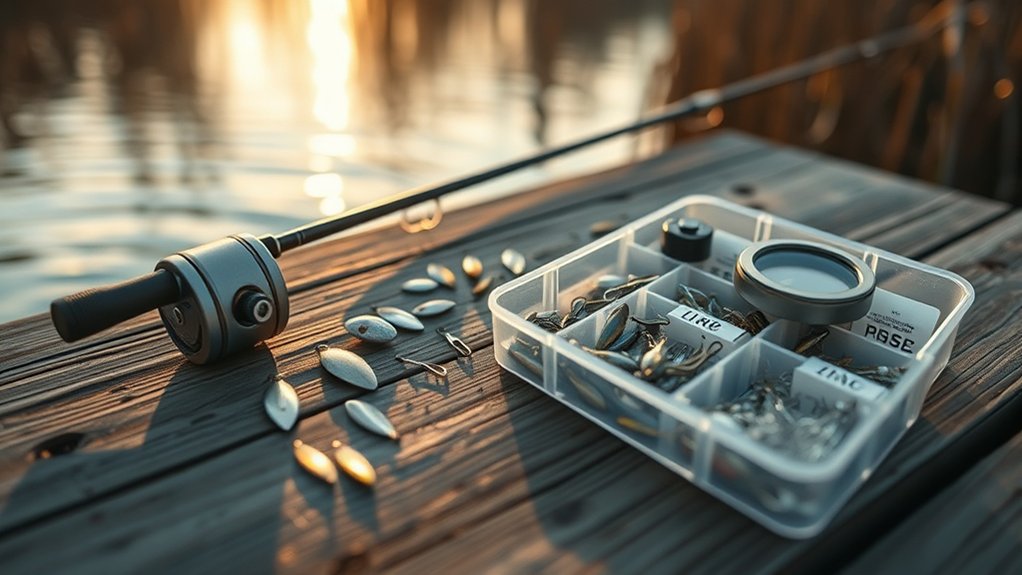
Start by deciding whether you want a fixed-line tanago-style setup or an ultralight spinning setup. You do not need both. The right choice depends mainly on how far you must reach and whether you want the simplicity of fishing without a reel.
| Component | Fixed-Line / Tanago | Ultralight Spinning |
|---|---|---|
| Rod | Short telescopic fixed-line rod; roughly 4.5–6 ft is a practical beginner range | Light or ultralight spinning rod that is easy to control at close range |
| Reel | None | Small, lightweight spinning reel |
| Line | Fine fixed line with a light tippet or pre-tied hook leader | Fine mono or fluorocarbon; 2–4 lb test is a practical starting range |
| Hook | True tanago hook, often sold pre-snelled | Very small midge/fly hook or a pre-snelled tanago hook |
| Bite indicator | Micro float and/or small strike indicators | Tiny float, line movement, or direct feel |
Specialist microfishing references describe tanago rods ranging from very short pocket-water models to considerably longer rods. A rod around 140–180 cm, or roughly 4.5–6 feet, is a useful midpoint for many beginners, but brush, bank access, and required reach should determine your final choice. See this tanago rod guide for a specialist overview.
Rod, Reel, Line Choices
Choose the setup around your fishing distance. A fixed-line rod gives precise control when fish are close to the bank. The line is attached directly to the rod tip, so there is no reel and usually no conventional overhead cast. You swing, lower, or place the rig where you can see fish.
If the fish are beyond fixed-line reach, use an ultralight spinning rod and small reel. Fine line makes tiny terminal tackle easier to control and keeps the presentation light. For many spinning setups, 2–4 lb monofilament or fluorocarbon is a practical starting range, although conditions and target species may justify something different.
| Gear | Why it matters | Beginner tip |
|---|---|---|
| Rod | Controls reach and presentation | Match length to bank access and cover |
| Reel | Adds casting range when needed | Skip it for a true fixed-line setup |
| Line | Affects visibility and tiny-rig control | Use fine line matched to the hook and conditions |
| Hooks | Must fit very small mouths | Choose by hook shape and point/gape, not one universal number |
Baits, Hooks, Tiny Lures
Terminal tackle is where ordinary fishing gear often becomes too large. True Japanese tanago hooks are designed specifically for very small mouths. They are commonly pre-snelled because tying such small hooks can be difficult.
Do not assume a tanago hook name corresponds directly to a U.S. hook-size number. Tanago designs are often distinguished by shape and point length. If you use conventional fly-fishing hooks instead, very small midge hooks are another option; sizes around 20–30 are commonly discussed for microfishing, but manufacturer sizing varies.
Use the smallest bait that fish can take easily. Tiny slivers of worm, insect larvae, bread or gluten dough, and similarly small natural offerings are practical choices. Hold larger bait material and trim off only a minute portion rather than covering the hook with a full worm, kernel, or large soft plastic.
Artificial options can work too. Small flies, micro jigs, miniature soft plastics, and similar presentations may catch larger microfish, juvenile panfish, or species that actively chase moving prey. Natural bait is generally simpler when you are trying to catch fish with extremely small mouths.
Small Hooks, Light Line: Choosing Tackle Sizes
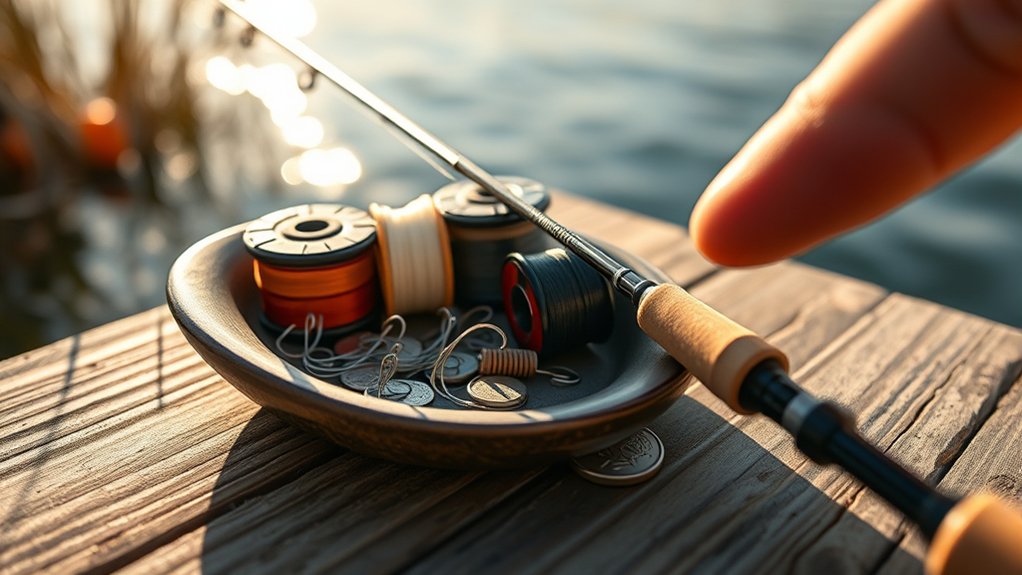
Match the hook to the fish’s mouth first, then make sure the line, bait, weight, and float remain light enough for that hook. There is no single hook number that works for every type of microfishing.
For the smallest targets, hook-point length and gape matter more than the number printed on a package. A true tanago hook and a size-numbered midge hook may look very different even if anglers casually describe them as similar sizes.
Hook Sizes Explained
Use true tanago hooks when the goal is to catch extremely small fish on bait. Shapes such as Half Moon, New Half Moon, and other specialized designs alter the point length, curvature, and bait presentation. A specialist comparison is available in this tanago hook-shape guide.
Conventional fly or midge hooks are another option. Very small sizes, often roughly 20–30 depending on brand and design, can work for microfishing. However, hook numbering is not standardized well enough to treat one number as a universal recommendation.
Pre-snelled hooks simplify rigging because the manufacturer has already attached a short leader. They are particularly useful when the hook is too small to hold and tie comfortably.
Line Strength Choices
Use line fine enough to work with the hook and presentation. On a spinning setup, 2–4 lb mono or fluorocarbon is a useful starting point for many beginners. Dedicated fixed-line tanago rigs can use much finer components and short pre-tied leaders.
You normally do not need long casts. Keep the rig short enough to control accurately and use only as much terminal weight as necessary to place the bait and register bites.
Line diameter matters alongside labeled breaking strength. If a line is too thick for the hook eye, leader attachment, or tiny rig, move to a finer option rather than forcing the connection.
Matching Hooks to Bait
Choose bait by the fish’s mouth and your hook point rather than by a fixed recipe. For very small fish, a sliver of worm, larva, or dough can be enough. The bait should stay on the hook without creating a large blob that hides the entire working point.
| Hook Type | Useful Bait Approach |
|---|---|
| Tanago hook | Minute sliver of worm, larva, bread, or gluten dough |
| Very small midge/fly hook | Tiny natural bait or a small fly-style presentation |
Best Baits and Mini Lures for Tiny Targets
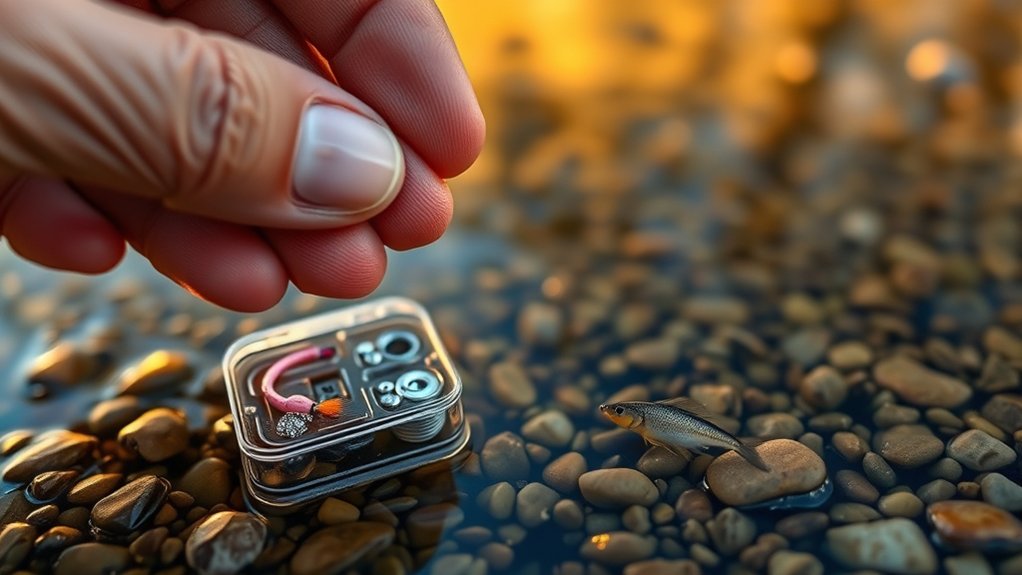
The most useful microfishing bait is one that is small enough for the target fish to take easily. Tiny pieces of natural bait are a dependable starting point because scent and texture can produce bites without requiring an aggressive retrieve.
- Worm: Cut a small worm into tiny slivers rather than threading on a large section.
- Insect larvae: Bloodworms, maggots, or similar larvae may work where their collection and use are legal.
- Bread or gluten dough: A traditional tanago-style option that can be pinched into extremely small portions.
- Tiny artificial lures: Small flies, micro jigs, soft plastics, and miniature moving baits can work for species willing to chase.
Change one variable at a time. If fish inspect the bait without taking it, first reduce bait size, then adjust depth or presentation before replacing the entire rig.
Floats, Weights, and Rigging Techniques
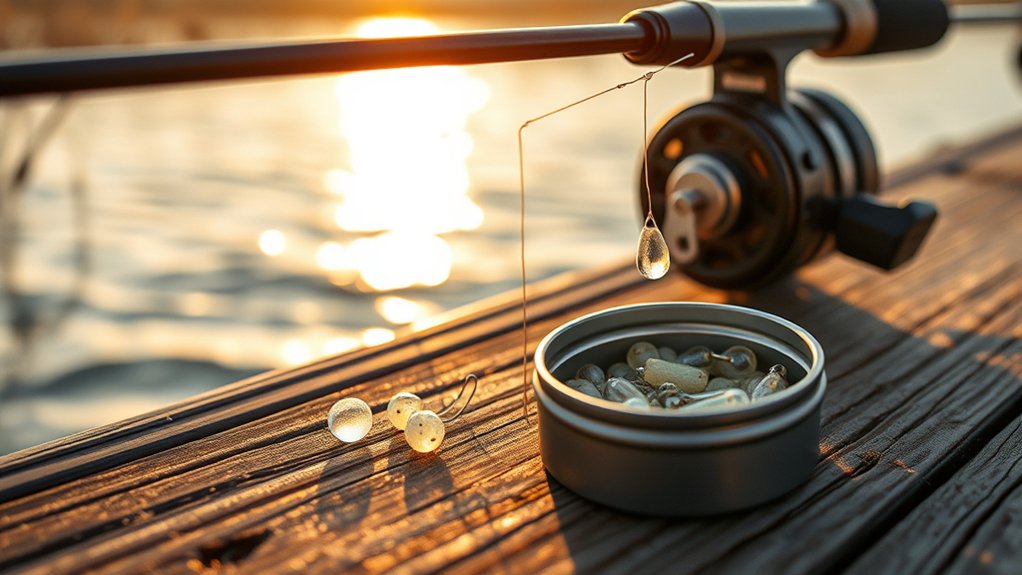
A microfishing rig should be light enough that a tiny fish can move the bait or indicator. A sensitive micro float can make faint takes visible, while a small amount of split shot helps control depth and keep a tiny bait where you want it.
For a simple first float rig:
- Attach your fine main line or fixed line to the rod setup.
- Add a small float or bite indicator if you want visual bite detection.
- Add only enough split shot to balance the float and control the bait.
- Attach the tiny hook or pre-snelled hook leader.
- Add a minute piece of bait and adjust the float until the bait reaches the depth where you can see fish feeding.
Start with the weight a few inches above the hook and adjust it when necessary. Moving the weight closer to the hook gives the bait more direct control; moving it farther away can allow a more natural fall. Do not overload a tiny float simply to cast farther.
| Setup | Purpose |
|---|---|
| Float rig | Visual bite detection and depth control |
| Light split-shot rig | Controls a bait without a larger float |
Where to Find Microfish: Habitats and Timing
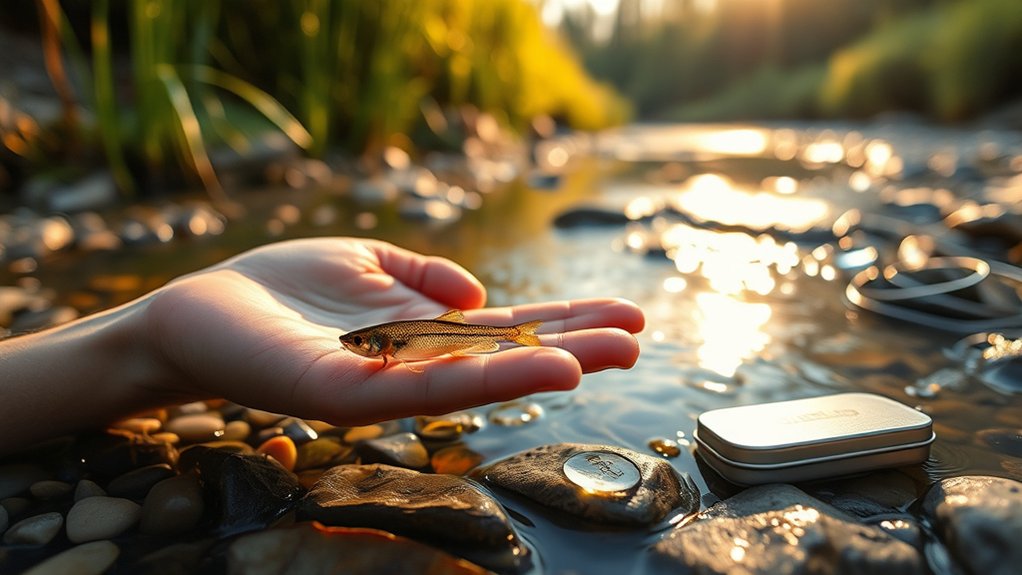
Look for small fish before you start casting. Productive microfishing water can include pond margins, canals, small creeks, river edges, docks, rocks, vegetation, submerged branches, slow pockets, and other places that provide food or shelter.
Habitat varies by species. Some tiny fish hold in slow vegetation, while darters and other bottom-oriented species may favor moving water, gravel, rock, or the streambed. Do not assume every small fish lives in calm water.
Polarized sunglasses can reduce surface glare and make sight fishing easier. Approach quietly, watch the water for a minute, and look for flashes, shadows, schooling movement, or fish picking food from a particular depth.
Season and feeding activity vary by species and region, so use visible activity and local knowledge rather than assuming one universal “best” month or time of day. Avoid disturbing spawning fish, nests, or any seasonally closed water.
- Look first; cast after you locate fish.
- Check vegetation, rocks, wood, docks, current breaks, and shallow margins.
- Match your rig to the habitat instead of using one depth everywhere.
- Respect closures, spawning areas, private property, and access rules.
Common Microfishing Species
The species available to you depend on your region and water body. Learning identification is part of microfishing because many small species look similar at first glance.
- Minnows, dace, chubs, and shiners: Numerous small-bodied species fall into these informal groups, but their distribution and habitat differ widely.
- Darters: Many species stay close to the bottom and may be encountered around gravel, rock, or moving water.
- Sunfish and bluegill: Small individuals are frequently encountered around docks, vegetation, wood, and shallow cover where the species occurs.
- Killifish and topminnows: Depending on species, these small fish may inhabit shallow freshwater, brackish margins, vegetation, or surface-oriented habitat.
Do not keep, transport, use as bait, or move an unfamiliar fish simply because it looks like a common “minnow.” Local rules may protect particular species or regulate baitfish and invasive species differently.
Casting, Presentation, and Bite Detection Methods
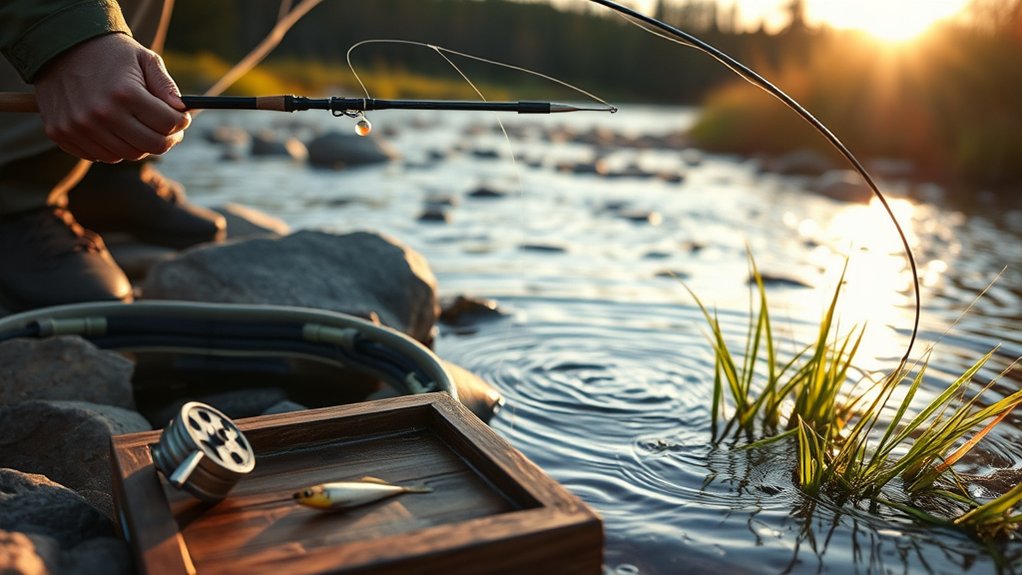
Microfishing rewards placement more than casting distance. With a fixed-line rod, gently swing or lower the rig into position. With spinning gear, make the shortest accurate cast that reaches the fish without landing the tackle on top of them.
Use polarized sunglasses where appropriate and watch how fish react. If they scatter when the rig lands, reduce weight, approach from farther back, or place the bait beyond the fish and move it into their path.
Study the water before presenting the bait. In clear, shallow water, seeing where the fish actually hold is often more useful than repeatedly fishing empty water.
Let natural bait settle or suspend at the depth where fish are feeding. Watch the float, line, and fish themselves. A sideways twitch, small dip, hesitation, or sudden change in a visible fish’s position can signal a take.
Lift rather than striking hard. Tiny hooks and tiny mouths need very little force. If you miss repeatedly, reduce the bait size or change the hook before increasing hook-setting force.
Safe Handling, Catch-and-Release, and Legal Considerations
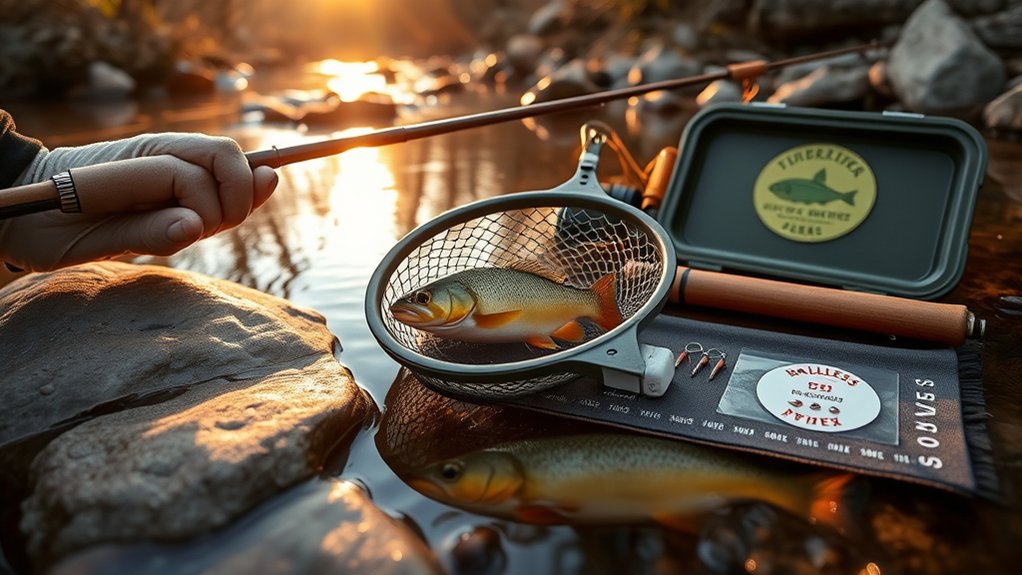
Before fishing, check the regulations for the exact water and species you may encounter. Depending on location, rules can cover licenses, access, hook type, bait collection and use, baitfish possession, minimum sizes, seasons, protected species, invasive species, and whether particular fish may be transported or released.
If you are releasing a fish, minimize handling. NOAA’s current catch-and-release guidance recommends keeping air exposure and handling to a minimum, using wet hands, dehooking fish in the water when practical, and cutting the line close to a swallowed hook when easy removal is not possible.
- Wet your hands before touching a fish and avoid squeezing it.
- Keep the fish in or immediately above the water whenever practical.
- Use a barbless hook or crimped barb when appropriate and legal to make removal easier.
- Use fine pliers or a suitable dehooker rather than repeatedly working a deeply embedded hook.
- If a swallowed hook cannot be removed easily, cut the line near the hook rather than causing additional injury.
- Use a soft, knotless net only when a net is actually needed.
- Check local regulations before keeping, moving, using, or releasing an unfamiliar species.
When a fish needs recovery, support it gently in the water facing into natural current where appropriate and allow it to swim away under its own power. Do not move it forcefully back and forth through the water.
Related Guides
Frequently Asked Questions
What Is the 80/20 Rule in Fishing?
The fishing “80/20 rule” is an informal version of the Pareto principle, not a biological law stating that exactly 80 percent of fish always live in 20 percent of the water. Anglers use it as a reminder to identify productive habitat, cover, current, food, and depth instead of treating every part of a water body as equally likely to hold feeding fish.
What Is the 90/10 Rule in Fishing?
The fishing “90/10 rule” is another informal location heuristic. It suggests that a large share of actively feeding fish can be concentrated in a relatively small share of available water at a given time. The numbers are not a universal scientific percentage; the practical lesson is to search for fish-holding structure, food, current, and cover rather than casting randomly.
What Is the Best Bait for Microfishing?
For beginners, a tiny piece of natural bait is usually the easiest place to start. Small slivers of worm or insect larvae and minute portions of bread or gluten dough can fit tiny mouths. Use much less bait than you would for ordinary fishing, then adjust the bait type to the species and local rules.
What Basics Do I Need to Start Microfishing?
You need a fixed-line tanago-style rod or ultralight spinning setup, fine line, a very small hook, tiny bait, and optionally a sensitive float plus minimal split shot. Pre-snelled tanago hooks simplify the setup because tying extremely small hooks can be difficult.
Do You Need a Reel for Microfishing?
No. Traditional tanago-style microfishing uses a fixed line attached directly to the rod tip and does not use a reel. An ultralight spinning reel is useful when you need to cast farther or already own suitable spinning gear.
What Size Hook Is Best for Microfishing?
There is no single universal hook number. True tanago hooks use specialized shapes and should not be directly translated into ordinary U.S. hook sizes. If you use conventional fly hooks, very small midge-style hooks are common, but sizes vary among manufacturers. Match the actual gape and point length to the fish’s mouth.
Is Microfishing Legal?
Microfishing is subject to the same local fishing laws and water-specific rules that govern other angling. Check license and access requirements plus rules covering target species, protected fish, bait collection and use, baitfish, possession, minimum sizes, seasons, closed areas, invasive species, and release before you fish.
Conclusion
Microfishing starts with one principle: scale the tackle and presentation to the fish. Choose either a close-range fixed-line setup or an ultralight spinning setup, use a hook that genuinely fits the target fish’s mouth, present only a tiny amount of bait, and look for fish before making repeated casts.
For your first outing, keep the kit simple: rod, fine line, tiny hooks, a micro float, minimal split shot, bait, cutters, and small hook-removal tools. Learn the local species and regulations before fishing, then handle every fish as little as possible. Once you can consistently spot fish, place a bait at their depth, and recognize a subtle take, you have the core skills needed to explore microfishing further.