Last Updated: September 22, 2026
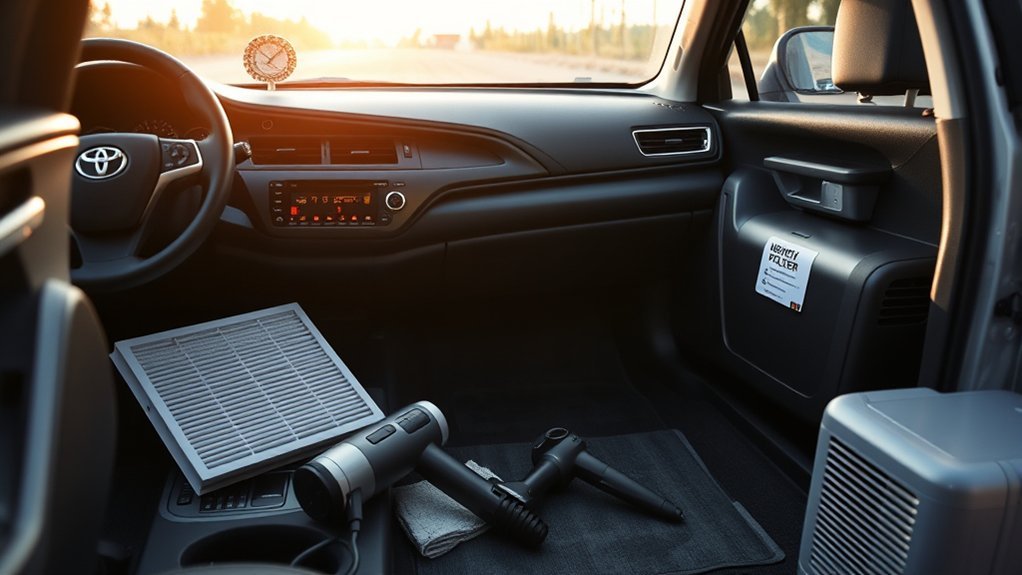
To remove a musty smell from a Toyota Camry, first find and stop the moisture source, then clean and fully dry the affected materials. Common sources include wet carpet or padding, water entering through a body seal or drain, a dirty cabin air filter, retained moisture around the A/C evaporator, or a restricted condensate drain. Air fresheners may cover the odor temporarily, but the smell will return if moisture remains.
Quick Answer
Remove wet items, check the footwells and trunk for dampness, identify and repair the moisture source, extract water with a wet/dry vacuum, clean affected surfaces with a vehicle-safe cleaner, and dry the carpet and padding fully. Replace a dirty cabin air filter and have the HVAC drain or evaporator inspected if the odor appears when the fan starts.
Key Takeaways
- Fix the moisture source first; deodorizing a wet interior will not solve the problem.
- Check beneath floor mats, under carpet edges, in the trunk and spare-tire well, and around the HVAC system.
- Use the least water needed for cleaning, then dry the carpet and padding completely before closing the car.
- Do not rely on ozone, fragrance, baking soda, charcoal, or a new cabin filter as a substitute for leak repair and physical cleaning.
At a Glance
| Time Required | Hands-on time varies with the moisture source and affected materials; drying may take several hours or overnight |
| Difficulty | Easy to moderate; professional diagnosis may be needed for hidden leaks or HVAC contamination |
| Tools Needed | Flashlight, gloves, microfiber cloths, soft brush, wet/dry vacuum or extractor, fan or air mover, and vehicle-safe cleaner |
| Cost | Varies by supplies and whether leak repair, carpet-pad replacement, or HVAC service is needed |
Warning: Never mix bleach with ammonia, vinegar, or other cleaners. Do not use an ozone generator in an occupied vehicle. Ozone can irritate or damage the lungs, may create irritating by-products, and is not a substitute for removing wet or moldy material.
What Causes a Musty Smell in a Toyota Camry?
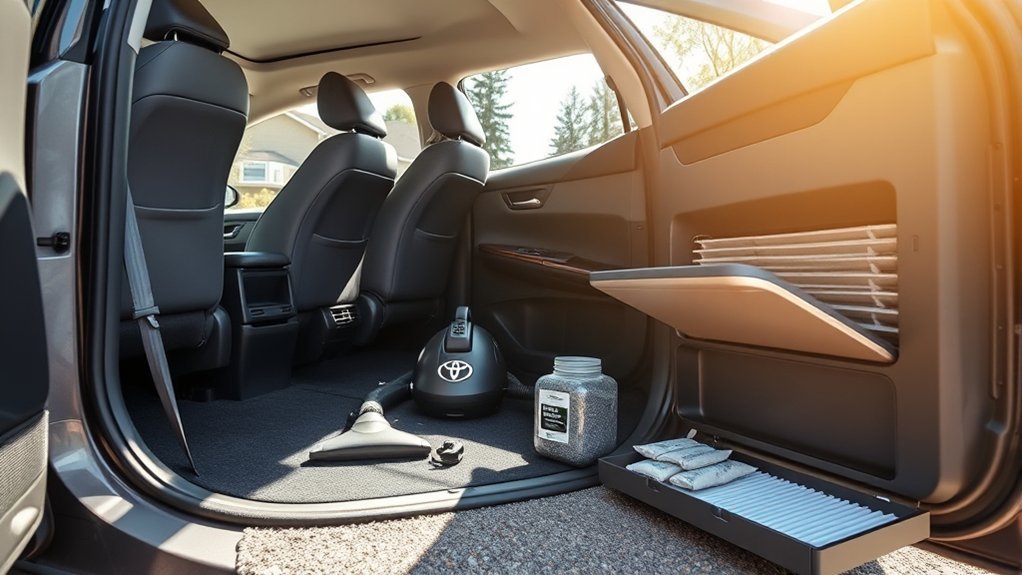
Start by removing damp towels, gym bags, floor mats, food, and trash. Then determine whether the odor comes from the cabin materials or the HVAC vents. A musty smell that is present before you start the fan often points to wet carpet, padding, seats, or the trunk. An odor that appears mainly during the first seconds of air-conditioning operation may come from a dirty cabin filter, a blocked condensate drain, or contamination on the evaporator or inside the HVAC case. For an HVAC-focused diagnosis, see the Toyota Camry cabin air filter odor guide and Toyota Camry A/C evaporator cleaning guide.
[Amazon Products Picked for You]

Compatible Auto List: Subaru Crosstrek (2016-2017), Forester (2009-2018), Impreza (2008-2016), WRX (2012-2021), WRX STI (2013-2021), XV Crosstrek (2013-2015). Replacement for:CF10930, CP930, CAF1869P, Subaru: 72880-FG000.
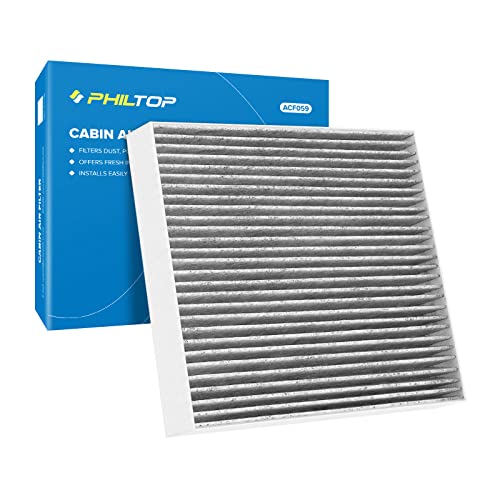
[Vehicle Fitment]:Compatible with CF10381 Hyundai Sonata 2006-2008(From 03/01/2005 to 12/17/2007), Santa Fe 2007-2009(To 10/05/2009), Azera 2006-2008(To 02/15/2008), Kia Optima 2006-2010(w/o tray)

Compatible Auto List: Buick: Allure (2010), Cascada (2016-2019), Encore (2013-2022), Lacrosse (2010-2016), Regal (2011-2017), Verano (2012-2017). Cadillac: ELR (2014-2016), SRX (2010-2016). Chevrolet: Cruze (2011-2015), Cruze Limited (2016), Malibu (2013-2015), Malibu Limited (2016), Orlando (2012-2014), Sonic (2012-2020), Spark (2013-2022), Spark EV (2014-2016), Trax (2013-2022), Volt (2011-2015).Saab: 9-4X (2011), 9-5 (2010-2011). Replacement for: General Motors: 13503675, 13271191, 13503677, 95369731, 52420930, 13271190.
Where Is the Musty Smell Coming From?
| When or Where You Smell It | Likely Area to Check | Next Step |
|---|---|---|
| After rain or a car wash | Door seals, windshield, sunroof drains if equipped, door vapor barriers, and trunk seals | Dry the cabin and arrange a leak test if moisture returns |
| Only when the fan or A/C starts | Cabin filter, evaporator case, and A/C condensate drain | Inspect the filter and have the HVAC drain and evaporator checked if the odor persists |
| Strongest in one footwell | Carpet padding, heater or A/C case, door seal, or a previous spill | Lift the mat and press a clean towel into the carpet to check for hidden dampness |
| Strongest in the trunk | Spare-tire well, tail-light seals, trunk weatherstrip, and spilled liquids | Remove the trunk floor panel and inspect the lowest areas for water |
| Sweet smell, oily windshield film, or falling coolant level | Heater core or cooling-system leak | Stop treating it as an odor-only problem and have the vehicle inspected promptly |
If the smell appears after rain or a car wash, the Toyota Camry rainwater leak and wet-carpet guide covers the common body-entry points in more detail.
Pro Tip: Write down when the smell appears—after rain, after using A/C, only at startup, or all the time. That pattern can save time when you or a technician trace the moisture source.
Use a wet/dry vacuum only for liquid extraction and wet materials. A normal household vacuum is not designed to pick up water. If the carpet surface feels dry but the padding underneath is still wet, the odor will usually return because the hidden layer dries much more slowly.
How Do You Remove a Musty Smell From a Toyota Camry?
- Empty the car. Remove wet items, floor mats, seat covers, trash, and anything stored in the trunk.
- Inspect every low point. Check all footwells, under seat edges, along door sills, beneath the trunk floor, and inside the spare-tire well. Look for water stains, rust, damp padding, or visible growth.
- Stop the water source. Repair a leaking seal, clogged drain, spill, or HVAC drainage problem before deep cleaning. Cleaning first may improve the smell temporarily, but it will not prevent recurrence.
- Protect yourself. Wear gloves and eye protection. If visible mold is present or cleaning could disturb moldy dust, consider a well-fitting N95 respirator and follow the EPA’s mold-cleanup precautions. People with asthma, mold allergy, chronic lung disease, or a weakened immune system should avoid direct exposure and consider professional help.
- Extract standing water. Blot first, then use a wet/dry vacuum or upholstery extractor. Do not soak the carpet more than necessary.
- Clean the affected materials. Use a vehicle-safe upholstery or carpet cleaner according to its label. An enzyme cleaner can help break down organic residues such as food, pet accidents, or body oils, but it should not be described as a guaranteed mold remover.
- Clean hard surfaces. Wipe plastic, vinyl, and other compatible hard surfaces with mild detergent and water, then dry them. Test any product in a hidden area before broader use.
- Dry completely. Park in a secure, dry, ventilated place. Open the doors or windows when conditions allow and use a fan or air mover. Although the EPA guidance is written for buildings, its moisture-control principle is useful here: wet materials should be dried within 24–48 hours where possible to reduce the chance of mold growth.
- Inspect the cabin air filter. Replace it if it is dirty, damp, moldy, or due under the maintenance schedule. Use the instructions for your exact model year in the Toyota owner’s manual and maintenance guide.
- Test the result. Once everything is dry, close the car for several hours, then check the cabin before and after starting the fan. A returning odor points to hidden moisture, wet padding, or an HVAC source that still needs attention.
Note: A new cabin air filter can improve airflow and remove a contaminated filter element, but it cannot repair a leak, dry wet carpet padding, or clean a contaminated evaporator by itself.
Essential Tools for Deep Cleaning Your Camry
You do not need a branded detailing machine or a specific horsepower rating. Choose tools that let you remove water, agitate fabric gently, and dry the interior without damaging trim, wiring, adhesives, or upholstery.
| Tool | Purpose | Use It Safely |
|---|---|---|
| Wet/Dry Vacuum | Removes standing water and extracts moisture from carpet | Use the wet setup and follow the machine’s electrical-safety instructions |
| Upholstery Extractor | Rinses and extracts soil from fabric | Use minimal solution and make several dry extraction passes |
| Auto Detailing Kit | Reaches seat rails, seams, vents, and trim gaps | Do not push liquid into switches, connectors, or electronics |
| Steam Cleaner | Loosens grime on compatible surfaces | Use sparingly; heat and moisture can damage adhesives, headliners, leather finishes, and electronics |
| Soft Brush or Drill Brush | Agitates carpet fibers and embedded dirt | Choose soft bristles, low speed, and test first to avoid fuzzing or discoloration |
| Fan or Air Mover | Speeds drying after extraction | Use only in a secure, dry location with safe power-cord routing |
| Gloves, Goggles, and N95 | Reduces exposure during moldy or dusty cleanup | Use a properly fitted respirator and replace it if it becomes wet or difficult to breathe through |
| Odor Eliminator or Enzyme Cleaner | Treats compatible surfaces after the moisture source is fixed | Follow the label and do not combine products |
These tools are most effective when used in the right order: stop the leak, remove contaminated debris, extract moisture, clean, and dry. No machine or chemical can compensate for padding that remains wet beneath the carpet.
[Amazon Products Picked for You]

COMPACT AND PORTABLE: Equipped with balanced top handle to clean up small messes on the go!
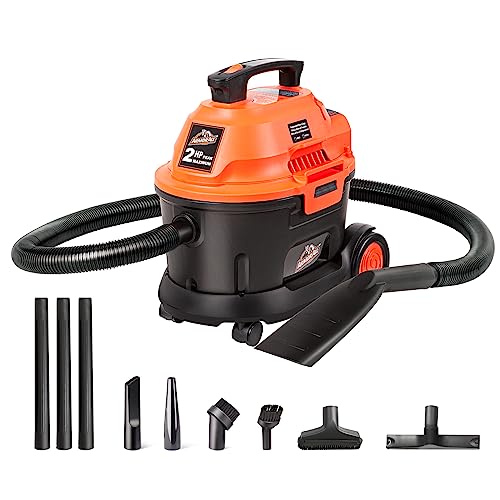
STRONG SUCTION: 2 Peak HP to quickly clean-up wet and dry messes

STRONG SUCTION: The 3 peak HP motor provides 900W of power to easily clean-up wet and dry messes
DIY Techniques to Permanently Remove Musty Smells
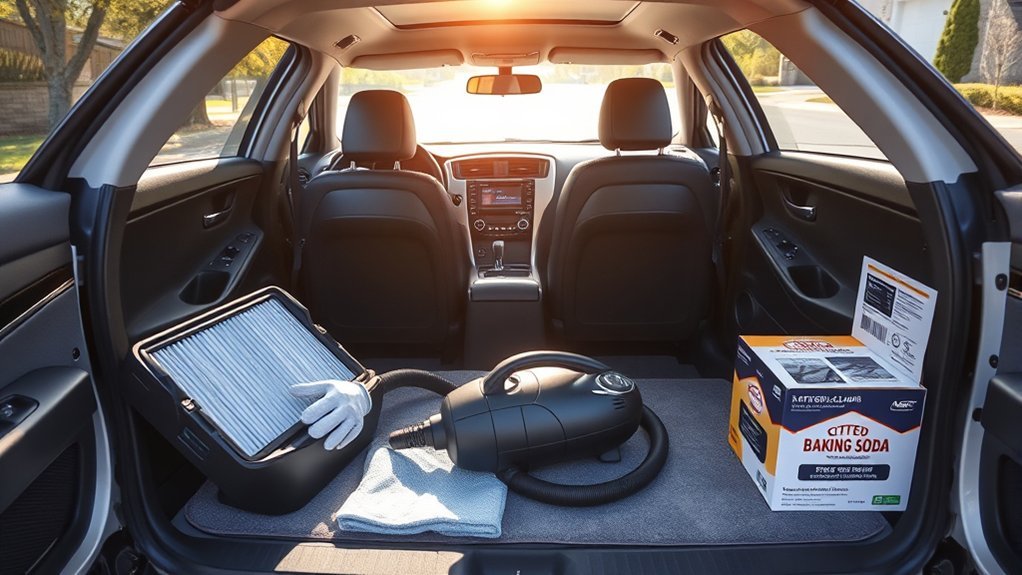
Permanent odor removal depends on removing the source, not applying a stronger fragrance. Deep cleaning can work well for a small spill or lightly affected carpet, but soaked padding, visible mold, floodwater contamination, or recurring HVAC odor may require disassembly or professional service.
[Amazon Products Picked for You]

CHEMICAL GUYS LIGHTNING FAST STAIN EXTRACTOR (SPI_191_16) – Professional-strength stain remover formula penetrates deep into carpet, upholstery, and fabric to quickly break down and lift stains, dirt, and odors for a restored, like-new look

ONE EASY STEP … 3D Extractor Shampoo cleans and deodorizes carpet, upholstery and more with one simple step!
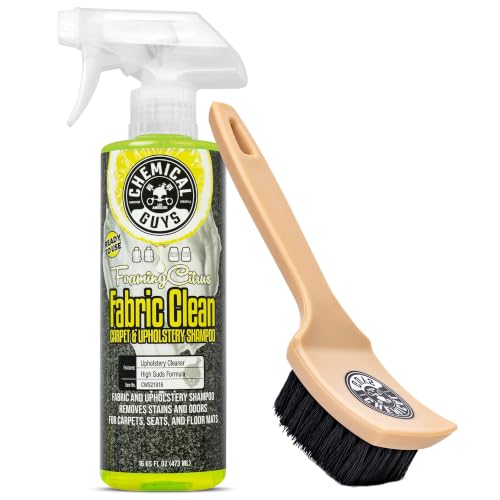
WILL IT LEAVE MY CARPET SOAKING WET: No - this car carpet cleaner has a low-moisture foaming formula, is detergent-free, and finishes with the soft feel of clean fabric rather than the wet, stiff, crusty residue low-grade cleaners leave
Deep Cleaning Carpets Thoroughly
- Remove the floor mats and clean them outside the vehicle. Do not remove the permanently installed carpet unless you understand the seat, trim, wiring, and airbag-safety requirements.
- Vacuum dry debris before adding cleaner. If the area is already wet, extract the liquid first.
- Apply a small amount of vehicle-safe carpet cleaner. Avoid fabric softener because it is not a carpet-cleaning agent and can leave a residue that attracts soil.
- Agitate gently with a soft brush, then extract. Repeat only as needed; excessive rinsing can drive water into the padding.
- Press clean, dry towels into the carpet. If they continue to come up damp or discolored, the underlay may still be wet or contaminated.
- Dry with moving air until both the carpet and underlying padding are fully dry. Do not reinstall damp floor mats.
For a more detailed cleaning procedure, see the guide to vacuuming and shampooing Toyota Camry carpets.
If visible mold covers more than a small, isolated area, if the padding has stayed wet for days, or if the water came from sewage or floodwater, do not rely on surface shampooing. The EPA notes that mold can be difficult or impossible to remove completely from porous materials, so replacement may be the safer option.
Utilize Odor Absorbing Agents
Odor absorbers can help with light residual smells after the car is clean and dry. They do not kill mold, fix leaks, or dry saturated padding.
| Agent | Application | Limit |
|---|---|---|
| Baking Soda | Lightly sprinkle on completely dry carpet, leave it overnight, and vacuum thoroughly | Keep it out of vents, seat mechanisms, electronics, and damp carpet where it can cake |
| Activated Charcoal | Place sealed or breathable charcoal bags in the parked vehicle | Helps adsorb some odors but is not a meaningful remedy for a water leak or wet padding |
| Vehicle-Safe Desiccant | Secure a sealed moisture absorber upright while the car is parked | Useful for minor humidity only; replace or empty it as directed and prevent spills |
| White Vinegar | Use only as a diluted spot-cleaning option on compatible hard surfaces after testing | Do not leave an open bowl in a moving car, do not mix it with bleach, and do not combine it with baking soda expecting a stronger cleaner |
Coffee grounds and essential oils mainly add or mask scent. They can spill, stain materials, trigger sensitivities, or make the original problem harder to judge, so they are poor substitutes for cleaning and drying.
Pro Tip: After cleaning, leave the closed car in a dry location for several hours without fragrance products. Recheck the odor with a neutral nose; this makes it easier to tell whether the source is actually gone.
How to Prevent Future Mildew Growth in Your Vehicle
Prevention is mostly moisture control. The CDC explains that mold grows where moisture is present, including in carpet, fabric, upholstery, and HVAC systems. Use the same principle in your Camry: keep the interior dry, correct leaks quickly, and remove materials that cannot be dried or cleaned adequately.
- Check after heavy rain or a car wash. Feel the front and rear footwells and inspect the trunk’s lowest point.
- Keep drains clear. Have sunroof drains, cowl drains, door drains, and the A/C condensate drain inspected if water appears where it should not.
- Remove wet items promptly. Do not leave damp towels, umbrellas, sports equipment, or snow-covered mats in the car.
- Dry spills immediately. Blot, extract, and ventilate rather than letting liquid soak into the padding.
- Use fresh-air ventilation periodically. When weather and security allow, air out the cabin instead of keeping it closed and humid.
- Maintain the cabin filter. Check the schedule and replacement procedure for your exact year and trim in Toyota’s documentation.
- Use desiccants carefully. A secured, spill-resistant moisture absorber may help with minor humidity, but do not run a household dehumidifier unattended inside a closed vehicle.
Regular vacuuming and occasional use of a compatible upholstery cleaner can reduce soil that holds odors. However, cleanliness alone will not prevent mildew if a window seal, sunroof drain, door membrane, trunk seal, heater core, or A/C drain continues to admit moisture.
Should You Call the Pros for Odor Help?
DIY cleaning is reasonable for a small spill, a dirty floor mat, or a lightly damp carpet that you can dry promptly. Professional help is more appropriate when the odor returns, the water source is hidden, the padding is saturated, the HVAC system is involved, or visible mold affects more than a small isolated area.
Assessing Severity of Odor
Call a qualified automotive technician, leak-detection specialist, or experienced detailer when any of these conditions apply:
- Recurring moisture: The carpet or trunk becomes wet again after rain, a car wash, or A/C use.
- HVAC-only odor: The smell is strongest when the blower starts and returns after a filter change.
- Wet padding: The carpet surface dries, but the underlay remains damp or produces odor when pressed.
- Visible growth: Mold-like spotting is widespread, inside vents, or on inaccessible materials.
- Contaminated water: The vehicle was flooded or exposed to sewage or other unsafe water.
- Health concerns: Occupants experience wheezing, coughing, eye irritation, or other symptoms that improve away from the car. The CDC notes that damp and moldy environments can affect sensitive people.
- Possible coolant leak: There is a sweet odor, fogging, oily residue on the windshield, or unexplained coolant loss.
Expertise in Odor Removal
A thorough professional diagnosis should do more than spray deodorizer. Ask for an inspection of the windshield and body seals, door vapor barriers, sunroof drains if equipped, cowl and body drains, trunk and spare-tire well, A/C condensate drain, evaporator housing, cabin filter, and heater core. The technician may use controlled water testing, moisture readings, carpet lifting, extraction, evaporator cleaning, or replacement of contaminated padding.
Be cautious with any service that presents ozone as the main repair. The EPA says ozone at concentrations within public-health standards is generally ineffective for removing many odors, mold, and other biological pollutants. High concentrations require an unoccupied, tightly controlled setting and still do not replace source removal.
Cost Versus DIY Solutions
| Approach | Best For | Cost Consideration |
|---|---|---|
| Basic DIY Cleaning | Small spills, removable mats, light surface odor | Lowest cost if you already own a vacuum and fan |
| DIY Extraction or Rental | Damp carpet without widespread mold or a recurring leak | Moderate supply or rental cost, plus drying time |
| Professional Detailing | Deep soil, controlled extraction, difficult interior access | Pricing varies by region, vehicle condition, and whether disassembly is needed |
| Mechanical or Leak Repair | Blocked A/C drain, heater-core issue, body leak, or HVAC contamination | Higher cost, but it addresses the cause and may prevent repeated cleaning expenses |
Before authorizing work, request a written description of the suspected source, the cleaning or repair method, whether carpet padding will be inspected, and what warranty applies if the odor returns.
Tips for Maintaining a Fresh Interior in Your Toyota Camry
- Remove damp items and food waste at the end of each trip.
- Wash floor mats and let them dry completely outside the car before reinstalling them.
- Blot and extract spills immediately instead of rubbing them deeper into the carpet.
- Check the trunk and rear footwells monthly during rainy or snowy seasons.
- Inspect the cabin filter at the interval listed for your model year and sooner after dusty, smoky, or damp conditions.
- Use fragrance lightly, if at all. A strong air freshener can hide the early warning that a leak or HVAC odor has returned.
- Keep service records, photos of wet areas, and dates when the odor occurs. That documentation helps a technician trace intermittent problems.
You can also check your VIN and model year for open recalls or manufacturer communications through the National Highway Traffic Safety Administration. An odor complaint does not automatically mean a safety recall exists, so verify your specific vehicle rather than relying on a general article or social-media post.
Related Guides
Frequently Asked Questions
How do you get a musty smell out of a car fast?
Remove wet items, find the damp area, extract water, clean the affected surface, and move dry air through the cabin. If the odor starts with the fan, inspect the cabin filter and HVAC drain. A fragrance or ozone treatment may mask the smell, but it will not provide a reliable fix if moisture remains.
Why does my Toyota Camry smell musty after rain?
A musty smell after rain usually means water is entering or remaining in the cabin. Check the windshield and door seals, door vapor barriers, moonroof drains if equipped, trunk weatherstrip, spare-tire well, and carpet padding. Dry the interior, then arrange leak testing if the moisture returns.
What was the Toyota smell lawsuit?
The relevant California case was Salas v. Toyota Motor Sales, U.S.A., Inc., involving allegations about HVAC systems in certain 2012–2015 Camry XV50 vehicles purchased or leased in California. Toyota denied the allegations, and the court approved the settlement on January 8, 2025. The official settlement site states that the final claim deadline was May 31, 2026, which has now passed.
What do car detailers use to remove odors?
Detailers commonly use physical debris removal, wet extraction, upholstery detergents, enzyme products for organic residues, steam on compatible surfaces, air movers, and specialized HVAC cleaning. The important step is matching the method to the source. Reputable professionals should not treat fragrance or ozone as a replacement for leak repair and removal of contaminated material.
Why does my Camry smell musty only when the A/C turns on?
An odor that appears mainly at blower or A/C startup can point to a dirty or damp cabin filter, retained moisture around the evaporator, a restricted condensate drain, or contamination inside the HVAC case. Replace a dirty filter, but arrange an HVAC inspection if the odor returns.
Can baking soda remove mold from car carpet?
No. Baking soda may reduce a mild residual odor on completely dry carpet, but it does not repair the moisture source or reliably remove mold from porous carpet and padding. Wet or visibly moldy padding may need professional cleaning, removal, or replacement.
Conclusion
To remove a musty smell from your Toyota Camry, trace the odor to its source, stop the water intrusion or drainage problem, clean the affected materials, and dry the carpet and padding completely. Odor absorbers and a new cabin filter can support the process, but neither will correct hidden moisture.
If the smell returns after cleaning, appears whenever the HVAC starts, or comes with visible mold, wet padding, coolant loss, or health symptoms, schedule a professional inspection. A lasting repair is more effective than repeating deodorizer treatments.
Sources
- U.S. Environmental Protection Agency: A Brief Guide to Mold, Moisture and Your Home — moisture control, 24–48-hour drying guidance, PPE, porous materials, and cleanup precautions.
- Centers for Disease Control and Prevention: Mold — mold growth conditions, possible health effects, and prevention guidance.
- U.S. Environmental Protection Agency: Ozone Generators Sold as Air Cleaners — ozone health risks, limitations, and by-product concerns.
- Toyota Owners: Manuals and Warranties — model-year-specific owner’s manuals and maintenance information.
- National Highway Traffic Safety Administration: Recalls and Manufacturer Communications — VIN, recall, complaint, investigation, and manufacturer-communication lookup.
- Official Salas v. Toyota Settlement Website — case scope, settlement status, eligibility details, and passed deadlines.
