Choosing the right goggles for your Avata 2 affects how you fly, how quickly you react, and how much you enjoy each flight. You want low latency, clear imagery, reliable pairing with the Avata 2 and RC Motion 3, and a comfortable fit for longer sessions.
This comparison helps you decide which model gives you the visual clarity, field of view, and ergonomics that match your flying style and budget.
Top Picks
|
Category |
Product |
Score |
|---|---|---|
|
🏆 Best Image Fidelity |
94/100 |
|
|
🎯 Best Wide View |
90/100 |
Selection Criteria
You need goggles that work seamlessly with the Avata 2 ecosystem, so we focused first on compatibility and transmission to ensure reliable O4 connection and low latency. Visual quality and display tech were weighted heavily because micro‑OLED versus ultra‑wide LCD directly affects target identification, framing and immersion.
Comfort and weight matter when you fly multiple batteries, so fit, padding and ergonomics were evaluated next. Battery life and thermal behavior determine session length and stability, while firmware support and ease of pairing affect long‑term usability.
Finally, price and value were considered so you can match features to your budget without sacrificing critical performance.
Goggles 3

You get one of the clearest FPV views available with the Goggles 3 thanks to micro‑OLED panels and thoughtful ergonomics. They pair cleanly with Avata 2 and RC Motion 3 and bring Real View PiP so you can keep situational awareness without losing immersion.
For everyday practice flights you’ll appreciate the comfortable fit and crisp 1080p output, and for special shoots the sharp imagery and adjustable diopters make framing and focusing easier. If you care most about image fidelity and a premium viewing experience, these are worth considering.
What People Say
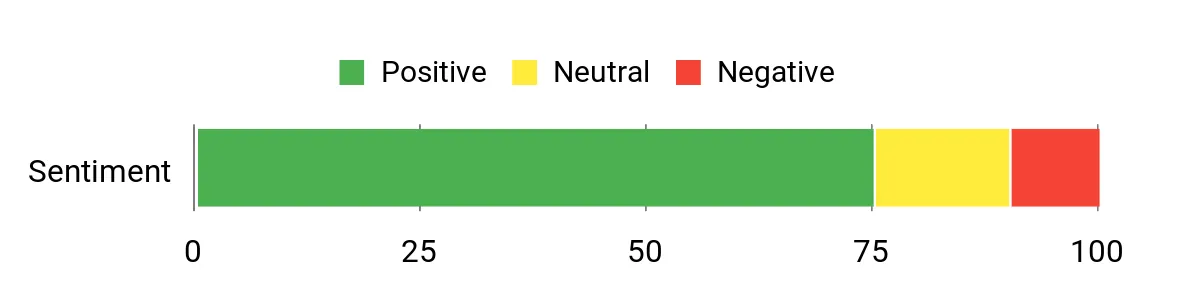
You’ll see a lot of praise for the image quality and comfort, with many users noting the bright, sharp view and improved fit compared with older goggles. People also point out that firmware updates via DJI Assistant 2 and straightforward pairing improve day‑to‑day reliability.
A minority mention the premium price and moderate battery life as tradeoffs.
Overall Sentiment: Positive
|
Pros |
Cons |
|---|---|
|
✅ Exceptional micro‑OLED image clarity and color |
❌ Premium product that isn’t a budget option |
|
✅ Real View PiP for situational awareness |
❌ Around 3 hours max runtime under ideal conditions |
|
✅ Comfortable fit with included forehead pad and foam padding |
❌ Some users may need time to update firmware and resolve compatibility questions |
|
✅ Built‑in diopter support and corrective lenses included |
Long-Term Cost Benefits
Buying a higher‑quality headset like the Goggles 3 can reduce the need for upgrades and replacements, and the strong firmware support helps keep the unit current over multiple drone generations. Better footage and easier flights can also save you time in editing and reshoots.
Return On Investment
You recoup value through improved flight performance, fewer setup headaches, and higher‑quality captures that make your footage more usable. If you fly often or use Avata 2 for commercial or creative work, the improved image fidelity and reliability translate into measurable time savings.
Situational Benefits
|
Situation |
How It Helps |
|---|---|
|
Cinematic Filming |
Micro‑OLED clarity and Real View PiP let you precisely frame shots while keeping track of surroundings for safe camera moves. |
|
High‑Speed Flights |
Low‑latency O4 transmission reduces perceived lag so you can react faster and maintain tighter control in dynamic maneuvers. |
|
Long Practice Sessions |
Comfortable padding and adjustable diopters make longer sessions less fatiguing and keep your focus on flying, not headset discomfort. |
|
Field Updates and Maintenance |
USB‑C connectivity and DJI Assistant 2 support let you update firmware and troubleshoot without returning to a service center. |
Versatility
The Goggles 3 work well as a dedicated Avata 2 headset but also support other DJI aircraft through automatic firmware matching. Diopter adjustments and included corrective lenses make them usable for pilots who wear glasses, and screen sharing options extend their use beyond pure FPV sessions.
Safety Features
Real View PiP gives a live window to your surroundings so you can check orientation without taking off the goggles, and one‑tap defogging helps maintain clear vision in changing temperatures. Low latency transmission reduces surprise responses that can lead to losses.
Innovation
Micro‑OLED displays and the Real View PiP feature represent a step forward for FPV goggles, combining high contrast imagery with situational overlays. Automatic firmware selection to match different aircraft transmission specs simplifies cross‑device compatibility.
Travel Friendliness
At about 0.47 kg the Goggles 3 are reasonably portable and have a smaller profile than some bulkier models, though they are still a premium headset rather than the lightest option. Included foam pads and the compact shape make them easier to pack for trips.
Indoor/Outdoor Usability
These goggles perform well both indoors and outdoors; outdoor performance benefits from O4 transmission at higher frame rates while indoor use gets help from one‑tap defogging and adjustable refresh behavior. Keep in mind that transmission bitrate can vary with local interference and regulatory frequency limits.
Key Benefits
- Micro‑OLED delivers very sharp, high‑contrast imagery for better target recognition
- Real View PiP preserves awareness of your surroundings while staying immersed
- Adjustable diopters and included corrective lenses reduce need for external eyewear
- O4 transmission gives reliable low‑latency feed with stable pairing to Avata 2
Rating: 4.5 (total: 630+)
Goggles N3

You’ll notice the wide field of view right away with the N3, which is designed to pull you into the flight without making you feel cramped. It pairs with Avata 2 and other DJI gear via O4 transmission so you get a stable, low‑latency feed that works well for exploring, scouting and demo flights.
The fit is tuned for comfort and the one‑tap defogging helps when temperature shifts threaten your view. If you want a goggle that emphasizes immersive scale and range more than micro‑OLED contrast, the N3 is a very practical pick for regular flying sessions.
What People Say
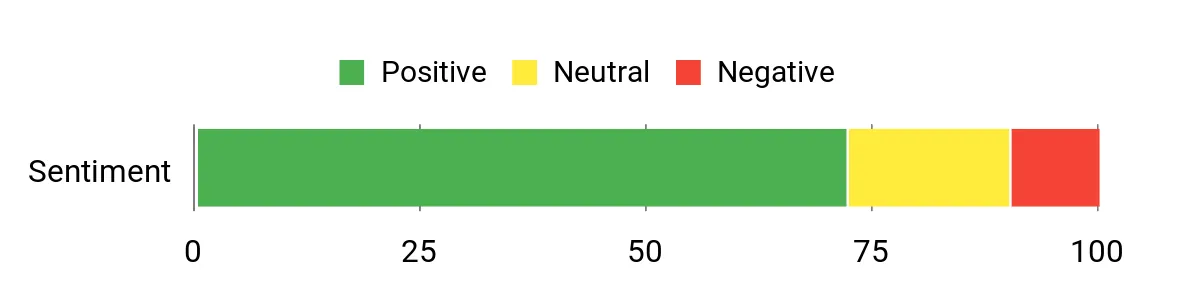
Reviews tend to highlight how immersive the wide screen feels and how stable the video link performs during flights. Many users appreciate the comfortable fit for longer sessions and the convenience of one‑tap defogging. A few users point out battery life and size as tradeoffs depending on travel needs.
Overall Sentiment: Positive
|
Pros |
Cons |
|---|---|
|
✅ Expansive ultra‑wide view that enhances situational immersion |
❌ Not the lightest headset at around 536 g so it can feel noticeable on long hikes |
|
✅ Strong O4 transmission with notable range performance |
❌ About 2.7 hours max runtime under ideal conditions |
|
✅ Comfortable ergonomics and practical defogging feature |
❌ Some pilots may prefer higher contrast micro‑OLED panels for cinematic work |
|
✅ Easy live feed sharing for group demos or instruction |
Long-Term Cost Benefits
The N3’s robust transmission and broad compatibility reduce the need for immediate upgrades, and firmware support helps keep it usable with future DJI hardware. That longevity lowers the overall cost of ownership when you fly frequently.
Return On Investment
You gain value through smoother flights, fewer connection hiccups and easier group workflows. If you use Avata 2 for exploration or client demos, the wider view and steady link make each session more productive and reduce the need for repeat flights.
Situational Benefits
|
Situation |
How It Helps |
|---|---|
|
Cinematic Scouting |
The ultra‑wide view helps you assess framing and environment quickly, making it easier to plan camera moves and compositions. |
|
Long‑Range Exploration |
O4 transmission and strong range performance let you keep a clear feed when scouting distant areas, improving situational confidence. |
|
Group Demos |
Live feed sharing and comfortable fit make it straightforward to show clients or students what you’re seeing in real time. |
|
Indoor Obstacle Practice |
Wide field of view and one‑tap defogging maintain clear vision in close quarters, helping you spot obstacles and refine lines. |
Versatility
The N3 works well with multiple DJI aircraft and controllers thanks to its transmission support, and features like live feed sharing and AR cursor extend its uses beyond solo flying to teaching and collaborative shoots.
Safety Features
One‑tap defogging keeps your view clear in temperature changes and the responsive O4 link reduces lag that can lead to overcorrections. AR cursor and stable streaming help you maintain situational awareness during complex maneuvers.
Innovation
The N3 blends an ultra‑wide display with advanced O4 transmission and AR enhancements to prioritize scale and situational tools rather than purely pushing pixel density, which is a useful design choice for exploration and instruction.
Travel Friendliness
At roughly 536 g the N3 is not the lightest headset but it’s still manageable in a backpack. The bulkier profile means you’ll want a protective case if you travel often, and packing the extra padding helps keep it safe.
Indoor/Outdoor Usability
The goggles handle both indoor and outdoor flights well; outdoor use benefits from greater transmission distance while indoor sessions make use of the wide view and defogging. Be mindful that local interference and frequency rules can affect transmission bitrate.
Key Benefits
- Ultra‑wide 1080p display for a more expansive field of view
- DJI O4 transmission delivers reliable low‑latency streaming and solid range
- Comfortable fit with defogging and live feed sharing for group sessions
- Good compatibility with Avata 2 and other DJI controllers
Rating: 4.5 (total: 165+)
FAQ
Which Goggles Are Best For Avata 2?
Both Goggles 3 and Goggles N3 work with Avata 2, but your choice depends on what you value most. Choose the Goggles 3 if you want the highest contrast and detail for cinematic flying thanks to its micro‑OLED panels and Real View PiP.
Pick the Goggles N3 if you prefer a broader field of view and a headset built around immersive scale and range. In either case, update firmware and confirm controller pairing before your first flight so the goggles and aircraft select the right transmission profile automatically.
How Do They Differ In Visual Quality And Comfort?
The Goggles 3 prioritizes image fidelity with sharper contrast and finer detail, while the N3 emphasizes an expansive, ultra‑wide 1080p view that feels more like looking through a cockpit. Comfort comes down to fit and weight: the Goggles 3 is lighter and has included corrective lenses and padding for a snug fit, and the N3 offers roomy optics that some pilots find less face pressure but slightly heavier overall. Expect about three hours of runtime under ideal conditions with the Goggles 3 and roughly 2.7 hours with the N3, both varying with brightness and settings.
Any Practical Tips For Setup And Daily Use?
Start by installing updates through DJI Assistant 2 and pairing the goggles with your Avata 2 and controller to ensure automatic firmware matching. Keep a USB‑C phone charger handy for initial charging and use the included diopter lenses if you wear glasses.
Manage screen brightness to extend battery life, use Real View PiP or one‑tap defogging when conditions change, and carry a protective case for travel. Also check local radio and frequency rules, since functions like smartphone screen sharing can be limited in some regions and a wired connection may be required.
Buyer Preferences
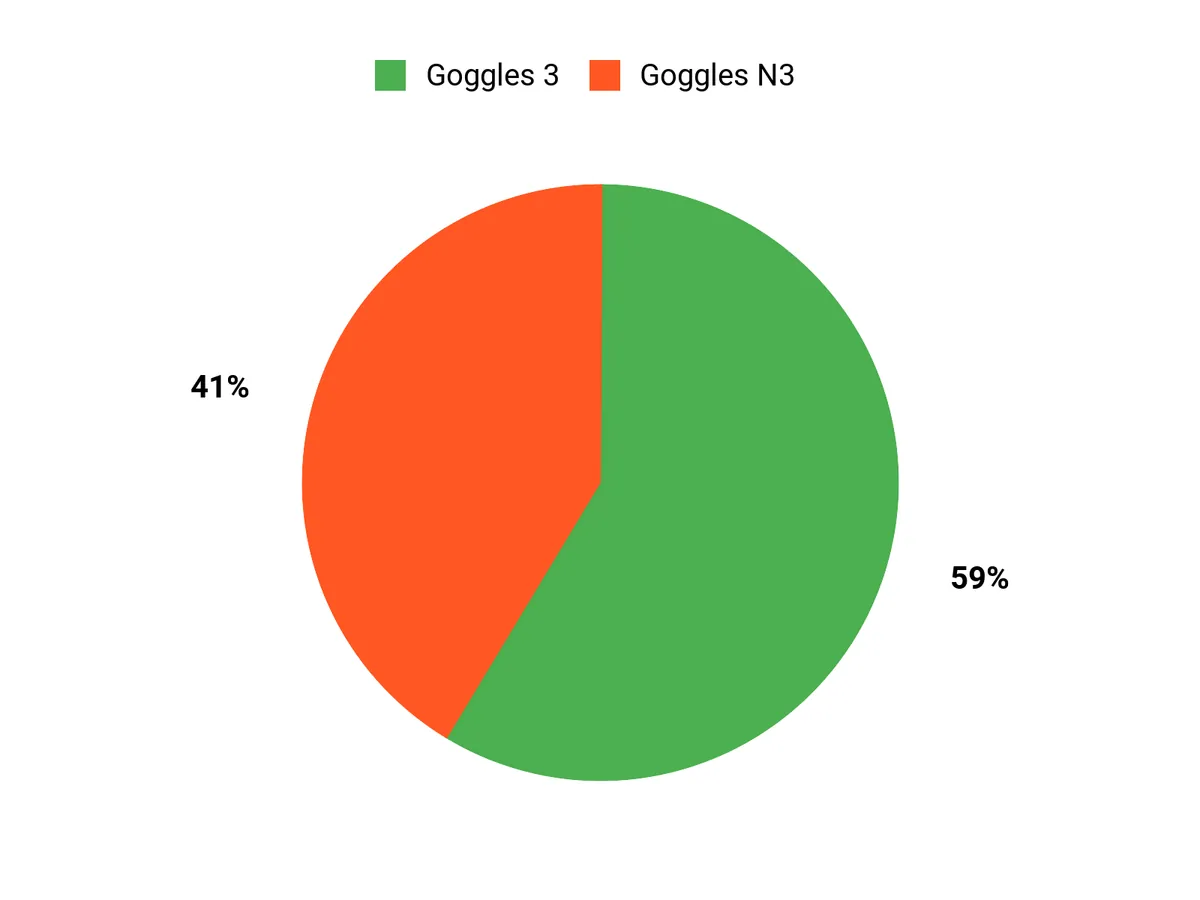
When choosing between the Goggles 3 and N3 you typically prioritize either image fidelity and precise situational awareness or a broader, more immersive field of view and range. If you value cinematic detail and features like micro‑OLED and Real View PiP, the Goggles 3 is the logical pick; if you want expansive viewing, comfortable long sessions and robust O4 transmission for exploration, the N3 will likely serve you better.
Wrapping Up
If you prioritize the sharpest, most detailed view and modern display tech for cinematic FPV with Avata 2, the Goggles 3 are the better choice because of their micro‑OLED panels, Real View PiP and strong O4 support, though they come at a premium price and modest battery life. If you prefer a wider field of view, slightly lighter hardware and a strong transmission range at a more accessible cost, the Goggles N3 delivers a compelling balance.
Choose based on whether image fidelity or wide immersive viewing matters more to your flying goals.
| DJI Goggles 3 | DJI Goggles N3 | |
|---|---|---|
|
|
|
|
| Rating | 4.5/5 (630 reviews) | 4.5/5 (165 reviews) |
| Display Resolution | 4K (up to 1080p for transmission), 1080p video output | 1080p Ultra-Wide |
| Battery Life | Up to 3 hours | Up to 2.7 hours |
| Weight | 0.47 kg | 0.536 kg |
| Get Details | Get Details |
This Roundup is reader-supported. When you click through links we may earn a referral commission on qualifying purchases.
