
Many anglers underestimate how much sustainable fishing practices protect the waters they love. When you follow local regulations, choose responsible seafood, handle fish carefully, and avoid waste, you help keep fish populations healthy for future trips. This guide explains practical conservation methods, Oklahoma fishing rules, seafood sustainability tools, and simple habits that support cleaner, healthier aquatic ecosystems.
Quick Answer
Sustainable fishing means taking only what the water can replace, following size and bag limits, reducing bycatch, handling released fish properly, and choosing seafood from well-managed fisheries or farms. These habits protect fish populations, support local communities, and keep fishing enjoyable for future generations.
Key Takeaways
- Check local fishing rules before every trip because seasons, size limits, and bag limits can change.
- Use selective gear, careful release methods, and proper waste disposal to reduce harm to fish and habitat.
- Choose seafood with reliable sustainability ratings instead of relying on broad labels alone.
- In Oklahoma, most anglers aged 18 and older need a valid fishing license.
- Your choices as an angler and seafood buyer can support healthier fisheries, cleaner water, and stronger fishing communities.
The Importance of Sustainable Fishing Practices
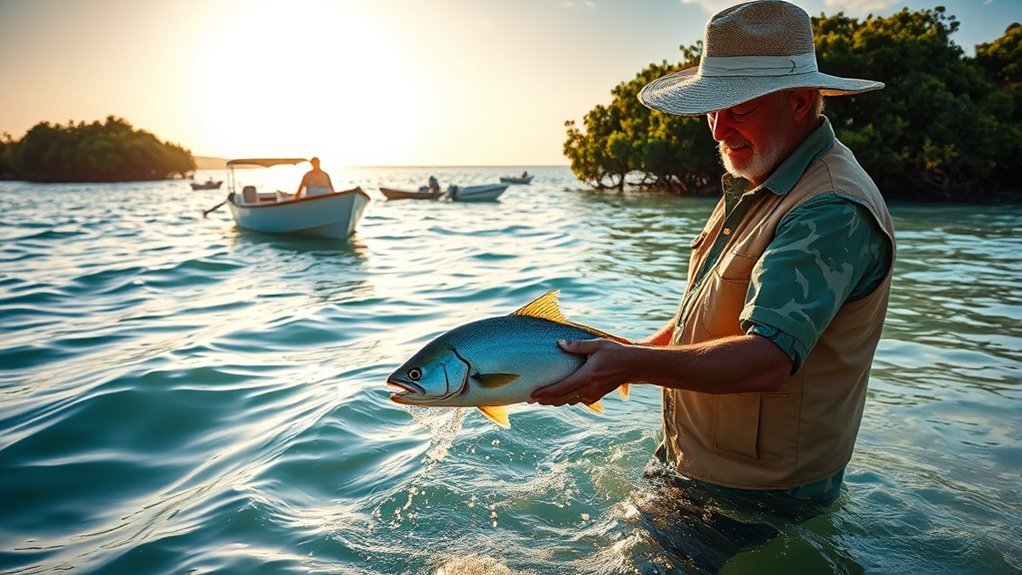
Sustainable fishing practices are essential for protecting marine biodiversity, freshwater ecosystems, and food security. Well-managed fisheries allow fish to reproduce, keep habitats intact, and help anglers enjoy consistent opportunities year after year. Poorly managed fishing can remove too many breeding fish, damage spawning areas, and disrupt the balance between predators and prey.
As you think about fish management, focus on practical choices you can control. Follow local rules, keep only legal fish, release unwanted fish carefully, and avoid fishing in closed areas. These responsible habits reduce over-exploitation of fish stocks and support wildlife conservation efforts.
Seafood also matters far beyond recreation. Around the world, many communities rely on fish and other aquatic foods for nutrition, jobs, and income. Responsible wild harvest and carefully managed aquaculture can help meet demand while reducing habitat damage. By supporting sustainable seafood, you encourage suppliers, restaurants, and retailers to choose better-managed sources.
Healthy fisheries depend on daily choices: what you keep, what you release, what you buy, and how you treat the water.
Understanding the Impact of Unsustainable Seafood
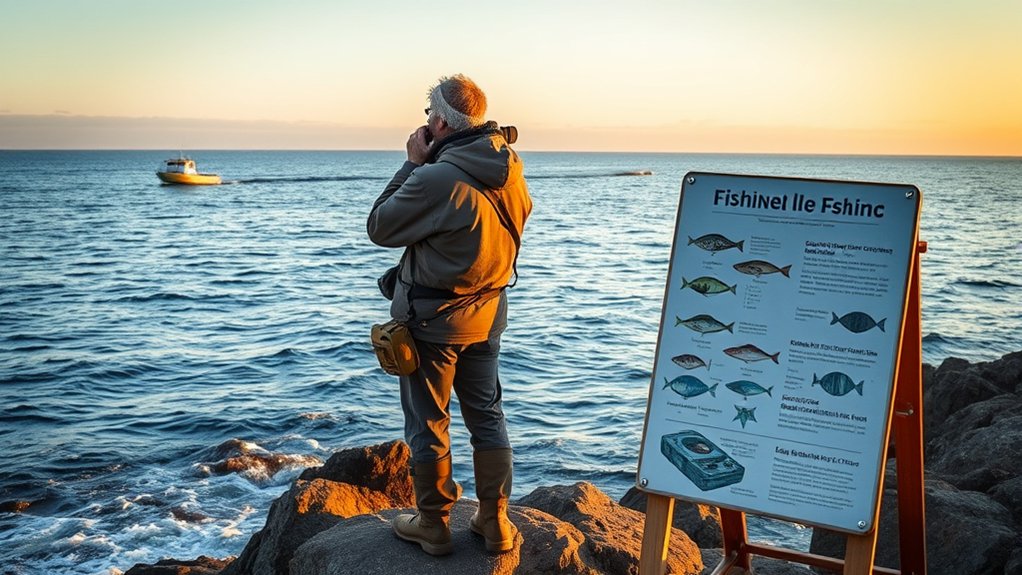
Unsustainable seafood practices can harm ocean health, weaken fish populations, and reduce marine biodiversity. Overfishing happens when fish are removed faster than they can reproduce. That can shrink breeding populations, change food webs, and make fisheries less productive over time.
Some species are especially vulnerable because they grow slowly, mature late, or gather in predictable spawning areas. Large tuna, some sharks, groupers, and certain deep-water species can take longer to recover when fishing pressure gets too high. Unsustainable fishing methods can also create bycatch, which means unwanted fish, turtles, seabirds, or other wildlife are caught accidentally.
Fish farming can also cause problems when it is poorly managed. Excess feed, waste, disease, chemical use, escaped fish, and habitat conversion can affect nearby ecosystems. That does not mean all aquaculture is harmful. Many farms use improved practices, better feed systems, lower-impact species, and stronger monitoring. The key is to choose seafood from sources that can show responsible management.
Warning: Avoid relying on vague labels such as “natural” or “fresh” when judging seafood sustainability. Look for the species, harvest area, catch method, farm method, and a trusted sustainability rating.
Benefits of Choosing Sustainable Seafood
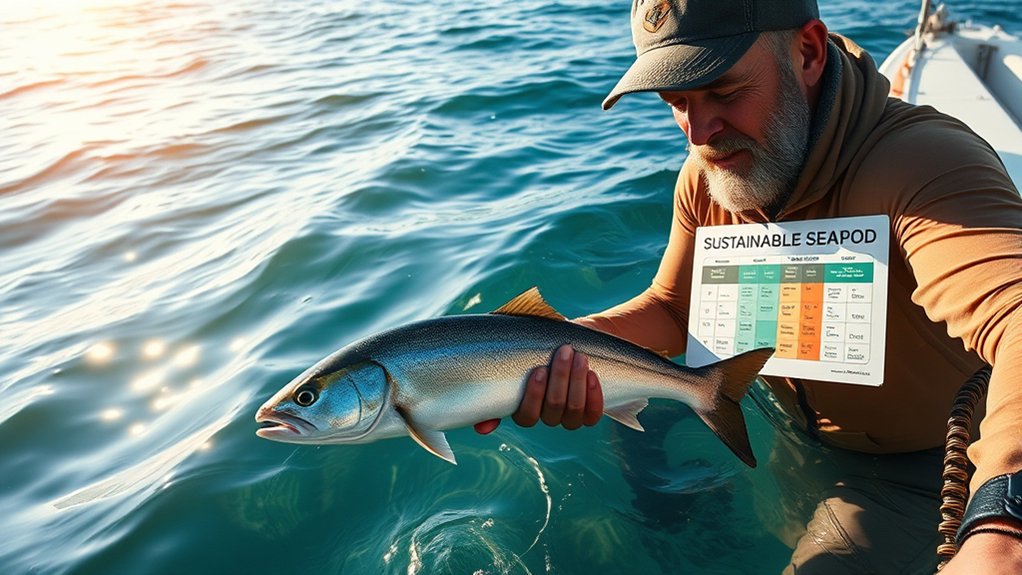
As you consider your seafood choices, choosing sustainable options helps protect the environment and the future of this important food source. Sustainable seafood supports ocean health, protects marine biodiversity, and rewards fisheries and farms that follow stronger standards.
Many seafood options can also provide efficient, nutritious protein when they come from responsible sources. Small pelagic fish, well-managed shellfish, and low-impact farmed species often have a lighter environmental footprint than many other animal proteins. Still, sustainability depends on the exact species, location, harvest method, and management system.
Your demand for sustainable options encourages suppliers to adopt responsible fishing and aquaculture practices. Restaurants, markets, and seafood brands respond when customers ask clear questions. Ask where the fish came from, how it was caught or farmed, and whether it has a trusted rating or certification.
Overview of the Good Fish Guide
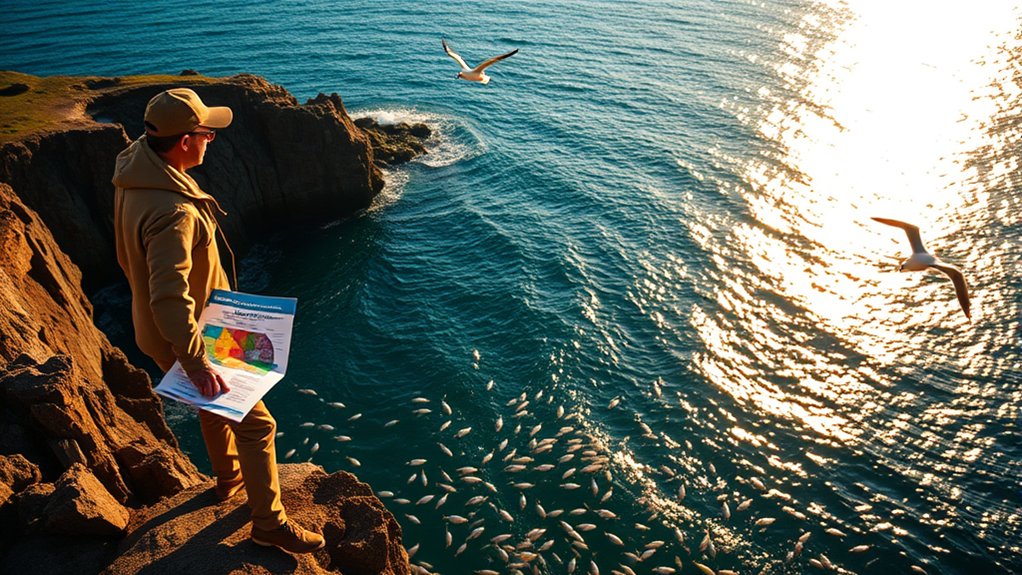
The Good Fish Guide from the Marine Conservation Society is a practical tool for understanding seafood sustainability. It helps you compare seafood choices by species, location, and production method, so you do not have to guess at the fish counter or restaurant.
The guide uses a clear rating approach that makes seafood choices easier. Better-rated options are stronger choices, while lower-rated options should be avoided or chosen with caution. Because seafood sustainability can change, the guide updates ratings as new information becomes available.
Purpose and Scope
Understanding the purpose and scope of the Good Fish Guide helps you make informed seafood choices that prioritize sustainability. This guide simplifies your decision-making process by showing how different seafood options affect the environment.
- It rates seafood choices based on sustainability risk and environmental impact.
- Ratings consider species, fishing area, farming method, and production method.
- It helps you compare options when dining out, meal planning, or shopping.
- The guide encourages you to look beyond the common name of a fish.
- Detailed ratings promote responsible consumption and better fishing practices.
Sustainability Rating System
A thorough sustainability rating system helps consumers make environmentally responsible seafood choices. The Good Fish Guide uses a simple rating scale and color cues to show which seafood options are better choices and which ones carry higher sustainability concerns.
This system looks at the species, where it came from, and how it was caught or farmed. That detail matters because the same species can be a better choice in one location and a poor choice in another. For example, a fish from a well-managed stock may rate better than the same fish from an overfished area.
By providing a quick reference, the guide helps you assess the environmental impact of various seafood options. It also explains the criteria behind ratings, which helps you understand how your choices influence marine environments.
Consumer Guidance Tools
When seeking sustainable seafood options, consumer guidance tools like the Good Fish Guide can improve your decision-making. They help you move beyond guesswork and compare seafood with more confidence.
- Color cues: Easy visual guidance for stronger and weaker seafood choices.
- Detailed ratings: Information based on species, location, and production method.
- Quick reference: Useful at restaurants, seafood counters, and grocery stores.
- Scientific basis: Ratings rely on available research and expert assessment.
- Easy access: Mobile-friendly tools help you check seafood before you buy.
Pro Tip: When seafood is not listed clearly, ask for the exact species and origin. “Snapper,” “cod,” and “tuna” can refer to several different species with very different sustainability ratings.
Accuracy and Reliability of the Good Fish Guide
While consumers increasingly seek sustainable seafood options, the accuracy and reliability of the Good Fish Guide play an important role in helping them choose wisely. The guide bases its sustainability ratings on the best available evidence, including fish stock status, management quality, habitat effects, bycatch risk, and farming impacts.
Transparency is one of its strongest features. It explains why a seafood option receives a better or worse rating, rather than giving a simple yes-or-no answer. That helps you understand the reasoning behind your seafood choices.
Regular updates also matter because seafood sustainability changes over time. A fishery may improve after stronger management, or it may decline after poor recruitment, habitat damage, or higher fishing pressure. By checking current guidance before buying seafood, you can make more confident, informed decisions.
Fishing Regulations and Licensing in Oklahoma
In Oklahoma, fishing rules help protect sport fish, native species, and aquatic habitats. You usually need a fishing license if you are 18 or older, with different options depending on residency, age, and fishing activity. Youth under 18 can generally fish without a license, which encourages early participation in the sport.
Rules can vary by waterbody, species, season, and method. Before you fish, check the current Oklahoma Department of Wildlife Conservation regulations for license requirements, daily limits, size limits, paddlefish rules, trout areas, and special restrictions.
At a Glance
| Time Required | 5 to 10 minutes before each trip to check current rules and confirm your license status. |
| Difficulty | Easy for casual anglers, but special waters and species may require extra attention. |
| Tools Needed | Current fishing license, regulation guide, measuring board, phone, pliers, and a waste bag. |
| Cost | Varies by license type, residency, duration, and exemptions. |
Licensing Requirements Overview
To support conservation efforts in Oklahoma, anglers aged 18 and older must generally carry a valid fishing license. The Oklahoma Department of Wildlife Conservation offers different licensing options for residents, nonresidents, short-term visitors, and anglers with special needs.
- A valid license is essential for legal and sustainable fishing.
- Youth under 18 can generally fish without a license, which promotes early engagement.
- License fees support conservation programs, fisheries management, and habitat work.
- Rules are updated regularly, so check official regulations before fishing.
- Non-compliance can result in fines and can undermine fish population management.
Staying informed about licensing requirements helps you avoid penalties and supports healthy fish habitats for future generations.
Age Exemptions for Fishing
Understanding age exemptions for fishing in Oklahoma helps families introduce children to outdoor recreation. Individuals under 18 can generally fish without a license, which makes it easier for young anglers to learn basic skills and build a connection with nature.
That exemption does not remove every rule. Catch limits, size limits, seasons, gear restrictions, and special area rules still apply. Adults should teach young anglers how to measure fish, identify species, release fish safely, and clean up all fishing line and bait containers.
The Oklahoma Department of Wildlife Conservation emphasizes the importance of valid licensing for anglers 18 and older. This age exemption policy supports youth participation while still highlighting the importance of responsible fishing practices.
Compliance and Conservation Efforts
Fishing regulations and licensing in Oklahoma play a major role in sustaining the state’s aquatic ecosystems. By following the rules, you help protect fish populations, maintain balanced harvest, and support public access to healthy waterways.
- A valid fishing license is generally required for anglers aged 18 and older.
- Youth under 18 can generally fish without a license, but regulations still apply.
- Annual and short-term licenses serve different fishing habits and travel plans.
- Size and bag limits help prevent overharvest and protect breeding fish.
- The Oklahoma Department of Wildlife Conservation provides official resources to keep you informed.
Note: Always check the current regulation for the exact lake, river, or species you plan to target. Statewide rules may not cover every special water or seasonal restriction.
Engaging With the Fishing Community
How can engaging with the fishing community transform your approach to sustainable practices? By connecting with fellow anglers, you can build a stronger sense of stewardship for marine ecosystems, lakes, rivers, and local fishing access.
Participating in local fishing groups, conservation clubs, and online forums helps you learn practical habits from experienced anglers. You can exchange advice on selective harvest, fish handling, invasive species prevention, local cleanups, and habitat protection.
Community events such as fishing tournaments, youth clinics, and educational workshops can promote responsible techniques and show why sustainable seafood and healthy fisheries matter economically. Collaborating with agencies, conservation groups, and local volunteers also strengthens support for better regulations and habitat protection.
Engaging with the fishing community does more than improve your catch rate. It helps you become part of a shared culture that values clean water, ethical harvest, and long-term access for future anglers.
Tips for Responsible Fishing Practices
While you might be eager to reel in your next catch, adopting responsible fishing practices is essential for preserving marine ecosystems and freshwater habitats. These habits protect fish, reduce waste, and make you a better steward of the water.
- Always check local regulations for size and bag limits to support sustainable fish populations.
- Use barbless hooks or crimped barbs when you plan to release fish.
- Wet your hands before handling fish to protect their slime coat.
- Keep fish in the water as much as possible during catch and release.
- Use circle hooks when bait fishing for species where deep-hooking is a common problem.
- Practice selective fishing by targeting abundant species and avoiding overfished or protected ones.
- Use a rubber or knotless landing net to reduce scale and fin damage.
- Cut the line close if a fish is deeply hooked and removing the hook would cause major injury.
- Dispose of fishing line, hooks, bait containers, and trash properly.
- Participate in local clean-up events and conservation projects to protect aquatic habitats.
These practices improve your fishing experience while helping future generations enjoy thriving waters. Your commitment to responsible fishing can make a real difference in maintaining ecological balance.
How to Choose Sustainable Seafood
Choosing sustainable seafood is easier when you ask specific questions. Do not stop at the common fish name. The source, catch method, and management system matter just as much as the species.
- Ask for the exact species: Common market names can hide several different fish.
- Check the origin: Seafood from a well-managed region may be a better choice than the same species from a struggling stock.
- Look at the method: Hook-and-line, traps, pots, and well-managed aquaculture can reduce some impacts, depending on the species.
- Use trusted guides: Check sustainability ratings before buying unfamiliar seafood.
- Be flexible: If your first choice rates poorly, choose a similar better-rated option.
For example, instead of asking only for “tuna,” ask whether it is skipjack, albacore, yellowfin, or bluefin, and how it was caught. That extra detail can help you avoid options with higher bycatch risk or weaker stock status.
Catch and Release Best Practices
Catch and release only works well when fish survive after you let them go. Poor handling, long air exposure, warm water stress, and deep hooking can reduce survival. Use the right gear and move quickly.
- Match your tackle to the fish so you can land it quickly.
- Keep the fish in the water while removing the hook when possible.
- Use pliers or a hook remover to reduce handling time.
- Avoid squeezing the belly or touching the gills.
- Revive tired fish by holding them upright in clean water until they swim away strongly.
- Stop catch-and-release fishing when water is too warm and fish are showing stress.
Pro Tip: Carry long-nose pliers, a line cutter, and a small measuring board. These simple tools help you release fish faster and reduce handling damage.
Protecting Fish Habitat While You Fish
Fish need more than clean water. They need spawning areas, vegetation, submerged structure, stable shorelines, and healthy food webs. Your behavior around the water can protect or damage those habitats.
Avoid trampling aquatic vegetation, dragging anchors through sensitive areas, or leaving line in trees and brush. Clean mud, plants, and water from your boat, trailer, boots, and gear before moving between waters. This helps reduce the spread of invasive species that can damage fisheries.
Shore anglers can help by staying on durable surfaces when possible, packing out trash, and avoiding erosion-prone banks. Boaters can help by following wake rules, using established ramps, and keeping fuel, oil, and plastics out of the water.
Frequently Asked Questions
What are the best fishing spots in Oklahoma?
You’ll find great fishing opportunities at Lake Texoma, Broken Bow Lake, Grand Lake, Lake Eufaula, and the Illinois River. Each offers different species, scenery, and access points. Always check current regulations for the exact waterbody before your trip.
How can I get involved in local conservation efforts?
Join local conservation clubs, volunteer for shoreline cleanups, support habitat restoration projects, report pollution, and take part in agency-led education events. These actions help protect fish habitat and strengthen responsible fishing habits in your community.
What types of fishing gear are considered sustainable?
More sustainable recreational gear includes circle hooks, barbless hooks, properly sized nets, rubber landing nets, and tackle matched to the target species. The goal is to reduce bycatch, avoid deep hooking, shorten fight time, and limit habitat damage.
How do weather conditions affect fishing success?
Weather can affect fish depth, feeding windows, and location. Temperature, light, wind, rainfall, and barometric pressure all influence behavior. Overcast skies may improve shallow-water activity, while extreme heat or sudden cold fronts can slow feeding.
Are there specific species to avoid while fishing?
Yes. Avoid targeting protected, closed-season, overfished, or highly vulnerable species. Examples can include some sharks, certain depleted cod stocks, and species under strict local management. Always follow local regulations and current seafood guidance.
Do I need a fishing license in Oklahoma?
Most anglers aged 18 and older need a valid Oklahoma fishing license. Youth under 18 can generally fish without one, but all other fishing rules still apply. Check the current Oklahoma Department of Wildlife Conservation rules before fishing.
Is farmed seafood always sustainable?
No. Some aquaculture systems are low impact, while others can create waste, disease, escape, feed, or habitat problems. Look at the species, farming method, location, and sustainability rating before deciding.
Conclusion
Embracing sustainable fishing practices is not just a duty. It is a practical way to protect the waters that make fishing worth doing. When you follow regulations, handle fish carefully, choose better seafood, and respect habitat, you support a vibrant ecosystem that benefits anglers, wildlife, and local communities.
Engage with fellow anglers, ask better seafood questions, and treat every trip as a chance to practice stewardship. Together, small choices can keep fishing adventures enjoyable while safeguarding underwater life for generations to come.
Sources
- NOAA Fisheries: Sustainable Fisheries — supports sustainable fisheries management, conservation, and responsible harvest practices.
- NOAA Fisheries: Understanding Bycatch — supports the discussion of bycatch and selective fishing methods.
- Oklahoma Department of Wildlife Conservation: Fishing Licenses — supports Oklahoma fishing license guidance.
- Oklahoma Department of Wildlife Conservation: Fishing Regulations — supports reminders to check current state rules, limits, and special restrictions.
- Marine Conservation Society: Good Fish Guide — supports seafood sustainability rating guidance.
- FAO: The State of World Fisheries and Aquaculture — supports global seafood, fisheries, and aquaculture context.
