Calling Mexico from the United States is simple once you know the correct international dialing format. You need Mexico’s country code, the full 10-digit Mexican phone number, and the right international access code. An outdated mobile dialing rule still causes confusion, but both landlines and mobile numbers now use the same basic format.
Quick Answer
To call Mexico from a U.S. landline, dial 011 + 52 + the 10-digit Mexican phone number. From a cellphone, dial +52 + the 10-digit number. The same format works for Mexican landlines and mobile phones. Do not add the old mobile prefix 1 after 52; Mexico eliminated that requirement in August 2019.
Last checked: October 23, 2026. Dates and figures were verified against official sources.
At a Glance
| Difficulty | Easy |
| Tools Needed | Phone with international calling access and the recipient’s 10-digit Mexican number |
Key Takeaways
Key Takeaways
- Mexico’s national phone numbers have 10 digits, including a two- or three-digit area code.
- The old 1 prefix for calling Mexican mobile numbers from abroad is no longer used.
- The 011 exit code applies to calls originating in the U.S. and Canada, not every country.
- Some U.S. mobile plans include unlimited calls to Mexico, so you may not need a separate calling package.
- VoIP services, prepaid calling cards, and international calling add-ons can help reduce costs when your regular plan does not include Mexico.
How to Call Mexico Correctly From the US
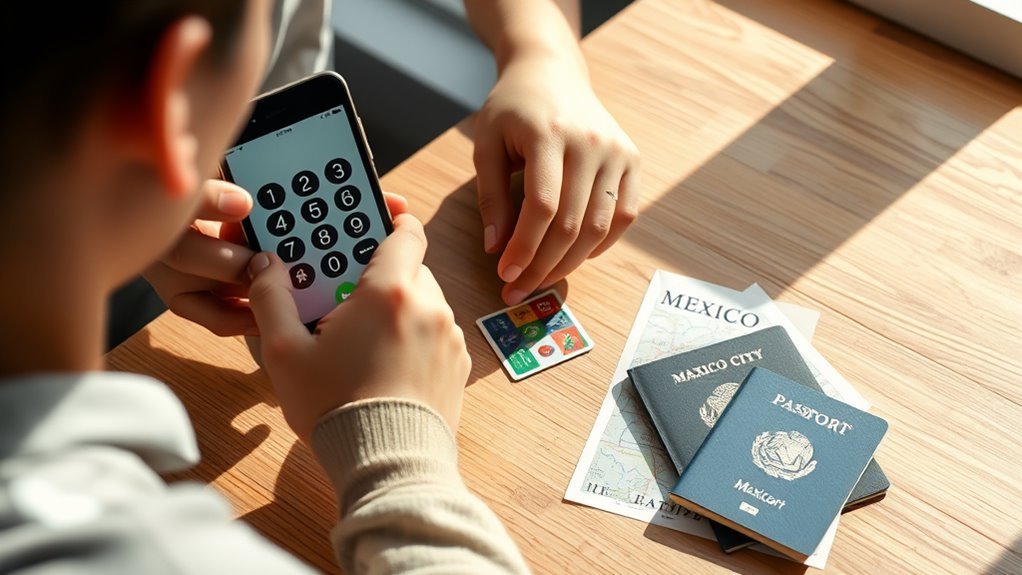
To call Mexico from the United States, enter the international access code, Mexico’s country code 52, and the complete 10-digit destination number. A cellphone can use the plus sign (+) instead of the U.S. exit code 011.
The AT&T international calling instructions confirm that Mexican mobile numbers use country code 52, not 521.
How to Call Mexico From a Cellphone
- Open your phone app. Go to the keypad where you normally enter phone numbers.
- Enter the plus sign. On most cellphones, press and hold 0 until + appears.
- Dial 52. This is Mexico’s international country code.
- Enter the complete Mexican number. Include all 10 digits, starting with its area code.
- Tap Call. Wait for the call to connect. Your carrier must allow international calls.
For example, a Mexico City number can follow the pattern +52 55 XXXX XXXX. The letters represent the remaining digits of the actual phone number.
Saving contacts with +52 makes them easier to dial when traveling. You do not need to replace the international access code every time you change countries.
How to Call Mexico From a US Landline
- Dial 011. This is the international exit code used by U.S. landline services.
- Dial 52. Enter Mexico’s country code.
- Enter the 10-digit phone number. Include the complete area code and remaining digits.
- Wait for the connection. If your service does not permit international dialing, contact your provider.
For a Mexico City number, the sequence would look like 011 52 55 XXXX XXXX.
The 011 prefix should not be used automatically when calling from other countries. International access codes vary by location. On mobile phones, +52 is generally the simpler format.
The official T-Mobile international dialing guide also confirms the +52 format and explains how to enter international numbers.
Landlines vs. Mobile Numbers in Mexico
Mexican landlines and mobile phones now use the same international dialing format. You no longer need to identify the number type before deciding which digits to enter.
Mexico changed its numbering system on August 3, 2019. The reform removed the extra 1 previously required for calls from abroad to Mexican mobile phones.
Both Mexican landlines and mobile phones use +52 followed by the full 10-digit national number. The old mobile-only prefix is no longer necessary.
Mexico’s telecom regulator documented these changes in its 10-digit dialing reform information.
Before the reform, callers used different dialing formats depending on whether they wanted a landline or cellphone. The unified format removes that distinction.
There is still one important difference between landlines and mobile phones: calling charges may vary by destination type.
Some international services offer the same rate for both, while others charge different prices. This difference depends on the provider and calling product, not on adding extra digits to the phone number.
When saving a Mexican contact, use the full +52 number. You will not need to update the saved format if the person changes between a landline and mobile service while keeping the same number.
Mexico Area Codes and Number Length
Mexico uses a 10-digit national phone number. The first two or three digits identify the numbering area, while the remaining seven or eight digits complete the number.
Mexico City uses area code 55, and Cancún uses 998. Together with the remaining digits, both produce a 10-digit national number.
| Example | Format |
|---|---|
| Mexico City | 55 + 8 digits |
| Cancún | 998 + 7 digits |
| Mobile call | +52 + 10 digits |
| Total national number | 10 digits |
Other common Mexican area codes include 33 for Guadalajara, 81 for Monterrey, and 664 for Tijuana.
Here is how these area codes fit into international dialing:
- Mexico City: +52 55 XXXX XXXX
- Guadalajara: +52 33 XXXX XXXX
- Monterrey: +52 81 XXXX XXXX
- Cancún: +52 998 XXX XXXX
- Tijuana: +52 664 XXX XXXX
These patterns illustrate the required number length. Replace the X characters with the recipient’s actual digits.
The country code 52 is not part of the 10-digit national number. Therefore, a complete international number contains +52 followed by 10 digits.
When copying a number from a website or business card, check whether the country code is already included. Adding 52 twice can produce an incorrect destination.
What to Check in a Mexico Calling Plan
The best Mexico calling plan depends on how frequently you call and what your existing phone service already includes. Some U.S. plans provide international calling to Mexico without a separate monthly add-on.
Start by checking whether your current package offers unlimited calls to Mexican landlines and mobile numbers.
If Mexico is not included, compare the following features:
- Per-minute charges: Find the actual price of calls to Mexican numbers.
- Mobile and landline rates: Check whether the provider charges different amounts.
- Monthly fees: Determine whether an international calling add-on costs less than paying per minute.
- Billing increments: Check whether the provider bills by full minutes or smaller intervals.
- VoIP requirements: Confirm whether your internet connection and available mobile data can support calls.
- Contract terms: Look for automatic renewals, cancellation rules, and any promotional restrictions.
Do not confuse a mobile data plan with an international calling plan. Buying more data does not automatically provide cheaper international telephone calls.
Data becomes relevant when using an internet-based calling service, also called Voice over Internet Protocol or VoIP.
Some plans offer discounts for longer commitments, including multi-month arrangements. Compare the total cost rather than choosing a package based only on its advertised monthly price.
Compare Mexico Calling Plans
U.S. providers offer several ways to call Mexico. These include standard mobile plans with international benefits, paid calling add-ons, and internet-based services.
For frequent callers, a plan that already includes Mexico may provide better value than paying separately for each call.
Plan Types and Rates
Some AT&T, Verizon, and T-Mobile plans include calls to Mexico. Availability depends on the exact plan and whether the account is eligible.
For example, Verizon advertises a Global Calling add-on for $5 per line per month. It includes unlimited calling from the U.S. to Mexico and Canada for eligible customers.
The Verizon international long-distance guide also explains which domestic plans already include Mexico calling.
| Plan or Service | Mexico Calling Benefit |
|---|---|
| Eligible AT&T Prepaid plans | Unlimited calling included |
| Verizon Global Calling | $5 per line monthly |
| Eligible T-Mobile plans | Unlimited calling included |
| VoIP calling services | Provider-specific rates or calling credits |
These are examples of available calling arrangements, not a complete list of phone plans. Domestic service charges, eligibility rules, and other conditions may apply.
The T-Mobile Canada and Mexico benefit provides unlimited calling and texting between the U.S., Mexico, and Canada on qualifying plans.
Some plans also include mobile data and hotspot allowances while traveling. However, those features are separate from calling Mexico while physically located in the United States.
Mobile vs. Landline Costs
Calling a Mexican mobile number can cost a different amount from calling a landline, even though both use the same +52 dialing format.
The difference depends on your carrier’s pricing structure and whether your plan includes international calling.
For example, VoIP providers may offer separate rates for mobile and landline destinations. Other products include both destination types within the same package.
A useful comparison should answer three questions:
- Does the plan include unlimited calls to both Mexican mobile and landline numbers?
- What is the per-minute cost when the destination is not included?
- Are connection fees or other charges added to the advertised rate?
Standard international charges can become expensive during long conversations. However, there is no single per-minute rate that applies to every U.S. carrier.
Before choosing an add-on, compare its monthly fee with your expected calling minutes. A person who makes one short call may spend less using prepaid credit, while a frequent caller may benefit from an included or unlimited plan.
Savings and Calling Options
The easiest way to reduce Mexico calling costs is to use an international benefit already included in your phone plan. If that is unavailable, consider prepaid calling credit or a VoIP service.
Viber Out is one example. It allows calls to regular mobile and landline numbers using an internet connection.
According to Viber’s official pricing guidance, the cost depends on the destination, number type, and calling product.
Viber Out’s pay-as-you-go calling credit may have different rates for landlines and mobile phones. Its calling plans can apply the same included rate to both types.
Viber also bills calls by whole minutes. A conversation lasting nine minutes and 36 seconds, for example, is charged as 10 minutes.
That billing method matters when making many short calls. A low advertised rate may be less attractive if each brief connection is rounded up to a full minute.
Cheaper Ways to Call Mexico
Cheaper ways to call Mexico include VoIP services, prepaid calling cards, and international calling plans. The best option depends on whether you need to reach a regular phone number and how often you call.
Use VoIP Services
VoIP services send calls through an internet connection rather than relying only on traditional international telephone routing.
Google Voice is one option for eligible users. It supports calls to international numbers, but international calling charges apply.
The Google Voice international calling guide explains how calls are charged and how to confirm that a call is being routed through Google Voice.
Google warns that if its calling confirmation does not appear, the call may be going through your mobile carrier instead. That could result in different international charges.
Viber Out is another option for reaching ordinary phone numbers, including people who do not use the same application.
Skype was previously a popular choice, but it is no longer a standard option for new customers. Microsoft retired Skype on May 5, 2025, and stopped offering new purchases of Skype Credit and subscriptions.
Microsoft’s Skype retirement announcement explains the changes to existing paid calling services and remaining account credit.
Try Prepaid Calling Cards
Prepaid calling cards can help control international calling expenses by limiting spending to purchased credit.
Before buying a card, review its rates, expiration terms, connection charges, and billing increments.
Some cards advertise low per-minute prices but apply additional fees. Calculate the total cost of an expected call instead of comparing the advertised rate alone.
Choose an International Calling Add-On
If you regularly contact relatives, friends, or businesses in Mexico, an international calling add-on may offer more predictable costs.
Some providers include unlimited Mexico calls in existing domestic packages. Others offer a separate monthly service.
For occasional calls, prepaid credit may be more economical. Frequent callers should compare their likely monthly usage with the cost of an unlimited calling option.
Pro Tip: Before purchasing an international calling add-on, check your existing plan’s Mexico benefits. You may already have unlimited calling included and could avoid paying twice for the same service.
Common Calling Mistakes to Avoid
Most Mexico dialing mistakes involve the international access code, an incorrect number length, or an outdated prefix. Checking these details can prevent failed connections.
The most significant outdated instruction is adding 1 after Mexico’s country code when calling a cellphone. That format was replaced by the unified 10-digit system.
Dialing Format Errors
Using the wrong international dialing format is a common reason calls fail. From a U.S. landline, enter 011 before 52; from a mobile phone, use +52 followed by the national number.
Watch for these errors:
- Missing country code: Dialing the Mexican national number without +52 or the appropriate international access code.
- Using 011 as a universal exit code: Other countries may use different international dialing prefixes.
- Adding the country code twice: Copying a +52 number and then entering another 52.
- Incorrect area code: Using the wrong two- or three-digit prefix for the destination.
- Wrong number length: Entering fewer or more than 10 national digits.
- Old domestic prefixes: Including Mexico’s former 01, 044, or 045 dialing prefixes.
Using 0052 from a U.S. line is also incorrect unless a specific calling service instructs you to use that sequence. The standard U.S. international exit code is 011.
Why You Should Not Add the Old Mobile Prefix
Older instructions often tell callers to dial 011 + 52 + 1 before a Mexican mobile number. That extra 1 is obsolete and should not be included.
The current format for a Mexican mobile phone is +52 followed by its complete 10-digit number.
Mexico’s 2019 reform removed the distinction between international landline and mobile dialing. An old contact saved with +521 may therefore fail to connect.
To fix the contact, remove the 1 immediately after 52. Keep the rest of the 10-digit national number unchanged.
What to Do if Your Call Will Not Connect
If your Mexico call fails, start with the number format before changing plans or contacting support.
- Check the number length. Confirm that 10 digits follow +52.
- Remove outdated prefixes. Delete any extra 1 after 52 and former Mexican domestic dialing prefixes.
- Try the correct international access format. Use +52 on a mobile phone or 011 52 on a U.S. landline.
- Check your account permissions. Some telephone services restrict international calls or require a calling feature to be enabled.
- Try another valid number. This helps determine whether the problem affects one destination or your calling service.
- Contact your provider. Ask whether international calls to Mexico are supported and whether any restrictions apply to your account.
If a call connects but the audio is poor, check your mobile signal or internet connection. VoIP calls depend on stable data service, and a weak connection can affect voice quality.
Frequently Asked Questions
How to Dial +52 on Cell Phone?
Open your phone’s dial pad and hold 0 until the + sign appears. Enter +52 followed by the full 10-digit Mexican number, then tap Call. Do not insert 1 after 52, even when the person has a mobile phone.
Is 52 the First Number You Have to Put in for Mexico?
Not always. From a U.S. landline, dial the international exit code 011 before 52. On a mobile phone, start with +52 instead. The country code identifies Mexico; the next 10 digits identify the phone number.
What Does +52 Before a Phone Number Mean?
+52 is Mexico’s international country calling code. It tells the phone network to route the call to Mexico. A complete Mexican contact saved for international use should contain +52 followed by its 10-digit national number.
Can I Text a +52 Number?
Yes. In your messaging app, address a standard SMS to +52 followed by the recipient’s 10-digit Mexican mobile number. You do not need the former extra 1. International texting rates and delivery support depend on your carrier and plan.
Conclusion
To call Mexico successfully, use +52 and the full 10-digit number from your cellphone, or 011 + 52 and the same number from a U.S. landline. The old mobile prefix 1 is no longer required.
Before making frequent calls, review your current plan’s international benefits. An included Mexico calling feature, an affordable add-on, or a VoIP service can help you avoid unnecessary charges.
Sources
- Mexico’s Instituto Federal de Telecomunicaciones (IFT): Official 10-digit dialing reform and removal of obsolete prefixes.
- AT&T Wireless Support: International dialing format and the corrected Mexico mobile country code.
- T-Mobile Support: Instructions for placing international calls and formatting Mexican numbers.
- Verizon International Long Distance FAQs: Global Calling pricing and included Mexico calling benefits.
- T-Mobile Canada and Mexico Included: International calling eligibility and supported plan features.
- Viber Support: Viber Out calling charges, billing increments, and mobile versus landline pricing.
- Google Voice Help: International calling charges and call-routing confirmation.
- Microsoft Support: Skype retirement, service availability, and changes to paid calling products.

